African Safari Tours

Kilimanjaro National Park Malaria & Safety Guide

Kilimanjaro National Park Malaria & Safety Guide

Climbing Kilimanjaro is one of the safer ways to experience high-altitude mountaineering, largely because every ascent is professionally guided by experienced crews who have supported thousands of climbers toward the summit. Rather than wildlife encounters or crime — which are virtually non-issues on the mountain itself — altitude sickness is the single biggest safety consideration for anyone planning a Kilimanjaro trek, and reputable operators build itineraries around gradual acclimatization for exactly this reason. Throughout the climb, guides carry out standard daily health checks, including pulse oximeter readings to monitor blood oxygen levels, so early signs of altitude-related discomfort can be caught quickly. Malaria risk on a Kilimanjaro itinerary is generally associated with lower-elevation areas visited before or after the climb, such as Moshi or Arusha, rather than the mountain's higher slopes. Because individual health needs vary, travelers should consult a doctor or travel health clinic well before departure to discuss personal risk factors, recommended precautions and any pre-trip preparation suited to their itinerary and medical history.

Health & Safety at a Glance

⛰

Altitude Sickness & Acclimatization

Altitude sickness is the most common health consideration on Kilimanjaro, since the summit rises well above 5,000 metres. Reputable itineraries reduce risk with longer routes, gradual ascent profiles and built-in acclimatization days, giving the body more time to adjust. Because individual risk factors vary widely, travelers should consult a doctor or travel health clinic before departure to discuss what is appropriate for their own health and chosen route.

💉

Daily Health Monitoring on the Mountain

Throughout the climb, experienced mountain guides carry out routine daily health checks, including pulse oximeter readings that track blood oxygen saturation and heart rate. These simple, non-invasive checks help crews notice changes early and adjust pace or descent plans where needed. This kind of ongoing monitoring is standard practice on well-run Kilimanjaro climbs and is a key reason guided ascents are considered a safe way to experience high-altitude trekking.

👍

Malaria Prevention at Lower Elevations

Malaria risk is generally associated with Tanzania's lower-elevation areas, such as Moshi or Arusha, visited before or after a Kilimanjaro climb, rather than the mountain's higher slopes. Common precautions include protective clothing and insect-avoidance habits while at lower altitudes. Because guidance depends on personal health history, itinerary and travel dates, consult a doctor or travel health clinic well ahead of departure for advice suited to your specific trip.

💉

Vaccinations & Pre-Trip Health Prep

Pre-trip health preparation is an important part of planning any Kilimanjaro climb or wider Tanzania safari. Requirements and recommendations vary by home country, travel history and overall health, so they are best confirmed with a doctor or travel health clinic several weeks before departure. Allowing time for this consultation means any necessary preparation can be completed comfortably ahead of your trip, rather than rushed at the last minute.

❄

Extreme Cold & Gear Safety

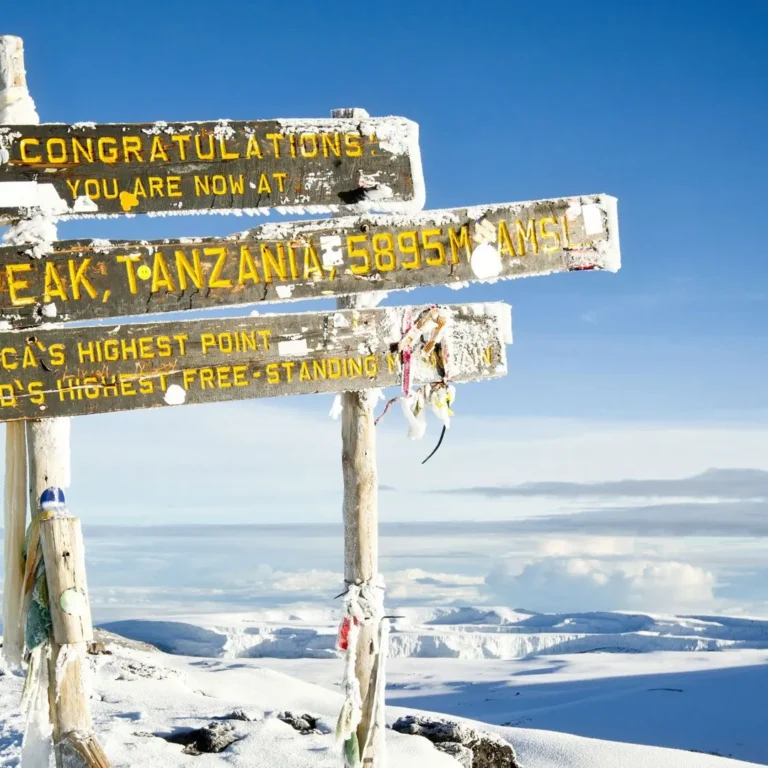
Summit night on Kilimanjaro can bring temperatures well below freezing, so proper layering and quality cold-weather gear are essential to staying safe and comfortable. Experienced operators provide detailed packing guidance and, in many cases, check climbers' equipment before the ascent begins. Guides also carry supplementary gear for emergencies and monitor climbers for signs of cold-related discomfort throughout the summit push, helping ensure the final stretch to Uhuru Peak is managed safely.

🏄

Physical Fitness Preparation

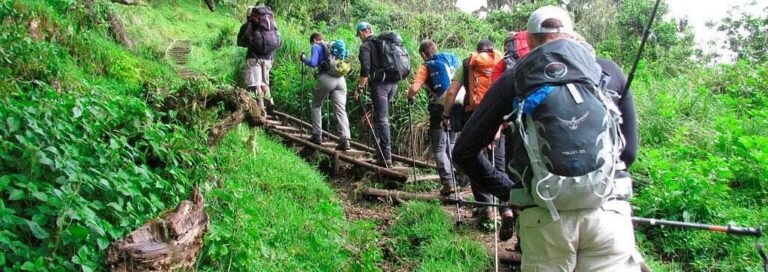
While Kilimanjaro requires no technical climbing skills, a solid base of cardiovascular fitness and hiking experience makes the days of sustained walking noticeably more comfortable. Training with a loaded daypack on hilly terrain in the months before departure is a common way climbers prepare. Combined with a well-paced itinerary and experienced guides, good physical preparation supports both enjoyment and overall safety on the mountain.

Plan Your Kilimanjaro Climb

Trip Length
6 – 15+ days
Comfort Level
Safari Style
Operator Rating
Specialized Tours
Filter by Operator
Other Tour Features

Frequently Asked Questions

Is altitude sickness common on Kilimanjaro?

Altitude sickness is a genuine consideration for most Kilimanjaro climbers, since the summit sits above 5,895 metres and oxygen levels drop steadily during the ascent. Symptoms can range from mild to more serious, and some discomfort is common even on well-planned climbs. Reputable operators reduce risk through longer routes, gradual daily altitude gain and built-in rest days that let the body acclimatize. Because individual response to altitude varies widely and isn't predicted by fitness alone, travelers should speak with a doctor or travel health clinic before departure to understand personal risk factors for their chosen route and overall itinerary.

What increases the risk of altitude sickness on Kilimanjaro?

Several factors influence how a person responds to altitude on Kilimanjaro, and no single trait guarantees protection. Ascending too quickly is one of the most significant contributors, which is why shorter, steeper routes generally carry higher risk than longer itineraries with extra acclimatization days. Dehydration, poor sleep and pushing through early discomfort can also make symptoms worse. Because Kilimanjaro is typically climbed without the slow, multi-week approach used on some other big mountains, choosing a longer route and pacing each day sensibly matters. For guidance specific to personal health history or medication, travelers should consult a doctor or travel health clinic well before their trip.

What safety measures support a successful summit attempt?

Summit success on Kilimanjaro is closely tied to safety, since climbers who move too fast or ignore early symptoms are more likely to turn back before reaching Uhuru Peak. Guided climbs build in gradual altitude gain, extra acclimatization days on longer routes, and a deliberately slow pace, often summarized as 'pole pole', to help the body adjust. Guides monitor each climber daily, including pulse oximeter readings, and adjust plans when needed rather than pushing through concerning symptoms. Proper hydration, nutrition and rest at camp also play a meaningful role. Because every climber responds differently, discussing personal fitness and health history with a doctor before departure can help set realistic, safe expectations.

Is malaria a risk when climbing Kilimanjaro?

Malaria is present in parts of Tanzania, though risk is generally associated with lower-elevation areas rather than the higher slopes of Kilimanjaro itself, where cooler temperatures make mosquito activity less likely. Climbers are more likely to encounter potential exposure during time spent in towns such as Moshi or Arusha before and after the trek, or while combining a climb with a lower-altitude safari. This is a general pattern rather than a guarantee, and personal risk depends on the season, itinerary and individual health. Because recommendations around malaria prevention are medical in nature and vary by traveler, it's important to consult a doctor or travel health clinic well ahead of your trip for advice tailored to your plans.

Where is malaria risk highest on a Kilimanjaro itinerary?

On a typical Kilimanjaro itinerary, any malaria-related risk is generally considered highest during time spent at lower elevations, for example nights in Moshi or Arusha before and after the climb, or side trips to a Tanzania safari destination. The mountain's higher camps are cooler and less hospitable to mosquitoes, which is why the climb itself is not usually the main focus of malaria discussions. Even so, individual circumstances, the time of year and personal medical history all affect actual risk levels. Because this is a medical topic that depends on your specific trip and health background, travelers should speak with a doctor or travel health clinic before departure rather than relying on general assumptions.

Do I need vaccinations before climbing Kilimanjaro?

Vaccination recommendations for a Kilimanjaro climb depend on factors such as your home country, planned itinerary, and whether you're combining the climb with a wider Tanzania safari or other regional travel. Requirements can also change over time, so relying on outdated information isn't advisable. Rather than a single fixed list that applies to everyone, appropriate preparation is genuinely individual and should be confirmed directly with a qualified source. For this reason, the most reliable step is to consult a doctor or travel health clinic several weeks before departure, giving enough time to complete any recommended preparation comfortably and without last-minute pressure before you fly.

How fit do I need to be to climb Kilimanjaro safely?

Kilimanjaro doesn't require technical climbing skills or ropework, but it does involve multiple consecutive days of walking, often five to eight hours at a time, at increasing altitude. A reasonable baseline of cardiovascular fitness makes the days more comfortable and can support a steadier, safer pace, which in turn helps with acclimatization. Many climbers prepare with regular hiking, stair training or cardio sessions in the months beforehand, ideally practicing with a loaded daypack on hilly terrain. Mental readiness for long days and changing weather also matters as much as raw fitness. Combined with an experienced guide team and a well-paced itinerary, reasonable preparation supports both safety and enjoyment on the mountain.

Which Kilimanjaro route offers the safest acclimatization profile?

Generally speaking, longer Kilimanjaro routes with more days on the mountain allow for more gradual altitude gain, which is widely considered a safer approach to acclimatization than shorter, faster itineraries. Routes that include a 'climb high, sleep low' pattern, where climbers ascend to a higher point during the day before returning to a lower camp to sleep, are often favored for this reason. No route eliminates the general considerations around altitude entirely, since individual response still varies. Choosing between routes usually involves balancing time, budget and scenery alongside acclimatization profile. An experienced tour operator can help match a route to your available time, fitness and personal preferences.

Is it safe to climb Kilimanjaro as a solo traveler?

Solo travelers regularly and safely climb Kilimanjaro, largely because every trek, regardless of group size, is accompanied by a professional guide team, porters and support crew for the entire route. This means solo climbers aren't actually alone on the mountain; they benefit from the same daily health checks, pacing and safety oversight as anyone in a larger group. Foot Slopes Tours and Safaris arranges individual private safaris for solo travelers, with your own guide and vehicle throughout. As with any climber, general preparation such as fitness, appropriate gear and a pre-trip consultation with a doctor remain worthwhile steps regardless of whether you're traveling alone.

Is Kilimanjaro a safe climb for families with children?

Kilimanjaro can be a suitable and rewarding challenge for families, though age, fitness and prior hiking experience all factor into whether a particular child or teenager is ready for a multi-day high-altitude trek. Longer, more gradual routes are generally preferred for family climbs, since they reduce daily exertion and support easier acclimatization for younger climbers. Guides keep a close eye on every member of a group, with the same daily health checks applied regardless of age. Because children's health considerations at altitude can differ from those of adults, it's especially worthwhile to discuss a planned Kilimanjaro climb with a doctor beforehand to confirm it's an appropriate undertaking for your family.

How cold does it get on Kilimanjaro, and is that dangerous?

Temperatures on Kilimanjaro vary enormously by altitude, and summit night in particular can drop well below freezing, especially combined with wind chill on the exposed upper slopes. This kind of extreme cold is a genuine safety factor, which is why quality layered clothing, insulated boots and proper hand and head protection are considered essential rather than optional for the summit push. Reputable operators provide detailed packing guidance in advance and often check climbers' gear before the ascent begins. Guides also carry additional emergency gear and keep watch for signs of cold-related discomfort throughout the night climb. With the right preparation, extreme cold is a manageable, well-anticipated part of a Kilimanjaro summit attempt.

What happens if a climber develops symptoms of altitude sickness?

If a climber shows signs of altitude-related discomfort, experienced guides are trained to respond by adjusting pace, encouraging rest and hydration, or, if symptoms don't improve, arranging a controlled descent to a lower camp. Daily health checks, including pulse oximeter readings, help guides notice changes early rather than waiting for symptoms to become more pronounced. Descent generally remains the most effective general response when discomfort continues or worsens, and reputable operators prioritize this over pushing on toward the summit. Every group is accompanied by trained crew for exactly this reason. Because appropriate responses can depend on individual circumstances, climbers should also discuss personal risk factors and warning signs with a doctor before departure.

Are Kilimanjaro guides trained to handle health and safety issues?

Reputable Kilimanjaro guides receive training in wilderness first aid, altitude-related health monitoring and emergency response procedures, including how to recognize early signs of discomfort and when a descent is the appropriate next step. Most guided climbs also carry basic monitoring equipment, such as pulse oximeters, and maintain communication with base support in case additional help is needed. Head guides typically oversee a small support team per group, allowing closer attention to each climber's condition throughout the trek. This structured, trained oversight is one of the main reasons a professionally guided Kilimanjaro climb is considered a comparatively safe way to experience high-altitude trekking, provided climbers also prepare well beforehand.

Why choose Foot Slopes Tours and Safaris for a safe Kilimanjaro climb?

Foot Slopes Tours and Safaris builds every Kilimanjaro itinerary around safety as a priority rather than an afterthought, favoring longer routes with proper acclimatization days over rushed, budget-driven schedules. Climbs are led by experienced local guides who carry out daily health checks, including pulse oximeter monitoring, throughout the trek. The team's deep, on-the-ground knowledge of the mountain, its weather patterns and its routes allows for sensible pacing decisions tailored to each group rather than a one-size-fits-all approach. Combined with attentive porter and support crews and clear pre-trip guidance, this approach reflects a broader commitment to responsible, well-organized mountain travel that puts climber wellbeing at the center of the experience.

What safety equipment does Foot Slopes Tours and Safaris provide on the mountain?

On Kilimanjaro climbs with Foot Slopes Tours and Safaris, guides carry standard monitoring and emergency equipment, including pulse oximeters for daily health checks and supplementary gear appropriate to mountain conditions. Camps and routes are selected with safety and comfort in mind, and support crews are equipped to assist quickly if a climber needs help at any point on the trail. Pre-trip communication includes detailed packing guidance so climbers arrive with appropriate personal gear for extreme cold and changing weather. While specific equipment can vary by route and group size, the underlying approach remains consistent: proactive monitoring, experienced crew and preparation that supports a safer climb from start to finish.

What makes Foot Slopes Tours and Safaris' guides reliable for high-altitude safety?

Foot Slopes Tours and Safaris works with experienced Kilimanjaro guides who have supported climbers across multiple routes and seasons, giving them practical familiarity with how altitude, weather and pacing interact on the mountain. Guides are trained to conduct routine health monitoring, recognize early signs of altitude-related discomfort, and make sound pacing or descent decisions when needed, rather than prioritizing a summit push over a climber's wellbeing. This experience is paired with a support structure of porters and crew that allows closer attention to each climber throughout the trek. The combination of trained personnel, sensible route selection and attentive daily monitoring reflects the operator's broader focus on safe, well-managed mountain travel.

Does Foot Slopes Tours and Safaris support solo and family climbers with safety planning?

Yes, Foot Slopes Tours and Safaris tailors Kilimanjaro safety planning to the traveler, whether that's a solo climber, a couple, or a family bringing children or teenagers on the trek. Solo climbers receive the same guide-led health checks and support crew as any group, while family itineraries typically favor longer, more gradual routes suited to younger or less experienced climbers. Pre-trip conversations help match travelers to a route and pace appropriate to their fitness and experience level. Across all group types, the emphasis remains on gradual acclimatization, daily monitoring and clear communication, alongside encouraging every traveler to consult a doctor or travel health clinic as part of their own preparation.

Plan With Confidence

Plan Your Kilimanjaro Climb

Tell us your dates, style, and preferred parks, and we will build the perfect itinerary around you.

Book Now Online →

What Our Travelers Say

Real 5-star reviews from guests who traveled with us

“
★★★★★

Our Private African luxury Safari experience with Foot Slopes Tours and Safaris was nothing short of exceptional. From the very beginning, owner Gabriel was incredibly responsive, making the entire booking process smooth and stress-free. Gabriel went above and

Charlotte T
“
★★★★★

We had an incredible private safari experience with Foot Slopes Tours and Safaris. Their office staff was very helpful and informative, and they communicated very well. Our pick-ups to and from the airport were on time and hassle-free, an unforgettable Safari

Evans Aiden
“
★★★★★

Foot Slopes Tours and Safaris is truly one of the best local tour companies in Tanzania. From start to finish, their service was professional, reliable, and personalized. The team went above and beyond to make sure every detail of our trip was perfect. Our saf

André T
“
★★★★★

Our family chose Foot Slopes Tours and Safaris for a custom 11-day safari itinerary, and we couldn’t be happier with our choice! Everything from our initial inquiry to building our custom itinerary to pre-departure and on-trip support was top quality. Communic

Ida N