
What Vaccinations Do You Need for an East Africa Safari?
For an East Africa safari in Tanzania, the only vaccination that may be required for entry is yellow fever, and only if you arrive from or transit through a country with yellow fever risk. Travel health clinics commonly recommend making sure routine vaccines are up to date and discussing hepatitis A, typhoid and tetanus, with hepatitis B and rabies for some travellers. There is no routine malaria vaccine for travellers, so antimalarial tablets and bite prevention are essential. This guide explains entry rules, recommended vaccines, timing and advice for every traveller, to prepare for your private safari with confidence.
What vaccinations do I need for a Tanzania safari?
A yellow fever certificate may be required if you arrive from or transit through a yellow fever risk country; otherwise, no vaccine is usually mandatory for entry. Travel clinics commonly recommend routine vaccines plus hepatitis A, typhoid and tetanus, and sometimes hepatitis B or rabies depending on your trip. Ask your doctor about malaria tablets, and visit a travel clinic six to eight weeks before you travel for personal advice.
01Interactive Safari Vaccination Checklist
Use this interactive safari vaccination checklist to plan your travel health preparation for Tanzania and East Africa step by step. It covers booking your travel clinic appointment, checking entry rules, discussing vaccinations and malaria prevention, organising documents and packing essential health items, from first clinic visit to flight day. Tick each item as you complete it and follow your progress with the bar, or print the list and keep it with your passport. Always follow the personal advice of your doctor or travel clinic, because the vaccines you need depend on your route, activities, age and medical history.
Before You Book0/4
Discuss With Your Clinic0/6
Malaria Prevention0/4
Documents0/4
Pack and Prepare0/4
02Required Vaccinations and Entry Rules for Tanzania
Many travellers are surprised to learn that most visitors flying directly to Tanzania do not need any mandatory vaccinations for entry. The main exception is yellow fever, because a certificate may be required if you arrive from, or transit through, a country with yellow fever risk. Multi-country East Africa itineraries need extra care and early planning with your clinic, as rules can depend on the order of your route. The cards below explain whether any vaccine is mandatory, how the yellow fever certificate works, what to check for multi-country trips and where to find reliable, up-to-date entry information.
Is Any Vaccination Mandatory?
For most travellers flying directly to Tanzania, no vaccination is mandatory for entry. The main exception is yellow fever: a certificate may be required if you arrive from, or have transited through, a country with risk of yellow fever transmission. Entry rules can change at short notice, so always check the latest official requirements before you travel.
The Yellow Fever Certificate
If you need proof of yellow fever vaccination, carry your International Certificate of Vaccination or Prophylaxis with your passport. The certificate becomes valid a short time after vaccination, so get vaccinated well ahead of your travel dates. Your clinic will advise whether the vaccine is suitable for you and whether a medical exemption letter is needed instead.
Multi-Country East Africa Trips
If your itinerary combines Tanzania with Kenya, Uganda, Rwanda or other countries, check the entry rules for each country and the order in which you visit them. Travelling between countries with yellow fever risk can trigger certificate checks at later borders. Your travel clinic and our team can help you plan your route and documents.
Use Official, Up-to-Date Sources
Vaccination advice and entry requirements change over time, so rely on official sources such as your national travel health service, government travel advice and your travel clinic rather than old blog posts. Check again shortly before you travel, especially if your flights or transit points change after booking your Tanzania safari. Our team can share helpful official links.
03Recommended Vaccines for Most Safari Travellers
Beyond entry rules, travel health clinics commonly recommend a small set of vaccines for most travellers visiting Tanzania and East Africa. Making sure routine vaccines are up to date is the first step, followed by protection against food and waterborne illnesses such as hepatitis A and typhoid, and a tetanus booster if needed. These recommendations apply to most safari, beach and trekking trips, whether you stay in luxury lodges or simple camps. The cards below explain each commonly recommended vaccine, why it matters on safari and what to discuss with your travel clinic before your private tailor-made safari.
Routine Vaccines
Before any international trip, make sure routine vaccinations are up to date, such as measles, mumps and rubella, tetanus, diphtheria, polio and seasonal vaccines your doctor recommends. These protect you from illnesses that can occur anywhere in the world. Your travel clinic can check your records and arrange any boosters you need before your safari.
Hepatitis A
Hepatitis A spreads through contaminated food and water and is commonly recommended for travellers to East Africa. Even if you stay at excellent safari lodges and camps, you may eat in towns, at markets or on long road journeys between parks. The vaccine gives good protection, and your clinic will advise on timing and any booster dose needed.
Typhoid
Typhoid is also spread through contaminated food and water, and vaccination is commonly discussed for travellers to Tanzania, especially those eating outside safari lodges, travelling overland or visiting rural areas. The vaccine reduces risk but does not give complete protection, so careful food and water hygiene remains essential throughout your East Africa safari and beach holiday.
Tetanus and Diphtheria
Tetanus can enter the body through cuts, scratches or wounds, making protection important for walking safaris, camping and Kilimanjaro trekking. Tetanus is usually given in combination with diphtheria, and sometimes polio or whooping cough. Check when you had your last booster, as your clinic may recommend another dose before you travel. Bring your records to the appointment.
04Vaccines for Specific Trips and Activities
Some vaccines are not needed for every safari but may be recommended depending on how long you travel, where you go and what you do. Hepatitis B, rabies, cholera and seasonal vaccines are commonly discussed for longer stays, remote travel, volunteering, camping, cycling or travellers with specific health needs. Your travel clinic will weigh up your itinerary, activities, age and medical history before advising, so share as much detail as you possibly can. The cards below explain these situational vaccines and when they may be recommended for travellers on an East Africa safari, Kilimanjaro climb or Zanzibar beach holiday.
Hepatitis B
Hepatitis B spreads through blood and body fluids, so vaccination is often recommended for longer stays, volunteering, medical work or travellers who may need medical treatment abroad. Many clinics also suggest it as part of a complete travel vaccination plan. The vaccine is given in several doses over weeks or months, so plan early before your trip.
Rabies
Rabies is present in parts of East Africa and spreads through bites or scratches from infected animals, including stray dogs, monkeys, bats and other mammals. Pre-travel vaccination may be recommended for long trips, remote travel, cyclists, campers, children or people working with animals. Anyone bitten or scratched must seek urgent medical care, even if previously vaccinated.
Cholera
Cholera vaccination is not needed for most safari travellers staying in lodges and camps, but your clinic may discuss it if you plan to work in humanitarian settings or visit areas with outbreaks and limited access to safe water. Careful food and water hygiene remains the most important protection for every traveller in East Africa.
Seasonal and Other Vaccines
Your doctor may recommend seasonal vaccines, such as influenza, or other vaccines depending on your age, health and current guidance. Long flights, airports and travel through busy hubs increase contact with many people. Ask your clinic which seasonal vaccines are sensible for your trip, especially if you are older or have medical conditions or weakened immunity.
05Vaccination Advice by Trip Type
The vaccines your clinic recommends can vary depending on whether you are taking a classic Tanzania safari, climbing Kilimanjaro, relaxing on Zanzibar or travelling through several East African countries. Each trip type brings different activities, food and water exposure, malaria risk and border rules. Kilimanjaro climbers also need advice on altitude sickness and acclimatisation. Select each tab below to see the main health focus, vaccines commonly discussed, malaria risk and a useful tip for each type of trip. Share your full itinerary with your travel clinic, so they can give advice that matches your exact plans and route.
Classic Tanzania Safari
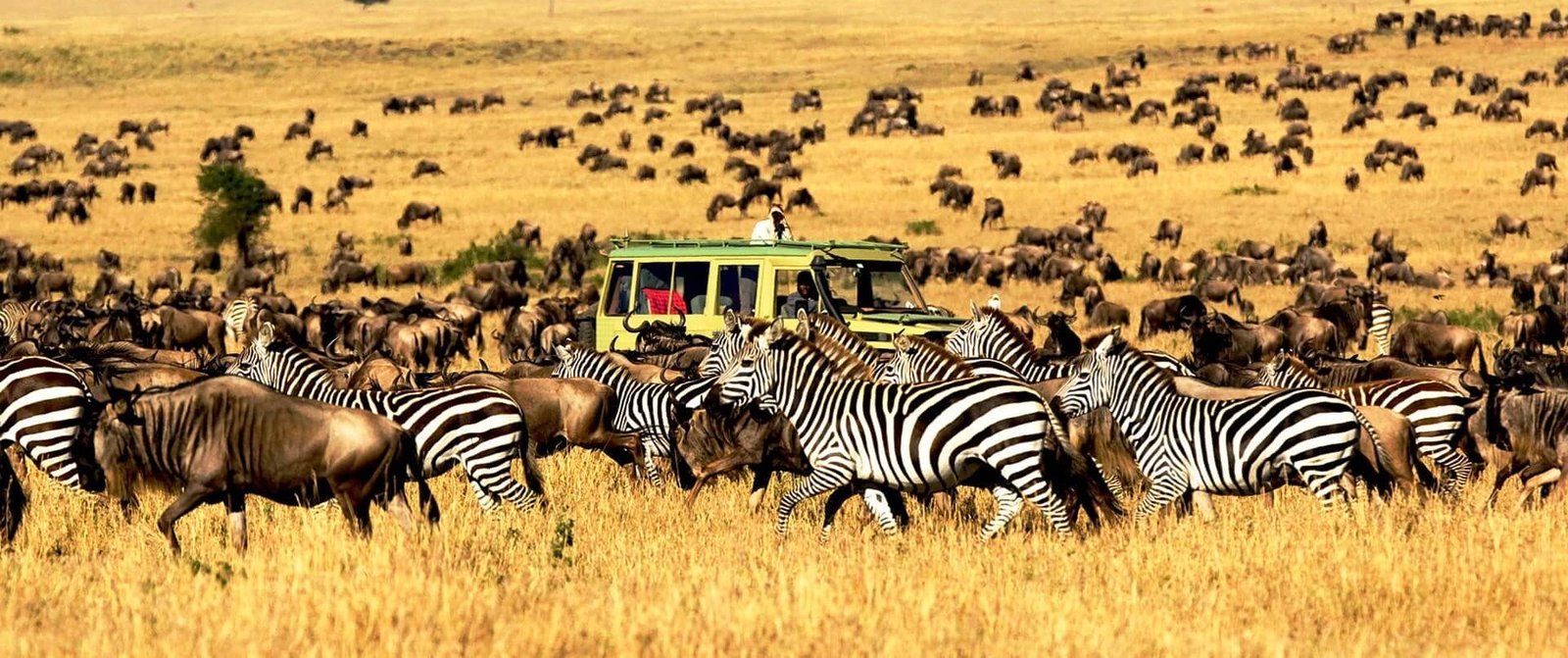
Game drives, lodges and tented camps in the Serengeti, Ngorongoro and Tarangire
Routine vaccines, hepatitis A, typhoid, tetanus and yellow fever certificate rules
A classic Tanzania safari on the Northern Circuit usually involves lodges and tented camps with good hygiene, but you may eat in towns and travel long distances by road. Clinics commonly discuss routine vaccines, hepatitis A, typhoid and tetanus, and malaria prevention is important in many parks. Check yellow fever rules for your flight route.
Tanzania safari packages →
Kilimanjaro Climb
Trekking, camping and long days outdoors on the mountain
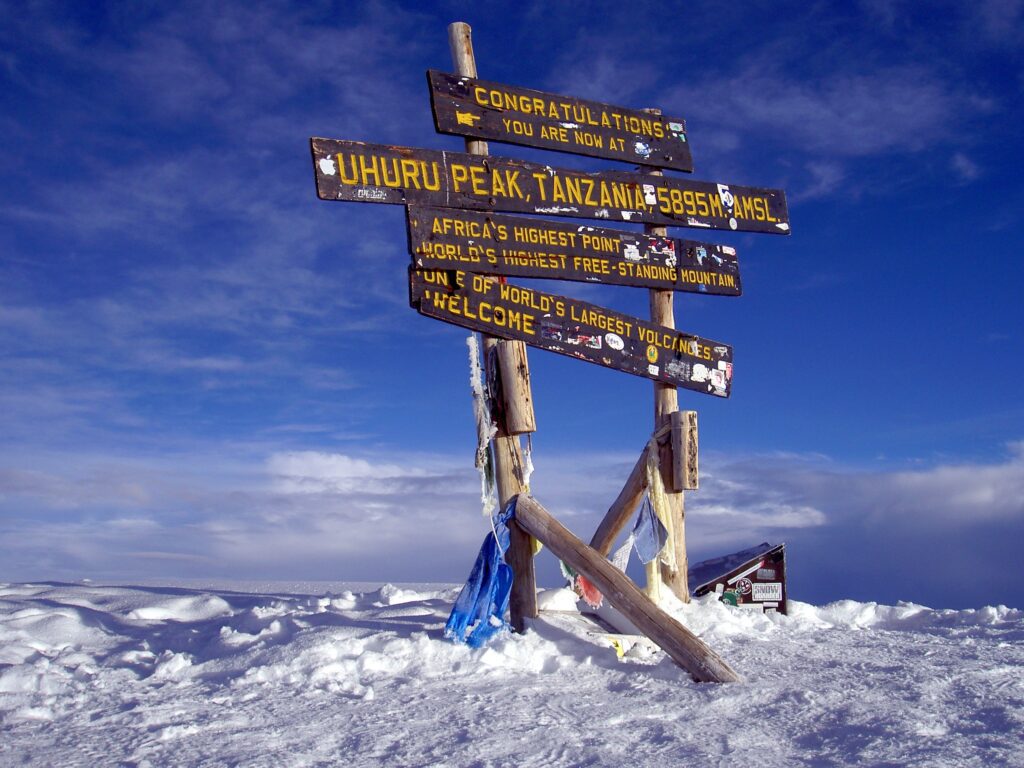
Routine vaccines, hepatitis A, typhoid, tetanus booster and altitude health advice
Climbing Kilimanjaro involves several days of camping, so tetanus protection and good hygiene are especially important. Clinics commonly discuss the same core travel vaccines as for a safari. Malaria risk is low on the upper mountain but present in surrounding lowland areas, so ask your doctor about prevention, plus advice on preventing altitude sickness on the mountain.
Vaccinations for Kilimanjaro →
Zanzibar Beach Holiday
Beach resorts, Stone Town and coastal excursions
Routine vaccines, hepatitis A, typhoid and yellow fever rules when arriving from the mainland or abroad
A Zanzibar beach holiday after your Tanzania safari brings tropical heat, seafood, markets and the historic, winding streets of Stone Town. Clinics commonly discuss hepatitis A and typhoid because of food and water exposure. Malaria prevention also applies on Zanzibar, so continue any prescribed tablets and use repellent in the evenings, especially near the coast after sunset.
Zanzibar beach holidays →
Multi-Country East Africa Safari
Combining Tanzania with Kenya, Uganda or Rwanda
Yellow fever certificate checks at borders, routine and food and waterborne vaccines
Multi-country East Africa safaris need careful planning, because yellow fever rules can depend on where you travel from and in which order. Carry your vaccination certificate between countries, and ask your clinic about recommended vaccines for every destination on your route. Our team helps you plan the smoothest order and border crossings for your trip.
Grand East African safari →06Malaria Prevention for an East Africa Safari
Malaria is one of the most important health considerations for an East Africa safari, and it is present in many safari areas and on Zanzibar. Because there is no malaria vaccine routinely given to international travellers, protection relies on antimalarial tablets prescribed by your doctor and careful prevention of mosquito bites. Knowing the main malaria symptoms and seeking urgent medical advice for any fever during or after your trip is equally important. The cards below explain how to protect yourself from malaria on safari and what to do if you feel unwell while travelling or after returning home.
No Routine Malaria Vaccine for Travellers
Although malaria vaccines are used in some endemic areas, there is no malaria vaccine routinely given to international travellers. Protection for safari visitors relies on antimalarial medication prescribed by your doctor and careful prevention of mosquito bites. Ask your travel clinic which approach is right for your itinerary, health and travel dates, ideally at your travel clinic appointment.
Antimalarial Tablets
Your doctor may prescribe antimalarial tablets for your safari, usually taken before, during and after your trip. Several options exist with different schedules and side effects, so personal medical advice is essential. Take your tablets exactly as prescribed, finish the full course after you return home and carry them in your hand luggage on every flight.
Prevent Mosquito Bites
Use an effective insect repellent on exposed skin, especially from dusk until dawn, and wear long sleeves, long trousers and socks in the evenings. Sleep under a mosquito net where provided and keep tent zips and room screens closed, especially in the evening. These simple daily habits greatly reduce your risk of malaria and other mosquito-borne illnesses.
Know the Symptoms
Malaria symptoms can include fever, chills, sweats, headache and muscle aches, appearing during your trip or weeks after you return home. Seek urgent medical advice for any fever during or after travel, and tell the doctor that you recently visited East Africa on safari. Early diagnosis and prompt treatment are very important for recovery and safety.
07When to Get Your Safari Vaccinations
Timing matters when it comes to safari vaccinations, because some vaccines need time to become effective and others are given in several doses. Booking a travel clinic appointment six to eight weeks before your trip gives you the best range of options and enough time to complete any courses. Even last-minute travellers benefit from a clinic visit before they fly, so never skip this step. The cards below explain when to visit a clinic, how to plan multi-dose vaccines, what to do if you are travelling soon and how to keep your vaccination records safe during your trip.
Visit a Clinic Six to Eight Weeks Before
Book a travel clinic appointment six to eight weeks before your East Africa safari. This gives time for vaccines to become effective, for multi-dose courses to begin and for your yellow fever certificate to become valid if needed. Bring your vaccination records and full itinerary to the appointment for the most accurate, personal advice for your trip.
Plan for Multi-Dose Vaccines
Some vaccines, such as hepatitis B and rabies, are given in several doses over weeks or months, and accelerated schedules may be possible for some travellers. Planning early gives you the most flexible options for your trip. Keep a record of each dose and the dates, and ask your clinic whether you need boosters for future trips.
Last-Minute Travellers
If you are travelling at short notice, it is still worth visiting a travel clinic, even a few days before you fly. Many vaccines still offer useful protection, and you can receive malaria advice, prescriptions and essential health information for your trip. Never skip medical advice simply because your safari is booked at the last minute.
Keep Your Records Safe
Keep your vaccination certificate and records with your passport, and store clear photos or scans securely on your phone or email. Bring copies of prescriptions for any medication. If you lose your yellow fever certificate, you may be asked for proof at the border, so protect it carefully throughout your East Africa safari and any connecting flights.
08Vaccines for Children, Pregnancy and Medical Conditions
Vaccination advice is always personal, and some travellers need extra care when planning an East Africa safari. Children, pregnant or breastfeeding travellers, older travellers and people with medical conditions or weakened immunity may need tailored vaccines, alternative malaria options or medical exemption letters. Booking an early appointment with your doctor or travel clinic gives time to plan the safest approach. Share every medication you take and any health conditions, so your clinic can give safe advice. The cards below explain what each type of traveller should discuss before travel, so everyone can enjoy a healthy and comfortable safari.
Children
Children need vaccination and malaria advice tailored to their age and weight, so book a family appointment at a travel clinic well before your safari. Make sure routine childhood vaccines are up to date, and ask about child-friendly repellents and antimalarial options. Children are also more likely to approach animals, so rabies advice may be relevant.
Pregnancy and Breastfeeding
If you are pregnant, planning a pregnancy or breastfeeding, speak to your doctor or travel clinic early. Some vaccines and antimalarial medications need special consideration, and your doctor can advise whether travel to malaria areas is suitable. Check that your travel insurance covers pregnancy-related care before booking your safari. Our team can plan a comfortable itinerary around your needs.
Older Travellers
Older travellers enjoy wonderful, comfortable safaris with good preparation and planning. Some vaccines, including yellow fever, need extra consideration as you get older, so discuss your health and medication with your doctor. Your clinic may also recommend seasonal vaccines and boosters, and advise on staying healthy during long flights and bumpy road journeys in East Africa.
Medical Conditions and Immunity
If you have a weakened immune system, take certain medications or have a chronic condition, some vaccines may not be suitable and others may need special timing. Your doctor may provide a medical exemption letter for yellow fever if vaccination is unsafe for you. Always declare all medical conditions and medication to your travel insurer before travelling.
09Other Safari Health Essentials
Vaccinations are only one part of staying healthy on an East Africa safari. Safe food and water habits, comprehensive travel insurance, a well-stocked health kit and good sun protection are equally important for a comfortable and trouble-free trip. Our team provides safe drinking water in every vehicle and works with lodges that maintain good hygiene standards. Small daily habits, such as washing your hands and drinking water, make a difference. The cards below summarise the other health essentials every safari traveller should prepare, with links to our detailed health and safety guide for more practical advice and tips.
Safe Food and Water
Vaccines reduce risk, but safe food and water habits remain essential. Drink bottled or treated water, eat freshly cooked hot meals, peel fruit yourself and wash or sanitise your hands before eating. Established safari lodges and camps maintain good hygiene standards, and our vehicles carry safe drinking water on every game drive, so you never run short.
Travel Insurance
Comprehensive travel insurance is essential for every East Africa safari. Choose a policy covering medical treatment, emergency air evacuation, repatriation and cancellation, and check that it includes all your activities, from walking safaris to Kilimanjaro trekking. Carry your policy number and emergency helpline with you throughout your trip. Read the small print carefully so you know what is covered.
Pack a Health Kit
Pack a small health kit with your prescription medication, antimalarial tablets if prescribed, insect repellent, sunscreen, plasters, antiseptic wipes, pain relief, rehydration salts and hand sanitiser. Keep essential medication in your hand luggage, with copies of prescriptions, in case checked bags are delayed on international or regional flights. Check expiry dates and pack enough medication for any travel delays.
Sun and Hydration
The equatorial sun is strong, even on cloudy days and early game drives. Use high-SPF sunscreen, a wide-brimmed hat and sunglasses, and drink water regularly throughout the day. Staying hydrated and protected from the sun helps you feel energised and makes it easier to enjoy every moment of your safari. Reapply sunscreen after swimming or sweating.
Safari Health Planning Guides
10East Africa Safari Vaccination FAQs
What vaccinations are required for Tanzania?
Usually none for travellers arriving directly. A yellow fever certificate may be required if you arrive from or transit through a risk country.
Do I need a yellow fever vaccine for a Tanzania safari?
Only if required by your route or advised by your clinic. Check whether you arrive from or transit through a yellow fever risk country.
What vaccines are recommended for an East Africa safari?
Clinics commonly recommend routine vaccines plus hepatitis A, typhoid and tetanus, with hepatitis B or rabies for some travellers.
Is there a malaria vaccine for safari travellers?
No malaria vaccine is routinely given to international travellers. Ask your doctor about antimalarial tablets and prevent mosquito bites.
Do I need malaria tablets for a Tanzania safari?
Malaria is present in many safari areas and on Zanzibar, so ask your doctor or travel clinic whether antimalarial tablets are right for you.
How long before a safari should I get vaccinated?
Visit a travel clinic six to eight weeks before you travel, as some vaccines need time to work or require several doses.
Do I need a rabies vaccine for safari?
Not usually for short lodge-based safaris, but it may be advised for long, remote or animal-related trips, cyclists and children.
Do I need hepatitis B for East Africa?
It is often advised for longer stays, volunteering or medical work, and some clinics recommend it for all travellers.
Do I need vaccinations for Zanzibar?
Advice is similar to mainland Tanzania. Check yellow fever rules for your route and discuss hepatitis A, typhoid and malaria prevention.
Do I need vaccinations for Kilimanjaro?
Clinics commonly discuss the same travel vaccines as for a safari, plus a tetanus booster and altitude health advice.
Can children have safari vaccinations?
Yes, with advice tailored to their age and weight. Book a family travel clinic appointment well before your trip.
What if I cannot have the yellow fever vaccine?
Your doctor may provide a medical exemption letter. Check whether it will be accepted for your route before you travel.
Do I need to carry my vaccination certificate?
Yes. Keep your yellow fever certificate, if required, with your passport, and carry copies of your vaccination records.
Where can I get reliable vaccination advice?
From your doctor, a travel health clinic and official national travel health and government travel advice services.
Plan Further: East Africa Safaris
Safari Styles
Top Destinations
Plan Your Private East Africa Safari
Tell us your travel dates and interests, and our local team will plan a private tailor-made safari with practical health and packing advice, safe drinking water, experienced guides and support throughout your trip.
Book Now Online →What Our Travelers Say
Real 5-star reviews from guests who traveled with us