Eco-Friendly Safari Packing Tips: How to Pack Sustainably for Tanzania
To pack for an eco-friendly safari, travel light with durable, soft-sided luggage, bring a reusable water bottle and filter, and avoid single-use plastics, which Tanzania restricts. Choose biodegradable toiletries, reef-safe sunscreen, natural insect repellent and neutral clothing made from natural or recycled fabrics, and power your devices with a solar charger and rechargeable batteries. This guide to sustainable safari packing includes an interactive eco checklist, simple green swaps and practical leave-no-trace tips from our local team, so your private tailor-made safari in Tanzania helps protect the wonderful wildlife, wild, landscapes and welcoming local communities you came here to see.
How do I pack sustainably for a safari?
Pack light in a durable soft-sided bag, bring a reusable water bottle with a filter, reusable cutlery and bags, and leave single-use plastic at home. Choose solid shampoo and soap bars, reef-safe sunscreen and biodegradable insect repellent, wear long-lasting neutral clothing, and use a solar charger with rechargeable batteries. On safari, carry all your rubbish out, give wildlife space and follow your guide's advice.
01Interactive Eco-Friendly Safari Packing Checklist
Use this interactive eco-friendly safari packing checklist to prepare a lighter, greener bag for your Tanzania safari. It covers reusable essentials, biodegradable toiletries, sustainable clothing, solar and electronic gear, a leave-no-trace kit and durable luggage, so nothing important is forgotten before you travel. Tick each item as you pack and follow your progress with the bar, or print the list and keep it safely with your travel documents. Each detailed section below explains why these items matter and how they reduce waste, protect wildlife and support the friendly local communities you meet throughout your private tailor-made safari in Tanzania.
Reusables0/6
Eco Toiletries0/6
Sustainable Clothing0/6
Solar and Electronics0/6
Leave No Trace Kit0/5
Bags and Luggage0/5
02Pack Light and Choose Durable Luggage
The most sustainable safari bag is a light one, filled with durable, versatile items that you will use again and again. Lighter luggage reduces fuel use on flights, light aircraft transfers and road journeys between parks, and makes your travel far easier, safer and more comfortable. Light aircraft in Tanzania have strict luggage limits and usually require soft-sided bags, so careful packing is practical as well as eco-friendly and kinder to the planet. The cards below explain how to pack light, choose long-lasting luggage, bring multi-use items and trim your packing list before your private tailor-made safari begins.
Pack Light
Packing light is one of the simplest ways to reduce your carbon footprint on safari, because heavier luggage burns more fuel on flights, light aircraft and long road journeys. Bring a few versatile, neutral-coloured outfits that mix and match, and remember that many lodges offer laundry services, so you can rewear clothes and keep your bag small.
Choose Durable, Soft-Sided Luggage
Choose a rugged soft-sided duffel or backpack made from recycled nylon, canvas or other long-lasting materials. Soft bags are usually required on light aircraft transfers in Tanzania, and well-made luggage survives dusty roads and bumpy game drives. Buying quality once creates far less waste than replacing cheap bags that crack or tear on every trip.
Pack Multi-Use Items
Items that do more than one job save space and weight. A buff works as a neck warmer, dust mask and sun cover, a microfibre towel doubles as a picnic blanket, and a sarong can be a scarf, cover-up or beach towel on Zanzibar. Fewer items mean a lighter, greener bag and easier packing between camps.
Trim Your Packing List
Before you zip up your bag, review your list and remove anything you are unlikely to use. Most travellers overpack extra outfits, gadgets and toiletries that never leave the suitcase. On safari, versatile clothes, warm layers, a hat, sunscreen, binoculars and a camera cover almost everything you need for comfortable, enjoyable game drives every day.
03Plastic-Free Safari Essentials
Single-use plastic is one of the biggest sources of waste on any trip, and in remote safari areas it can easily end up harming wildlife and fragile ecosystems. Tanzania has banned single-use plastic carrier bags, so travelling plastic-free is both responsible and practical. A reusable water bottle with a filter, durable reusable cutlery and food wraps, and fabric or dry bags replace almost all of the plastic that travellers usually carry. The cards below explain the essential plastic-free items to pack, why they matter and how they help keep Tanzania's national parks clean, healthy and wild for future visitors.
Reusable Water Bottle
Bring a sturdy reusable water bottle made from stainless steel or aluminium instead of buying bottled water throughout your trip. Many lodges and camps in Tanzania provide filtered drinking water for refills, and your guide can help you top up on game drives. One good bottle can replace dozens of single-use plastic bottles on a single safari.
Water Filter or Purifier
A portable water filter, filter bottle or purification tablets let you refill safely wherever clean water is limited, especially on long road transfers, walking safaris and Kilimanjaro treks. Pairing a filter with your reusable bottle greatly reduces plastic waste, one of the biggest sources of litter for travellers, and keeps you well hydrated in the heat.
Reusable Cutlery and Food Wraps
Pack a lightweight bamboo spork or reusable cutlery set, a beeswax or silicone food wrap and a foldable silicone bowl. They are handy for picnic lunches in the parks, snacks on long drives and meals on the go. These small reusables replace plastic cutlery, cling film and takeaway containers, reducing plastic waste at every stage of your trip.
Reusable Bags, Not Plastic
Tanzania banned single-use plastic carrier bags in 2019, and they may be confiscated on arrival, so leave them at home. Use reusable dry bags, packing cubes and fabric pouches for clothes, shoes and toiletries instead. A small foldable shopping bag is also useful for market visits, souvenirs and carrying your rubbish out of the national parks.
04Simple Eco Swaps for Your Safari Bag
Small changes to what you pack can make a big difference to your environmental impact on safari. These simple eco swaps replace common single-use and polluting items with durable, reusable and biodegradable alternatives that work perfectly in the bush. Select each tab to see what to swap out, what to swap in, why it helps and where it matters most during your trip. None of these swaps is expensive or complicated to make before you travel, and together they reduce waste, protect wildlife and water sources and make your private tailor-made safari in Tanzania lighter and more sustainable.

Solid Bars and Toothpaste Tablets
Liquid shampoo, conditioner and soap in plastic bottles
Solid shampoo and soap bars, toothpaste tablets and refillable pouches
Liquid toiletries come in plastic bottles and often contain chemicals that can affect rivers and wildlife when wastewater returns to the environment. Solid shampoo, conditioner and soap bars last a long time, need minimal packaging and never leak in your bag. Toothpaste tablets and refillable silicone pouches complete a light, practical, plastic-free toiletry kit for your safari.
Safari packing list →
Reef-Safe Sunscreen and Natural Repellent
Sunscreens with oxybenzone or octinoxate and harsh chemical sprays
Mineral reef-safe sunscreen and biodegradable insect repellent
Some sunscreen ingredients, such as oxybenzone and octinoxate, are linked to damage to coral reefs and marine life. Choose a mineral, reef-safe sunscreen, especially if you plan to finish your safari on Zanzibar's beaches. Pack an effective, biodegradable insect repellent too, and ask a travel health professional which repellent best suits your trip and destinations.
Zanzibar beach holidays →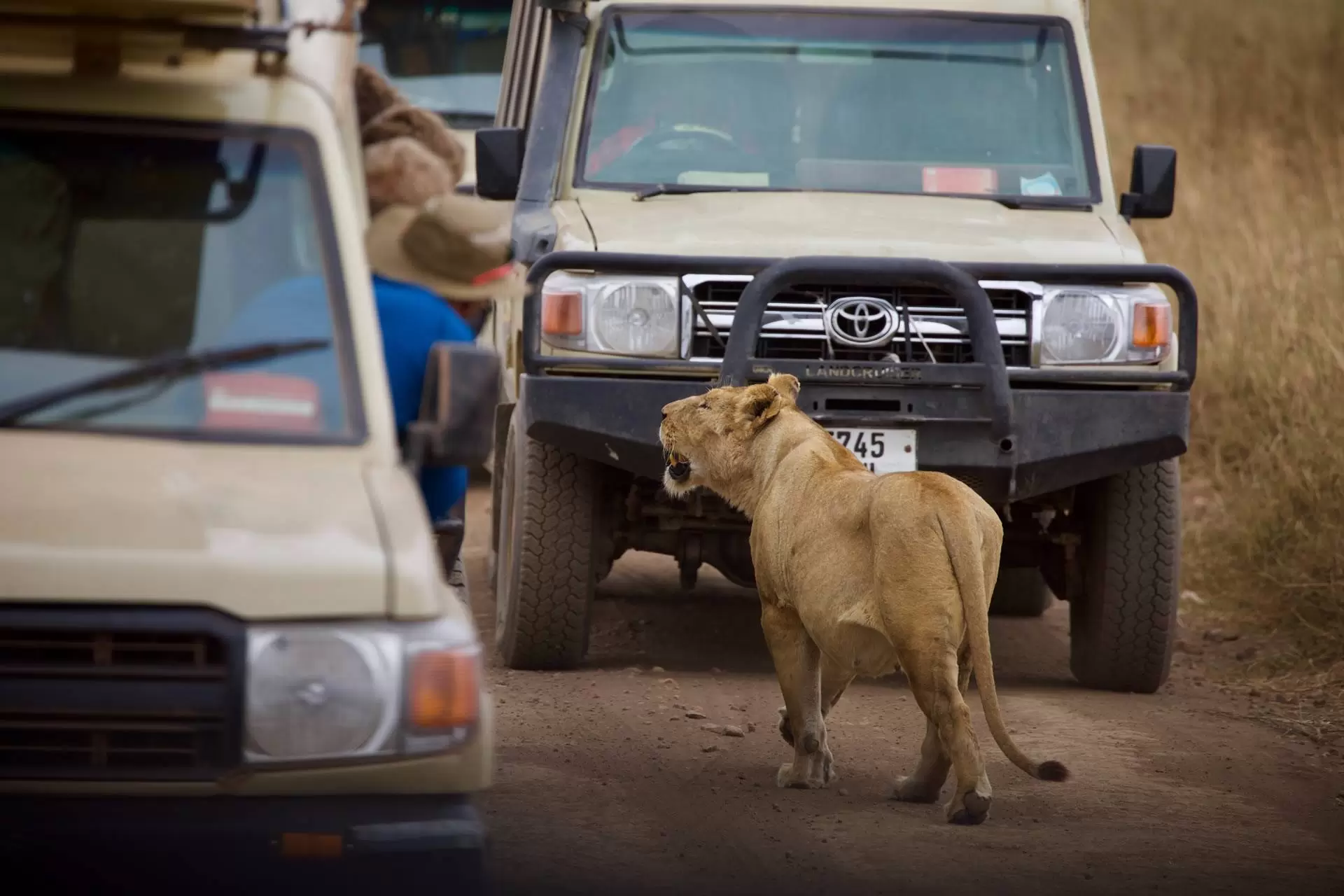
Durable Clothing Made to Last
Cheap fast-fashion outfits bought just for the trip
Neutral, long-lasting clothes in natural or recycled fabrics
Fast fashion creates huge amounts of waste and rarely survives dusty game drives. Choose durable, neutral-coloured clothing made from organic cotton, hemp, linen or recycled fabrics, and wear pieces you already own wherever possible. Quick-drying, versatile clothes are easy to wash at lodges, so you need fewer items overall and can travel much lighter between camps.
What to wear on safari →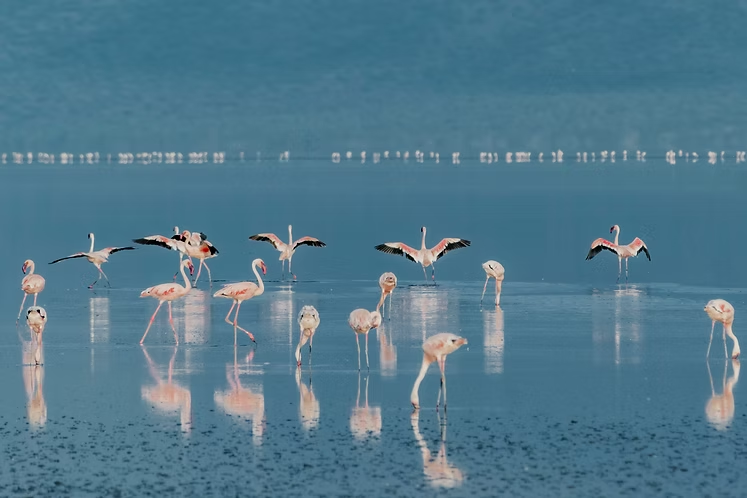
Solar Chargers and Rechargeable Batteries
Disposable batteries and power-hungry gadgets
A solar charger or power bank, rechargeable batteries and LED torches
Disposable batteries are difficult to recycle in remote areas and often end up as hazardous waste. A solar charger or power bank, rechargeable batteries and an LED or solar torch keep your phone, camera and binoculars working quietly and sustainably. Many eco-friendly lodges in Tanzania already rely on solar power for lighting and hot water.
Eco-friendly lodges →05Eco-Friendly and Reef-Safe Toiletries
Your toiletry bag is one of the easiest places to make your safari packing more sustainable. Many standard shampoos, soaps, sunscreens and repellents come in plastic packaging and contain chemicals that can harm rivers, wildlife and coral reefs when wastewater returns to nature. Solid bars, reef-safe sunscreen, biodegradable repellent and refillable containers keep you clean and protected while reducing your impact. The cards below explain which eco-friendly toiletries to pack for Tanzania, how to use them on safari and exactly why they matter so much, especially if you plan to finish your trip with a relaxing Zanzibar beach holiday.
Solid Shampoo and Soap Bars
Solid shampoo, conditioner and soap bars replace plastic bottles, last a long time and cannot leak inside your bag. Store them in a small tin or reusable pouch so they dry between uses. Choose natural, biodegradable formulas, because wastewater from lodges and camps often returns to the environment and can affect rivers, plants and animals.
Reef-Safe Sunscreen
The African sun is strong, so high-SPF protection is essential on safari. Choose a mineral, reef-safe sunscreen without oxybenzone and octinoxate, which are linked to coral reef damage and harm to marine life. This is especially important if you plan to swim or snorkel on Zanzibar after your safari. Pack an SPF lip balm and a wide-brimmed hat too.
Natural Insect Repellent
Insect repellent is an essential part of any safari packing list. Look for effective, biodegradable formulas and ask a travel health professional which repellent and other precautions best suit your trip. Long sleeves and trousers in the evenings reduce bites and the amount of repellent you need, which is better for you and the environment.
Toothpaste Tablets and Refills
Toothpaste tablets let you chew, brush and rinse without a plastic tube, and they are light and travel-friendly. Refillable silicone pouches are leak-proof and ideal for lotion, conditioner or sunscreen in small amounts. Add a bamboo toothbrush, biodegradable wet wipes and hand sanitiser for a compact, practical, low-waste toiletry kit that fits easily into your daypack on safari.
06Sustainable Safari Clothing
Sustainable safari clothing is durable, versatile and made from lower-impact fabrics, so you can pack fewer items and enjoy them for many years. Choosing neutral colours, natural or recycled materials and quick-drying layers reduces waste, saves water and keeps you comfortable on early morning game drives and warm afternoons. The cards below explain how to choose eco-friendly safari clothes, which colours to wear, how to layer for changing temperatures and how to use lodge laundry services wisely. Remember that the most sustainable clothes are often the comfortable ones you already own and love to wear on your travels.
Natural and Recycled Fabrics
Choose clothing made from organic cotton, hemp, linen, bamboo or recycled fabrics, which need fewer resources to produce than many conventional materials. Washing some synthetic fabrics releases microplastic fibres into water, so natural materials are often a better choice. Wherever possible, wear clothes you already own instead of buying new outfits just for your trip.
Neutral Safari Colours
Khaki, beige, olive and brown blend into the landscape, help you avoid startling wildlife and do not show dust easily, so clothes need washing less often. Avoid very bright colours and white on game drives. Some guides also advise against dark blue and black, which can attract biting tsetse flies in certain wooded areas of Tanzania.
Versatile and Quick-Drying
Lightweight, quick-drying clothes use less water, dry faster after washing and help you pack fewer items. Layer a T-shirt, long-sleeved shirt and fleece for cool mornings and warm afternoons, and choose trousers that work for game drives, walks and dinners. Versatile pieces that mix and match keep your bag light and your daily choices refreshingly simple.
Use Lodge Laundry Wisely
Many lodges and camps offer laundry services, so you can pack fewer clothes and rewear outfits during your safari. Group your washing together instead of sending single items, and rewear trousers and fleeces that are not dirty. Ask your lodge about its laundry policy, as some camps wash by hand and limit water use in dry areas.
07Solar Power and Energy-Saving Gear
Safaris often take you to remote areas where electricity is limited and many lodges and camps rely on solar power and generators. Packing your own solar charger or power bank, rechargeable batteries and an LED torch keeps your phone, camera and binoculars working without creating battery waste. Simple energy-saving habits at camp also help lodges reduce their environmental footprint. The cards below explain the best solar and energy-saving gear to pack for a sustainable safari in Tanzania and how to use power responsibly, so you stay connected and ready to capture every sighting while treading lightly in the wild.
Solar Charger or Power Bank
A portable solar charger or power bank keeps your phone and camera running quietly and sustainably in remote camps, where electricity may be limited to certain hours. Charge it whenever power is available at your lodge, and keep it topped up on game drives if your vehicle has charging points. It is especially useful for photographers.
Rechargeable Batteries
Disposable batteries are difficult to recycle in remote areas and often become hazardous waste. Bring rechargeable batteries for your camera, torch and other devices, along with a compact charger. Keep spare charged batteries in your daypack for long game drives, and take any used batteries home with you for proper recycling rather than leaving them behind.
Solar or LED Torch
A rechargeable LED or solar-powered torch is essential for moving around camp after dark, especially in tented camps where paths are dimly lit. LED torches use far less energy than older bulbs and last much longer. Many camps provide escorts after dark because wildlife can move through camp at night, so always follow staff advice.
Save Energy at Camp
Switch off lights, fans and air conditioning when you leave your room or tent, and unplug chargers once your devices are full. Many safari lodges in Tanzania rely on solar power and limited generators, so conserving energy helps them reduce their footprint. Choose eco-certified or solar-powered lodges where possible to support sustainable tourism in Tanzania.
08Leave No Trace on Safari
Your commitment to sustainability continues long after your bags are packed. On safari you are a guest in the home of wild animals and local communities, and your behaviour has a real impact on both. Leave no trace means carrying out all your rubbish, never leaving food scraps, giving wildlife plenty of space and following your experienced guide's advice at all times. The cards below explain simple leave-no-trace habits that keep Tanzania's national parks clean and wild, so the only things you take home are photographs and memories, and the only things you leave behind are your footprints.
Pack Out All Your Waste
Carry a small reusable bag for rubbish during game drives, walks and picnic lunches, and dispose of it only in bins at your lodge or camp. Never throw anything from the vehicle window, including tissues and wrappers. Always pack out what you pack in, so Tanzania's national parks stay clean, healthy and truly wild for everyone.
No Food Scraps in Nature
Even natural waste such as fruit peels, nutshells and food scraps can harm local ecosystems. They may attract animals, change their feeding behaviour and introduce seeds of non-native plants. Never feed wildlife, even accidentally, as it is dangerous for both you and the animals. Keep food sealed in the vehicle and take all leftovers with you.
Give Wildlife Space
Observe animals from a respectful distance and avoid shouting, standing up suddenly, banging the vehicle or asking your guide to drive too close. Animals that feel safe behave naturally, which creates better sightings and photographs. Switching off the engine, keeping voices low and waiting patiently often leads to the most rewarding wildlife moments on safari.
Follow Your Guide
Your guide understands animal behaviour, park regulations and fragile ecosystems. Follow their advice on when you can leave the vehicle, how close to approach wildlife and how to behave around local communities. Stay on designated roads and paths, avoid picking plants or collecting stones, and ask questions freely, as guides love sharing their knowledge of the bush.
09Support Local and Travel Responsibly
Sustainable travel is about more than packing; it also means making choices that benefit local communities and conservation. Buying essentials in Arusha or Moshi, choosing ethical souvenirs from local artisans, staying at eco-friendly lodges and considering carbon offsets for your flights all help make tourism a positive force in Tanzania. The cards below explain how to support local people and travel more responsibly during your safari. Our team can help you plan a responsible private tailor-made safari that includes eco-friendly accommodation, community visits and experienced local guides who care deeply about wildlife, conservation and the people of Tanzania.
Buy Essentials Locally
Some items, such as basic toiletries, snacks and drinks, can be bought in Arusha or Moshi before your safari begins. Buying locally keeps your luggage lighter and supports small businesses. You may also discover Tanzanian coffee, honey, spices and handmade crafts that make wonderful souvenirs. Ask your guide or safari planner where to find reliable local shops.
Choose Ethical Souvenirs
Buy souvenirs directly from local artisans, cooperatives and community projects, so more of your money reaches the people who made them. Avoid products made from ivory, shells, coral, animal skins or protected plants, which harm wildlife and may be illegal to export. Handmade crafts tell the story of the place and its people far better.
Stay at Eco-Friendly Lodges
Choose lodges and camps that use solar power, conserve water, reduce plastic, employ local staff and support conservation and community projects. Your choice of accommodation is one of the biggest and easiest ways to make your safari sustainable. Our team can recommend eco-friendly lodges and camps that match your travel style, interests and budget across Tanzania.
Consider Carbon Offsets
If you are flying to Tanzania, consider offsetting the carbon emissions from your flights through a reputable programme that supports reforestation or renewable energy. Offsetting does not remove the impact of travel, but it can help reduce it. Staying longer in fewer places and travelling by road between nearby parks can lower your footprint further.
Sustainable Safari Planning Guides
10Eco-Friendly Safari Packing Tips: FAQs
What are the best eco-friendly safari packing tips?
Pack light in a durable soft-sided bag, bring a reusable bottle and filter, avoid single-use plastic, choose biodegradable toiletries and reef-safe sunscreen, and use solar or rechargeable power.
Are plastic bags allowed in Tanzania?
No. Tanzania banned single-use plastic carrier bags in 2019, so pack reusable dry bags, packing cubes and fabric pouches instead.
Can I drink tap water on safari in Tanzania?
Tap water is not recommended. Use filtered water provided by lodges and camps to refill a reusable bottle, or bring a portable filter or purifier.
What type of luggage is best for a sustainable safari?
A durable soft-sided duffel or backpack. Soft bags are usually required on light aircraft, and quality luggage lasts for many trips.
Why should I pack light for a safari?
Lighter luggage uses less fuel on flights and road journeys, meets light aircraft limits and makes travel between parks much easier.
What sunscreen should I bring on safari?
A high-SPF mineral, reef-safe sunscreen without oxybenzone or octinoxate, especially if you plan to swim on Zanzibar after your safari.
What eco-friendly toiletries should I pack?
Solid shampoo and soap bars, toothpaste tablets, reef-safe sunscreen, biodegradable insect repellent and refillable silicone pouches.
What colours should I wear on an eco-friendly safari?
Neutral colours such as khaki, beige, olive and brown blend into the landscape and hide dust, so clothes need washing less often.
How can I charge my devices sustainably on safari?
Bring a solar charger or power bank and rechargeable batteries, charge when lodge power is available and switch devices off when not in use.
How do I leave no trace on safari?
Carry all rubbish out, never leave food scraps, never feed wildlife, stay on designated tracks and follow your guide's advice.
How can I support local communities on safari?
Buy essentials and souvenirs from local shops and artisans, stay at lodges employing local staff and include community or cultural visits.
What souvenirs should I avoid buying in Tanzania?
Avoid items made from ivory, coral, shells, animal skins or protected plants, which harm wildlife and may be illegal to export.
Are there eco-friendly lodges in Tanzania?
Yes. Many lodges and camps use solar power, conserve water, reduce plastic and support conservation and community projects.
Can Foot Slopes Tours and Safaris plan a sustainable safari?
Yes. We plan private tailor-made safaris with eco-friendly lodges, experienced local guides and responsible travel practices throughout.
Plan Further: Sustainable Tanzania Safaris
Safari Styles
Top Destinations
Plan Your Sustainable Private Safari
Tell us your travel dates and interests, and our local team will plan a private tailor-made safari in Tanzania with eco-friendly lodges, experienced guides and practical packing advice for lighter, greener travel.
Book Now Online →What Our Travelers Say
Real 5-star reviews from guests who traveled with us