Tipping In Tanzania Safari
Tipping In Tanzania Safari
Planning a Tanzania safari involves more than choosing destinations like the Serengeti National Park or Ngorongoro Crater—understanding tipping in Tanzania safari culture is essential for a smooth, respectful, and rewarding experience. Tipping is customary across African safari tours, reflecting appreciation for exceptional service from guides, camp staff, and support teams who make your wildlife adventure unforgettable. Whether you’re on a luxury safari in Tanzania, a mid-range tented camp, or a budget safari package, tipping remains consistent and fair. Most Tanzania safari costs exclude gratuities, so budgeting for tips is important when planning your trip. This guide explains how much to tip on safari, who to tip, and practical etiquette to follow, helping you navigate your journey confidently while supporting the hardworking teams behind your dream safari experience.
Safari Guide/Driver: $10–$25 per guest per day
Your safari guide or driver is the heart of your Tanzania wildlife safari experience, often combining expert navigation, wildlife tracking, and storytelling into one role. Whether exploring the vast plains of the Serengeti National Park or descending into the Ngorongoro Crater, guides ensure you spot the Big Five and understand animal behavior. Standard safari tipping guidelines in Tanzania recommend $10–$25 per guest per day, depending on service quality and safari style, which determines tipping on East African Safaris. On luxury African safaris, tipping may lean toward the higher end, while on budget safaris in Tanzania may stay lower. Tips are typically given at the end of the safari in cash (USD preferred). Generous tipping reflects satisfaction with knowledge, safety, and overall experience, making it one of the most important safari gratuities to consider.
Safari Chef (for camping): $10–$15 per guest per day
On Tanzania camping safaris, the safari chef plays a crucial role in delivering fresh, delicious meals in remote wilderness settings. From hearty breakfasts before game drives to warm dinners under African skies, chefs enhance your authentic safari experience in Tanzania. Tipping $10–$15 per guest per day is standard across budget camping safaris and mobile tented safaris in Tanzania, reflecting appreciation for effort, hygiene, and creativity in challenging environments. Chefs often cater to dietary needs, including vegetarian, vegan, or gluten-free options, adding value to your journey. When planning your Tanzania safari package cost, include chef gratuities as part of your tipping budget. A fair tip acknowledges long hours, dedication, and the ability to create memorable dining experiences even in the heart of the bush.
Budget camping & lodges
Affordable, adventurous and close to nature.
Mid-range lodges & tented camps
Comfort, good food and convenient locations.
Luxury tented camps & lodges
Spacious suites, personal service and prime wildlife areas.
Exclusive-use camps & villas
Complete privacy, private guides and bespoke experiences.
Porters/Transfer Drivers: $10–$15 per bag/transfer
During your Tanzania safari tour, porters and transfer drivers assist with luggage handling and smooth transportation between airports, lodges, and parks. Whether arriving in Arusha or transferring from Dar es Salaam, these professionals ensure seamless logistics, especially on fly-in safari in Tanzania or multi-destination itineraries. The recommended tipping amount is $10–$15 per bag or per transfer, depending on service level and distance. For luxury safari packages, tipping may be slightly higher due to premium service standards. Including porter and transfer tips in your Tanzania safari budget planning helps avoid last-minute confusion. Though often overlooked, these team members play a vital role in delivering a stress-free and well-organized safari experience from start to finish.
- Kilimanjaro Airport (JRO)Arrival
- MoshiAbout 45 min
- ArushaAbout 1 hour
- Safari parksNorthern Circuit
Restaurants: $10
While many safari lodges offer full-board dining, you may dine in local restaurants in cities like Arusha or Dar es Salaam before or after your safari. In Tanzania, tipping in restaurants is appreciated but not mandatory, especially if a service charge is already included. A standard tip of around $10 or 5–10% of the bill is considered generous and aligns with restaurant tipping in Tanzania etiquette. In tourist-friendly restaurants and upscale dining venues, tipping reflects satisfaction with service quality. When exploring Tanzania travel experiences, including local cuisine, small gratuities help support hospitality workers and enhance cultural exchange. Always check your bill first, then tip accordingly in cash for convenience and appreciation.
Mountain Crew (Kilimanjaro/Meru): Tiered daily tips
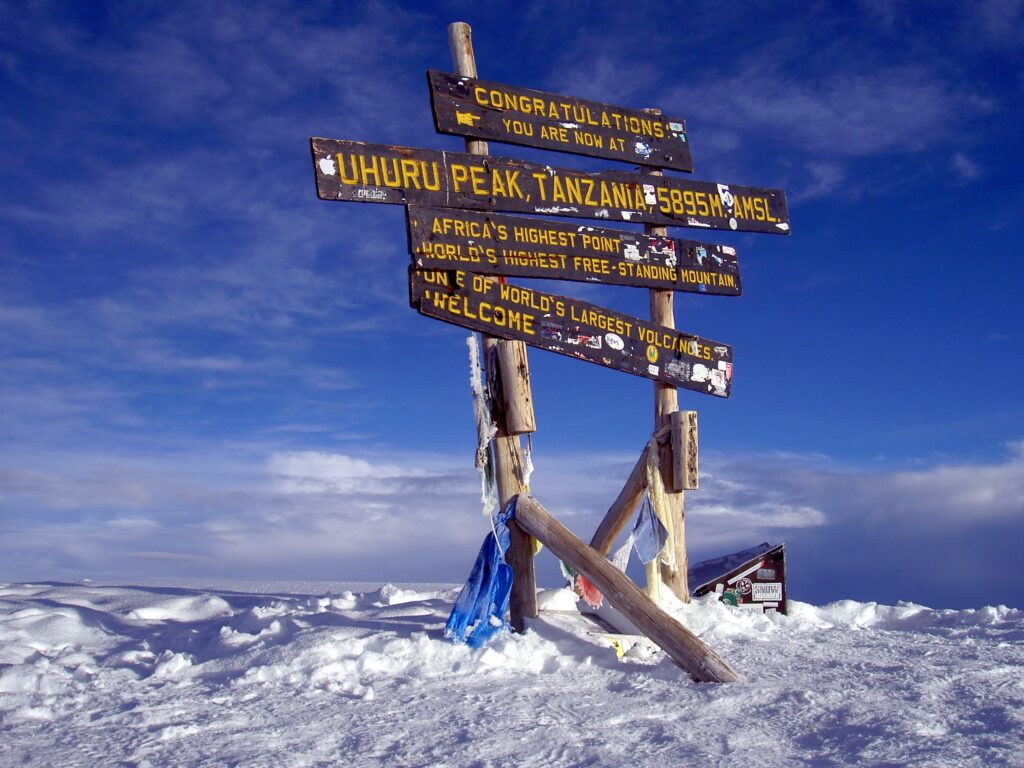
For trekkers climbing Mount Kilimanjaro or Mount Meru, tipping the mountain crew is a vital part of trekking ethics and sustainability. Your team includes lead guides, assistant guides, cooks, and porters who ensure safety, meals, and equipment transport. Standard Kilimanjaro tipping guidelines recommend $20+ per day for the lead guide, $10–$15 for the cook, and $6–$10 per porter per day. These tips are often pooled and distributed at the end of the climb. When budgeting your Kilimanjaro climbing cost or Mount Meru trekking package, include gratuities as a key expense. Supporting your crew through fair tipping reflects respect for their hard work in high-altitude conditions and enhances responsible travel in Tanzania.
Key Tips and Etiquette
Key etiquette involves demonstrating respect through punctuality, active listening, and polite communication (using "please" and "thank you"). Essential social rules include respecting personal space, silencing phones in public, dressing appropriately, and bringing a gift for the host. Key table manners involve waiting for all to be served and proper utensil use.
Timing
Tipping in Tanzania safari experiences is best done at the end of services, ensuring fair recognition of excellent service. For safari guides, drivers, and camp staff, tipping after your game drives in destinations like Serengeti or Ngorongoro enhances satisfaction. On multi-day Tanzania safaris, consider tipping daily or at departure. This aligns with safari tipping guidelines, promotes ethical tourism, and ensures transparency. Proper timing improves guest–staff relationships and reflects appreciation for exceptional wildlife safari experiences and professional tour services.
Currency
When planning a Tanzania safari, tipping, US dollars (USD), and Tanzanian shillings (TZS) are widely accepted. Small denominations are essential for convenience, especially in remote safari camps and lodges. Clean, newer USD notes (post-2009) are preferred. Understanding safari tipping currency ensures smooth transactions and avoids inconvenience during your African safari. Whether on luxury safari tours or budget safaris, carrying mixed currency enhances flexibility, supports local staff, and aligns with standard tipping etiquette across Tanzania’s tourism industry.
Method
The best method for tipping on a Tanzania safari is discreet, respectful, and direct. Hand tips personally to guides or use designated tip boxes in lodges and tented camps. Group tipping is common on guided safari tours, ensuring fairness among staff. Avoid overly public gestures, maintaining cultural sensitivity. Whether on private safaris, family safaris, or honeymoon safaris, structured tipping methods enhance professionalism, build trust, and support ethical safari tourism practices across Tanzania’s top wildlife destinations.
Structure
A clear tipping structure is essential for Tanzania safari planning. Typical guidelines suggest $10–$20 per day for safari guides, $5–$10 for drivers, and $5–$15 per day for camp staff (shared pool). Luxury safaris may warrant higher tips. Understanding tipping structure ensures consistency across safari packages, including mid-range, budget, and high-end safaris. This organized approach supports fair wages, motivates staff, and enhances overall safari experiences, aligning with global travel etiquette and responsible tourism standards.
Accessibility
Accessibility in safari tipping involves preparation and awareness. Remote national parks and safari lodges often lack ATMs, making advance cash planning crucial. Carry small bills for easy distribution during your Tanzania safari tour. Tour operators may provide guidance on tipping policies, improving convenience. Accessible tipping enhances seamless travel experiences, especially on fly-in safaris or off-the-beaten-path adventures. Being prepared ensures you can reward excellent service without stress, contributing positively to Tanzania’s sustainable tourism ecosystem.
Common Mistakes to Avoid While Tipping in Tanzania
When tipping in Tanzania, avoid using old (pre-2009) or damaged USD notes, as these are often rejected. Key mistakes include tipping too frequently rather than at the end of a stay, over-tipping, which disrupts the local economy, using credit cards (cash is preferred), and forgetting that "tip boxes" are standard for lodge staff.
Tipping Daily Instead of End-of-Trip
On a Tanzania safari, one of the most common tipping mistakes is giving daily tips instead of a final end-of-trip gratuity. For the best Tanzania safari tipping etiquette, it’s recommended to tip your safari guide, driver, and camp staff at the end. This allows fair distribution and reflects overall service quality. Following proper Tanzania safari tipping guidelines ensures a smoother experience while aligning with standard safari costs, luxury safari expectations, and ethical tipping practices across Serengeti, Ngorongoro, and Tarangire tours.
Using Old or Dirty Cash
When tipping on a Tanzania safari, avoid giving old, torn, or dirty banknotes, especially USD bills issued before 2009, which are often rejected. Clean, newer notes are preferred in safari lodges, camps, and national parks. Proper Tanzania safari tipping etiquette includes carrying crisp cash in small denominations. This enhances your travel experience and avoids awkward situations. Whether on a luxury safari or a budget safari, using acceptable currency improves service appreciation and aligns with professional safari tour operator standards.
Over-tipping or Under-tipping
Finding the right tipping balance is crucial during a Tanzania safari. Over-tipping can create unrealistic expectations, while under-tipping may undervalue excellent service. Standard Tanzania safari tipping recommendations suggest clear ranges per day for guides, drivers, and lodge staff. Understanding safari costs, budget safari vs luxury safari differences, and group size helps determine appropriate gratuities. Following trusted Tanzania safari tipping advice ensures fairness, enhances your safari experience, and maintains consistency across top safari destinations like Serengeti National Park.
Leaving Tips on the Table
Leaving cash tips unattended in rooms or on dining tables is discouraged during a Tanzania safari. It may cause confusion about who the tip is intended for or lead to it being misplaced. Proper Tanzania safari tipping etiquette recommends handing tips directly to your safari guide or placing them in designated tip boxes at lodges and camps. This ensures transparency and proper distribution. Whether on a private safari or group safari tour, clear tipping methods improve service relationships and overall safari satisfaction.
Assuming Local Tipping Rules Apply to Tourists
Tipping culture in Tanzania differs between locals and international tourists on safari. Assuming local tipping norms apply can lead to under-tipping. Tanzania safari tipping guidelines are designed specifically for tourism services, including safari guides, drivers, and lodge staff. Visitors on luxury safaris, mid-range safaris, or budget safaris are expected to follow established gratuity ranges. Understanding these differences ensures respectful interactions, enhances your safari experience, and aligns with global travel standards across Tanzania’s top safari destinations.
Forgetting Local Currency (TZS)
While USD is widely accepted on a Tanzania safari, forgetting to carry Tanzanian Shillings (TZS) can be inconvenient for small tips. Some local staff prefer TZS for daily use. Following Tanzania safari tipping etiquette means carrying a mix of currencies for flexibility. This is especially useful in remote safari camps, local markets, and smaller lodges. Proper planning improves your overall safari experience, supports local communities, and aligns with responsible tourism practices across Tanzania’s iconic wildlife destinations.
Why Should You Tip?
Tipping on a Tanzania safari is a key part of travel etiquette and enhances your overall safari experience across Serengeti National Park and Ngorongoro Crater. It rewards exceptional service from safari guides, drivers, chefs, and lodge staff, ensuring high-quality hospitality and personalized care. In the competitive Tanzania safari industry, tips motivate professionalism, safety, and memorable wildlife encounters. For luxury, mid-range, or budget safaris, tipping supports local communities and sustainable tourism while improving service standards across top-rated Tanzania safari tour operators.
Who Should You Tip on Safari?
On a Tanzania safari, tipping typically includes your professional safari guide/driver, camp or lodge staff, private chefs, porters, and trackers in destinations like Tarangire National Park and Lake Manyara National Park. Your guide often receives the highest tip due to their expertise in wildlife tracking and safety. Lodge teams, including housekeeping and waitstaff, are usually tipped collectively. For luxury safari packages, family safaris, honeymoon trips, or solo adventures, tipping ensures excellent service and enhances your Tanzania safari experience with trusted, top-rated tour operators.
Final Thought
Tipping in Tanzania is more than a formality—it’s an integral part of the African safari culture and a meaningful way to show gratitude for exceptional service. Whether you’re on a luxury Tanzania safari, family safari, honeymoon safari, or budget adventure, understanding how much to tip on safari ensures a respectful and rewarding journey. From expert guides in the Serengeti National Park to hardworking porters on Mount Kilimanjaro, every contribution supports the people who make your trip unforgettable. Plan your tipping budget, carry small USD notes, and tip based on service quality. In doing so, you not only enhance your experience but also contribute positively to Tanzania’s thriving tourism industry.
Tipping In Tanzania Safari: FAQs
What should you know about safari guide/driver for tipping in Tanzania safari?
Your safari guide or driver is the heart of your Tanzania wildlife safari experience, often combining expert navigation, wildlife tracking, and storytelling into one role. Whether exploring the vast plains of the Serengeti National Park or descending into the Ngorongoro Crater, guides ensure you spot the Big Five and understand animal behavior.
What is Lodge/Camp Staff like?
At safari lodges and tented camps across destinations like the Tarangire National Park and Lake Manyara National Park, multiple staff members contribute to your comfort—from housekeeping and waiters to security and maintenance teams. Instead of tipping individuals, most properties use a common tip box, making it easy and fair to distribute gratuities.
What can you expect from restaurants for tipping in Tanzania safari?
While many safari lodges offer full-board dining, you may dine in local restaurants in cities like Arusha or Dar es Salaam before or after your safari. In Tanzania, tipping in restaurants is appreciated but not mandatory, especially if a service charge is already included. A standard tip of around $10 or 5–10% of the bill is considered generous and aligns with restaurant tipping in Tanzania etiquette.
What are the key tips and etiquette for tipping in Tanzania safari?
Key etiquette involves demonstrating respect through punctuality, active listening, and polite communication (using "please" and "thank you"). Essential social rules include respecting personal space, silencing phones in public, dressing appropriately, and bringing a gift for the host. Key table manners involve waiting for all to be served and proper utensil use.
What should you know about method for tipping in Tanzania safari?
The best method for tipping on a Tanzania safari is discreet, respectful, and direct. Hand tips personally to guides or use designated tip boxes in lodges and tented camps. Group tipping is common on guided safari tours, ensuring fairness among staff. Avoid overly public gestures, maintaining cultural sensitivity.
What can you expect from accessibility for tipping in Tanzania safari?
Accessibility in safari tipping involves preparation and awareness. Remote national parks and safari lodges often lack ATMs, making advance cash planning crucial. Carry small bills for easy distribution during your Tanzania safari tour. Tour operators may provide guidance on tipping policies, improving convenience. Accessible tipping enhances seamless travel experiences, especially on fly-in safaris or off-the-beaten-path adventures.
What should you know about tipping daily instead of end-of-trip?
On a Tanzania safari, one of the most common tipping mistakes is giving daily tips instead of a final end-of-trip gratuity. For the best Tanzania safari tipping etiquette, it’s recommended to tip your safari guide, driver, and camp staff at the end. This allows fair distribution and reflects overall service quality.
What should you know about neglecting hidden staff for tipping in Tanzania safari?
Many travelers overlook tipping behind-the-scenes staff such as cooks, cleaners, porters, and camp assistants. On a Tanzania safari, these team members play a vital role in delivering exceptional service. Proper Tanzania safari tipping guidelines recommend contributing to a staff tip box at lodges or camps.
Plan Your Private Tanzania Safari
Tell us your travel dates, interests and budget, and our local team will design a private tailor-made safari around you.