Complete Guide To Walking Safari in Tanzania
Complete Guide To Walking Safari in Tanzania
A Walking Safari in Tanzania is one of the most authentic and immersive ways to experience African wildlife, offering travelers a chance to explore the wilderness on foot with an experienced safari guide and armed ranger. Unlike traditional game drives, a Tanzania walking safari brings you closer to nature, where every footprint, bird call, and plant tells a story of the African bush. Popular destinations such as the Serengeti National Park, Ngorongoro Conservation Area, Tarangire National Park, and Arusha National Park provide incredible guided bush walks filled with wildlife encounters and scenic landscapes. This complete guide to walking safaris in Tanzania explores the best locations, safety tips, costs, wildlife experiences, and what to expect. It is perfect for adventure travelers seeking an eco-friendly, up-close African safari experience in the heart of East Africa’s most iconic wilderness destinations today.
What is a Walking Safari in Tanzania
A walking safari in Tanzania is a guided wildlife experience where travelers explore national parks and game reserves on foot instead of using safari vehicles. Led by professional safari guides and armed rangers, this activity focuses on tracking animals, learning about ecosystems, and discovering the smaller details of the African bush. Unlike traditional game drives, a Tanzania walking safari emphasizes nature interpretation, including animal tracks, medicinal plants, insects, and birdlife. It is commonly offered in protected areas such as Arusha National Park, Selous Game Reserve (now Nyerere National Park), and parts of the Serengeti ecosystem. Walking safaris provide a deeper connection to nature and are ideal for eco-tourism lovers. This unique African safari experience allows visitors to feel the wilderness, hear natural sounds, and observe wildlife behavior from a safe but thrilling ground-level perspective in Tanzania.
Best Time for Walking Safari in Tanzania
The best time for a walking safari in Tanzania is during the dry season, from June to October, when wildlife is easier to spot and trails are accessible. During this period, parks like Serengeti National Park, Tarangire National Park, and Nyerere National Park offer excellent conditions for guided bush walks. The vegetation is less dense, increasing visibility of animals and tracks, while cooler temperatures make walking safaris more comfortable. Another good period is from December to February, especially in Arusha National Park, where landscapes are lush and scenic. The rainy seasons (March to May and November) can make some walking trails slippery and challenging, though birdwatching is exceptional. For the best Tanzania safari experience, travelers should plan early and choose experienced safari operators who understand seasonal wildlife movement, safety conditions, and the most rewarding walking safari routes across different ecosystems in East Africa.
Top Destinations for Walking Safari in Tanzania
Tanzania offers some of the best walking safari destinations in Africa, each with unique landscapes and wildlife experiences. Arusha National Park is one of the most popular spots for beginner-friendly guided bush walks, featuring giraffes, colobus monkeys, and Mount Meru views. Nyerere National Park (formerly Nyerere National Park (formerly part of the Selous Game Reserve)) provides remote wilderness walking safaris with elephants, giraffes, and hippos along river systems. Serengeti National Park offers limited but exclusive walking safari zones where visitors can experience the iconic savannah ecosystem up close. Tarangire National Park is famous for its massive baobab trees and large elephant herds, making it ideal for nature walks. The Ngorongoro Conservation Area also offers guided crater rim walks with stunning scenery and Maasai cultural encounters. These destinations make Tanzania a top choice for authentic African walking safari adventures and eco-friendly wildlife exploration experiences.
- ArushaGateway
- TarangireElephants
- NgorongoroCrater
- SerengetiBig Five
- ZanzibarBeach
Safety on Tanzania Walking Safaris
Safety is a top priority on every walking safari in Tanzania, and all tours are conducted by trained professional guides and armed rangers. Before starting, visitors receive a safety briefing covering wildlife behavior, walking rules, and emergency procedures. Walking safaris are carefully planned in designated areas where animal encounters are managed responsibly. Guides are highly skilled in tracking wildlife, reading animal signs, and ensuring safe distances from potentially dangerous animals such as elephants, buffalo, and predators. Group sizes are kept small for better control and safety. Travelers are advised to follow instructions, walk quietly, and avoid sudden movements. Proper footwear and neutral-colored clothing also improve safety in the bush. Destinations like Serengeti National Park and Nyerere National Park maintain strict regulations to protect both visitors and wildlife, making Tanzania walking safaris safe, educational, and unforgettable when guided professionally.
Approach, feed or disturb wildlife, or leave the vehicle unless your guide says it is safe.
Follow your guide, carry travel insurance and check current health and travel advice.
What Wildlife You Will See on a Tanzania walking safari
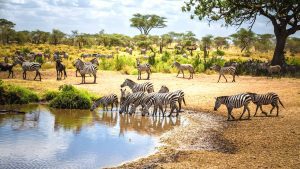
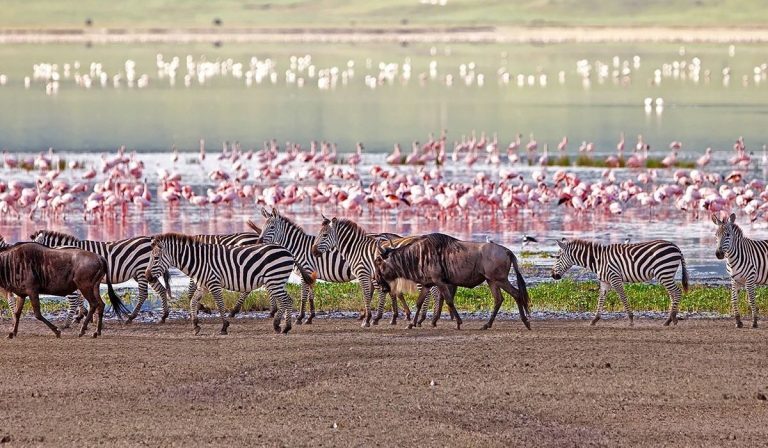
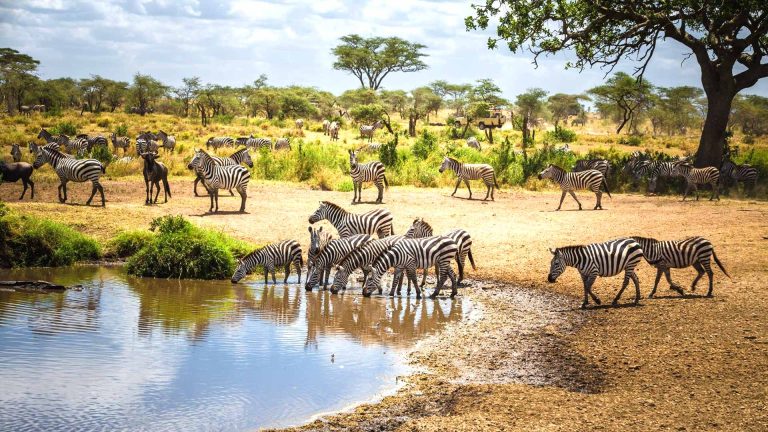
A walking safari in Tanzania offers incredible opportunities to observe wildlife up close in their natural habitat. While large predators are usually observed from a safe distance or not encountered on foot, travelers often see elephants, giraffes, zebras, antelopes, warthogs, and buffalo in areas like Tarangire National Park, Arusha National Park, and Nyerere National Park. Smaller wildlife experiences are equally fascinating, including colorful birds, insects, reptiles, and unique plant species. Guides help visitors identify animal tracks, droppings, and feeding signs, making the safari highly educational. In the Serengeti ecosystem, walkers may witness vast plains and grazing herbivores during migration seasons. The Ngorongoro Conservation Area also offers rich biodiversity and Maasai livestock interactions. A walking safari in Tanzania is not just about seeing animals, but understanding the entire ecosystem and how wildlife survives in the African wilderness environment.
Cost of Walking Safari in Tanzania
The cost of a walking safari in Tanzania varies depending on the destination, duration, and level of luxury. On average, guided walking safaris in parks like Arusha National Park or Tarangire National Park range from budget-friendly half-day tours to premium multi-day experiences. Prices typically include park fees, professional safari guide services, armed ranger protection, and sometimes transport from nearby lodges. Exclusive walking safaris in remote areas such as Nyerere National Park or the Serengeti ecosystem may cost more due to logistics and permits. Luxury safari packages offered by high-end operators can include private walking tours combined with game drives and fly-in safaris. Budget travelers can still enjoy affordable African safari on foot experiences by booking group tours. Overall, Tanzania walking safaris are considered valuable due to their personalized nature, expert guidance, and immersive wildlife encounters in world-famous conservation areas.
- Accommodation
- Meals
- Park fees
- Vehicle & guide
- Transfers
- International flights
- Visas
- Travel insurance
- Tips
- Premium drinks
What to Wear on a Tanzania Walking Safari
Proper clothing is essential for a comfortable and safe walking safari in Tanzania. Travelers should wear lightweight, breathable, and neutral-colored clothing such as khaki, beige, or olive green to blend with the environment. Long-sleeved shirts and trousers are recommended to protect against sun exposure, insect bites, and thorny vegetation. Comfortable, sturdy hiking boots are crucial for walking on uneven terrain in parks like Serengeti National Park and Arusha National Park. A wide-brim hat, sunglasses, and sunscreen are also important for protection against the African sun. Avoid bright colors and strong perfumes, as they may attract insects or disturb wildlife. A small backpack for water, binoculars, and a camera is highly recommended. Dressing appropriately enhances your Tanzania walking safari experience, ensuring comfort while allowing you to fully enjoy the natural beauty of the African bush.
Guided Tanzania Walking Safari Experience
A guided walking safari in Tanzania is a highly immersive experience led by expert safari guides who bring the African bush to life. These professionals are trained in wildlife tracking, ecology, and safety procedures, ensuring every walk is both educational and secure. In destinations like Nyerere National Park and Tarangire National Park, guides interpret animal tracks, explain plant uses, and share fascinating insights about predator-prey relationships. Walking at a relaxed pace, travelers can stop frequently to observe birds, insects, and scenic landscapes. Guides also share cultural knowledge about local communities such as the Maasai. The experience is interactive, allowing visitors to ask questions and engage deeply with nature. Unlike game drives, walking safaris provide a sensory journey where sounds, smells, and textures of the African wilderness become part of the adventure in Tanzania’s top safari destinations.
Cultural Encounters on Tanzania Walking Safaris
Walking safaris in Tanzania often include meaningful cultural encounters, especially in areas near Maasai communities and other indigenous groups. In the Ngorongoro Conservation Area and parts of northern Tanzania, travelers may walk near Maasai villages, learning about traditional livestock herding, local customs, and ancient survival skills. These cultural experiences enrich the African safari on foot by connecting wildlife exploration with human heritage. Visitors may also learn about medicinal plants used by local communities, storytelling traditions, and traditional tracking techniques. Guides often bridge communication between tourists and local people, ensuring respectful and authentic interactions. Such cultural integration makes Tanzania walking safaris more than just wildlife tours—they become immersive journeys into both nature and culture. This combination of ecological and cultural discovery is what makes Tanzania one of the most unique safari destinations in Africa.
Tanzania Walking Safari vs Game Drive
A walking safari in Tanzania offers a completely different experience compared to a traditional game drive safari. While game drives in vehicles like those in Serengeti National Park allow travelers to cover large distances and see big animals quickly, walking safaris provide a slower, more intimate connection with nature. On foot, visitors notice smaller details such as animal tracks, insects, plants, and bird calls that are often missed from a vehicle. Walking safaris are more educational and sensory-driven, focusing on ecosystem understanding rather than just wildlife sightings. Game drives are better for spotting predators like lions and leopards, while walking safaris excel in exploration and discovery. Many safari packages in Tanzania combine both experiences for a complete African safari adventure. Together, they offer a balanced and unforgettable way to experience Tanzania’s diverse landscapes and wildlife.
Equipment Needed for Tanzania Walking Safari
Having the right equipment is essential for a successful walking safari in Tanzania. Key items include comfortable hiking boots, lightweight clothing, a wide-brim hat, sunscreen, and insect repellent. A small backpack is important for carrying water, snacks, binoculars, and a camera for capturing wildlife moments in places like Arusha National Park and Tarangire National Park. Travelers should also bring a reusable water bottle to stay hydrated during bush walks. Binoculars enhance wildlife viewing, especially for birds and distant animals. A lightweight rain jacket is useful during unpredictable weather conditions. Avoid heavy luggage, as walking safaris require mobility and comfort. Guides usually provide safety gear and briefings before each walk. Proper preparation ensures that your Tanzania walking safari experience is enjoyable, safe, and fully immersive in the African wilderness environment.
,
Walking safaris in Tanzania play an important role in eco-tourism and wildlife conservation. By exploring areas like Serengeti National Park, Nyerere National Park, and Tarangire National Park on foot, travelers contribute to low-impact tourism that minimizes environmental disturbance. These safaris promote awareness about biodiversity, endangered species, and habitat protection. Revenue from tourism helps fund conservation projects and supports local communities living near protected areas. Walking safaris also encourage sustainable travel practices by reducing vehicle emissions and limiting infrastructure damage. Guides educate visitors about conservation challenges such as poaching, habitat loss, and human-wildlife conflict. This deeper understanding inspires responsible tourism behavior. Tanzania’s commitment to eco-tourism ensures that future generations can continue to enjoy authentic African safari experiences. Walking safaris, therefore represent not only adventure but also a meaningful contribution to protecting Africa’s natural heritage.
Tips for First-Time Tanzania Walking Safari Travelers
First-time travelers on a walking safari in Tanzania should prepare carefully to maximize their experience. Always listen closely to your safari guide and follow instructions for safety. Wear comfortable clothing and sturdy shoes suitable for uneven terrain in parks like Arusha National Park or Serengeti National Park. Stay hydrated and carry a small water bottle during bush walks. Move quietly and avoid sudden actions that may disturb wildlife. Keep a safe distance from animals at all times and never attempt to approach them. Bring binoculars and a camera, but remain present in the moment. Early morning walks are often the best for cooler temperatures and active wildlife. Booking with a reputable safari operator ensures professional guidance and safety. With the right preparation, a Tanzania walking safari becomes a rewarding and unforgettable African adventure experience.
Why Choose Tanzania for Walking Safari
Tanzania is one of the best destinations in Africa for walking safaris due to its diverse landscapes, abundant wildlife, and well-managed national parks. From the vast Serengeti plains to the lush forests of Arusha National Park and the remote wilderness of Nyerere National Park, the country offers unmatched opportunities for guided bush walks. Tanzania’s strong conservation policies ensure safe and sustainable wildlife experiences. Visitors can explore rich ecosystems, encounter iconic animals, and learn from expert safari guides. The combination of cultural interactions, scenic beauty, and biodiversity makes Tanzania walking safaris truly unique. Whether you are a first-time traveler or an experienced explorer, Tanzania delivers an authentic African safari on foot that connects you deeply with nature. This makes it a top choice for eco-friendly tourism and unforgettable wildlife adventures in East Africa.
Final Thought
A walking safari in Tanzania is more than just a travel experience—it is a journey into the heart of Africa’s wild landscapes, where every step reveals something new and meaningful. From the iconic Serengeti National Park to the hidden trails of Nyerere National Park and Arusha National Park, walking safaris offer unmatched intimacy with nature. Travelers gain a deeper appreciation of wildlife, ecosystems, and local cultures while enjoying a safe, guided adventure. This form of eco-tourism supports conservation efforts and sustainable travel in Tanzania’s most important wildlife areas. Whether you seek adventure, photography, education, or relaxation, a Tanzania walking safari delivers all in one experience. It is the purest way to connect with the African bush and create lifelong memories. For anyone planning an African safari, walking safaris remain one of the most rewarding and unforgettable choices available today.
Complete Guide To Walking Safari in Tanzania: FAQs
What is a Walking Safari in Tanzania ?
A walking safari in Tanzania is a guided wildlife experience where travelers explore national parks and game reserves on foot instead of using safari vehicles. Led by professional safari guides and armed rangers, this activity focuses on tracking animals, learning about ecosystems, and discovering the smaller details of the African bush.
What are the best time for walking safari in Tanzania ?
The best time for a walking safari in Tanzania is during the dry season, from June to October, when wildlife is easier to spot and trails are accessible. During this period, parks like Serengeti National Park, Tarangire National Park, and Nyerere National Park offer excellent conditions for guided bush walks.
What are the top destinations for walking safari in Tanzania ?
Tanzania offers some of the best walking safari destinations in Africa, each with unique landscapes and wildlife experiences. Arusha National Park is one of the most popular spots for beginner-friendly guided bush walks, featuring giraffes, colobus monkeys, and Mount Meru views. Nyerere National Park (formerly Nyerere National Park (formerly part of the Selous Game Reserve)) provides remote wilderness walking safaris with elephants, giraffes, and hippos along river systems.
What should you know about safety on Tanzania walking safaris ?
Safety is a top priority on every walking safari in Tanzania, and all tours are conducted by trained professional guides and armed rangers. Before starting, visitors receive a safety briefing covering wildlife behavior, walking rules, and emergency procedures. Walking safaris are carefully planned in designated areas where animal encounters are managed responsibly.
What Wildlife You Will See on a Tanzania walking safari?
A walking safari in Tanzania offers incredible opportunities to observe wildlife up close in their natural habitat. While large predators are usually observed from a safe distance or not encountered on foot, travelers often see elephants, giraffes, zebras, antelopes, warthogs, and buffalo in areas like Tarangire National Park, Arusha National Park, and Nyerere National Park.
How much should you budget for cost of walking safari in Tanzania ?
The cost of a walking safari in Tanzania varies depending on the destination, duration, and level of luxury. On average, guided walking safaris in parks like Arusha National Park or Tarangire National Park range from budget-friendly half-day tours to premium multi-day experiences. Prices typically include park fees, professional safari guide services, armed ranger protection, and sometimes transport from nearby lodges.
What to Wear on a Tanzania Walking Safari ?
Proper clothing is essential for a comfortable and safe walking safari in Tanzania. Travelers should wear lightweight, breathable, and neutral-colored clothing such as khaki, beige, or olive green to blend with the environment. Long-sleeved shirts and trousers are recommended to protect against sun exposure, insect bites, and thorny vegetation.
What is the guided Tanzania walking safari experience like?
A guided walking safari in Tanzania is a highly immersive experience led by expert safari guides who bring the African bush to life. These professionals are trained in wildlife tracking, ecology, and safety procedures, ensuring every walk is both educational and secure. In destinations like Nyerere National Park and Tarangire National Park, guides interpret animal tracks, explain plant uses, and share fascinating insights about predator-prey relationships.
Explore Tanzania on Foot
Add a guided walking safari to your private tailor-made itinerary for an intimate, unforgettable wilderness experience.