
Best Time for an East African Safari
The best time for an East African safari is June to October, the dry season, when wildlife gathers near water and Mara River crossings take place in the northern Serengeti and Kenya's Masai Mara. January to March is another strong window, with calving season in the southern Serengeti. April and May bring the long rains, lush scenery and fewer visitors. This month-by-month guide covers Tanzania and the Masai Mara, which borders the Serengeti, and shows how a private tailor-made safari can follow the seasons for you. Every itinerary is tailored.
Plan Your Safari Season
Trip Length
Comfort Level
Safari Style
Operator Rating
Specialized Tours
Filter by Operator
Other Tour Features
Senior Safaris
Senior-Friendly Safari Packages
Best Time for an East African Safari
The best time for an East African safari depends on your goals, but the dry months from late June to October suit most travellers, while Tanzania also rewards visitors from January to March with calving season on the southern plains.
Private Safaris by Season
Browse private Tanzania safaris below, then we will match parks and camps to your travel month.
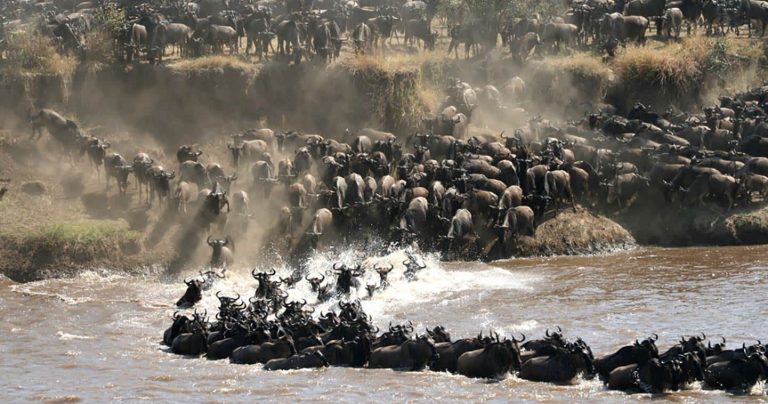
7-Day Serengeti Migration Safari
Compare 7-Day Serengeti Migration Safari offers by specialized tour operators. Find the best deals…
View Package →8-Day Serengeti Wildebeest Migration Safari
Join the 8-Day The Great Serengeti Migration Safari and witness the breathtaking wildebeest migration…
View Package →3- Day Great Migration River Crossings
Discover the ultimate 3-day Serengeti Great Migration river crossings tour—see wildebeest crossings, crocodiles, and…
View Package →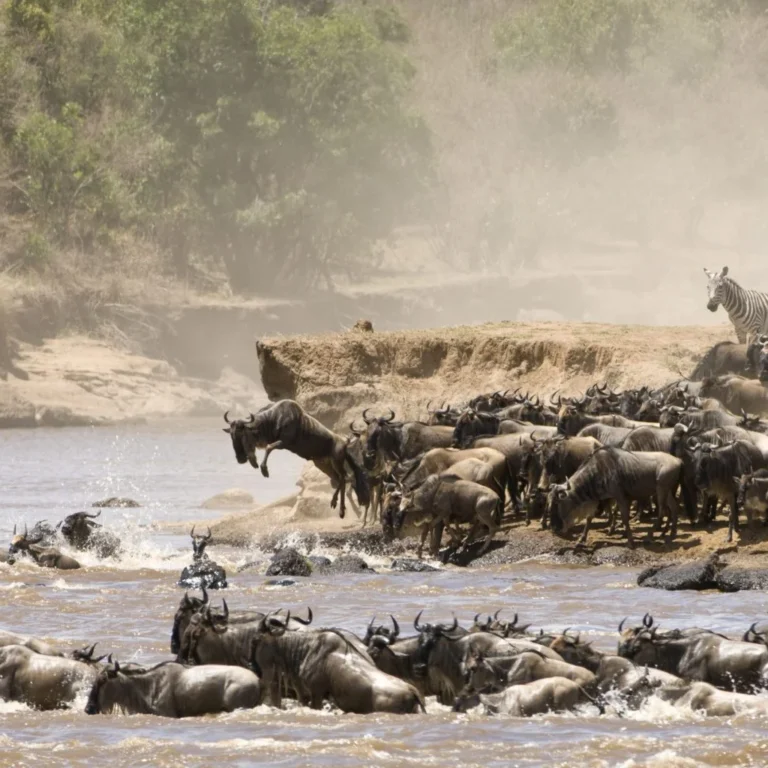
10-Day Tanzania Great Migration Safari
Experience the 10-Day Tanzania Great Migration Safari through Serengeti, Ngorongoro Crater, and Tarangire. Witness…
View Package →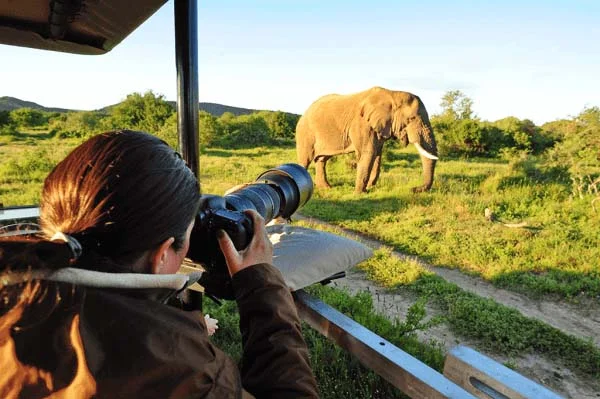
Best 8-Day Western Corridor Wildebeest Migration Safari
Join the Western corridor Wildebeest Migration Safari for an unforgettable 8-day adventure in Serengeti…
View Package →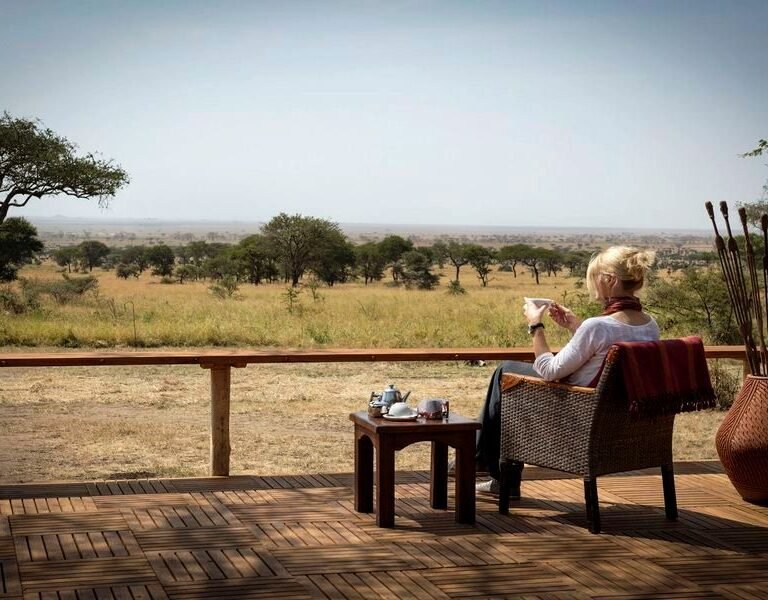
7-Days Serengeti Western corridor Wildebeest Migration
Experience the 7-Day Serengeti Western Corridor Wildebeest Migration Safari – witness epic wildlife, luxury…
View Package →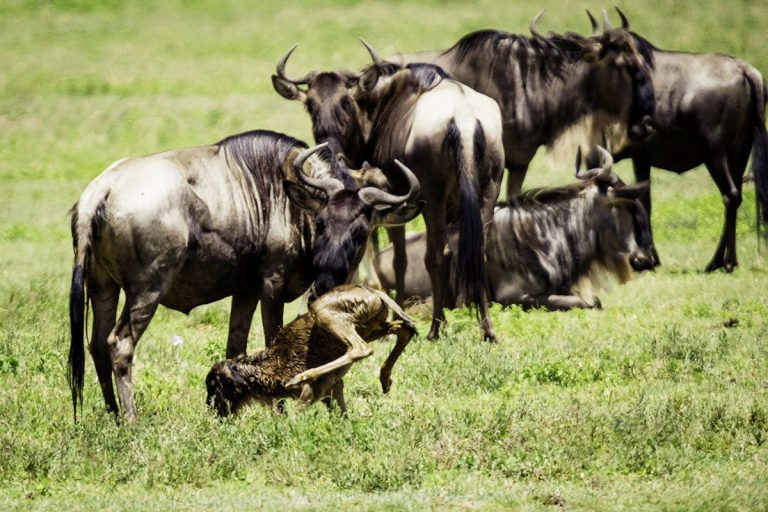
8-Day Mid-Range Ndutu Migration Calving Season
Embark on a thrilling Migration calving season 8-day tour with 7nights/ 8-Day Migration Calving…
View Package →Classic Tanzania migration safari
Experience the Great Migration on a Classic Tanzania Safari – Witness wildebeest crossings, predator…
View Package →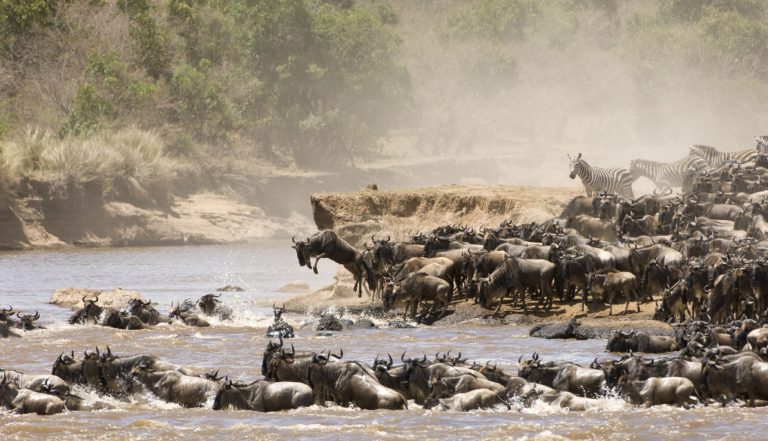
Luxury Tanzania Great Migration Safari
Experience the Luxury Tanzania Great Migration Safari – Witness wildebeest river crossings, Big Five,…
View Package →East African Safari Season FAQs
January to March
January to March is a rewarding time for an East African safari. The Great Migration herds are in the southern Serengeti and the Ndutu area, with calving usually around late January and February, which also attracts lions, cheetahs and hyenas. Days are warm and mostly dry, with some short showers in March. Tarangire and the Ngorongoro Crater are also good. It is an excellent time for photographers who want dramatic predator action and newborn wildebeest on open plains. Book early for this popular period.
April and May
April and May are the long rains in Tanzania, so this is the green season. Landscapes are lush, birdlife is excellent, crowds are small and lodge rates are lower. Expect afternoon showers, some muddy tracks and a few camps closed for the season. The Great Migration herds move north-west through the central and western Serengeti, and wildlife is still plentiful. It suits flexible travelers who value quiet roads, dramatic skies and good value over certain sunshine. It is a lovely season for photographers too, with soft light.
June and July
June and July start the dry season, with cool mornings, clear skies and excellent game viewing. In late May to July the Great Migration often moves through the Western Corridor and Grumeti area, where river crossings can occur. The vegetation is thinning, and animals begin to gather near water in Tarangire and the Serengeti. These months are popular, so early planning helps. A private safari allows you to choose lodges and camps that match the herds and your preferred comfort level.
August to October
August to October is the peak safari season in East Africa. The Great Migration is in the northern Serengeti around Kogatende and the Masai Mara in Kenya, with Mara River crossings at their most dramatic in August and September. Days are dry and sunny, and wildlife viewing is excellent in every park. Because it is busy, book your private vehicle, guide and camps early. October is slightly quieter, and the first signs of the short rains appear towards the end.
November and December
November brings the short rains, when the herds begin heading south toward the Serengeti plains. Showers are usually brief, scenery turns green, and crowds are thin, making it a good value time for private safaris. December is warmer and drier, and by the end of the month wildebeest are returning to the southern Serengeti and Ndutu. It is also a festive time, so book early for Christmas and New Year. Timing varies with rainfall, so your guide will adapt. Flexibility pays off.
Tanzania or Masai Mara
The Masai Mara is in Kenya and borders the Serengeti, and both form one great ecosystem. Tanzania offers more space, several distinct parks and the Serengeti's year-round wildlife, while the Masai Mara is known for river crossings in the dry season. Many travelers choose Tanzania for variety and a quieter feeling, and some add Kenya on a separate trip. Foot Slopes Tours and Safaris plans private Tanzania safaris, with the timing matched to the herds. We are happy to advise on which suits you.
What is the best month for an East African safari?
The best months for an East African safari are June to October for dry-season game viewing, with August and September ideal for Mara River crossings in the northern Serengeti and Masai Mara. January and February are the best for calving season in the southern Serengeti. Every month has its appeal, so the right choice depends on your interests, budget and tolerance for rain. We will recommend a private itinerary based on your travel dates.
When is the Great Migration in Tanzania?
The Great Migration is a year-round cycle that varies with rainfall. From December to March the herds are in the southern Serengeti and Ndutu, with calving around late January and February. April and May see them move north-west, and late May to July they pass the Western Corridor and Grumeti. From July to October they reach the northern Serengeti and Kogatende, with Mara River crossings peaking in August and September. In November they head south.
When is the rainy season in East Africa?
East Africa has two rainy seasons. The long rains fall from about March to May, and the short rains arrive around November. Rainfall varies from year to year, and showers are often brief and mostly in the afternoon. The green season offers lush landscapes, fewer visitors and lower rates, while wildlife viewing remains good. A private vehicle with a pop-up roof and a flexible guide makes it easy to enjoy a safari even in wetter months.
Is Tanzania or Kenya better for a safari?
Tanzania and Kenya both offer superb safaris, and the Serengeti and Masai Mara are part of the same ecosystem. Tanzania is known for its variety, including the Serengeti, Ngorongoro Crater, Tarangire and Lake Manyara, plus remote southern parks and Kilimanjaro. Kenya's Masai Mara is famous for the river crossings. We specialize in private Tanzania safaris, and we can help you choose the right months and parks for the wildlife you want to see.
What is the cheapest time for a safari in Tanzania?
The most affordable time for a safari in Tanzania is usually the green season, around April and May, and sometimes November, when many lodges lower their rates. Costs also depend on your lodge level, with budget camping about $250 to $390 per person per day, mid-range about $550 to $990 and luxury about $990 to $2,500. Peak months, especially July to September and the holidays, are generally more expensive and need earlier booking.
How far ahead should I book an East African safari?
Book your East African safari as early as you can, especially for July to October and the Christmas and New Year period, when the best camps fill up. Six to twelve months ahead is a comfortable window for peak dates, while the green season is often easier to arrange with less notice. A private tailor-made safari can be adjusted after booking, so contact us with your preferred dates and we will check availability.
Which wildlife can I see on an East African safari?
An East African safari offers the Big Five, meaning lion, leopard, elephant, buffalo and rhino, along with giraffes, zebras, cheetahs, hippos, crocodiles, hyenas and hundreds of bird species. Tanzania's Serengeti and Ngorongoro Crater are famous for predators and the wildebeest migration, Tarangire is known for elephants, and Lake Manyara adds tree-climbing lions and flamingos at times. Sightings always depend on season and luck, but an experienced private guide knows where to look. Foot Slopes Tours and Safaris builds routes to match the animals you most hope to see.
How many days do I need for an East African safari?
Most visitors find five to seven days a good balance, allowing two or three parks without rushing. A short safari of three or four days can cover Tarangire, Lake Manyara and Ngorongoro Crater, while eight to ten days lets you spend several nights in the Serengeti and follow the migration. Longer trips can add Kilimanjaro or Zanzibar. Because Foot Slopes Tours and Safaris plans each safari privately, your itinerary length is simply whatever time and budget you have, with game drives paced to suit you. Tell us your dates and we will suggest a sensible length.
Is an East African safari safe?
Safaris in Tanzania are well established, and guests travel in private 4x4 vehicles with experienced driver-guides who know the parks and local conditions. Wildlife is wild, so you follow guide instructions, stay inside the vehicle during game drives and keep a respectful distance at camp. Ask your doctor or a travel clinic about vaccinations and malaria precautions before you travel, and carry travel insurance. Foot Slopes Tours and Safaris also provides current local advice before departure, including what to expect at borders, airports and lodges. Our guides also carry first-aid kits and radios in every vehicle.
What should I pack for an East African safari?
Pack lightweight clothes in neutral tones such as khaki, olive and tan, plus a warm fleece for cool mornings, a rain jacket for the wetter months, and a sun hat. Bring sturdy closed shoes, sunscreen, insect repellent, binoculars, a camera and spare batteries, and a small torch. Soft duffel bags are best for vehicles and light aircraft. Avoid bright colours and dark blue, which can attract insects. Your private itinerary from Foot Slopes Tours and Safaris comes with a packing list tuned to your season and parks. It also keeps your luggage compact and easy to carry.
Can I combine an East African safari with Zanzibar or Kilimanjaro?
Yes, many travellers finish a Tanzania safari with a few days on Zanzibar's beaches, or begin with a Kilimanjaro climb and relax afterwards on game drives. Domestic flights link the northern parks with Zanzibar in a short time. Foot Slopes Tours and Safaris arranges these combinations as one private itinerary, with transfers, hotels and guides coordinated for you. If you also wish to see Kenya, the Masai Mara is a separate country with its own park rules, so we plan border logistics carefully. Tell us how many days you have and we will shape the route.
Plan Your Safari Dates
Tell us your travel month and interests, and our team will design a private Tanzania safari timed to the wildlife and weather you prefer.
Book Now Online →What Our Travelers Say
Real 5-star reviews from guests who traveled with us
Our Private African luxury Safari experience with Foot Slopes Tours and Safaris exceeded every expectation - beautifully planned, comfortable, and genuinely unforgettable.
We had an incredible private safari experience with Foot Slopes Tours and Safaris - professional guides, excellent lodges, and a truly seamless trip from start to finish.
Foot Slopes Tours and Safaris is truly one of the best local tour companies in Tanzania - professional, reliable, and genuinely invested in giving guests a great experience.
Our family chose Foot Slopes Tours and Safaris for a custom 11-day safari itinerary - the level of personal attention and care throughout was exceptional from start to finish.