How Safe Is an African Safari? Safety Tips for Tanzania
An African safari is very safe when you travel with a licensed operator and follow your guide's instructions. Serious incidents involving visitors are rare, because game drives take place in sturdy safari vehicles, walking safaris are led by armed rangers and lodges provide night escorts. Most risks are everyday ones, such as sunburn, dehydration, mosquito bites and road travel, and they are easy to manage with good preparation and travel insurance. This safari safety guide explains the golden rules, camp and health safety, mistakes to avoid and practical advice from our team for a safe private tailor-made safari in Tanzania.
Is an African safari safe?
Yes. An African safari is safe for most travellers when you book a licensed, experienced operator and follow your guide's advice. Stay inside the vehicle on game drives unless your guide says otherwise, keep your voice low, never feed or approach wildlife and use camp escorts after dark. Take malaria precautions, drink treated water, wear sun protection and carry comprehensive travel insurance with emergency evacuation cover.
01Interactive Safari Safety Checklist
Use this interactive safari safety checklist to prepare for a safe and relaxed African safari in Tanzania. It covers choosing a trusted operator, health and medical preparation, travel insurance and documents, game drive behaviour, camp safety at night and the essential items to pack. Tick each item as you prepare and follow your progress with the bar, or print the list and keep it safely with your travel documents. Each detailed section further below explains why these safety steps matter, so you can enjoy close wildlife encounters with confidence and peace of mind throughout your private tailor-made safari.
Choose Your Operator0/6
Health Preparation0/6
Insurance and Documents0/6
On Game Drives0/6
At Camp0/6
Safety Essentials0/6
02The Golden Rules of Safari Safety
Safari safety comes down to a few simple golden rules that every traveller should know before their first game drive. Listening to your guide, staying inside the vehicle, keeping quiet and still and maintaining a safe distance from wildlife prevent almost all problems that visitors could face on safari. These rules apply in every national park, from the Serengeti and Ngorongoro Crater to Tarangire, and on every style of safari, from camping to luxury lodges. The cards below explain each golden rule, why it matters and how following it carefully leads to safer and more rewarding wildlife encounters.
Listen to Your Guide
Your guide is your most valuable safety asset on safari. Professional guides understand animal behaviour, park regulations and emergency procedures, and every instruction they give has a reason. Listen carefully to the safety briefing, ask questions and follow their advice on when to stay quiet, when to sit down and when it is safe to leave the vehicle.
Stay Inside the Vehicle
On game drives, your safari vehicle is your safety shield. Animals usually see a vehicle as one large, non-threatening object, but a person on foot looks very different. Stay inside unless your guide confirms you are in a designated area, such as a picnic site, and keep arms, legs and cameras inside when animals are close.
Keep Quiet and Still
Loud voices and sudden movements can startle wildlife and trigger unpredictable behaviour. Speak softly, avoid standing up suddenly and never bang the vehicle or call to animals. Staying calm and quiet keeps you safe, lets animals behave naturally and leads to longer, more rewarding sightings, from resting lions to elephants crossing in front of the vehicle.
Keep a Safe Distance
Wild animals, including herbivores such as elephants, buffalo and hippos, can be dangerous if they feel threatened. Your guide positions the vehicle at a safe distance and gives animals space to move. Never ask your guide to drive too close, follow an animal or block its path. Respecting wildlife boundaries protects both you and the animals.
03How Safe Are Safari Activities?
Different safari activities carry different levels of risk, but all of them are safe when you follow expert guidance. Game drives in a safari vehicle are the safest way to see wildlife, guided walking safaris are led by armed rangers, camps and lodges have trained staff and clear night-time rules, and cultural visits are arranged with local communities. Select each tab to see the safety level, key rule, who leads the activity and our top tip. Your guide will brief you before every activity, so you always know exactly what to expect and do on your private tailor-made safari.
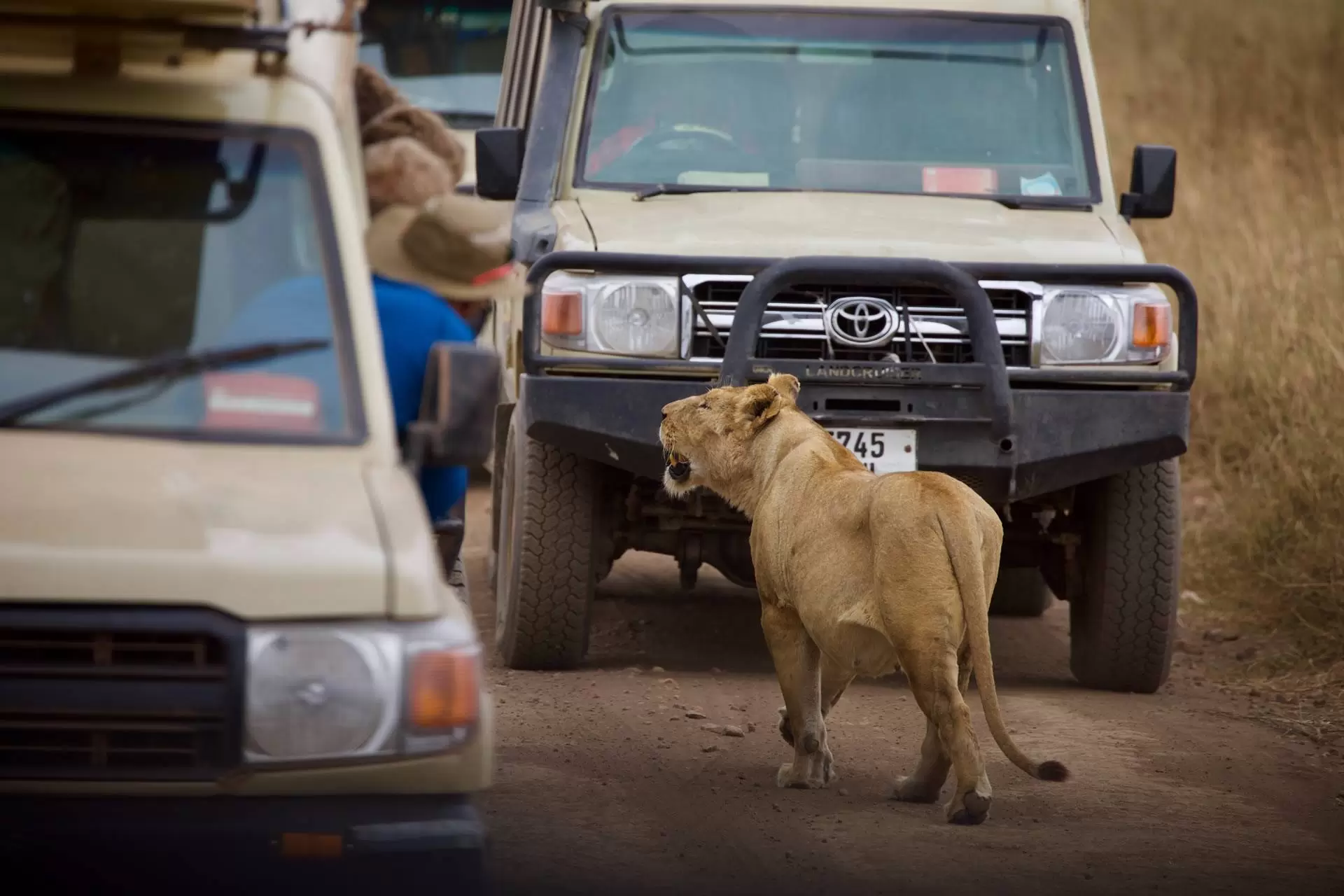
Game Drives in a Safari Vehicle
Very safe when you stay inside the vehicle and follow your guide
Remain seated and keep arms and cameras inside near animals
Game drives are the safest way to enjoy African wildlife. Sturdy 4x4 safari vehicles with pop-up roofs let you watch lions, elephants and leopards up close while your guide keeps a respectful distance. Most incidents happen only when visitors ignore instructions, so stay seated, keep quiet near animals and follow your guide's advice throughout every drive.
Tanzania safari packages →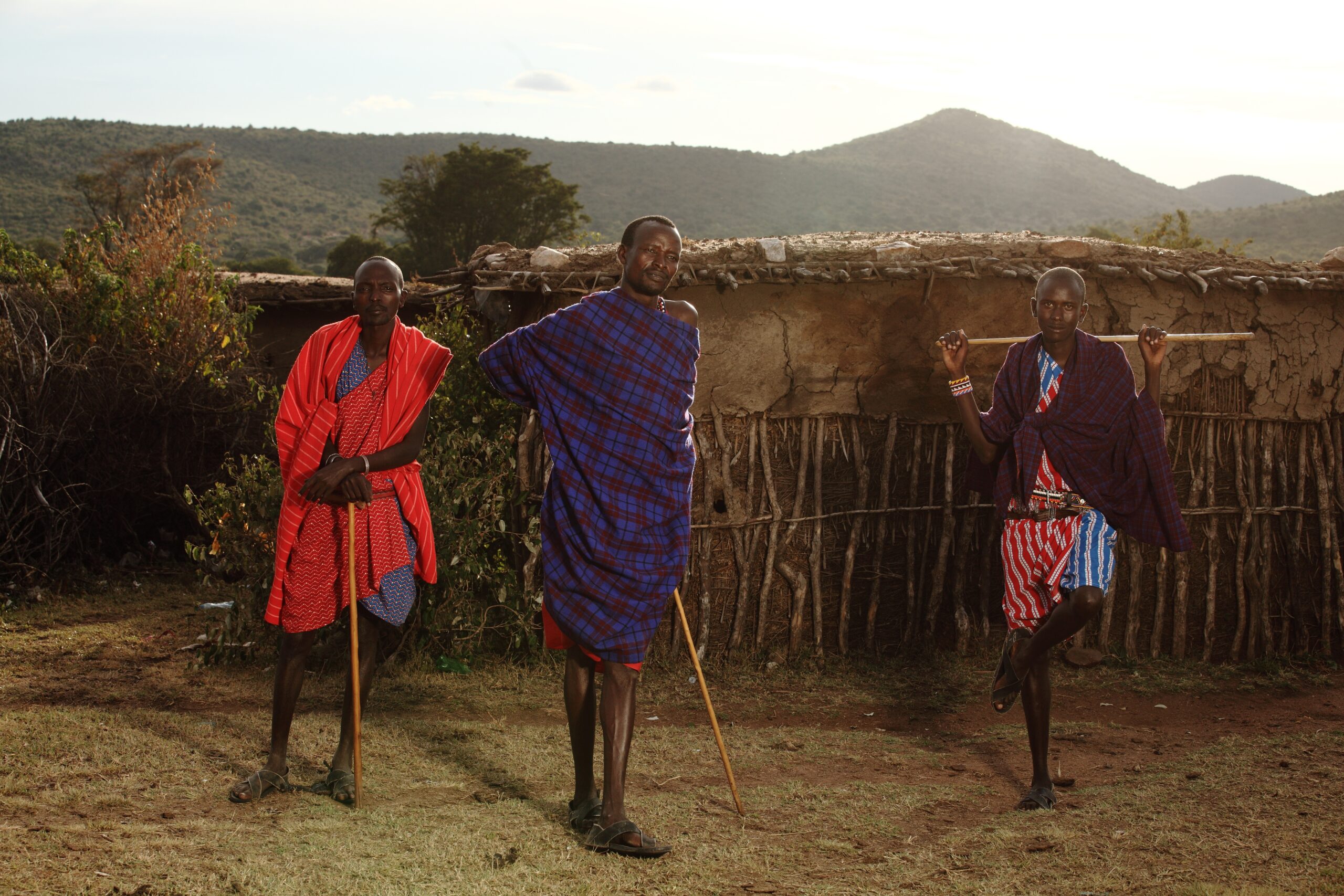
Guided Walking Safaris
Safe with an armed ranger and a careful guide in permitted areas
Walk in single file, stay quiet and never run from animals
Walking safaris bring you closer to the smaller details of the bush, from tracks to insects and birds. In Tanzania's national parks, walks are led by an armed ranger and an experienced guide who read the terrain and animal behaviour. Walk in single file, stay close together, keep quiet and follow every instruction from your ranger immediately.
Walking safaris in Tanzania →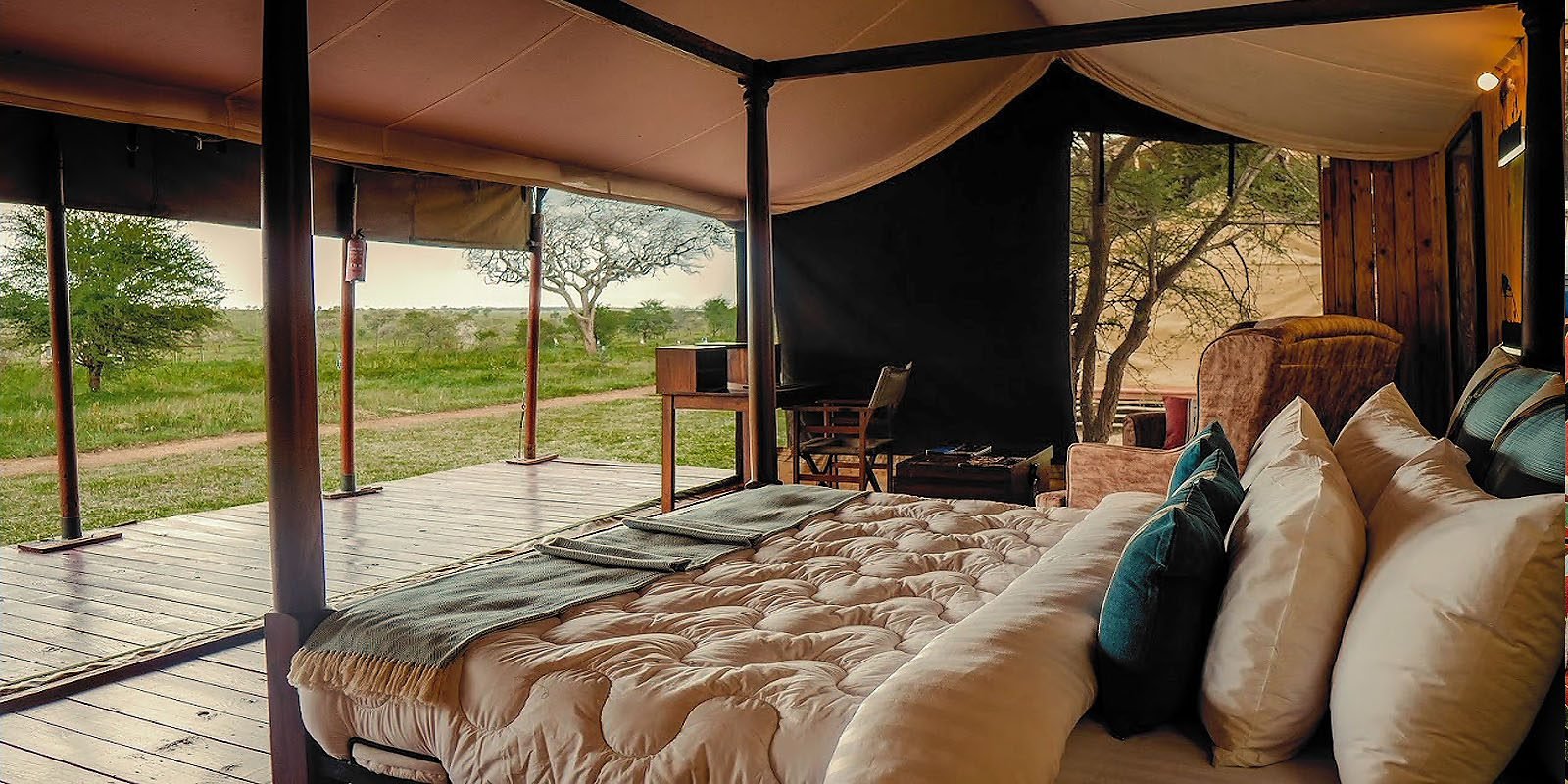
Staying at Safari Camps and Lodges
Safe when you follow camp rules, especially after dark
Use staff escorts at night and keep your tent zipped
Many safari camps and lodges are unfenced, so wildlife can pass through at night. That is part of the magic, and it is safe when you follow camp rules. Attend the safety briefing, use staff escorts between your room and the main area after dark, keep your tent zipped and never store food inside your tent or room.
Safari lodges →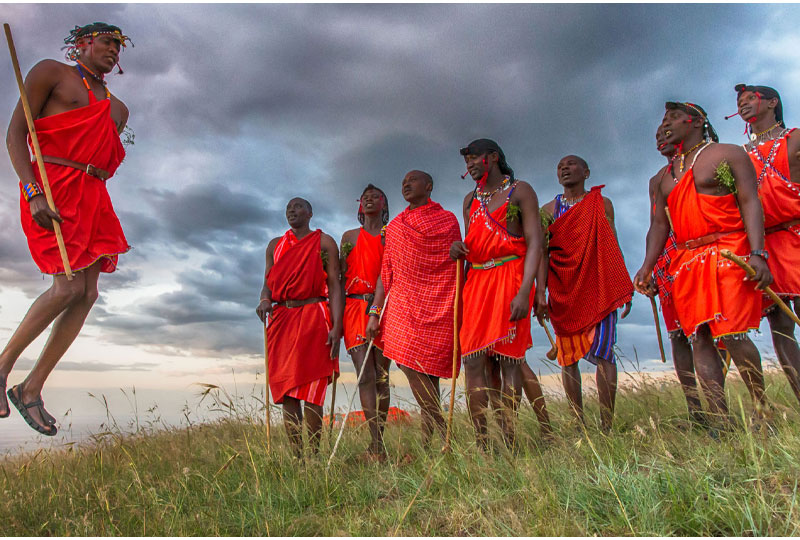
Cultural and Village Visits
Very safe and welcoming when arranged by your operator
Ask before taking photographs and respect local customs
Visits to Maasai villages and other local communities are safe, friendly and a highlight for many travellers. Your guide arranges the visit, explains local customs and helps you interact respectfully. Dress modestly, always ask before photographing people and follow your guide's advice on gifts, purchases and behaviour, so the experience benefits both you and the community.
Tanzania cultural tourism →04Are Safari Camps and Lodges Safe?
Safari camps and lodges in Tanzania put guest safety first, combining comfort with clear rules, trained staff and night-time security. Many camps are unfenced, so wildlife can walk through, which is part of the authentic experience and safe when you follow camp guidance. From budget campsites to mid-range tented camps and luxury lodges, staff brief guests on safety on arrival, escort them safely after dark and help with any questions or concerns you have. The cards below explain night escorts, tent and room safety, fenced and unfenced camps and how to keep your valuables safe throughout your stay.
Night Escorts and Askaris
Many camps and lodges employ trained night guards, often called askaris, who watch over the camp and escort guests after dark. Never walk alone between your tent and the main area at night. Use the radio, whistle or torch signal provided to call an escort, and wait inside your tent or room until they arrive.
Tent and Room Safety
Keep your tent or room zipped or locked at all times to keep out insects and curious animals such as monkeys and baboons. Never keep food, fruit or sweets inside, as the smell can attract wildlife. Close windows when you leave, use the mosquito net at night and always keep a torch beside your bed.
Fenced and Unfenced Camps
Some lodges are fenced, while many tented camps are unfenced so wildlife can move freely through the area. Both are safe when you follow camp rules and staff advice. If you prefer extra reassurance, especially with young children, ask us to recommend fenced lodges or family-friendly camps that suit your comfort level, budget and travel style.
Valuables and Belongings
Theft at safari camps and lodges is uncommon, but it is sensible to use the in-room safe or reception for passports, cash and electronics. Keep valuables out of sight in the vehicle, carry only the cash you need and keep copies of important documents separately. Your travel insurance should also cover your belongings and camera equipment.
05Health and Safety on Safari
Health precautions are just as important as wildlife safety on an African safari, and most health risks are easy to manage with good preparation. See a travel health professional well before your trip about vaccinations, yellow fever certificate requirements and malaria prevention, and pack your personal medication and a small first-aid kit. On safari, drink treated water, protect yourself from the sun and avoid mosquito bites in the evenings. The cards below explain the essential health and safety steps for Tanzania, so you can stay healthy, comfortable and energetic and enjoy every single day of your Tanzania safari.
Vaccinations and Yellow Fever
Visit a travel health clinic at least six to eight weeks before your safari to discuss routine and recommended vaccinations. A yellow fever certificate may be required if you arrive from, or transit through, a country with yellow fever risk. Requirements change, so always check the latest official advice for your nationality and travel route.
Malaria Prevention
Malaria is present in many parts of Tanzania, so speak to a travel health professional about antimalarial medication. Use insect repellent, wear long sleeves and trousers in the evenings and sleep under a mosquito net where provided. If you develop a fever during or after your trip, seek medical advice immediately and mention your travel.
Water and Food Safety
Drink bottled, filtered or treated water rather than tap water, and use it for brushing your teeth too. Safari lodges and camps prepare food to good hygiene standards, but wash or sanitise your hands before eating and choose freshly cooked meals when travelling. Carry rehydration salts and basic medication for any minor stomach upsets on the road.
Sun and Heat Protection
The equatorial sun is strong, even on cloudy days, and long game drives can lead to sunburn and dehydration. Wear a wide-brimmed hat, sunglasses and high-SPF sunscreen, and reapply it regularly. Drink plenty of water throughout the day, especially on open vehicles with no shade, and wear light, breathable layers that also protect your arms, shoulders and neck.
06Travel Insurance and Emergencies
Travel insurance and emergency planning give you real peace of mind on safari, especially in remote national parks far from major hospitals. Comprehensive insurance should cover medical treatment, emergency evacuation, repatriation and trip cancellation, and include every activity you plan to do. Professional operators also provide first-aid kits in vehicles, reliable communication and responsive local support throughout your trip. The cards below explain what your insurance should include, how emergency evacuation works and how our local team supports you, so you can relax and fully enjoy your safari knowing that help is always available whenever you need it.
Comprehensive Travel Insurance
Travel insurance is essential for any African safari. Choose a policy that covers medical treatment, emergency evacuation, repatriation, trip cancellation and baggage. Check that it includes every activity you plan, such as walking safaris, balloon flights or a Kilimanjaro climb. Carry your policy number and the insurer's emergency phone line with you at all times.
Emergency Evacuation Cover
Many safari areas are remote, so serious medical emergencies may require evacuation by air to a hospital in Arusha, Nairobi or Dar es Salaam. Make sure your insurance includes emergency air evacuation, and ask whether separate flying doctor evacuation membership is recommended for your trip. Your operator can help coordinate assistance quickly in an emergency.
First Aid and Communication
Professional safari vehicles usually carry a first-aid kit, and guides keep in contact with their office and other vehicles by phone or radio. Mobile coverage is good in many areas but limited in remote parks. Share any medical conditions or allergies with us before you travel, so your guide knows exactly how to help if needed.
Local Support 24/7
Choosing a local operator means support is always close by. Our team in Tanzania monitors your itinerary, helps with changes caused by weather or flights and responds quickly if anything goes wrong. Save our emergency contact number in your phone and keep a printed copy in your daypack in case your phone battery runs low.
07Safari Safety Mistakes to Avoid
Most safety incidents on safari happen when travellers ignore simple rules, often in the excitement of a close wildlife sighting. Getting out of the vehicle, standing up suddenly, feeding or approaching animals and ignoring your guide's instructions are the most common mistakes to avoid. These rules apply to everyone, on every type of safari, from simple camping trips to luxury lodge stays, in every park. The cards below explain each mistake, why it can be dangerous and what to do instead, so you can enjoy thrilling encounters with lions, elephants and buffalo while staying completely safe at all times.
Getting Out of the Vehicle
Leaving the vehicle during a game drive is one of the most dangerous mistakes on safari, and it breaks park rules unless you are in a designated area. A person on foot can look like prey or a threat to predators. Always wait for your guide's permission, even for a quick photograph or a toilet stop.
Standing Up Suddenly
Standing up suddenly or leaning out near animals can alarm wildlife and change their behaviour. Remain seated close to predators, elephants and buffalo unless your guide says it is safe to stand through the pop-up roof. Move slowly and quietly, and keep your arms, cameras and phones inside the vehicle at all times when animals are nearby.
Feeding or Approaching Wildlife
Never feed wild animals, including monkeys and baboons at picnic sites and camps. Feeding changes natural behaviour, can make animals aggressive and is prohibited in national parks. Do not approach animals on foot to take photographs, and keep food sealed in the vehicle. Report any problem animals to your guide or the camp staff straight away.
Ignoring Instructions
Ignoring your guide's instructions is the biggest safety risk on safari. Guides decide where to park, when to move and how close to approach based on experience and animal behaviour. If you are unsure about anything at all, simply ask your guide. Following instructions quickly and calmly keeps everyone safe and ensures the best possible wildlife experience.
08Travel Safety in Tanzania
Safety on safari also includes the time you spend travelling between parks, in towns such as Arusha and Moshi and on the beaches of Zanzibar. Tanzania is a friendly, welcoming country, and most visits are trouble-free when you take the same sensible precautions you would anywhere else. Keep your valuables discreet, travel with a professional driver-guide, avoid driving at night and respect local customs and dress codes. The cards below share practical travel safety advice for Tanzania, from money and road transfers to local etiquette, so your whole journey is as safe and enjoyable as your game drives.
Is Tanzania Safe to Visit?
Tanzania is generally considered one of the safest and most welcoming safari destinations in Africa, known for its friendly people, political stability and well-managed national parks. As with any country, take sensible precautions in towns and cities, and always check your own government's latest travel advice before you book and again shortly before you travel.
Money and Valuables
Carry only the cash you need for the day, keep cards and passports in a secure pouch and use hotel safes. Avoid displaying expensive jewellery, cameras or phones in busy streets and markets. Use ATMs inside banks or hotels, and keep small notes for tips and purchases so you do not need to show large amounts of cash.
Road Travel and Transfers
Road travel is often the biggest everyday risk in many countries. Travel with your operator's professional driver-guide in a well-maintained vehicle, wear a seatbelt and avoid driving at night. For longer distances, consider light aircraft flights between parks, which save time and reduce road travel. Pre-arranged airport transfers also make your arrival simple, smooth and safe.
Respect Local Customs
Tanzanians are warm and welcoming, and respecting local customs helps every interaction go smoothly. Dress modestly in towns and villages, especially on Zanzibar, ask before photographing people and learn a few words of Swahili, such as jambo and asante. Follow your guide's advice on local etiquette, shopping in markets and visiting villages, and you will be warmly welcomed everywhere.
09Safari Safety for Every Traveller
An African safari can be safe and enjoyable for every type of traveller, from young families and couples to solo travellers and older guests. The key is planning the right pace, accommodation and activities for your needs, and sharing any concerns or medical conditions with your operator in advance. A private tailor-made safari gives you your own vehicle and guide, flexible game drive times and support from our local team throughout. The cards below share safety advice for families, solo travellers, solo female travellers and older or first-time safari guests, so everyone can travel with complete confidence and ease.
Families with Children
Safaris are safe and rewarding for families when planned carefully. Choose family-friendly lodges, a private vehicle and shorter game drives that suit children's attention spans. Some lodges set minimum ages for walking safaris and certain activities, so ask us before you book. Discuss malaria prevention and vaccinations for your children with a travel health professional well in advance.
Solo Travellers
Solo travellers enjoy safe and sociable safaris in Tanzania with a trusted operator. A private tailor-made safari gives you your own vehicle and guide, flexible game drives and the freedom to set your own pace. Lodges and camps are welcoming to solo guests, and your guide is always on hand to help, advise and share their knowledge.
Solo Female Travellers
Many women travel solo in Tanzania and enjoy safe, rewarding safaris. Choose a reputable operator, pre-arranged transfers and well-reviewed lodges, dress modestly in towns and villages and avoid walking alone at night. Your guide and our local team provide support throughout the trip, so you can relax and focus on the wonderful wildlife and landscapes.
Older and First-Time Travellers
Older travellers and first-time visitors can enjoy a comfortable, safe safari with the right planning. Choose a relaxed pace, comfortable and accessible lodges, shorter road journeys or light aircraft flights between parks. Tell us about any mobility needs or medical conditions in advance, so we can plan accommodation, activities and vehicle access that suit you perfectly.
Safari Safety Planning Guides
10How Safe Is an African Safari: FAQs
How safe is an African safari?
An African safari is very safe when you travel with a licensed operator, follow your guide's instructions and take sensible health precautions.
Is a safari in Tanzania safe?
Yes. Tanzania is one of Africa's most popular and well-managed safari destinations, with professional guides, regulated parks and welcoming lodges.
Is it safe to stay in an unfenced safari camp?
Yes, when you follow camp rules. Use staff escorts after dark, keep your tent zipped and never keep food inside your tent or room.
Can lions attack safari vehicles?
Attacks on safari vehicles are extremely rare. Animals usually see the vehicle as one large object, so stay seated and keep arms inside.
Are walking safaris dangerous?
Walking safaris are safe when led by an armed ranger and an experienced guide. Walk in single file, stay quiet and follow instructions.
Can I get out of the safari vehicle?
Only in designated areas, such as picnic sites and viewpoints, or when your guide confirms it is safe to do so.
Do I need travel insurance for a safari?
Yes. Choose comprehensive insurance covering medical treatment, emergency evacuation, cancellation and every activity you plan.
Do I need malaria tablets for a Tanzania safari?
Malaria is present in many areas, so speak to a travel health professional about antimalarials and use repellent and mosquito nets.
Do I need a yellow fever vaccination for Tanzania?
A yellow fever certificate may be required if you arrive from or transit through a risk country. Check the latest official advice.
Is the water safe to drink on safari?
Drink bottled, filtered or treated water provided by lodges and camps rather than tap water, and use it to brush your teeth.
Is a safari safe for children?
Yes. Choose family-friendly lodges, a private vehicle and suitable activities, and check minimum ages for walking safaris.
Is Tanzania safe for solo female travellers?
Many women travel solo in Tanzania safely. Use a reputable operator, pre-arranged transfers and avoid walking alone at night.
What is the most important safari safety rule?
Always listen to your guide. Their instructions are based on experience, animal behaviour and park regulations.
How do I choose a safe safari operator?
Choose a licensed, experienced operator with professional guides, well-maintained vehicles, transparent pricing and strong recent reviews.
Plan Further: Safe Tanzania Safaris
Safari Styles
Top Destinations
Plan Your Safe Private Safari in Tanzania
Tell us your travel dates and interests, and our local team will plan a safe private tailor-made safari with experienced guides, well-maintained vehicles, trusted lodges and support throughout your trip.
Book Now Online →What Our Travelers Say
Real 5-star reviews from guests who traveled with us