What to Expect on a Tanzania Cultural Safari Experience
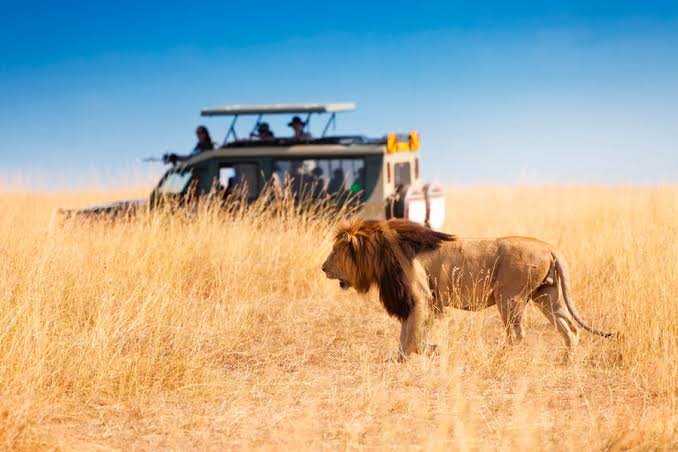
On a Tanzania cultural safari, expect respectful visits with communities such as the Maasai, Hadzabe, Datoga, Iraqw and Chagga, plus Swahili culture in Zanzibar's Stone Town. Activities include village visits, hunting walks, blacksmith demonstrations, coffee farm tours, local markets and food experiences, usually combined with wildlife game drives on a private safari. It is a deeply rewarding experience.
What can you expect on a Tanzania cultural safari? Tanzania is home to more than one hundred distinct communities, each with its own language, traditions and way of life. A cultural safari lets you meet Maasai pastoralists in the Ngorongoro Highlands, join Hadzabe hunter-gatherers near Lake Eyasi, watch Datoga blacksmiths at work, visit Iraqw farms and explore Chagga coffee villages on Kilimanjaro's slopes. In Zanzibar, Swahili culture shines in Stone Town's markets, food and history. This guide explains what to expect, how visits work, etiquette tips and how to combine culture with wildlife on a private safari. Curiosity is welcome.
Tanzania Cultural Safari at a Glance
A cultural safari adds depth and meaning to a Tanzania trip, connecting you with the people who live alongside the country's wildlife and landscapes. Visits are usually arranged with local guides and community members, giving respectful insight into daily life, traditions and beliefs. Many cultural experiences fit easily between game drives in the northern parks. This overview summarises the key facts about a Tanzania cultural safari, from the main communities and destinations to typical activities, etiquette and the best ways to plan. Respect is always the key. Our local guides make it meaningful. Many guests call it a highlight.
| Key fact | Details |
|---|---|
| Communities | Maasai, Hadzabe, Datoga, Iraqw, Chagga, Swahili |
| Key areas | Ngorongoro, Lake Eyasi, Kilimanjaro, Zanzibar |
| Activities | Village visits, walks, crafts, food |
| Duration | Half-day to full-day visits |
| Guides | Local community guides |
| Etiquette | Ask before photos, dress modestly |
| Combine with | Game drives and beach stays |
| Style | Private and respectful |
Communities You Can Meet on a Cultural Safari
Tanzania's cultural diversity is one of its greatest treasures, shaped by pastoralists, farmers, hunter-gatherers and coastal traders over many centuries. Each community offers a different perspective on life in Tanzania, from cattle herding and traditional hunting to coffee growing and Swahili trade. Visits are arranged respectfully with local guides. These six communities explain who you might meet on a Tanzania cultural safari, what makes their traditions special and where you can visit them during a private, tailor-made safari itinerary. It adds depth to any safari. Curiosity is always welcome. It supports local livelihoods. It is a deeply rewarding experience.
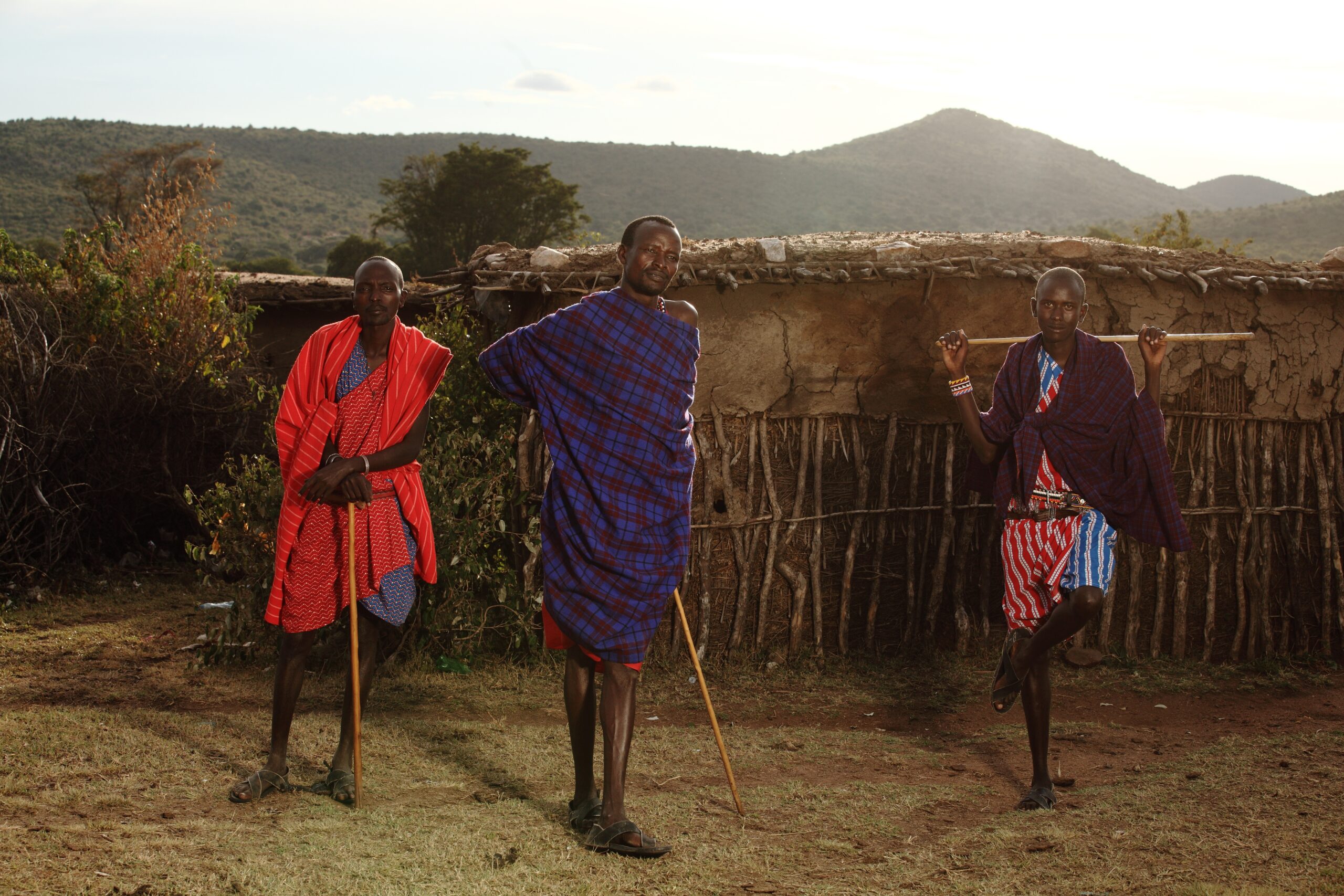
The Maasai are semi-nomadic pastoralists known for their red shuka cloth, beadwork and close relationship with cattle. Visiting a Maasai village in the Ngorongoro Highlands or near Arusha offers insight into their homes, traditions, songs and daily life. Respectful, community-arranged visits ensure fair benefits for the families you meet. Every visit is unique. Children love this experience.
The Hadzabe are among the last hunter-gatherer communities in Africa, living near Lake Eyasi. Early morning walks with Hadzabe hunters reveal tracking skills, bow and arrow hunting and gathering of wild fruits and honey. Their unique click language and knowledge of the land make this an unforgettable cultural encounter. Ask your guide anything. It is a deeply rewarding experience.
The Datoga are pastoralists living around Lake Eyasi, known for their skilled blacksmiths, who turn recycled metal into arrowheads, bracelets and jewellery. Visitors can watch blacksmiths at work and learn about Datoga traditions, dress and beadwork. Their crafts make meaningful souvenirs bought directly from the makers. It is a deeply rewarding experience. Respect is always the key.
The Iraqw are farmers living in the highlands around Karatu and Mbulu, known for their traditional houses, terraced fields and agricultural skills. Visits to Iraqw farms and villages show how families grow crops such as maize, beans and onions, offering insight into rural life in Tanzania's fertile highlands. It is a deeply rewarding experience. Respect is always the key.
The Chagga live on the fertile slopes of Kilimanjaro and are known for coffee and banana farming. Visiting a Chagga village near Moshi or Marangu includes coffee farm tours, traditional cave shelters, waterfalls and local brews. It is a perfect cultural activity before or after a Kilimanjaro climb. It is a deeply rewarding experience. Respect is always the key.
Swahili culture blends African, Arab, Persian and Indian influences, shaped by centuries of Indian Ocean trade. In Zanzibar's Stone Town, you can explore carved doors, markets, mosques and spice farms and enjoy Swahili cuisine. Guided walks bring the island's history, faiths and traditions vividly to life. It is a deeply rewarding experience. Respect is always the key.
Cultural Experiences to Expect
A Tanzania cultural safari includes a wide range of experiences, from early morning walks with hunter-gatherers to market visits, cooking classes and coffee farm tours. Each experience is designed to be respectful, educational and enjoyable, with local guides explaining customs and answering questions. Many can be added between game drives with little extra travel. These five types of cultural experience explain what you can expect on a Tanzania cultural safari and how they fit into a private, tailor-made itinerary. It is a deeply rewarding experience. Respect is always the key. Curiosity is always welcome. It supports local livelihoods.
Village Visits
Ngorongoro Highlands, Arusha
Village visits introduce traditional homes, family life, livestock and crafts. In a Maasai village, you may see traditional houses, learn about cattle herding and hear songs and dances. Visits are arranged with community consent, and fees go directly to the village, supporting education and local projects. It is a deeply rewarding experience. Respect is always the key.
Visiting a Maasai village →Hadzabe Hunting Walks
Lake Eyasi
Joining Hadzabe hunters on an early morning walk is one of Tanzania's most remarkable cultural experiences. You follow them through the bush as they track animals, gather wild foods and demonstrate fire-making. The walk is led at their pace, so comfortable shoes and an open mind are essential. It is a deeply rewarding experience. Respect is always the key.
Learn from the Hadzabe →Crafts and Blacksmiths
Lake Eyasi, Arusha
Watching Datoga blacksmiths forge arrowheads and jewellery, or Maasai women create colourful beadwork, offers insight into traditional skills passed down through generations. You can often buy crafts directly from the makers, ensuring income stays in the community and supporting the continuation of these important traditions. It is a deeply rewarding experience. Respect is always the key.
Tanzania souvenirs →Farms, Coffee and Food
Kilimanjaro, Karatu, Zanzibar
Coffee farm tours on Kilimanjaro's slopes, Iraqw farm visits near Karatu and spice farm tours in Zanzibar show how food is grown and prepared. Many include tastings or traditional meals. Cooking classes in Zanzibar teach Swahili dishes, letting you bring the flavours of Tanzania home with you. It is a deeply rewarding experience. Respect is always the key.
Safari food guide →Towns and Markets
Arusha, Mto wa Mbu, Stone Town
Guided walks through local markets in Arusha, Mto wa Mbu or Stone Town offer a lively glimpse of everyday Tanzanian life, with fresh produce, spices, fabrics and crafts. Mto wa Mbu, near Lake Manyara, is known for its diverse communities and cycling tours through farms and villages. It is a deeply rewarding experience. Respect is always the key.
Stone Town tours →Cultural Safari Etiquette
Respectful behaviour is at the heart of a meaningful cultural safari. Simple actions, such as greeting people warmly, dressing modestly and asking before taking photos, show appreciation for the communities you visit. Following your local guide's advice ensures visits are comfortable for both hosts and guests. These dos and don'ts summarise the most important cultural safari etiquette in Tanzania, helping you build genuine connections, avoid misunderstandings and make sure your visit benefits the people and traditions you encounter. It is a deeply rewarding experience. Respect is always the key. Our local guides make it meaningful. Curiosity is always welcome.
Do
- Learn simple Swahili greetings
- Ask before taking photos
- Dress modestly in villages and towns
- Buy crafts directly from makers
- Follow your local guide's advice
Don't
- Treating visits as staged shows
- Photographing children without consent
- Handing out sweets or money randomly
- Bargaining aggressively for crafts
- Wearing revealing clothing in villages
Tanzania Cultural Safari: FAQs
What is a Tanzania cultural safari?
A Tanzania cultural safari combines wildlife viewing with respectful visits to local communities, such as the Maasai, Hadzabe, Datoga, Iraqw and Chagga, and Swahili culture in Zanzibar. Experiences include village visits, hunting walks, craft demonstrations, farm tours and market walks, usually arranged with local guides. It is a deeply rewarding experience. Respect is always the key.
Can I visit a Maasai village on safari?
Yes. Maasai village visits can be arranged in the Ngorongoro Highlands, near Arusha and in other areas. You can learn about traditional homes, cattle herding, beadwork, songs and daily life. Choose community-arranged visits where fees go directly to the village and support local projects. It is a deeply rewarding experience. Respect is always the key.
What is a Hadzabe hunting walk?
A Hadzabe hunting walk is an early morning experience near Lake Eyasi, where you accompany Hadzabe hunter-gatherers as they track animals, gather wild foods and demonstrate traditional skills. It offers a rare insight into one of Africa's last hunter-gatherer lifestyles. Comfortable shoes and reasonable fitness are recommended. It is a deeply rewarding experience. Respect is always the key.
Are cultural visits in Tanzania ethical?
Cultural visits can be ethical when arranged with community consent, led by local guides and designed to benefit the people you meet fairly. Avoid staged or intrusive experiences, ask before taking photos and buy crafts directly from makers. Our team arranges respectful visits with long-term community partners. It is a deeply rewarding experience. Respect is always the key.
How long do cultural visits last?
Most cultural visits last between one and four hours, depending on the activity. Village visits may take one to two hours, while Hadzabe hunting walks or coffee farm tours can take half a day. Many visits fit easily between game drives or on travel days between parks. It is a deeply rewarding experience. Respect is always the key.
Can children join cultural safaris?
Yes. Cultural experiences are wonderful for children, helping them learn about different ways of life. Village visits, craft demonstrations and farm tours suit all ages. Hadzabe hunting walks may be long and physically demanding for very young children. Our team will suggest family-friendly experiences. It is a deeply rewarding experience. Respect is always the key.
What should I wear on a cultural visit?
Dress modestly, covering shoulders and knees, especially in villages and towns. Lightweight, comfortable clothing in neutral colours works well. Wear sturdy closed shoes for walks with the Hadzabe. In Stone Town, modest clothing is appreciated throughout the town, and a light scarf is useful for religious sites. It is a deeply rewarding experience. Respect is always the key.
Can I take photos during cultural visits?
Always ask permission before photographing people, homes or ceremonies, and respect any request not to take pictures. Your local guide will explain etiquette. Some communities welcome photography as part of the visit, while others prefer limits. Thoughtful photography builds trust and leads to more genuine encounters. It is a deeply rewarding experience. Respect is always the key.
Should I bring gifts for communities?
Handing out sweets, money or gifts randomly can create dependency and is discouraged. If you wish to give, ask your guide about supporting a school, clinic or community project directly. Buying crafts from makers and paying visit fees are respectful ways to contribute to local livelihoods. It is a deeply rewarding experience. Respect is always the key.
Where are the best places for cultural safaris?
The best places include the Ngorongoro Highlands for Maasai culture, Lake Eyasi for Hadzabe and Datoga communities, Karatu and Mbulu for Iraqw farms, Kilimanjaro's slopes for Chagga villages and Zanzibar for Swahili culture. Many combine easily with northern safari parks and beach stays. It is a deeply rewarding experience. Respect is always the key. Our local guides make it meaningful.
Do I need a guide for cultural visits?
Yes. Local guides arrange visits with communities, explain customs, translate and help ensure respectful behaviour. They also make sure fees and benefits reach the right people. Visiting without a guide can be intrusive or confusing. Our team works with trusted local guides for every cultural experience. It is a deeply rewarding experience. Respect is always the key.
Can I combine culture and wildlife on safari?
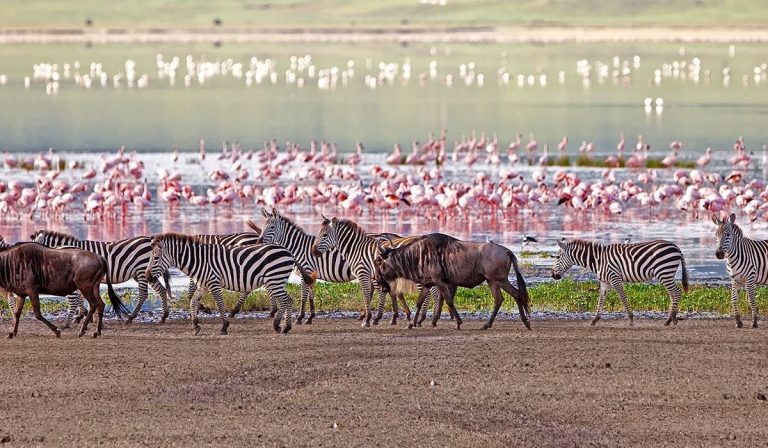
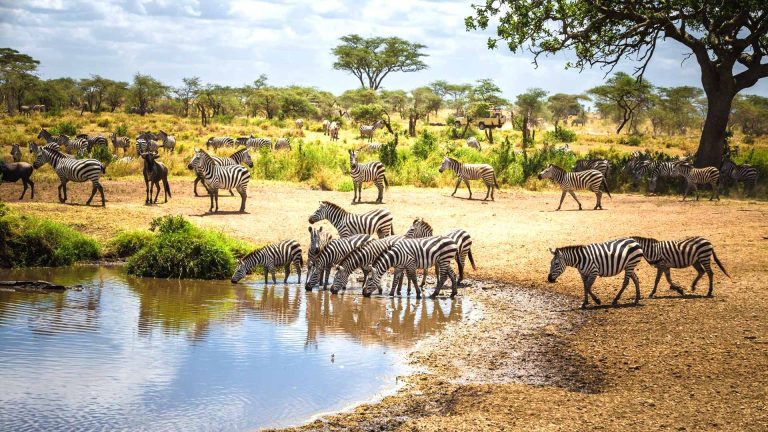
Yes. Most cultural safaris combine visits with game drives in parks such as Tarangire, Ngorongoro Crater and the Serengeti. Lake Eyasi fits easily between Lake Manyara and Ngorongoro, while Chagga villages suit travellers climbing Kilimanjaro. Zanzibar adds Swahili culture and beach relaxation at the end. It is a deeply rewarding experience. Respect is always the key.
What languages are spoken in Tanzania?
Swahili and English are Tanzania's official languages, with Swahili widely spoken across the country. Many communities also speak their own languages, such as Maa, Hadza, Datooga, Iraqw and Kichagga. Learning a few Swahili greetings, such as jambo and asante, is appreciated by the people you meet. It is a deeply rewarding experience. Respect is always the key.
How do I plan a cultural safari with you?
Contact our Arusha-based team with your dates and interests. We will design a private, tailor-made safari combining respectful cultural visits with Maasai, Hadzabe, Datoga, Chagga or Swahili communities and wildlife game drives, working with trusted local guides who ensure every visit is meaningful and fair. It is a deeply rewarding experience. Respect is always the key.
More Culture Guides
Discover Tanzania's Living Cultures
Tell us your dates and interests, and our Arusha-based team will design a private, tailor-made safari combining respectful cultural visits with wildlife game drives, guided by local experts who make every encounter meaningful.
Start Planning