First Timer’s Guide Step-by-Step to Planning your Tanzania Safari
First Timer’s Guide Step-by-Step to Planning your Tanzania Safari
Planning your first Tanzania safari is one of the most exciting travel experiences in Africa, combining breathtaking wildlife, iconic landscapes, and an unforgettable first-timer's guide step-by-step to planning your Tanzania Safari adventure. From the world-famous Great Migration in the Serengeti to the dramatic wildlife-filled Ngorongoro Crater, Tanzania offers some of the best safari experiences on earth. First-time travelers often search for terms like “Tanzania safari planning guide,” “best African safari destinations,” and “affordable Tanzania safari packages,” and this step-by-step guide brings everything together in one place. Whether you are planning a luxury safari, mid-range adventure, or budget camping safari, understanding the process is key. This guide will help you choose the best time, destinations, safari style, accommodation, costs, and travel essentials while ensuring you experience a safe, well-organized, and truly unforgettable Tanzania safari adventure from start to finish.
Decide the Best Time to Go on a Tanzania Safari
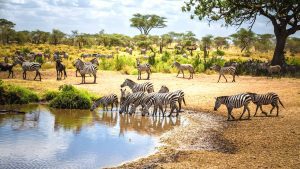
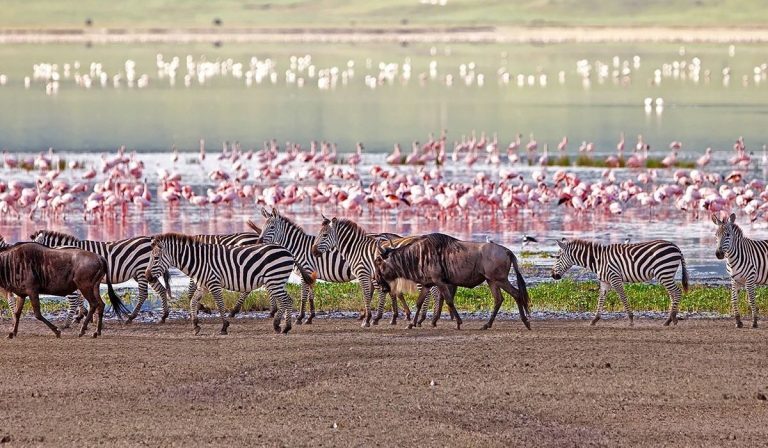
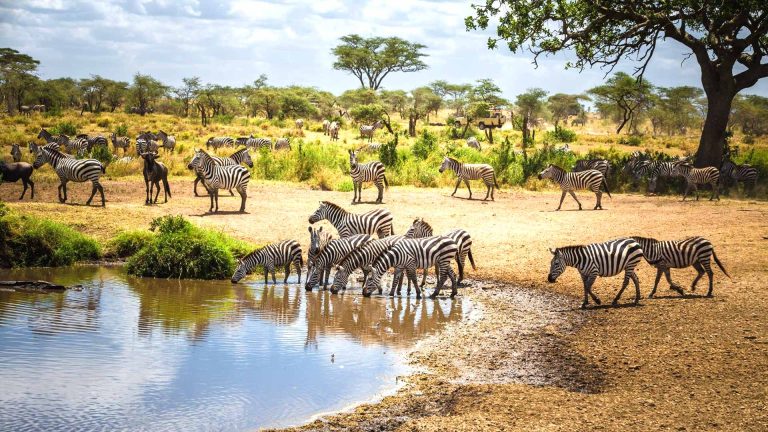
Choosing the best time to visit Tanzania is crucial for an unforgettable safari experience. The dry season from June to October is considered the peak safari period, offering excellent wildlife viewing in parks like Serengeti National Park and Tarangire National Park as animals gather around water sources. This is also the best time for witnessing the Great Migration river crossings. The green season from November to May is ideal for birdwatching, lush landscapes, and fewer crowds, making it perfect for budget travelers and photographers. Many travelers search for “best time for Tanzania safari” or “Tanzania weather safari guide,” and the answer depends on your interests. If you prefer dramatic wildlife action, choose the dry season. If you want green scenery and lower prices, the wet season is ideal. Planning around seasons ensures better sightings and smoother safari experiences.
Choose Tanzania Safari Parks & Destinations
Selecting the right safari parks is essential for your Tanzania adventure. The most popular destinations include Serengeti National Park for the Great Migration, Ngorongoro Crater for dense wildlife in a volcanic caldera, and Tarangire National Park, known for large elephant herds and baobab landscapes. Other must-visit locations include Lake Manyara National Park and Arusha National Park for shorter game drives. Travelers often search for “best Tanzania safari parks,” “Northern Circuit Tanzania safari,” and “wildlife safari destinations in Africa.” Each park offers unique experiences—Serengeti for vast plains, Ngorongoro for big five sightings, and Tarangire for off-the-beaten-path beauty. Choosing the right combination of parks ensures a well-rounded safari itinerary. First-time visitors should consider a Northern Circuit safari route for convenience, diversity, and the highest chance of seeing the Big Five.
- ArushaGateway
- TarangireElephants
- NgorongoroCrater
- SerengetiBig Five
- ZanzibarBeach
Choose Tanzania Safari Styles
Tanzania offers a wide range of safari styles to match different budgets and travel preferences. Popular options include luxury safaris, mid-range lodge safaris, budget camping safaris, private guided safaris, and fly-in fly-out safaris. Luxury safaris focus on comfort, high-end lodges, and exclusive wildlife experiences, while budget safaris offer affordability and adventure. Many travelers search for “best Tanzania safari types,” “luxury vs budget safari Tanzania,” and “private safari Tanzania cost.” Choosing your safari style depends on your budget, comfort level, and travel goals. For example, honeymoon travelers often prefer luxury tented camps, while backpackers choose camping safaris. Family travelers may opt for private safaris for flexibility. Fly-in safaris are ideal for saving travel time and maximizing wildlife viewing. Understanding safari styles helps you balance comfort, cost, and adventure while ensuring a personalized and unforgettable Tanzania safari experience.
Select Tanzania Safari Accommodation
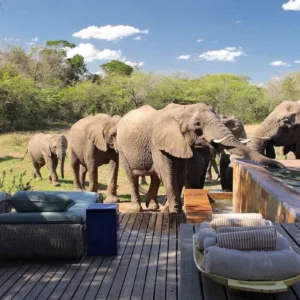
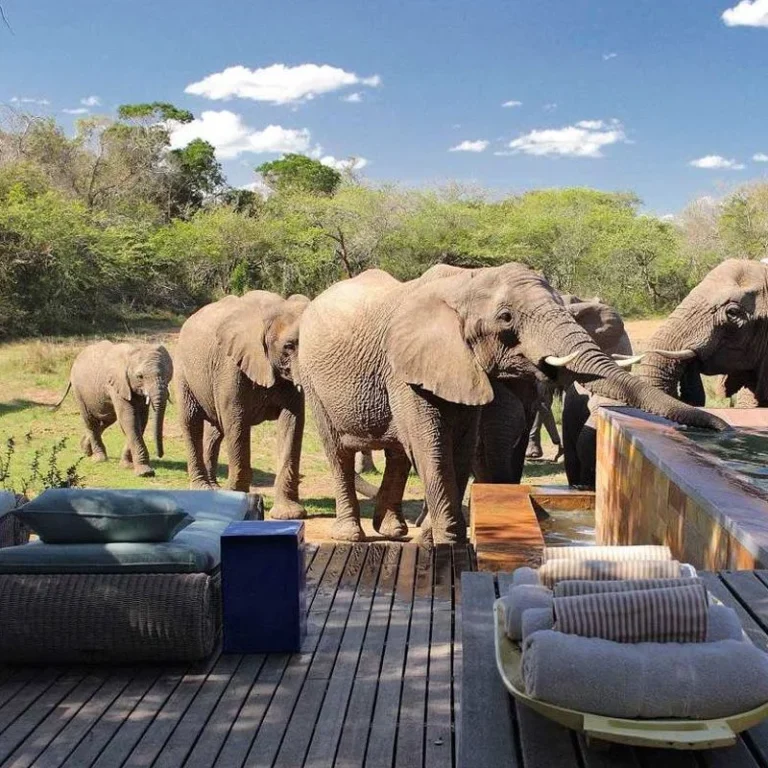
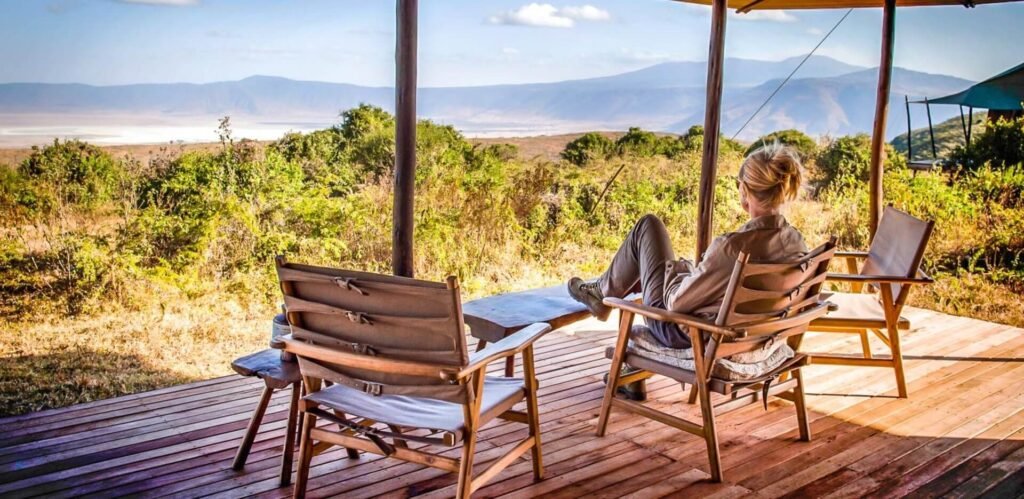
Accommodation plays a major role in your Tanzania safari experience. Options range from luxury safari lodges and tented camps to mid-range lodges and budget campsites. Popular searches include “best Tanzania safari lodges,” “tented camps Serengeti,” and “affordable safari accommodation Tanzania.” Luxury lodges near Serengeti National Park offer premium comfort, fine dining, and incredible views of wildlife. Mid-range lodges provide comfort at reasonable prices, while budget camps offer simple but immersive nature experiences. Many accommodations are strategically located inside or near parks for easy access to game drives. Choosing the right stay depends on your safari style and budget. For first-time travelers, tented camps are highly recommended as they combine comfort with an authentic bush experience. Booking early, especially during peak season, ensures better availability and competitive prices.
Budget camping & lodges
Affordable, adventurous and close to nature.
Mid-range lodges & tented camps
Comfort, good food and convenient locations.
Luxury tented camps & lodges
Spacious suites, personal service and prime wildlife areas.
Exclusive-use camps & villas
Complete privacy, private guides and bespoke experiences.
Book with a Reputable Tanzania Safari Tour Operator
Booking with a trusted safari tour operator is one of the most important steps in planning your trip. Many travelers search for “best Tanzania safari companies,” “reliable safari operators Tanzania,” and “how to book Tanzania safari packages.” A reputable operator ensures safety, professional guides, well-planned itineraries, and transparent pricing. They also handle park fees, accommodation, transportation, and logistics, making your journey stress-free. Look for licensed companies with positive reviews, experienced guides, and strong knowledge of parks like Ngorongoro Crater and Serengeti. Compare multiple safari packages and check what is included before booking. Avoid extremely cheap offers, as they may compromise safety or quality. A good operator customizes your itinerary based on your interests, whether wildlife photography, luxury travel, or budget adventure. Booking early ensures better availability and smoother planning for your Tanzania safari experience.
Understand Tanzania Safari Costs
Understanding safari costs helps you plan a realistic budget. Tanzania safari prices vary depending on accommodation, season, duration, and safari style. Travelers often search for “Tanzania safari cost per day,” “cheap Tanzania safari packages,” and “luxury safari Tanzania price.” Budget safaris may start from lower daily rates, while luxury safaris can be significantly higher due to premium lodges and services. Park fees, especially for places like Serengeti National Park and Ngorongoro Crater, also contribute to total costs. Additional African Safari expenses include flights, tips, drinks, and optional activities like hot air balloon safaris. A 5–7 day Tanzania safari is ideal for first-timers to balance cost and experience. Planning ahead helps avoid hidden charges and ensures better value. Comparing packages from different operators helps you find the best balance between comfort, experience, and affordability.
- Accommodation
- Meals
- Park fees
- Vehicle & guide
- Transfers
- International flights
- Visas
- Travel insurance
- Tips
- Premium drinks
Pack Smart for Your Tanzania Safari
Packing correctly is essential for a comfortable Tanzania safari experience. Travelers often search “Tanzania safari packing list,” “what to wear on safari in Africa,” and “essentials for Tanzania safari.” Lightweight, neutral-colored clothing is recommended to blend with the environment. Bring essentials like sunscreen, insect repellent, binoculars, a camera, comfortable walking shoes, and a hat. Layers are important since mornings and evenings in parks like Tarangire National Park and Serengeti can be cool, while afternoons are hot. Avoid bright colors and heavy luggage due to limited space in safari vehicles. A small daypack is useful for game drives. Don’t forget travel documents, medications, and chargers. Packing smart ensures comfort, convenience, and readiness for all safari conditions, allowing you to focus fully on wildlife viewing and adventure rather than logistics.
Learn About Tanzania Safari Etiquette and Safety
Understanding safari etiquette and safety rules enhances your experience and protects wildlife. Common searches include “Tanzania safari safety tips,” “safari rules Africa,” and “wildlife viewing etiquette.” Always follow your guide’s instructions and maintain a safe distance from animals. Do not make loud noises or attempt to feed wildlife in parks such as Serengeti National Park. Stay inside the vehicle unless instructed otherwise. Respect local cultures when visiting communities near safari regions. Safety in Tanzania safari parks is generally high when traveling with professional guides. Carry essentials like hand sanitizer and stay hydrated during game drives. Respecting nature ensures a sustainable tourism experience while protecting Tanzania’s unique ecosystems. Good etiquette enhances not only your safety but also the overall enjoyment of your best Tanzania safari journey.
Transportation and Getting Around
Transportation is a key part of your safari planning. Most travelers arrive via Kilimanjaro International Airport or Arusha Airport before starting their memorable Tanzania safari journey. Searches like “how to get around Tanzania safari,” “safari transport options Tanzania,” and “fly-in safari Tanzania” are common. Road safaris use 4x4 safari vehicles, ideal for exploring parks like Ngorongoro Crater and Tarangire. Fly-in safaris save time and provide aerial views of landscapes, especially useful for reaching remote areas of the Serengeti. Transfers between parks can take several hours, so planning routes carefully is important. Your tour operator usually handles all logistics, ensuring smooth travel between destinations. Choosing the right transport option depends on your budget, time, and comfort level. Efficient transportation planning maximizes your safari experience and minimizes travel stress.
Getting Your Travel Documents in Order
Before traveling to Tanzania, ensure all documents are prepared. Travelers often search “Tanzania visa requirements,” “passport validity Tanzania,” and “safari travel documents Africa.” Most visitors require a valid passport with at least six months’ validity and a Tanzania tourist visa, which can be obtained online or on arrival. Travel insurance is highly recommended to cover medical emergencies and trip disruptions. Vaccination requirements may also apply depending on your country of origin. Keep printed and digital copies of all documents for safety. If your itinerary includes Zanzibar, ensure your travel documents cover both mainland and island travel. Proper documentation ensures a smooth entry and stress-free start to your Tanzania safari adventure.
Capturing Memories and Immersing in the Experience
A Tanzania safari is not just a trip—it is a life-changing experience. Travelers often search for “best safari photography tips,” “Tanzania safari memories,” and “how to enjoy an African safari.” Bring a good camera or smartphone to capture wildlife moments in parks like Serengeti National Park and Ngorongoro. However, also take time to disconnect and enjoy the natural beauty. Watch sunsets, listen to nature sounds, and immerse yourself in the wilderness. Respect wildlife photography rules and avoid disturbing animals for the perfect shot. Journaling or recording experiences can help preserve memories. A safari is about both adventure and reflection, creating unforgettable stories that last a lifetime.
Final Thought
Planning your first Tanzania safari may seem complex, but with the right steps, it becomes an exciting and rewarding journey. From choosing the best time and destinations to selecting safari styles, accommodation, and tour operators, every detail shapes your experience. Tanzania offers unmatched wildlife encounters, iconic landscapes, and rich cultural experiences that make it one of the world’s top safari destinations. Whether exploring the Serengeti plains or the Ngorongoro Crater, preparation ensures a smooth and unforgettable adventure. With proper planning, your Tanzania safari will not just be a holiday—it will be the beginning of a lifelong passion for Africa’s wild beauty.
First Timer’s Guide Step-by-Step to Planning your Tanzania Safari: FAQs
What should you know about decide the best time to Go on a Tanzania safari for first timer’s guide step-by-step to planning your Tanzania safari?
Choosing the best time to visit Tanzania is crucial for an unforgettable safari experience. The dry season from June to October is considered the peak safari period, offering excellent wildlife viewing in parks like Serengeti National Park and Tarangire National Park as animals gather around water sources.
What can you expect from choose Tanzania safari parks & destinations for first timer’s guide step-by-step to planning your Tanzania safari?
Selecting the right safari parks is essential for your Tanzania adventure. The most popular destinations include Serengeti National Park for the Great Migration, Ngorongoro Crater for dense wildlife in a volcanic caldera, and Tarangire National Park, known for large elephant herds and baobab landscapes. Other must-visit locations include Lake Manyara National Park and Arusha National Park for shorter game drives.
What should you know about choose Tanzania safari styles for first timer’s guide step-by-step to planning your Tanzania safari?
Tanzania offers a wide range of safari styles to match different budgets and travel preferences. Popular options include luxury safaris, mid-range lodge safaris, budget camping safaris, private guided safaris, and fly-in fly-out safaris. Luxury safaris focus on comfort, high-end lodges, and exclusive wildlife experiences, while budget safaris offer affordability and adventure.
What can you expect from Select Tanzania safari accommodation for first timer’s guide step-by-step to planning your Tanzania safari?
Accommodation plays a major role in your Tanzania safari experience. Options range from luxury safari lodges and tented camps to mid-range lodges and budget campsites. Popular searches include “best Tanzania safari lodges,” “tented camps Serengeti,” and “affordable safari accommodation Tanzania.” Luxury lodges near Serengeti National Park offer premium comfort, fine dining, and incredible views of wildlife.
What should you know about book with a reputable Tanzania safari tour operator for first timer’s guide step-by-step to planning your Tanzania safari?
Booking with a trusted safari tour operator is one of the most important steps in planning your trip. Many travelers search for “best Tanzania safari companies,” “reliable safari operators Tanzania,” and “how to book Tanzania safari packages.” A reputable operator ensures safety, professional guides, well-planned itineraries, and transparent pricing.
How much should you budget for Understand Tanzania safari costs for first timer’s guide step-by-step to planning your Tanzania safari?
Understanding safari costs helps you plan a realistic budget. Tanzania safari prices vary depending on accommodation, season, duration, and safari style. Travelers often search for “Tanzania safari cost per day,” “cheap Tanzania safari packages,” and “luxury safari Tanzania price.” Budget safaris may start from lower daily rates, while luxury safaris can be significantly higher due to premium lodges and services.
What can you expect from pack smart for your Tanzania safari for first timer’s guide step-by-step to planning your Tanzania safari?
Packing correctly is essential for a comfortable Tanzania safari experience. Travelers often search “Tanzania safari packing list,” “what to wear on safari in Africa,” and “essentials for Tanzania safari.” Lightweight, neutral-colored clothing is recommended to blend with the environment. Bring essentials like sunscreen, insect repellent, binoculars, a camera, comfortable walking shoes, and a hat.
What should you know about learn about Tanzania safari etiquette and safety for first timer’s guide step-by-step to planning your Tanzania safari?
Understanding safari etiquette and safety rules enhances your experience and protects wildlife. Common searches include “Tanzania safari safety tips,” “safari rules Africa,” and “wildlife viewing etiquette.” Always follow your guide’s instructions and maintain a safe distance from animals. Do not make loud noises or attempt to feed wildlife in parks such as Serengeti National Park.
Plan Your Private Tanzania Safari
Tell us your travel dates, interests and budget, and our local team will design a private tailor-made safari around you.