11 Simple Steps to Plan Your First East Africa Safari Holiday
To plan a trip to East Africa, start by choosing your country and the experiences you want most, such as the Great Migration, the Big Five, climbing Kilimanjaro or relaxing on Zanzibar. Then pick the best time to visit, build a realistic itinerary of 7 to 14 days, set your budget, choose accommodation and transport, prepare visas, insurance and health requirements, pack practically and book with a reputable local operator. This East Africa travel guide explains each of these 11 simple steps for first-time visitors, with Tanzania as the ideal and easiest starting point for a private tailor-made safari.
How do I plan my first East Africa safari?
Choose your country, usually Tanzania for a first safari, and decide your top experiences, such as the Serengeti, Ngorongoro Crater and Zanzibar. Travel between June and October for the easiest wildlife viewing, allow 7 to 14 days, set a realistic budget and book with an experienced local operator. Prepare your passport, visa, travel insurance and health advice early, and pack light, neutral layers for cool mornings and warm afternoons.
01Choose the Right East African Country
The first step in planning a trip to East Africa is choosing the country that best matches your travel goals, time and budget. Tanzania offers the Serengeti Great Migration, Big Five safaris, the Ngorongoro Crater, Mount Kilimanjaro and Zanzibar, while Kenya is famous for the Masai Mara and Uganda and Rwanda for gorilla trekking. The cards below compare the main East African safari destinations and explain when combining countries makes sense. For most first-time visitors, Tanzania provides exceptional variety within one country and the easiest introduction to a first African safari holiday, with plenty of time to relax.
Tanzania
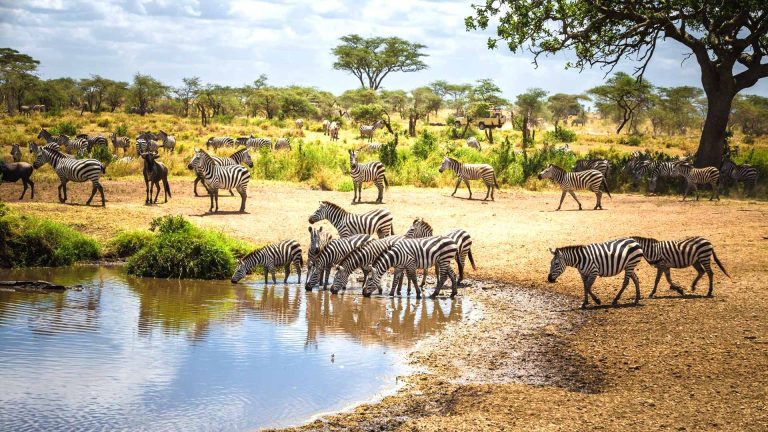
Tanzania is the ideal choice for a first East Africa safari, combining the Serengeti and the Great Migration, the Ngorongoro Crater, Tarangire's elephants, Mount Kilimanjaro and Zanzibar's beaches in one country. The Northern Circuit links these highlights easily from Arusha, so you can enjoy outstanding variety without the extra cost and complexity of multiple border crossings.
Kenya
Kenya is famous for the Masai Mara, where the Great Migration arrives from the Serengeti during the dry season, plus Amboseli's elephants beneath Kilimanjaro. Many travellers compare Kenya and Tanzania before booking. Both offer excellent wildlife, and a combined safari is possible, although it requires additional flights, border formalities and careful planning by an experienced operator.
Uganda and Rwanda
Uganda and Rwanda are best known for mountain gorilla trekking in misty rainforests, along with chimpanzees and beautiful highland scenery. They suit travellers focused on primates and are often added to a Tanzania or Kenya safari. Gorilla permits are limited and should be booked well in advance through an experienced operator before you confirm flights.
Combining Countries
Combining several East African countries is possible on a longer trip, but it adds flights, visas, border crossings and travel time. For a first visit, most travellers enjoy a richer experience by focusing on one country, such as Tanzania, and adding a beach extension. Returning visitors can then explore Kenya, Uganda or Rwanda on later journeys.
02Decide What You Want to Experience
Before booking your first East Africa vacation, identify the experiences that matter most to you, because your priorities decide where and when you travel. You might want to see the Big Five, witness the Great Migration, climb Kilimanjaro, trek Mount Meru, meet local communities or relax on Zanzibar's beaches. Select each tab to see where to go, the best time, who each experience suits and an ideal trip length, with links to our related tours. Choosing a few experiences and allowing enough time to enjoy them delivers a richer and more relaxing safari than a rushed multi-country itinerary.
See the Big Five
Ngorongoro Crater, Serengeti and Tarangire
Year-round, easiest from June to October
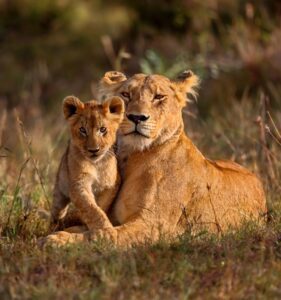
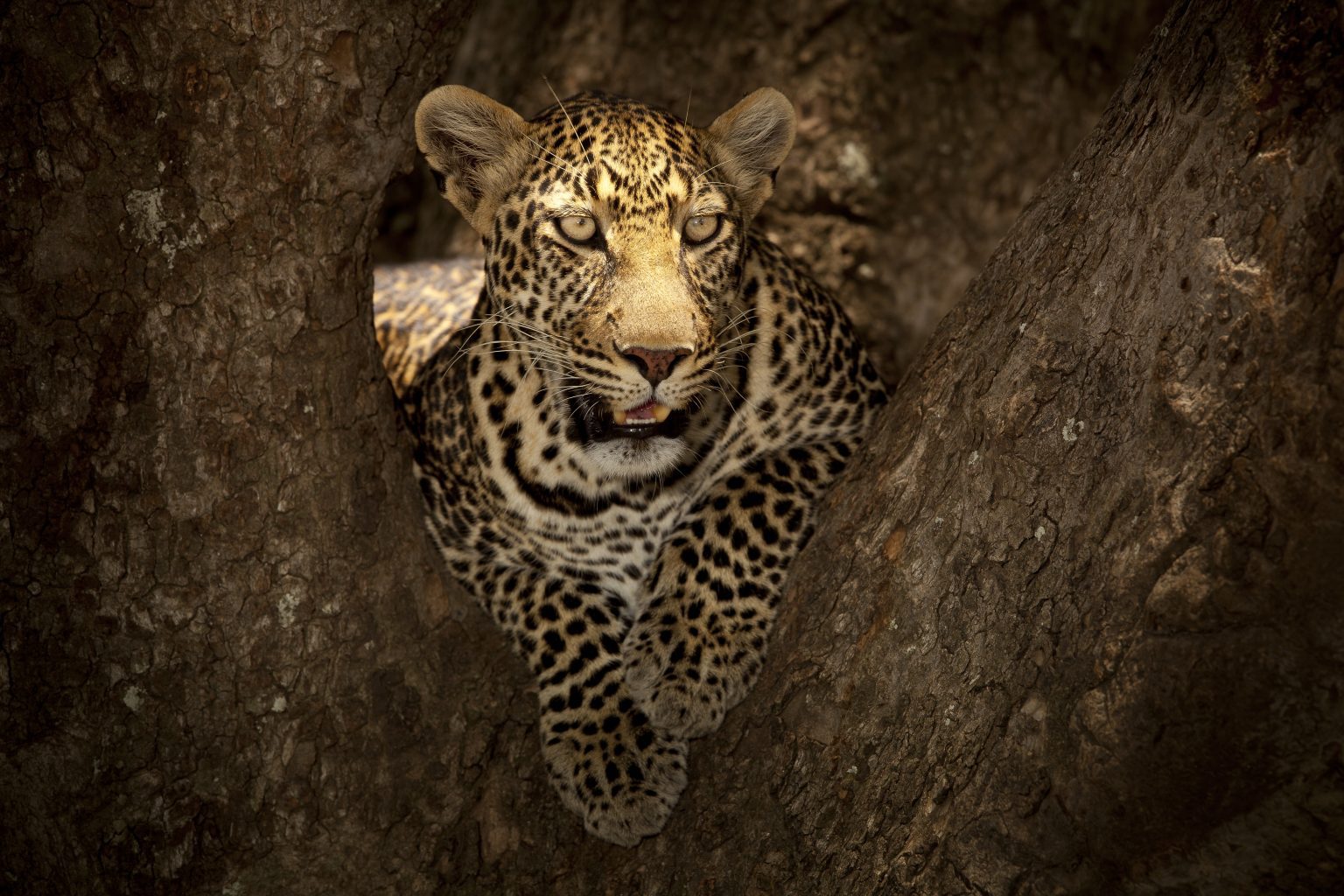
Seeing the Big Five of lion, leopard, elephant, buffalo and rhino is a dream for many first-time visitors. The Ngorongoro Crater offers one of the best chances of seeing all five in a single day, including rare black rhino, while the Serengeti is outstanding for big cats and Tarangire for elephants. Sightings are never guaranteed, but chances are excellent.
Big Five safari →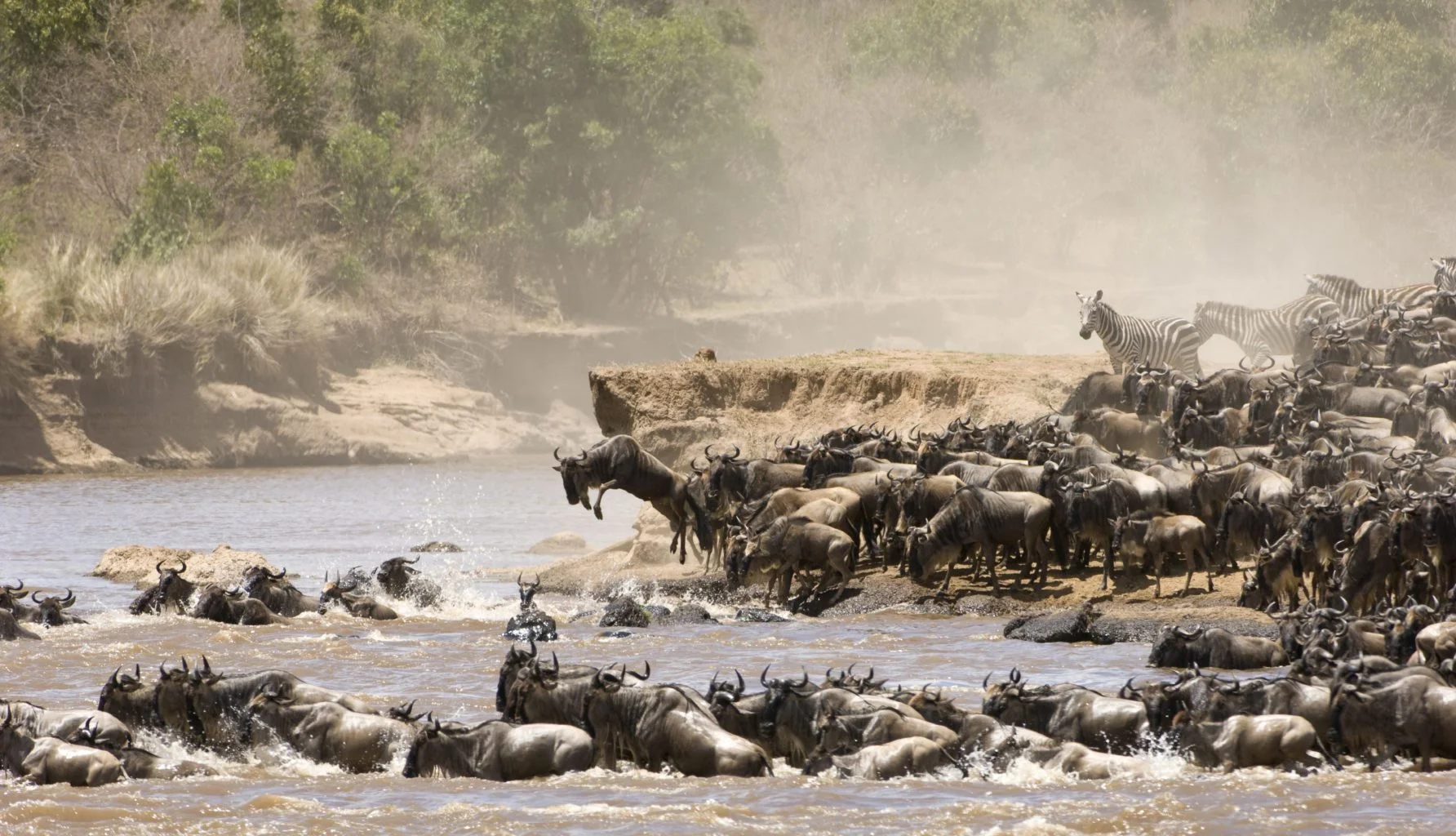
Witness the Great Migration
Serengeti National Park
Calving January to February, crossings July to October
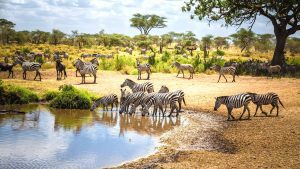
The Great Wildebeest Migration moves through the Serengeti all year, following the rains and fresh grazing. Calving takes place on the southern plains early in the year, while dramatic river crossings usually happen in the northern Serengeti during the dry season. Plan your dates and camp location around the herds for the best possible migration experience.
Migration safari →
Climb Mount Kilimanjaro
Kilimanjaro National Park
Drier months, January to March and June to October
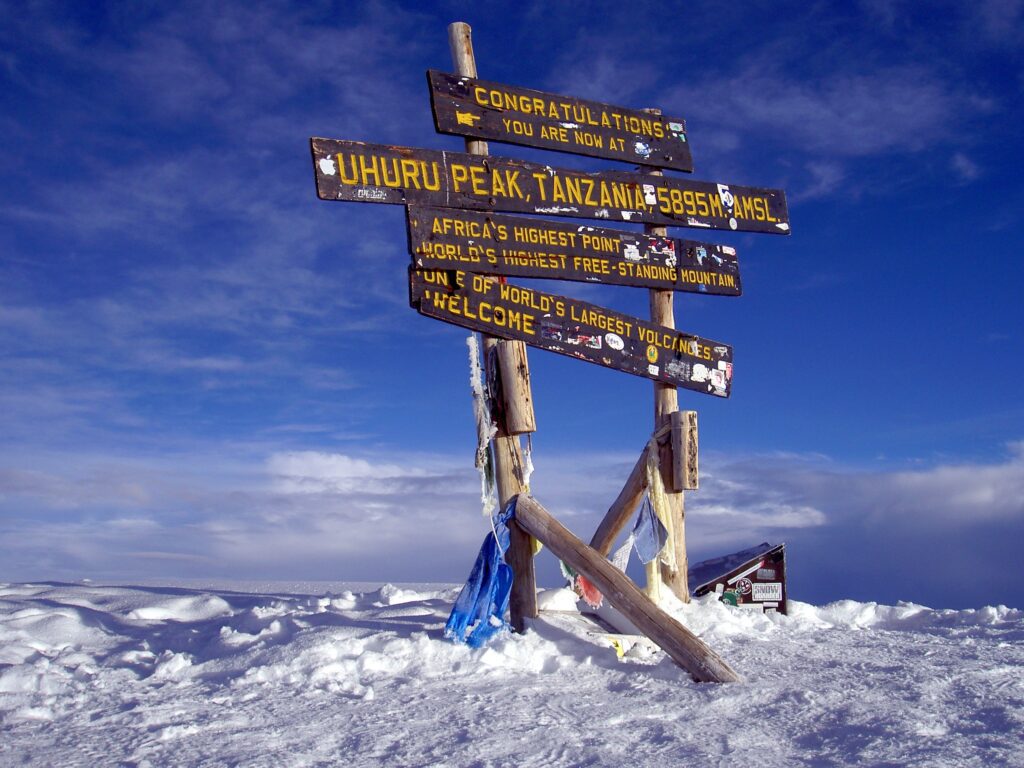
Climbing Mount Kilimanjaro, Africa's highest mountain, is a life-changing challenge for fit, well-prepared travellers. No technical climbing skills are needed, but good acclimatisation is essential, so longer routes such as Lemosho or Machame give the best chance of reaching the summit. Many climbers combine their trek with a safari afterwards. Our team can arrange the full climb and safari.
Kilimanjaro treks →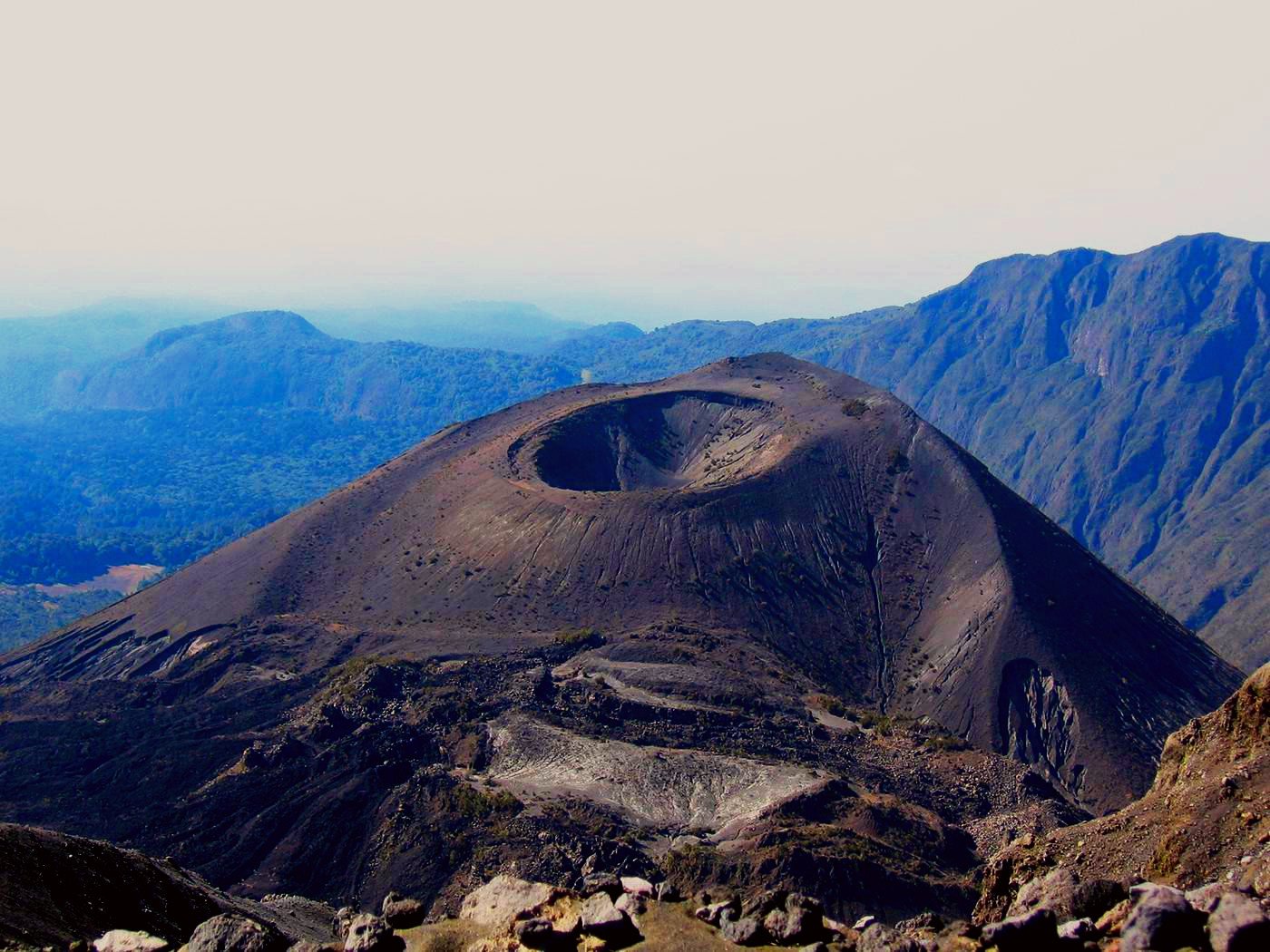
Trek Mount Meru
Arusha National Park
Drier months, June to February
Mount Meru, Tanzania's second-highest mountain, rises above Arusha National Park and offers a scenic, less crowded trek with wildlife on the lower slopes. It is an excellent climb in its own right and a popular warm-up for Kilimanjaro, helping climbers acclimatise before attempting Africa's highest summit a few days later. It takes three or four days to complete.
Mount Meru climbing →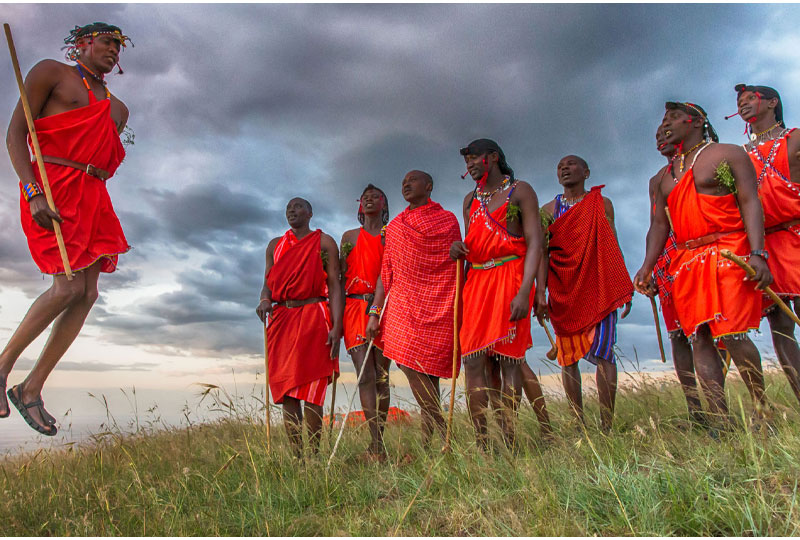
Experience Local Culture
Maasai villages, Lake Eyasi and Stone Town
All year
Cultural experiences add depth and meaning to an East Africa trip. Visit a Maasai village, join Hadzabe hunter-gatherers near Lake Eyasi, explore coffee farms around Karatu or wander the historic streets of Stone Town on Zanzibar. Always travel with a respectful guide and ask before taking photographs of local people. These visits support local communities directly.
Cultural tours →
Relax on Zanzibar
Zanzibar Island
Outside the long rains of April and May
Zanzibar is the perfect finale to an East Africa safari, with powder-white beaches, turquoise water, snorkelling, spice tours and the historic Stone Town. A short domestic flight connects the island with the safari regions, making it easy to add three to five relaxing days to the end of your trip. Most travellers end their trip here.
Zanzibar beach holidays →03Choose the Best Time to Visit East Africa
The best time to visit East Africa really depends on your chosen destination and the experiences you want. In Tanzania, the dry season from June to October is popular for wildlife viewing, January and February are excellent for the Serengeti calving season, and the green season brings lush scenery, fewer visitors and better value. Select each tab below to compare what to expect, who each season suits and the months, with links to detailed guides. Also consider school holidays, accommodation availability and your budget before finalising your travel dates, and book early for the busy dry season months.
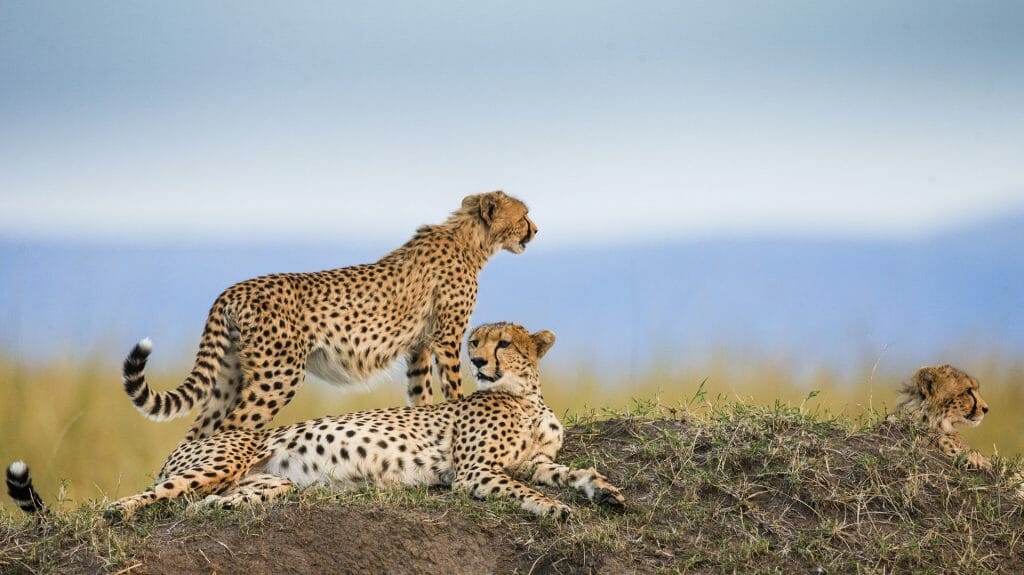
Dry Season Safaris
Thin vegetation, animals near water and sunny days
First-time visitors, the Big Five and river crossings
Tanzania's dry season from June to October is the most popular time for an East Africa safari, as animals gather around rivers and waterholes and vegetation is thinner. Great Migration river crossings usually take place in the northern Serengeti during this period. It is also peak season, so book your lodges and camps well in advance.
Best time for a safari →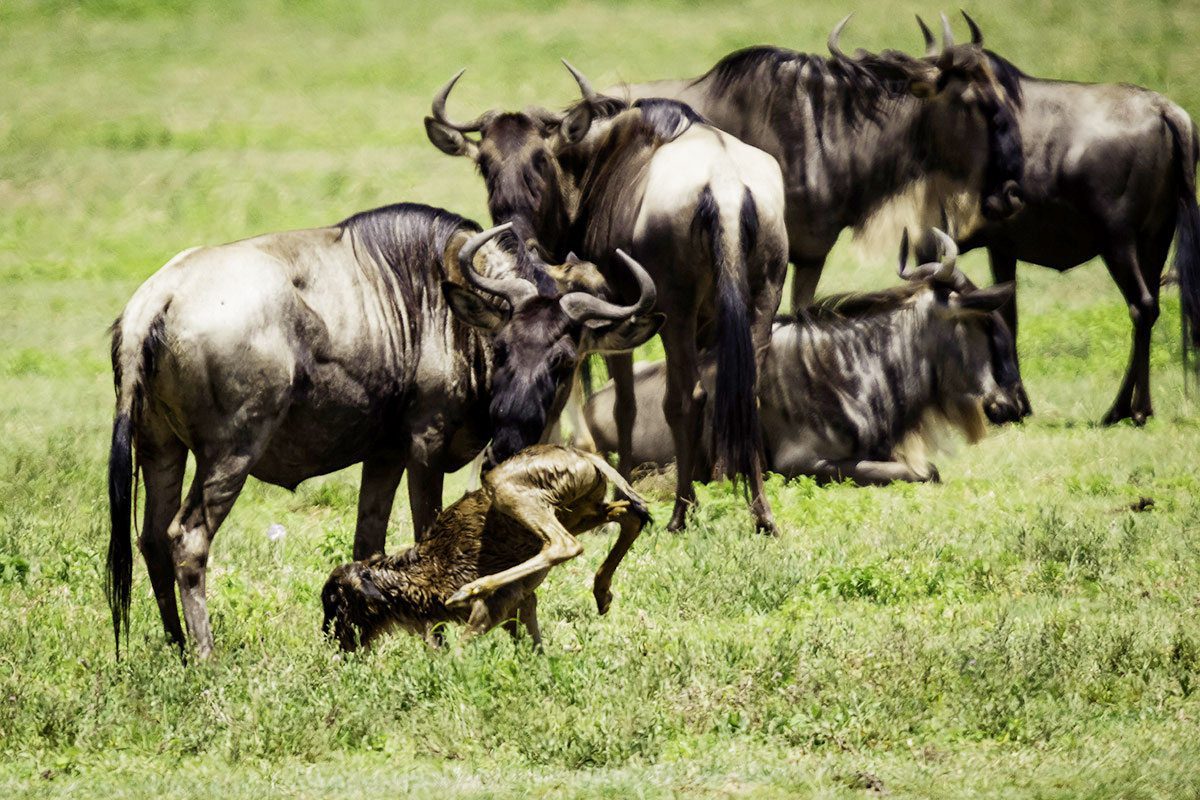
Calving Season Safaris
Newborn wildebeest, green plains and predators
Migration lovers and photographers
In January and February, the wildebeest herds gather on the short-grass plains of the southern Serengeti and Ndutu to give birth. Thousands of calves attract lions, cheetahs and hyenas, creating spectacular predator action. Green landscapes, warm days and good Zanzibar beach weather make this a rewarding time for a first East Africa safari and beach trip.
Calving season safari →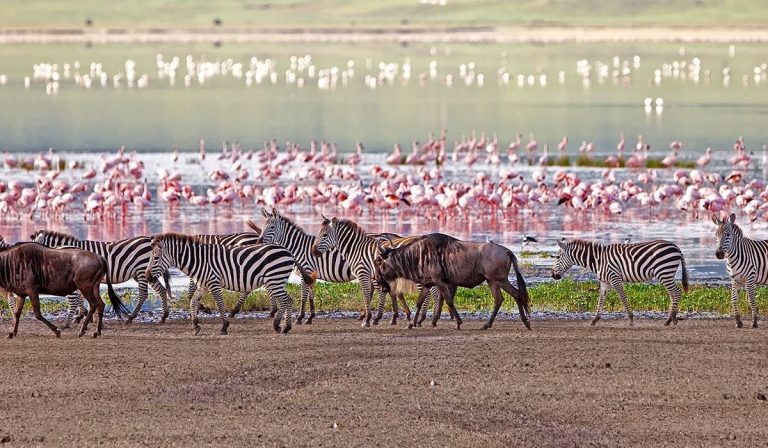
Green Season Safaris
Lush scenery, short showers and fewer visitors
Value seekers, birdwatchers and photographers
The green season from November to May brings lush landscapes, dramatic skies, fewer visitors and attractive rates at many lodges. Rain usually falls as short afternoon showers, although April and May are typically the wettest months. Wildlife viewing remains rewarding, and newborn animals and migrant birds add extra interest to every game drive in the parks.
Green season safaris →04Create a Realistic East Africa Safari Itinerary
A successful East Africa safari itinerary balances wildlife viewing, travel time, relaxation and cultural experiences. For Tanzania, a classic Northern Circuit route combines Tarangire, the Ngorongoro Crater and the Serengeti, while longer trips can add Zanzibar, Mount Kilimanjaro or Mount Meru. The cards below compare popular trip lengths for first-time visitors and explain how to pace your journey. Avoid changing locations every day, and spend several nights in key destinations so you have time for game drives, photography, rest and unexpected wildlife encounters. Our team will help you choose the right trip length for your interests and budget.
7-Day Northern Circuit
A seven-day private safari is a perfect first trip, combining Tarangire National Park, the Ngorongoro Crater and the Serengeti from Arusha. You will see elephants and baobabs, the crater's Big Five and the Serengeti's vast plains and big cats, with enough time for unhurried game drives and comfortable nights in each beautiful area of the circuit.
10 Days with Zanzibar
A ten-day trip lets you enjoy a classic Northern Circuit safari followed by three or four relaxing nights on Zanzibar. After early game drives and dusty roads, the island's white-sand beaches, turquoise water and Stone Town offer the perfect way to unwind. This bush-and-beach combination is ideal for couples, families and honeymooners on their first trip to Africa.
14 Days with Kilimanjaro
With two full weeks, active travellers can climb Mount Kilimanjaro or Mount Meru and then enjoy a safari on the Northern Circuit. Alternatively, spend extra nights in the Serengeti following the Great Migration and add a beach stay. A longer trip allows a slower pace, more wildlife time and less travel fatigue for the whole family.
Pace Your Itinerary
Avoid changing lodges every night or trying to visit too many parks in a short time. Spend at least two nights in key destinations such as the Serengeti, allow time for rest and photography, and expect long drives between some parks. A well-paced itinerary is more comfortable, more relaxing and usually produces better wildlife sightings.
05Set Your East Africa Safari Budget
Understanding the cost of an East Africa safari is essential before booking, because prices vary with accommodation, season, trip length and activities. Private camping, mid-range and luxury safaris each offer excellent game viewing at different comfort levels, while flights, visas, insurance and tips are usually extra. The cards below show typical private safari price ranges per person per day and the additional costs to plan for. A transparent quotation helps you decide where to invest more, whether in extra Serengeti nights, better lodges, a private vehicle or a relaxing Zanzibar beach extension at the end of your trip.
Camping Safari
A private camping safari uses public or special campsites inside or near the parks, with your crew pitching tents and preparing fresh meals. It typically ranges from about US$250 to 390 per person per day. Camping is the most affordable way to enjoy a full East Africa safari close to nature with your own private guide.
Mid-Range Safari
A private mid-range safari uses comfortable lodges and tented camps with en-suite bathrooms, good food and friendly service in excellent wildlife locations. It typically ranges from about US$550 to 990 per person per day. Mid-range offers outstanding value and suits most first-time visitors, families and couples. Many first-time travellers find it the best balance of comfort and price.
Luxury Safari
A private luxury safari features exclusive camps and lodges, spacious suites, gourmet dining, attentive service and prime wildlife locations. It typically ranges from about US$990 to 2,500 or more per person per day, depending on season, properties and flights. Luxury suits honeymooners, special celebrations and travellers seeking privacy. Book early for the best rooms in peak season.
What to Budget For
Besides your safari, budget for international flights, visas, travel insurance, domestic flights, optional activities such as balloon safaris, gratuities and personal expenses. Peak seasons cost more. Always request a detailed written quotation showing inclusions and exclusions, then compare overall value rather than simply choosing the cheapest East Africa safari package. Our quotations always list these items clearly.
06Choose the Right Safari Accommodation
East Africa offers safari accommodation for every style and budget, from simple campsites and comfortable mid-range lodges to luxury tented camps and exclusive lodges. Choose accommodation based on location, comfort, room configuration, meals, activities and budget, as staying close to wildlife areas reduces driving and maximises game viewing. The cards below compare the four main safari accommodation styles in detail. Families should check family rooms and child policies, while couples may prefer romantic tented camps, and the best choice is always the one that offers comfort, a convenient location and reliable service at a fair price for your budget.
Campsites
Campsites are the most affordable and adventurous way to stay on safari, placing you right in the heart of the wilderness. Your crew sets up dome tents and prepares fresh meals, while facilities at public campsites are basic. Falling asleep to the sounds of the bush creates an authentic, unforgettable experience for nature lovers and adventurers.
Mid-Range Lodges
Mid-range safari lodges offer comfortable rooms with en-suite bathrooms, good food, swimming pools at many properties and convenient locations near the parks. They balance comfort and value perfectly, making them the most popular choice for first-time visitors and families who want reliable facilities and a relaxing base between game drives. Many offer family rooms and good children's facilities.
Luxury Tented Camps
Luxury tented camps combine the romance of canvas with spacious private tents, handcrafted furniture, en-suite bathrooms and immersive wilderness settings. Some seasonal camps move with the Great Migration in the Serengeti. Warm, attentive service, fine dining and evening campfires make them a wonderful choice for couples and travellers seeking a special and memorable safari experience together.
Exclusive Lodges
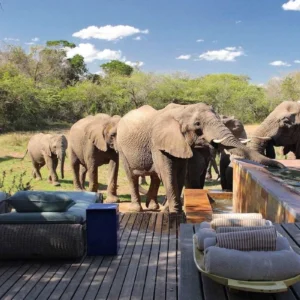
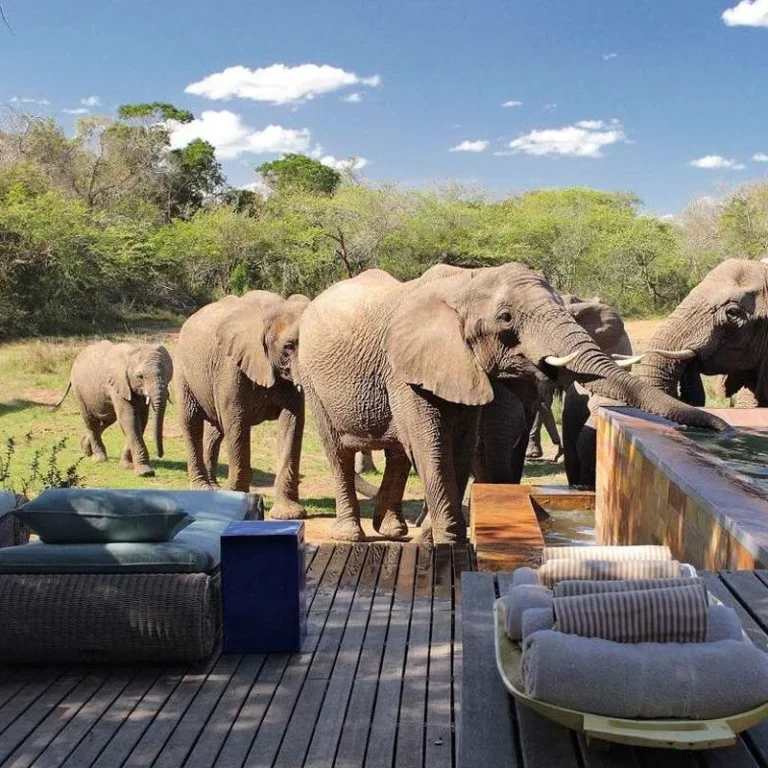
Exclusive lodges offer premium service, private dining, plunge pools and outstanding views in prime wildlife locations, often with very few guests. They are ideal for honeymoons, milestone celebrations and travellers who want complete privacy and comfort. Book well in advance, especially for the dry season, when the best rooms fill quickly every year with returning guests.
07Plan Transportation and Getting Around East Africa
Transportation is an important part of East Africa travel planning because safari destinations can be far apart. Private 4x4 safari vehicles are used for game drives and road transfers, while domestic flights save time between remote parks and the islands. The cards below explain the main and most practical ways of getting around, the international airports to use and what to consider when combining several countries. A well-planned transport schedule, arranged by an experienced local operator, gives you more time for wildlife and relaxation and far less time spent on unnecessary travel between the parks and the coast.
Private 4x4 Safari Vehicle
Most private East Africa safaris use 4x4 vehicles such as Toyota Land Cruisers with pop-up roofs for game drives and road transfers between parks. A private vehicle and guide give you flexible timing, a window seat for everyone and the freedom to stop for photographs whenever you wish, making every drive more comfortable, enjoyable and rewarding.
Domestic Flights
Light-aircraft and scheduled domestic flights save time between distant parks and connect the safari regions with Zanzibar. They are ideal for shorter trips or remote areas such as Ruaha and Nyerere. Baggage allowances on small aircraft are often limited, so use soft-sided luggage and check weight limits before you travel. We book all domestic flights for you.
International Airports
For northern Tanzania safaris, fly into Kilimanjaro International Airport (JRO) near Arusha. Julius Nyerere International Airport (DAR) in Dar es Salaam serves southern Tanzania, and Abeid Amani Karume International Airport (ZNZ) serves Zanzibar. Choosing the right arrival and return airports reduces travel time and makes your itinerary much smoother from the very start of your trip.
Border Crossings
If you combine Tanzania with Kenya, Uganda or Rwanda, allow time for border crossings, connecting flights and different visa requirements. Road crossings can be slow, so flights are often more practical. An experienced safari operator coordinates airport transfers, vehicles, domestic flights and accommodation, so you spend more time enjoying wildlife and less time travelling between destinations.
08Prepare Visas, Documents and Travel Insurance
Start by organising your passport, visa and travel insurance well before you travel, as requirements depend on your nationality and the countries in your itinerary. Check current official immigration information, and make sure your passport has enough remaining validity and blank pages for stamps. Comprehensive travel insurance should cover medical treatment, trip cancellation, baggage and emergency evacuation where appropriate. Use this interactive checklist to track your documents, follow your progress with the bar and print the list to keep safely with your travel papers. Multi-country travellers should also verify entry requirements for every border crossing to avoid preventable delays.
Passport and Visa0/4
Insurance0/4
Bookings0/4
Copies0/4
09Prepare for Health, Safety and Wildlife
Good East Africa safari planning includes health preparation and wildlife safety, so you can travel with confidence. Speak to a travel health professional about vaccinations and malaria prevention, follow your guide's instructions on safari and take sensible everyday precautions with valuables, water and sun protection. The cards below explain the key health and safety tips for first-time visitors, with links to detailed guides. Responsible behaviour protects travellers, wildlife and local communities while helping create a safer, more enjoyable and more sustainable African safari holiday for everyone involved, from your first game drive to your final day on the beach.
Get Health Advice Early
Consult a qualified travel health professional several weeks before your trip about recommended vaccinations, malaria prevention and other destination-specific precautions. Requirements can change and may depend on your route, so check current guidance for every country you visit. Pack personal medication in your hand luggage, along with copies of prescriptions and a small personal first-aid kit.
Stay Safe Around Wildlife
Always follow your guide's instructions, stay inside the vehicle unless told it is safe to get out and never approach, feed or disturb wild animals. At unfenced camps and lodges, always ask staff to escort you after dark. These simple rules keep you safe and protect the wildlife you have travelled so far to see up close.
Walking and Mountain Activities
If your trip includes walking safaris or climbing Kilimanjaro or Mount Meru, follow the specific safety and fitness requirements. Walking safaris are accompanied by armed rangers, while mountain treks require good acclimatisation, suitable equipment and experienced mountain guides. Prepare with regular exercise before you travel and tell your operator about any medical conditions when you book.
Travel Smart
Keep passports, money and valuables secure, use hotel safes where available and carry only what you need on excursions. Drink bottled or treated water, use sunscreen and insect repellent, and stay hydrated on long game drives. Check current official travel advice before you travel and respect local customs throughout your trip, especially in towns, villages and on Zanzibar.
10Pack the Essential Safari Gear
A practical East Africa safari packing list includes lightweight neutral clothing, warm layers, comfortable shoes and sun protection. Early morning game drives and highland areas such as the Ngorongoro Crater can be surprisingly cool, while afternoons are usually warm. If your itinerary includes light-aircraft flights, check baggage limits and use soft-sided luggage. Use this interactive checklist to pack your safari essentials, follow your progress with the bar or print the list to keep. Comfortable, versatile clothing and essential safari gear are far more valuable than a heavy suitcase on safari, so pack light and leave room for souvenirs.
Clothing0/5
Sun and Comfort0/5
Gear0/5
Beach and Extras0/5
11Travel Responsibly and Choose a Reputable Safari Operator
Choosing the right local safari operator is one of the most important decisions when planning your first East Africa trip. A reputable local operator provides experienced guides, suitable vehicles, transparent pricing and responsible conservation practices, and simplifies the logistics of flights, transfers and accommodation. The four cards below explain exactly what to look for in a safari company and how to travel responsibly on your trip. Our local team in Arusha designs every private tailor-made safari around your interests, dates and budget, with clear pricing, expert guides and support from the moment you enquire until you fly home.
Experienced Local Guides
Your guide shapes every wildlife encounter, so choose an operator with professional, experienced guides who understand animal behaviour, ecosystems and local cultures. Ask about guide training, qualifications and years in the field. Traveller reviews often name the guide as the highlight of a safari, so read independent reviews carefully and compare several operators before you book.
Suitable Vehicles
Choose an operator that uses well-maintained 4x4 safari vehicles with pop-up roofs, comfortable seating and a guaranteed window seat for every guest. Reliable vehicles reduce breakdowns in remote areas and make long drives more comfortable. Confirm whether the vehicle and guide will be reserved privately for you throughout your safari. All our safaris use private vehicles and guides.
Transparent Pricing
A reputable operator always provides a clear written quotation listing park fees, accommodation, meals, transfers, guides and domestic flights, plus any items that are excluded. Transparent pricing helps you compare offers fairly and avoid unexpected costs. Be cautious of prices far below the market, as they may mean compromises on safety, guides, vehicles or accommodation quality.
Responsible Tourism
Choose an operator that respects wildlife regulations, supports conservation and works fairly with local communities. Respect local customs, avoid littering, never feed wild animals and ask before photographing people. Remain flexible, as wildlife movements, weather and road conditions can change daily plans, and a good operator will adapt your itinerary smoothly to make the most of each day.
East Africa Safari Planning Guides
12East Africa Trip Planning: FAQs
Which East African country is best for first-time visitors?
Tanzania is ideal, combining the Serengeti, Ngorongoro Crater, Tarangire, Mount Kilimanjaro and Zanzibar in one country on an easy Northern Circuit route.
How many days do I need in East Africa?
Seven to fourteen days is ideal. Seven days covers a Northern Circuit safari, while ten to fourteen days adds Zanzibar, Kilimanjaro or more wildlife time.
When is the best time to visit East Africa?
June to October is best for dry-season wildlife viewing in Tanzania, January to February for calving, and November to May for lush scenery and value.
How much does an East Africa safari cost?
Private safaris typically cost about US$250 to 390 camping, US$550 to 990 mid-range and US$990 to 2,500 or more luxury, per person per day.
Is East Africa safe for first-time travellers?
Yes, when trips are properly planned. Choose a reputable operator, follow your guide on safari, keep valuables secure and check current travel advice.
Do I need a visa for East Africa?
Most visitors need a visa, and requirements depend on your nationality and countries visited. Check current official information well before you travel.
What vaccinations do I need for East Africa?
Requirements vary by country and route. Consult a travel health professional several weeks before you travel about vaccinations and malaria prevention.
Which airport should I fly into for a Tanzania safari?
Kilimanjaro International Airport (JRO) near Arusha for northern parks, Dar es Salaam (DAR) for the south and Zanzibar (ZNZ) for the islands.
Can I combine an East Africa safari with Zanzibar?
Yes. A Tanzania safari followed by Zanzibar is one of East Africa's most popular combinations, linked by a short domestic flight.
Can I combine Tanzania and Kenya on one trip?
Yes, but it adds flights, border crossings and visa requirements. First-time visitors often focus on one country and explore others on later trips.
Where can I see the Big Five in East Africa?
The Ngorongoro Crater offers one of the best chances to see all five in one day, especially when combined with the Serengeti and Tarangire.
What should I pack for an East Africa safari?
Lightweight neutral clothing, warm layers, a rain jacket, comfortable shoes, a hat, sunscreen, insect repellent, binoculars and a camera, in a soft-sided bag.
Should I book a private safari for my first trip?
A private safari gives you your own vehicle and guide, flexible timing and an itinerary tailored to your interests, pace and budget.
How far in advance should I book an East Africa safari?
Book six to twelve months ahead for the June to October peak season and holidays, when the best lodges and camps fill quickly.
Plan Further: East Africa and Tanzania
Safari Styles
Top Experiences
Plan Your First Private East Africa Safari
Tell us your travel dates, interests and budget, and our local team in Arusha will design a private tailor-made East Africa safari with the right parks, lodges and season for your first adventure.
Book Now Online →What Our Travelers Say
Real 5-star reviews from guests who traveled with us