Discover the Wonders of a Tanzania Wildlife Safari
A Tanzania wildlife safari is one of the world's great travel experiences, combining endless plains, ancient volcanic craters and remarkable animals with warm hospitality and expert guiding. Whether you dream of watching the Great Migration, seeing the Big Five or simply sitting quietly beside a family of elephants, Tanzania delivers moments you will never forget. This guide explains why Tanzania is Africa's ultimate wildlife destination, what a typical safari day looks like, what to expect from guides, vehicles and lodges, how to book step by step, essential tips and typical costs for a private tailor-made safari. Plan this well ahead.
What can you expect on a Tanzania wildlife safari?
On a Tanzania wildlife safari you explore parks such as the Serengeti, Ngorongoro Crater and Tarangire in a private 4x4 with a pop-up roof and an expert guide. Days start with early game drives, include a relaxing midday break and end with sunset drives. Expect the Big Five, the Great Migration and comfortable lodges or camps.
01Why Choose Tanzania for a Wildlife Safari?
Tanzania consistently ranks among the best safari countries in Africa, and for good reason. Around a third of its land is protected in national parks, conservation areas and reserves, giving wildlife space to roam on a scale few countries can match. It is home to the Great Migration, the Big Five and Africa's highest mountain, and its people are famously welcoming. The six cards below explain the reasons travellers choose Tanzania for a wildlife safari, from world-famous parks and remarkable cultures to dramatic landscapes and the perfect safari and beach combination. Our Arusha team can tailor this for you.
Home to the Great Migration
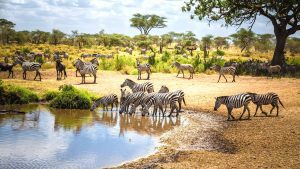
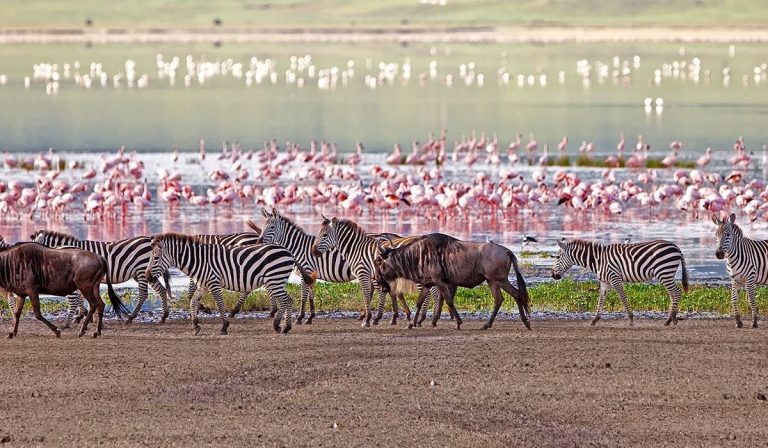
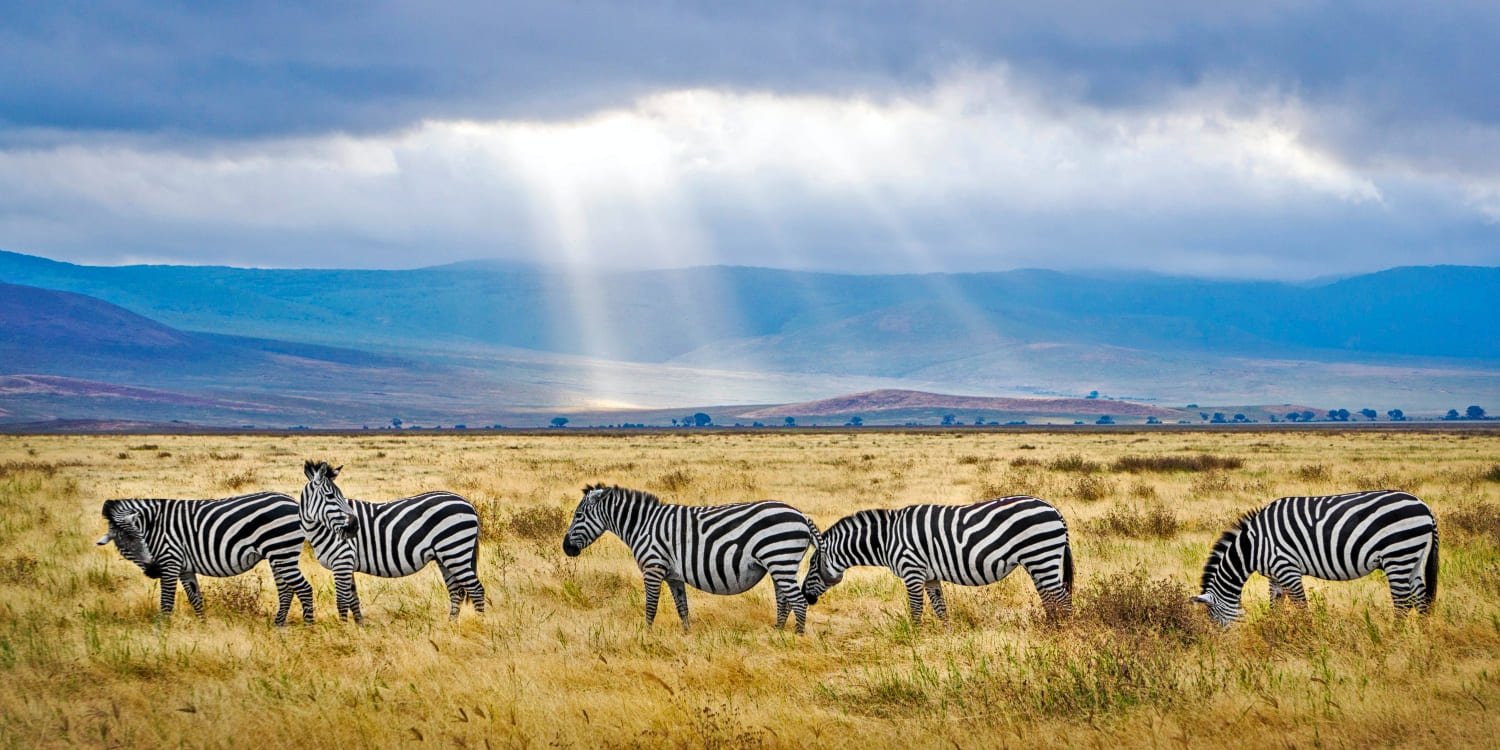
Tanzania hosts most of the Great Migration's annual journey, as around 1.5 million wildebeest and hundreds of thousands of zebra circle the Serengeti ecosystem. Calving on the southern plains, river crossings in the north and the predators that follow the herds create some of the most dramatic wildlife spectacles anywhere on earth. Ask us for more details.
Outstanding Big Five viewing
Lion, leopard, elephant, buffalo and black rhino all live in Tanzania, and the Ngorongoro Crater offers one of Africa's best chances of seeing all five in a single day. The Serengeti is famous for big cats, Tarangire for elephants and the southern parks for large predator populations, giving every safari exciting sightings. Your guide makes it special.
Remarkably diverse parks
Tanzania's protected areas range from the open Serengeti plains and the volcanic Ngorongoro Crater to Tarangire's baobab woodlands, Lake Manyara's groundwater forest, the remote southern wilderness of Ruaha and Nyerere and the chimpanzee forests of Gombe and Mahale. This variety means every safari can be tailored to your interests. It adds wonderful variety to any Tanzania trip.
Rich cultural encounters
Tanzania is home to more than 120 ethnic communities, and cultural visits add depth to any wildlife safari. Meet Maasai herders in the Ngorongoro highlands, join Hadzabe hunter-gatherers at Lake Eyasi, watch Datoga blacksmiths at work or explore Swahili history in Zanzibar's Stone Town, always with respectful local guides. Early planning secures the best lodges and guides.
Spectacular landscapes
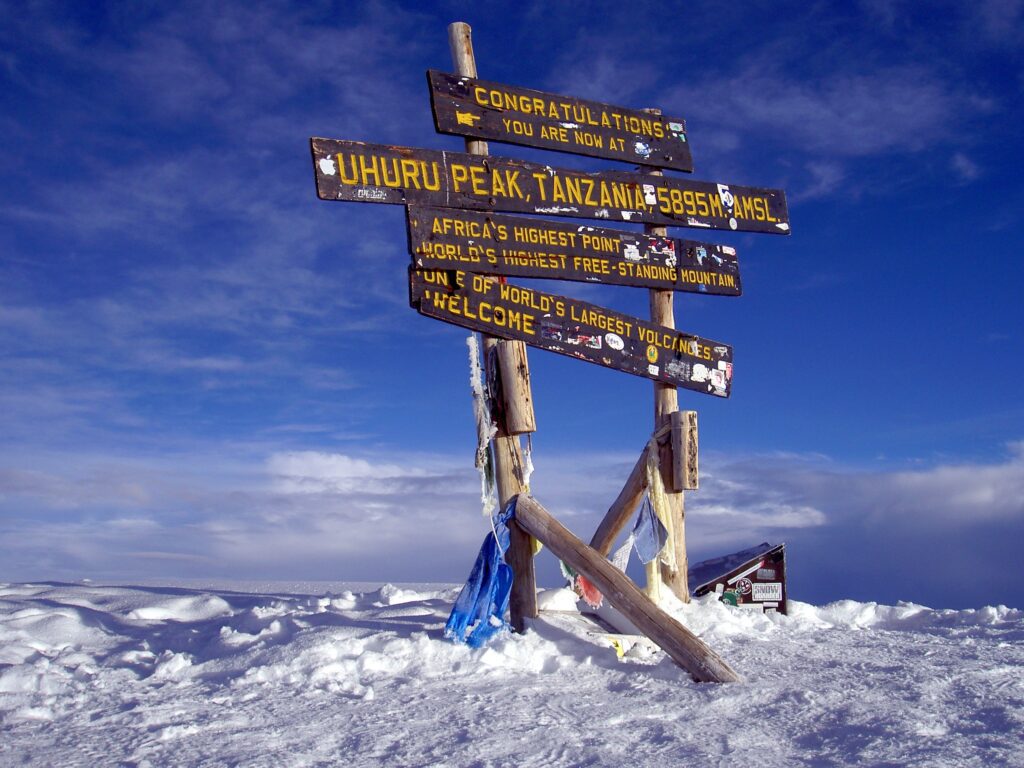
Few countries offer such dramatic scenery. Snow-capped Kilimanjaro rises above the savannah, the Ngorongoro Crater forms a vast natural amphitheatre, the Great Rift Valley escarpment towers over Lake Manyara and Lake Natron shimmers beneath an active volcano. Every game drive becomes a journey through breathtaking, ever-changing landscapes. Our experts happily build this into your private safari.
Safari and beach in one trip
Tanzania makes it easy to combine a wildlife safari with a tropical beach holiday. Short flights connect Arusha and the Serengeti with Zanzibar, where white-sand beaches, coral reefs and historic Stone Town await. Ending your trip by the Indian Ocean is the perfect way to relax after early game drives. Our local team arranges everything for you.
02A Typical Day on a Tanzania Wildlife Safari
Knowing how a safari day unfolds helps you prepare and make the most of every moment. Days follow the rhythm of the wildlife, starting early when animals are most active, slowing down during the midday heat and coming alive again in the golden light of late afternoon. Evenings bring delicious meals, stories around the fire and the sounds of the African night. Use the tabs below to follow a typical day on a private Tanzania wildlife safari, from the first light of dawn to the campfire, with tips for each part of the day. Every moment feels truly special.
Dawn Game Drive
Big cats and predator action
Lions, cheetahs, hyenas and golden light
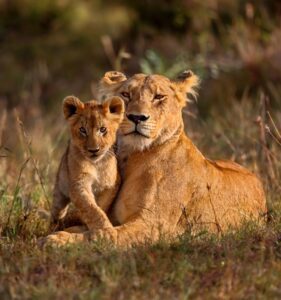
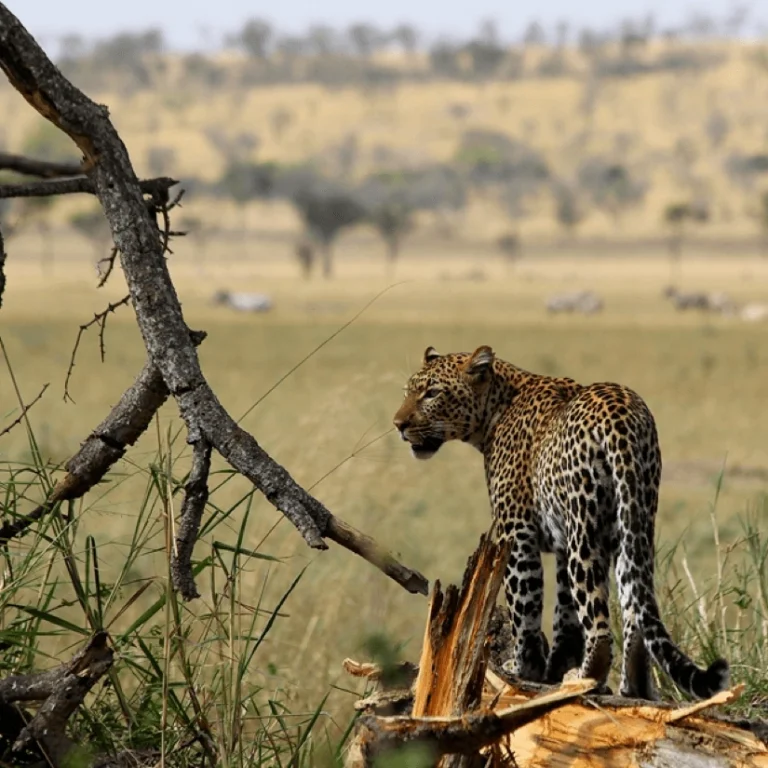
Safari days usually begin with a wake-up call, hot coffee and a light snack before leaving camp around sunrise. The first hours of the day are the best time to find lions, leopards and cheetahs on the move, and the soft golden light is perfect for photography. Many lodges pack a delicious bush breakfast. Ask our team.
Photography tips →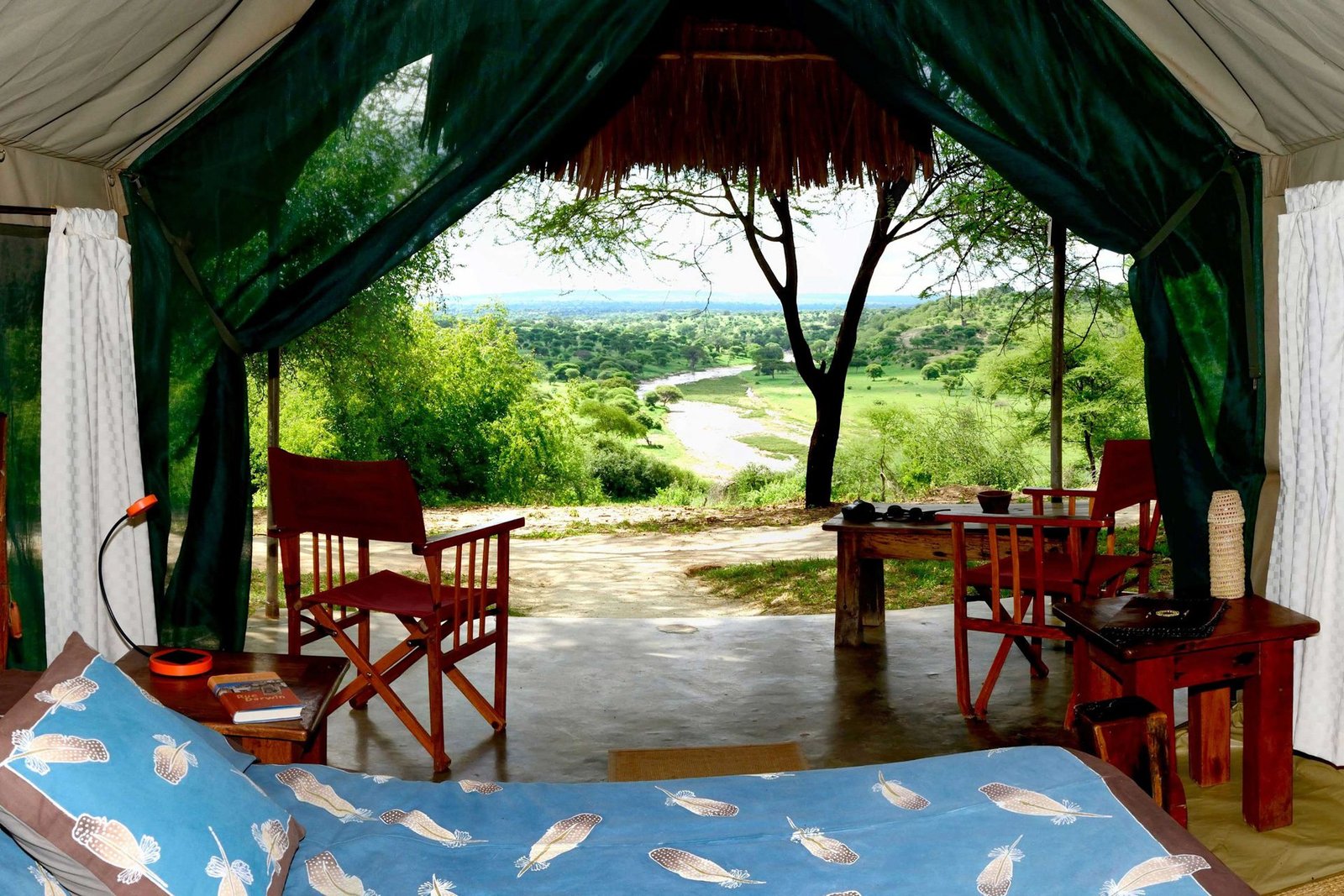
Midday at the Lodge
Rest, swimming and birdwatching
Lunch, pool time and waterhole views
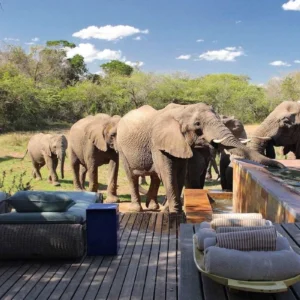
As temperatures rise, many animals rest in the shade, so most travellers return to the lodge for lunch and a relaxing break. Swim in the pool, enjoy a massage, read on your veranda or watch elephants at the waterhole. On full-day drives, your guide finds a scenic picnic spot instead, often overlooking the plains or a river.
Safari lodges →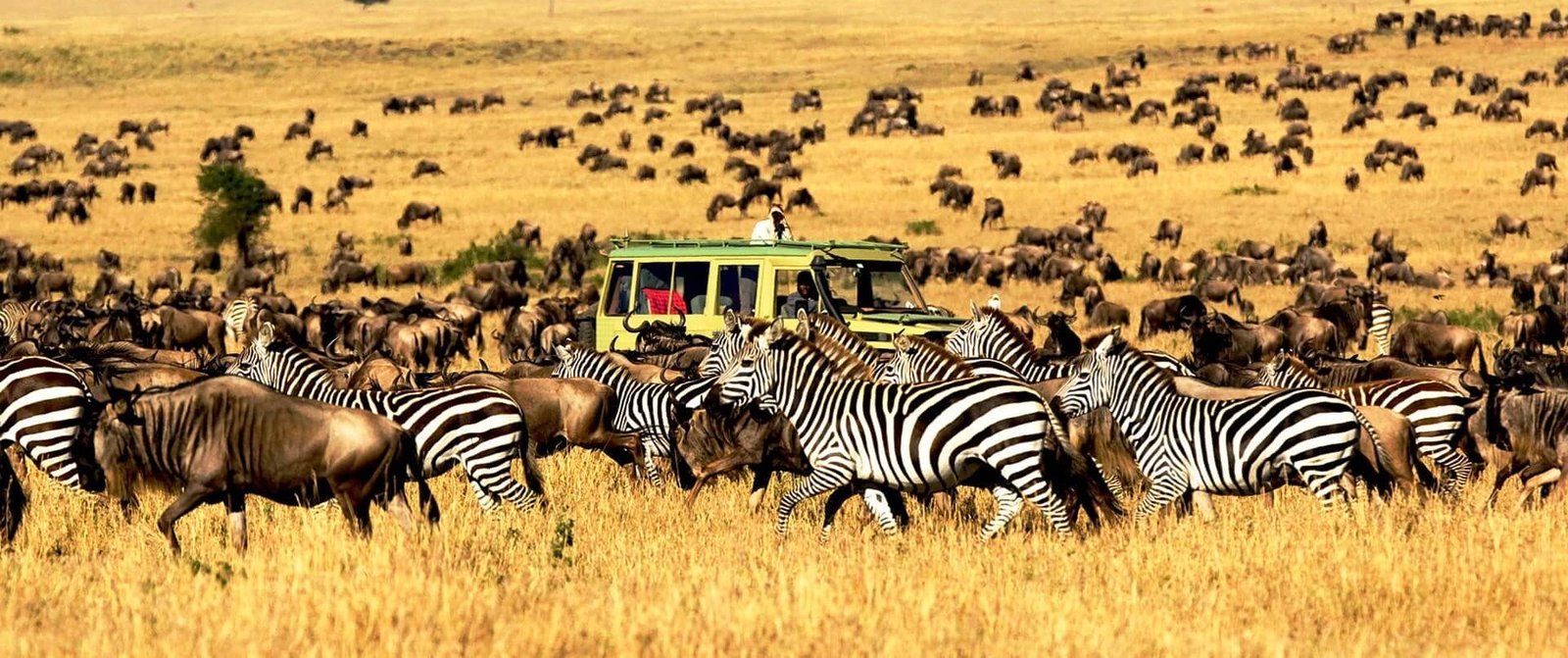
Afternoon Drive and Sundowner
Elephants, giraffes and sunsets
Golden hour sightings and sundowners
In the late afternoon the wildlife becomes active again, with elephants heading to water, giraffes browsing and predators preparing to hunt. Your guide follows the action until the park closes at sunset, often stopping at a scenic viewpoint for a sundowner drink as the sky turns orange over the savannah. It is pure magic. Plan ahead carefully.
Private safaris →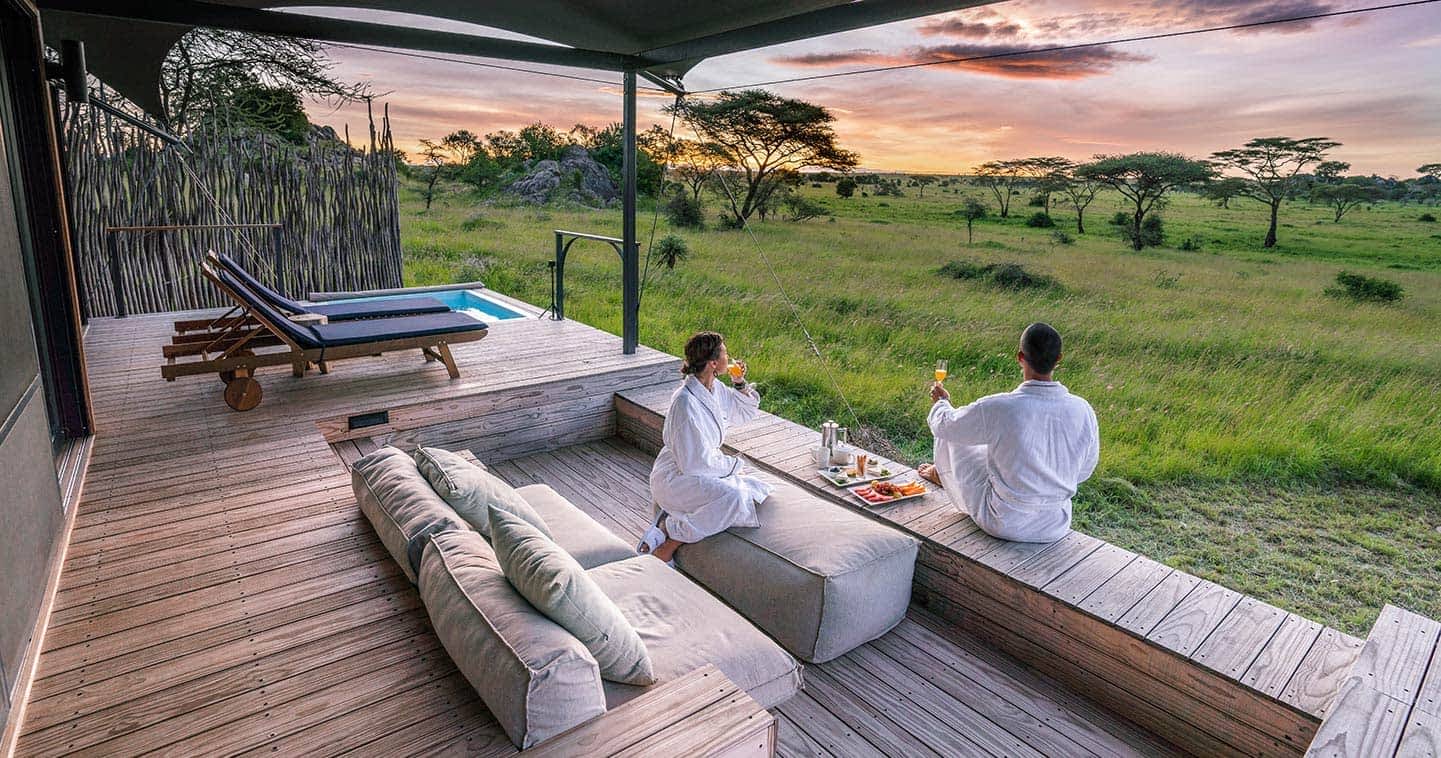
Evening Around the Campfire
Stories, stars and night sounds
Dinner, campfire and the sounds of the bush
Evenings begin with a hot shower and drinks around the campfire, where guides and guests swap stories from the day's sightings. Dinner is often served under the stars, followed by stargazing far from city lights. In unfenced camps, staff escort you to your tent, where you fall asleep to the calls of lions and hyenas.
Safari packages →03What to Expect on a Tanzania Wildlife Safari
A private Tanzania wildlife safari is comfortable, well organised and full of surprises, but knowing what to expect helps you relax and enjoy every moment. Your experience depends on the quality of your guide, the vehicle you travel in, where you stay, how you eat and the rules that protect the parks. The six cards below explain what to expect from safari guides, vehicles, accommodation, food and drink, park rules and photography on a Foot Slopes private safari, so you arrive prepared, confident and ready for the adventure of a lifetime in Tanzania. Our team can arrange every detail.
Professional safari guides
Your guide is the heart of your safari. Experienced Tanzanian guides are trained in wildlife behaviour, tracking, first aid and safe driving, and they speak excellent English. They read the landscape, follow animal signs and radio reports, explain everything you see and position the vehicle for the best views and photographs. It suits every safari traveller perfectly.
Comfortable safari vehicles
Private safaris use customised 4x4 Land Cruisers with pop-up roofs, so everyone enjoys a window seat and can stand for photographs. Vehicles usually carry drinking water, charging points, binoculars, a cool box and wildlife books. Having the vehicle to yourself means you can stop, linger and move on whenever you choose. Every traveller finds something to love.
Lodges and tented camps
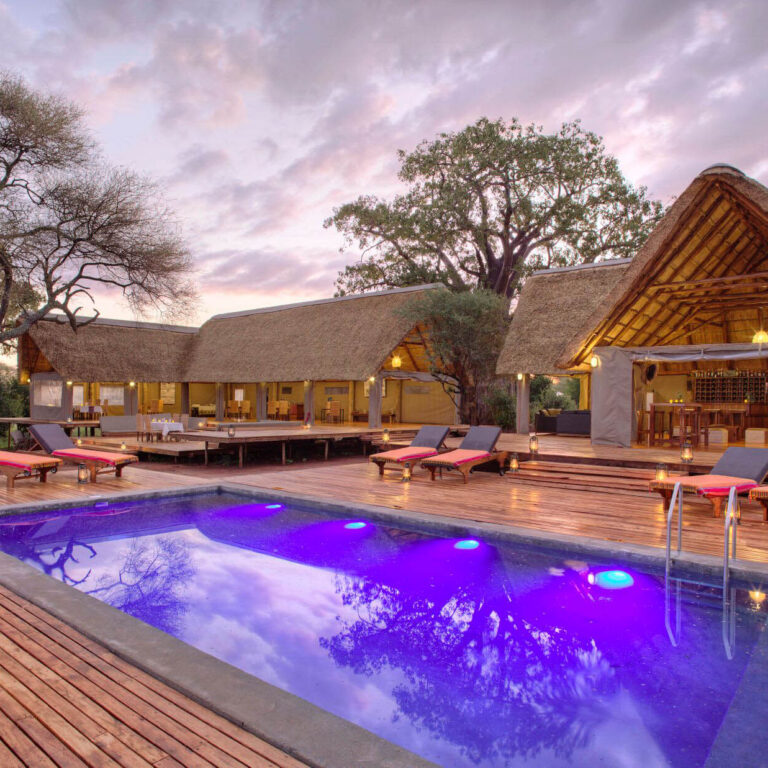
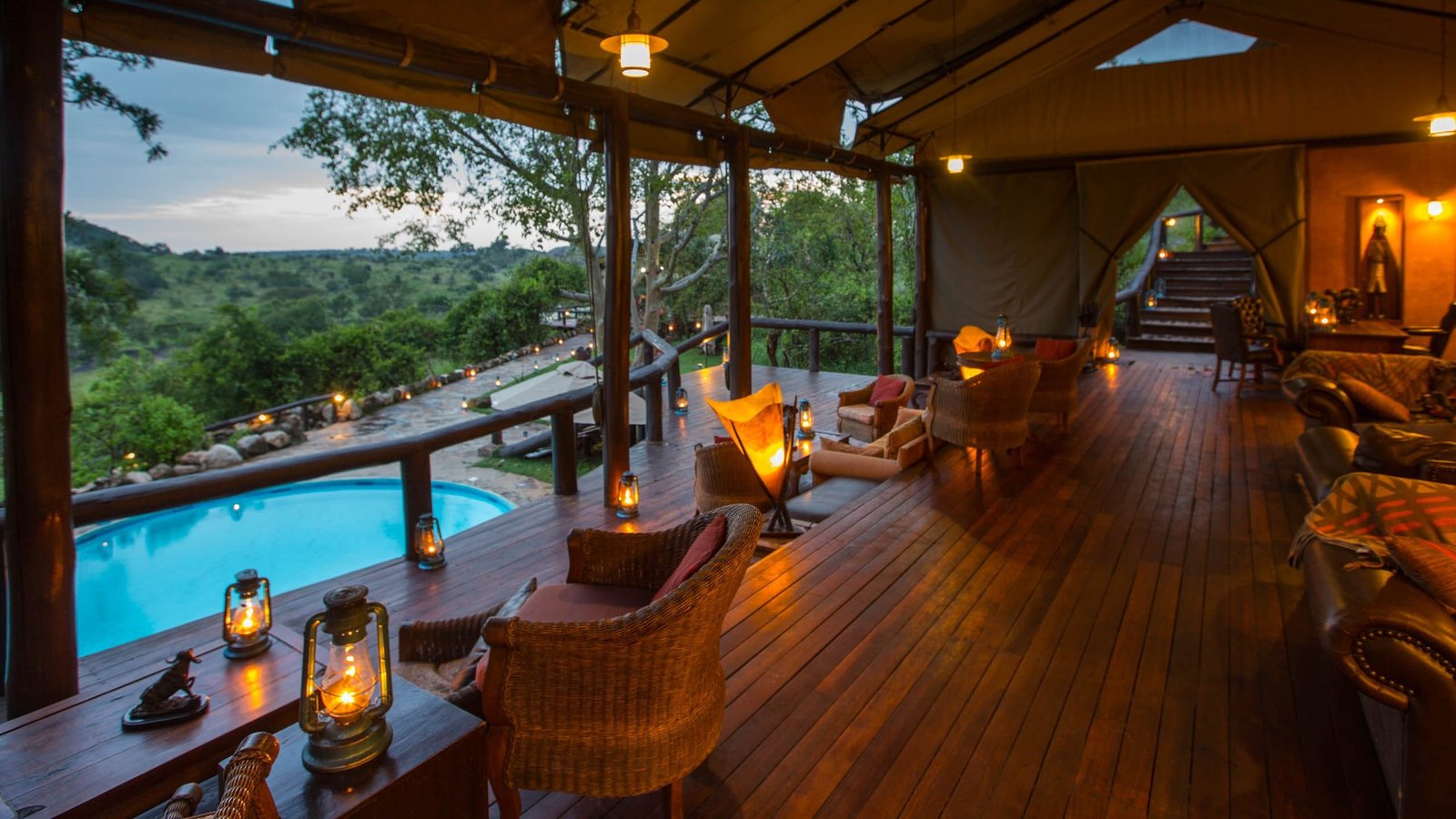
Accommodation ranges from public campsites and comfortable mid-range lodges to permanent tented camps and exclusive luxury retreats. Most have en-suite bathrooms, hot showers, good food and stunning views, and many tented camps are unfenced, so wildlife may wander past. Mobile camps in the Serengeti move seasonally to stay close to the migration. Ask us for more details.
Food and drink
Safari food is usually excellent, with hearty breakfasts, picnic or buffet lunches and three-course dinners that often feature fresh local produce. Lodges cater for vegetarian, vegan and other dietary needs if you tell your operator in advance. Bottled or filtered water is provided throughout, and many lodges offer drinks at sunset. Our team can arrange every detail.
Park rules and safety
National parks have rules that protect both wildlife and visitors. Game drives usually take place between sunrise and sunset, off-road driving is restricted in most areas and you must stay inside the vehicle except at designated sites. Following your guide's instructions keeps everyone safe and helps preserve Tanzania's parks for future generations. Your guide makes it special.
Incredible photography
Tanzania offers world-class wildlife photography, from lions on kopjes and migrating herds to elephants beneath baobabs and flamingos on soda lakes. A camera with a zoom lens, spare batteries and memory cards, plus a beanbag for stability, will help you capture the action. Your private guide gives you time to get the perfect shot. Enjoy every moment.
04How to Book a Tanzania Wildlife Safari
Booking a Tanzania wildlife safari is simple when you follow a clear plan. The process starts with choosing your safari style and travel season, then finding a trustworthy local operator who can design a private itinerary around your interests and budget. Once your trip is confirmed, you prepare documents, health requirements and packing. The six steps below explain how to book a Tanzania wildlife safari from first idea to final confirmation, with expert advice on timing, operators, itineraries and paperwork, so your adventure is perfectly organised and stress-free from start to finish. It is a highlight for many travellers.
Choose your safari style
Decide what kind of safari suits you best. Private safaris offer your own vehicle and guide, while accommodation can range from camping and mid-range lodges to luxury tented camps. Consider whether you prefer driving between parks or flying, and whether you want to add Kilimanjaro, cultural visits or a beach stay. It suits every safari traveller perfectly.
Select your travel season
Your travel month shapes your safari. June to October offers dry weather and excellent wildlife viewing, January to March brings the Serengeti calving season and November to December offers fresh grass and fewer vehicles. April and May are the long rains, with lower rates but some camps closed. Choose dates around your priorities. It is truly unforgettable.
Choose a trusted local operator
Book with a licensed Tanzanian operator that has a physical office, experienced guides, well-maintained vehicles and strong independent reviews. Ask for a clear written quote listing inclusions and exclusions, and check payment and cancellation terms. Local operators know the parks first-hand and provide better support if plans change during your trip. Every traveller finds something to love.
Customise your itinerary
Work with your operator to build an itinerary around your interests, pace and budget. Allow at least two or three nights in the Serengeti, a full day in the Ngorongoro Crater and time in Tarangire, then add extras such as a balloon flight, cultural visit or Zanzibar stay. Avoid cramming too many parks into a short trip.
Book early
The best lodges, camps and guides fill quickly, especially from July to October, at Christmas and during the calving season. Book six to twelve months ahead for these periods, and three to six months ahead for quieter months. Pay your deposit to secure everything, and book international flights and travel insurance soon afterwards. Wildlife lovers adore this.
Prepare documents and health
Check your passport is valid for six months after arrival, apply for your Tanzania visa online and visit a travel health clinic six to eight weeks before travel for vaccination and malaria advice. Carry printed copies of your itinerary and insurance, and confirm transfers, dietary needs and special requests with your operator before you fly.
05Tanzania Wildlife Safari Tips and Essentials
A few simple essentials make a huge difference to your comfort and enjoyment on safari. The right clothing keeps you cool by day and warm at dawn, good binoculars and a camera bring the wildlife closer, and protection from the sun and insects keeps you healthy. Travel insurance and cash for tips are also important. The six tips below explain the safari essentials our Arusha guides recommend to every traveller, so you can pack confidently, stay comfortable and focus completely on the extraordinary wildlife encounters waiting for you across Tanzania's national parks. Many guests talk about it for years.
Pack lightweight safari clothing
Choose breathable, neutral-coloured clothing such as khaki, beige and olive, and dress in layers you can add or remove as the day warms up. A warm fleece is essential for chilly early mornings, especially in the Ngorongoro highlands. Pack a sun hat, comfortable shoes and avoid dark blue or black, which attract tsetse flies. Ask our team.
Bring quality binoculars
Binoculars transform your safari, revealing leopards in distant trees, birds in the canopy and rhinos grazing far across the crater floor. Choose a lightweight pair with 8x42 or 10x42 magnification, and ideally bring one pair per person so nobody misses a sighting. Many private vehicles carry spare binoculars, but your own are best. Plan this well ahead.
Carry a good camera
A camera with a zoom lens of at least 200mm captures wildlife beautifully, while a smartphone works well for landscapes and camp life. Bring spare batteries, memory cards and a power bank, as charging can be limited in remote camps. Keep your camera ready on game drives, because exciting moments often happen suddenly. It is truly unforgettable.
Protect yourself from sun and insects
The equatorial sun is strong, so wear high-factor sunscreen, sunglasses and a wide-brimmed hat, and drink plenty of water throughout the day. Use insect repellent at dawn and dusk, wear long sleeves in the evenings and follow your travel clinic's advice on malaria prevention. Lodges provide mosquito nets in most rooms. Our team can arrange every detail.
Buy travel insurance
Comprehensive travel insurance is essential for any African safari. Choose a policy that covers medical treatment, emergency evacuation, trip cancellation, lost luggage and any activities you plan, such as hot-air ballooning or climbing Kilimanjaro. Carry a copy of your policy and the emergency contact number with you throughout your trip. Our local team arranges everything for you.
Carry cash for tips
Tipping guides, cooks and lodge staff is customary in Tanzania and greatly appreciated. Bring newer US dollar notes in small denominations, as older bills are often refused, and keep tips in separate envelopes. Follow your operator's tipping guidelines, and hand your guide's tip personally at the end of your safari with a word of thanks.
06Tanzania Wildlife Safari Prices
The cost of a Tanzania wildlife safari depends mainly on your style of accommodation, the length of your trip, the season and whether you drive or fly between parks. Park and conservation fees are a significant part of every safari budget and are usually included in a private quote, along with your vehicle, guide, meals and lodges. International flights, visas, travel insurance, tips and optional activities are usually extra. The three cards below explain typical per person per day price ranges for private safaris in Tanzania at three comfort levels. It is one of the true highlights of Tanzania.
Private camping safari
Private camping safaris cost about US$250 to US$390 per person per day, including your own vehicle, guide, camp crew, park fees and meals. Falling asleep to the calls of lions and hyenas at public campsites inside the parks is one of the most thrilling wildlife experiences in Tanzania, and excellent value. It suits every safari traveller perfectly.
Mid-range lodge safari
Mid-range private safaris cost about US$550 to US$990 per person per day. You stay in comfortable lodges and tented camps located close to the best wildlife areas, often overlooking waterholes or the plains, with en-suite rooms and good food. It is the most popular choice, balancing comfort, location and value. It is a highlight for many travellers.
Luxury safari
Luxury private safaris cost from about US$990 to US$2,500 or more per person per day. Expect exclusive camps in prime wildlife areas, including mobile migration camps that follow the herds, private decks, fine dining and expert guiding. Light-aircraft flights connect remote parks such as Ruaha, Katavi and Mahale. Our experts happily build this into your private safari.
07Tanzania Wildlife Safari: FAQs
What makes a Tanzania wildlife safari special?
A Tanzania wildlife safari is special because it combines the Great Migration, the Big Five and some of Africa's most famous parks, including the Serengeti and the Ngorongoro Crater, in one country. Add dramatic landscapes, rich cultures, Kilimanjaro and Zanzibar's beaches, and you have one of the world's most complete travel experiences. Every moment feels truly special.
How long is a typical game drive?
Most game drives last three to four hours in the morning and two to three hours in the late afternoon, with a break at the lodge in between. Full-day drives with a picnic lunch are common in the Serengeti and Ngorongoro Crater. On a private safari, you decide the length and timing of each drive.
What time does a safari day start?
Safari days usually start early, with a wake-up call around 5:30 or 6am, coffee and a light breakfast, then a game drive at sunrise when wildlife is most active. Afternoon drives start around 3 or 4pm and finish by sunset. On a private safari, your guide adjusts timings to suit you. Every traveller finds something to love.
Can I get out of the vehicle on safari?
In most national parks you must stay inside the vehicle during game drives for safety, except at designated picnic sites, viewpoints, toilets and visitor centres. To explore on foot, book a guided walking safari with an armed ranger in parks such as Arusha National Park, Tarangire, Nyerere or Ruaha, where walks are permitted. Wildlife lovers adore this.
What vehicles are used on a Tanzania safari?
Most Tanzania safaris use customised 4x4 Toyota Land Cruisers with pop-up roofs that give everyone a clear view and space to stand for photographs. On a private safari the vehicle is yours alone, with a window seat for every traveller, drinking water, charging points and room for camera equipment and binoculars. Our team can arrange every detail.
Is a Tanzania safari suitable for families and older travellers?
Yes. A private safari is ideal for families and older travellers because the pace, timing and routes are designed around you. Choose parks with shorter drives, such as Tarangire, Lake Manyara and the Ngorongoro Crater, comfortable lodges with good facilities and light-aircraft flights to avoid long road journeys where needed. Many guests talk about it for years.
What is the best month for a Tanzania wildlife safari?
There is no single best month, as Tanzania offers excellent wildlife all year. July to October is ideal for Mara River crossings and dry-season game viewing, February is the peak of the Serengeti calving season and June and November offer good wildlife with fewer vehicles. Your interests decide the best month for you. Plan this well ahead.
Do I need a visa for a Tanzania safari?
Most visitors need a visa to enter Tanzania, and many nationalities can apply online through the official e-visa system before travelling. Apply several weeks in advance, ensure your passport is valid for at least six months after arrival with blank pages, and carry a printed copy of your approved visa. Our local team arranges everything for you.
What should I pack for a Tanzania wildlife safari?
Pack lightweight, neutral-coloured clothing in layers, a warm fleece, a sun hat, comfortable shoes, sunglasses, sunscreen and insect repellent. Bring binoculars, a camera with a zoom lens, spare batteries and a power bank. Use a soft duffel bag if you are flying between parks, as light aircraft have strict luggage limits. It suits every safari traveller perfectly.
Is a Tanzania wildlife safari safe?
Yes. A Tanzania wildlife safari is very safe when you travel with a licensed operator and follow your guide's instructions. Guides are trained in wildlife behaviour and first aid, vehicles are well maintained and lodges have professional staff. Take normal precautions in towns and buy comprehensive travel insurance with evacuation cover. Every traveller finds something to love.
How far in advance should I book a Tanzania safari?
Book six to twelve months in advance for July to October, the Christmas holidays and the calving season from January to March, when the best lodges, camps and guides fill quickly. For April, May and November, three to six months is usually enough. Early booking gives you more choice and better locations. Ask us for more details.
Can I combine a wildlife safari with Zanzibar?
Yes. Combining a Tanzania wildlife safari with Zanzibar is one of the most popular holidays in Africa. After your safari, a short scheduled flight from Arusha or a Serengeti airstrip takes you to the island, where you can relax on white-sand beaches, snorkel coral reefs and explore historic Stone Town. It is a highlight for many travellers.
How much does a Tanzania wildlife safari cost?
A private tailor-made Tanzania wildlife safari typically costs about US$250 to US$390 per person per day for camping, US$550 to US$990 for mid-range lodges and US$990 to US$2,500 or more for luxury. Prices depend on season, accommodation, flights and trip length. Request a written quote for exact prices. It is one of the true highlights of Tanzania.
Why book a private Tanzania wildlife safari with Foot Slopes?
Foot Slopes Tours and Safaris is a locally owned operator based in Arusha, planning every safari from first-hand knowledge of the parks, lodges and seasons. Every trip is private and tailor-made, with your own vehicle and expert guide, clear written quotes and support from our local team throughout your journey. Many guests talk about it for years.
Tanzania Safari Planning Guides
Explore Tanzania Wildlife Safari Destinations
Northern Circuit
Southern and Hidden Gems
Plan Your Tanzania Wildlife Safari
Tell us your travel dates, the wildlife you most want to see and your budget, and our Arusha team will design a private tailor-made Tanzania wildlife safari with your own vehicle, an expert guide and hand-picked lodges and camps.
Book Now Online →What Our Travelers Say
Real 5-star reviews from guests who traveled with us