The Ultimate Guide to Planning Your First Safari Adventure
Planning your first safari is exciting, but with so many destinations, seasons, safari styles and budgets to choose from, knowing exactly where to start can feel a little overwhelming. The good news is that a first African safari is surprisingly easy to plan when you break it into simple decisions about where to go, when to travel, how long to stay and how much to spend. This ultimate first safari guide answers every key question, with sample itineraries, a planning timeline, a printable checklist and first-timer tips from our friendly and experienced local safari team based in Arusha, northern Tanzania.
How do you plan your first safari?
To plan your first safari, choose a first-timer friendly destination such as northern Tanzania, decide when to travel and set your budget, then pick a safari style and allow five to seven days. Book a private tailor-made safari with a trusted local operator, ideally eight to twelve months ahead for peak season. Check your passport, visa, vaccinations and travel insurance, pack light neutral clothing and get ready for unforgettable game drives in the Serengeti and Ngorongoro Crater.
First Safari Guide: The Key Questions Answered
Every first-time safari traveller asks the same important questions, from where to go and when to travel to how long to stay, how much it costs and how to book. Answering these questions in the right order turns a confusing list of options into a clear, simple plan that suits your interests, budget and travel dates. The tabs below answer the key questions about planning your first safari, with quick answers, practical tips from our guides and links to more detailed planning guides. Work through them one by one and your first African safari will start taking shape quickly.

Where Should You Go on Your First Safari?
Northern Tanzania: Serengeti, Ngorongoro, Tarangire and Lake Manyara
Big Five, the Great Migration and short distances between parks
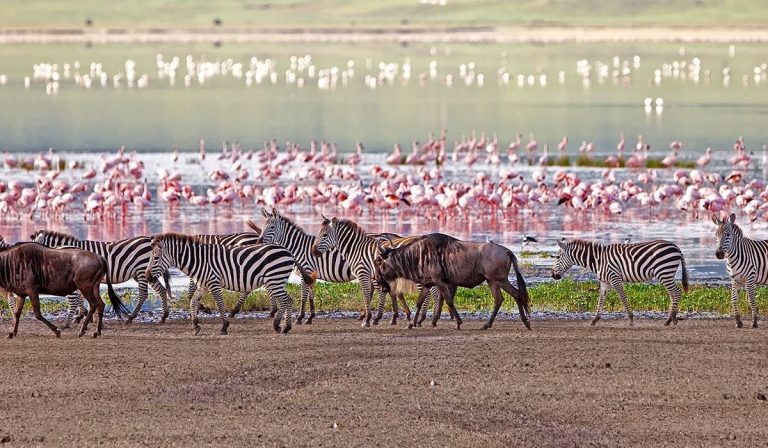
Northern Tanzania is one of the best places for a first safari. The Serengeti, Ngorongoro Crater, Tarangire and Lake Manyara sit close together on the northern circuit, offering Big Five sightings, the Great Migration and varied landscapes within easy reach of the safari town of Arusha. Many first-time travellers finish with a few relaxing nights on Zanzibar's beaches.
Where to Go on Your First Safari →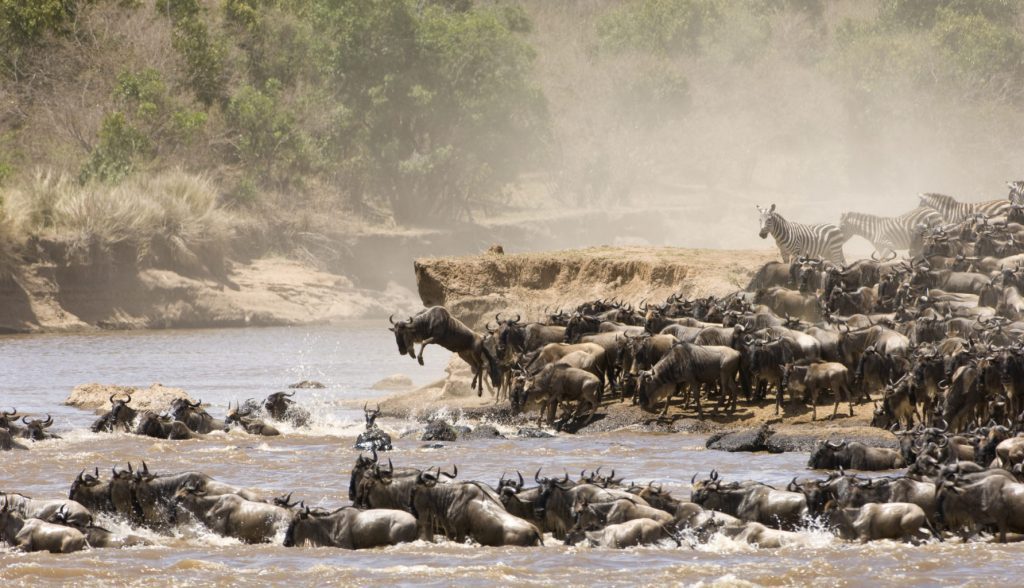
When Is the Best Time for a First Safari?
June to October for classic dry season game viewing
January and February for calving season predator action
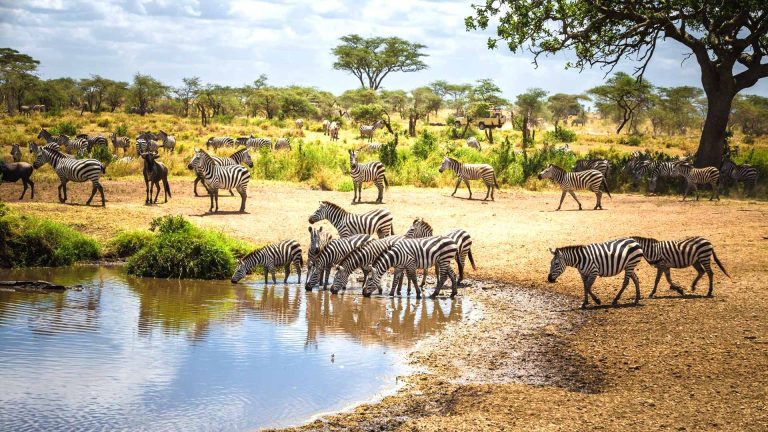
The long dry season from June to October is the most popular time for a first safari, as animals gather around water and are easy to spot. January and February bring the calving season in the southern Serengeti, while the green season offers lush scenery, fewer vehicles and lower prices. Wildlife can be seen all year.
Best Time to Visit Tanzania →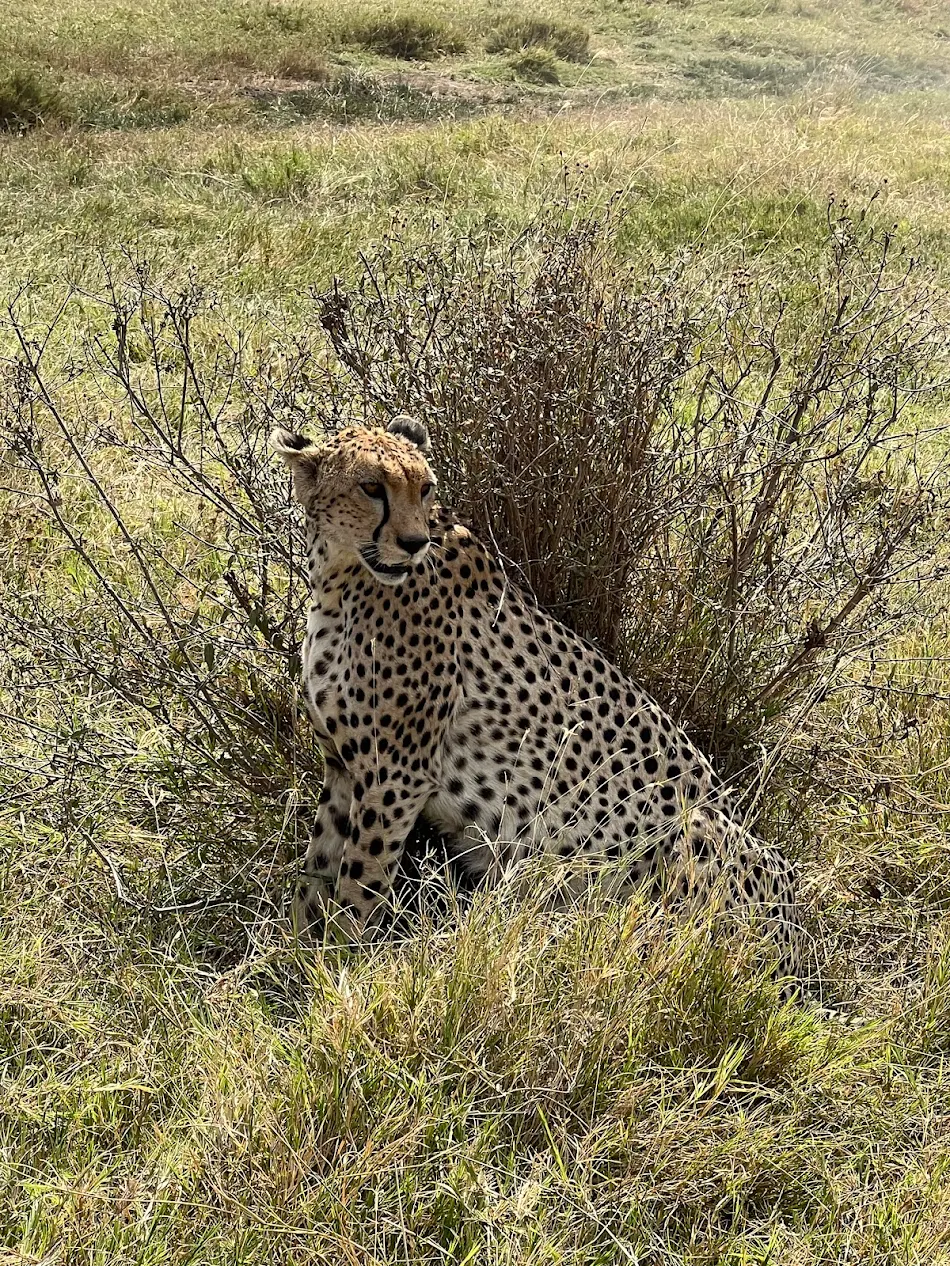
How Long Should Your First Safari Be?
Five to seven days on safari for most first-time travellers
Enough time for Tarangire, Ngorongoro and the Serengeti
Five to seven days is ideal for a first safari, giving you time for Tarangire, Ngorongoro Crater and the Serengeti without rushing. Three or four days can cover Tarangire and Ngorongoro if time is short, while eight to ten days lets you add more parks, a balloon flight or a cultural visit before relaxing on Zanzibar.
2 Weeks in Tanzania Itinerary →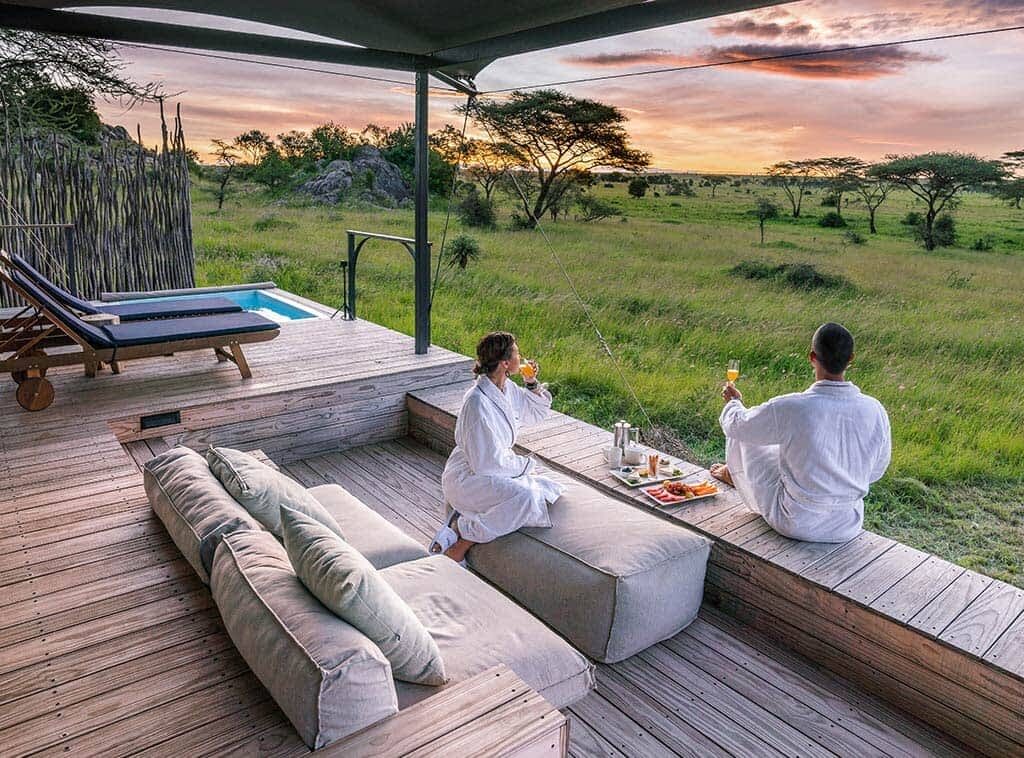
Which Type of Safari Is Best for First-Timers?
A private game drive safari with your own guide and vehicle
Flexible pace, expert guiding and every window seat for you
A private game drive safari is the best choice for most first-timers. You have your own pop-up roof 4x4 and professional guide, so you set the pace and stay as long as you like at sightings. Choose luxury lodges, mid-range tented camps or budget camping, and add honeymoon, family or photography touches as you wish.
Explore Private Safaris →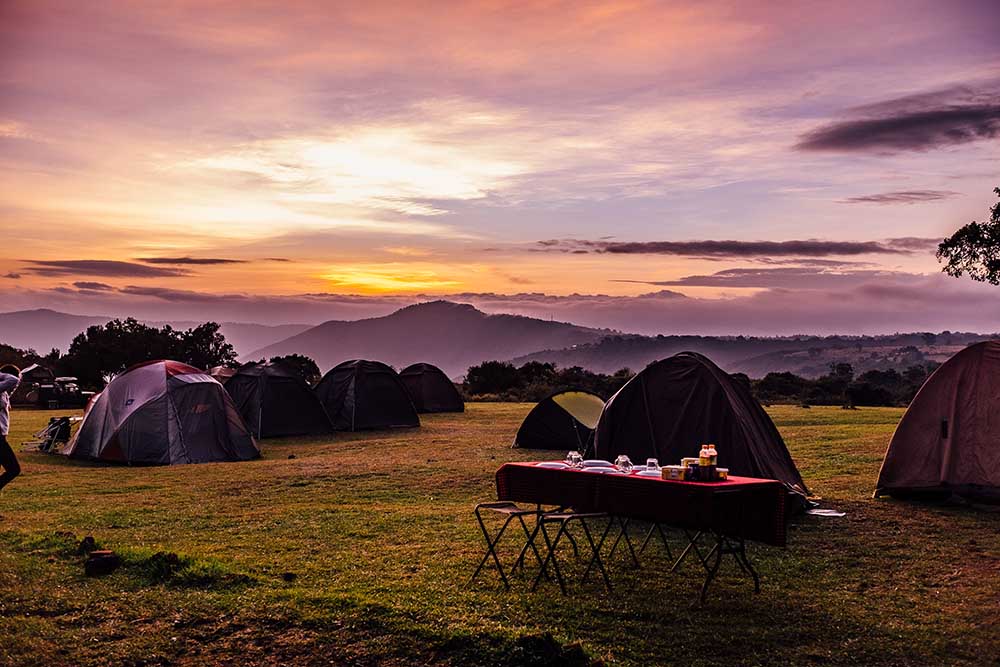
How Much Does a First Safari Cost?
Budgets from camping to luxury, all with a private vehicle and guide
Park fees, guide, vehicle, meals and lodges usually included
A private Tanzania safari typically costs about US$250 to 390 per person per day for camping, US$550 to 990 for mid-range and US$990 to 2,500 or more for luxury. Prices depend on the season, parks and lodges. International flights, visas, tips and travel insurance are usually extra, so include them in your overall travel budget from the start.
Tanzania Safari Cost Guide →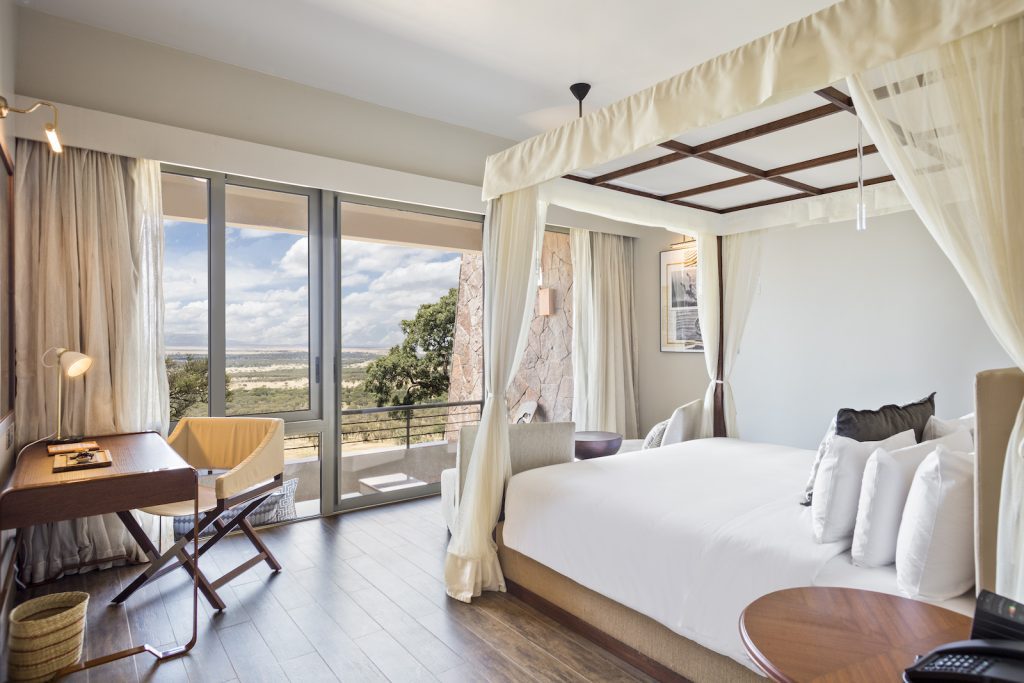
Where Will You Stay on Your First Safari?
Lodges and tented camps close to the best wildlife areas
En-suite tents and lodges with meals and stunning views
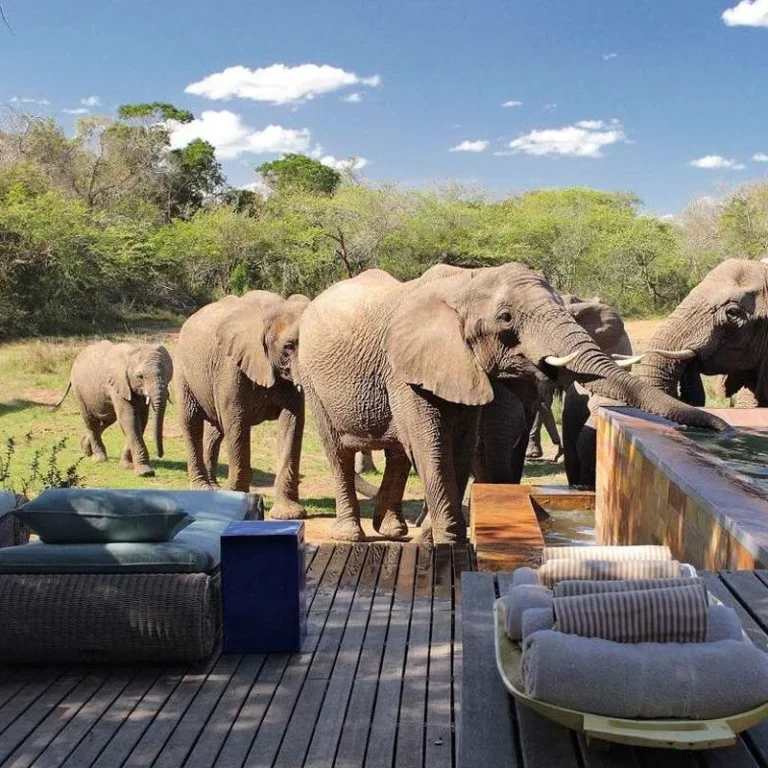
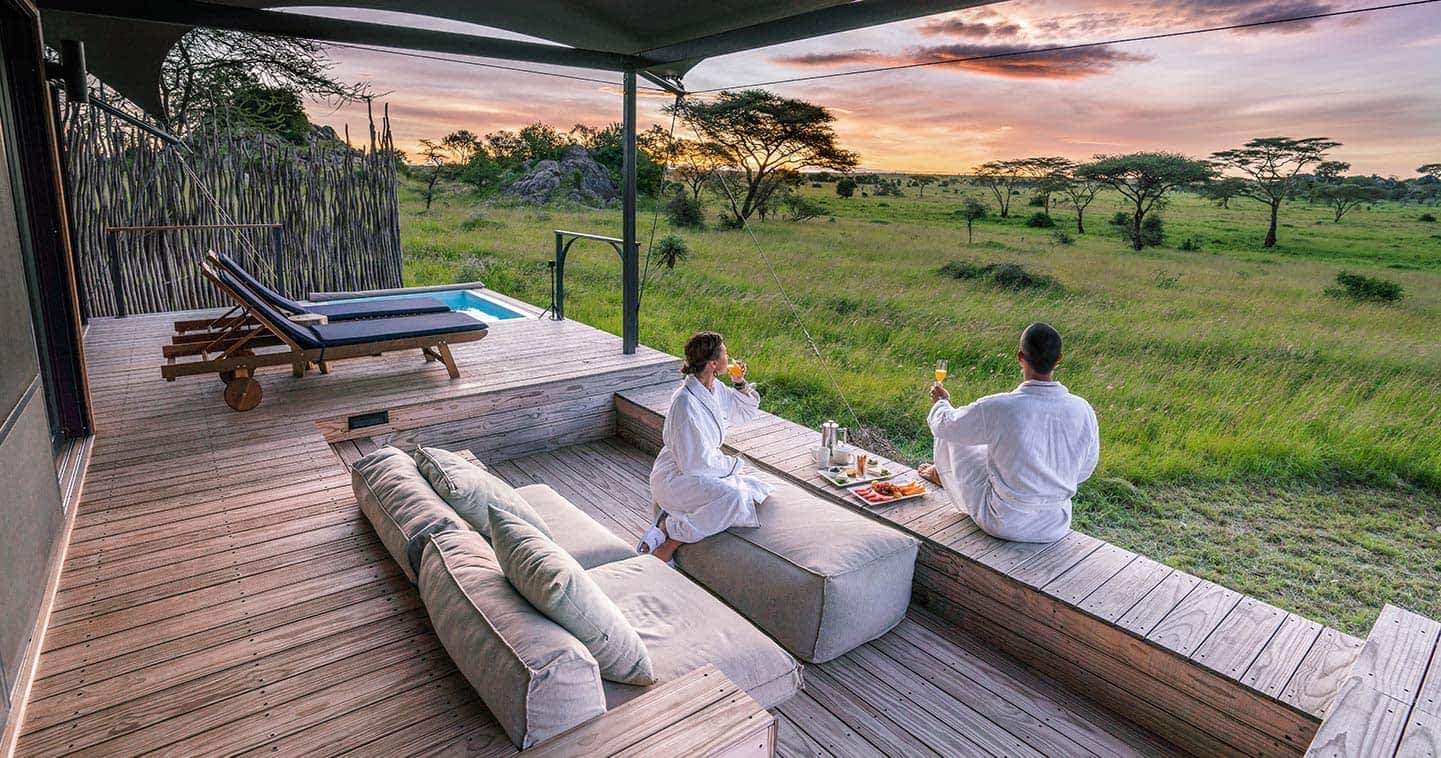
First safaris usually combine safari lodges and tented camps. Lodges offer solid rooms, pools and restaurants, while tented camps bring you closer to nature with comfortable beds and en-suite bathrooms under canvas. Location matters most, so choose camps close to the wildlife for your season to spend less time driving and more time watching animals.
How to Choose Safari Lodging →
What Does a Typical Safari Day Look Like?
Early starts, long game drives and relaxed evenings at camp
Wildlife is most active at sunrise and late afternoon
Safari days usually start early, as wildlife is most active around sunrise. Many travellers enjoy a full-day game drive with a picnic lunch, while others return to camp to rest at midday before an afternoon drive. Evenings are spent sharing stories over dinner, often under starry skies and to the sounds of the wild African night.
Hot Air Balloon Safaris →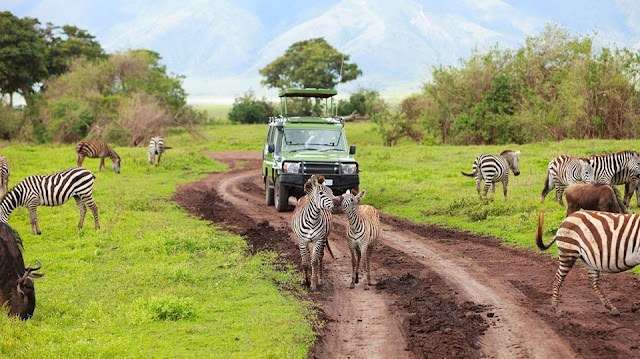
How Should You Book Your First Safari?
Booking direct with a licensed local safari operator
Clear quotes, expert advice and support on the ground
Booking directly with a licensed local safari operator usually gives you the best value, expert advice and fast support on the ground. Compare detailed quotes, check reviews and inclusions, and ask about guides, vehicles and safety. For peak season, book eight to twelve months ahead to secure the best lodges and dates for your trip.
How to Choose a Safari Company →Sample First Safari Itineraries in Tanzania
Choosing the right itinerary length is one of the biggest decisions when planning your first safari, because it shapes which parks you visit and how relaxed the trip feels. Northern Tanzania works especially well for first-timers, as the main parks are close together and connected by good roads from the safari town of Arusha. The cards below show sample first safari itineraries from three to ten days, with the parks and highlights included in each, to help you picture your own trip. Every private safari we plan is tailor-made, so these routes can easily be adjusted to suit you.
3-Day Short Safari
A three-day safari is perfect if you have limited time or want to add a safari to a Kilimanjaro climb or business trip. Spend a day in Tarangire among elephants and baobabs, then explore Ngorongoro Crater for a chance to see the Big Five, staying in a comfortable lodge near Karatu between the two parks.
5-Day Classic Safari
A five-day safari is the classic first-timer itinerary in Tanzania. Visit Tarangire, spend two nights in the Serengeti for big cats and the migration, then descend into Ngorongoro Crater on the way back to Arusha. It is the best balance of time, wildlife variety and value for most travellers planning their very first African safari trip.
7-Day Complete Safari
A seven-day safari gives you time to slow down and enjoy every park. Add Lake Manyara, spend three nights in the Serengeti to follow the herds and big cats, and include a cultural visit or hot air balloon flight. It suits travellers who want a relaxed pace and the best possible chance of memorable sightings.
10-Day Safari and Beach
A ten-day trip combines a six or seven-day safari with three or four nights on Zanzibar. After unforgettable game drives in the Serengeti and Ngorongoro Crater, a short flight takes you to white-sand beaches and the historic streets of Stone Town. It is a favourite for honeymooners and families on their first visit to Tanzania.
Your First Safari Planning Timeline
Good timing makes planning your first safari much easier, because lodges, flights, visas and vaccinations all have different lead times that are simple to manage when you start early. Following a clear planning timeline helps you avoid last-minute stress and ensures nothing important is forgotten before you travel to Tanzania. The cards below set out a practical first safari planning timeline, from booking your safari months ahead to preparing in the final week and arriving in Arusha. Our friendly team guides you through every stage, so you always know exactly what to do next and when to do it.
8 to 12 Months Before
Start planning your first safari by choosing your travel dates, destination and budget. Research safari styles and shortlist trusted local operators. For peak season and migration months, request quotes and book now, as the best-located lodges and tented camps fill early. Confirm your booking in writing and pay the deposit securely through a trusted method.
6 Months Before
Book international flights to Kilimanjaro International Airport, or to Dar es Salaam or Zanzibar if you are combining a beach stay. Check your passport is valid for at least six months after travel with blank pages, and arrange comprehensive travel insurance that includes medical and emergency evacuation cover for your entire trip, including the safari.
2 to 3 Months Before
Visit a travel health clinic to discuss vaccinations and malaria prevention, ideally at least six to eight weeks before you travel. Apply for your Tanzania visa through the official online system, and check whether you need a yellow fever certificate. Start buying any safari clothing, binoculars or camera gear you still need for the trip.
1 Month Before
Pay your safari balance if required and confirm final details such as arrival times, dietary needs and any special celebrations with your operator. Review your itinerary, read about the parks you will visit and download offline maps. Begin packing with a soft-sided bag, keeping light aircraft luggage limits in mind if you are flying between parks.
1 Week Before
Finish packing, charge your camera batteries and power banks, and print or save copies of your passport, visa, insurance and booking documents. Bring some US dollars in clean, recent notes for tips and small purchases. Check your flight times and share your itinerary and emergency contacts with family or friends at home before you leave.
On Arrival
Your safari team meets you at the airport and transfers you to your hotel in Arusha. Rest after your flight and meet your guide, who will brief you on the itinerary, safety and what to expect. The next morning your first safari begins, with your private 4x4 ready to head out into the wild parks of the north.
First Safari Checklist
This first safari checklist brings together everything you need to organise before your first African safari, from travel documents and health preparations to money, packing and final checks. Tick off each item as you complete it and watch the progress bar fill up as your safari gets closer, so you always know exactly what is still left to do. You can print the checklist or reset it at any time, and every item links back to the planning steps explained on this page. Use it alongside your operator's detailed travel information for a smooth, relaxed and stress-free first safari.
Booking and Documents0/6
Health0/5
Money0/3
Packing0/7
Final Checks0/4
First Safari Tips from Our Guides
A few simple tips can make a big difference to your first safari, helping you stay comfortable, enjoy every sighting and get the most from each game drive. Our guides have welcomed many first-time safari travellers, and these are the practical tips they share most often during the welcome briefing in Arusha before the first game drive. The cards below explain the most useful first safari tips, from working with your guide and dressing in layers to bringing binoculars and enjoying wildlife beyond the Big Five. Follow them and you will feel like an experienced safari traveller very quickly.
Listen to Your Guide
Your safari guide is your most important companion. Follow their instructions on safety, stay inside the vehicle unless told otherwise and ask as many questions as you like. Guides love sharing knowledge about animal behaviour, tracks and birds, and good communication helps them find the special sightings that matter most to you and your family.
Be Patient at Sightings
Wildlife does not follow a schedule, so patience is rewarded on safari. Waiting quietly at a sighting often leads to unforgettable moments, from a lioness on the hunt to a leopard climbing down from a tree. A private safari lets you stay as long as you like without rushing on to the next stop on the map.
Dress in Layers
Early mornings and evenings can be surprisingly cool, especially at Ngorongoro Crater, while afternoons are warm and sunny. Wear light, neutral-coloured layers you can add or remove easily, with a warm fleece, a sun hat and sunglasses. Avoid bright white clothing, which shows dust, and very dark colours, such as navy or black, that attract biting insects.
Bring Binoculars
Binoculars transform your safari, letting you see distant animals, birds and behaviour in fine detail. Ideally, bring one pair for each person so nobody misses a moment. They are lightweight, easy to pack and especially useful for spotting leopards in trees and watching predators from a respectful distance on the open plains of the Serengeti.
Enjoy Beyond the Big Five
The Big Five are thrilling, but some of the most memorable moments come from smaller animals, birds and landscapes. Look out for cheetahs, giraffes, hippos, colourful birds and dung beetles too. Enjoying every sighting makes your first safari richer and more relaxed, rather than a hurried race to tick off a checklist of famous animals.
Take Time to Look Up
Photography is a big part of a first safari, but remember to put the camera down sometimes and simply enjoy the moment. Watch the light change over the plains, listen to the sounds of the bush and take in the scale of the landscapes. These memories often stay with you longest after you return home.
First Safari Planning Guides
Planning Your First Safari: FAQs
Where is the best place to go on a first safari?
Northern Tanzania is one of the best places for a first safari. The Serengeti, Ngorongoro Crater, Tarangire and Lake Manyara are close together, with excellent Big Five viewing, the Great Migration and easy beach extensions to Zanzibar.
How many days should a first safari be?
Five to seven days is ideal for a first safari, covering Tarangire, Ngorongoro Crater and the Serengeti at a comfortable pace. Three to four days works if time is short, and eight to ten days lets you add more parks or a beach stay.
When is the best time to go on a first safari?
The long dry season from June to October is the most popular time, with excellent game viewing. January and February are great for the calving season, and the green season offers lush scenery and lower prices.
How much does a first safari cost?
A private Tanzania safari typically costs about US$250 to 390 per person per day for camping, US$550 to 990 for mid-range and US$990 to 2,500 or more for luxury, depending on the season, parks and lodges.
How far in advance should I book my first safari?
For the peak season and migration months, book eight to twelve months ahead to secure the best lodges. Shorter notice is often possible in the green season, depending on availability.
Is a safari safe for first-time travellers?
Yes. A safari is very safe when you travel with a licensed operator and professional guide. Stay in the vehicle on game drives, follow your guide's instructions and take normal health and travel precautions.
Do I need vaccinations for my first safari?
Visit a travel health clinic six to eight weeks before travelling. Routine vaccinations should be up to date, malaria prevention is usually advised, and a yellow fever certificate may be required if you arrive from a risk country.
Do I need a visa for a Tanzania safari?
Most visitors need a visa for Tanzania, which can usually be arranged online before travel. Requirements vary by nationality, so check the official guidance well before your trip.
What should I pack for my first safari?
Pack a soft-sided bag, light neutral-coloured clothing, a warm layer, a sun hat, sunglasses, sunscreen, insect repellent, comfortable shoes, binoculars, a camera, a power bank and personal medication.
Is a private safari best for a first trip?
A private safari is recommended for a first trip. You have your own vehicle and guide, so you can stay longer at sightings, choose your pace and adjust each day. Every safari we plan is private and tailor-made.
What is a typical day on safari like?
Safari days start early, when wildlife is most active. Many travellers enjoy a full-day game drive with a picnic lunch, while others return to camp at midday and head out again in the afternoon before dinner at camp.
Can I combine my first safari with Zanzibar?
Yes. Many first-time travellers finish with three to five nights on Zanzibar, a short flight from the Serengeti or Arusha. We arrange flights, transfers and beach hotels as part of your private itinerary.
Plan Further: Safari Guides and Resources
Safari Styles
Destinations
Plan Your First Private Safari in Tanzania
Tell us your dates, interests and budget, and our local team in Arusha will design a private tailor-made first safari around you, with clear advice at every step.
Book Now Online →What Our Travelers Say
Real 5-star reviews from guests who traveled with us