
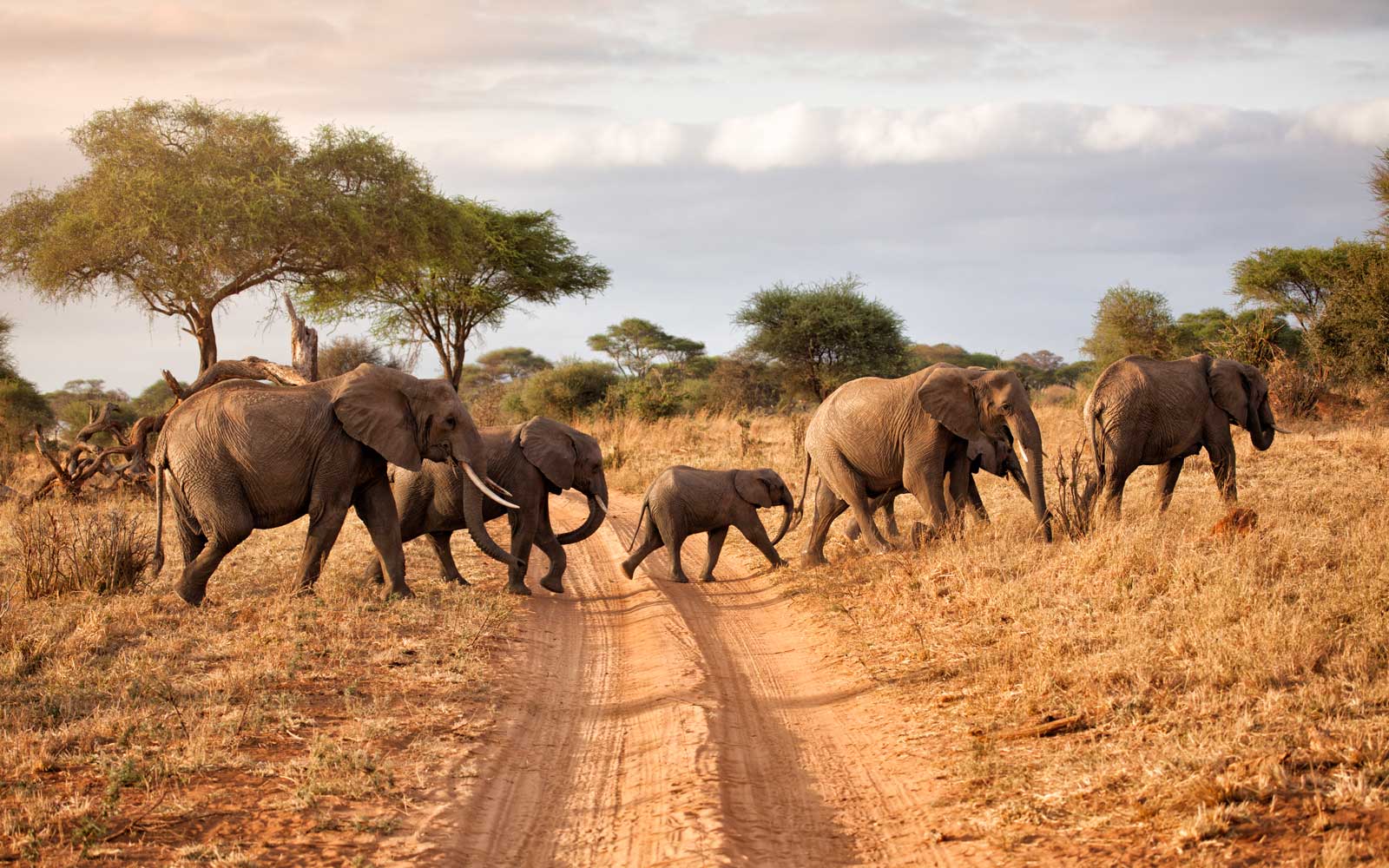
Tarangire National Park Facts
Tarangire National Park Facts
Tarangire National Park is a protected wildlife area of about 2,850 square kilometres in northern Tanzania, roughly two hours by road south-west of Arusha. Established as a national park in 1970 and managed by Tanzania National Parks, it takes its name from the Tarangire River, the lifeline of the park in the dry season. Tarangire is famous for large elephant herds, ancient baobab trees and more than 550 recorded bird species. From about June to October, wildlife gathers along the river and Silale Swamp. Foot Slopes Tours and Safaris designs private tailor-made Tarangire safaris led by expert local guides.
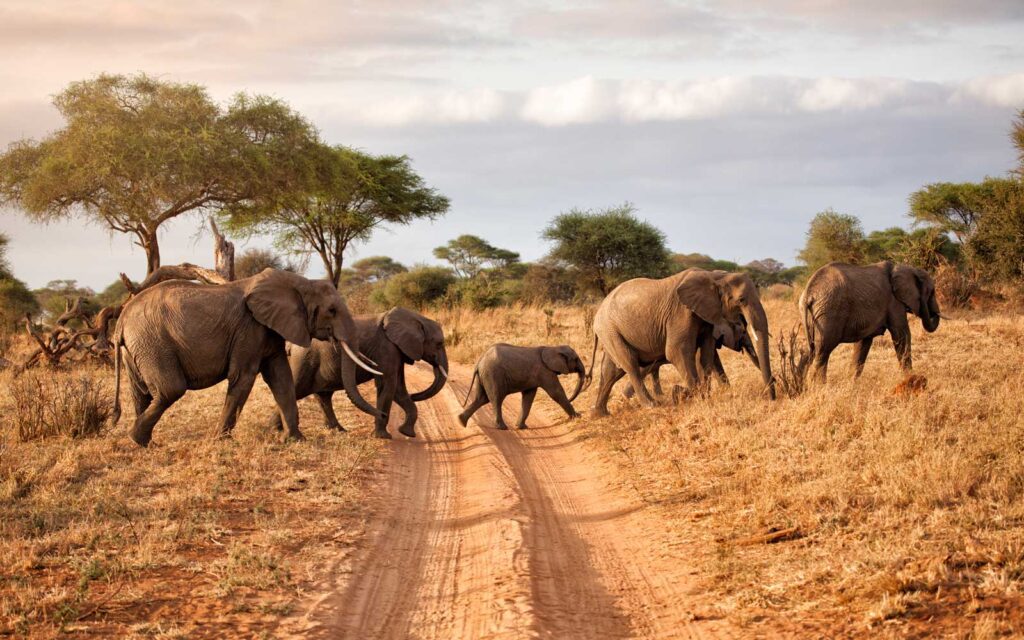
Tarangire at a Glance
These key facts give you a quick, reliable overview of Tarangire before you plan your private safari. They cover the park's size, history, management, landscape and the features that make it different from other northern circuit parks. Hover over or tap each card to bring it into focus, and use them as a handy reference when comparing destinations or explaining your trip to family and friends. Figures are rounded and based on commonly published information, so treat them as helpful guides rather than precise measurements. Our planners happily answer more detailed questions about the park and its wildlife.
Remarkable Tarangire Stories
Behind Tarangire's simple facts are fascinating stories about water, ancient trees and wildlife on the move. Each one helps explain why this park feels so different from the open plains of the Serengeti or the crater floor of Ngorongoro. Select a story below to learn more about the river that gives the park its name, its giant baobabs, its elephants and the wider landscape it depends on. Your private guide shares many of these stories in the field, bringing each sighting to life with local knowledge, and answering questions about the plants, animals and people of this remarkable region.
Named After a River
HighlightThe park's lifeline
Tarangire takes its name from the Tarangire River, which flows through the north of the park and holds water through the long dry season. When pools dry up across the surrounding landscape, wildlife moves in to drink, turning the river valley into one of northern Tanzania's richest wildlife areas from about June to October each year.
Tarangire Map →Baobab Giants
HighlightAncient upside-down trees
Giant baobab trees, many believed to be centuries old, give Tarangire its distinctive skyline. Their thick, swollen trunks store water, and elephants often strip the bark for moisture in the dry season, leaving scarred trunks. Hollows in old trunks provide nesting places for birds. The Lemiyon area in the north is especially rich in large, photogenic baobabs.
Tarangire Photos →Elephant Stronghold
HighlightFamilies at the river
Tarangire holds one of northern Tanzania's highest dry-season concentrations of elephants. As water becomes scarce, family herds gather along the river and around Silale Swamp, where they drink, bathe and dig for water in the sandy riverbed. These gatherings are a highlight for many guests and a key reason to visit between June and October.
Tarangire Wildlife →Silale Swamp
HighlightGreen in the dry season
Silale Swamp is a large seasonal wetland in the centre of the park that stays green when much of the surrounding land is dry. It attracts elephants, buffalo and many birds, and predators often hunt along its edges. Fewer vehicles visit this area than the northern river circuit, so it rewards travellers who have more time.
Tarangire Birds →Unusual Antelopes
HighlightDry-country species
Tarangire is home to antelopes adapted to drier country that are rarely seen elsewhere on the northern circuit. Fringe-eared oryx, the long-necked gerenuk and the shy lesser kudu all occur here. They are less common than impala or zebra, so spotting them usually requires time, patience and a knowledgeable guide who understands their favoured habitats.
Tarangire Safari Tours →Wider Ecosystem
HighlightBeyond the boundary
Tarangire is the core of a much larger ecosystem that includes the Simanjiro plains and neighbouring Wildlife Management Areas such as Burunge and Randilen. Many animals leave the park during the rains and return in the dry season. Cooperation with local communities helps keep these traditional wildlife corridors open for the future of the park.
Tarangire Fees →A Year in Tarangire
Tarangire's character changes dramatically through the year, driven by the rhythm of the rains and the dry season. Understanding this cycle explains why wildlife gathers along the river in some months and spreads widely across the wider ecosystem in others. The timeline below follows a typical year, from the first dry months to the long rains, showing what usually happens in the park at each stage. Exact timing changes from year to year with rainfall, so use it as a general guide. Your safari planner uses these patterns to recommend the best months, areas and lodges for your trip.
Dry season begins
Pools dry across the region and herds start moving towards the river.
Peak gatherings
Elephants, buffalo and zebra concentrate at the river and Silale Swamp.
Short rains
Storms green the park, migrant birds arrive and animals begin to spread out.
Young animals
A warm, drier pause with green scenery and many newborns.
Long rains
Lush and quiet as wildlife disperses into the wider ecosystem.
Tarangire vs Serengeti
Many travellers combine Tarangire with the Serengeti, and comparing the two helps explain why they work so well together on one itinerary. Tarangire is compact, close to Arusha and famous for dry-season elephants and baobabs, while the Serengeti is vast and known for the Great Migration and big cats on open plains. The simple table below compares their overall size, landscapes, wildlife highlights and travel times side by side. Both parks are managed by Tanzania National Parks. Your private safari planner can carefully balance your time in each park to suit your interests, travel month, budget and preferred pace.
| Feature | Tarangire | Serengeti |
|---|---|---|
| Size | About 2,850 km² | About 14,750 km² |
| From Arusha | About 2 hours by road | About 6–8 hours by road, or a short flight |
| Landscape | River valley, baobabs, swamps and woodland | Vast open plains, kopjes and woodland |
| Signature sight | Dry-season elephant herds | The Great Migration |
| Best known season | June to October | Year-round, following the herds |
| Managed by | Tanzania National Parks | Tanzania National Parks |
Test Your Tarangire Knowledge
How much have you learned about Tarangire National Park? Try this short, friendly quiz to test your knowledge of the park's history, landscapes and wildlife before your safari begins. Choose an answer for each question to see whether you are right, along with a brief explanation from our team. It takes a minute, makes a fun family activity and helps you arrive in the park with a deeper understanding of what you will see. Share your score with your private guide on arrival, and you may well be rewarded with even more surprising facts during your first game drive.
1. What gives Tarangire National Park its name?
The park is named after the Tarangire River, its dry-season lifeline.
2. In which year did Tarangire become a national park?
Tarangire was declared a national park in 1970.
3. Which bird found in Tarangire is endemic to Tanzania?
The yellow-collared lovebird is found only in Tanzania.
4. When do elephants gather most along the river?
The dry season draws herds to the river from about June to October.
Score: 0 / 4
Tarangire Safari Packages with Transfers Included
Hand-picked Northern Circuit itineraries that include Tarangire National Park, tailored privately by Foot Slopes Tours and Safaris.
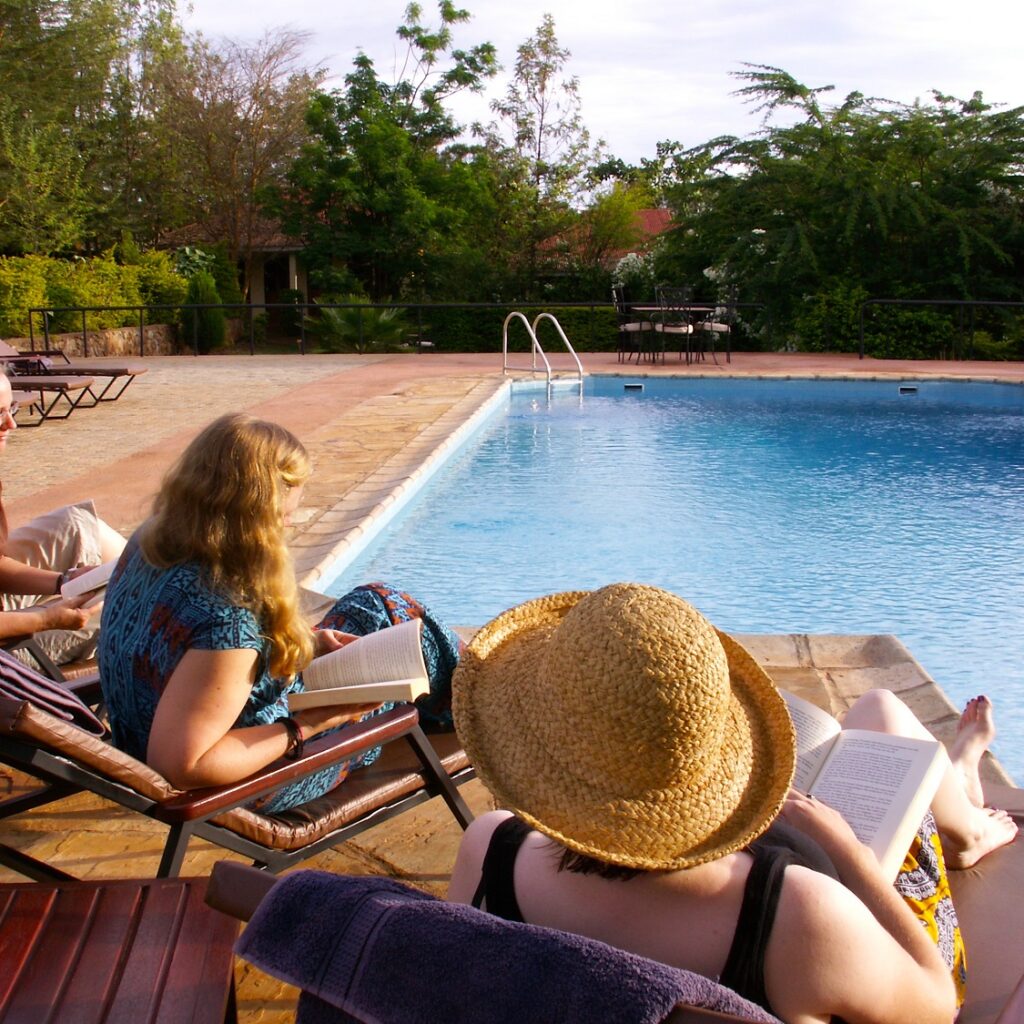
6-Day Serengeti and Ngorongoro Family Safaris
A six-day Serengeti and Ngorongoro combination built for multi-generation travelers.
View Package →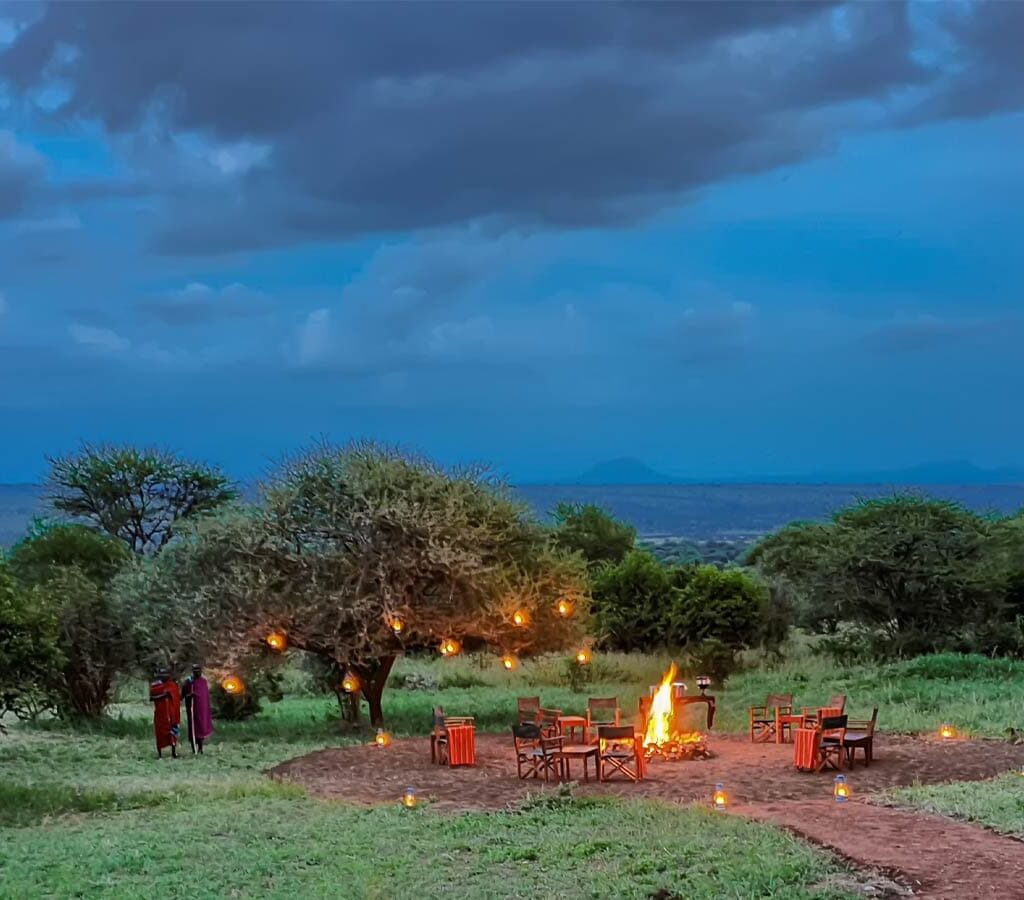
8-Day Northern Tanzania Safaris
An eight-day tour across Tanzania's top northern circuit parks.
View Package →
9-Day Private Northern Tanzania Safari
A nine-day fully private safari through Tanzania's northern circuit highlights.
View Package →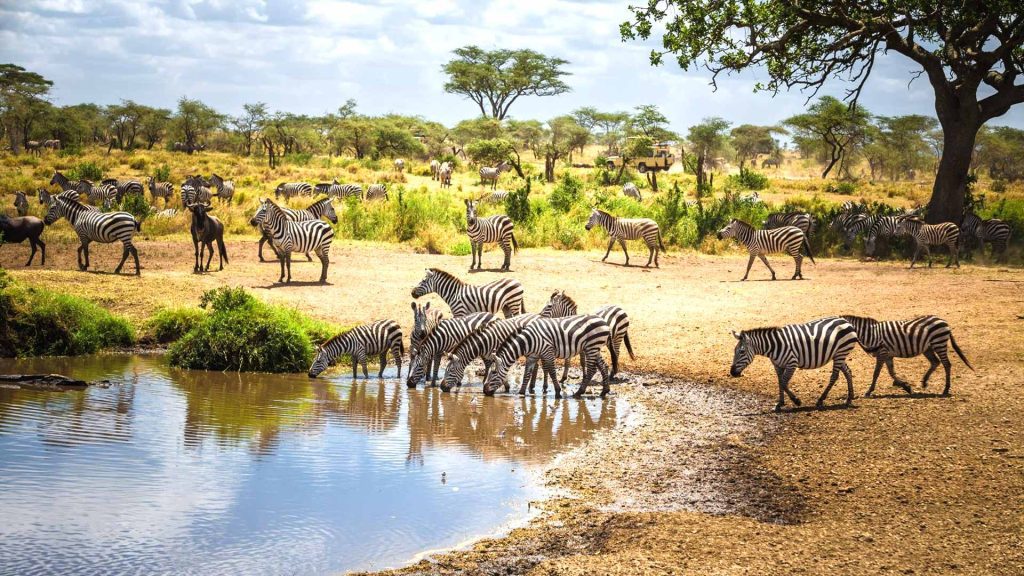
10-Day Amazing Northern Tanzania Safari
A ten-day journey across Tanzania's most celebrated northern parks.
View Package →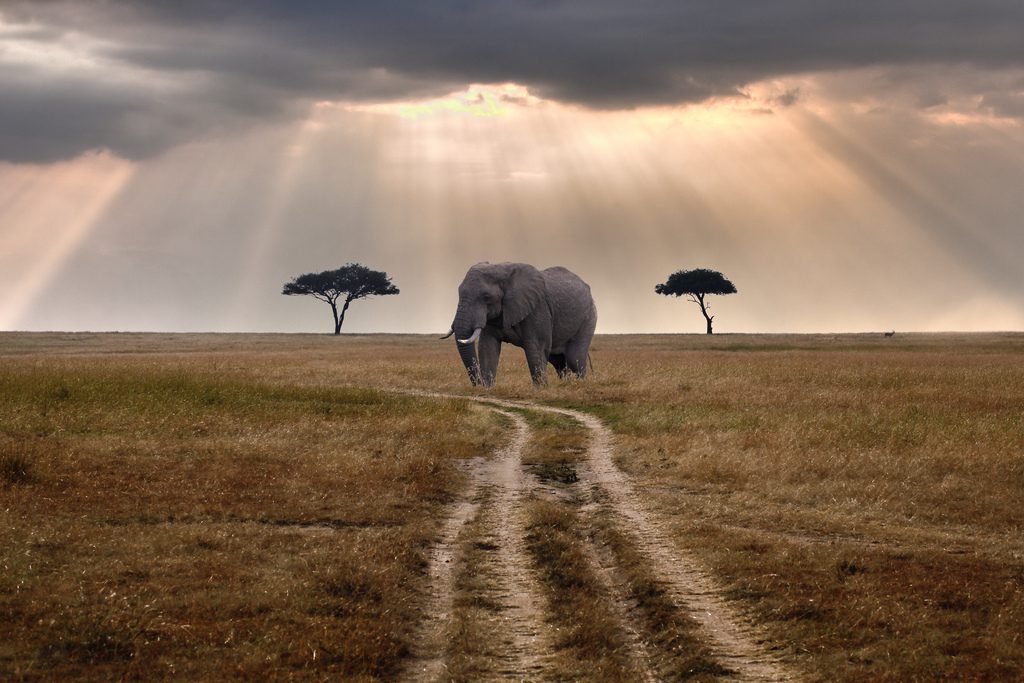
10-Day Best of Northern Tanzania Safari
Ten days combining the very best of the northern safari circuit.
View Package →
10-Day Ultra-Luxury Tanzania Lodge Safari
Ten days of ultra-luxury lodges across Tanzania's premier parks.
View Package →
8-Day Tanzania Big Five Luxury Safari
An eight-day luxury safari focused on spotting Africa's Big Five.
View Package →
7-Day Best of Serengeti Safari
A seven-day safari highlighting the very best of the Serengeti ecosystem.
View Package →