What Children Can Learn on an African Safari
An African safari is more than a holiday for children. It is a living classroom where lions, elephants and the Great Migration replace textbooks, and every game drive brings questions, discoveries and stories. Children return home with a deeper understanding of nature, conservation, geography and culture, along with patience, confidence and memories they treasure for life. This guide explains what children can learn on an African safari in Tanzania, from science and life skills to cultural lessons, the best learning activities by age, a packing kit for young explorers and expert answers for parents planning a private family safari.
What can children learn on an African safari?
On an African safari, children learn about wildlife behaviour, food chains, ecosystems and conservation by watching real animals in the wild with an expert guide. They discover geography, new cultures such as the Maasai and Hadzabe and a few Swahili words, while building patience, observation skills, confidence and respect for nature that lasts a lifetime.
01Science and Nature Lessons on Safari
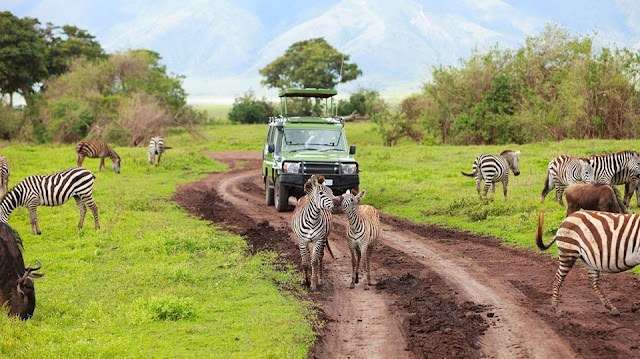
Few experiences teach children about the natural world as powerfully as a safari. Watching a lioness stalk her prey, elephants protect their calves or vultures circle above the plains brings science lessons to life in a way no textbook can match. With a knowledgeable private guide answering every question, children learn how ecosystems work, why animals behave as they do and how people protect them. The six cards below explain the most valuable science and nature lessons children learn on an African safari in Tanzania, from animal behaviour and food chains to conservation and geology. Plan this well ahead.
Animal behaviour
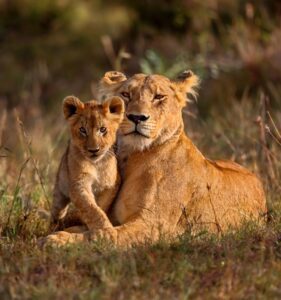
Children discover how animals live, hunt, communicate and care for their young by watching them in their natural habitat. They see lion prides resting together, elephant families greeting each other and wildebeest migrating in search of grass. Guides explain why animals behave as they do, turning every sighting into a fascinating biology lesson. It is truly unforgettable.
Food chains and ecosystems
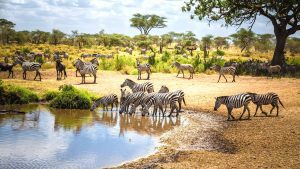
A safari shows children how every living thing is connected. They see grass feeding zebra and wildebeest, predators hunting the herds, vultures and hyenas cleaning up and dung beetles recycling nutrients back into the soil. Understanding these links helps children grasp food chains, ecosystems and the delicate balance of nature. Our local team arranges everything for you.
Wildlife conservation
Children learn why animals such as black rhinos, elephants and African wild dogs need protection, and how rangers, park fees and communities help keep them safe. Seeing a rare rhino in the Ngorongoro Crater or visiting a conservation project makes the issues real, inspiring many young travellers to care about protecting wildlife for life. Ask our team.
Biodiversity and birds
Tanzania is home to an astonishing variety of life, including more than a thousand bird species, from tiny sunbirds to ostriches and flamingos. Children learn to identify animals, birds, trees and insects, compare habitats from forests to grasslands and soda lakes, and understand why biodiversity matters for a healthy planet. It is a highlight for many families.
Geography and geology
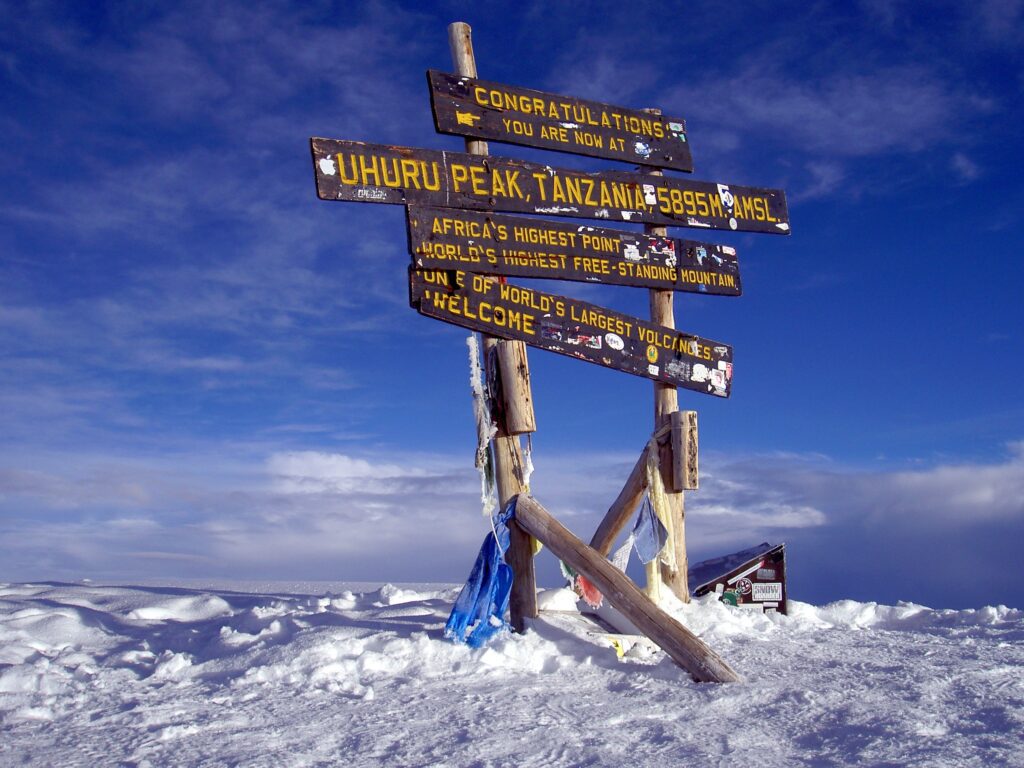
Tanzania is a spectacular geography lesson. Children see the Great Rift Valley, stand on the rim of the Ngorongoro Crater, a collapsed volcano, and gaze at Kilimanjaro, Africa's highest mountain. At Olduvai Gorge they learn about early human history, and at Lake Natron they discover how volcanoes create soda lakes. Children talk about it for years afterwards.
Scientific thinking
Safari days encourage children to observe, ask questions, make predictions and test ideas, just like real scientists. Why are the zebra gathering at the river? Which way is the lion looking? Guides teach them to read tracks, interpret animal behaviour and record findings, building curiosity and critical thinking skills they carry back to school. Plan ahead carefully.
02Life Skills and Values Children Gain on Safari
Beyond facts and figures, a safari shapes who children are. Long hours watching wildlife teach patience, unfamiliar experiences build confidence and time away from screens strengthens family bonds. Children develop respect for nature, gratitude for what they have and a broader view of the world, often returning home calmer, more curious and more independent. The six cards below explain the most important life skills and values children gain on an African safari, and how a private family safari in Tanzania gives them the time and freedom to grow through every experience. Our Arusha team can tailor this for you.
Patience and observation
Wildlife does not appear on demand, so children learn to wait quietly, scan the landscape and notice small details, such as a twitching tail in the grass or vultures gathering overhead. The reward of spotting a leopard after a patient search teaches them that focus and perseverance pay off, a lesson valuable far beyond safari.
Respect for nature
On safari, children learn to respect animals and their space, keep voices low, never feed wildlife and take all litter home. They see how fragile habitats are and why rules protect both animals and people. These simple habits grow into a lasting respect for the environment and a desire to protect wild places. Families always love this.
Confidence through adventure
Trying new things in a new country builds remarkable confidence. Children who sleep in a tent with lions calling nearby, hike Mount Meru, canoe on a lake or greet people in Swahili return home braver and more independent. Each small challenge they overcome on safari shows them they are capable of more than they imagined.
Family bonding
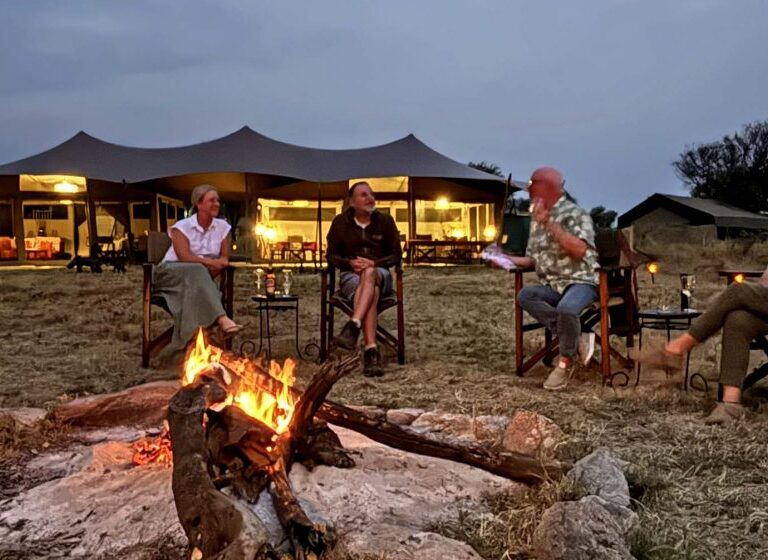
Without school, work and screens, safari gives families precious time together. Spotting animals as a team, passing binoculars, telling stories around the campfire and celebrating each sighting create strong bonds and family jokes that last for years. A private vehicle keeps everyone together and lets parents and children discover Africa side by side. Plan this well ahead.
Creativity and storytelling
Safari sparks children's imagination. Many love keeping a journal, sketching animals, writing stories, taking photographs or making short videos of their adventures. These creative projects help them process new experiences, practise writing and art skills, and proudly tell friends and teachers about their trip when they return home. Ask our team to include this in your itinerary.
Global citizenship
Meeting people whose lives are very different from their own helps children understand the wider world. They see how communities live alongside wildlife, learn about daily life in rural Tanzania and recognise how tourism supports conservation and local jobs. Many come home more grateful, open-minded and curious about other countries and cultures. Ask us for more details.
03Cultural Lessons Children Learn in Tanzania
Tanzania is home to more than 120 ethnic communities, and meeting some of them is often a highlight for children. Respectful, locally guided cultural visits introduce young travellers to different ways of life, traditional skills and languages, sparking curiosity and empathy. Children discover how the Maasai herd cattle, how the Hadzabe find food and how Swahili culture blends African, Arabic and Indian influences on the coast. The three cards below explain the cultural lessons children learn on a Tanzania family safari and how to make every encounter respectful and meaningful. It makes the whole holiday more relaxed and memorable.
Maasai traditions
Visiting a Maasai village introduces children to one of Africa's best-known cultures. They learn how families live in homes made of mud and wood, why cattle are so important, how warriors perform the famous jumping dance and what the colourful beadwork means. Local guides help children ask respectful questions and understand traditions. Your guide makes it special.
Hadzabe and Datoga skills
At Lake Eyasi, children can walk with Hadzabe hunter-gatherers, among the last in Africa, as they track animals, gather berries and make fire with sticks. Nearby, Datoga blacksmiths show how they turn scrap metal into arrowheads and jewellery. These hands-on encounters teach resourcefulness, survival skills and respect for ancient knowledge. Our local team arranges everything for you.
Swahili language and coastal culture
Children love learning simple Swahili words such as jambo for hello, asante for thank you and simba for lion, and using them with guides and lodge staff. On Zanzibar, they explore Stone Town's carved doors and markets, visit spice farms and discover how centuries of trade shaped the island's unique Swahili culture. Children remember it for years.
04What Children Learn on Safari at Every Age
Children of every age learn on safari, but what captures their attention changes as they grow. Young children are thrilled by spotting big animals and hearing simple stories, while primary school children love facts, checklists and tracking. Older children enjoy deeper discussions about conservation and culture, and teenagers thrive on adventure, photography and real challenges. Use the tabs below to see what children typically learn at each age on a private Tanzania safari, with the best activities and destinations for each stage, so you can plan a trip that inspires every member of your family. It is truly unforgettable.
Little Explorers: Ages 3 to 5
Short drives and big animals
Animal names, sounds and colours
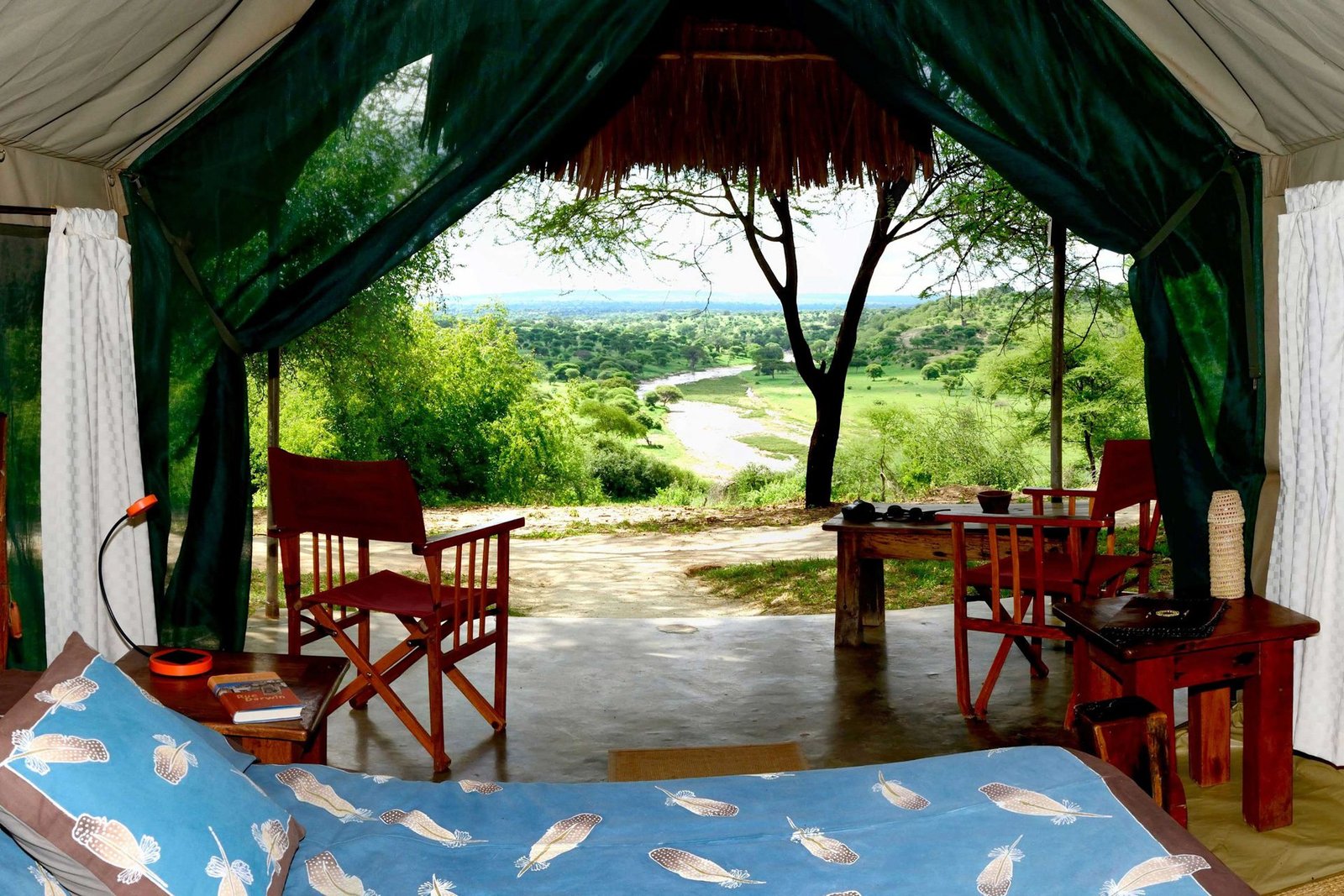
Young children learn animal names, sounds, colours and sizes as they spot elephants, giraffes, zebra and lions on short game drives. Simple counting games, picture books and animal stories from your guide keep them engaged. Choose compact parks such as Lake Manyara, Tarangire and the Ngorongoro Crater, with lodges offering pools and flexible meals. Children love it.
Family safari packages →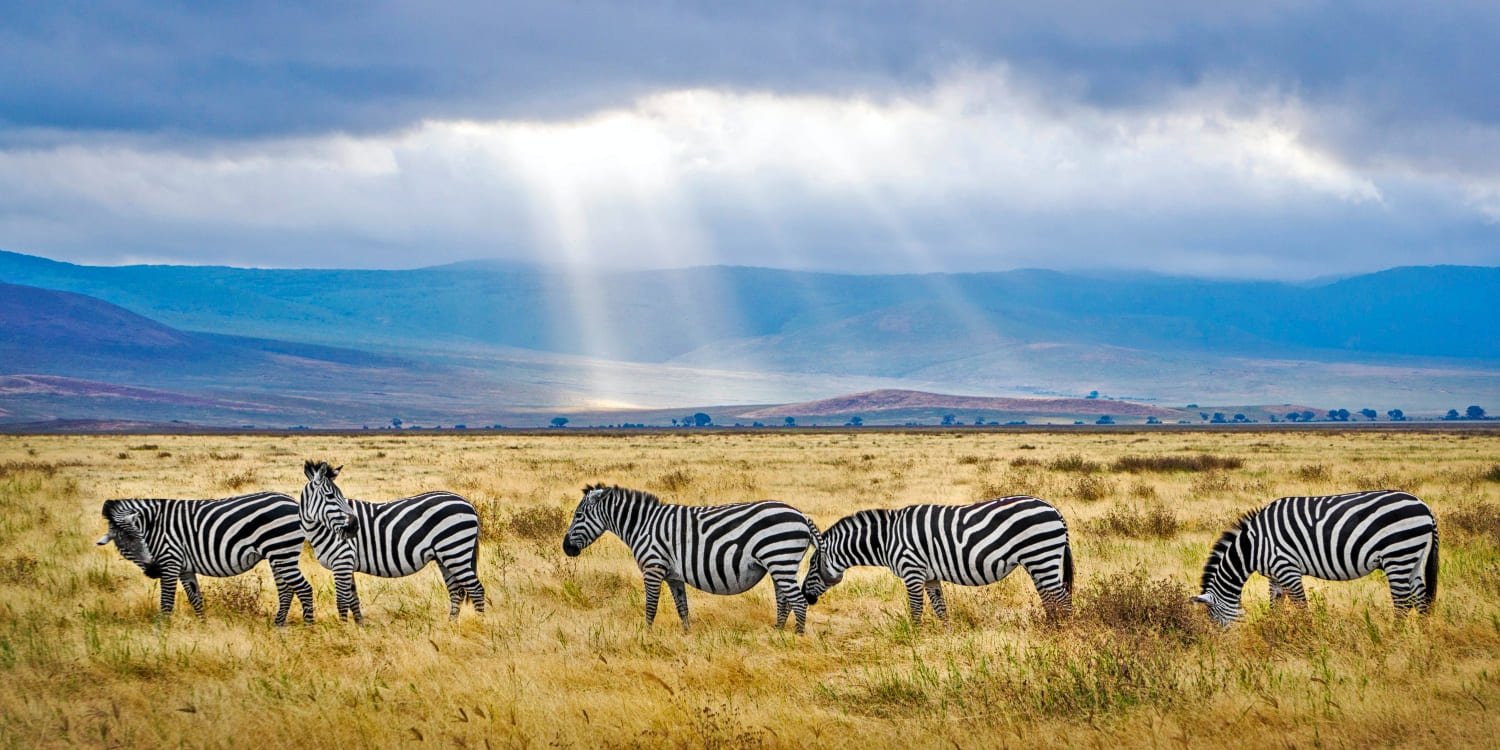
Curious Learners: Ages 6 to 9
Facts, checklists and tracking
Wildlife checklists, tracks and food chains
Children aged six to nine love facts, so they enjoy ticking animals off a wildlife checklist, learning to identify tracks and dung, and discovering who eats whom on the plains. Junior ranger activities at some lodges, Serengeti big cats and the Great Migration make this an ideal age for a classic Tanzania safari. Families always love this.
Tailor-made safaris →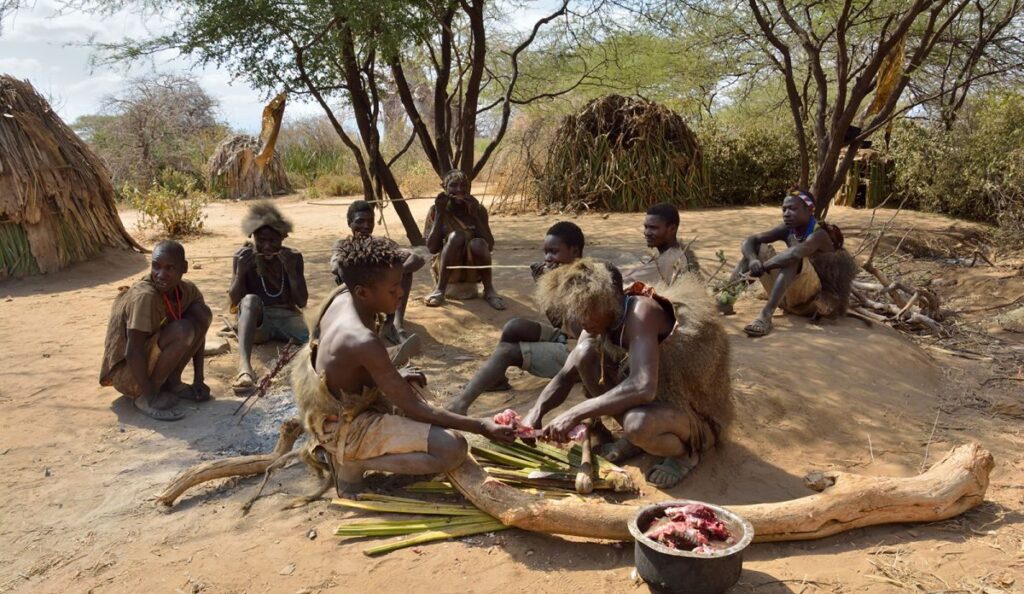
Young Naturalists: Ages 10 to 13
Conservation and culture
Conservation, culture and geography
Older children are ready for deeper lessons about conservation, poaching, climate and the role of rangers and communities. They engage meaningfully with Hadzabe and Maasai cultural visits, explore geography at the Ngorongoro Crater and Olduvai Gorge and can join canoeing or walking activities where age limits allow. Many start serious wildlife photography. Every moment feels truly special.
Lake Eyasi →
Adventurous Teens: Ages 14 to 17
Challenges and independence
Hiking, photography and real responsibility
Teenagers learn through adventure and responsibility. They can hike Mount Meru with an armed ranger, climb Kilimanjaro, take on walking safaris, help plan the day's route with the guide and build impressive photography portfolios. Discussions about conservation careers, tourism and global issues often inspire future studies and lifelong passions. It adds wonderful variety to any family safari.
Kilimanjaro climbs →05Learning Activities for Kids on Safari
The best way for children to learn on safari is by getting involved. Hands-on activities turn game drives and lodge time into exciting challenges, keeping young minds engaged between sightings and helping them remember what they discover. Many lodges and guides offer special activities for children, and parents can easily add their own with a few simple tools. The six cards below explain the most rewarding learning activities for kids on an African safari in Tanzania, from junior ranger programmes and wildlife journals to tracking, cultural visits, photography and stargazing under African skies. Our team can arrange every detail.
Junior ranger programmes
Some safari lodges and camps in Tanzania run junior ranger or young explorer programmes, where children learn bush skills, animal tracking, bird identification and basic conservation from trained staff. Activities may include making plaster casts of footprints, nature walks inside the camp and earning a certificate. Ask your operator which lodges offer them. Plan this well ahead.
Wildlife journals and checklists
Give children a wildlife checklist and a safari journal to record every animal, bird and adventure. Ticking off species, sketching sightings, noting where and when they saw them and collecting new Swahili words turns each game drive into a treasure hunt. The finished journal becomes a precious keepsake and a great school project. It is truly unforgettable.
Tracking and guided walks
On guided walks with an armed ranger, older children learn to read animal tracks, identify dung, recognise medicinal plants and spot insects and birds missed from the vehicle. Walks are available in places such as Arusha National Park and some conservation areas, while younger children can learn tracking skills around the lodge grounds. Families always love this.
Cultural visits
Locally guided visits to Maasai, Hadzabe or Datoga communities let children experience traditional homes, songs, dances, games and skills such as fire making and archery. Preparing a few questions beforehand helps them engage respectfully. Many families also visit schools or community projects, giving children a meaningful insight into everyday life in Tanzania. Ask us for more details.
Wildlife photography
Giving children their own camera transforms how they experience a safari. They learn to watch animal behaviour closely, wait for the right moment and think about light and composition. A simple camera or smartphone is perfect for younger children, while teenagers may enjoy learning zoom lenses and photography techniques from your guide. Your guide makes it special.
Stargazing and night sounds
Far from city lights, Tanzania's night skies are filled with stars, the Milky Way and southern constellations such as the Southern Cross. Around the campfire, guides tell stories about the stars and help children identify night sounds, from roaring lions and whooping hyenas to croaking frogs. It is an unforgettable astronomy and listening lesson. Ask our team.
06Young Explorer's Safari Learning Kit
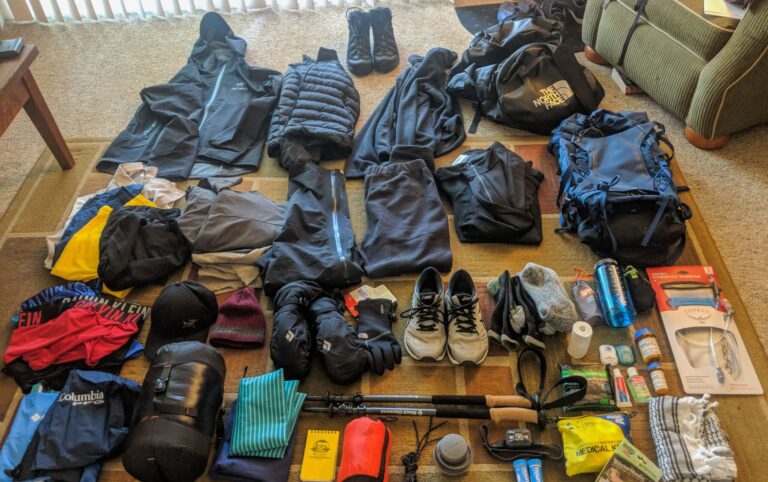
Use this interactive young explorer's kit checklist to prepare everything your children need to learn, create and explore on safari. Tick each item as you pack and watch the progress bar fill, or print the list and let your children tick items off themselves, which builds excitement before the trip. Small, lightweight tools such as binoculars, a journal and a field guide make a huge difference to how much children notice and remember. Packing together also helps them feel involved and ready for every discovery on your private family safari in Tanzania. It is a highlight for many families.
Explorer tools0/6
Learning and creativity0/6
Comfort0/6
Fun extras0/6
07What Children Can Learn on an African Safari: FAQs
What can kids learn on an African safari?
Kids learn about wildlife behaviour, food chains, ecosystems, conservation and geography by watching real animals in their natural habitat with an expert guide. They also discover new cultures and languages, and develop patience, observation skills, confidence and respect for nature. A safari turns every game drive into a memorable outdoor classroom. It suits families of every age.
Is an African safari good for kids?
Yes, an African safari is excellent for kids. It combines adventure, education and family time in a way few holidays can match. Children see amazing animals up close, learn about nature and cultures and gain confidence. Choosing a private safari with short drives and family-friendly lodges makes the experience safe and enjoyable. Children remember it for years.
What is the best age for children to go on safari?
Most children get the most from a safari from around age five or six, when they can manage longer drives and stay interested in wildlife. Younger children are welcome on private safaris with short drives. Children aged eight to twelve often learn the most, while teenagers enjoy hiking, walking safaris and photography. Every moment feels truly special.
What activities can kids do on safari?
Kids can enjoy game drives, junior ranger programmes, nature walks, tracking lessons, cultural visits with the Maasai or Hadzabe, canoeing in Arusha National Park where age limits allow, swimming at lodges, stargazing and wildlife photography. On Zanzibar, they can snorkel, meet giant tortoises and join spice tours with the whole family. Every family finds something to love.
How do I explain a safari to my child?
Explain that a safari is a journey to see wild animals living freely in their natural homes, such as lions, elephants and giraffes, from a special vehicle with a guide who knows all about them. Watching wildlife documentaries, reading animal books and making a checklist together before you travel builds excitement and understanding. Plan this well ahead.
Is it safe to take children on an African safari?
Yes, a private safari with a licensed operator is a safe way to explore Africa with children. Guides are trained in wildlife behaviour and first aid, game drives take place from the vehicle and family-friendly lodges are chosen carefully. Follow your guide's instructions, supervise children around camp and visit a travel clinic beforehand. It is truly unforgettable.
Will children get bored on safari?
Most children are fascinated by safari, but long drives can be tiring. Keep them engaged with binoculars, cameras, wildlife checklists and journals, plan shorter game drives with breaks at the lodge and choose parks with frequent sightings, such as the Ngorongoro Crater and Tarangire. A private vehicle lets you return early whenever needed. Families always love this.
Can a safari count as an educational trip for school?
Many schools view a family safari as a valuable educational experience, especially when children complete a journal, project or presentation about what they learned. Topics such as ecosystems, conservation, geography, culture and languages link directly to school subjects. Check your school's policy on term-time travel before booking during school dates. Children talk about it for years afterwards.
What animals will children see on a Tanzania safari?
Children can see lions, leopards, cheetahs, elephants, buffalo, black rhinos, giraffes, zebra, wildebeest, hippos, crocodiles, hyenas, monkeys, flamingos and hundreds of colourful birds. The Ngorongoro Crater is excellent for the Big Five, the Serengeti for big cats and the Great Migration, and Tarangire for huge elephant herds. Ask our team to include this in your itinerary.
Are cultural visits suitable for children?
Yes. Respectful, locally guided cultural visits are often a highlight for children. Meeting Maasai families, trying archery with the Hadzabe or watching Datoga blacksmiths at work teaches them about different ways of life. Prepare children beforehand, ask permission before taking photographs and encourage them to ask thoughtful questions. It makes the whole holiday more relaxed and memorable.
What should children pack for a learning safari?
Pack child-sized binoculars, a wildlife field guide, a checklist, a safari journal with coloured pencils and a simple camera. Add neutral clothing, a warm fleece, a sun hat, child-safe sunscreen and insect repellent, plus a refillable water bottle, healthy snacks and small games for downtime at the lodge or on long drives. Ask us for more details.
How long should a family learning safari be?
Most families enjoy seven to ten days, allowing time for Tarangire, the Serengeti and the Ngorongoro Crater at a relaxed pace, plus a cultural visit at Lake Eyasi or a hike on Mount Meru. Staying two nights in each place gives children time to absorb what they learn. Add Zanzibar for beach time. Plan this well ahead.
When is the best time for a family safari in Tanzania?
The dry season from June to October matches summer school holidays and offers excellent wildlife viewing and Mara River crossings. December to February suits Christmas holidays and the Serengeti calving season, when children can see newborn wildebeest. The long rains of April and May bring quiet parks and lower rates. Our local team arranges everything for you.
Why choose a private family safari for learning?
A private family safari gives you your own vehicle and guide, so you can stop whenever children spot something exciting, answer every question in detail and adjust the pace to their energy levels. Your guide becomes a personal teacher, tailoring stories, games and activities to your children's ages and interests throughout the trip. It is truly unforgettable.
Family Safari Planning Guides
Explore Family Safari Destinations
Safari Parks
Culture and Adventure
Plan an Educational Family Safari
Tell us your children's ages, interests and travel dates, and our Arusha team will design a private tailor-made family safari full of learning, with your own vehicle, a patient expert guide and family-friendly lodges.
Book Now Online →What Our Travelers Say
Real 5-star reviews from guests who traveled with us