The Ultimate Kilimanjaro Trekking Guide: Routes, Costs and Expert Tips
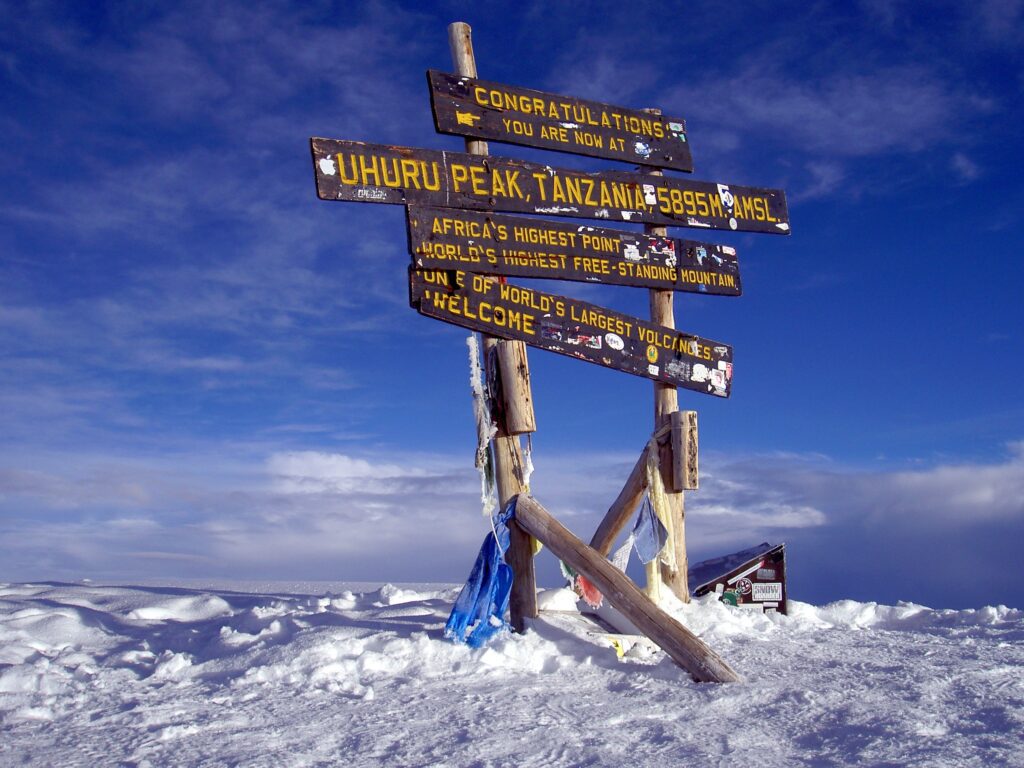
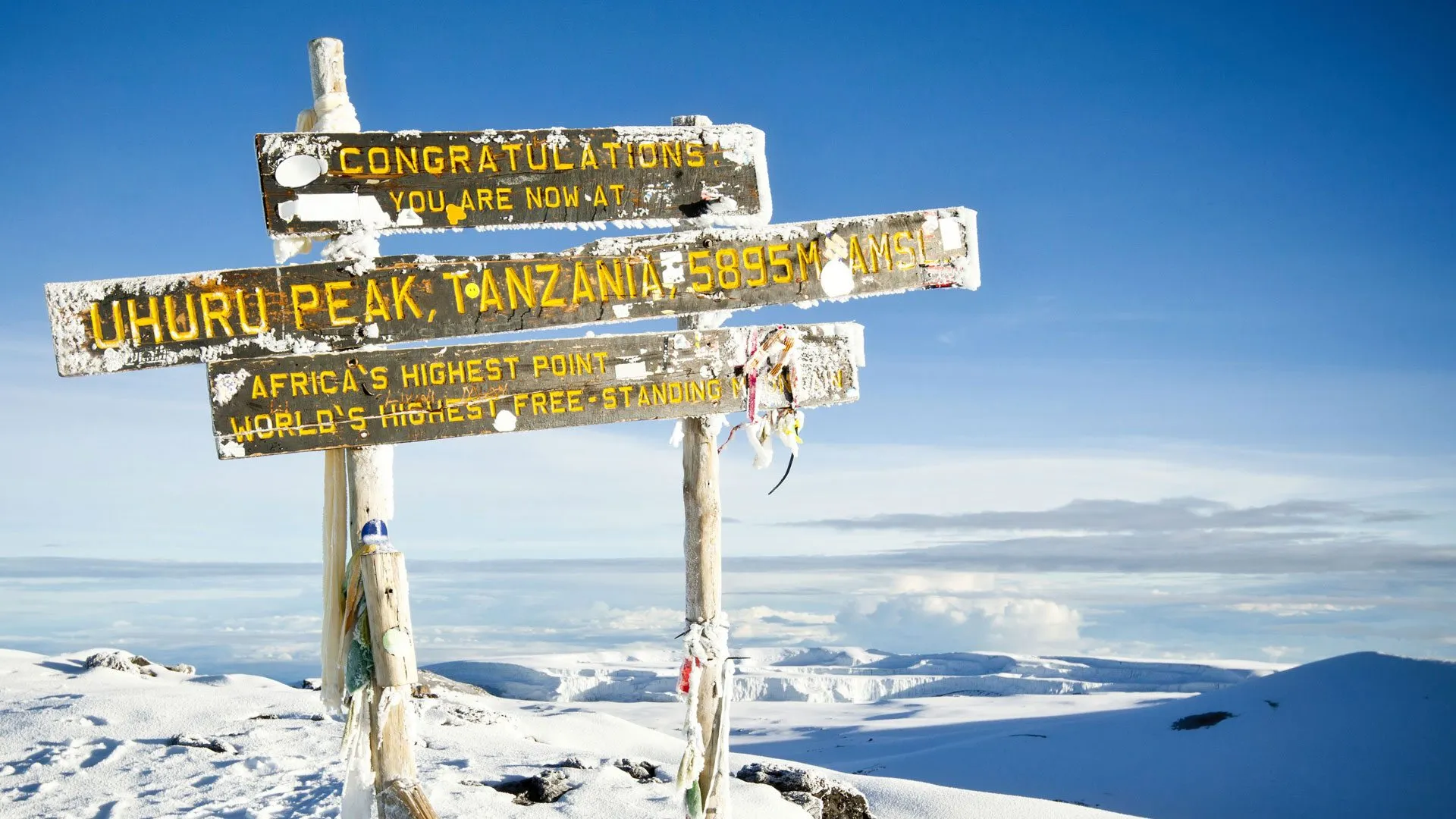
Mount Kilimanjaro is Africa's highest mountain and the world's tallest free-standing volcanic peak, rising to 5,895 metres above the plains of northern Tanzania. Every year, thousands of trekkers take on the challenge of reaching Uhuru Peak, crossing rainforest, moorland, alpine desert and glaciers along the way. No technical climbing skills are needed, but good preparation, the right route and an experienced team make all the difference. This ultimate Kilimanjaro trekking guide covers key facts, compares the six main routes, explains what affects climb costs and offers expert tips for summit success on your private guided Kilimanjaro climb in Tanzania.
How do you climb Mount Kilimanjaro?
To climb Mount Kilimanjaro, book a private guided trek with a licensed operator, as independent climbing is not allowed. Choose a route such as Lemosho, Machame or the Northern Circuit, ideally lasting seven to nine days for good acclimatisation. Train for several months, climb in the dry season and walk slowly, reaching Uhuru Peak at 5,895 metres on summit night.
01Kilimanjaro at a Glance: Key Trekking Facts
Before choosing a route or booking a climb, it helps to understand the mountain itself. Kilimanjaro is a dormant volcano made up of three volcanic cones, with five distinct climate zones from its farmland foothills to its icy summit. Knowing its height, terrain, seasons and challenges helps you plan realistically and prepare properly for the trek. The six cards below cover the key Kilimanjaro trekking facts every climber should know, from height and location to climate zones, difficulty, the best time to climb, how long a climb takes and what improves your summit success. Knowledge builds real confidence.
Height and location
Mount Kilimanjaro stands at 5,895 metres, or 19,341 feet, in northern Tanzania, near the towns of Moshi and Arusha. It is made up of three volcanic cones, Kibo, Mawenzi and Shira, with Uhuru Peak on Kibo's crater rim as the highest point. Kilimanjaro International Airport is the closest gateway. It dominates the skyline for many kilometres around.
Five climate zones
Climbing Kilimanjaro is like walking from the equator to the Arctic. You pass through five climate zones: cultivated farmland, lush montane rainforest, heath and moorland, high alpine desert and finally the arctic summit zone with glaciers and snow. Each zone brings different scenery, temperatures and plant life, making the trek incredibly varied. Pack for every zone.
Non-technical but challenging
Kilimanjaro does not require ropes, ice axes or technical climbing skills on its standard routes, making it one of the most accessible of the Seven Summits. However, high altitude, cold temperatures and long summit nights make it physically and mentally demanding. Good fitness, gradual acclimatisation and a positive mindset are essential for every climber. Respect the mountain.
Best time to climb
The best times to climb Kilimanjaro are the dry seasons, from late June to October and from January to early March. These months offer clearer skies, drier trails and better summit views. The long rains in April and May and the short rains in November make trails muddy, although climbs are still possible with good preparation.
How long a climb takes
Most Kilimanjaro climbs take five to nine days on the mountain, depending on the route and itinerary. Longer climbs of seven to nine days are strongly recommended, as they give your body more time to acclimatise to altitude. Add an arrival day and rest day in Moshi or Arusha before and after your trek. Patience pays.
What improves summit success
Summit success depends mainly on acclimatisation, so longer itineraries with a climb-high, sleep-low profile have the highest success rates. Walking slowly, drinking plenty of water, eating well, training before your trip and following an experienced guide's advice all improve your chances of standing on Uhuru Peak and returning safely. Preparation is everything for every climber.
02Kilimanjaro Routes Compared
Kilimanjaro has several established trekking routes, each with its own scenery, difficulty, acclimatisation profile, crowd levels and accommodation style. Choosing the right route is one of the most important decisions for your climb, as it shapes your daily experience and your chances of reaching Uhuru Peak. Longer routes generally offer better acclimatisation and higher success rates. Use the tabs below to compare the six main Kilimanjaro routes, including Machame, Lemosho, Marangu, Rongai, the Northern Circuit and Umbwe, with typical durations, highlights and who each route suits best for a private guided climb. Compare each route carefully before you choose.
Machame Route
Fit, adventurous climbers
Dramatic scenery and Barranco Wall
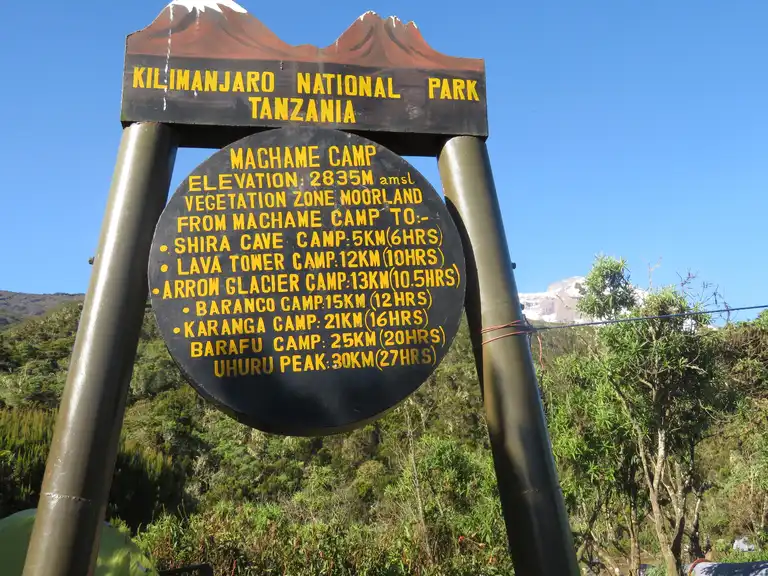
The Machame Route is Kilimanjaro's most popular route, climbing from the south through rainforest to the Shira Plateau, Lava Tower and the famous Barranco Wall. Its climb-high, sleep-low profile supports good acclimatisation, especially over seven days. Machame is scenic and rewarding, but it can be busy during peak climbing season. It is a rewarding classic.
Machame Route →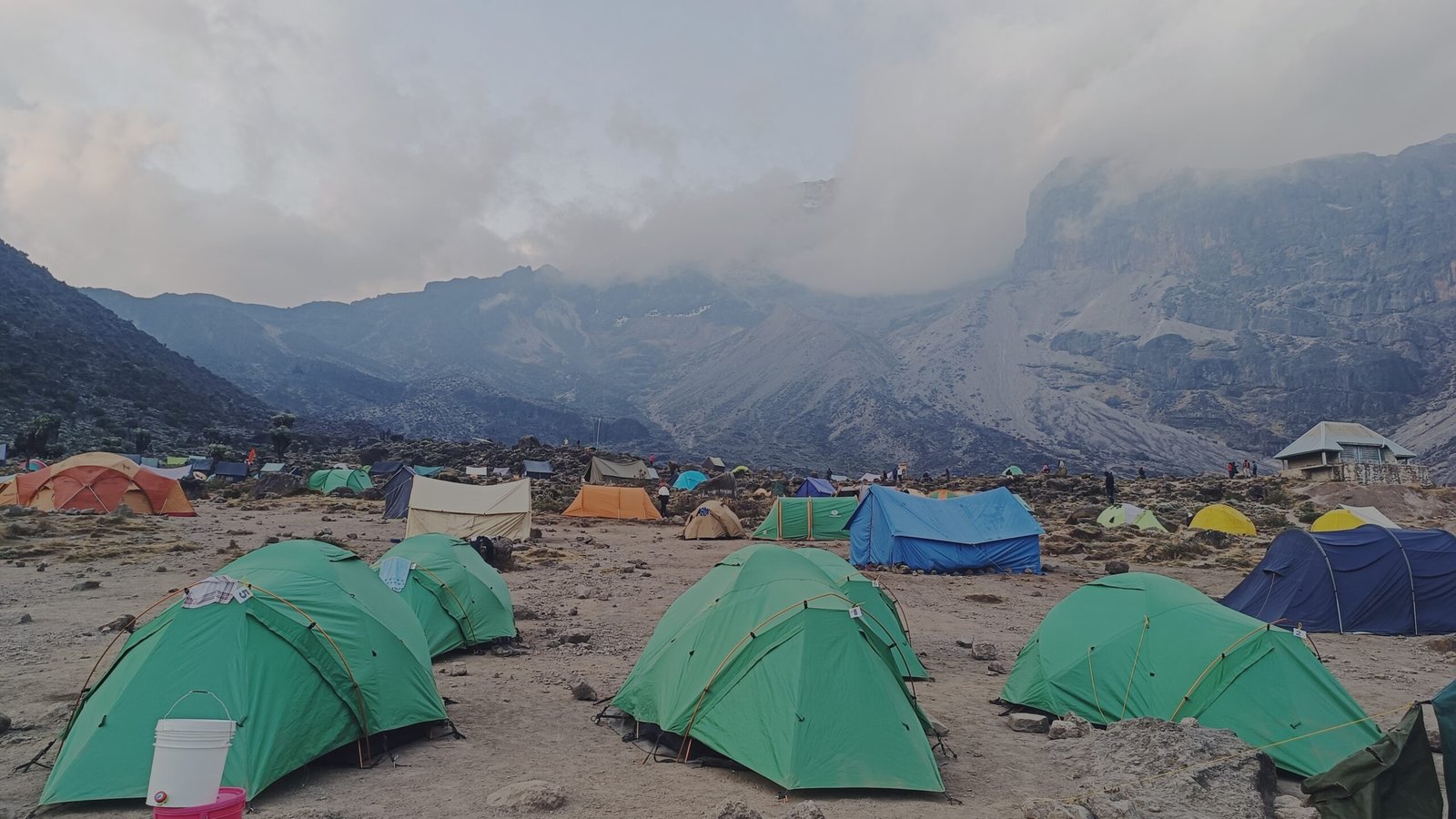
Lemosho Route
Most climbers, including first-timers
Superb scenery and acclimatisation
The Lemosho Route starts on Kilimanjaro's remote western side, crossing pristine rainforest and the entire Shira Plateau before joining the southern circuit. Over seven or eight days, it offers excellent acclimatisation, quieter early trails and some of the finest scenery on the mountain. Many experts consider it the best overall Kilimanjaro route. It is outstanding.
Lemosho Route →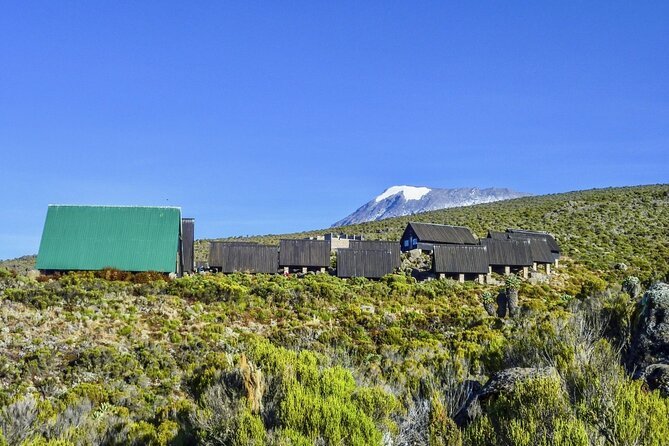
Marangu Route
Climbers preferring huts
Only route with hut accommodation
The Marangu Route is Kilimanjaro's oldest route and the only one with dormitory huts, at Mandara, Horombo and Kibo. It climbs from the southeast with a steady gradient, using the same path up and down. The six-day itinerary, with an acclimatisation day at Horombo, is strongly recommended for better summit chances on this route. It is dependable.
Marangu Route →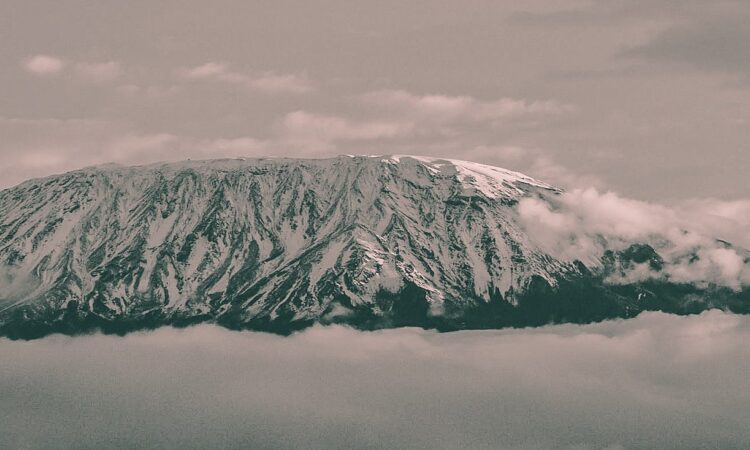
Rongai Route
Rainy season climbers
Quiet, drier northern slopes
The Rongai Route is the only route approaching Kilimanjaro from the north, near the Kenyan border. It is quieter than southern routes and often drier, making it a good choice during the rainy seasons. Its gentle gradient suits less experienced trekkers, and climbers pass Mawenzi Tarn, one of the most beautiful camps on the mountain.
Rongai Route →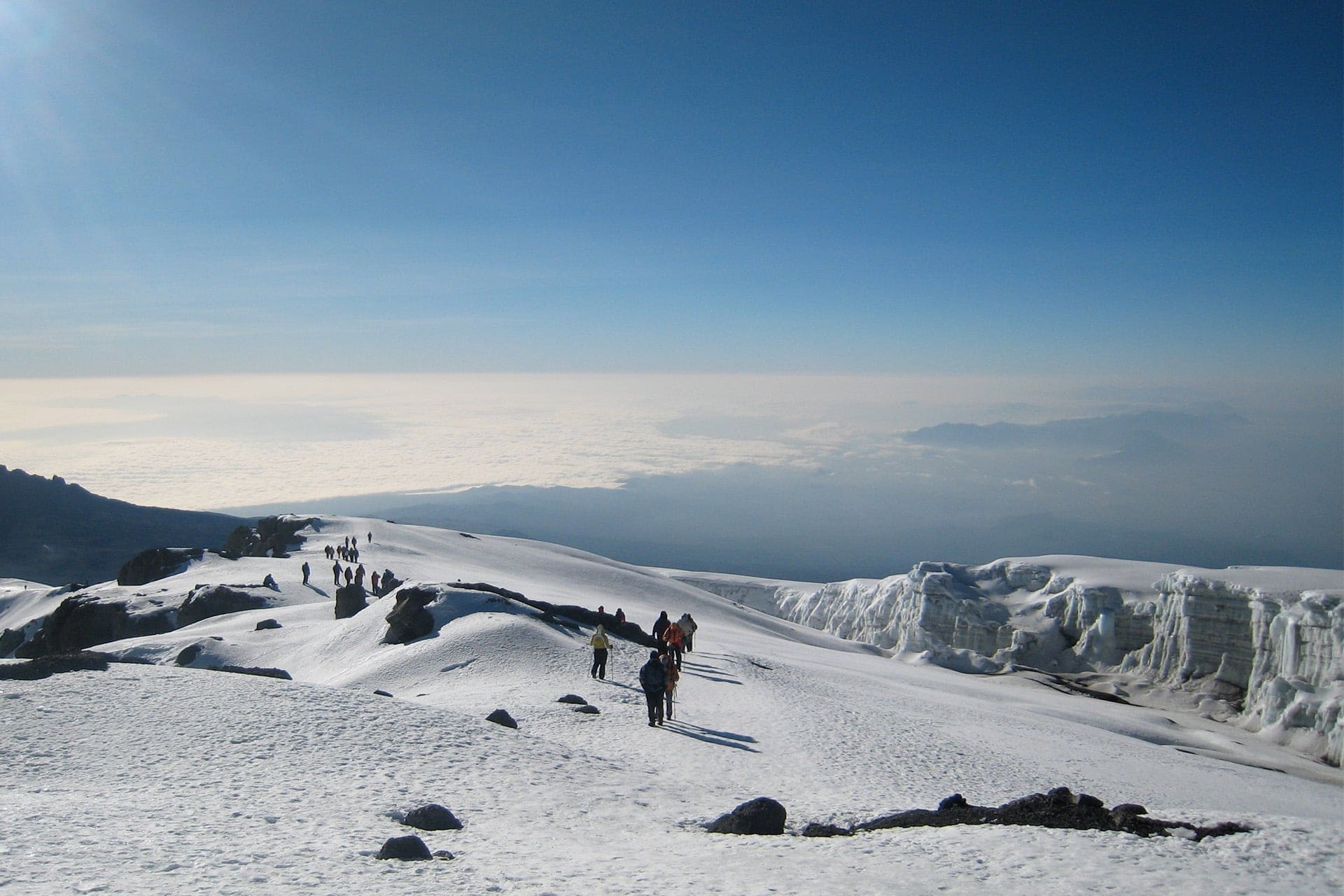
Northern Circuit Route
Climbers wanting the best odds
Highest success and fewest crowds
The Northern Circuit is Kilimanjaro's longest and newest route, starting in the west, crossing the Shira Plateau and circling the quiet northern slopes before summiting from the east. Over eight or nine days, it offers the best acclimatisation, one of the highest success rates and the fewest crowds on the mountain, with 360-degree views. Solitude awaits.
Northern Circuit compared →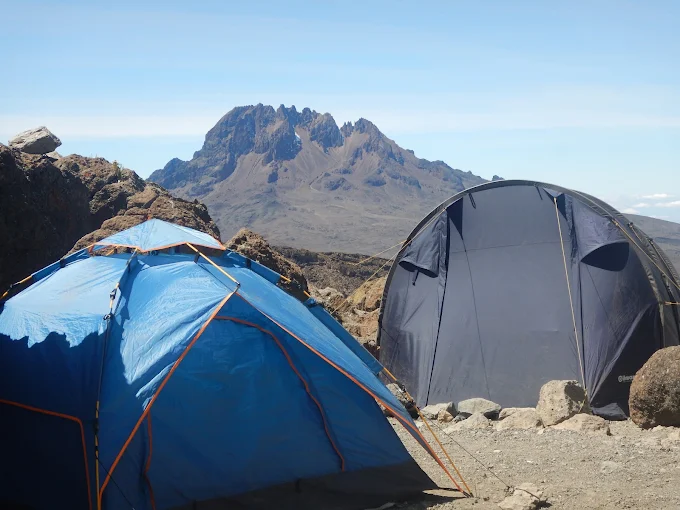
Umbwe Route
Experienced high-altitude hikers
Steep, direct and challenging
The Umbwe Route is Kilimanjaro's steepest and most direct route, climbing steeply through dense rainforest before joining the southern circuit near Barranco. It is quiet and dramatic but offers less time to acclimatise, so it is best suited to experienced hikers with previous high-altitude experience who are comfortable with steep, demanding terrain. It is thrilling.
Umbwe Route →03What Affects the Cost of Climbing Kilimanjaro
Kilimanjaro climb prices can vary widely between operators and itineraries, so it is important to understand what you are paying for. A large part of every climb cost goes to Kilimanjaro National Park fees, which are charged per day, while the rest covers your guides, crew, food, equipment, transport and safety support. Cheaper climbs often cut corners on crew welfare or safety. The six cards below explain what affects the cost of climbing Kilimanjaro, from park fees and route length to crew, equipment, extras and travel costs, so you can compare quotes with confidence. Value matters more than price.
Park fees per day
Kilimanjaro National Park fees make up a significant part of every climb cost. They include conservation fees, camping or hut fees, rescue fees and taxes, all charged per person per day. This is why longer routes cost more than shorter ones. Always check that all park fees are clearly included in your climb quote. They are unavoidable.
Route and number of days
The number of days on the mountain is the biggest factor in price. A six-day Marangu climb usually costs less than an eight-day Lemosho or nine-day Northern Circuit climb, because of extra park fees, food and crew days. However, longer itineraries greatly improve acclimatisation and summit success, making them excellent value overall. Choose your route wisely.
Guides, crew and welfare
Every climb includes licensed guides, porters and a mountain cook. Reputable operators pay fair wages, provide proper clothing and equipment for their crew and respect porter weight limits. Ethical crew treatment costs more than the cheapest options, but it supports local communities and ensures a safe, well-supported climb for you and the team. Ethics matter.
Equipment and service level
The quality of tents, sleeping mats, dining facilities, food and safety equipment affects the price. Premium climbs may include spacious tents, private toilet tents, enhanced meals and extra support staff. Safety equipment such as pulse oximeters, first-aid kits and emergency oxygen should always be included, whatever level of service you choose. Never compromise on safety.
Transfers, hotels and extras
Many climb packages include airport transfers, transport to the trailhead and hotel nights in Moshi or Arusha before and after the climb. Optional extras may include gear rental, such as sleeping bags and trekking poles, or additional nights. Check exactly what is included, so you can compare different quotes fairly and avoid surprises. Ask questions.
Tips and travel costs
Beyond the climb price, budget for tips for your guides, cook and porters, which are customary and greatly appreciated. You will also need international flights, a Tanzania visa, vaccinations and travel insurance with high-altitude and evacuation cover. Planning for these costs in advance gives you a realistic total budget for your climb. Plan your total budget.
04Expert Tips for Kilimanjaro Summit Success
Reaching Uhuru Peak depends far more on preparation, pacing and acclimatisation than on athletic ability. Experienced guides see fit climbers struggle when they rush, and steady, well-prepared climbers succeed by following simple, proven habits. Small choices, from your route length to how much water you drink, can make a big difference on summit night. The eight cards below offer expert tips for Kilimanjaro summit success, from choosing a longer itinerary and training properly to pacing, hydration, layering, summit night preparation, mental strength and choosing an experienced, safety-focused operator for your private guided climb. Follow them closely on the mountain.
Choose seven days or more
The best way to improve your summit chances is to spend more time on the mountain. Choose an itinerary of at least seven days, ideally the eight-day Lemosho or nine-day Northern Circuit. Extra days allow gradual acclimatisation, reducing altitude sickness risk and making summit night more comfortable and achievable for most climbers. Patience always pays.
Train for several months
Start training at least three months before your climb, focusing on long hikes with a loaded daypack, stair climbing, cardio exercise and leg strength. Hike on consecutive days to build stamina for multi-day trekking. If possible, train on hills or mountains near home, and break in your hiking boots well before you travel. Consistency matters most.
Walk pole pole
Your guides will constantly remind you to walk pole pole, Swahili for slowly, slowly. Walking at a gentle, steady pace conserves energy and helps your body adjust to decreasing oxygen levels. Many fit climbers fail because they walk too fast early on. A slow, consistent pace is the secret to reaching the summit. It works.
Hydrate and eat well
Drink three to four litres of water each day, as staying hydrated helps your body cope with altitude. Eat well at every meal, even if your appetite drops higher up, because your body needs plenty of energy for long trekking days. Bring favourite snacks from home to encourage eating on the mountain. Food is fuel.
Climb high, sleep low
The most successful routes follow a climb-high, sleep-low profile, ascending to a higher point during the day and descending to sleep at a lower camp. This helps your body acclimatise more effectively. Routes such as Machame, Lemosho and the Northern Circuit use this approach, for example climbing to Lava Tower before descending to Barranco. It is proven.
Layer your clothing
Temperatures on Kilimanjaro range from warm rainforest to well below freezing at the summit, so layering is essential. Pack moisture-wicking base layers, insulating fleece, a warm down jacket, a waterproof shell, gloves, a warm hat and thermal socks. Adding or removing layers keeps you comfortable and protects you from cold and wind. Stay warm always.
Prepare for summit night
Summit night usually begins around midnight, with six to eight hours of steady climbing in the cold and dark to reach Uhuru Peak at sunrise. Rest as much as possible beforehand, keep water bottles insulated so they do not freeze, pack snacks and spare headlamp batteries, and focus on one step at a time. You can do it.
Choose an experienced operator
Choose a licensed operator with experienced guides trained in first aid and altitude sickness, twice-daily health checks, quality equipment, ethical crew treatment and clear emergency procedures. A private guided climb lets you set your own pace with personal attention throughout. Make sure your travel insurance covers trekking up to 6,000 metres and helicopter evacuation. Safety first.
05Kilimanjaro Trekking Checklist
A clear trekking checklist helps you prepare for Kilimanjaro step by step, from choosing your route and booking your climb to training, packing and preparing for summit night. It ensures nothing important is forgotten and gives you confidence as your climb approaches. Working through each section early also leaves plenty of time to train and gather the right equipment. Use this checklist to prepare for your Kilimanjaro trek, then contact our team, who will plan a private guided climb with experienced mountain guides, quality equipment, daily health checks and full support from start to finish. Preparation builds confidence.
Plan and book0/4
Prepare0/4
On the mountain0/4
06Kilimanjaro Trekking Guide: FAQs
How hard is it to climb Mount Kilimanjaro?
Climbing Kilimanjaro is challenging but achievable for most fit, well-prepared people. No technical skills are needed, but high altitude, cold temperatures and a long summit night make it demanding. Choosing a longer route, training for several months, walking slowly and following your guide's advice greatly improve your chances of reaching Uhuru Peak safely. Prepare well.
How long does it take to climb Kilimanjaro?
Most Kilimanjaro climbs take five to nine days on the mountain, depending on the route. We recommend at least seven days for good acclimatisation, such as the seven-day Machame, eight-day Lemosho or nine-day Northern Circuit. Add arrival and rest days in Moshi or Arusha before and after your climb for a comfortable trip. Patience pays.
What is the best route to climb Kilimanjaro?
The best route depends on your time, fitness and preferences. Lemosho is often considered the best overall, with superb scenery and excellent acclimatisation. Machame is the most popular, the Northern Circuit offers the highest success rates and fewest crowds, Marangu is the only hut route and Rongai suits the rainy season. Choose what suits you.
How much does it cost to climb Kilimanjaro?
The cost of climbing Kilimanjaro depends mainly on the route and number of days, since park fees are charged per day, plus your level of service, equipment and crew. Budget separately for tips, flights, visa and insurance. See our Kilimanjaro price list for current rates and a clear breakdown of inclusions for each route. Ask us anytime.
When is the best time to climb Kilimanjaro?
The best times to climb Kilimanjaro are the dry seasons, from late June to October and from January to early March, when skies are clearer and trails are drier. The long rains in April and May and the short rains in November make trails muddy, though climbs are still possible with good equipment and preparation.
Do I need a guide to climb Kilimanjaro?
Yes, Kilimanjaro National Park requires all climbers to be accompanied by a licensed guide, so independent climbing is not permitted. Your guide manages your pace, monitors your health, leads the crew and keeps you safe and motivated, especially on summit night. A private guided climb gives you full personal attention throughout the trek. Guides are essential.
What is the success rate for climbing Kilimanjaro?
Kilimanjaro summit success rates vary widely by route and itinerary length. Longer climbs of seven to nine days have much higher success rates than five or six-day climbs, because of better acclimatisation. Choosing an experienced operator, walking slowly, staying hydrated and following your guide's advice also greatly improve your chances of reaching the summit. Time matters.
What is altitude sickness and how can I avoid it?
Altitude sickness occurs when your body struggles to adjust to lower oxygen levels at high altitude, causing headaches, nausea, dizziness and fatigue. Reduce the risk by choosing a longer itinerary, walking slowly, drinking plenty of water and eating well. Tell your guide immediately if you feel unwell, and discuss preventive medication with your doctor. Prevention works.
How fit do I need to be to climb Kilimanjaro?
You do not need to be an athlete, but good fitness makes the climb safer and more enjoyable. Aim to comfortably hike for six to eight hours with a daypack on consecutive days. Train for at least three months, combining long hikes, stair climbing, cardio and strength exercises to build stamina for the trek. Start early.
What is summit night like on Kilimanjaro?
Summit night usually starts around midnight, with six to eight hours of slow, steady climbing in the cold and dark to reach Uhuru Peak around sunrise. Temperatures can drop well below freezing, so warm layers are essential. After celebrating at the summit, you descend to a lower camp to rest before continuing down. It is unforgettable.
Where do you sleep on Kilimanjaro?
On most Kilimanjaro routes, you sleep in mountain tents at designated campsites, with your crew setting up sleeping tents, a dining tent and toilet facilities. The Marangu Route is the only route with dormitory huts. Premium private climbs can include spacious tents, comfortable sleeping mats and a private toilet tent for extra comfort. Camps are comfortable.
What should I pack for Kilimanjaro?
Pack moisture-wicking base layers, fleece, a warm down jacket, waterproof jacket and trousers, a warm sleeping bag, broken-in hiking boots, gloves, a warm hat, a headlamp, sunglasses, sunscreen, trekking poles and water bottles. Keep your duffel within the porter weight limit and carry daily essentials in your daypack on the trail. Pack light and warm.
Can I combine Kilimanjaro with a safari?
Yes, combining a Kilimanjaro climb with a safari is very popular. After descending, rest for a night in Moshi or Arusha, then enjoy a safari in Tarangire, the Ngorongoro Crater and the Serengeti. Many climbers also add a relaxing Zanzibar beach stay. Our team can plan the climb, safari and beach as one seamless trip.
Why climb Kilimanjaro with Foot Slopes Tours and Safaris?
Foot Slopes Tours and Safaris organises private guided Kilimanjaro climbs on all main routes, with experienced, licensed mountain guides, a dedicated and ethically treated crew, quality equipment and twice-daily health checks. We help you choose the right route, prepare properly and enjoy full support before and after the climb, including safari extensions. Contact us today.
Kilimanjaro Planning Guides
Climb Kilimanjaro with Foot Slopes
Plan Your Kilimanjaro Trek with Our Expert Team
Tell us your dates, fitness and preferred route, and our team will plan a private guided Kilimanjaro climb with experienced mountain guides, a dedicated crew, quality equipment and daily health checks, plus optional safari or Zanzibar extensions.
Book Now Online →What Our Travelers Say
Real 5-star reviews from guests who traveled with us