Machame vs Lemosho vs Marangu
Machame vs Lemosho vs Marangu
Climbing Mount Kilimanjaro is a dream adventure for travelers seeking the best Tanzania trekking experience. Choosing between the Machame Route, Lemosho Route, and Marangu Route is one of the most important decisions when planning a Kilimanjaro climbing tour. Each trail offers unique scenery, acclimatization profiles, success rates, comfort levels, and trekking styles. The Machame Route is famous for scenic landscapes and excellent summit success rates. The Lemosho Route is praised for wilderness, panoramic views, and gradual acclimatization. The Marangu Route is known as the “Coca-Cola Route” because of its hut accommodations and straightforward path. Understanding the differences between these top Kilimanjaro routes helps climbers choose the perfect adventure for their fitness, budget, and travel goals.
Overview of the Machame Route
The Machame Route is one of the most popular Kilimanjaro climbing routes in Tanzania, attracting trekkers from around the world. Known as the “Whiskey Route,” it offers dramatic scenery, challenging trails, and excellent acclimatization opportunities. This route usually takes six to seven days and passes through rainforest, moorland, alpine desert, and arctic summit zones. Climbers enjoy breathtaking views of Shira Plateau, Lava Tower, and Barranco Wall. The Machame Route has a high summit success rate because trekkers ascend gradually using the “climb high, sleep low” strategy. It is ideal for adventurous hikers seeking a rewarding challenge. The route combines scenic beauty, varied landscapes, and unforgettable trekking experiences on Africa’s highest mountain.
Overview of the Lemosho Route
The Lemosho Route is considered one of the best routes for climbing Kilimanjaro due to its stunning scenery, peaceful trails, and high success rates. Beginning on the western side of the mountain, the route crosses lush rainforest and the spectacular Shira Plateau before joining the Machame Route. Most Lemosho climbs take seven to eight days, allowing better acclimatization and increasing summit success. Trekkers often encounter fewer crowds during the early stages, creating a more remote wilderness experience. The route offers panoramic views, diverse ecosystems, and excellent photography opportunities. Lemosho is perfect for climbers seeking a longer, quieter, and more comfortable Kilimanjaro trekking adventure with exceptional summit success potential and memorable landscapes.
Overview of the Marangu Route
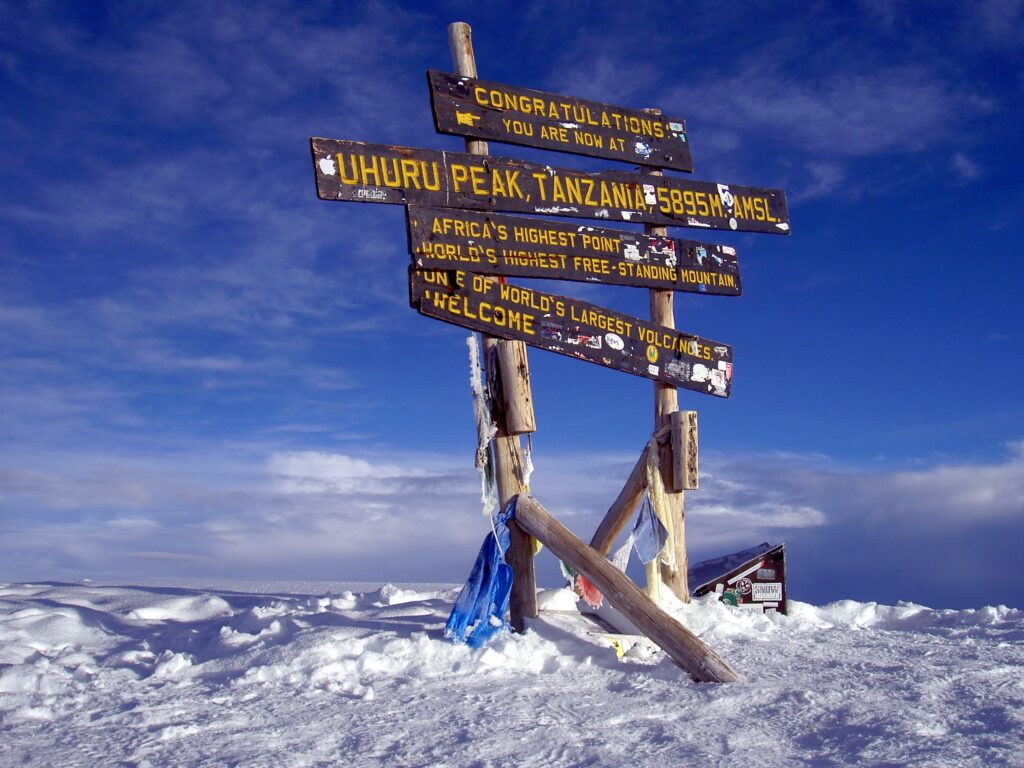
The Marangu Route is one of the oldest and most established Kilimanjaro climbing routes in Tanzania. Commonly called the “Coca-Cola Route,” it is the only route featuring mountain huts instead of camping. This makes it attractive for trekkers seeking extra comfort during their climb. The route normally takes five to six days and follows the same trail for ascent and descent. Marangu offers gradual slopes and a straightforward trekking experience, making it popular among beginners. However, shorter itineraries may reduce acclimatization time, affecting summit success rates. Climbers pass through rainforest, heath, and alpine desert landscapes before reaching Uhuru Peak. Marangu is ideal for travelers preferring hut accommodation and simpler trekking logistics.
Scenic Beauty and Landscapes
When comparing scenic beauty, the Machame and Lemosho Routes are often considered the most visually spectacular Kilimanjaro routes. Both trails showcase dramatic landscapes, including rainforest, moorlands, lava formations, glaciers, and alpine deserts. The Lemosho Route stands out for its remote wilderness feel and panoramic views from the Shira Plateau. Machame offers iconic highlights such as Barranco Wall and Lava Tower, creating unforgettable trekking moments. In contrast, the Marangu Route follows a less varied path and retraces the same trail during descent. While still beautiful, Marangu lacks some of the dramatic scenery found on other routes. Travelers seeking the best photographic opportunities and diverse landscapes usually prefer Lemosho or Machame for their Kilimanjaro adventure.
Difficulty Level and Physical Challenge
The Machame Route is often considered moderately difficult because of its steep trails, longer trekking days, and challenging sections like Barranco Wall. It suits climbers with good fitness and some hiking experience. The Lemosho Route is physically demanding too, but its longer itinerary allows gradual acclimatization, making the climb feel more manageable. Many trekkers find Lemosho easier despite the extra days on the mountain. The Marangu Route has gentler slopes and is often promoted as the easiest Kilimanjaro route. However, its shorter itinerary can make acclimatization harder, increasing the risk of altitude sickness. Choosing the right route depends on personal fitness, trekking experience, and willingness to spend additional days climbing Kilimanjaro.
Acclimatization and Summit Success Rates
Acclimatization is critical when climbing Mount Kilimanjaro because altitude sickness can affect any trekker. The Lemosho Route offers some of the best acclimatization profiles thanks to its seven- or eight-day itineraries. This gradual ascent significantly improves summit success rates. The Machame Route also provides excellent acclimatization using the “climb high, sleep low” technique, especially on seven-day climbs. Many climbers successfully reach Uhuru Peak on Machame because of its balanced trekking schedule. The Marangu Route has lower summit success rates because many itineraries last only five days, limiting acclimatization time. Trekkers aiming for the highest chance of success usually choose Lemosho or longer Machame itineraries for their Kilimanjaro expedition.
Accommodation and Camping Experience
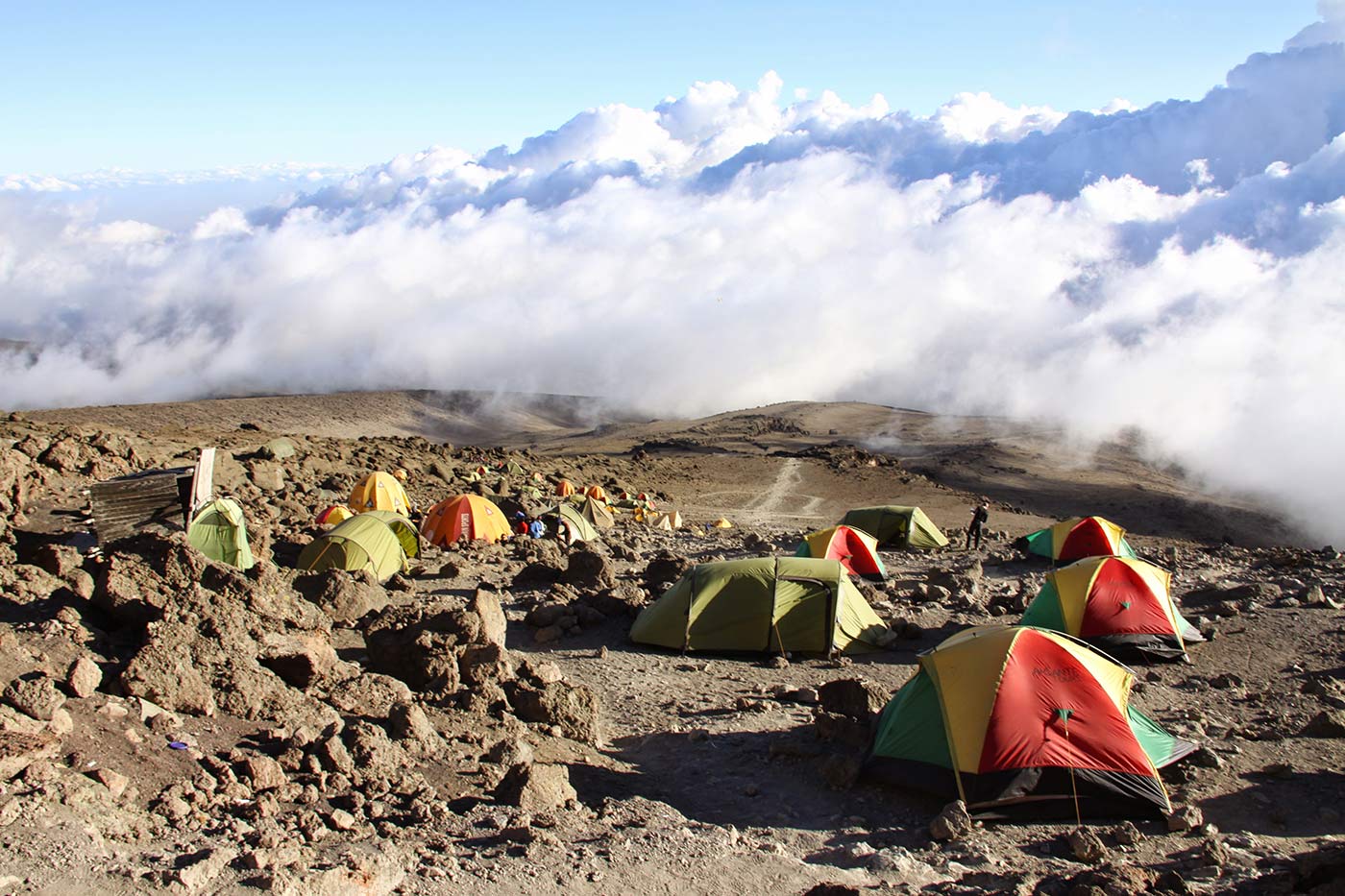
Accommodation is one of the biggest differences between the Machame, Lemosho, and Marangu Routes. The Marangu Route is the only Kilimanjaro route offering hut accommodation with dormitory-style sleeping arrangements. This appeals to climbers who prefer beds, dining shelters, and extra comfort. In contrast, the Machame and Lemosho Routes are camping routes requiring trekkers to sleep in tents. Camping creates a more immersive wilderness experience and allows climbers to enjoy spectacular mountain scenery under the stars. Professional trekking crews usually handle tent setup, meals, and equipment. While camping may feel more adventurous, some travelers prefer Marangu’s huts during rainy seasons. Choosing between huts and camping depends on comfort preferences and desired trekking experiences.
Crowd Levels and Trail Atmosphere
The Machame Route is one of the busiest Kilimanjaro climbing routes because of its excellent scenery and high summit success rates. Trekkers often encounter larger groups, especially during peak climbing seasons. Despite the crowds, the route maintains a lively and social trekking atmosphere. The Lemosho Route begins in remote wilderness areas with fewer climbers, creating a quieter and more peaceful experience during the first days. Many travelers appreciate its solitude and scenic beauty. The Marangu Route is also popular because of hut accommodations and shorter itineraries, leading to crowded huts during busy months. Climbers seeking remote trails and tranquil mountain experiences often prefer Lemosho, while social trekkers may enjoy Machame or Marangu adventures.
Best Route for Beginners
For beginners planning their first Kilimanjaro trekking adventure, choosing the right route is essential for comfort, confidence, and summit success. The Marangu Route is commonly recommended for beginners because of its hut accommodations and gradual trails. However, shorter itineraries can reduce acclimatization success. The Lemosho Route is often considered the best overall route for first-time climbers because it combines gradual ascent, scenic beauty, and higher summit success rates. Although longer and slightly more expensive, it improves the chances of reaching Uhuru Peak safely. The Machame Route is suitable for fit beginners seeking adventure and scenic trekking experiences. Ultimately, fitness preparation, proper acclimatization, and experienced guides are more important than simply choosing the easiest Kilimanjaro route.
Best Route for Experienced Trekkers
Experienced trekkers often seek challenging terrain, spectacular scenery, and rewarding summit experiences when climbing Mount Kilimanjaro. The Machame Route is highly popular among seasoned hikers because of its steeper trails, adventurous atmosphere, and varied landscapes. Climbers enjoy challenging non-technical scrambles such as the Barranco Wall and dramatic alpine scenery. The Lemosho Route also appeals to experienced trekkers who prefer longer wilderness journeys and excellent acclimatization. Its remote starting point and scenic beauty provide an unforgettable mountain adventure. Although the Marangu Route is less physically demanding, some experienced trekkers may find it less adventurous due to simpler trails and repeated paths. For thrilling trekking experiences, Machame and Lemosho are generally the preferred Kilimanjaro climbing routes.
Cost Comparison Between the Routes
The cost of climbing Kilimanjaro varies depending on the chosen route, itinerary length, accommodation style, and tour operator services. The Marangu Route is usually the most affordable option because it uses huts instead of camping logistics. Shorter itineraries also reduce overall expenses. The Machame Route is moderately priced and offers excellent value due to its scenic beauty and high summit success rates. The Lemosho Route is often the most expensive because of its longer duration, remote starting point, and additional camping support. However, many climbers consider the higher price worthwhile because of improved acclimatization and wilderness experiences. Budget travelers may choose Marangu, while those prioritizing success rates and scenery often invest in Lemosho or Machame climbs.
- Accommodation
- Meals
- Park fees
- Vehicle & guide
- Transfers
- International flights
- Visas
- Travel insurance
- Tips
- Premium drinks
Best Time to Climb Each Route
The best time to climb Kilimanjaro on the Machame, Lemosho, or Marangu Routes is during Tanzania’s dry seasons. The most popular months are January to March and June to October, when weather conditions are clearer, and trekking trails are less muddy. The Machame and Lemosho Routes are especially beautiful during dry months because climbers enjoy panoramic mountain views and stunning sunsets. The Marangu Route can still attract trekkers during wetter periods because hut accommodations provide extra shelter from rain. However, rainy seasons may reduce visibility and make trails slippery. Climbers seeking comfortable temperatures, safer trekking conditions, and the best summit experiences should plan Kilimanjaro expeditions during the main dry-season climbing months.
Wildlife and Nature Experiences
Climbing Mount Kilimanjaro is not only about reaching Uhuru Peak; it is also an incredible nature experience. The Lemosho Route is especially famous for wildlife sightings during the early rainforest stages. Trekkers may encounter colobus monkeys, blue monkeys, and colorful bird species. The Machame Route also passes through lush rainforest ecosystems filled with tropical vegetation and unique mountain flora. The Marangu Route features beautiful forest landscapes as well, though wildlife encounters are generally less frequent because of heavier traffic. As climbers ascend, ecosystems transform dramatically from rainforest to alpine desert and icy summit glaciers. Nature lovers often prefer Lemosho or Machame because they offer richer biodiversity, remote wilderness settings, and exceptional scenic variety.
Choosing the Right Route for Your Travel Style
Choosing the right Kilimanjaro route depends on your travel goals, fitness level, comfort preferences, and budget. The Machame Route is ideal for adventurous travelers seeking dramatic scenery, challenging trekking, and excellent summit success rates. The Lemosho Route is perfect for climbers wanting remote wilderness experiences, gradual acclimatization, and higher chances of reaching Uhuru Peak. The Marangu Route suits trekkers preferring hut accommodation, simpler trails, and shorter itineraries. Budget travelers may favor Marangu, while photographers and nature enthusiasts often choose Lemosho or Machame. Every Kilimanjaro route offers unforgettable experiences, breathtaking landscapes, and the thrill of conquering Africa’s highest mountain. Selecting the best route ensures a safer, more enjoyable, and rewarding Kilimanjaro climbing adventure.
Final Thought
The Machame, Lemosho, and Marangu Routes each provide unique ways to experience the magic of Mount Kilimanjaro. Machame is known for adventure, scenery, and strong acclimatization profiles. Lemosho offers wilderness, panoramic beauty, and some of the highest summit success rates on Kilimanjaro. Marangu remains popular for its hut accommodations, affordability, and beginner-friendly trekking style. The best route depends on your personal goals, travel budget, fitness level, and desired mountain experience. Regardless of the route you choose, climbing Kilimanjaro is a life-changing journey filled with breathtaking landscapes, cultural encounters, and unforgettable memories. With proper preparation, experienced guides, and determination, reaching Uhuru Peak becomes one of Africa’s greatest travel achievements.
Machame vs Lemosho vs Marangu: FAQs
What is the most beautiful route on Kilimanjaro?
The Lemosho Route is widely considered the most beautiful route on Mount Kilimanjaro because of its diverse scenery, remote wilderness, and panoramic mountain views. Climbers pass through lush rainforest, the Shira Plateau, alpine desert, and dramatic glacial landscapes before reaching Uhuru Peak. The route offers excellent sunrise and sunset photography opportunities and fewer crowds during the early days. Many trekkers love the peaceful atmosphere and gradual ascent.
How hard is the Machame route to Kilimanjaro?
The Machame Route is considered moderately difficult and is recommended for climbers with good fitness levels and determination. Known as the “Whiskey Route,” it includes steep trails, long trekking days, and challenging sections such as the Barranco Wall. However, it also provides excellent acclimatization opportunities because climbers ascend gradually. Most Machame treks take six or seven days, improving summit success rates compared to shorter routes.
Which Kilimanjaro route has the best success rate?
The Lemosho Route has one of the highest summit success rates on Mount Kilimanjaro because of its longer itinerary and gradual acclimatization profile. Seven- and eight-day Lemosho climbs allow trekkers more time to adjust to altitude, significantly reducing the risk of altitude sickness. Success rates often exceed 90% on properly guided eight-day itineraries. The Northern Circuit Route also has very high success rates due to its extended acclimatization schedule.
What is the most difficult route on Kilimanjaro?
The Umbwe Route is widely regarded as the most difficult route on Kilimanjaro because of its steep ascent, rapid altitude gain, and limited acclimatization time. This challenging trail is recommended only for experienced trekkers with strong fitness and previous high-altitude hiking experience. The route climbs quickly through rainforest and alpine terrain, making altitude sickness more likely. Unlike Lemosho or Machame, Umbwe offers fewer opportunities for gradual acclimatization.
What is the success rate of the Lemosho route?
The Lemosho Route has one of the best summit success rates among all Kilimanjaro climbing routes. Seven-day Lemosho climbs often achieve success rates around 85% to 90%, while eight-day itineraries may exceed 90%. The route’s gradual ascent allows climbers to acclimatize properly, reducing the risk of altitude sickness. Trekkers also benefit from extra rest and adjustment days before summit night. Professional guides, quality equipment, hydration, and physical preparation further improve success rates.
How long is the Lemosho route?
The Lemosho Route is typically completed in seven or eight days, although some itineraries extend to nine days for even better acclimatization. The route covers approximately 70 kilometers, or 42 miles, depending on the chosen itinerary and descent path. Beginning on Kilimanjaro’s western side, climbers gradually cross rainforest, the Shira Plateau, alpine desert, and glacial summit zones before reaching Uhuru Peak.
What is the success rate of Machame 7 day?
The seven-day Machame Route has a strong summit success rate, often ranging between 80% and 90% depending on climber fitness, weather conditions, and guide experience. Adding an extra acclimatization day greatly improves success compared to the six-day Machame itinerary. The route follows the “climb high, sleep low” principle, helping trekkers adjust gradually to altitude. Many climbers prefer the seven-day version because it reduces exhaustion and altitude sickness risks before summit night.
How many climbers died in Kilimanjaro?
Deaths on Mount Kilimanjaro are relatively rare compared to the thousands of climbers attempting the mountain every year. Estimates suggest between three and ten people may die annually, though numbers vary by season and reporting sources. Most fatalities are linked to altitude sickness, underlying medical conditions, or inadequate acclimatization rather than technical climbing accidents. Kilimanjaro is considered a non-technical mountain, meaning climbers do not usually need ropes or advanced mountaineering skills.
Which is the easiest route up Kilimanjaro?
The Marangu Route is often considered the easiest route up Kilimanjaro because of its gradual slopes, comfortable hut accommodations, and straightforward trekking trail. Commonly called the “Coca-Cola Route,” it is popular among beginners and travelers seeking extra comfort. However, its shorter five-day itinerary can reduce acclimatization time, increasing altitude sickness risk. Many experienced guides recommend the longer six-day Marangu itinerary for better summit success.
What is the Machame route in 6 days?
The six-day Machame Route is a popular Kilimanjaro trekking itinerary designed for climbers seeking a shorter adventure with excellent scenery. The route begins through lush rainforest before crossing moorlands, Lava Tower, Barranco Wall, and alpine desert landscapes. Climbers usually summit Uhuru Peak on the fifth night before descending to Mweka Gate. Although beautiful and adventurous, the six-day itinerary offers less acclimatization time compared to the seven-day Machame Route.
What I wish I knew before hiking Kilimanjaro?
Many climbers wish they understood how important acclimatization, pacing, and mental preparation are before climbing Mount Kilimanjaro. Altitude affects everyone differently, regardless of fitness level. Drinking plenty of water, hiking slowly, and choosing a longer route can dramatically improve summit success. Proper gear is also essential, especially warm clothing for summit night temperatures far below freezing. Many trekkers underestimate how cold and exhausting the final ascent can feel.
What is harder, Everest or Kilimanjaro?
Mount Everest is far harder and more dangerous than Mount Kilimanjaro. Kilimanjaro is a non-technical trekking mountain, while Everest requires advanced mountaineering skills, ropes, ice climbing experience, and extreme altitude endurance. Everest climbers face severe weather, avalanches, crevasses, and the dangerous “death zone” above 8,000 meters. Kilimanjaro mainly challenges trekkers with altitude and endurance rather than technical climbing. Most healthy and well-prepared beginners can summit Kilimanjaro with experienced guides.
What is the most beautiful route up Kilimanjaro?
The Lemosho Route is frequently described as the most beautiful route up Kilimanjaro because it combines remote wilderness, varied landscapes, and panoramic mountain views. Trekkers experience dense rainforest, giant heather zones, the spectacular Shira Plateau, and dramatic alpine scenery before reaching Uhuru Peak. Wildlife sightings, peaceful trails, and excellent sunset photography opportunities make the route especially memorable. The Machame Route is also extremely scenic, featuring Barranco Wall and Lava Tower.
Can a beginner summit Kilimanjaro?
Yes, beginners can successfully summit Mount Kilimanjaro with proper preparation, fitness training, and experienced guides. Kilimanjaro is a trekking mountain rather than a technical climb, meaning ropes and advanced climbing skills are generally unnecessary. Many first-time hikers reach Uhuru Peak every year by choosing routes with good acclimatization profiles, such as Lemosho or Machame. Physical preparation should include hiking, cardio training, and endurance exercises before the trip.
Which is harder, Kilimanjaro or Mont Blanc?
Mont Blanc is technically harder than Mount Kilimanjaro because it requires mountaineering skills, glacier travel, crampons, and ice axe experience. Kilimanjaro is mainly a high-altitude trek without technical climbing sections. However, Kilimanjaro’s extreme altitude can still make it physically exhausting for many trekkers. Mont Blanc climbers face crevasses, snow slopes, rockfall risks, and rapidly changing alpine weather.
Is 50 too old to climb Kilimanjaro?
Fifty is absolutely not too old to climb Mount Kilimanjaro. Many climbers in their fifties, sixties, and even seventies successfully reach Uhuru Peak every year. Age is often less important than physical fitness, mental determination, and proper acclimatization. Older trekkers frequently perform well because they pace themselves carefully and listen to their bodies. Choosing a longer route such as Lemosho or the Northern Circuit can improve acclimatization and reduce physical stress.
Do you need oxygen for Kilimanjaro?
Most climbers do not need supplemental oxygen to climb Mount Kilimanjaro because the mountain is considered a trekking peak rather than an extreme-altitude expedition. However, the high elevation can still cause altitude sickness, especially on shorter routes. Professional guides often carry emergency oxygen for safety purposes, but it is rarely used unless someone develops severe altitude-related symptoms.
How many people fail Kilimanjaro?
A significant number of trekkers fail to reach Uhuru Peak on Mount Kilimanjaro, mainly because of altitude sickness and poor acclimatization. Overall success rates vary between 50% and 90% depending on the route and itinerary length. Shorter routes like the five-day Marangu Route often have lower success rates, while longer routes such as Lemosho and the Northern Circuit perform much better.
Which Kilimanjaro route has the highest success rate?
The Northern Circuit Route has the highest summit success rate on Mount Kilimanjaro because of its long itinerary and exceptional acclimatization profile. Many climbs last eight or nine days, allowing trekkers to adapt gradually to altitude before summit night. Success rates often exceed 95% with professional guiding companies. The Lemosho Route also has excellent success rates, especially on eight-day itineraries.
What is the fatality rate of Kilimanjaro?
The fatality rate on Mount Kilimanjaro is considered low compared to many major mountains around the world. Thousands of people successfully climb Kilimanjaro annually, while only a small number of deaths occur each year. Most fatalities are related to severe altitude sickness, heart problems, or inadequate acclimatization rather than technical accidents. Kilimanjaro is a non-technical trek, making it safer than mountains requiring ropes and ice climbing.
How fit do you need to be to climb Kilimanjaro?
Climbing Mount Kilimanjaro requires good cardiovascular fitness, endurance, and mental determination, but you do not need to be an elite athlete. Trekkers should comfortably handle several hours of hiking daily over uneven terrain while carrying a small backpack. Training usually includes hiking, walking, cardio exercises, stair climbing, and leg-strength workouts. Altitude often feels more challenging than the physical terrain itself, making acclimatization extremely important.
How difficult is the Lemosho route?
The Lemosho Route is considered moderately difficult but is often easier than expected because of its gradual acclimatization profile. Although the trek involves long hiking days and high altitude, the seven- or eight-day itinerary allows climbers to adapt slowly. This significantly improves summit success rates compared to shorter routes. The trail includes steep sections, especially during summit night, but no technical climbing skills are required.
Which of the 7 summits is the easiest?
Among the Seven Summits, Mount Kilimanjaro is often considered the easiest because it is a non-technical trekking mountain. Climbers generally do not need ropes, ice axes, or advanced mountaineering experience to reach Uhuru Peak. While altitude remains challenging, the mountain is accessible to beginners with proper preparation and guidance. Other Seven Summits, such as Everest, Denali, and Vinson Massif, require technical climbing skills and extreme-weather experience.
Which is harder, Machu Picchu or Kilimanjaro?
Mount Kilimanjaro is generally harder than Machu Picchu because of its extreme altitude and longer trekking duration. Kilimanjaro climbs usually take several days and reach 5,895 meters above sea level, where oxygen levels are significantly lower. Altitude sickness is a major challenge for many trekkers. Machu Picchu hikes, including the Inca Trail, are physically demanding but occur at lower elevations and shorter distances.
What animals are on the Lemosho route?
The Lemosho Route on Mount Kilimanjaro is famous for wildlife sightings during the early rainforest stages of the trek. Climbers may encounter black-and-white colobus monkeys, blue monkeys, bush babies, and various bird species. The rainforest is rich in tropical vegetation, giant ferns, and colorful flowers. Occasionally, trekkers may spot antelope or signs of larger wildlife near the mountain forests.
What is the success rate of the 7 day Lemosho route?
The seven-day Lemosho Route has an excellent summit success rate, usually ranging between 85% and 90% depending on guide quality, weather conditions, and climber preparation. The route’s gradual ascent allows trekkers more time to acclimatize compared to shorter itineraries, reducing altitude sickness risks. Many experienced operators recommend the eight-day version for even better success rates, often above 90%. Climbers benefit from the “climb high, sleep low” acclimatization strategy used throughout the route.
Can a beginner do Kilimanjaro?
Yes, beginners can absolutely climb Mount Kilimanjaro if they prepare properly and choose suitable routes. Kilimanjaro is a trekking mountain, meaning no technical climbing skills are required. Many first-time hikers successfully reach Uhuru Peak each year. Beginners should train before the climb with hiking, walking, and cardio exercises to improve endurance. Choosing longer routes such as Lemosho or Machame improves acclimatization and increases summit success.
How much does it cost to climb Lemosho 8 days?
The cost of climbing the eight-day Lemosho Route varies depending on the trekking company, group size, accommodation quality, and included services. Most Kilimanjaro tour operators charge between $2,500 and $5,000 per person for a standard guided climb. Luxury packages with premium hotels, private climbs, and upgraded equipment can cost more. Prices generally include park fees, camping equipment, guides, porters, meals, and transfers.
Which is harder, Kilimanjaro or Everest?
Mount Everest is dramatically harder and more dangerous than Mount Kilimanjaro. Kilimanjaro is a non-technical trekking peak accessible to beginners with training and proper acclimatization. Everest requires advanced mountaineering skills, glacier travel, ropes, ice climbing experience, and survival at extreme altitude. Climbers on Everest face avalanches, crevasses, severe weather, and the deadly “death zone” above 8,000 meters. Kilimanjaro mainly challenges trekkers through altitude and endurance rather than technical climbing.
What is the cause of death in Kilimanjaro?
The most common cause of death on Mount Kilimanjaro is severe altitude sickness, especially when climbers ascend too quickly without proper acclimatization. Conditions such as High Altitude Pulmonary Edema and High Altitude Cerebral Edema can become life-threatening if symptoms are ignored. Other causes may include heart problems, exhaustion, dehydration, hypothermia, or pre-existing medical conditions worsened by high altitude.
Climb Kilimanjaro With Confidence
Tell us your dates and fitness, and our experienced mountain team will plan a safe, well-acclimatized private climb.