
Umbwe Route
The Umbwe Route is the steepest and most direct way to climb Mount Kilimanjaro, rising from Umbwe Gate through dense rainforest along narrow ridges before joining the Southern Circuit at Barranco Camp. It is quiet, dramatic and demanding, so it suits fit, experienced hikers who want solitude and a real challenge. Most climbers take six or seven days, and we recommend seven for better acclimatization and summit success. Foot Slopes Tours and Safaris organizes private Umbwe Route climbs with licensed guides, porters, a cook, park fees, quality camping equipment and daily health checks.
Plan Your Umbwe Route Climb
Trip Length
Comfort Level
Trip Style
Operator Rating
Filter by Route
Other Tour Features

Umbwe Route
Climb Kilimanjaro's steepest and quietest route to Uhuru Peak (5,895 m) on a private, fully supported Umbwe Route trek with licensed local guides, porters and daily health checks.
Umbwe Route and Kilimanjaro Climbing Packages
Private 6- and 7-day Umbwe climbs, plus other popular Kilimanjaro routes to compare.
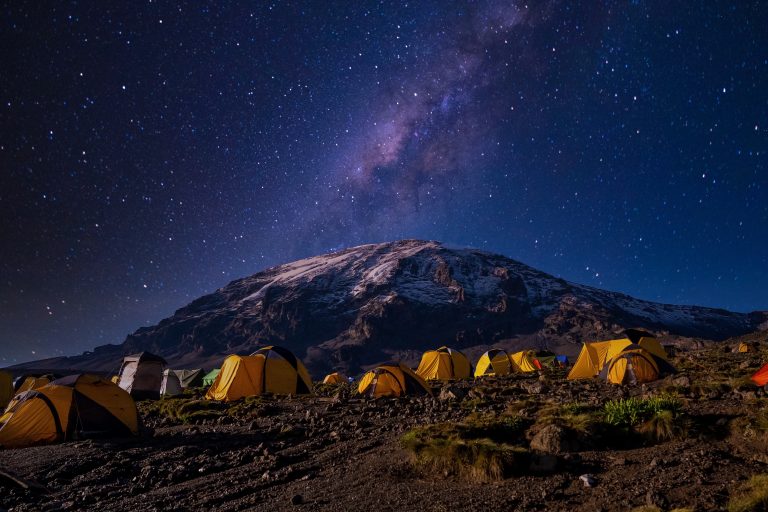
7-Day Umbwe Route
"Climb Kilimanjaro via the 7-Day Umbwe Route – steep, scenic, and less crowded. Perfect for adventurous hikers seeking…
View Package →6-Day Umbwe Route
Climb Kilimanjaro via the 6-Day Umbwe Route, the most challenging and scenic path to Uhuru Peak. Fast ascent,…
View Package →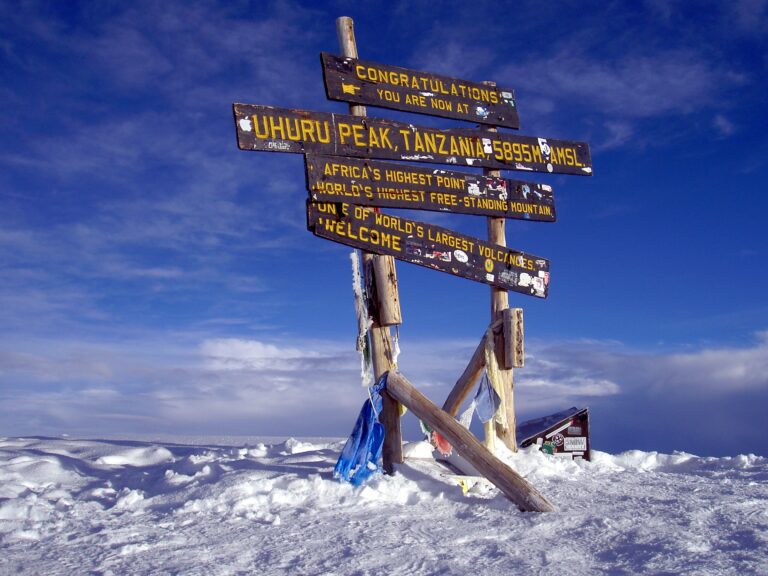
7-Day Machame Route
The 7-Days Machame Route Kilimanjaro 95% Summit Success Rates, also known as the Whisky Route is one of…
View Package →6-Day Machame Route
Climb Mount Kilimanjaro via the 6-Day Machame Route—scenic trails, high success rates, expert guides, and unforgettable summit views.…
View Package →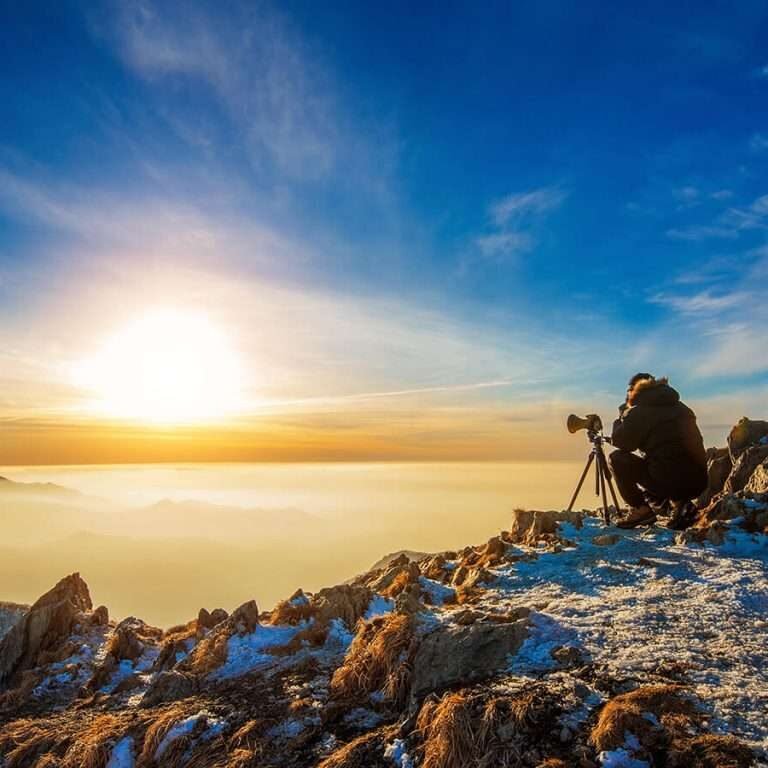
7-Day Lemosho Route: The Most Beautiful Route on Mount Kilimanjaro
7-Day Lemosho Route – Complete Kilimanjaro itinerary, dates, prices & expert tips for a safe, unforgettable climb.
View Package →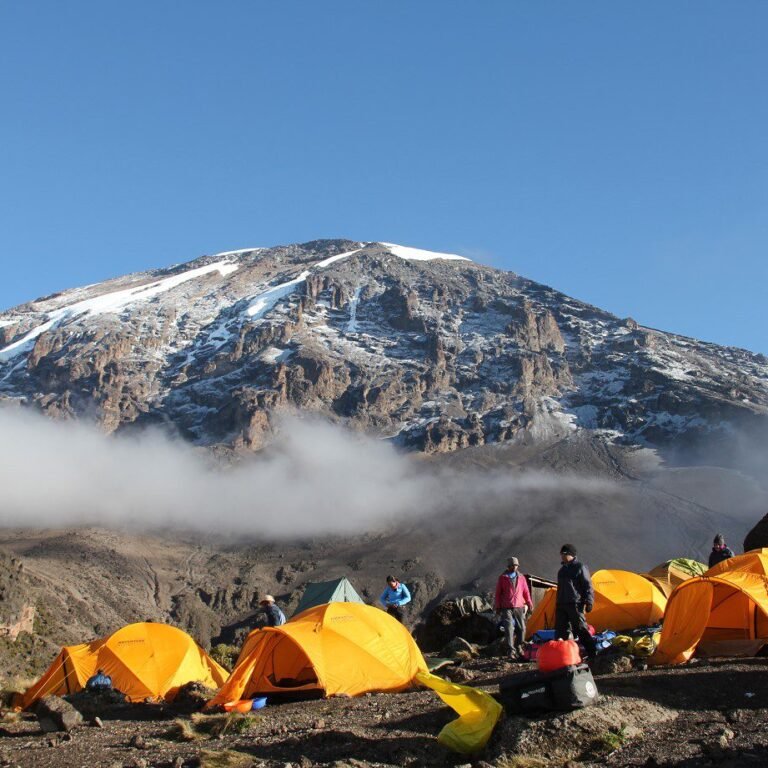
6-Day Lemosho Route
Climb Mount Kilimanjaro via the 6-Day Lemosho Route—scenic trails, high summit success rates, expert guides, and unforgettable Tanzania…
View Package →7-Day Rongai Route
The 7-Days Rongai Route Itinerary, Prices & Dates is one of the easier routes up Kilimanjaro. Rongai is…
View Package →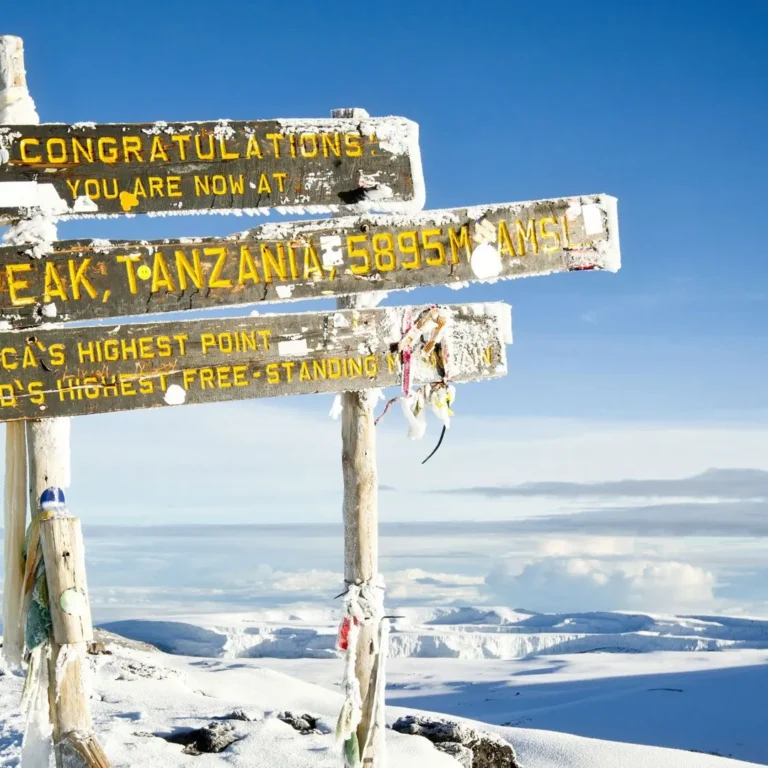
6-Day Marangu Route
Plan your Kilimanjaro climb with our Marangu Route 6-day itinerary, detailed prices, departure dates, success rates, and expert…
View Package →Why Climb the Umbwe Route with Us
Umbwe Route Specialists
Our Tanzania-based team plans every Umbwe climb directly, advising honestly on fitness, the 6- or 7-day option and the best dates for this steep, quiet route.
Safety First on a Steep Route
Guides carry first-aid kits and emergency oxygen, monitor oxygen levels and pulse twice daily, and adjust the pace or descend early whenever your health requires it.
Smart Acclimatization
We recommend the 7-day Umbwe itinerary with an extra acclimatization day around Barranco, following the climb-high, sleep-low principle to improve comfort and summit chances.
Private, Tailor-Made Climbs
Every climb is private: your own guide team, flexible pace and optional extra days, plus hotel nights in Moshi or Arusha and a safari or Zanzibar extension.
Ethical Crew Treatment
Porters receive fair wages, proper meals, suitable clothing and sensible load limits, because a well-supported crew makes every Umbwe expedition safer and happier.
Quality Gear and Meals
Four-season tents, sleeping mats, a mess tent with table and chairs, and freshly cooked, energy-rich meals keep you strong on the steep ascent.
Best Time to Climb the Umbwe Route
Mount Kilimanjaro can be climbed year-round, but the dry seasons from January to March and June to October offer the clearest skies, driest trails, and the highest summit success rates.
January
Dry season- One of the two best months to climb, with stable weather, clear summit views, and minimal rainfall on most routes.
- Warmer days at lower camps make this a comfortable start to the trek before colder conditions higher up.
February
Dry season- Weather remains stable and dry, continuing the excellent climbing conditions from January.
- Slightly quieter trails than the July-September peak season make for a more relaxed climbing experience.
March
Rainy season- The long rains begin, bringing wetter trails, lower visibility, and reduced summit success rates.
- Fewer climbers on the mountain, plus lower prices, appeal to experienced trekkers comfortable with rain gear.
April
Rainy season- The heaviest rains of the year fall now, making this generally the least recommended month to attempt a summit.
- Operators often offer their lowest prices of the year, though muddy trails and low cloud cover reduce the experience.
May
Rainy season- Rains continue through most of the month before beginning to taper off toward the end.
- Trails remain slippery and cold at altitude, so this is still considered an off-season month for climbing.
June
Shoulder season- Rains clear and trails begin drying out, marking the start of the main dry climbing season.
- Nights grow noticeably colder at high camps, so proper cold-weather gear becomes essential.
July
Dry season- Peak climbing season begins, with dry trails, clear skies, and consistently good summit conditions.
- School holidays in Europe and North America bring more climbers, so book huts and permits well in advance.
August
Dry season- One of the busiest and most reliable months, with cold but clear summit nights and minimal precipitation.
- Popular routes like Machame and Marangu see their highest crowd levels of the year.
September
Dry season- Dry season conditions continue with excellent visibility and high summit success rates.
- Slightly cooler than July and August at lower elevations, but summit night remains equally cold.
October
Shoulder season- The dry season winds down, with generally good weather but an increasing chance of early short rains.
- Fewer climbers than peak season make trails quieter while conditions remain largely favorable.
November
Rainy season- Short rains typically arrive, bringing afternoon showers and lower cloud cover on most routes.
- Considered a lower-demand month, appealing to climbers prioritizing quieter trails over ideal weather.
December
Shoulder season- Short rains usually ease by mid-month, leaving improving conditions heading into the new year.
- Holiday travel raises demand toward the end of the month, so early booking is recommended for huts and permits.
7-Day Umbwe Route Itinerary: Day by Day
Day 1: Umbwe Gate to Umbwe Cave Camp
After a briefing and transfer from Moshi, you register at Umbwe Gate (about 1,600 m) and hike through lush rainforest on a steep, root-lined trail along a narrow ridge. Colobus monkeys and birdlife are common. The day ends at Umbwe Cave Camp (about 2,850 m) after roughly five to seven hours of steady climbing.
Day 2: Umbwe Cave Camp to Barranco Camp
The forest thins into heather and moorland as the ridge climbs steeply, with the Western Breach towering ahead. Views widen across the Kibo massif before you descend slightly into the sheltered Barranco Valley. Barranco Camp (about 3,960 m) sits beneath the famous Barranco Wall, after around four to six hours.
Day 3: Barranco Acclimatization Day
This extra day is what makes the 7-day Umbwe Route safer. You hike up towards Lava Tower (about 4,630 m) to help your body adjust to altitude, then return to sleep lower at Barranco Camp. Afternoons are for rest, hydration and a health check with your guide.
Day 4: Barranco Camp to Karanga Camp
Early in the morning you scramble up the Barranco Wall, a non-technical climb using hands for balance, with superb views of Kibo's glaciers. The trail then crosses ridges and valleys to Karanga Camp (about 4,035 m). This short day of four to five hours supports acclimatization.
Day 5: Karanga Camp to Barafu Camp
A steady walk across alpine desert brings you to Barafu Camp (about 4,673 m), the base for the summit attempt. After lunch you rest, prepare warm layers, headlamp and water, and eat an early dinner. Your guide briefs you on the night climb and checks your oxygen levels.
Day 6: Summit Uhuru Peak and Descend to Mweka Camp
Around midnight you begin the slow climb by headlamp to Stella Point on the crater rim, then continue to Uhuru Peak (5,895 m) for sunrise over Africa. After photos you descend to Barafu for a rest and continue down to Mweka Camp (about 3,100 m), a long but unforgettable day.
Day 7: Mweka Camp to Mweka Gate
A final descent through montane rainforest brings you to Mweka Gate (about 1,640 m), where successful climbers receive their summit certificates. After saying goodbye to your crew, you transfer back to your hotel in Moshi or Arusha for a hot shower, celebration dinner and a well-earned rest.
Frequently Asked Questions About the Umbwe Route
How difficult is the Umbwe Route on Kilimanjaro?
The Umbwe Route is considered the most difficult non-technical route on Kilimanjaro because it gains altitude very quickly on steep, sometimes slippery forest ridges during the first two days. No climbing skills are required, but you need strong fitness, previous multi-day hiking experience and good mental stamina. The fast ascent gives less time to acclimatize, so choosing the 7-day version with an extra day at Barranco is strongly recommended for comfort and a better chance of reaching Uhuru Peak.
How many days does it take to climb the Umbwe Route?
The Umbwe Route usually takes six or seven days, including the descent. The 6-day itinerary is the shortest and suits very experienced, well-acclimatized hikers. The 7-day itinerary adds an acclimatization day with a hike towards Lava Tower before returning to Barranco Camp, which improves comfort and summit success. Foot Slopes Tours and Safaris can also add rest nights before or after the climb, and you can finish with a private safari or a Zanzibar beach holiday.
Who should choose the Umbwe Route?
The Umbwe Route suits fit, adventurous trekkers who have hiked at altitude before and want a quiet, direct and dramatic climb. It is less crowded than Machame in the first days and offers striking views of the Western Breach and Kibo's glaciers. First-time high-altitude hikers, families with younger teens and anyone wanting a gentler profile usually do better on Lemosho, Machame or Rongai, which we can compare with you when planning your private climb.
What is the best time to climb the Umbwe Route?
The best time to climb the Umbwe Route is during the dry seasons, from late December to early March and from June to October, when trails are drier and summit views clearer. Because Umbwe's forest section is steep and root-covered, it becomes very slippery in the rainy months of April, May and November, so we generally advise against those periods. Nights near the summit are cold year-round, so bring warm layers whatever month you choose.
What is included in a private Umbwe Route climb?
A private Umbwe Route climb with Foot Slopes Tours and Safaris typically includes park and camping fees, rescue fees, licensed mountain guides, porters and a cook, all meals and drinking water on the mountain, four-season tents, a mess tent, emergency oxygen, a first-aid kit and daily health checks. Airport transfers and agreed hotel nights are usually included. Tips, insurance, personal gear and flights are usually excluded, and your written quote confirms every detail.
Is altitude sickness a concern on the Umbwe Route?
Yes, altitude sickness is the main concern on the Umbwe Route because it climbs quickly. Walk slowly, drink plenty of water, eat well and tell your guide about headaches, nausea or dizziness. Our guides check your oxygen levels and pulse twice a day and will descend with you if symptoms worsen. Choose the 7-day itinerary for better acclimatization, and consult your doctor or a travel clinic before travel for advice suited to your health.
Plan Your Umbwe Route Climb
Tell us your fitness level, dates, and preferred route, and we will build the right Kilimanjaro itinerary around you.
Book Now Online →What Our Climbers Say
Real 5-star reviews from guests who traveled with us
Our Private African luxury Safari experience with Foot Slopes Tours and Safaris exceeded every expectation - beautifully planned, comfortable, and genuinely unforgettable.
We had an incredible private safari experience with Foot Slopes Tours and Safaris - professional guides, excellent lodges, and a truly seamless trip from start to finish.
Foot Slopes Tours and Safaris is truly one of the best local tour companies in Tanzania - professional, reliable, and genuinely invested in giving guests a great experience.
Our family chose Foot Slopes Tours and Safaris for a custom 11-day safari itinerary - the level of personal attention and care throughout was exceptional from start to finish.