All Kilimanjaro routes ranked in terms of acclimatisation
All Kilimanjaro routes ranked in terms of acclimatisation
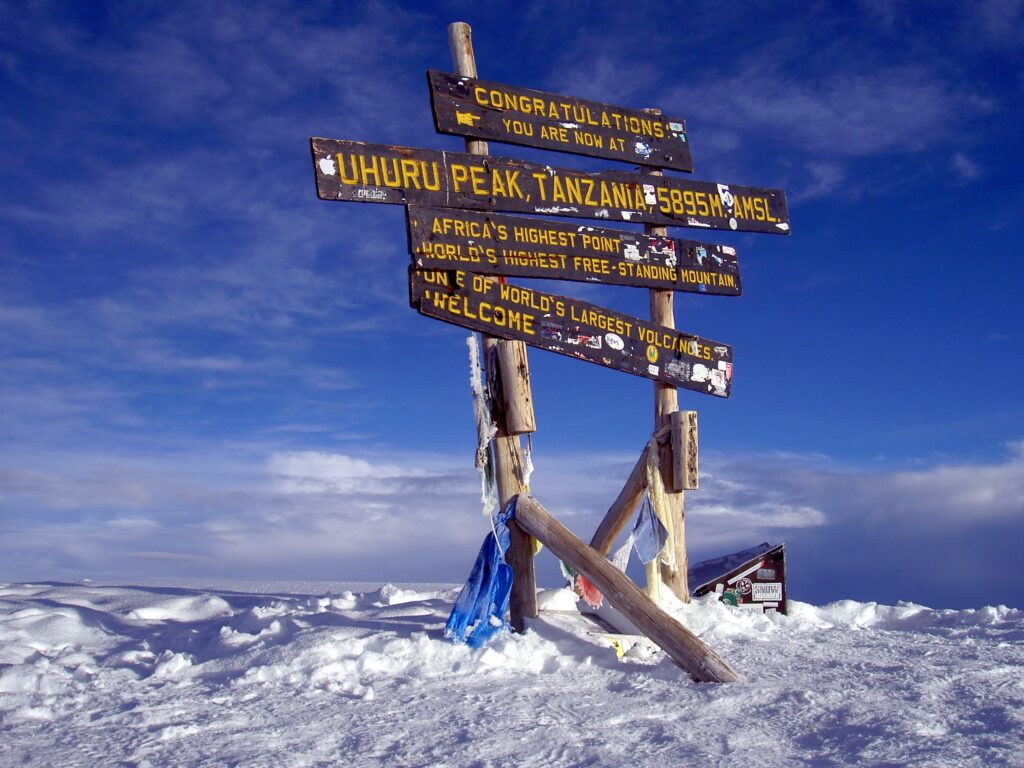
Climbing Mount Kilimanjaro is one of the world’s most sought-after adventure travel experiences, attracting trekkers searching for the best Kilimanjaro routes, summit success rates, acclimatisation strategies, and safe trekking itineraries. The biggest factor determining whether you reach Uhuru Peak is not fitness alone—but how well your body adapts to altitude. Routes with longer durations and gradual elevation gain consistently deliver higher success rates because they allow proper acclimatisation and reduce altitude sickness risk. Uhuru Peak sits at 5,895 meters, where oxygen levels are significantly lower, making route choice critical. In this optimized guide, we rank all Kilimanjaro routes based on acclimatisation quality, success rate, and trekking profile—helping you choose the safest, most effective, and best-value Kilimanjaro climb for beginners, families, honeymooners, and experienced trekkers alike.
Northern Circuit Route – Best Acclimatisation on Kilimanjaro
The Northern Circuit Route ranks #1 for acclimatisation and is widely regarded as the best Kilimanjaro route for summit success, safety, and gradual altitude gain. This 9-day itinerary is the longest route, allowing trekkers to ascend slowly while circling the mountain’s quieter northern slopes. The extended duration provides unmatched acclimatisation, significantly reducing the risk of altitude sickness and boosting summit success rates to around 90–95%. This route follows a “climb high, sleep low” pattern, giving your body time to adjust naturally. It is ideal for first-time climbers, luxury trekkers, photographers, and high-end safari travelers seeking a premium Kilimanjaro experience. With fewer crowds and panoramic 360° views, the Northern Circuit is perfect for those prioritizing success rate, safety, and comfort over speed. If your goal is to reach the summit with the highest probability, this is the ultimate choice.
Lemosho Route – Excellent Acclimatisation & Scenic Beauty
The Lemosho Route is the second-best option for acclimatisation and one of the most recommended Kilimanjaro climbing routes for beginners and luxury safari travelers. Typically completed in 7–8 days, Lemosho offers a gradual ascent profile combined with stunning scenery across rainforest, moorland, and alpine desert zones. Its success rate ranges between 85–90%, thanks to its well-designed acclimatisation schedule. This route starts on the remote western side of the mountain, allowing for a peaceful trekking experience before merging with the Machame trail. The extra days compared to shorter routes significantly improve altitude adaptation. Lemosho is perfect for honeymoon safaris, private guided climbs, and mid-range to luxury Kilimanjaro packages. It balances high success rates, breathtaking landscapes, and manageable difficulty, making it one of the most popular and best-value routes for a safe summit attempt.
Machame Route – Good Acclimatisation with Popular Appeal
The Machame Route, often called the “Whiskey Route,” is one of the most popular Kilimanjaro trekking routes and offers good acclimatisation when completed over 7 days. Known for its diverse scenery and adventurous terrain, Machame uses the effective “climb high, sleep low” strategy, which enhances altitude adaptation and boosts success rates to approximately 80–90%. However, shorter 6-day itineraries reduce acclimatisation quality and increase failure rates. This route includes challenging sections like the Barranco Wall, making it suitable for fit trekkers, adventure seekers, and budget to mid-range climbers. Despite higher traffic, Machame remains a top choice due to its strong balance of cost, scenery, and success rate. For those seeking a classic Kilimanjaro climb with solid acclimatisation and affordability, Machame delivers an excellent experience.
Rongai Route – Moderate Acclimatisation with Gentle Ascent
The Rongai Route ranks fourth in acclimatisation and is the only route approaching Kilimanjaro from the north, near Kenya. It offers a gradual ascent profile, making it a good option for trekkers seeking a quieter and less crowded climb. When completed over 7 days, Rongai achieves success rates of around 70–85%, thanks to its steady altitude gain. This route is particularly difficult during the rainy season because the northern side is drier. While it lacks the dramatic scenery of southern routes, it compensates with peaceful trails and a consistent trekking pace. Rongai is ideal for older climbers, beginners, and those prioritizing comfort over scenic variety. Its moderate acclimatisation makes it a reliable choice, though not as strong as Lemosho or Northern Circuit for maximizing summit success.
Shira Route – Moderate to Poor Acclimatisation
The Shira Route offers beautiful scenery but ranks lower for acclimatisation due to its high starting altitude, which reduces the body’s ability to adjust gradually. Although similar to Lemosho in its later stages, Shira begins at a higher elevation, increasing the risk of altitude sickness early in the trek. Success rates typically hover around 70–85%, depending on itinerary length, but acclimatisation is less effective compared to Lemosho because climbers skip the lower rainforest zone. This route is best suited for experienced trekkers with prior altitude exposure rather than beginners. While it still offers scenic beauty and fewer crowds, its acclimatisation profile makes it a less optimal choice for those prioritizing safety and summit success. Choosing a longer itinerary can improve outcomes significantly.
Marangu Route – Poor Acclimatisation Despite Comfort
The Marangu Route, known as the “Coca-Cola Route,” is one of the most popular due to its hut accommodation and lower cost, but it ranks poorly for acclimatisation. Typically completed in 5–6 days, this route has a faster ascent profile, which limits the body’s ability to adjust to altitude. As a result, success rates are lower—often between 60–75%—especially on shorter itineraries. The route follows the same path up and down, reducing opportunities for gradual acclimatisation. While it is appealing for budget travelers and those seeking comfort over camping, Marangu is not ideal for maximizing summit success. It is best suited for trekkers who prioritize simple logistics and lower prices, but it carries a higher risk of altitude-related challenges compared to longer routes.
Umbwe Route – Worst Acclimatisation, Most Challenging
The Umbwe Route ranks last in acclimatisation and is considered the most difficult Kilimanjaro route due to its steep, direct ascent and rapid altitude gain. This route offers minimal time for acclimatisation, resulting in significantly lower success rates of around 60–70%. Umbwe is extremely physically demanding and is recommended only for experienced climbers with strong altitude tolerance. While it provides a fast and direct path to the summit, the lack of gradual ascent increases the risk of altitude sickness. This route is rarely chosen by beginners or guided luxury tours due to its difficulty and lower success rate. However, for seasoned adventurers seeking a challenging, off-the-beaten-path Kilimanjaro climb, Umbwe delivers a raw and intense trekking experience.
Key Tips for Acclimatization on Mount Kilimanjaro
Proper acclimatization on Kilimanjaro requires a slow, deliberate ascent ("pole pole"), 4–5 liters of water daily, and choosing a 7-8 day itinerary to allow for "climb high, sleep low" opportunities. Key strategies include eating well to maintain energy, avoiding alcohol/sedatives, taking medication like Diamox if advised by a doctor, and allowing guides to monitor oxygen levels.
Opt for longer trips:
Choosing longer Kilimanjaro climbing itineraries significantly improves acclimatization and summit success rates. Routes lasting 7–9 days, such as Lemosho, Northern Circuit, and Machame, allow gradual altitude gain, reducing the risk of altitude sickness. Shorter routes like Marangu or Umbwe increase failure rates due to rapid ascent. For the best Kilimanjaro experience, prioritize extended trekking packages with built-in acclimatization days. This approach enhances safety, boosts endurance, and maximizes your chances of reaching Uhuru Peak successfully.
Choose western/northern approaches:
Western and northern Kilimanjaro routes, including Lemosho, Shira, and the Northern Circuit, offer superior acclimatization profiles. These routes start at moderate altitudes and provide longer, more gradual ascents across diverse landscapes. Climbers benefit from better oxygen adaptation compared to steeper, direct routes like Umbwe. The Northern Circuit, in particular, is widely regarded as the best route for acclimatization and the highest summit success rate. Choosing these scenic, less crowded trails increases comfort, safety, and overall trekking success.
Follow "walk high, sleep low":
The “walk high, sleep low” strategy is a proven acclimatization technique used on Kilimanjaro climbs. Trekkers ascend to higher elevations during the day, then descend to lower altitudes to sleep, allowing the body to adapt efficiently. Routes like Machame, Lemosho, and Northern Circuit naturally incorporate this method. This technique improves oxygen efficiency, reduces altitude sickness symptoms, and enhances performance. Following this principle is essential for safe trekking and increases your chances of a successful Kilimanjaro summit.
Add a day:
Adding an extra acclimatization day to your Kilimanjaro itinerary can dramatically increase summit success rates. Many reputable tour operators recommend extending climbs to include rest days at key camps like Barranco or Karanga. This allows your body more time to adjust to high altitude conditions. Extra days reduce fatigue, improve hydration levels, and lower the risk of acute mountain sickness (AMS). Investing in a longer itinerary is one of the smartest strategies for a safe and successful Kilimanjaro climb.
Use Diamox properly:
Diamox (Acetazolamide) is commonly used to prevent and reduce symptoms of altitude sickness during Kilimanjaro treks. It works by helping the body acclimate faster to lower oxygen levels. However, it should only be used under medical advice before your climb. Many climbers include Diamox as part of their Kilimanjaro preparation plan. When combined with proper pacing and hydration, it can enhance acclimatization, reduce headaches, and improve overall comfort at high altitudes on Africa’s highest mountain.
Drink a lot of fluid:
Staying well-hydrated is critical for acclimatization on Mount Kilimanjaro. At high altitudes, the body loses fluids quickly through increased respiration and physical exertion. Drinking 3–4 liters of water daily helps regulate body temperature, improve oxygen circulation, and reduce altitude sickness risks. Proper hydration also boosts energy levels and endurance during long trekking days. Many Kilimanjaro guides emphasize consistent fluid intake as a key factor in successful summits and overall trekking health.
Pack smartly
Packing the right Kilimanjaro gear plays a vital role in acclimatization and comfort. Essential items include layered clothing, moisture-wicking fabrics, insulated jackets, and proper hiking boots to handle varying temperatures. Lightweight backpacks, hydration systems, and energy snacks help maintain stamina on the trail. Avoid overpacking, as excess weight increases fatigue and slows your pace. Smart packing ensures efficiency, reduces physical strain, and supports a smoother acclimatization process throughout your Kilimanjaro adventure.
Listen to your guide:
Experienced Kilimanjaro guides are trained in altitude safety, pacing strategies, and acclimatization techniques. Listening to your guide’s advice is crucial for a successful and safe climb. They monitor your health, adjust trekking speed, and recommend rest when necessary. Ignoring guidance can increase the risk of altitude sickness and summit failure. Trusting your guide ensures proper acclimatization, better decision-making, and a higher chance of reaching Uhuru Peak while enjoying a memorable Kilimanjaro experience.
Proper Training for Kilimanjaro
Preparing for a Kilimanjaro climb requires structured physical training and endurance building. Focus on hiking, cardio workouts, and strength training to simulate high-altitude trekking conditions. Training boosts stamina, reduces fatigue, and enhances acclimatization efficiency. Include long-distance hikes with elevation gain to mimic real trekking days. Well-trained climbers on routes like Machame or Lemosho enjoy higher summit success rates. Proper preparation is one of the most important Kilimanjaro climbing tips for beginners and experienced trekkers alike.
Final Thought
Choosing the right Kilimanjaro route is the single most important decision for a successful summit. Routes with longer durations—like the Northern Circuit and Lemosho—offer the best acclimatisation, highest success rates, and safest trekking experience. Shorter routes may seem attractive for cost and time, but they significantly reduce your chances of reaching the summit. For the best results, prioritize acclimatisation over speed, choose reputable tour operators, and allow at least 7–9 days on the mountain. Whether you’re planning a luxury Tanzania safari with Kilimanjaro climbing, a honeymoon adventure, or a budget trekking expedition, selecting the right route ensures not just reaching Uhuru Peak—but enjoying every step of the journey.
All Kilimanjaro routes ranked in terms of acclimatisation: FAQs
What is Northern Circuit Route like?
The Northern Circuit Route ranks #1 for acclimatisation and is widely regarded as the best Kilimanjaro route for summit success, safety, and gradual altitude gain. This 9-day itinerary is the longest route, allowing trekkers to ascend slowly while circling the mountain’s quieter northern slopes. The extended duration provides unmatched acclimatisation, significantly reducing the risk of altitude sickness and boosting summit success rates to around 90–95%.
What is Machame Route like?
The Machame Route, often called the “Whiskey Route,” is one of the most popular Kilimanjaro trekking routes and offers good acclimatisation when completed over 7 days. Known for its diverse scenery and adventurous terrain, Machame uses the effective “climb high, sleep low” strategy, which enhances altitude adaptation and boosts success rates to approximately 80–90%.
What is Shira Route like?
The Shira Route offers beautiful scenery but ranks lower for acclimatisation due to its high starting altitude, which reduces the body’s ability to adjust gradually. Although similar to Lemosho in its later stages, Shira begins at a higher elevation, increasing the risk of altitude sickness early in the trek.
What is Umbwe Route like?
The Umbwe Route ranks last in acclimatisation and is considered the most difficult Kilimanjaro route due to its steep, direct ascent and rapid altitude gain. This route offers minimal time for acclimatisation, resulting in significantly lower success rates of around 60–70%. Umbwe is extremely physically demanding and is recommended only for experienced climbers with strong altitude tolerance.
What can you expect from opt for longer trips for all Kilimanjaro routes ranked in terms of acclimatisation?
Choosing longer Kilimanjaro climbing itineraries significantly improves acclimatization and summit success rates. Routes lasting 7–9 days, such as Lemosho, Northern Circuit, and Machame, allow gradual altitude gain, reducing the risk of altitude sickness. Shorter routes like Marangu or Umbwe increase failure rates due to rapid ascent.
What should you know about follow "walk high, sleep low" for all Kilimanjaro routes ranked in terms of acclimatisation?
The “walk high, sleep low” strategy is a proven acclimatization technique used on Kilimanjaro climbs. Trekkers ascend to higher elevations during the day, then descend to lower altitudes to sleep, allowing the body to adapt efficiently. Routes like Machame, Lemosho, and Northern Circuit naturally incorporate this method.
What can you expect from Use Diamox properly for all Kilimanjaro routes ranked in terms of acclimatisation?
Diamox (Acetazolamide) is commonly used to prevent and reduce symptoms of altitude sickness during Kilimanjaro treks. It works by helping the body acclimate faster to lower oxygen levels. However, it should only be used under medical advice before your climb. Many climbers include Diamox as part of their Kilimanjaro preparation plan.
What should you know about pack smartly for all Kilimanjaro routes ranked in terms of acclimatisation?
Packing the right Kilimanjaro gear plays a vital role in acclimatization and comfort. Essential items include layered clothing, moisture-wicking fabrics, insulated jackets, and proper hiking boots to handle varying temperatures. Lightweight backpacks, hydration systems, and energy snacks help maintain stamina on the trail. Avoid overpacking, as excess weight increases fatigue and slows your pace.
Climb Kilimanjaro With Confidence
Tell us your dates and fitness, and our experienced mountain team will plan a safe, well-acclimatized private climb.