
Tanzania Travel Tips: Expert Advice for Your Trip
Planning a trip to Tanzania is exciting, and a little preparation makes it far smoother, safer and more rewarding. From visas, vaccinations and money to the best time to visit, what to pack, getting around and local etiquette, the right advice helps you avoid common mistakes and focus on the wildlife, landscapes and culture. This guide explains the most important Tanzania travel tips for first-time visitors, families, honeymooners and Kilimanjaro climbers, written by our Arusha-based team, so you can plan a private tailor-made safari and Zanzibar holiday with complete confidence and peace of mind. Our team can arrange every detail.
What are the most important Tanzania travel tips?
The most important Tanzania travel tips are to apply for your e-visa early, visit a travel clinic for vaccinations and malaria advice, carry newer US dollar notes, pack light neutral layers in a soft bag, and avoid plastic bags, which are banned. Travel between June and October for peak wildlife, and book a private safari with a licensed local operator.
01Essential Tanzania Travel Tips for First-Time Visitors
Before you board your flight, a few essential preparations make all the difference to a smooth Tanzania holiday. Most visitors need a visa, a visit to a travel health clinic and a plan for money, mobile data and charging devices. It also helps to understand local safety advice and how to choose a trustworthy safari company, because these decisions shape your whole trip. The six cards below explain the most important practical Tanzania travel tips our Arusha team gives every guest, so you arrive prepared, relaxed and ready to enjoy every moment. Our local team arranges everything for you.
Apply for your visa early
Most visitors need a visa to enter Tanzania, and many nationalities can apply online through the official Tanzania e-visa portal before travel. Apply several weeks ahead, as processing can take time, and make sure your passport is valid for at least six months with blank pages. Keep printed copies of your visa approval and passport.
Plan vaccinations and malaria
Visit a travel health clinic six to eight weeks before your trip for advice on routine vaccinations, malaria prevention and other recommended jabs. Carry proof of yellow fever vaccination if you are arriving from, or transiting through, a country with yellow fever risk. Pack insect repellent, cover up at dusk and sleep under mosquito nets.
Bring the right money
The local currency is the Tanzanian shilling, but US dollars are widely accepted for lodges, activities and tips. Bring newer, undamaged US dollar notes, as older or torn notes are often refused. Credit cards work in larger hotels and towns, ATMs are found in Arusha and Zanzibar, and small shilling notes help at markets. Ask our team.
Stay safe and aware
Tanzania is generally a safe and welcoming destination, especially on a private safari with a licensed operator. In cities, keep valuables out of sight, use hotel safes and arrange transfers through your lodge or operator. On safari, always follow your guide's instructions, stay inside the vehicle unless told otherwise and never approach wild animals. Plan ahead carefully.
Power, phones and plastic
Tanzania uses Type D and Type G plugs at 230 volts, so pack a universal adapter and a power bank. Local SIM cards and eSIMs offer affordable mobile data, though coverage is limited in remote parks. Plastic carrier bags are banned in Tanzania, so leave them at home and pack toiletries in reusable pouches instead.
Choose a licensed operator
Book with a licensed, locally based safari company with a physical office, experienced guides employed directly, well-maintained 4x4 vehicles and strong recent reviews. Ask for a clear written quote listing inclusions and exclusions, named lodges and payment terms. A trustworthy local operator gives honest advice, adapts quickly to changes and supports you throughout your trip.
02Best Time to Visit Tanzania
Tanzania is a year-round destination, but the best time to visit depends on what you most want to see and do. The dry season brings the easiest game viewing and Mara River crossings, the calving season fills the southern Serengeti with newborn wildebeest, and the green season offers lush scenery, birdlife and lower rates. Kilimanjaro and Zanzibar also have their own ideal months. Use the tabs below to compare Tanzania's four main travel seasons, what to expect in each and who each season suits best, so you can choose the right dates for your trip. Plan this well ahead.
June to October: Dry Season
First-timers and migration lovers
Easiest game viewing and river crossings
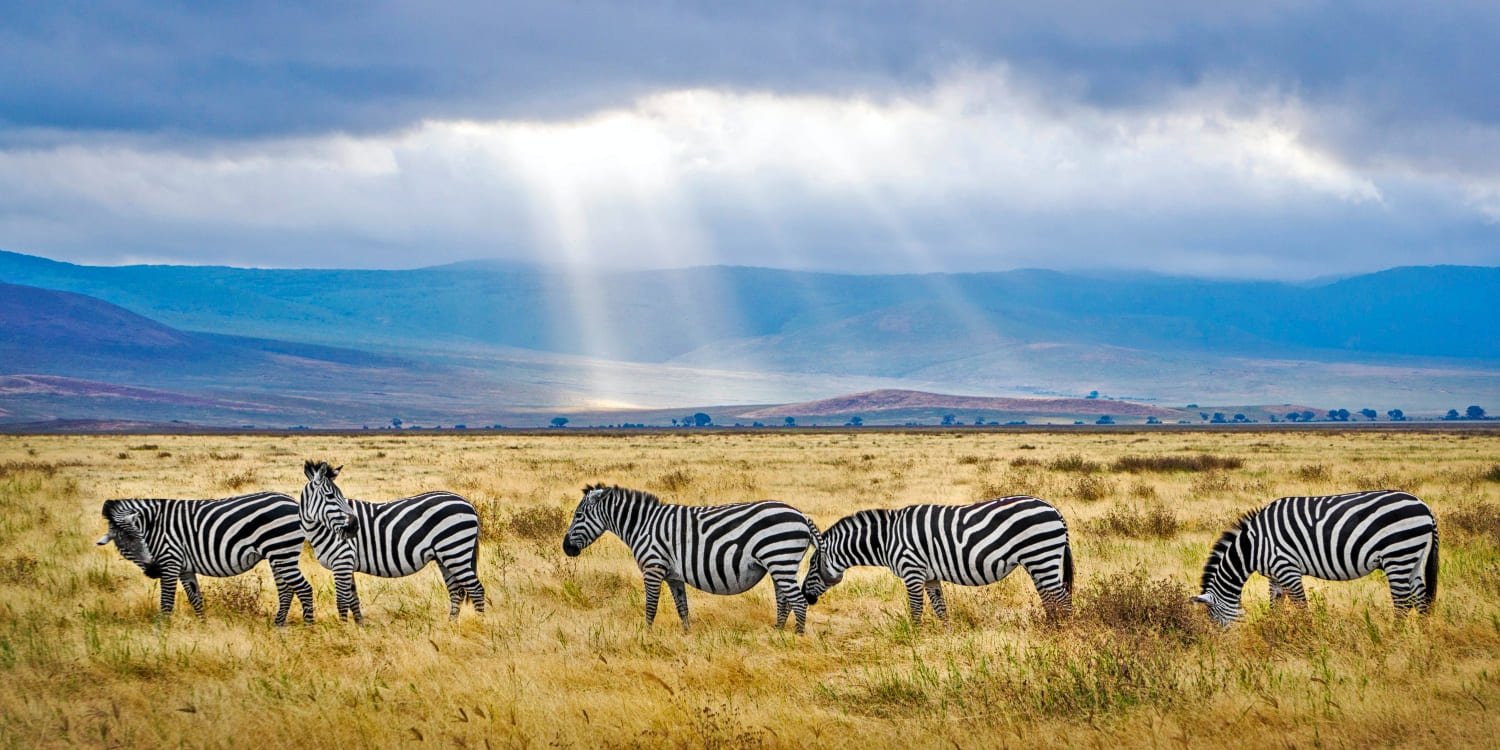
The long dry season is the most popular time to visit Tanzania. Thinner vegetation and animals gathering at water make game viewing easy, while dramatic Mara River crossings usually take place in the northern Serengeti from July to October. Days are sunny and mornings cool. Book early, as the best lodges fill quickly. It is truly unforgettable.
Best time to visit →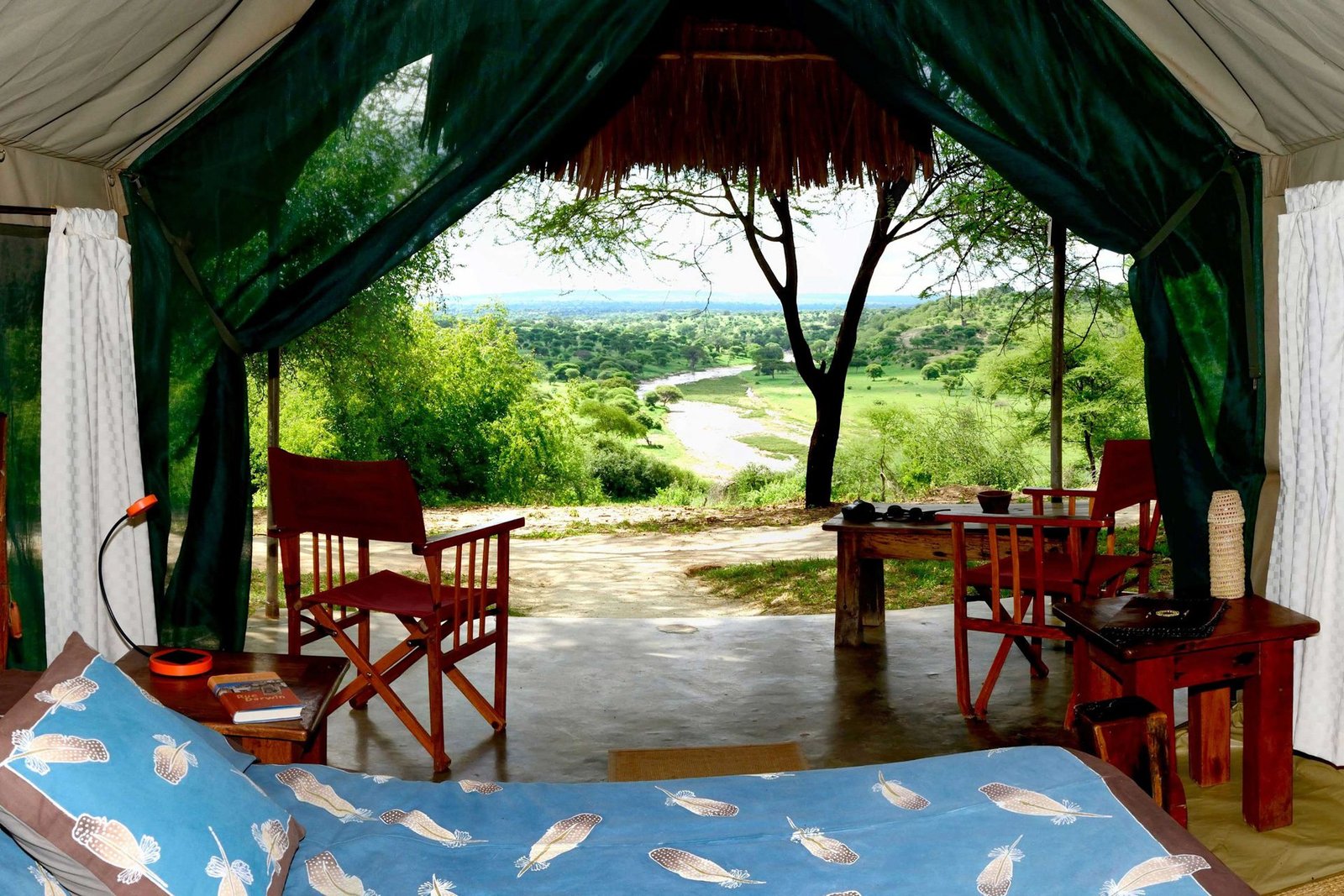
January to March: Calving Season
Wildlife and predator action
Wildebeest calving on the southern plains
Between the short and long rains, January to March is a superb time for a Tanzania safari. The Great Migration herds gather on the southern Serengeti and Ndutu plains, where calving peaks around February and attracts lions, cheetahs and hyenas. Landscapes are green, skies are often clear and Zanzibar is hot and sunny. First-timers always love this.
Serengeti National Park →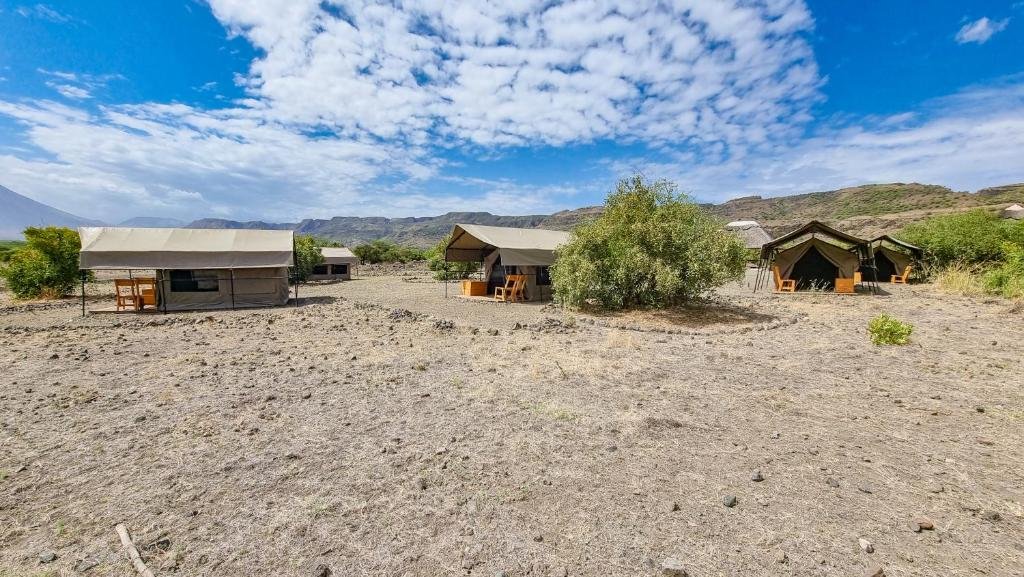
April to May: Green Season
Value seekers and birders
Lush scenery, fewer vehicles, lower rates
The long rains bring heavy afternoon showers, lush green landscapes and far fewer visitors. Many lodges offer lower green-season rates, birdlife is spectacular and the Ngorongoro Crater remains excellent for wildlife. Some remote camps, especially in southern parks, close, and certain roads become muddy, so flexible travellers enjoy the best value at this time. Wildlife is everywhere.
Ngorongoro Crater →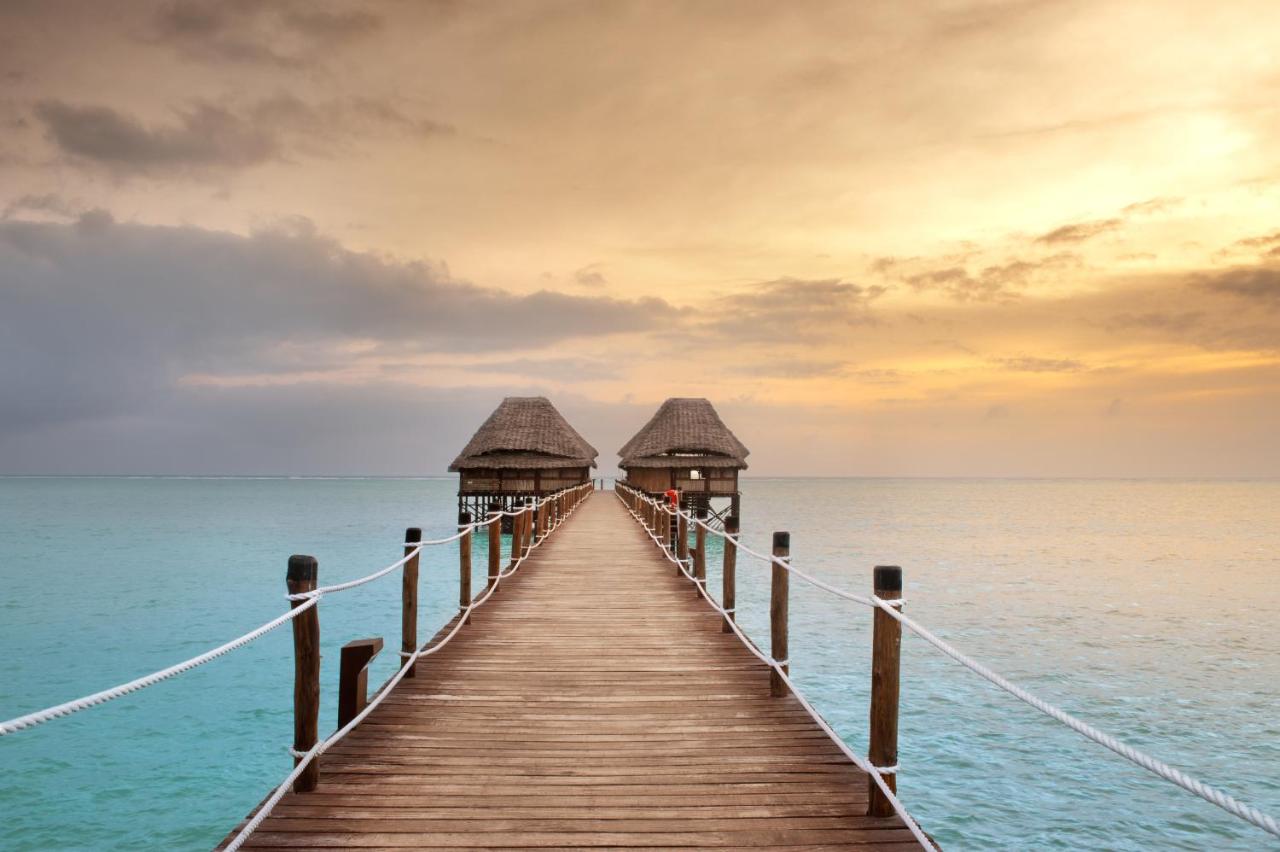
November to December: Short Rains
Festive and shoulder travellers
Fresh grass, newborn animals, festive holidays
The short rains usually bring brief afternoon showers that refresh the grasslands and draw the migration herds back south. It is a rewarding shoulder season with good wildlife, fewer vehicles in early November and lovely green scenery. Demand rises sharply over Christmas and New Year, so book festive safaris and Zanzibar stays well ahead. Ask our team.
Zanzibar beach holidays →03Top Places to Visit in Tanzania
Tanzania offers an extraordinary range of destinations, from world-famous national parks to snow-capped mountains and tropical islands. First-time visitors usually focus on the northern safari circuit, which combines easy access from Arusha with outstanding wildlife, while return visitors often explore the wild southern parks. Many travellers finish with a relaxing beach stay on Zanzibar or climb Mount Kilimanjaro. The six cards below explain the top places to visit in Tanzania, what makes each special and how long to allow, so you can build the perfect private itinerary with our team. Our experts happily build this into your private safari.
Serengeti National Park
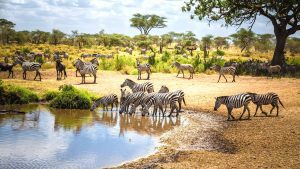
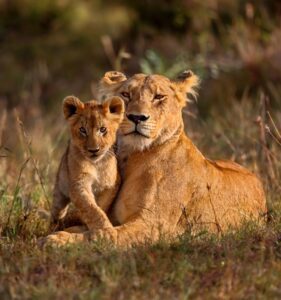
Serengeti National Park is Tanzania's most famous safari destination and a must for first-timers. Its vast golden plains host the Great Migration of over a million wildebeest and zebra, plus lions, leopards and cheetahs year-round. Calving peaks from January to March in the south, while dramatic Mara River crossings usually happen between July and October. Allow at least two nights.
Ngorongoro Crater
The Ngorongoro Crater is the world's largest intact volcanic caldera, a natural amphitheatre about 600 metres deep and home to around 25,000 large animals. It is one of the best places in Africa to see the Big Five in a single day, including the endangered black rhino. Most first-timers spend a full day exploring the crater floor.
Tarangire National Park
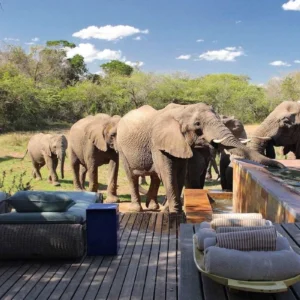
Tarangire National Park is famous for its ancient baobab trees and some of the largest elephant herds in northern Tanzania. During the dry season from June to October, the Tarangire River draws huge numbers of zebra, wildebeest, buffalo and predators. It is quieter than the Serengeti, just two hours from Arusha, and an ideal first stop.
Mount Kilimanjaro National Park
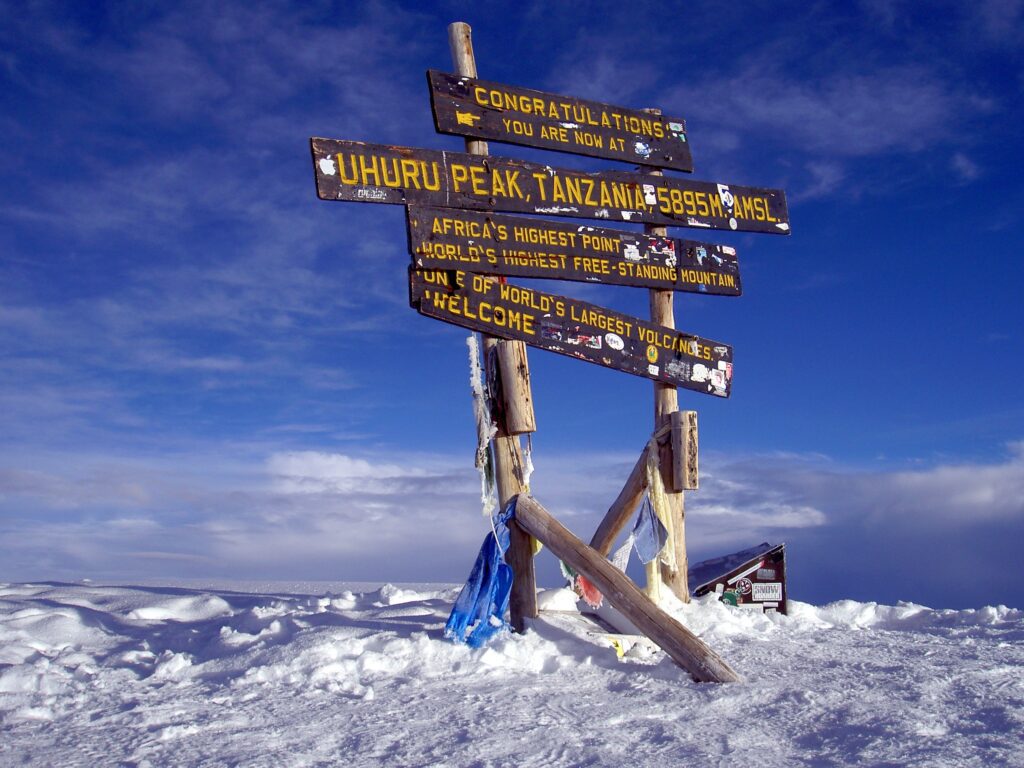
Mount Kilimanjaro National Park protects Africa's highest mountain, rising 5,895 metres to Uhuru Peak. First-timers do not need to climb to the summit to enjoy it: guided day hikes through the rainforest to Mandara Hut, plus nearby waterfall walks and coffee tours, offer memorable experiences. Experienced hikers can plan a full six to nine-day climb.
Zanzibar
Zanzibar is the perfect place to unwind after safari, with turquoise water, white-sand beaches and boutique resorts along the north and east coasts. Explore the narrow alleys of Stone Town, a UNESCO World Heritage Site, take a spice tour, spot red colobus monkeys in Jozani Forest or sail at sunset on a traditional dhow. Plan ahead carefully.
Southern Tanzania parks
Nyerere and Ruaha national parks are Tanzania's great southern wildernesses, ideal for return visitors and adventurous first-timers who want fewer vehicles. Nyerere offers boat safaris on the Rufiji River and walking safaris, while Ruaha is famous for big lion prides and elephant herds. Both are best reached by light aircraft from Dar es Salaam, Zanzibar or Arusha.
04Tanzania Packing Checklist
Packing well for Tanzania means travelling light while still being ready for cool mornings, hot afternoons, dusty game drives and beach days. Light aircraft usually limit luggage, so soft-sided bags and versatile layers work best. Use this interactive Tanzania packing checklist to tick off each item as you pack, watch the progress bar fill and make sure nothing important is forgotten. The list covers clothing, safari gear, health and documents, so you can arrive prepared and relaxed. Print it or keep it open on your phone while packing at home. Enjoy the preparation. It suits first-time visitors perfectly well.
Clothing0/6
Safari gear0/6
Health0/6
Documents0/6
05Flights and Getting Around Tanzania
Getting to and around Tanzania is easier than many first-time visitors expect. Most safari travellers fly into Kilimanjaro International Airport near Arusha, while Julius Nyerere International Airport in Dar es Salaam and Abeid Amani Karume International Airport on Zanzibar serve the south and the coast. Once you arrive, you can explore by private 4x4 vehicle with your guide, fly between parks on light aircraft or combine both. The three cards below explain each option, how it works and when it makes the most sense for your Tanzania itinerary. Our team arranges every connection. Every traveller finds something to love.
International flights
Kilimanjaro International Airport, about an hour from Arusha, is the most convenient gateway for northern safaris and Kilimanjaro climbs. Dar es Salaam suits southern parks, and Zanzibar has its own international airport for beach holidays. Many airlines connect through hubs in the Middle East, Europe or East Africa, so compare routes carefully when booking your flights.
Private safari vehicle
Most Tanzania safaris travel by private 4x4 vehicle with a pop-up roof, driven by your professional guide. Road journeys let you see villages, landscapes and wildlife between parks, and you can stop whenever you like. Drives between the northern parks typically take two to four hours, with comfortable breaks along the way. Ask us for more details.
Light-aircraft flights
Scheduled light aircraft and private charters connect Arusha, the Serengeti, Ruaha, Nyerere and Zanzibar, turning long drives into short, scenic flights. Flying saves time, suits shorter trips and older travellers, and makes it easy to combine northern and southern parks. Luggage limits are strict, usually around 15 kilograms in soft bags, so pack carefully. Wildlife is everywhere.
06Tanzania Travel Tips by Travel Style
Every traveller experiences Tanzania differently, and the best advice depends on who you are travelling with and what you want from your trip. Families need shorter drives and child-friendly lodges, honeymooners look for romance and privacy, luxury travellers want exclusive camps, and climbers need the right route and enough time to acclimatise. Use the tabs below to find practical Tanzania travel tips for families, honeymoon couples, luxury travellers and Kilimanjaro climbers, with ideal parks, highlights and links to private tailor-made packages designed around each travel style. Our Arusha team will tailor every detail. Our team can arrange every detail.

Family Travel Tips for Tanzania
Parents and children of all ages
Short drives, family rooms, child-friendly guides
Choose a private safari so you control the pace, meal times and rest breaks. Tarangire, the Ngorongoro Crater and the Serengeti suit children well, with family rooms and pools at many lodges. Keep drives short, pack snacks and binoculars for each child, and check minimum age rules for walking safaris and some camps. Plan this well ahead.
Family safaris →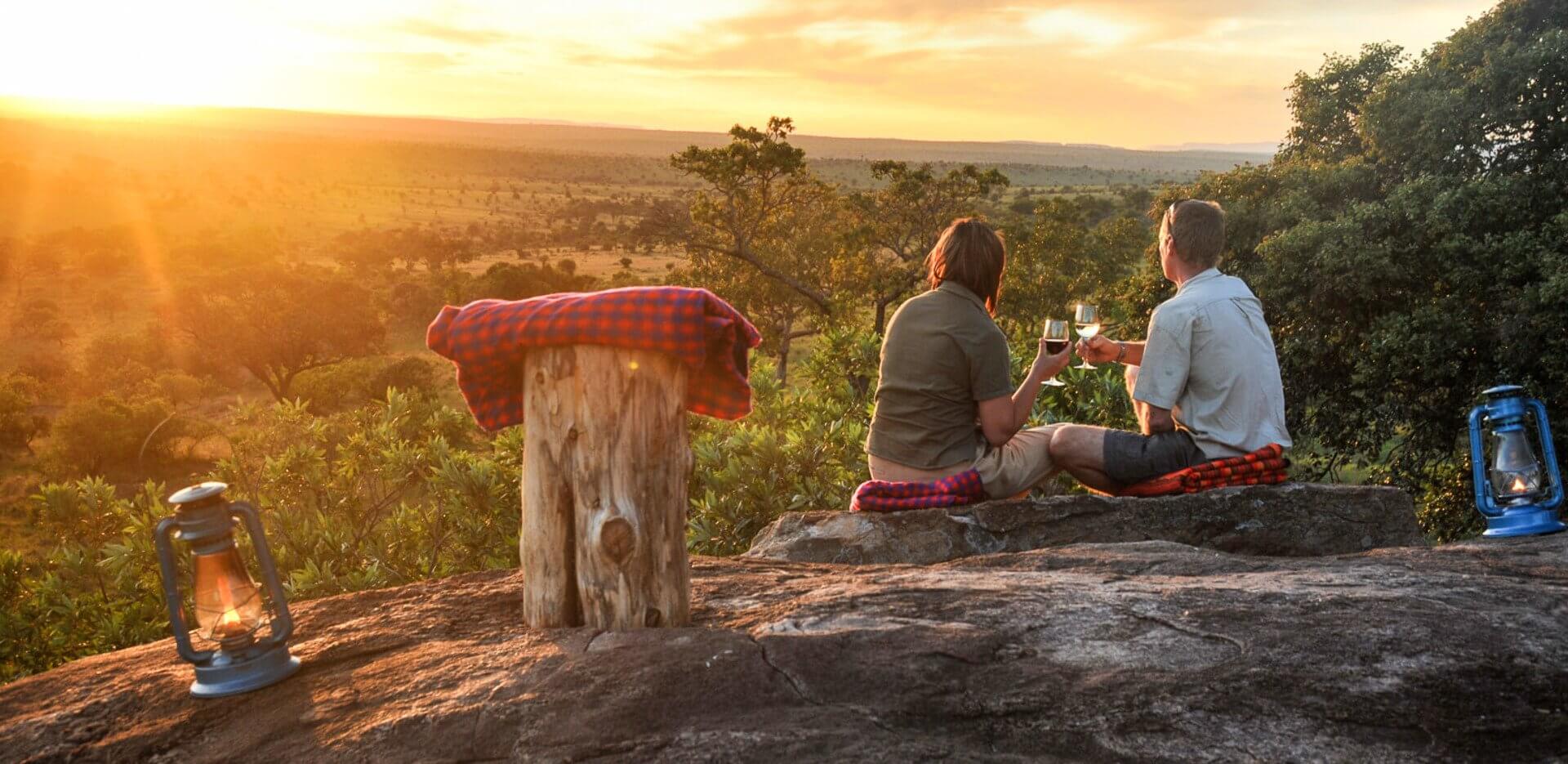
Honeymoon Travel Tips for Tanzania
Couples and newlyweds
Intimate camps, bush dinners, Zanzibar beaches
Combine a private safari with a few days on Zanzibar for the perfect balance of adventure and relaxation. Choose intimate tented camps with private decks, add a sunrise hot-air balloon flight over the Serengeti and ask about romantic bush dinners. Tell lodges you are on honeymoon when booking, as many offer special touches. It is truly unforgettable.
Honeymoon safaris →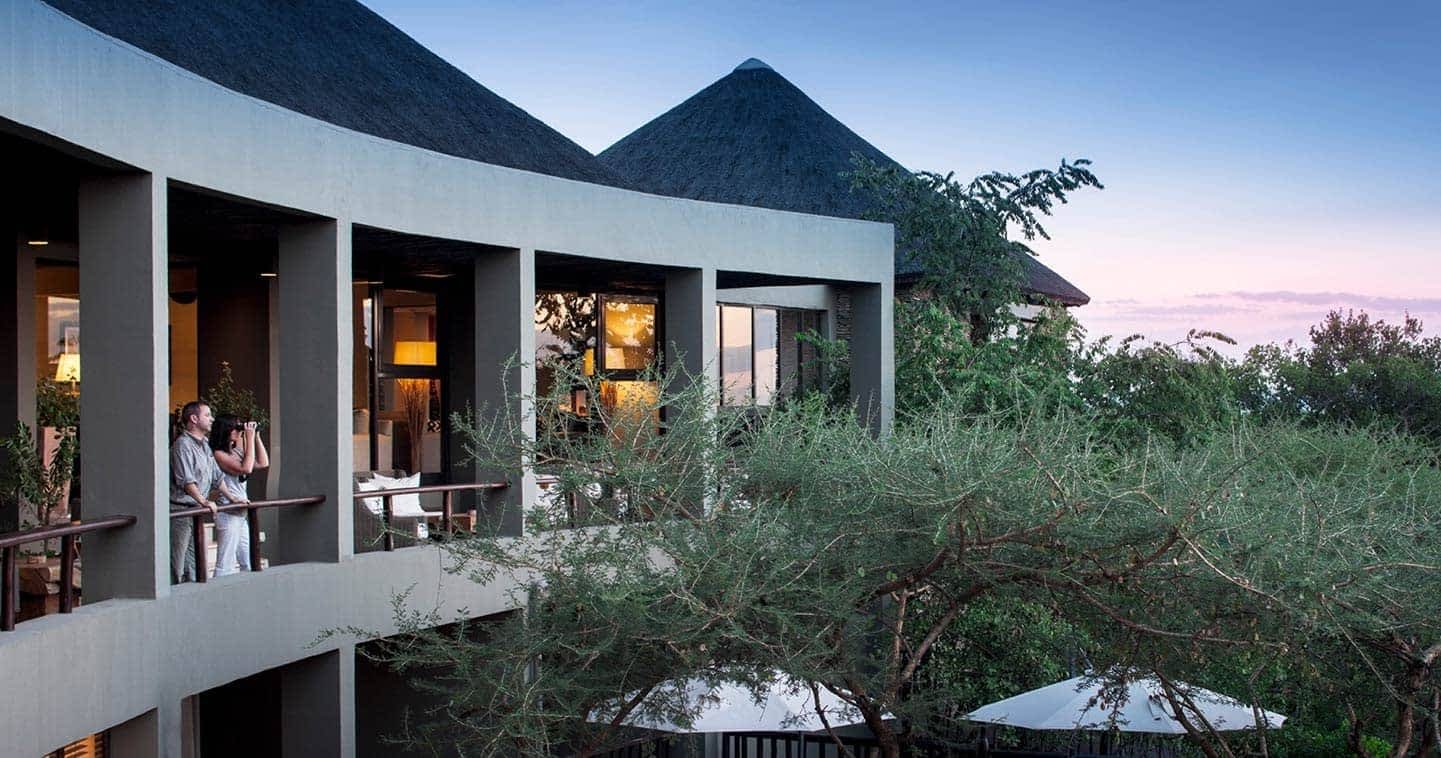
Luxury Travel Tips for Tanzania
Travellers seeking the very best
Premium camps, private guiding, fly-in safaris
Book luxury camps nine to twelve months ahead, especially for migration river crossings and the festive season, as the best properties have few rooms. Fly between parks on light aircraft to save time, request a private vehicle and senior guide, and consider private concessions or remote southern parks for a quieter, more personal experience. Ask our team.
Luxury safaris →
Kilimanjaro Climbing Tips
Fit, adventurous travellers
Longer routes, slow pace, good acclimatisation
Choose a seven or eight-day route such as Lemosho or Machame for better acclimatisation and summit success. Walk slowly, drink plenty of water and listen to your guides, who monitor your health daily. Train with long hikes beforehand, break in your boots and climb between January and early March or June and October. First-timers always love this.
Kilimanjaro climbs →07Tanzania Safari Costs and Budget Planning
Tanzania safari costs depend on your travel season, accommodation style, number of days, the parks you visit and whether you drive or fly between them. Park fees, your private vehicle and guide, meals, lodges and transfers are usually included in a tailor-made quote, while international flights, visas, insurance and tips are normally extra. To help you budget, the three cards below explain the typical per person per day price ranges for private camping, mid-range and luxury safaris in Tanzania. Request a written quote for exact prices based on your dates and preferences. It is a highlight for many travellers.
Private camping safari
Private camping safaris typically cost about US$250 to US$390 per person per day, including your own vehicle, guide, camp crew, park fees and meals. You sleep in simple tents at public campsites inside or near the parks, enjoying an authentic wilderness experience. It is the best-value way for adventurous first-timers to explore Tanzania. Plan this well ahead.
Mid-range lodge safari
Mid-range private safaris usually cost about US$550 to US$990 per person per day. You stay in comfortable lodges and permanent tented camps with en-suite bathrooms, good food and excellent locations, often with swimming pools and wonderful views. This is the most popular choice for first-timers, offering the best balance of comfort, wildlife and value. Plan ahead carefully.
Luxury safari
Luxury private safaris range from about US$990 to US$2,500 or more per person per day. Expect exclusive camps and lodges in prime wildlife areas, spacious suites, fine dining, attentive service and often light-aircraft flights between parks to save time. It is the ultimate way to experience Tanzania for honeymooners and special celebrations. Your guide makes it special.
08Tanzanian Food, Culture and Tipping
Tanzania's warm hospitality, rich food and diverse cultures are among the highlights of any trip. Learning a few words of Swahili, dressing respectfully and understanding local customs helps you connect with the people you meet, from Maasai communities in the north to Swahili families on Zanzibar. Tipping is also an important part of safari culture, and knowing what to expect avoids awkward moments. The three cards below explain what to eat in Tanzania, key etiquette and cultural tips, and how tipping works on safari and Kilimanjaro, so you travel confidently and respectfully. First-time visitors talk about it for years.
Try Tanzanian food
Tanzanian food is simple, fresh and delicious. Try ugali, a maize staple served with stews, nyama choma grilled meat, pilau rice and chapati, plus Zanzibar's spiced seafood and street food at Forodhani Gardens. Safari lodges serve international dishes and cater for vegetarian and special diets. Drink bottled or filtered water rather than tap water. Wildlife is everywhere.
Respect local culture
Greet people warmly with jambo or habari, and say asante for thank you. Dress modestly in towns and villages, covering shoulders and knees, especially in Muslim areas of Zanzibar. Always ask permission before photographing people, avoid photographing officials or government buildings, and use your right hand when giving or receiving items. It suits first-time visitors perfectly well.
Understand tipping
Tipping is customary in Tanzania and an important part of income for safari guides, camp staff, Kilimanjaro guides and porters. Tips are usually given at the end of your safari or climb in US dollars or shillings, often in an envelope. Your operator can explain recommended amounts in advance so you budget correctly and tip fairly.
09Tanzania Travel Tips: FAQs
What are the best Tanzania travel tips for first-time visitors?
Apply for your e-visa early, visit a travel clinic six to eight weeks before travel, carry newer US dollar notes and pack light neutral layers in a soft bag. Travel between June and October for the easiest game viewing, book a private safari with a licensed local operator and leave plastic bags at home, as they are banned.
Do I need a visa to visit Tanzania?
Most visitors need a visa to enter Tanzania, and many nationalities can apply online through the official e-visa portal before travel. Apply several weeks in advance, ensure your passport is valid for at least six months with blank pages, and carry a printed copy of your approval. Check the latest requirements for your nationality before booking.
What vaccinations do I need for Tanzania?
Visit a travel health clinic six to eight weeks before travel for personalised advice on routine vaccinations, malaria prevention and other recommended jabs. Proof of yellow fever vaccination is required if you arrive from, or transit through, a country with yellow fever risk. Antimalarial medication is commonly advised for safari areas and Zanzibar. It is truly unforgettable.
Is Tanzania safe for tourists?
Tanzania is generally safe and welcoming for tourists, especially on a private safari with a licensed operator who handles driving and logistics. Use normal precautions in cities, such as keeping valuables out of sight and using registered taxis or arranged transfers. On safari, follow your guide's instructions at all times and stay inside the vehicle.
When is the best time to visit Tanzania?
The best time to visit Tanzania for most travellers is the dry season from June to October, when wildlife viewing is easiest and Mara River crossings take place. January to March is excellent for the Serengeti calving season. April and May bring heavy rains and lower rates, while November and December offer green, quieter landscapes.
What currency is used in Tanzania?
The Tanzanian shilling is the official currency, but US dollars are widely accepted at lodges, for activities and for tips. Bring newer, undamaged US dollar notes, as older or torn notes are often refused. Credit cards work in larger hotels, and ATMs are available in Arusha, Dar es Salaam and Zanzibar's Stone Town. First-timers always love this.
What should I pack for a Tanzania safari?
Pack light, neutral-coloured clothing in breathable layers, a warm fleece for early mornings, comfortable walking shoes, a sun hat, sunglasses, sunscreen and insect repellent. Bring binoculars, a camera with a zoom lens, a power bank and a universal adapter. Use a soft duffel bag, as light aircraft have strict luggage limits. Every traveller finds something to love.
Are plastic bags allowed in Tanzania?
No. Tanzania has banned plastic carrier bags, and visitors may be asked to leave them at the airport on arrival. Pack toiletries in reusable fabric or silicone pouches, and bring a reusable shopping bag and water bottle. The ban helps protect Tanzania's wildlife, landscapes and coastline from plastic pollution. Our Arusha team can tailor this for you.
What plugs are used in Tanzania?
Tanzania mainly uses Type D and Type G power sockets at 230 volts and 50 hertz, so bring a universal travel adapter. Most safari lodges and camps offer charging points, though some remote camps rely on solar power with limited hours. A power bank and spare camera batteries are very useful on long game drives.
How do I get around Tanzania?
Most visitors explore Tanzania by private 4x4 safari vehicle with a professional guide, which offers flexibility and great wildlife viewing between parks. Scheduled light aircraft and charters connect Arusha, the Serengeti, southern parks and Zanzibar, saving long drives. Ferries and short flights link Dar es Salaam with Zanzibar for beach extensions. Our team can arrange every detail.
How much does a Tanzania safari cost?
A private tailor-made safari in Tanzania typically costs about US$250 to US$390 per person per day for camping, US$550 to US$990 for mid-range lodges and US$990 to US$2,500 or more for luxury. Prices depend on the season, accommodation, length of stay and number of travellers. Request a written quote for exact prices. Every moment feels truly special.
Do I need to tip on a Tanzania safari?
Tipping is customary and greatly appreciated on Tanzania safaris and Kilimanjaro climbs, as it forms an important part of income for guides, camp staff and porters. Tips are usually given at the end of your trip in US dollars or shillings. Ask your operator for recommended guidelines before travel so you can budget correctly. Ask our team.
What language is spoken in Tanzania?
Swahili, or Kiswahili, is the national language of Tanzania, and English is widely spoken in tourism, business and education. Safari guides, lodge staff and hotel teams speak excellent English. Learning a few Swahili words such as jambo for hello, asante for thank you and karibu for welcome is always warmly appreciated by local people. Plan ahead carefully.
Can I combine a Tanzania safari with Zanzibar?
Yes. Combining a private safari with Zanzibar is the most popular itinerary for first-time visitors to Tanzania. After your safari, a short scheduled flight from Arusha or a Serengeti airstrip takes you to Zanzibar, where you can relax on white-sand beaches, explore Stone Town and take a spice tour. Allow three to five nights. Wildlife is everywhere.
Tanzania Travel Planning Guides
Plan Your Tanzania Trip
Top Destinations
Plan Your Private Tanzania Safari
Tell us your travel dates, interests and budget, and our Arusha team will send a detailed tailor-made itinerary and written quote for a private Tanzania safari, Kilimanjaro climb or Zanzibar holiday, with your own vehicle, an expert guide and hand-picked lodges.
Book Now Online →What Our Travelers Say
Real 5-star reviews from guests who traveled with us