Tanzania Safari Packing List: What to Pack for Your Safari
For a Tanzania safari, pack lightweight neutral clothing in khaki, beige or olive, warm layers for cool mornings, comfortable closed shoes, a sun hat, sunglasses, sunscreen and insect repellent, binoculars and a camera with spare batteries, plus your passport, visa, insurance and personal medication. Use a soft-sided duffel bag, as light aircraft and safari vehicles have limited luggage space on every private safari. This Tanzania safari packing list includes an interactive checklist, what to wear, footwear, camera and electronics, health items, documents, luggage tips, packing by season and what not to pack, from our experienced local team in Arusha.
What should I pack for a Tanzania safari?
Pack light, neutral-coloured layers, including long-sleeved shirts, trousers and a warm fleece, plus comfortable closed shoes, a wide-brimmed hat, sunglasses, sunscreen and insect repellent. Bring binoculars, a camera with spare batteries and memory cards, a power bank and a universal adapter. Carry your passport, visa, travel insurance and personal medication in your hand luggage, and pack everything in a soft-sided duffel bag for safari vehicles and light aircraft.
01Interactive Tanzania Safari Packing Checklist
Use this interactive Tanzania safari packing checklist to prepare everything you need for game drives, lodges, tented camps and long travel days. It covers safari clothing, footwear and accessories, documents and money, camera and electronics, health and first aid, and toiletries and personal items. Tick each item as you pack and follow your progress with the bar, or print the list and keep it safely with your travel documents. The sections below explain each category in more detail, with practical tips from our experienced local team in Arusha for a comfortable, well-prepared private Tanzania safari in any season.
Safari Clothing0/8
Footwear and Accessories0/7
Documents and Money0/7
Camera and Electronics0/7
Health and First Aid0/7
Toiletries and Personal0/7
02What to Wear on a Tanzania Safari
Lightweight, neutral clothing in layers is the key to a comfortable Tanzania safari, because temperatures change throughout the day. Early mornings can be cold in open safari vehicles and on the crater rim, middays are warm and sunny, and evenings cool down as mosquitoes appear. Select each tab below to see what to wear at different times of day, why it matters, the best fabrics and the colours to choose. Pack breathable, quick-dry clothing you can mix and match, as most lodges and camps offer a laundry service during your private safari, so you can travel much lighter.
Early Morning Game Drives
Long sleeves, trousers, a warm fleece or soft-shell jacket and a scarf or buff
Mornings can be surprisingly cold, especially in an open vehicle or on the Ngorongoro Crater rim
Early morning game drives start before sunrise, when the air can be surprisingly cold, particularly in open safari vehicles and at higher altitudes such as the Ngorongoro Crater rim. Wear long sleeves, trousers and a warm fleece or soft-shell jacket, then remove layers as the sun rises and the day becomes warmer and brighter during the drive.
What to wear on safari →
Midday in the Sun
Breathable shirt, light trousers or shorts, a wide-brimmed hat and sunglasses
The equatorial sun is strong, so covering up prevents sunburn and fatigue
By midday, temperatures on the plains of the Serengeti and Tarangire can be warm and the equatorial sun is strong. Choose breathable, quick-dry shirts and light trousers or shorts, and protect yourself with a wide-brimmed hat, sunglasses and high-SPF sunscreen. Light long sleeves also help protect your arms from the sun during long game drives.
Serengeti packing list →
Evenings at Camp
Long sleeves, long trousers, a light jacket and insect repellent
Temperatures drop and mosquitoes are most active around dusk
As the sun sets, temperatures fall and mosquitoes become more active, so change into long sleeves and long trousers for sundowners and dinner at camp. A light jacket keeps you warm around the campfire, and insect repellent on exposed skin adds extra protection. Smart-casual clothing is perfectly acceptable at even the most luxurious safari lodges.
Malaria guide →
Choose Neutral Safari Colours
Khaki, beige, olive green, stone and soft browns
Neutral colours blend with the bush and show less dust
Neutral colours such as khaki, beige, olive green and stone are ideal for a Tanzania safari, as they blend with the landscape, show less dust and are less likely to disturb wildlife. Avoid bright colours, and avoid dark blue and black in some areas, as they can attract tsetse flies. Camouflage clothing should be left at home.
What to wear on safari →03Safari Footwear and Clothing Accessories
The right footwear and accessories make a really big difference to your comfort on a Tanzania safari, from dusty game drives to walks around camp. Comfortable closed shoes are ideal for game drives, worn-in hiking boots are needed for walking safaris and treks, and sandals are perfect for relaxing at your lodge. The four cards below explain the footwear and accessories to pack, including hats, sunglasses, scarves and buffs. Choose lightweight, practical items that are easy to clean, as space in your luggage is limited and dust is part of every Tanzania safari adventure in the dry season.
Game Drive Shoes
For game drives, comfortable closed-toe walking shoes or trainers are ideal, as you spend most of the day sitting in the vehicle and only step out at lodges, picnic sites and viewpoints. Choose breathable, lightweight shoes that are easy to clean, as dust gets everywhere on safari. There is no need for heavy boots on a standard game drive safari.
Walking Safari Boots
If your itinerary includes a walking safari, crater hike or Mount Meru trek, bring lightweight hiking boots with good grip and ankle support, already worn in before your trip. Gaiters help keep out dust, grass seeds and small stones. For a Kilimanjaro climb, you will need proper waterproof trekking boots, as explained in our Kilimanjaro gear list.
Hats and Sunglasses
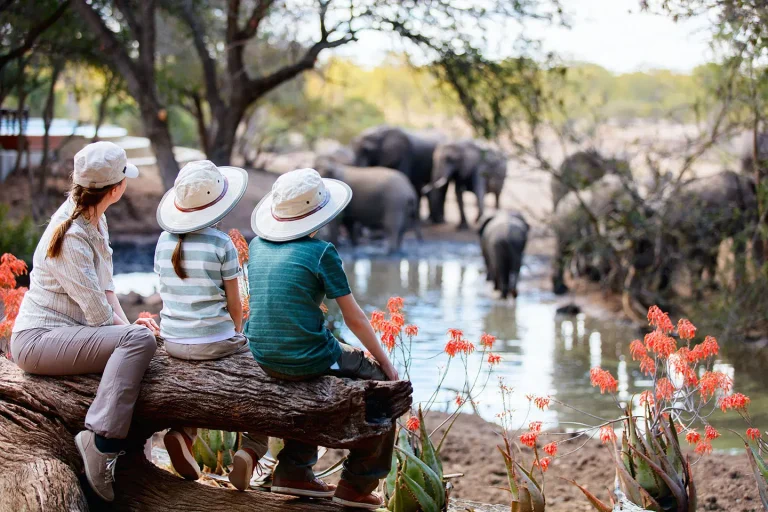
A wide-brimmed hat with a chin strap protects your face and neck from the strong equatorial sun and stays on in a moving vehicle with the roof open. Good sunglasses with UV protection reduce glare and dust, and a spare pair is useful. For cool mornings, a warm beanie makes early game drives much more comfortable.
Scarves, Buffs and Sandals
A scarf or buff is one of the most useful safari accessories, protecting your face and neck from dust, wind and sun and keeping you warm on cool mornings. Pack sandals or slip-on shoes for relaxing at your lodge or camp, by the pool and on a Zanzibar beach extension at the end of your safari.
04Camera, Binoculars and Electrical Gear
Binoculars and a good camera turn distant wildlife into unforgettable sightings and photographs, while the right electrical gear keeps everything charged on long and dusty safari days. Bring good binoculars for every traveller, a camera with a zoom lens, spare batteries and memory cards, a power bank and a universal adapter. The cards below explain the essential camera and electronic items, with practical tips for charging, storing and protecting your gear on safari. Pack only what you really need, as electricity can be limited at some camps and luggage space on light aircraft is often strictly restricted by weight.
Binoculars
A good pair of binoculars is essential on safari, helping you spot distant lions, leopards in trees and colourful birds that are hard to see with the naked eye. An 8x42 or 10x42 model offers a good balance of magnification and brightness. Ideally, bring one pair per person so nobody misses a special or rare sighting.
Camera and Zoom Lens
A camera with a zoom lens of around 200 to 400mm is ideal for wildlife photography, as off-road driving is not allowed in many parks and animals can be distant. Modern smartphones are great for landscapes and close sightings. A beanbag helps steady your camera on the vehicle window or roof during longer game drives.
Batteries and Memory Cards
Bring at least two spare camera batteries and plenty of memory cards, as you may take thousands of photos on safari. Charging opportunities can be limited at some camps, so keep batteries topped up whenever you can. Back up your photos regularly to a laptop, tablet or portable drive to avoid losing precious safari memories forever.
Power Bank and Adapters
Many safari vehicles have charging points, but a power bank keeps your phone and camera charged on long days. Tanzania mainly uses British-style three-pin plugs, so bring a universal travel adapter. Some camps run on solar power with limited electricity for hairdryers or high-wattage devices, so pack only the electronics you really need for your trip.
Headlamp or Torch
A small headlamp or torch is very useful at tented camps, where paths between your tent and the main area can be dark at night. Many camps provide torches, but having your own is convenient for reading, packing and moving around your room. Always follow staff instructions about walking at night in unfenced camps and lodges.
Dust Protection
Safari roads are dusty, especially in the dry season, so protect your camera and electronics with a dust-resistant bag, lens cloths and a blower. Try to avoid changing lenses in the vehicle when it is windy or dusty. Zip-lock or reusable dry bags are useful for keeping phones, cables and small electronics clean, dry and well organised.
05Health, First Aid, Sun and Insect Protection
A well-prepared health kit and good sun and insect protection keep you comfortable and safe on your Tanzania safari. Speak to a travel health professional before you travel, pack personal medication and a compact first aid kit, and bring high-SPF sunscreen, insect repellent and covering clothing for dawn and dusk. The four cards below explain the health items to pack and how to protect yourself from the strong sun and mosquitoes. Simple preparation like this means you can relax and enjoy every game drive without worrying about minor health problems in remote areas far from towns and pharmacies.
Medication and Health Advice
Speak to a travel health professional several weeks before your safari about recommended vaccinations and malaria prevention for your itinerary. Pack enough prescription medication for the whole trip, plus extra in case of delays, and keep it in your hand luggage with copies of prescriptions. Remote parks can be far from pharmacies, so plan ahead.
Compact First Aid Kit
A small personal first aid kit should include pain relievers, anti-diarrhoea tablets, oral rehydration salts, antihistamines, antiseptic wipes, plasters, blister pads and tweezers. Most safari vehicles carry a basic kit, and guides are trained in first aid, but having your own essentials allows you to treat minor problems quickly and comfortably during your whole safari trip.
Sun Protection
The sun in Tanzania is strong year-round, even on cool or cloudy days, so pack high-SPF sunscreen, SPF lip balm, sunglasses and a wide-brimmed hat. Reapply sunscreen regularly during game drives, especially when the vehicle roof is open. Light long-sleeved shirts protect your arms and help prevent sunburn and fatigue on long, hot days in the parks.
Insect Protection
Mosquitoes are most active at dawn and dusk, so pack an effective insect repellent and cover up with long sleeves and trousers in the evenings. Follow medical advice about malaria prevention. Many lodges provide mosquito nets, and a small bite-relief cream is useful. Avoid dark blue and black clothing in areas where tsetse flies are present.
06Travel Documents and Money for Tanzania
Organised travel documents make your arrival in Tanzania and your safari check-ins smooth and stress-free. Bring a valid passport, your Tanzania visa if required, travel insurance documents, any required vaccination certificates and your flight and safari confirmations. The four cards below explain each important document, plus practical tips on cash, cards and copies. Keep originals in your hand luggage, store copies separately and save digital backups, so you can focus on wildlife, landscapes and culture during your private Tanzania safari instead of worrying about paperwork. Our team will remind you of the key documents well before you travel.
Passport and Visa
Your passport should be valid for at least six months beyond your travel dates and have blank pages for entry stamps. Most visitors need a Tanzania visa, and many nationalities can apply online before travel. Check the current requirements for your nationality well in advance, and carry printed copies of your visa approval in your hand luggage.
Travel Insurance
Comprehensive travel insurance is absolutely essential for a Tanzania safari and should cover medical treatment, emergency evacuation, trip cancellation and lost, stolen or delayed baggage. Carry your policy number and emergency contact details with you, both printed and on your phone, and share a copy with a family member at home before you leave for Tanzania.
Vaccination Certificates
A yellow fever vaccination certificate may be required if you are arriving from, or have transited through, a country with a risk of yellow fever. Requirements change, so check current official guidance and speak to a travel health clinic. Keep any required certificates with your passport so they are easy to show at the airport.
Money and Copies
Bring a credit or debit card and some US dollars in clean, recent notes for tips, souvenirs and incidentals, as older notes may not be accepted. Keep copies of your passport, visa, insurance and bookings separately from the originals, plus digital backups stored securely online, so you can replace documents quickly if needed during your trip.
07Luggage, Weight Limits and Daypack Essentials
Choosing the right luggage makes travelling between lodges, camps and airstrips much easier on a Tanzania safari. A soft-sided duffel bag fits safari vehicles and light aircraft, while a small daypack keeps your essentials close during game drives. The four cards below explain luggage choice, typical light aircraft weight limits, what to carry in your daypack and how to stay organised. Packing light also makes your journey more comfortable, reduces stress during transfers and leaves room for souvenirs from local markets and cultural visits. Excess bags can usually be stored safely in Arusha until you return from safari.
Soft-Sided Duffel Bag
A soft-sided duffel bag is the best luggage for a Tanzania safari, as it fits easily into safari vehicles and the small luggage holds of light aircraft. Hard-shell suitcases and bags with wheels and rigid frames can be difficult to pack. Choose a durable, water-resistant duffel that protects your belongings from dust and rain on the road.
Light Aircraft Weight Limits
If your safari includes flights between parks or to Zanzibar on light aircraft, luggage allowances are usually strict, often around 15 kilograms per person including hand luggage, in soft bags only. Check the exact limit with your operator before you pack. Excess luggage can often be stored safely in Arusha until you return from your safari.
Daypack Essentials
A small daypack keeps your essentials within easy reach during game drives. Pack a reusable water bottle, sunscreen, sunglasses, binoculars, camera, spare batteries, a light jacket, snacks, hand sanitiser and any personal medication. A dust-resistant or waterproof daypack protects your gear from the dusty roads and occasional showers. Keep it on the seat beside you for quick access.
Packing Cubes and Organisation
Packing cubes and small pouches help organise clothing, electronics and toiletries, so you can find what you need quickly when moving between lodges. Keep frequently used items at the top of your bag and fragile items well padded. Most lodges offer laundry, so you can pack fewer clothes and travel lighter throughout your private safari journey.
08Packing by Season and Trip Type
What you pack for a Tanzania safari depends on when you travel and what you add to your trip. The dry season calls for warm layers and dust protection, the green season for rain gear and quick-dry clothing, a Kilimanjaro or Meru climb for proper trekking gear, and a Zanzibar extension for beachwear and modest clothing. The cards below explain how to adapt your packing list for each season and trip type. Tell us your travel dates and itinerary, and our team will share a personalised packing list for your private safari, matched to your season and activities.
Dry Season Safari
From June to October, days are sunny and dry, but early mornings and evenings can be cold, especially in the highlands. Pack warm layers, a fleece and a beanie, plus a scarf or buff for the dust that rises on busy park roads. Sunscreen, lip balm and moisturiser help protect your skin in the dry air.
Green Season Safari
From November to May, expect lush landscapes and showers, usually in the afternoon. Pack a lightweight waterproof jacket, quick-dry clothing and shoes that can handle mud. A dry bag protects your camera and electronics. Insect repellent is especially important in the wetter months, when mosquitoes are more active. Our team will advise you based on your travel month.
Adding Kilimanjaro or Meru
If you are combining your safari with a Kilimanjaro or Mount Meru climb, you will need additional trekking gear, including waterproof boots, thermal layers, a down jacket, gloves and a warm sleeping bag. Many heavier items can be rented locally in Moshi or Arusha. Follow our detailed mountain packing lists to prepare properly for the climb and summit night.
Adding Zanzibar
For a Zanzibar beach extension, add swimwear, sandals, light beachwear, a cover-up and reef-safe sunscreen. Zanzibar is a mainly Muslim island, so dress modestly when visiting Stone Town and villages, covering shoulders and knees. Snorkelling gear is usually available locally, so there is no need to pack your own. Light, loose clothing is most comfortable in the coastal heat.
09What Not to Pack for a Tanzania Safari
Knowing exactly what to leave at home is just as important as knowing what to pack for a Tanzania safari. Heavy suitcases, single-use plastic bags, camouflage and bright clothing, valuables and excess gear add weight, cause problems at the airport or are simply not needed on safari. The four cards below explain the most common items to leave behind and the practical alternatives to pack instead. Travelling light makes transfers easier, keeps you within light aircraft weight limits and leaves more space for souvenirs and memories. Our team is happy to answer any packing questions before you travel.
Hard-Shell Suitcases
Large hard-shell suitcases and heavy bags with wheels are difficult to fit into safari vehicles and are not allowed on many light aircraft. They also add unnecessary weight. Pack everything in a soft-sided duffel bag instead, and leave bulky items at home or in storage in Arusha during your safari. Your safari crew will help load your bags.
Single-Use Plastic Bags
Tanzania banned single-use plastic carrier bags in 2019, and travellers should avoid packing them, as they may be confiscated on arrival. Use reusable packing cubes, cloth bags or dry bags instead. This simple change protects Tanzania's wildlife and landscapes and avoids any problems at the airport when you land. Reusable bags are also lighter and more durable.
Camouflage and Bright Colours
Camouflage clothing should be left at home, as it is associated with the military in Tanzania. Bright colours can disturb wildlife, and dark blue and black can attract tsetse flies in some areas. Stick to neutral khaki, beige, olive and stone colours for the most comfortable and respectful safari experience. Neutral clothing also shows less of the dust.
Valuables and Excess Gear
Leave expensive jewellery, formal wear, high heels, hairdryers, irons and unnecessary gadgets at home, as they add weight and are rarely needed on safari. Most lodges provide hairdryers or have limited electricity for them. Pack only practical, versatile items, and use laundry services to travel lighter throughout your trip. A few versatile outfits are all you need.
Tanzania Safari Planning Guides
10Tanzania Safari Packing List: FAQs
What should I pack for a Tanzania safari?
Light neutral layers, a warm fleece, closed shoes, a hat, sunglasses, sunscreen, insect repellent, binoculars, a camera, medication and your travel documents.
What colours should I wear on safari?
Neutral khaki, beige, olive and stone. Avoid bright colours, dark blue and black in tsetse fly areas, and leave camouflage clothing at home.
Is it cold on a Tanzania safari?
Early mornings and evenings can be cold, especially in open vehicles and on the Ngorongoro Crater rim, so pack a warm fleece or jacket.
What shoes do I need for a safari?
Comfortable closed walking shoes for game drives, worn-in hiking boots for walking safaris and sandals for relaxing at your lodge.
What kind of luggage should I bring?
A soft-sided duffel bag, as it fits safari vehicles and light aircraft. Hard-shell suitcases are difficult to pack and often not allowed on small planes.
What is the luggage limit on safari flights?
Light aircraft limits are often around 15 kilograms per person including hand luggage, in soft bags. Always confirm the exact limit before you pack.
Do I need binoculars on safari?
Yes. Binoculars help you spot distant wildlife and birds. An 8x42 or 10x42 pair is ideal, and ideally each traveller has their own.
What camera should I bring on safari?
A camera with a 200 to 400mm zoom lens is ideal for wildlife, plus spare batteries and memory cards. Smartphones work well for landscapes.
What plugs are used in Tanzania?
Tanzania mainly uses British-style three-pin plugs, so bring a universal travel adapter and a power bank for long game drives.
Can I bring plastic bags to Tanzania?
No. Tanzania banned single-use plastic carrier bags in 2019, so use reusable packing cubes, cloth bags or dry bags instead.
Do I need malaria tablets for a Tanzania safari?
Speak to a travel health professional before you travel about malaria prevention for your itinerary, and pack insect repellent and covering clothing.
Is there laundry on safari?
Most lodges and camps offer a laundry service, so you can pack fewer clothes and travel lighter during your safari.
What should I wear in Zanzibar?
Light beachwear for the resort, plus modest clothing covering shoulders and knees when visiting Stone Town and villages.
What should I not pack for a safari?
Hard suitcases, plastic bags, camouflage clothing, expensive jewellery, formal wear, hairdryers and unnecessary gadgets.
Plan Further: Tanzania Safaris
Safari Styles
Top Destinations
Plan Your Private Tanzania Safari
Tell us your travel dates and interests, and our local team in Arusha will design a private tailor-made safari and share a personalised packing list for your season, parks and activities.
Book Now Online →What Our Travelers Say
Real 5-star reviews from guests who traveled with us