
Kilimanjaro Packing List for Women
What should women pack for climbing Kilimanjaro? A good packing list helps women climbers stay warm, dry, comfortable and confident on Africa's highest mountain. You will need a layering system for changing weather, broken-in hiking boots, warm summit gear, a quality sleeping bag and a well-organised daypack, plus personal hygiene items suited to several days without showers. Thoughtful packing makes each day easier and helps you focus on enjoying the climb. This guide explains ten packing essentials for women, what to wear in each climate zone, practical tips, climb costs and how to plan a private Kilimanjaro climb in Tanzania.
What should a woman pack for Kilimanjaro?
Women climbing Kilimanjaro should pack moisture-wicking base layers, a fleece, an insulated down jacket and a waterproof shell, broken-in boots and warm socks, gloves and a warm hat for summit night, a sleeping bag for sub-zero temperatures, a comfortable daypack, a first aid kit, sun protection, wet wipes and personal hygiene products. Our team is here to help.
0110 Kilimanjaro Packing Essentials for Women
Packing well for Kilimanjaro is about choosing practical, comfortable items that work together across every climate zone, from humid rainforest to freezing summit slopes. Women climbers often benefit from well-fitting layers, a supportive daypack and thoughtful hygiene supplies for several days on the trail. These ten Kilimanjaro packing essentials for women explain what to bring for clothing, footwear, summit night, sleeping, hygiene, health, nutrition and documents, plus smart tips to keep your bags light and organised. Each item has been chosen with real conditions in mind, so you can pack confidently and avoid carrying anything you do not need.
Clothing layering system
Pack moisture-wicking base layers, a fleece mid-layer, an insulated down or synthetic jacket and a waterproof, windproof hardshell. Choose well-fitting styles designed for women's shapes, so layers sit comfortably under a hip belt and allow free movement on steep sections of the trail. Every climber is different. Ask our team for advice. Your guide will support you.
Footwear and hiking socks
Bring sturdy, waterproof hiking boots with good ankle support, broken in on training hikes before your climb. Pack several pairs of merino or synthetic hiking socks, liner socks and comfortable camp shoes. Happy feet make every long trekking day far more enjoyable. Comfort makes a real difference. Preparation makes the difference. Good gear keeps you warm.
Cold weather gear for summit night
Summit night is the coldest part of the climb. Pack insulated trousers, thermal base layers, a warm down jacket, insulated gloves or mittens with liners, a warm hat, a buff and hand warmers. Keeping warm helps you stay strong and focused on the final push. Stay dry and stay warm. Our team is here to help.
Daypack and duffel bag
Carry a comfortable daypack of around 30 to 35 litres with a women's-specific or adjustable fit, a rain cover and a hydration system. Porters carry your duffel bag, so pack it with a waterproof liner and keep it within the weight limit advised by your operator. Our team is here to help. Every climber is different.
Sleeping gear
A warm sleeping bag rated for sub-zero temperatures, a sleeping bag liner and an inflatable pillow help you rest well at cold high camps. Good sleep supports recovery and acclimatisation, so invest in comfort or rent a quality sleeping bag in Arusha or Moshi. Our team is here to help. Every climber is different. Ask our team for advice.
Personal hygiene and toiletries
Pack biodegradable wet wipes, hand sanitiser, a quick-dry towel, lip balm, moisturiser, toothbrush and toothpaste, plus period products and small disposal bags in case your cycle changes at altitude. A pee funnel can be useful for some women on cold nights. Our team is here to help. Every climber is different. Ask our team for advice.
Health, safety and first aid
Bring a personal first aid kit with plasters, blister treatment, pain relief and any prescription medicines, discussed with your doctor before travel. Add high-factor sunscreen, sunglasses with UV protection and a headlamp with spare batteries for early starts and summit night. Our team is here to help. Every climber is different. Ask our team for advice.
Snacks, nutrition and hydration
Your crew provides meals, but personal snacks such as nuts, energy bars, chocolate and dried fruit help keep energy up between camps. Carry two to three litres of water capacity, and consider electrolyte tablets to support hydration during long hiking days. Our team is here to help. Every climber is different. Ask our team for advice.
Personal essentials and documents
Keep your passport, visa, travel insurance details and some cash in a waterproof pouch. Bring a phone or camera with a power bank, as there is no electricity on the mountain. Earplugs and an eye mask help you sleep well in busy camps. Our team is here to help. Every climber is different. Ask our team for advice.
Smart packing tips for women
Use packing cubes or dry bags to organise clothes by type, keep essentials in your daypack and choose versatile items you can wear several times. A light scarf or sarong is useful for modesty in towns and for warmth or shade on the trail. Our team is here to help. Every climber is different. Ask our team for advice.
02What to Wear in Each Kilimanjaro Climate Zone
Kilimanjaro takes you through several distinct climate zones, so your clothing changes as you climb from warm rainforest to the icy summit. Understanding each zone helps you pack the right layers and keep the essentials in your daypack each day. Use the tabs below to explore what to wear in five Kilimanjaro climate zones, from the humid rainforest and open moorland to the dry alpine desert, the freezing summit zone and cold evenings at camp after long trekking days. Our team is here to help. Every climber is different. Ask our team for advice. Your guide will support you.
Rainforest Zone
First day
Light layers
The rainforest is warm, humid and often wet. Wear a breathable base layer, light hiking trousers and a sun hat, and keep your waterproof jacket and pack cover close at hand. Insect repellent is useful, and gaiters help keep mud out of your boots. Comfort makes a real difference. Preparation makes the difference. Good gear keeps you warm.
Kilimanjaro weather →Moorland Zone
Early days
Sun and breeze
In the moorland, temperatures cool and the sun becomes stronger. Wear a base layer with a fleece or softshell, plus sunglasses, sunscreen and a hat. Evenings turn chilly, so add your insulated jacket at camp and keep a warm hat handy. Stay dry and stay warm. Our team is here to help. Every climber is different.
Kilimanjaro clothing →Alpine Desert Zone
Acclimatisation days
Sun and cold wind
The alpine desert is dry and exposed, with intense sun by day and freezing nights. Wear layers you can adjust quickly, a windproof shell, sunglasses and high-factor sunscreen. Lip balm and moisturiser help protect skin from the dry air. Our team is here to help. Every climber is different. Ask our team for advice. Your guide will support you.
Lava Tower →Summit Zone
Summit night
Maximum warmth
On summit night, wear thermal base layers, fleece, a down jacket and hardshell, insulated trousers, mittens with liners, a warm hat and a buff. Keep water bottles insulated so they do not freeze, and carry hand warmers and snacks in your pockets. Our team is here to help. Every climber is different. Ask our team for advice.
Summit night guide →Evenings at Camp
Every night
Warm and dry
At camp, change into dry base layers, warm socks and your insulated jacket as soon as you arrive. Comfortable camp shoes rest your feet, and a warm hat and gloves keep you cosy at dinner. Dry clothes help you sleep well and recover. Our team is here to help. Every climber is different. Ask our team for advice.
Kilimanjaro campsites →03Packing Tips for Women Climbing Kilimanjaro
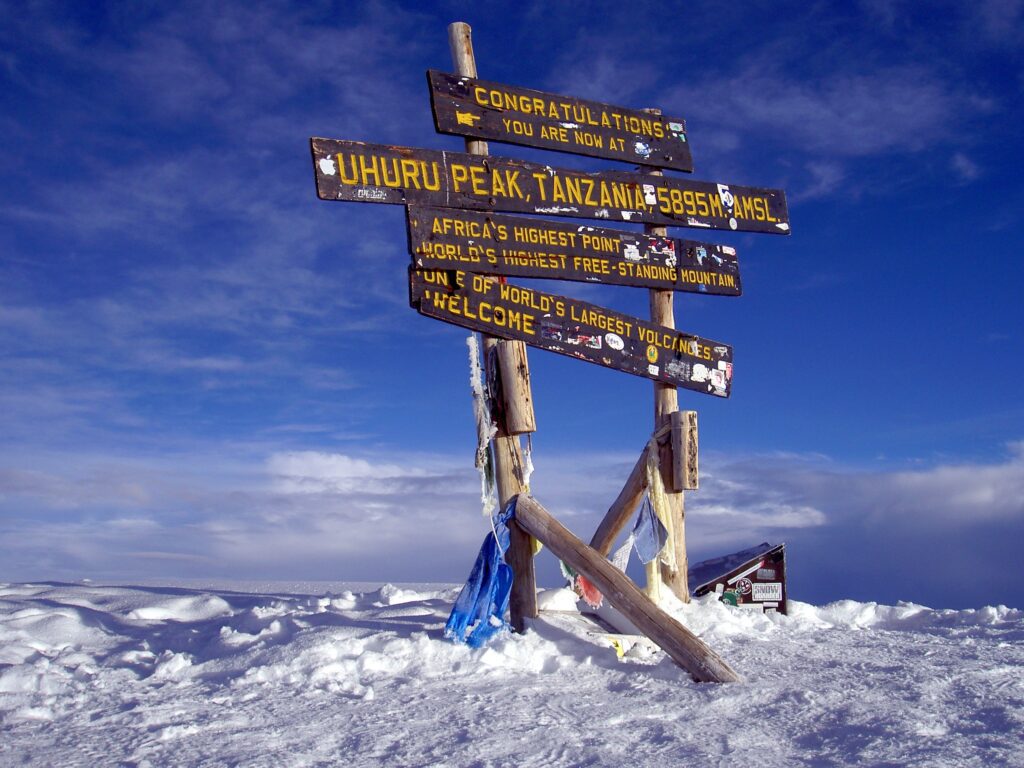
A few smart packing habits make Kilimanjaro more comfortable for women climbers. Planning hygiene supplies, keeping your daypack organised and choosing gear that fits well all help you feel confident and prepared every day on the mountain. These three packing tips for women climbing Kilimanjaro explain how to manage personal hygiene, stay comfortable on the trail and pack efficiently, so you can focus on the scenery, your fellow climbers and the achievement of reaching Uhuru Peak safely. Our team is here to help. Ask our team for advice. Your guide will support you. Comfort makes a real difference.
Plan personal hygiene
There are no showers on the mountain, so pack biodegradable wipes, hand sanitiser and a small towel. Bring period products even if you do not expect your cycle, as altitude and travel can change timing. Small opaque bags help you carry waste out discreetly. Every climber is different. Preparation makes the difference. Good gear keeps you warm.
Choose a well-fitting daypack
A women's-specific or adjustable daypack with a supportive hip belt and chest strap distributes weight comfortably. Fit it before you travel with water and layers inside. A comfortable pack reduces shoulder strain and makes long hiking days much more enjoyable. Stay dry and stay warm. Our team is here to help. Every climber is different.
Pack light and organised
Use packing cubes and dry bags to organise clothing, and keep the items you need during the day in your daypack. Choose versatile layers you can wear several times. Staying organised saves time at camp and keeps your gear dry in wet weather. Our team is here to help. Every climber is different. Ask our team for advice.
04How Much Does It Cost to Climb Kilimanjaro?
The cost of climbing Kilimanjaro depends mainly on park fees, the route you choose, the number of days on the mountain and the size and quality of your crew. Longer routes that improve acclimatisation include more nights of park and camping fees, but they also increase your chances of a safe and successful summit. Our Kilimanjaro price list explains current costs for each route in detail. Our team will provide a clear, detailed quote, so you know exactly what your climb includes before you book. Careful preparation makes every part of your journey smoother, safer and far more enjoyable.
Park fees
Kilimanjaro National Park fees, including conservation, camping or hut and rescue fees, are charged for each day on the mountain. They form a large part of the total climb cost, so longer routes have higher park fees. Our team will list every park fee clearly in your quote, so you know exactly what is covered before you arrive.
Route and number of days
Your chosen route and the number of days affect the overall price. Longer routes such as the Lemosho or Northern Circuit cost more but offer better acclimatisation, more beautiful scenery and higher summit success rates. Many climbers find the extra days are worth it, as they make the climb safer, more comfortable and far more enjoyable.
Crew and equipment
A professional crew of guides, cooks and porters, quality tents, nutritious meals and safety equipment such as pulse oximeters and emergency oxygen all contribute to the cost. A well-supported climb is safer and more comfortable. Experienced crews also respond quickly if the weather changes or a climber needs extra support at high altitude. This option is popular with first-time visitors.
05How to Plan Your Kilimanjaro Climb
Planning a successful Kilimanjaro climb starts long before you reach the mountain. Choosing a route with good acclimatisation, training well, packing the right gear and selecting an experienced local operator all improve your chances of reaching Uhuru Peak. Our Arusha-based team organises private climbs throughout the year. These four planning steps explain how to design a private tailor-made Kilimanjaro itinerary, from route choice and preparation to booking with a trusted team that supports you from arrival to summit day and beyond. Our experienced team is always happy to answer your questions and offer practical advice at every stage.
Choose your route
Select a route with enough days to acclimatise, such as the seven-day Machame, the eight-day Lemosho or the Northern Circuit. Our team will recommend the best option for your fitness, experience and travel dates. Choosing well at this stage gives you the strongest foundation for a safe, enjoyable and successful climb. This option is popular with first-time visitors.
Train and prepare
Build stamina with regular hiking, uphill walking and cardio exercise in the months before your climb. Break in your boots well before you travel, and speak with your doctor about altitude and any health conditions. Good preparation helps you enjoy every stage of the climb and recover well each evening at camp. This option is popular with first-time visitors.
Pack the right gear
Bring a layering system of base layers, fleece, insulated and waterproof jackets, plus good boots, gloves, a warm hat and a sleeping bag suited to sub-zero nights. Our packing list explains everything you need, and our team is happy to answer equipment questions before you travel to Tanzania. Our team will explain every detail clearly before you book.
Book a private climb
A private tailor-made climb gives you your own guide and crew, who monitor your health daily and adjust the pace to suit you. Our Arusha-based team plans every detail, from airport transfers and hotel nights to summit day, and can add a relaxing safari or Zanzibar beach stay afterwards. Our team will explain every detail clearly before you book.
06Kilimanjaro Packing Checklist for Women
Use this checklist to pack for Kilimanjaro with confidence. Bring base layers, a fleece, a down jacket and a waterproof shell, broken-in boots, warm socks and summit gear such as mittens and a warm hat. Pack a warm sleeping bag, a well-fitting daypack and a waterproof duffel liner. Add wipes, sanitiser, period products, sun protection, a first aid kit, snacks and a power bank. Our Arusha-based team will help you prepare for a private Kilimanjaro climb. Good preparation protects your comfort and enjoyment on the mountain, so it is worth taking time to check every item before you travel.
Clothing0/4
Gear0/4
Personal0/4
07Kilimanjaro Packing for Women FAQs
What should women wear on Kilimanjaro?
Women should wear a layering system of moisture-wicking base layers, a fleece, an insulated down or synthetic jacket and a waterproof shell, with hiking trousers, broken-in boots and warm socks. Summit night needs insulated trousers, mittens and a warm hat. Our team is here to help. Every climber is different. Ask our team for advice.
How many clothing layers do women need for Kilimanjaro?
Most women need three to four upper layers: a base layer, a fleece or softshell, an insulated jacket and a waterproof shell. On summit night, you may wear all of them together, plus thermal leggings and insulated or waterproof trousers. Your guide will support you. Comfort makes a real difference. Preparation makes the difference. Good gear keeps you warm.
How do I manage my period on Kilimanjaro?
Pack your preferred period products, biodegradable wipes, hand sanitiser and small opaque bags to carry waste out. Altitude and travel can change your cycle, so pack supplies even if you do not expect your period. Speak with your doctor if you have concerns. Stay dry and stay warm. Our team is here to help. Every climber is different.
How many pairs of socks should I bring?
Most climbers bring four to six pairs of merino or synthetic hiking socks, plus liner socks and one thick, warm pair kept dry for summit night. Changing into dry socks each evening helps prevent blisters and keeps your feet warm. Our team is here to help. Every climber is different. Ask our team for advice.
Can I rent Kilimanjaro gear?
Yes. Gear rental is often available in Arusha and Moshi for items such as sleeping bags, down jackets, trekking poles and gaiters. Check condition and fit carefully before your climb. Our team can advise you on rental options. Our team is here to help. Every climber is different. Ask our team for advice. Your guide will support you.
What size daypack is best for Kilimanjaro?
A daypack of around 30 to 35 litres is ideal, with room for water, layers, snacks, sunscreen and a camera. Choose a women's-specific or adjustable model with a supportive hip belt, chest strap and rain cover. Our team is here to help. Every climber is different. Ask our team for advice. Your guide will support you.
Is there laundry or showers on Kilimanjaro?
There are no showers or laundry facilities on the mountain. Your crew usually provides warm water for washing each day. Pack wet wipes, a quick-dry towel and enough base layers and socks to stay fresh and comfortable throughout your climb. Our team is here to help. Every climber is different. Ask our team for advice.
What toiletries should women pack for Kilimanjaro?
Pack biodegradable wipes, hand sanitiser, toothbrush and toothpaste, lip balm with SPF, moisturiser, high-factor sunscreen, a quick-dry towel, period products and a small mirror. Choose travel sizes to keep your bags light. A small bag keeps everything organised in your tent, and our team can suggest which travel-size products work best for several days on the mountain.
Do women need special gear for summit night?
Women need the same core summit gear as all climbers: thermal layers, a fleece, a warm down jacket, a windproof shell, insulated trousers, mittens with liners, a warm hat and a buff. Some women also find a pee funnel useful on cold nights. Our team is here to help. Every climber is different. Ask our team for advice.
How heavy should my duffel bag be?
Porters carry your duffel bag, so operators set a weight limit to protect them, often around 15 kilograms including your sleeping bag. Our team will confirm the limit for your climb and help you pack only what you need. Our team is here to help. Every climber is different. Ask our team for advice. Your guide will support you.
Is Kilimanjaro safe for women climbers?
Yes. Many women climb Kilimanjaro every year with professional guides and crews. Choosing a reputable operator, a sensible route with acclimatisation days and good gear helps make the climb safe, comfortable and enjoyable for women of all ages. Our team is here to help. Every climber is different. Ask our team for advice. Your guide will support you.
Can women climb Kilimanjaro solo?
Yes. Women can book a private climb on their own, with a dedicated guide, cook and porters. A private climb lets you set your own pace and enjoy personal attention throughout. Our team can arrange a private climb for solo travellers. Our team is here to help. Every climber is different. Ask our team for advice.
How much does it cost to climb Kilimanjaro?
Kilimanjaro costs depend on park fees, your route, the number of days and the crew and equipment included. Our Kilimanjaro price list explains current costs for each route, and our team will provide a clear, detailed quote for your climb. We will also explain inclusions such as park fees and transfers clearly, so you know exactly what your quote covers.
How do I book a private Kilimanjaro climb?
Contact our Arusha-based team with your dates, fitness level and preferred route. We will recommend an itinerary with good acclimatisation and organise a private tailor-made climb with experienced guides and crew. We can also add a safari or Zanzibar beach stay, so your Tanzania adventure flows smoothly from start to finish. Our team is always happy to help.
Kilimanjaro Climbing Guides
Climb Kilimanjaro with Foot Slopes
Climb Kilimanjaro With Confidence
Tell us your dates and experience, and our Arusha-based team will design a private Kilimanjaro climb and give practical packing advice so you feel prepared, comfortable and confident on every step.
Book Now Online →What Our Travelers Say
Real 5-star reviews from guests who traveled with us