How Do I Stay Clean on Kilimanjaro?
How Do I Stay Clean on Kilimanjaro?
Staying clean on Mount Kilimanjaro is simple with the right preparation and realistic expectations, since there are no showers on most Kilimanjaro routes, climbers rely on biodegradable wet wipes, rinse-free body wash, hand sanitiser, personal hygiene kits, and proper layering to stay fresh throughout the trek is how do I Stay Clean on Kilimanjaro. Maintaining good hygiene reduces the risk of illness, prevents skin irritation, improves comfort, and helps you enjoy your Kilimanjaro climbing adventure. Whether you're hiking the best Kilimanjaro routes such as Machame Route, Lemosho Route, Marangu Route, Rongai Route, or Northern Circuit, following smart hygiene practices keeps you healthy from the rainforest to Uhuru Peak. This guide explains the best ways to stay clean while climbing Africa's highest mountain.
Why Personal Hygiene Matters on Kilimanjaro
Good hygiene is essential for a successful Mount Kilimanjaro climb. Washing your hands, keeping your body clean, and wearing fresh clothing reduce bacteria, minimise illness, and prevent stomach infections. Proper hygiene also helps prevent blisters, fungal infections, and skin irritation during long trekking days. Clean climbers generally feel more comfortable, confident, and energetic. Every experienced Kilimanjaro guide recommends carrying a lightweight hygiene kit, especially during multi-day climbs. Whether you're attempting the Machame, Lemosho, Marangu, Rongai, Shira, or Northern Circuit Route, maintaining cleanliness supports better health, improves sleep quality, and increases your chances of reaching Uhuru Peak successfully.
Approach, feed or disturb wildlife, or leave the vehicle unless your guide says it is safe.
Follow your guide, carry travel insurance and check current health and travel advice.
Are There Showers on Mount Kilimanjaro?
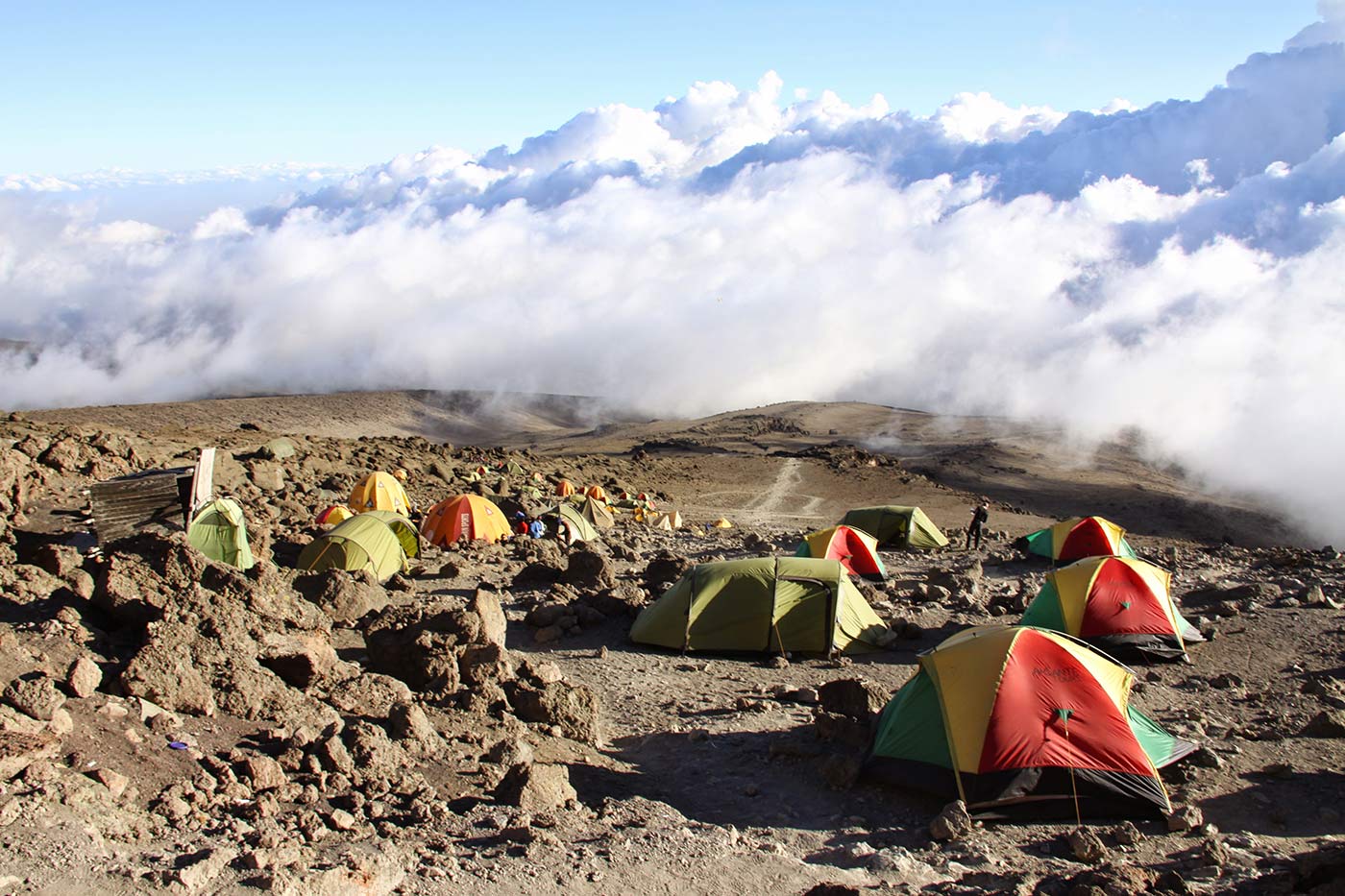
The simple answer is no. There are no public showers on most Mount Kilimanjaro climbing routes. Mountain camps provide basic toilets and washing water, but not hot showers. Some premium operators may offer portable shower systems on selected luxury climbs, although this is uncommon. Most trekkers clean themselves using warm water supplied in a basin by the mountain crew or biodegradable wet wipes. Since temperatures become extremely cold at higher elevations, full-body washing is rarely practical. Understanding this before your Kilimanjaro trekking adventure helps you pack appropriately and set realistic expectations for maintaining personal hygiene throughout your expedition.
Pack Biodegradable Wet Wipes
Biodegradable wet wipes can be how do I stay clean on Kilimanjaro and are among the most important Kilimanjaro packing list essentials. They allow you to clean your face, neck, hands, feet, and body without requiring large amounts of water. Choose fragrance-free, alcohol-free, biodegradable wipes designed for outdoor adventures to minimise environmental impact. Use one before breakfast, another after hiking, and one before sleeping for maximum freshness. Never leave used wipes on the mountain—pack every wipe into your rubbish bag following Leave No Trace principles. Wet wipes are lightweight, space-saving, and highly recommended by experienced Kilimanjaro guides for every climbing season.
Wash Your Hands Frequently
Hand hygiene is one of the best ways to avoid illness while climbing Mount Kilimanjaro. Washing your hands before eating is the best way on how do I stay clean on Kilimanjaro, after using the toilet, and after touching shared equipment. Carry a small bottle of alcohol-based hand sanitiser and use it regularly throughout the day. Many climbing crews also provide hand-washing stations before meals. Clean hands reduce the spread of bacteria and viruses that commonly cause stomach problems on trekking expeditions. Good hand hygiene protects both you and fellow climbers, making it one of the simplest yet most effective habits for a safe and enjoyable Kilimanjaro trekking experience.
Use a Small Personal Hygiene Kit
A lightweight hygiene kit keeps you organised throughout your Kilimanjaro climb. Pack a toothbrush, toothpaste, biodegradable soap, travel towel, hand sanitiser, biodegradable wet wipes, moisturiser, lip balm, tissues, toilet paper, nail clippers, and menstrual products if needed are the amazing how do I stay clean on Kilimanjaro. Store everything in waterproof bags to keep items dry during rain or river crossings. Choose compact travel-sized products to minimise weight while maximising convenience. A well-prepared hygiene kit helps you stay fresh, comfortable, and healthy during your trek from the lush rainforest to the snow-covered summit of Uhuru Peak.
Wear Clean Base Layers Daily
Changing into clean base layers each day improves hygiene and comfort on Mount Kilimanjaro. Moisture-wicking merino wool or synthetic clothing dries quickly, reduces odour, and keeps your skin healthier. Avoid cotton because it absorbs sweat and stays damp. Change into dry clothing after hiking to prevent chills and skin irritation. Fresh socks and underwear are especially important for reducing bacteria and maintaining overall comfort. Rotating lightweight clothing throughout your Kilimanjaro trekking adventure keeps you feeling cleaner, improves sleep quality, and supports better physical performance at high altitude.
Keep Your Feet Clean and Dry
Healthy feet are essential for reaching Uhuru Peak. Wash or wipe your feet every evening, dry them thoroughly, and apply foot powder if necessary. Change into dry hiking socks daily and wear breathable boots that fit properly. Clean feet reduce blisters, fungal infections, and unpleasant odours during multi-day treks. Air your feet whenever possible during lunch breaks to reduce moisture buildup. Foot care is one of the most overlooked aspects of Kilimanjaro climbing preparation, yet it significantly improves comfort and hiking performance throughout the expedition.
Manage Toilet Hygiene Properly
Mountain toilets are basic, so good preparation is essential. Carry toilet paper, biodegradable tissues, hand sanitiser, and sealable waste bags for personal rubbish. Always sanitise your hands after using the toilet to reduce the spread of germs. Some climbers also carry disposable toilet seat covers for additional comfort. Respect the mountain environment by disposing of waste responsibly and following your guide's instructions. Proper toilet hygiene protects both your health and the fragile ecosystem of Kilimanjaro National Park, ensuring future climbers enjoy the same pristine environment.
Stay Hydrated for Healthy Skin
Drinking enough water helps your body stay healthy from the inside out. Proper hydration reduces dry skin, cracked lips, fatigue, and dehydration caused by altitude. Most climbers should drink three to four litres of purified water daily, depending on conditions. Combine hydration with moisturiser and SPF sunscreen to protect your skin against intense mountain sun and cold winds. Healthy skin contributes to overall comfort during your Mount Kilimanjaro trek, making hydration one of the simplest hygiene habits with significant health benefits.
Brush Your Teeth Every Morning and Evening
Brushing your teeth twice daily keeps your mouth clean, reduces bacteria, and helps maintain fresh breath throughout your Kilimanjaro expedition. Use a travel toothbrush, fluoride toothpaste, and a small cup of treated water. Avoid wasting water by using only a small amount for rinsing. Good oral hygiene contributes to overall health and comfort, especially during high-altitude trekking where dehydration can cause dry mouth. A few minutes of dental care each day supports better wellbeing throughout your journey to Africa's highest mountain.
Protect Your Skin from the Elements
Kilimanjaro's changing climate exposes your skin to intense UV rays, cold winds, and dry air. Apply broad-spectrum SPF 50+ sunscreen every morning and reapply throughout the day. Use lip balm with SPF and moisturiser each evening to prevent cracked lips and dry skin. Cover exposed skin with lightweight clothing, sunglasses, and a wide-brim hat whenever possible. Proper skin protection reduces discomfort, prevents sunburn, and keeps you healthier throughout your Mount Kilimanjaro climbing adventure, regardless of the season.
Keep Your Sleeping Bag Clean
Your sleeping bag becomes your bedroom for several nights, so keeping it clean is important. Wear clean thermal base layers before sleeping and avoid entering your sleeping bag with muddy boots or wet clothing. Consider using a lightweight sleeping bag liner for extra cleanliness and warmth. Air out your sleeping bag whenever weather permits to reduce moisture and odours. Maintaining clean sleeping equipment improves sleep quality, supports recovery, and enhances your overall Kilimanjaro trekking experience from the first camp to the summit.
Respect Leave No Trace Principles
Keeping yourself clean should never harm the mountain environment. Use biodegradable products sparingly, pack out all personal waste, avoid littering, and never leave wet wipes or tissues behind. Follow Leave No Trace ethics and listen to your mountain guides regarding waste disposal. Responsible trekking protects Kilimanjaro National Park, preserves wildlife habitats, and ensures future generations enjoy the same spectacular landscapes. Sustainable travel is an essential part of every successful Mount Kilimanjaro adventure.
Women’s Hygiene on Kilimanjaro
Women can comfortably climb Mount Kilimanjaro with proper planning. Pack sufficient sanitary products, biodegradable wipes, sealable disposal bags, hand sanitiser, and spare underwear. Many female climbers successfully trek during their menstrual cycle by maintaining good hygiene and staying hydrated. Wear breathable moisture-wicking clothing to remain comfortable during long hiking days. Discuss any concerns with your Kilimanjaro tour operator before departure to ensure you have the necessary support and equipment throughout the expedition.
Hygiene Tips from Experienced Kilimanjaro Guides
Professional Kilimanjaro guides recommend keeping your hygiene routine simple and consistent. Wash your hands before every meal, clean your body daily with warm water or wet wipes, change into dry clothes after hiking, keep your feet dry, brush your teeth twice daily, and stay hydrated. Carry only lightweight hygiene essentials to minimise backpack weight while maintaining comfort. These proven habits help reduce illness, improve morale, and increase your chances of enjoying a safe, comfortable, and successful summit of Uhuru Peak.
Mental Preparation for Staying Clean and Comfortable on Kilimanjaro
Mental preparation is a key part of a successful Mount Kilimanjaro climb. Accepting that mountain conditions are different from everyday life helps you adapt to limited showers, cold temperatures, basic camps, and simple hygiene routines. A positive mindset allows you to focus on the adventure rather than small inconveniences. Experienced Kilimanjaro climbers understand that cleanliness on the mountain is about feeling refreshed, healthy, and comfortable rather than maintaining a normal home routine. Preparing mentally before your trek helps you handle challenges, stay motivated, and enjoy every moment from the rainforest trails to the summit of Uhuru Peak.
Hair Care Tips While Climbing Mount Kilimanjaro
Maintaining hair hygiene on Mount Kilimanjaro requires simple and practical solutions. Since showers are unavailable on most routes, pack a lightweight brush or comb, dry shampoo, hair ties, a microfiber towel, and biodegradable wipes. Keep long hair tied back during hiking to reduce sweat buildup, tangles, and exposure to dust. Avoid using heavy hair products that add weight to your luggage or attract dirt. Covering your hair with a warm hat, buff, or headband protects against cold temperatures and strong mountain winds. Good hair care habits help you feel fresh and confident throughout your Kilimanjaro trekking adventure.
Life After the Summit: How Climbing Kilimanjaro Changes Your Perspective and Your Goals
Reaching Uhuru Peak on Mount Kilimanjaro is more than a physical achievement; it is a life-changing experience that often transforms how people view challenges, confidence, and personal goals. Completing Africa’s highest mountain teaches patience, discipline, resilience, teamwork, and appreciation for simple moments. Many climbers return home with a stronger belief that difficult goals are achievable through preparation and determination. The lessons learned during a Kilimanjaro trekking expedition often inspire new adventures, healthier lifestyles, and greater personal ambitions. Standing on the summit creates lasting memories and a renewed perspective on overcoming obstacles both on and beyond the mountain.
Final Thought
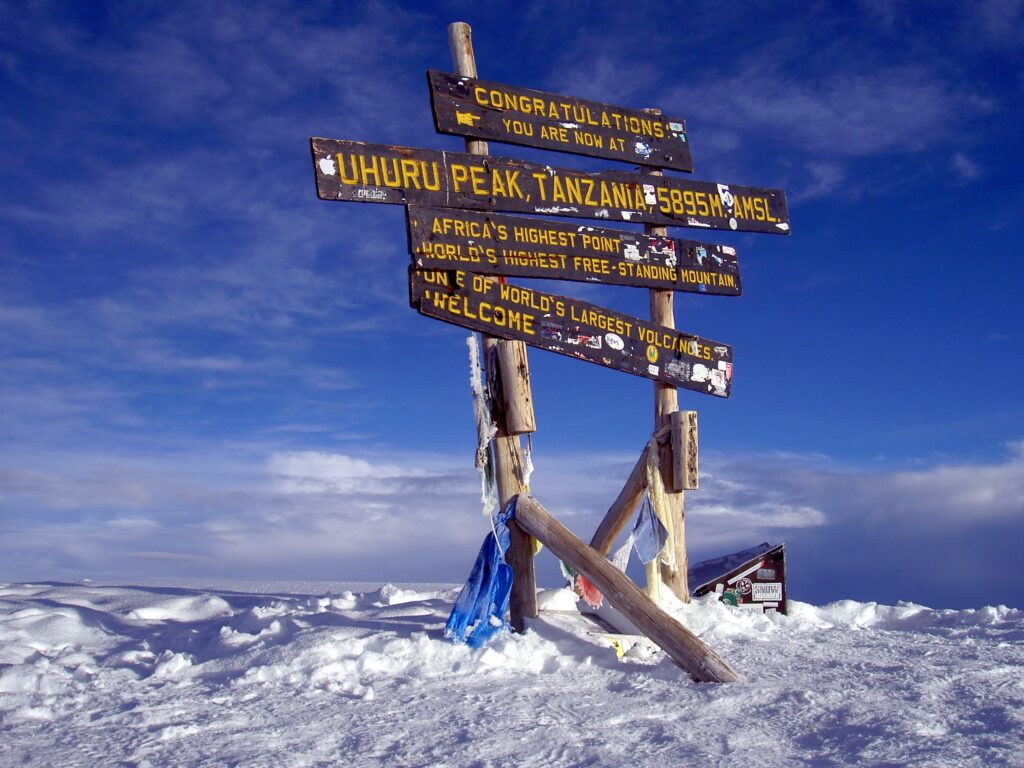
You don't need daily showers to stay clean while climbing Mount Kilimanjaro. Smart packing, consistent personal hygiene, clean clothing, proper hydration, and environmentally responsible practices are all you need for a healthy trekking experience. By using biodegradable products, maintaining hand hygiene, caring for your feet, and following your guides' advice, you'll remain comfortable throughout your journey. Good hygiene supports better health, enhances summit success, and allows you to focus on the breathtaking scenery, incredible wildlife, and unforgettable achievement of standing on the roof of Africa at Uhuru Peak.
How Do I Stay Clean on Kilimanjaro?: FAQs
Are there showers available on Mount Kilimanjaro?
No, most Mount Kilimanjaro climbing routes do not have showers. Trekkers usually clean themselves using warm water provided by the mountain crew, biodegradable wet wipes, and personal hygiene products. Some luxury Kilimanjaro operators may offer portable shower facilities on selected private climbs, but this is not common. Since conditions become colder at higher elevations, most climbers focus on staying fresh rather than having a full shower every day.
How do you wash your body while climbing Kilimanjaro?
Most climbers use a simple daily cleaning routine during their Kilimanjaro expedition. Each morning or evening, the crew usually provides a bowl of warm water for washing your face, hands, and body. Biodegradable wet wipes are also useful for cleaning areas that become sweaty after hiking. Many trekkers wash their feet, change clothes, and apply moisturiser before sleeping.
What hygiene items should I pack for Kilimanjaro?
A good Kilimanjaro packing list should include essential personal hygiene items such as biodegradable wet wipes, hand sanitiser, toothbrush, toothpaste, biodegradable soap, quick-dry towel, toilet paper, tissues, moisturiser, lip balm, sunscreen, nail clippers, and personal medication. Women should also pack suitable menstrual hygiene products if required. Keep your hygiene supplies in waterproof bags to protect them from rain and moisture.
How do I keep my hands clean on Kilimanjaro?
Keeping your hands clean is one of the most important hygiene habits on Mount Kilimanjaro. Wash your hands before meals, after using mountain toilets, and whenever they become dirty. Carry an alcohol-based hand sanitiser in your daypack for quick cleaning during hiking breaks. Many professional Kilimanjaro guides and climbing companies provide hand-washing stations at campsites.
How do I keep my clothes clean during a Kilimanjaro trek?
Keeping clothes fresh on Kilimanjaro requires smart packing and layering. Bring moisture-wicking base layers, lightweight hiking shirts, clean underwear, and extra hiking socks. Avoid cotton because it holds moisture and dries slowly. Many climbers use a clothing rotation system, wearing one set during the day and another clean set at camp. Store dirty clothes separately from clean clothing inside waterproof bags.
How do I take care of my hair on Kilimanjaro?
Hair care on Mount Kilimanjaro is simple with the right preparation. Pack a small comb or brush, hair ties, a lightweight towel, and optional dry shampoo. Keep long hair tied back while hiking to reduce tangles, sweat buildup, and exposure to dust. Avoid carrying heavy hair products because they add unnecessary weight to your luggage.
How can I keep my feet clean and prevent blisters on Kilimanjaro?
Foot care is essential for a successful Mount Kilimanjaro summit climb. Clean your feet every evening using warm water or wet wipes, then dry them completely before putting on socks. Wear high-quality moisture-wicking hiking socks and properly fitted trekking boots. Change socks daily and allow your feet to breathe during rest breaks when possible. Applying foot powder can help reduce moisture.
Can I wear the same clothes every day on Kilimanjaro?
Although some climbers wear the same outer layers for several days, it is recommended to bring enough base layers and underwear for regular changes. Hiking clothing becomes sweaty and dusty, especially during lower-altitude sections of the trek. Clean socks, underwear, and base layers should be changed frequently to maintain comfort and hygiene. Outer jackets and trekking trousers usually do not need daily washing.
How do women maintain hygiene during a Kilimanjaro climb?
Women can successfully maintain hygiene on Mount Kilimanjaro with good preparation. Pack enough personal hygiene supplies, including menstrual products, biodegradable wipes, disposal bags, hand sanitiser, and spare underwear. Wear breathable moisture-wicking clothing and keep personal items organised in waterproof bags. Many female climbers complete Kilimanjaro comfortably by following simple hygiene routines and communicating their needs with their guides.
What is the best way to stay clean while reaching Uhuru Peak?
The best way to stay clean while climbing to Uhuru Peak, the summit of Mount Kilimanjaro, is to maintain simple daily habits. Clean your body with wet wipes or warm water, wash your hands regularly, wear fresh base layers, protect your skin, care for your feet, and keep your sleeping area clean. Avoid carrying unnecessary items and focus on lightweight hygiene essentials.
What Are the Toilet Facilities Like on Mount Kilimanjaro?
Toilet facilities on Mount Kilimanjaro are basic but functional, and understanding what to expect helps climbers prepare properly. Most camps along popular routes provide simple mountain toilets, usually consisting of long-drop toilets or basic pit latrines. Some private Kilimanjaro trekking companies offer portable toilet tents for greater comfort and hygiene, especially on premium climbs. Trekkers should carry toilet paper, biodegradable wipes, hand sanitiser, and small waste bags.
Climb Kilimanjaro With Confidence
Tell us your dates and fitness, and our experienced mountain team will plan a safe, well-acclimatized private climb.