Routes, Costs & Expert Tips
Kilimanjaro Trekking at a Glance
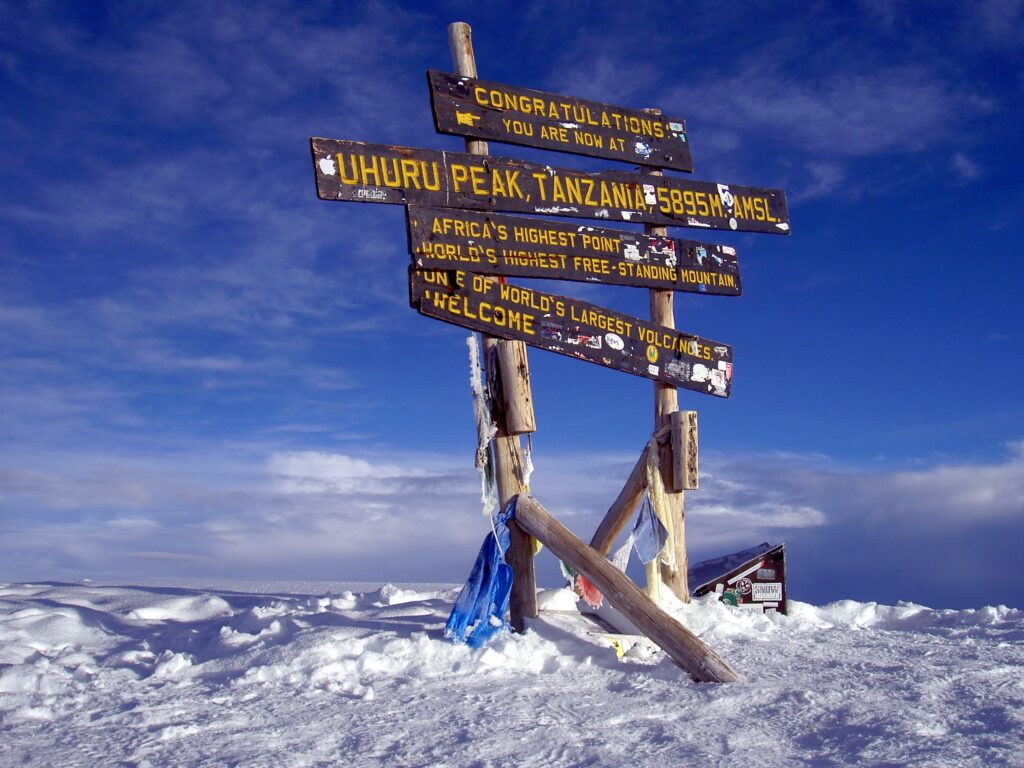
Discover and explore the Ultimate Kilimanjaro Trekking Guide, your complete resource for planning a once-in-a-lifetime climb to the summit of Mount Kilimanjaro, Africa’s highest peak and the world’s tallest free-standing mountain. Whether you are searching for the best Kilimanjaro routes, affordable trekking costs, or expert climbing tips, this guide covers everything. From understanding altitude sickness and acclimatization to choosing reliable tour operators and packing smart, every detail matters for a successful summit. With its snow-capped summit, diverse ecosystems, and bucket-list appeal, Kilimanjaro attracts adventurers from around the globe. Kilimanjaro trekking is suitable for beginners and experienced hikers alike, making it one of the most popular adventure travel experiences in Africa. With breathtaking landscapes, diverse ecosystems, and the iconic Uhuru Peak, this guide helps you plan a safe, memorable, and rewarding Kilimanjaro expedition while maximizing your chances of reaching the summit successfully. Karibu—your journey to the Roof of Africa begins here.
Where is Mount Kilimanjaro on a map?
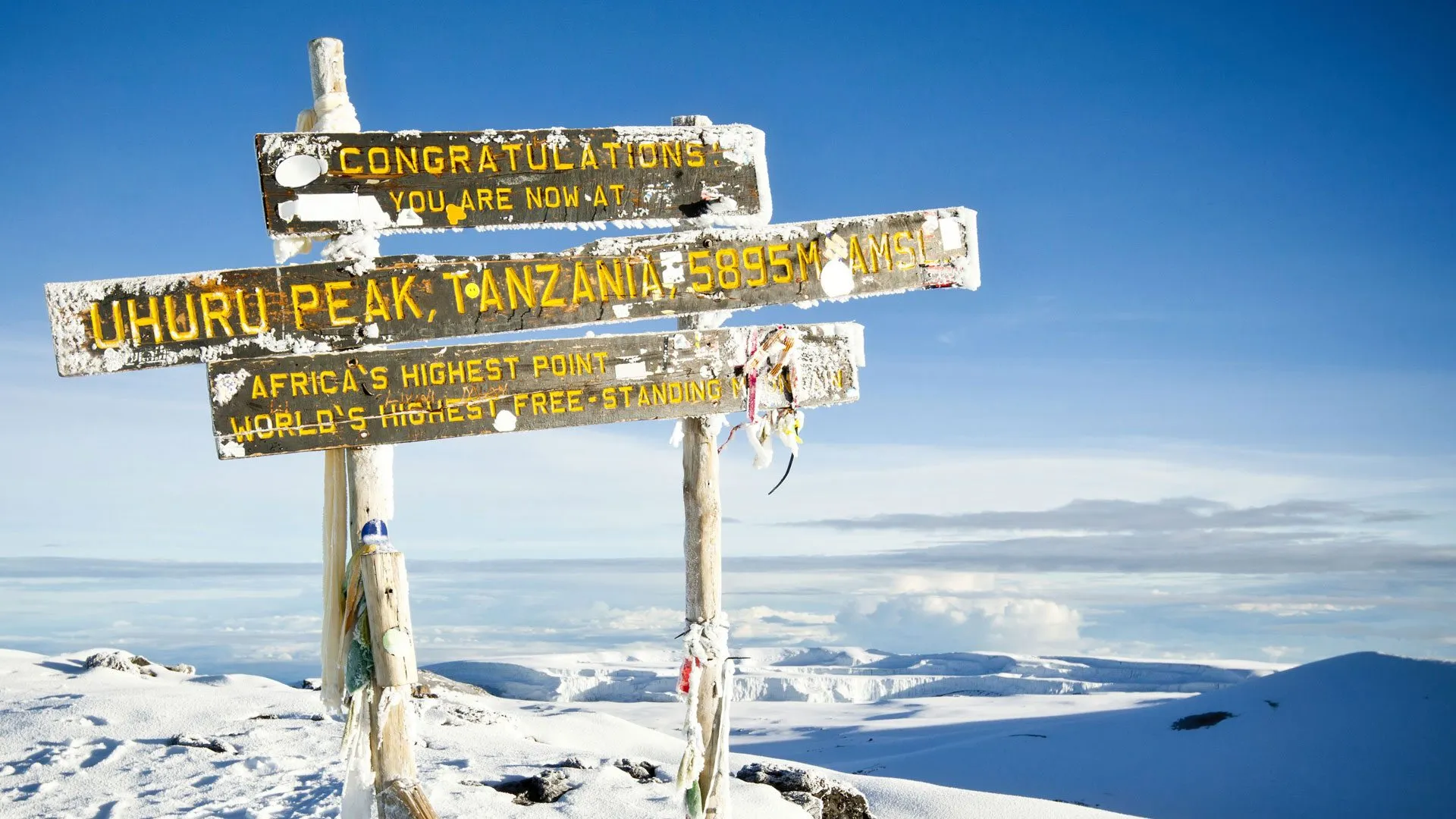
Mount Kilimanjaro is located in northeastern Tanzania, near the border with Kenya. Positioned within Kilimanjaro National Park, this iconic mountain rises to 5,895 meters (19,341 feet) above sea level, making it the tallest free-standing mountain in the world. The nearest major town is Moshi, while Arusha serves as a popular safari hub and gateway to Kilimanjaro climbs. The closest airport is Kilimanjaro International Airport, connecting travelers to global destinations. On a map, Kilimanjaro is easily identifiable due to its massive volcanic structure and proximity to the equator, offering climbers a rare chance to trek from rainforest to glaciers in just a few days.
Why Climb Kilimanjaro?
Climbing Mount Kilimanjaro is a bucket-list achievement for adventurers seeking a non-technical yet challenging high-altitude trek. Unlike other major peaks, Kilimanjaro requires no mountaineering skills, making it accessible to beginners with proper preparation. The journey offers unmatched scenic diversity—from lush rainforests and alpine deserts to the snow-capped summit of Uhuru Peak. Beyond the physical challenge, it’s a deeply personal experience, often described as life-changing. Trekkers are drawn by the chance to stand atop Africa’s highest point, witness breathtaking sunrises, and connect with nature and local culture. With experienced guides, porters, and well-established routes, Kilimanjaro trekking tours provide a safe and rewarding adventure. Whether you’re climbing for charity, personal growth, or pure exploration, Kilimanjaro delivers unforgettable memories and a true sense of accomplishment.
Best Kilimanjaro Trekking Routes
Choosing the best Kilimanjaro trekking route is key to a successful summit. Popular options include the Marangu Route, Machame Route, Lemosho Route, Rongai Route, and Northern Circuit, each offering unique scenery, difficulty levels, and success rates. Lemosho and Northern Circuit routes are widely regarded as the best for high summit success rates (up to 90%) due to longer acclimatization periods. The Machame Route—often called the “Whiskey Route”—is favored for its scenic beauty and high success rate around 80–85%. The Lemosho Route offers a quieter, more gradual ascent ideal for acclimatization. Marangu, or “Coca-Cola Route,” the only route with hut accommodations, is popular for comfort but has lower summit success. The Northern Circuit is the longest and least crowded, providing excellent acclimatization. Each route varies in duration, difficulty, and cost, catering to different fitness levels and preferences. For beginners, longer routes increase the chances of reaching Uhuru Peak safely. When planning your Kilimanjaro trekking adventure in Tanzania, prioritize routes that balance scenery, acclimatization, and expert-guided support to maximize your chances of success. When selecting a route, consider factors such as acclimatization time, scenery, and crowd levels. Booking with experienced Kilimanjaro tour operators ensures proper guidance and safety throughout your trekking adventure.
Ultimate Kilimanjaro Trekking Costs
The cost of climbing Mount Kilimanjaro varies widely depending on the route, duration, and level of service. Budget Kilimanjaro treks typically start from $1,950 to $2,500, while mid-range packages range from $2,500 to $4,000. Luxury Kilimanjaro climbs can exceed $5,000, offering premium tents, gourmet meals, and personalized services. Costs generally include park fees, guide and porter wages, meals, camping equipment, and transfers. Flights, visas, tips, and travel insurance are additional expenses. While it may be tempting to choose the cheapest option, safety and ethical treatment of porters should be a priority. Reputable Kilimanjaro tour operators provide transparent pricing and high-quality services. Investing in a well-organized trek increases your chances of reaching the summit safely and comfortably.
Kilimanjaro Packing List Tips
A well-prepared Kilimanjaro packing list is essential for a successful climb. Key items include layered clothing for varying climates, waterproof gear, sturdy hiking boots, and a warm sleeping bag. Temperatures on Mount Kilimanjaro can drop below freezing, especially near the summit, so thermal wear, gloves, and a down jacket are crucial. Don’t forget essentials like a headlamp, trekking poles, reusable water bottles, and high-energy snacks. Personal hygiene items, sunscreen, and a basic first-aid kit are also important. Many tour operators provide group equipment, but personal gear should be carefully selected for comfort and durability. Packing light yet efficiently helps porters and enhances your trekking experience. Proper preparation ensures you stay warm, dry, and focused on reaching Uhuru Peak.
Best Time for Ultimate Kilimanjaro Trekking
The best time to climb Mount Kilimanjaro is during the dry seasons: January to March and June to October. These months offer clear skies, stable weather, and excellent trekking conditions. January to March is slightly quieter and generally warmer, with occasional snow at the summit, while June to October is the most popular period, with cooler temperatures and excellent visibility. Avoid the rainy seasons—April to May and November—when trails can be muddy, and visibility is limited. Timing your Kilimanjaro trekking adventure correctly enhances safety and summit success rates. Peak seasons may be busier, so early booking is recommended. Whether you prefer fewer crowds or optimal weather, choosing the right time is a key factor in planning your Kilimanjaro climb.
Where to Stay During the Ultimate Kilimanjaro Trekking
Accommodation during a Kilimanjaro trek depends on the chosen route. The Marangu Route offers hut accommodations with basic facilities, while all other routes use tents set up by porters. Before and after the climb, travelers typically stay in lodges or hotels in Moshi or Arusha. Options range from budget hostels to luxury safari lodges, catering to all travel styles. Many Kilimanjaro tour packages include pre- and post-trek accommodation, meals, and transfers. Choosing comfortable lodging helps you rest and prepare for the climb. High-quality camps and professional support teams ensure a safe and enjoyable trekking experience on the mountain. Whether you prefer simple huts or luxury tents, Kilimanjaro offers flexible accommodation options.
Training Preparation for Climbing Kilimanjaro
Proper training is essential for climbing Mount Kilimanjaro successfully. Focus on cardiovascular fitness, strength training, and endurance exercises such as hiking, running, and cycling. Practice trekking with a backpack to simulate real conditions. While Kilimanjaro is a non-technical climb, the altitude and long trekking days require stamina and mental resilience. Aim to train for at least 8–12 weeks before your trip. Incorporate elevation hikes if possible, to prepare for high-altitude conditions. Consistency is key—gradually increase intensity and duration. A well-prepared body reduces fatigue and improves your chances of reaching the summit. Many climbers underestimate the challenge, but proper preparation ensures a safer and more enjoyable experience on Africa’s highest mountain.
- 1Weeks 1-4: build cardio with hiking, running or cycling.
- 2Weeks 5-8: add strength training and longer hikes with a backpack.
- 3Weeks 9-12: complete back-to-back long hikes, with elevation if possible.
- 4Final week: rest, hydrate and check your gear.
Acclimatization and Altitude Sickness
Acclimatization is one of the most critical aspects of climbing Mount Kilimanjaro. As you ascend, oxygen levels decrease, increasing the risk of altitude sickness. Symptoms may include headaches, nausea, and fatigue. To minimize risks, choose longer routes like Lemosho or Northern Circuit, which allow gradual ascent. Follow the “climb high, sleep low” principle and stay well-hydrated. Experienced guides monitor climbers closely and make safety decisions when necessary. Medications like acetazolamide may help, but should be used under medical advice. Listening to your body is essential—never ignore symptoms. Proper acclimatization significantly increases summit success rates and ensures a safer trekking experience. Prioritizing health over speed is key to conquering Kilimanjaro.
Local Culture and Ethics on Kilimanjaro
Climbing Mount Kilimanjaro is not just a physical journey but also a cultural experience. The mountain holds deep significance for local communities, including the Chagga people. Respecting local customs, traditions, and the environment is essential. Choose ethical Kilimanjaro tour operators who ensure fair wages and proper treatment of porters. Learning a few Swahili phrases like “Asante” (thank you) and “Pole pole” (slowly) enhances your experience and connection with the crew. Sustainable tourism practices, such as minimizing waste and respecting wildlife, help preserve the mountain for future generations. Responsible travel ensures that your adventure benefits both you and the local communities supporting your journey.
Kilimanjaro Guides & Porters
Professional guides and porters are the backbone of every successful Kilimanjaro climb. Licensed guides provide navigation, safety monitoring, and motivation throughout the trek. Porters carry equipment, set up camps, and prepare meals, allowing climbers to focus on the journey. A typical Kilimanjaro expedition includes a team of guides, cooks, and porters to ensure comfort and safety. Ethical treatment of porters is crucial—look for companies affiliated with organizations like the Kilimanjaro Porters Assistance Project. Tipping is customary and an important part of their income. Building a bond with your team adds a meaningful human connection to your adventure. Their expertise and support play a vital role in helping you reach the summit successfully.
How to Find the Best Kilimanjaro Tour Operators
Choosing the best Kilimanjaro tour operator is essential for a safe and successful climb. Look for companies with strong reviews, certified guides, and transparent pricing. Reputable operators prioritize safety, proper acclimatization schedules, and ethical treatment of staff. Compare packages based on inclusions such as park fees, equipment, meals, and accommodation. Check if the operator is affiliated with recognized organizations and follows responsible tourism practices. Personalized itineraries and responsive communication are also key indicators of quality service. Avoid extremely cheap options, as they may compromise safety and porter welfare. Investing in a trusted Kilimanjaro trekking company ensures a well-organized, enjoyable, and memorable climbing experience.
How To Plan a Kilimanjaro Climb
Planning a Kilimanjaro climb involves several important steps. Start by selecting the best route and travel dates based on weather and personal preferences. Book your trek with a reputable tour operator well in advance, especially during peak seasons. Arrange flights to Kilimanjaro International Airport and secure necessary travel documents such as visas and insurance. Prepare physically and mentally through proper training. Organize your packing list and ensure you have all the required gear. Allow extra days for acclimatization and rest before and after the climb. A well-structured plan reduces stress and enhances your overall experience. With the right preparation, your Kilimanjaro adventure will be smooth, safe, and unforgettable.
What Is Included and Excluded from Kilimanjaro Trekking
Understanding what is included and excluded in a Kilimanjaro trekking package is essential for budgeting and planning your climb of Mount Kilimanjaro. Most reputable tour operators in Tanzania include park fees, professional guides, porters, camping equipment, meals on the mountain, and safety gear such as oxygen tanks and first aid kits. Accommodation before and after the trek, as well as airport transfers, are often included in mid-range and luxury packages. However, international flights, visas, travel insurance, tips for guides and porters, and personal gear like trekking boots and clothing are usually excluded. Optional extras such as private toilets, upgraded tents, and additional acclimatization days may also come at an extra cost. Knowing these details helps travelers avoid hidden expenses and ensures a smoother, stress-free Kilimanjaro trekking experience with clear expectations.
- Park fees
- Guides, porters and cooks
- Camping equipment and mountain meals
- Oxygen and first-aid kits
- International flights and visas
- Travel insurance
- Tips for guides and porters
- Personal gear and clothing
All-Inclusive Kilimanjaro Trekking
All-inclusive Kilimanjaro trekking packages offer a hassle-free way to conquer Mount Kilimanjaro while enjoying maximum comfort and safety. These packages typically cover everything from arrival in Arusha or Moshi to your summit attempt and departure. Services include expert mountain guides, experienced porters, quality camping or hut accommodation, nutritious meals, and essential safety equipment. Many premium packages also include hotel stays, airport transfers, and personalized support such as private climbs or tailored itineraries. Choosing an all-inclusive Kilimanjaro trek ensures better organization, professional care, and higher summit success rates, especially for first-time climbers. While prices may be higher compared to budget options, the value lies in safety, comfort, and peace of mind. For travelers seeking a seamless African adventure, all-inclusive Kilimanjaro trekking is one of the most rewarding and reliable ways to reach Uhuru Peak.
What to Expect from the Ultimate Kilimanjaro Trekking
The ultimate Kilimanjaro trekking experience on Mount Kilimanjaro is a journey through diverse ecosystems and physical challenges. Trekkers begin in dense rainforest, gradually ascending through moorlands, alpine desert, and finally icy summit conditions. Each day involves 5–8 hours of hiking, with altitude being the biggest challenge. Acclimatization is crucial, and climbers may experience symptoms of altitude sickness, making slow pacing essential. Nights are spent in tents or huts, depending on the route, with stunning views of the African landscape. Summit night is the most demanding, requiring a midnight ascent to reach Uhuru Peak at sunrise. Despite the challenges, the reward is unmatched—standing atop Africa’s highest point in Tanzania. Expect expert guidance, team support, and an unforgettable sense of achievement that defines the ultimate Kilimanjaro trekking adventure.
The #1 Guide Company for Climbing Mount Kilimanjaro
Choosing Foot Slopes Tours and Safaris, the best Kilimanjaro guide company, is essential for a safe, successful summit. Top-rated operators in Arusha and Moshi offer certified guides, high summit success rates, quality camping gear, and ethical porter treatment. Look for licensed companies with excellent reviews, transparent Kilimanjaro trekking costs, and tailored itineraries across popular routes like Machame and Lemosho. Reliable companies also provide acclimatization support, oxygen tanks, and expert mountain crews—ensuring your Kilimanjaro climb is both memorable and safe, delivering a world-class Tanzania adventure experience.
Ultimate Kilimanjaro Summit – Pro Tips for Conquering the Roof of Africa
Reaching Uhuru Peak on Mount Kilimanjaro requires preparation, pacing, and persistence. Choose longer routes for better acclimatization, stay hydrated, and follow the “pole pole” (slowly) principle. Pack layered clothing for changing climates and invest in quality hiking boots. Altitude sickness prevention is key—listen to your guide and monitor symptoms. Train with cardio and endurance hikes before your trip. With expert guidance, proper gear, and mental resilience, conquering Africa’s highest mountain becomes an achievable, life-changing Kilimanjaro trekking adventure.
Kilimanjaro Success Rates and Costs at a Glance
Compare route success rates, the key factors that affect your summit chances and typical climbing costs. Tap a tab for the details.
Top Kilimanjaro Route Success Rate (High-to-Low Estimates)
- Northern Circuit (9–10 days): Highest success rate (95–98%), least crowded, and offers the most comprehensive, scenic experience.
- Lemosho Route (7–8 days): Considered one of the most scenic and safest due to superior acclimatization, boasting >90% success rates.
- Machame Route (6–7 days): Known as the "Whiskey Route," it is very scenic but steeper and busier than Lemosho, with 85–90% success.
- Rongai Route (6–7 days): Approaches from the north, offering a drier, more remote experience.
- Marangu Route (5–6 days): Known as the "Coca-Cola" route, it is the only route with hut accommodation. It has lower success rates (50-65%) due to fewer acclimatization days.
- Umbwe Route (5–6 days): Very direct and steep; intended for very physically fit individuals, with lower success rates.
Key Factors Affecting Kilimanjaro climbing Success
- Duration: 8+ day itineraries offer the highest success (90%+).
- Acclimatization: Routes that allow gradual ascent (like Lemosho/Northern Circuit) reduce Acute Mountain Sickness (AMS).
- Operator Choice: Experienced operators with proper medical training (e.g., Wilderness First Responders) and equipment have higher success rates.
Kilimanjaro Climbing Costs
Kilimanjaro climbing costs vary depending on operator, luxury level, and duration. Key Costs: Park fees, which can exceed $1,100 per person for an 8-day trip, make up roughly 35% of the total cost.
- Budget ($1,850 – $2,500): Often offer experienced guides, normal equipment, and ethical treatment of porters.
- Mid-range ($2,500 – $3,500): Common for 6–8-day climbs, offering good safety standards.
- Luxury ($3,500 – $6,000+): Includes private portable toilets, specialized meals, and superior tents.
Final Thought: Your Ultimate Kilimanjaro Adventure Awaits
Climbing Mount Kilimanjaro is more than just a trek—it’s a life-changing journey that combines adventure, culture, and personal achievement. With the right preparation, expert guidance, and careful planning, reaching Uhuru Peak becomes an attainable dream. From choosing the best routes and understanding costs to packing smart and respecting local culture, every detail matters. Whether you’re a solo traveler, a couple, or part of a group, Kilimanjaro offers an unforgettable African experience. As you stand on the Roof of Africa, watching the sunrise above the clouds, you’ll realize that every step was worth it. Your ultimate Kilimanjaro trekking adventure awaits—are you ready to take the first step?
- Machame vs Lemosho vs Marangu
- Benefits of Guided Kilimanjaro Hikes
- Kilimanjaro Packing Mistakes
- All You Need to Know to Climb Mt Kilimanjaro
- 15 Best Tanzania Safari Lodges & Camps
- Ultimate 2-Week Tanzania & Zanzibar Safari Itinerary & Costs
- How Much Does It Cost to Climb Kilimanjaro?
- 10 Best Luxury African Safari Resorts & Lodges
Kilimanjaro Trekking: Frequently Asked Questions
Where is Mount Kilimanjaro?
Kilimanjaro is in northeastern Tanzania near the Kenyan border, inside Kilimanjaro National Park. It rises to 5,895 metres. The nearest town is Moshi, Arusha is a popular gateway and Kilimanjaro International Airport is the closest airport.
Why should I climb Kilimanjaro?
Kilimanjaro is a non-technical yet challenging trek that needs no mountaineering skills. It offers scenery from rainforest to snow-capped Uhuru Peak, unforgettable sunrises and the achievement of standing on Africa's highest point.
What is the best route to climb Kilimanjaro?
Lemosho and the Northern Circuit are widely regarded as best for summit success thanks to longer acclimatisation. Machame is scenic and popular, while Marangu is the only route with huts but has lower success rates.
How much does it cost to climb Kilimanjaro?
Budget treks typically start from $1,950 to $2,500, mid-range packages range from $2,500 to $4,000 and luxury climbs can exceed $5,000. Flights, visas, tips and travel insurance are usually extra.
What should I pack for Kilimanjaro?
Pack layered clothing, waterproof gear, sturdy boots, a warm sleeping bag, thermal wear, gloves, a down jacket, a headlamp, trekking poles, reusable water bottles, snacks, sunscreen and a basic first-aid kit.
When is the best time to climb Kilimanjaro?
The dry seasons from January to March and June to October offer clear skies and stable weather. Avoid the rainy months of April, May and November, when trails are muddy and visibility is limited.
Where do you stay when climbing Kilimanjaro?
The Marangu Route uses huts, while all other routes use tents set up by porters. Before and after the climb, travellers usually stay in lodges or hotels in Moshi or Arusha.
How should I train for Kilimanjaro?
Train for 8 to 12 weeks with cardio, strength and endurance exercises such as hiking, running and cycling. Practise trekking with a backpack and include elevation hikes if possible.
How do I avoid altitude sickness on Kilimanjaro?
Choose a longer route such as Lemosho or the Northern Circuit, follow the climb high, sleep low principle, walk slowly, stay hydrated and tell your guide about any symptoms. Use medication such as acetazolamide only under medical advice.
How can I climb Kilimanjaro ethically?
Choose operators that pay fair wages and treat porters well, learn a few Swahili phrases, minimise waste and respect local customs, including those of the Chagga people who live around the mountain.
What do guides and porters do on Kilimanjaro?
Licensed guides lead navigation, safety monitoring and motivation, while porters carry equipment, set up camp and cooks prepare meals. Tipping is customary and an important part of their income.
How do I choose a Kilimanjaro tour operator?
Look for strong reviews, certified guides, transparent pricing, good acclimatisation schedules and ethical staff treatment. Compare inclusions and avoid extremely cheap operators that may compromise safety or porter welfare.
How do I plan a Kilimanjaro climb?
Choose your route and dates, book early with a reputable operator, arrange flights to Kilimanjaro International Airport, visas and insurance, train well, prepare your packing list and allow extra days to rest before and after.
What is included in a Kilimanjaro trekking package?
Most packages include park fees, guides, porters, camping equipment, mountain meals and safety gear. International flights, visas, travel insurance, tips and personal gear are usually excluded.
What is an all-inclusive Kilimanjaro trek?
An all-inclusive trek covers your journey from arrival in Arusha or Moshi to departure, including guides, porters, accommodation on the mountain, meals and safety equipment, and often hotels, transfers and private climbs.
What can I expect on a Kilimanjaro trek?
Expect 5 to 8 hours of hiking a day through rainforest, moorland, alpine desert and icy summit zones, nights in tents or huts, and a demanding midnight summit push to reach Uhuru Peak at sunrise.
Why climb Kilimanjaro with Foot Slopes Tours and Safaris?
Foot Slopes Tours and Safaris offers certified guides, quality camping gear, ethical porter treatment, acclimatisation support, oxygen and tailored itineraries on popular routes such as Machame and Lemosho.
What are the best tips for reaching Uhuru Peak?
Choose a longer route, stay hydrated, walk pole pole, pack layered clothing and quality boots, listen to your guide about altitude symptoms and train with cardio and endurance hikes before your trip.
Which Kilimanjaro route has the highest success rate?
The Northern Circuit has the highest estimated success rate at 95 to 98 percent, followed by Lemosho at over 90 percent. Itineraries of eight days or more give the best chance of reaching the summit.
Plan Your Kilimanjaro Trek
Tell us your dates and fitness, and our experienced local mountain team will plan a safe, well-acclimatised private Kilimanjaro trek on the route that suits you.