
Hygiene advice for women climbing Mount Kilimanjaro
Hygiene advice for women climbing Mount Kilimanjaro
Maintaining excellent hygiene while climbing Mount Kilimanjaro is essential for comfort, health, and a successful summit. Women trekking Africa's highest mountain face changing temperatures, limited washing facilities, high altitude, and multi-day camping, making smart hygiene preparation vital. Packing lightweight hygiene essentials, staying clean, managing menstruation, protecting your skin, and practising Leave No Trace principles help prevent illness and increase comfort. Whether climbing the Machame Route, Lemosho Route, Marangu Route, or Rongai Route, this women's Kilimanjaro hygiene guide covers expert trekking advice, female hygiene tips, mountain sanitation, packing essentials, and altitude travel recommendations for a safe, enjoyable, and unforgettable Tanzania adventure.
Wipes and Soap
Biodegradable wet wipes and small bottles of biodegradable soap are invaluable on Mount Kilimanjaro, where showers are unavailable on most routes. Unscented wipes help clean your face, hands, feet, and body after long trekking days, while biodegradable soap is ideal for quick washes using a basin provided by your support crew. Use minimal water, avoid scented products that attract insects, and always wash at least 60 metres away from natural water sources. Pack travel-sized toiletries to reduce weight and follow responsible trekking practices. Staying clean lowers the risk of skin irritation, infections, and discomfort while improving your overall Kilimanjaro climbing experience.
✓Other Health Problems on Kilimanjaro: Besides altitude sickness, climbers may experience dehydration, diarrhoea, constipation, blisters, sunburn, chapped lips, respiratory irritation, muscle fatigue, and minor skin infections. Good hygiene significantly reduces many of these risks. Wash hands frequently, treat drinking water, keep feet dry, apply sunscreen regularly, moisturise exposed skin, and maintain clean clothing. Women should monitor menstrual health, stay hydrated, and seek advice from guides if symptoms worsen. Early prevention and consistent hygiene help ensure a safer and more comfortable Kilimanjaro trekking experience.
Hand Health
Healthy hands are essential during a Kilimanjaro trek. Wash your hands with biodegradable soap whenever possible, especially before eating and after using the toilet. Carry an alcohol-based hand sanitiser for times when water is unavailable, and disinfect before every snack or meal. Keep fingernails trimmed to reduce dirt buildup and bacteria. Moisturise your hands regularly because cold mountain air and frequent sanitising can cause dry, cracked skin. Clean hands help prevent stomach illnesses, diarrhoea, and infections, ensuring you remain healthy, energised, and ready to reach Uhuru Peak successfully.
✓Advice and Tips for Women Climbing Mount Kilimanjaro: Women climbing Mount Kilimanjaro should prepare carefully for the unique challenges of high-altitude trekking, changing weather conditions, limited facilities, and long hiking days. Pack comfortable moisture-wicking clothing, supportive hiking boots, warm layers, feminine hygiene supplies, and personal care essentials. Staying clean with biodegradable wipes, hand sanitiser, and quick-drying underwear helps maintain comfort during the climb. Hydration, nutritious meals, proper acclimatisation, and listening to your mountain guide are essential for a safe summit attempt. Choose a reputable Kilimanjaro operator, communicate your needs clearly, and remember that preparation, confidence, and a positive mindset are key to reaching Uhuru Peak.
Approach, feed or disturb wildlife, or leave the vehicle unless your guide says it is safe.
Follow your guide, carry travel insurance and check current health and travel advice.
Urination Devices
Female urination devices (FUDs) provide convenience during long hiking days when toilets are unavailable. These lightweight silicone devices allow women to urinate while standing, reducing exposure to dirt and making bathroom breaks easier in rocky or crowded areas. Practise using your device before travelling to Tanzania to ensure confidence on the mountain. Always clean the device thoroughly after use with water or biodegradable wipes and store it in a dedicated waterproof pouch. Many experienced female climbers appreciate the comfort, hygiene, and privacy that urination devices provide during multi-day Kilimanjaro expeditions.
✓Explore and discover Hygiene advice for women climbing Mount Kilimanjaro: Female Kilimanjaro trekking tips, Women’s Kilimanjaro packing list, Kilimanjaro feminine hygiene, Female climbers Mount Kilimanjaro, Kilimanjaro personal hygiene tips, What women need for Kilimanjaro climb, Menstrual care on Kilimanjaro, Kilimanjaro trekking essentials for women, Mount Kilimanjaro preparation guide.
Pack It Out
Protecting Kilimanjaro's fragile ecosystem requires responsible waste management. Carry sealable zip-lock bags or odour-proof waste bags for used wipes, sanitary products, tissues, and other personal hygiene items. Never bury or leave waste on the mountain, even biodegradable products that may not decompose quickly at high altitude. Following Leave No Trace principles helps preserve Tanzania's iconic mountain for future climbers while supporting sustainable tourism. Responsible disposal also keeps camps clean, prevents wildlife disturbance, and demonstrates respect for fellow trekkers, guides, porters, and the natural environment throughout your climb.
✓Ladies’ “Down There” Guide for Kilimanjaro: Climbing Mount Kilimanjaro requires thoughtful preparation for female intimate hygiene, especially during a multi-day trek with changing temperatures, sweat, limited shower facilities, and shared campsite environments. A proper “down there” care routine helps women stay comfortable, fresh, and confident while trekking through the Machame, Lemosho, Marangu, Rongai, or Northern Circuit routes. Use breathable underwear, carry gentle hygiene products, manage menstruation effectively, stay dry, and follow responsible waste practices. Avoid heavily scented products that may cause irritation, and prioritise simple, practical hygiene habits. With the right preparation, women can focus on the adventure, stunning landscapes, and the rewarding experience of reaching Uhuru Peak safely and comfortably.
Cycle Shifts
High altitude, physical exertion, travel stress, and changes in routine can temporarily affect menstrual cycles during a Kilimanjaro climb. Your period may start earlier, later, become lighter, heavier, or occasionally be delayed. These temporary hormonal changes are common and usually return to normal after your trek. Pack enough menstrual supplies regardless of your expected cycle dates and carry pain relief if approved by your healthcare provider. Wearing breathable clothing, staying hydrated, eating nutritious meals, and getting adequate rest help minimise discomfort while trekking to Africa's highest summit.
✓Important Information When You Are Climbing Kilimanjaro: Follow your guide's instructions, maintain excellent personal hygiene, drink purified water, eat balanced meals, and pace yourself for proper acclimatisation. Carry hand sanitiser, biodegradable wipes, toilet paper, menstrual hygiene products, and waterproof disposal bags throughout the trek. Dress in layers, keep clothing dry, and protect yourself from intense sun and cold temperatures. Respect campsite sanitation rules and Leave No Trace principles to preserve Mount Kilimanjaro. Good preparation, responsible hygiene, and health awareness contribute to a successful summit and an unforgettable Tanzania trekking adventure.
Menstrual Cups
Menstrual cups are an increasingly popular option for women climbing Kilimanjaro because they are lightweight, reusable, environmentally friendly, and reduce the need to carry numerous disposable products. Sterilise your cup before the expedition and maintain excellent hand hygiene before inserting or removing it. Empty the cup into toilet facilities whenever available and rinse with clean water or wipe carefully if necessary. Carry a small bottle of biodegradable soap and hand sanitiser for safe cleaning. Many female trekkers find menstrual cups comfortable, leak-resistant, and practical during multi-day mountain expeditions.
✓Can the Menstrual Cycle Affect Climbing Mount Kilimanjaro? Yes. Your menstrual cycle can affect your Mount Kilimanjaro climb, but it should not stop you from reaching the summit. High altitude, long travel, physical exertion, disrupted sleep, and changes in routine may cause your period to arrive earlier or later than expected, become lighter or heavier, or occasionally be delayed. Some women also experience cramps, fatigue, bloating, or mood changes while trekking. With proper preparation, these temporary changes are usually manageable. Pack extra menstrual supplies, stay well hydrated, eat nutritious meals, maintain good personal hygiene, and carry pain relief if recommended by your healthcare provider. Whether you use pads, tampons, or a menstrual cup, planning ahead allows you to stay comfortable, confident, and focused on enjoying your Kilimanjaro adventure and achieving a successful summit.
Disposal Products
If you prefer sanitary pads or tampons while trekking Kilimanjaro, pack more than you expect to need in case of unexpected cycle changes. Bring opaque disposal bags, zip-lock bags, or biodegradable waste bags to store used products until they can be disposed of properly after the climb. Never flush sanitary products into mountain toilets or leave them in campsites. Include hand sanitiser and spare toilet paper in your daypack for convenient hygiene throughout each hiking day. Responsible disposal supports environmental conservation and keeps trekking routes clean for everyone.
✓How Do I Stay Healthy While Climbing Kilimanjaro? Staying healthy on Kilimanjaro involves good hygiene, gradual acclimatisation, proper hydration, balanced nutrition, and adequate rest. Drink 3–4 litres of purified water daily, eat nutritious meals, wash or sanitise your hands regularly, and maintain clean clothing and footwear. Listen to your guide regarding altitude sickness symptoms and never ignore headaches, nausea, or dizziness. Women should manage menstrual hygiene carefully using reliable products and disposal bags. Daily self-care strengthens your immune system and supports a safe, enjoyable Mount Kilimanjaro climb.
Underwear
Choose moisture-wicking, breathable, quick-drying underwear made from merino wool or technical synthetic fabrics instead of cotton. These materials reduce moisture buildup, improve comfort, minimise odours, and help prevent chafing during long hiking days. Pack three to five pairs depending on your itinerary and rotate them throughout the trek. Wash underwear whenever practical using biodegradable soap and dry it inside your tent or in the sun whenever weather permits. Comfortable underwear contributes significantly to personal hygiene, confidence, and overall wellbeing while climbing Mount Kilimanjaro.
✓Tips for Climbing Mount Kilimanjaro, Africa's Highest Peak: Successful Kilimanjaro trekking combines fitness, acclimatisation, hydration, nutrition, and excellent hygiene. Wash or sanitise your hands before every meal, drink only purified water, wear clean moisture-wicking clothing, and protect your skin with sunscreen and lip balm. Women should carry sufficient menstrual supplies and comfortable underwear for multi-day trekking. Change socks daily to reduce blister risks and keep your sleeping area organised. Maintaining personal hygiene helps prevent illness, improves comfort, and increases your chances of reaching Uhuru Peak successfully.
Hair Care
Hair care on Kilimanjaro should remain simple and practical. Tie long hair into braids, ponytails, or buns to prevent tangles caused by wind and dust. Dry shampoo helps absorb excess oil when washing isn't possible, while a lightweight comb keeps hair manageable. Wear a warm hat or buff to protect your scalp from cold temperatures and intense equatorial sunshine. If washing your hair, use biodegradable shampoo sparingly with minimal water. Keeping hair clean and controlled improves comfort, reduces scalp irritation, and makes daily trekking easier.
✓Toilets, Bathrooms & Personal Hygiene on Mount Kilimanjaro: Public toilets on Mount Kilimanjaro are basic long-drop pit toilets located at campsites. Some operators provide private portable toilets for additional comfort. Carry toilet paper, hand sanitiser, wet wipes, and disposal bags at all times. Women should plan ahead for menstrual hygiene and always pack out non-biodegradable waste. Bathing facilities are unavailable, so daily body wipes and clean clothing help maintain freshness. Respect the mountain environment by following Leave No Trace principles and using biodegradable products whenever possible.
Skin Protection
Kilimanjaro's high altitude increases exposure to intense ultraviolet radiation, cold winds, and dry air. Apply broad-spectrum SPF 50+ sunscreen to exposed skin every morning and reapply throughout the day. Use lip balm with SPF protection to prevent cracked lips and moisturiser to reduce dryness. Wear UV-protective sunglasses, a wide-brimmed hat or cap, and lightweight long-sleeved clothing for additional protection. Proper skin care prevents painful sunburn, windburn, dehydration, and skin irritation, allowing you to remain comfortable during your climb to Uhuru Peak.
✓Preparation - Information for Climbers - Mount Kilimanjaro: Prepare for Kilimanjaro by packing hygiene essentials alongside your trekking gear. Women should include sanitary pads or tampons, menstrual cups if preferred, biodegradable wipes, hand sanitiser, travel tissues, quick-dry towels, biodegradable soap, toothbrush, toothpaste, and spare underwear. Store toiletries in waterproof bags and carry used hygiene products in sealed disposal bags. Practise using your gear before departure and choose moisture-wicking clothing suitable for changing temperatures. Proper preparation enhances comfort, reduces health risks, and ensures confidence throughout your Mount Kilimanjaro expedition.
Toilets and Privacy
Most Kilimanjaro routes provide basic public toilets at campsites, while some operators also offer private portable toilets for greater comfort and hygiene. Carry toilet paper, hand sanitiser, biodegradable wipes, and a headlamp for nighttime visits. Respect other trekkers by keeping facilities clean and following campsite etiquette. During daytime hikes, guides will indicate suitable private locations when toilets are unavailable. Preparing mentally for simple mountain facilities helps reduce anxiety and ensures a more comfortable trekking experience throughout your Kilimanjaro adventure.
✓Hygiene When Climbing Mount Kilimanjaro: Maintaining hygiene while climbing Kilimanjaro helps prevent illness and improves trekking performance. Carry alcohol-based hand sanitiser, biodegradable wipes, toilet paper, tissues, sunscreen, lip balm, and feminine hygiene essentials. Wash hands frequently, keep nails short, and wear moisture-wicking clothing to minimise bacterial growth. Stay hydrated with treated drinking water and avoid touching your face with dirty hands. Clean reusable water bottles regularly and keep your sleeping bag and clothing dry. Consistent hygiene habits support better health, higher energy levels, and a safer summit attempt.
Dressing for Comfort and Warmth
Layering clothing is the key to staying comfortable on Mount Kilimanjaro. Wear moisture-wicking base layers, insulating fleece or down jackets, and waterproof outer shells to adapt to changing temperatures. Choose breathable sports bras, thermal leggings, warm socks, gloves, and comfortable hiking trousers that allow unrestricted movement. Avoid cotton because it retains moisture and increases the risk of chills. Proper layering keeps you dry, warm, and comfortable while reducing skin irritation, helping you conserve energy and enjoy every stage of your Kilimanjaro climb.
✓How Do I Stay Clean When Climbing Mount Kilimanjaro? Staying clean on Mount Kilimanjaro requires simple daily routines. Use fragrance-free wet wipes for body cleansing, hand sanitiser before meals, and biodegradable soap where appropriate. Brush your teeth morning and evening using purified water. Keep feet dry by changing into clean hiking socks daily and wear breathable clothing. Women should carry menstrual hygiene products in sealed bags and dispose of waste responsibly. Avoid sharing personal items to minimise germs. Good personal hygiene reduces infection risks, prevents skin irritation, and keeps you comfortable throughout your Kilimanjaro adventure.
Practical Hygiene While Trekking
Daily hygiene habits significantly improve your Kilimanjaro experience. Clean your face, hands, feet, and intimate areas using biodegradable wipes or warm water supplied at camp. Change into dry clothing after hiking, air your feet, trim nails before departure, and drink plenty of safe water to maintain health. Keep hygiene supplies easily accessible in your daypack and organise toiletries in waterproof bags. Small daily routines reduce bacteria, prevent infections, minimise blisters, and enhance comfort throughout your multi-day trek on Africa's highest mountain.
✓Kilimanjaro Climb Hygiene – Essential Tips for Trekkers: Good hygiene is essential for a safe and successful Mount Kilimanjaro climb. Women should pack biodegradable wet wipes, hand sanitiser, toilet paper, menstrual products, a pee funnel if preferred, quick-drying underwear, and biodegradable soap. Wash hands before eating and after using the toilet to reduce the risk of stomach illness. Change socks and base layers daily to prevent blisters and skin irritation. Drink purified water, maintain personal cleanliness, and follow Leave No Trace principles. Proper hygiene improves comfort, supports altitude performance, and helps ensure a healthier Kilimanjaro trekking experience.
Women's Hygiene Tips for Kilimanjaro
Plan ahead by packing lightweight hygiene products, menstrual supplies, biodegradable soap, wet wipes, hand sanitiser, lip balm, sunscreen, moisturiser, quick-drying underwear, and sealable disposal bags. Stay hydrated, eat balanced meals, maintain hand hygiene, and listen to your body as altitude affects everyone differently. Practise using menstrual cups or female urination devices before your expedition if you intend to use them. Keep essential hygiene items in your daypack for easy access. Good preparation helps female climbers remain healthy, comfortable, confident, and focused on reaching the summit safely.
| Category | Hygiene Advice for Women Climbing Mount Kilimanjaro |
|---|---|
| Wipes & Soap | Carry biodegradable wet wipes and biodegradable soap for daily body cleaning. Use minimal water and follow Leave No Trace principles. |
| Hand Health | Wash hands before meals and after toilet use. Carry alcohol-based hand sanitiser and keep fingernails short and clean. |
| Urination Devices | A female urination device (FUD) offers greater comfort, hygiene, and privacy. Practise using it before your trek. |
| Pack It Out | Pack all used wipes, tissues, sanitary products, and rubbish in sealable waste bags. Never leave waste on the mountain. |
| Cycle Changes | High altitude and physical exertion may alter your menstrual cycle. Pack extra menstrual supplies and pain relief if needed. |
| Menstrual Cups | Lightweight, reusable, eco-friendly, and ideal for multi-day trekking. Clean hands before use and empty responsibly. |
| Sanitary Disposal | Store used pads or tampons in opaque zip-lock disposal bags until proper disposal after the trek. |
| Underwear | Wear moisture-wicking merino wool or synthetic underwear. Avoid cotton and change into dry underwear daily. |
| Hair Care | Keep hair braided or tied back. Use dry shampoo and wear a hat or buff for warmth and sun protection. |
| Skin Protection | Apply SPF 50+ sunscreen, SPF lip balm, moisturiser, and wear UV sunglasses and protective clothing. |
| Toilets & Privacy | Camps have basic toilets; some operators provide private portable toilets. Carry toilet paper, wipes, sanitiser, and a headlamp. |
| Dress Comfortably | Wear moisture-wicking base layers, insulating mid-layers, waterproof outer layers, thermal socks, gloves, and a supportive sports bra. |
| Daily Hygiene | Clean your face, hands, feet, and intimate areas daily. Change into dry clothes after hiking and keep toiletries organised. |
| Hydration | Drink 3–4 litres of purified water daily to stay hydrated and reduce fatigue and altitude-related discomfort. |
| Foot Care | Wash and dry feet daily, wear clean hiking socks, and treat hot spots early to prevent blisters. |
| Essential Hygiene Kit | Wet wipes, biodegradable soap, hand sanitiser, toilet paper, menstrual products, disposal bags, moisturiser, sunscreen, lip balm, toothbrush, toothpaste, nail clippers, tissues, and a small quick-dry towel. |
| Best Practice | Maintain good hygiene every day, stay organised, respect the mountain environment, and follow Leave No Trace principles for a healthier, safer, and more enjoyable Kilimanjaro climb. |
Final Thought
Good hygiene is one of the most important yet often overlooked aspects of successfully climbing Mount Kilimanjaro. By packing the right women's hygiene essentials, following responsible sanitation practices, managing menstrual health effectively, and protecting your skin, hands, and overall wellbeing, you can stay comfortable throughout your adventure. Careful preparation reduces health risks, improves confidence, and allows you to focus on the breathtaking scenery and the rewarding journey to Uhuru Peak. With thoughtful planning and smart hygiene habits, every woman can enjoy a safe, memorable, and life-changing Kilimanjaro trekking experience.
Hygiene advice for women climbing Mount Kilimanjaro: FAQs
How can I avoid altitude sickness on Kilimanjaro?
Choose a longer itinerary, walk slowly or pole pole, drink plenty of water, eat well and follow the climb-high, sleep-low principle. Tell your guide immediately about headaches, nausea or dizziness. Consult a doctor before your trip about altitude medication, and remember that descending is the most effective treatment if symptoms worsen.
What should I pack for Kilimanjaro?
Pack layered clothing, a warm down jacket, waterproof jacket and trousers, broken-in hiking boots, warm gloves, a hat, a sleeping bag rated for sub-zero nights, a headlamp and trekking poles. Add sunscreen, sunglasses, water bottles, snacks and personal medication. Porters carry your main bag, so keep your daypack light.
Is there a minimum age to climb Kilimanjaro?
Kilimanjaro National Park generally requires climbers to be at least ten years old to attempt the summit, and there is no strict upper age limit. Every climber should be in good health and fitness. Older trekkers and anyone with medical conditions should consult a healthcare professional before booking and choose a longer, gradual route.
How hard is it to climb Kilimanjaro?
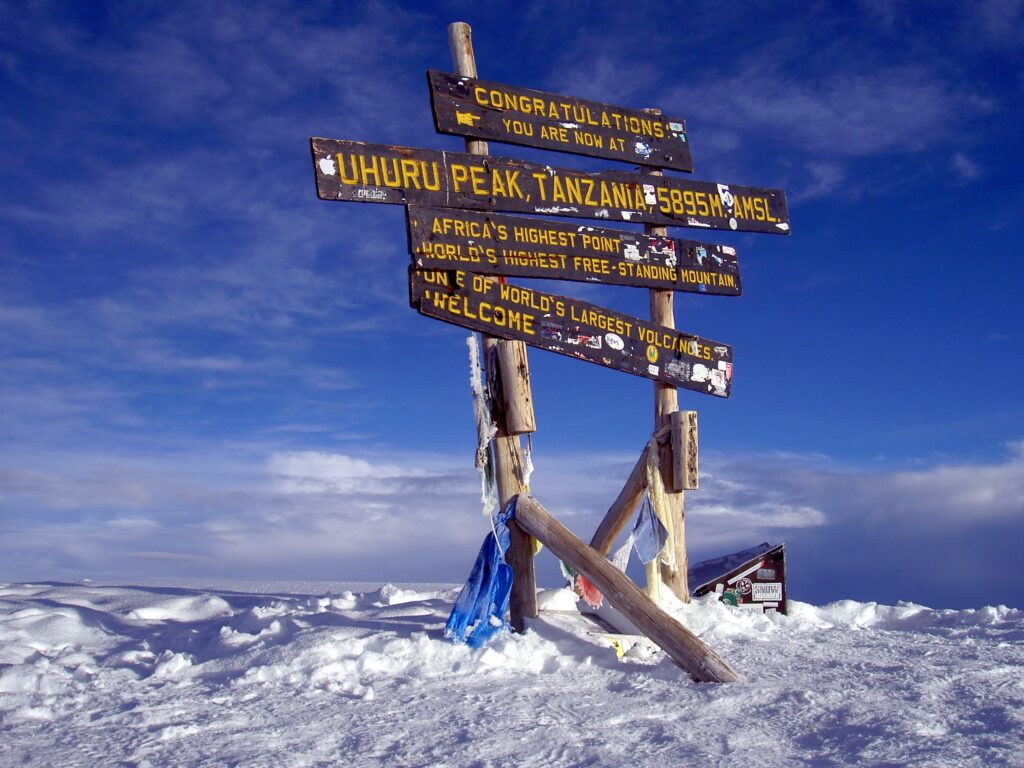
Kilimanjaro is a non-technical trek, so no climbing experience is needed, but it is a serious high-altitude challenge. Long walking days, cold temperatures and thin air on summit night make it demanding. Good fitness, gradual acclimatization, a slow pace and an experienced guide greatly improve your chances of reaching Uhuru Peak at 5,895 metres.
Which Kilimanjaro route is best for beginners?
Longer routes such as Lemosho on an eight-day itinerary and Machame on seven days are excellent for beginners because they allow gradual acclimatization. Marangu offers hut accommodation but is shorter, so adding an extra day is wise. The Northern Circuit is the longest and most gradual option for those with more time.
When is the best time to climb Kilimanjaro?
The drier months from January to early March and June to October are the best times to climb Kilimanjaro, offering clearer skies and better trail conditions. April and May bring the long rains and November the short rains, making trails wetter. Summit night is cold all year, so warm layers are essential.
Do I need a guide to climb Kilimanjaro?
Yes, all climbers must trek with a licensed guide and an authorised crew; independent climbing is not permitted. Guides manage the route, pace, safety and altitude monitoring, while porters and cooks carry equipment and prepare meals. Choosing a reputable operator with responsible porter practices is essential for a safe climb.
What is the Great Migration?
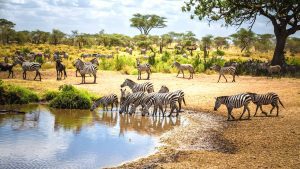
The Great Migration is the year-round movement of more than a million wildebeest, with zebras and gazelles, around the Serengeti ecosystem in search of fresh grazing. Calving takes place in the southern Serengeti from January to March, the herds move west around June and July, and dramatic Mara River crossings occur in the north from about August to October.
Climb Kilimanjaro With Confidence
Tell us your dates and fitness, and our experienced mountain team will plan a safe, well-acclimatized private climb.