
Highest Mountains in Africa
What are the highest mountains in Africa? Mount Kilimanjaro in Tanzania tops the list at 5,895 metres, followed by Mount Kenya at 5,199 metres and Mount Stanley in the Rwenzori Mountains at 5,109 metres. Several more Rwenzori peaks follow, along with Tanzania's Mount Meru and Ethiopia's Ras Dashen. These mountains range from non-technical treks to serious technical climbs on glaciers and rock. This guide ranks the top ten highest mountains in Africa, explaining their heights, locations, difficulty and highlights, and helps you choose which African summit suits your experience and adventure goals. Every climber is different. The views are breathtaking.
What is the highest mountain in Africa?
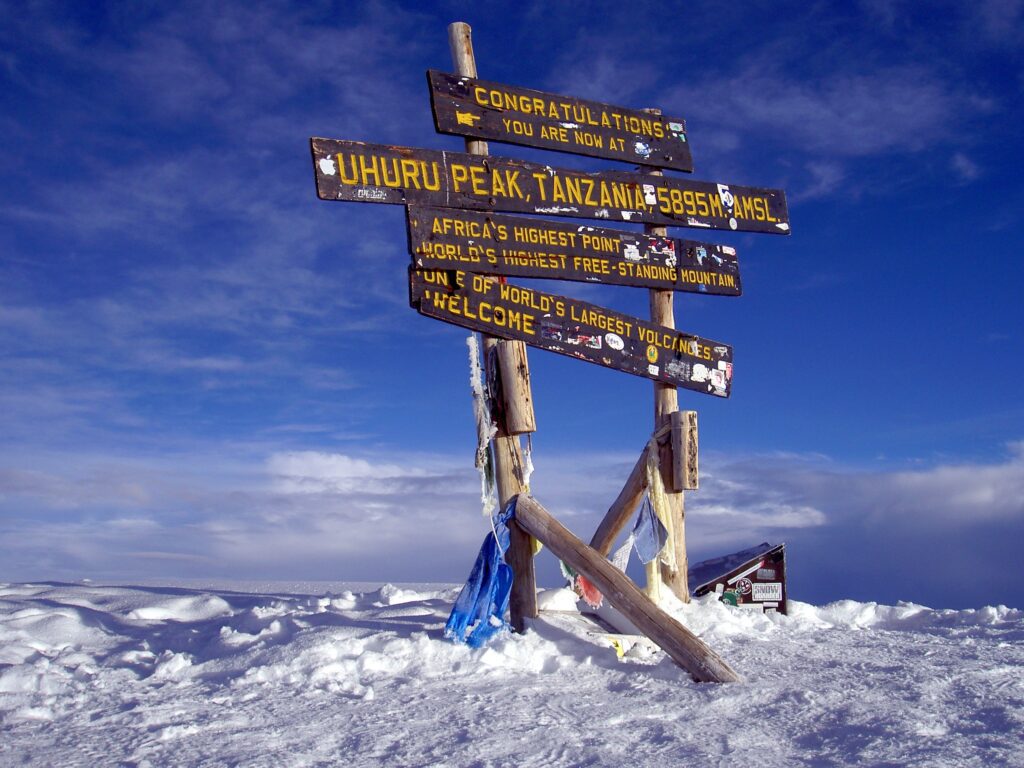
Mount Kilimanjaro in northern Tanzania is the highest mountain in Africa, rising to 5,895 metres at Uhuru Peak. It is also the world's highest free-standing mountain. Mount Kenya, at 5,199 metres, is second, and Mount Stanley in the Rwenzori Mountains, at 5,109 metres, is third highest on the continent. Our guides know the mountains well.
01Top 10 Highest Mountains in Africa
Africa's highest mountains are concentrated in East Africa, where volcanic activity and tectonic uplift created towering peaks such as Kilimanjaro, Mount Kenya and the glaciated Rwenzori range. Each mountain offers a different challenge, from accessible high-altitude treks to technical ice and rock climbs. These top ten highest mountains in Africa are ranked by the height of their highest summit, with key facts about location, difficulty and highlights, helping you understand the continent's great peaks and plan your own African mountain adventure. Ask our team for advice. Preparation makes the difference. Altitude demands respect. It is worth every step.
Mount Kilimanjaro, 5,895 m
Kilimanjaro in northern Tanzania is Africa's highest mountain and the world's highest free-standing mountain. Its summit, Uhuru Peak, can be reached without technical skills on seven main routes. Climbers pass through five climate zones, from rainforest to arctic summit, making it a world-famous trek. Memories last a lifetime. Our guides know the mountains well. Every climber is different.
Mount Kenya, 5,199 m
Mount Kenya, Africa's second-highest mountain, rises in central Kenya. Its highest peaks, Batian and Nelion, require technical rock climbing, while Point Lenana at 4,985 metres is a popular non-technical trekking summit. The mountain features glacial valleys, tarns and unique high-altitude vegetation. Our guides know the mountains well. Every climber is different. Ask our team for advice.
Mount Stanley, 5,109 m
Mount Stanley, in the Rwenzori Mountains on the Uganda and Democratic Republic of Congo border, is Africa's third-highest mountain. Its highest point, Margherita Peak, requires glacier travel with crampons and ropes. The Rwenzori are famous for mist, rain, mud and extraordinary giant plants. Our guides know the mountains well. Every climber is different. Ask our team for advice.
Mount Speke, 4,890 m
Mount Speke is the second-highest massif in the Rwenzori range, located in Uganda. Its summit, Vittorio Emanuele, involves glacier and rock sections, requiring mountaineering experience. The approach passes through moss-draped forests and bogs, typical of the wet and beautiful Rwenzori landscape. Our guides know the mountains well. Every climber is different. Ask our team for advice.
Mount Baker, 4,844 m
Mount Baker is another Rwenzori massif in Uganda, with its highest point, Edward Peak, reached via rocky ridges and snow. It is often climbed from the Kitandara or Bujuku areas. Like other Rwenzori peaks, it demands fitness, waterproof gear and experienced guides. Our guides know the mountains well. Every climber is different. Ask our team for advice.
Mount Emin, 4,798 m
Mount Emin lies in the Rwenzori Mountains on the Democratic Republic of Congo side of the range. It is less frequently climbed than Stanley, Speke or Baker. Remote, wet and wild, it rewards experienced mountaineers seeking quieter, off-the-beaten-track African summits. Our guides know the mountains well. Every climber is different. Ask our team for advice.
Mount Gessi, 4,715 m
Mount Gessi is a Rwenzori massif in Uganda, rising above remote valleys and lakes. It sees relatively few climbers compared with the higher Rwenzori peaks. Reaching it involves long, muddy approaches through bogs and forest, part of the range's adventurous character. Our guides know the mountains well. Every climber is different. Ask our team for advice.
Mount Luigi di Savoia, 4,627 m
Mount Luigi di Savoia is the southernmost of the main Rwenzori massifs, located in Uganda. Its highest point, Weismann Peak, offers sweeping views over the range. It is usually climbed by experienced trekkers and mountaineers exploring the less visited parts of the Rwenzori. Our guides know the mountains well. Every climber is different. Ask our team for advice.
Mount Meru, 4,562 m
Mount Meru, in Arusha National Park, is Tanzania's second-highest mountain and Africa's ninth highest. Its dramatic crater rim and sunrise views of Kilimanjaro make it a rewarding three to four-day climb. Armed rangers accompany climbers, and it is excellent acclimatisation before Kilimanjaro. Our guides know the mountains well. Every climber is different. Ask our team for advice.
Ras Dashen, about 4,550 m
Ras Dashen, in Ethiopia's Simien Mountains, is the highest mountain in Ethiopia and among the highest in Africa. Treks to the summit pass dramatic escarpments and deep valleys, with chances to see gelada monkeys and Walia ibex. Heights vary slightly between sources. Our guides know the mountains well. Every climber is different. Ask our team for advice.
02Mountains and Highlands to Climb in Tanzania
Tanzania is home to Africa's highest mountain and several other rewarding peaks and highlands, making it an excellent destination for trekking holidays. From the iconic summit of Kilimanjaro to Mount Meru's dramatic crater and the active volcano Ol Doinyo Lengai, there are options for many fitness levels. Use the tabs below to explore five mountains and highland areas to climb or hike in Tanzania, including heights, difficulty and highlights, helping you plan a trekking adventure that can be combined easily with a safari. Our guides know the mountains well. Every climber is different. Ask our team for advice.
Mount Kilimanjaro
Bucket-list summit
Seven routes, five zones
Kilimanjaro offers seven main routes to Uhuru Peak, from the hut-based Marangu to the scenic Lemosho and remote Northern Circuit. No technical skills are needed, but altitude is a serious challenge. Longer routes of seven to nine days offer the best acclimatisation and success. The views are breathtaking. Preparation makes the difference. Altitude demands respect.
Routes comparison →Mount Meru
Pre-Kilimanjaro climb
Crater rim, Kili views
Mount Meru is a steep, scenic climb through Arusha National Park, usually taking three to four days. The final ridge to Socialist Peak offers spectacular sunrise views of Kilimanjaro. Wildlife such as buffalo and giraffes may be seen on the lower slopes, with armed rangers accompanying climbers. It is worth every step. Memories last a lifetime.
Arusha before Kilimanjaro →Ol Doinyo Lengai
Adventurous hikers
Steep night climb
Ol Doinyo Lengai, the Maasai Mountain of God, is an active volcano near Lake Natron. The climb is very steep and usually starts at night to avoid the heat, reaching the crater rim around sunrise. It is demanding but offers extraordinary views over the Rift Valley. Our guides know the mountains well. Every climber is different.
Lake Natron flamingos →Ngorongoro Highlands
Scenic hiking
Empakaai Crater
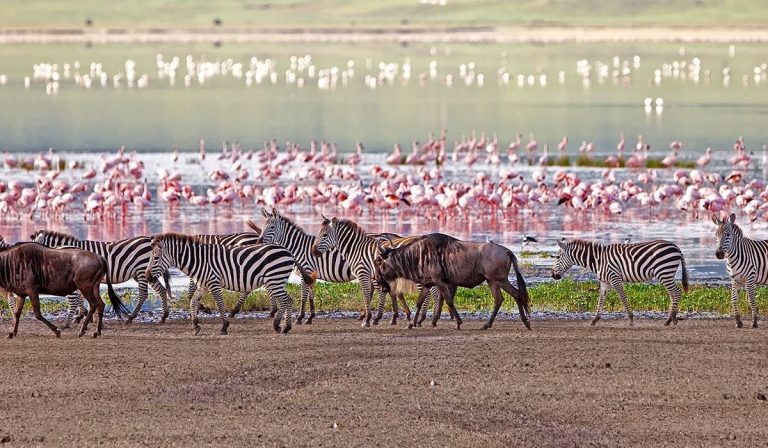
The Ngorongoro highlands offer guided hikes around crater rims and forests, including Empakaai Crater with its lake and flamingos. Walks are accompanied by rangers and combine beautiful scenery with Maasai culture. It is an excellent way to add hiking to a northern Tanzania safari. Our guides know the mountains well. Every climber is different. Ask our team for advice.
Ngorongoro guide →Usambara Mountains
Cultural trekking
Villages and viewpoints
The Usambara Mountains in northeastern Tanzania offer gentle to moderate trekking through forests, terraced farmland and traditional villages, with spectacular viewpoints. Cooler temperatures and friendly communities make it ideal for cultural walking holidays away from the main safari circuit. Our guides know the mountains well. Every climber is different. Ask our team for advice. The views are breathtaking.
Tanzania mountain settings →03How Africa's Highest Mountains Compare
Africa's highest mountains differ greatly in difficulty, access and experience. Some can be climbed by fit beginners with good preparation, while others require technical mountaineering skills, glacier equipment and experience in very wet conditions. Comparing them helps you choose a realistic and rewarding goal. These three comparisons explain how Kilimanjaro, Mount Kenya and the Rwenzori peaks differ, helping you understand which African mountain best suits your fitness, experience and sense of adventure before you begin planning your climb. Our guides know the mountains well. Every climber is different. Ask our team for advice. It is worth every step.
Kilimanjaro: highest and accessible
Kilimanjaro is the highest yet one of the most accessible of Africa's big mountains, with well-established routes, licensed guides and no technical climbing required. Altitude is the main challenge. It suits fit beginners and experienced trekkers seeking Africa's ultimate summit. The views are breathtaking. Preparation makes the difference. Altitude demands respect. Memories last a lifetime.
Mount Kenya: trek or climb
Mount Kenya offers a choice: trekkers can reach Point Lenana without technical skills, while climbers can attempt Batian and Nelion, which require rock climbing experience. Its jagged peaks and glacial scenery make it more dramatic in appearance than Kilimanjaro's broad dome. Our guides know the mountains well. Every climber is different. Ask our team for advice.
Rwenzori: wild and technical
The Rwenzori Mountains are wet, muddy and remote, with glaciers on the highest peaks requiring crampons, ropes and mountaineering experience. They offer unique scenery, including giant lobelias and moss forests, and suit adventurous climbers prepared for challenging conditions. Our guides know the mountains well. Every climber is different. Ask our team for advice. The views are breathtaking.
04What Affects the Cost of Climbing Kilimanjaro?
If Kilimanjaro is your choice among Africa's highest mountains, understanding what affects the cost helps you compare quotes fairly. Park fees, route length, crew support and equipment all shape the price, and very cheap climbs often compromise safety and comfort. Longer routes cost more but greatly improve acclimatisation and success. Our Kilimanjaro price list explains current costs clearly for every route. These three main factors explain what affects the price, helping you choose the best value for Africa's highest summit. Our guides know the mountains well. Every climber is different. Ask our team for advice. The views are breathtaking.
Park fees
Kilimanjaro National Park fees, including conservation, camping or hut and rescue fees, are charged per day and make up a large part of every climb's cost. They are set by the park authorities. Reputable operators include them clearly in quotes, as shown on our price list. Preparation makes the difference. Altitude demands respect. It is worth every step.
Route and length
Longer routes add park fees, crew wages and food for each extra day, while remote trailheads increase transfer costs. However, longer itineraries greatly improve acclimatisation and success. Choosing a seven to nine day route usually offers the best value for a safe, enjoyable climb. Memories last a lifetime. Our guides know the mountains well. Every climber is different.
Crew and equipment
Experienced guides, fair porter treatment, nutritious meals, quality tents, oxygen, first aid and a private toilet tent all affect price. A reputable private operator ensures safety, comfort and ethical crew treatment, making your climb more enjoyable and giving you the best chance of success. Our guides know the mountains well. Every climber is different. Ask our team for advice.
05How to Plan a Climb on Africa's Highest Mountain
Planning a climb on Africa's highest mountain starts with choosing the right route, season and operator, then preparing your body and gear well in advance. Adding Mount Meru beforehand can improve acclimatisation, while a safari afterwards makes the perfect reward. These four planning steps explain how to design your Kilimanjaro climb with our Arusha-based team, so you arrive fit, well equipped and confident, ready to stand on the Roof of Africa and enjoy every step of the journey. Our guides know the mountains well. Every climber is different. Ask our team for advice. It is worth every step.
Choose your route
Choose a route of seven to nine days, such as Lemosho or the Northern Circuit, for the best acclimatisation and scenery. Our team explains each of Kilimanjaro's routes honestly and recommends the best option for your fitness, experience and goals. The views are breathtaking. Preparation makes the difference. Altitude demands respect. Memories last a lifetime.
Consider Mount Meru first
Climbing Mount Meru over three to four days before Kilimanjaro offers excellent acclimatisation and stunning views. Rest a day between the two climbs. Our team can combine both mountains in one seamless itinerary with transfers and accommodation. Our guides know the mountains well. Every climber is different. Ask our team for advice. The views are breathtaking.
Pick your season and train
Climb in the drier months from January to early March or June to October where possible. Train for three to six months with long hikes, cardio and strength work, and gather gear using our packing list well before travelling. Our guides know the mountains well. Every climber is different. Ask our team for advice. The views are breathtaking.
Book a private climb
A private climb gives you your own guides and crew, a flexible pace and personal attention. Our Arusha-based team provides experienced guides, daily health checks, oxygen and quality equipment, helping you reach Uhuru Peak safely and add a safari afterwards. Our guides know the mountains well. Every climber is different. Ask our team for advice.
06Africa's Highest Mountains Checklist
Use this checklist to remember Africa's highest mountains and plan your climb. Kilimanjaro tops the list at 5,895 metres, followed by Mount Kenya and Mount Stanley, with several Rwenzori peaks, Mount Meru and Ras Dashen completing the top ten. Kilimanjaro and Meru are non-technical, while Mount Kenya's main peaks and the Rwenzori require mountaineering skills. Choose a longer Kilimanjaro route and train well. Our Arusha-based team will plan a private climb on Africa's highest mountain. Whichever African summit you finally choose, careful preparation, patience and experienced guides are the keys to a safe, enjoyable and truly successful climb.
Top peaks0/4
In Tanzania0/4
Plan0/4
07African Mountains FAQs
What is the highest mountain in Africa?
Mount Kilimanjaro in northern Tanzania is the highest mountain in Africa, rising to 5,895 metres at Uhuru Peak. It is also the world's highest free-standing mountain and one of the Seven Summits, the highest peaks on each continent, climbed by thousands of people each year. Our guides know the mountains well. Every climber is different.
What is the second-highest mountain in Africa?
Mount Kenya, in central Kenya, is the second-highest mountain in Africa at 5,199 metres. Its highest peaks, Batian and Nelion, require technical rock climbing, while Point Lenana, at 4,985 metres, is a popular non-technical trekking summit for fit hikers. Ask our team for advice. The views are breathtaking. Preparation makes the difference. Altitude demands respect.
Where are the Rwenzori Mountains?
The Rwenzori Mountains lie on the border between Uganda and the Democratic Republic of Congo. They include Mount Stanley, Mount Speke and Mount Baker, three of Africa's highest mountains. The range is known for glaciers, heavy rainfall, mud and unique giant plants. It is worth every step. Memories last a lifetime. Our guides know the mountains well.
Is Kilimanjaro harder than Mount Kenya?
Kilimanjaro is higher, so altitude is a bigger challenge, but its routes are non-technical. Mount Kenya's trekking summit, Point Lenana, is lower but often steeper, while its main peaks require technical climbing. Difficulty depends on which summit and route you choose. Our guides know the mountains well. Every climber is different. Ask our team for advice.
Can beginners climb Africa's highest mountains?
Fit beginners can climb Kilimanjaro, Mount Meru and Point Lenana on Mount Kenya with good preparation, as no technical skills are needed. The highest Rwenzori peaks and Mount Kenya's Batian and Nelion require mountaineering experience, glacier equipment and technical skills. Our guides know the mountains well. Every climber is different. Ask our team for advice.
How high is Mount Meru?
Mount Meru, in Arusha National Park, rises to 4,562 metres, making it Tanzania's second-highest mountain and one of Africa's ten highest. It is usually climbed in three to four days and is excellent acclimatisation before Kilimanjaro, with superb views of Kibo. Our guides know the mountains well. Every climber is different. Ask our team for advice.
Which African mountain is best for a first big climb?
Kilimanjaro is the best choice for a first big climb in Africa because it is non-technical, well supported by experienced guides and offers multiple routes for different fitness levels. Choosing a longer route of seven to nine days greatly improves success. Our guides know the mountains well. Every climber is different. Ask our team for advice.
Are there glaciers on African mountains?
Yes. Kilimanjaro, Mount Kenya and the Rwenzori Mountains still have glaciers, although they have been shrinking significantly over the past century. The Rwenzori glaciers require technical skills to cross, while Kilimanjaro's glaciers are viewed from the summit area. Our guides know the mountains well. Every climber is different. Ask our team for advice. The views are breathtaking.
Can I climb Mount Meru and Kilimanjaro together?
Yes. Many climbers combine Mount Meru and Kilimanjaro, climbing Meru first over three to four days for acclimatisation, resting a day and then starting Kilimanjaro. This combination improves summit chances and offers two spectacular mountain experiences in one trip. Our guides know the mountains well. Every climber is different. Ask our team for advice. The views are breathtaking.
What is Ras Dashen?
Ras Dashen is the highest mountain in Ethiopia, located in the Simien Mountains, at about 4,550 metres, though heights vary slightly between sources. Treks pass dramatic escarpments and offer chances to see gelada monkeys and Walia ibex in a stunning highland landscape. Our guides know the mountains well. Every climber is different. Ask our team for advice.
When is the best time to climb Kilimanjaro?
The best times are usually the drier months from January to early March and June to October, with clearer views and drier trails. Kilimanjaro can be climbed year-round, but April, May and November are wetter and can make conditions more challenging. Our guides know the mountains well. Every climber is different. Ask our team for advice.
How long does it take to climb Kilimanjaro?
Climbing Kilimanjaro usually takes five to nine days, including the descent. Longer routes, such as the eight-day Lemosho or nine-day Northern Circuit, offer better acclimatisation and higher success rates than shorter five or six-day itineraries. Our guides know the mountains well. Every climber is different. Ask our team for advice. It is worth every step.
How much does climbing Kilimanjaro cost?
Costs depend on route, number of days, park fees, crew support and equipment quality. Park fees make up a large part of the price. Our Kilimanjaro price list explains current costs clearly for every route, helping you compare quotes and choose the best value. Our guides know the mountains well. Every climber is different. Ask our team for advice.
How do I plan a Kilimanjaro climb with you?
Contact our Arusha-based Kilimanjaro team with your dates, fitness level and experience. We will recommend the best route and itinerary, provide a private, experienced crew and quality equipment and arrange an optional Mount Meru climb or safari extension. Our guides know the mountains well. Every climber is different. Ask our team for advice. The views are breathtaking.
Kilimanjaro Climbing Guides
Climb Kilimanjaro with Foot Slopes
Climb the Highest Mountain in Africa
Tell us your dates and fitness level, and our Arusha-based team will plan a private Kilimanjaro climb with experienced guides, excellent acclimatisation and optional Mount Meru or safari extensions.
Book Now Online →What Our Travelers Say
Real 5-star reviews from guests who traveled with us