
By the Foot Slopes Tours and Safaris team
Written by our Arusha-based safari guides and private safari planners from first-hand experience in the Ngorongoro Crater.
Ngorongoro Crater in July is dry, clear and cold, with frosty-feeling nights on the forested rim and sunny days on a golden crater floor. It is the heart of the long dry season, so short grass and dusty plains make black rhino, lions, hyenas, buffalo and elephants easy to see. Morning fog often blankets the rim, then lifts to reveal the caldera below. July is peak season, with European summer holidays filling lodges. This guide covers Ngorongoro weather in July, wildlife, crowds, costs, lodges and clear, practical tips for planning a private tailor-made safari with your own guide and 4x4.
Yes. July is an excellent time to visit Ngorongoro Crater. The crater floor is dry and open, visibility is superb and resident wildlife, including black rhino, is easier to find. Rim nights are cold and mornings misty, and it is peak season, so book rim lodges early and descend at gate opening.
Why Visit Ngorongoro Crater in July
July is one of the most rewarding months for a Ngorongoro Crater safari because the long dry season leaves the crater floor open, golden and easy to read. Resident wildlife never leaves the caldera, so lions, hyenas, buffalo and black rhino are present whatever the migration is doing. Crisp, foggy mornings on the rim give way to bright days below, and the light is superb for photography, especially early in the morning and late in the afternoon. Here are six reasons July suits a private tailor-made safari with your own guide and 4x4.
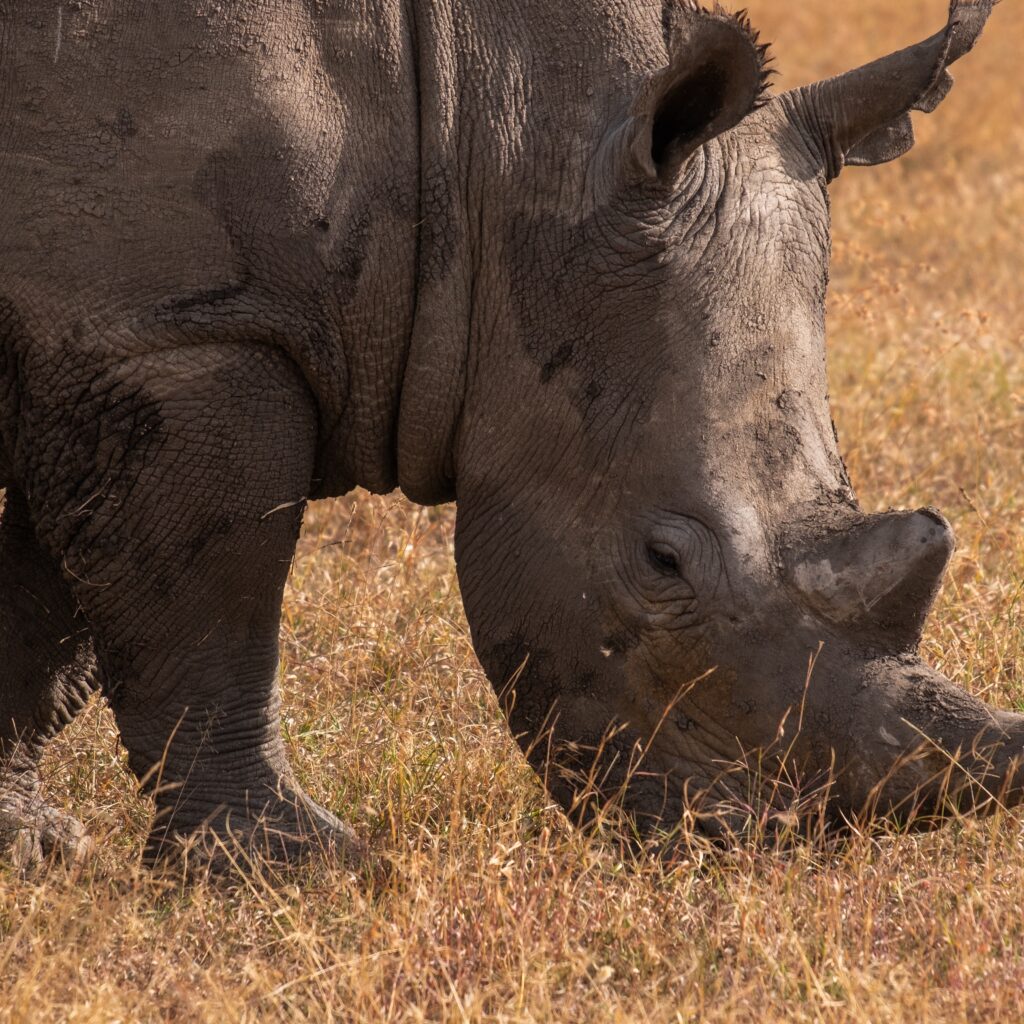
One of the Best Places for Black Rhino
Ngorongoro Crater is one of the best places in Tanzania to look for the critically endangered black rhino. In July the short, dry grass makes these shy animals easier to pick out on the open plains near Lerai Forest and the swamps. Sightings are never guaranteed, but patient scanning with binoculars often pays off over a full day.
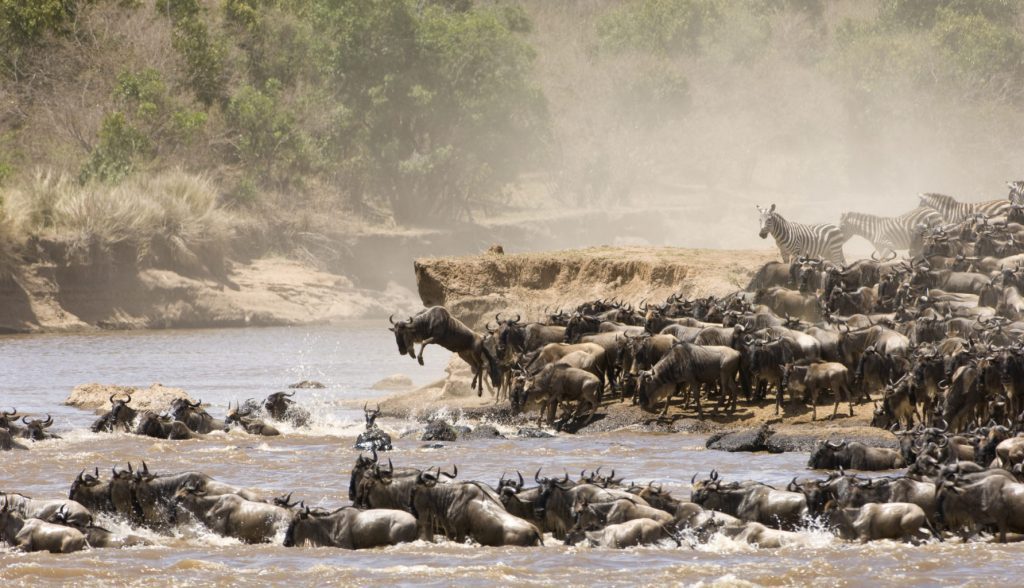
Golden Grass and Clear Views
July sits in the middle of the long dry season, which runs from June to October. The crater floor turns golden, the grass is short and visibility stretches right across the caldera. Animals gather near Ngoitokitok Spring, the swamps and Lake Magadi, so your guide can plan an efficient route between the best areas of the crater floor.
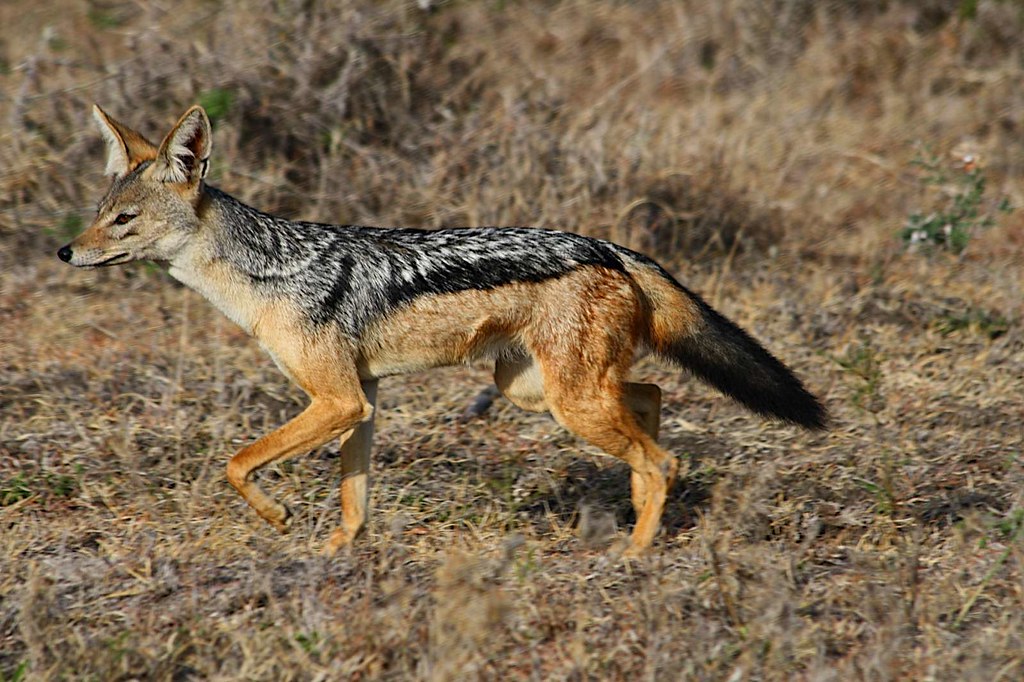
Lions, Hyenas and Jackals
The crater floor holds some of Tanzania’s most watchable predators, including lions with impressive dark-maned males, spotted hyenas and golden and black-backed jackals. In July they are easy to see on open ground, often resting near the swamps or following buffalo and wildebeest. Early-morning descents give the best chance of active hunting behaviour in the cool air.
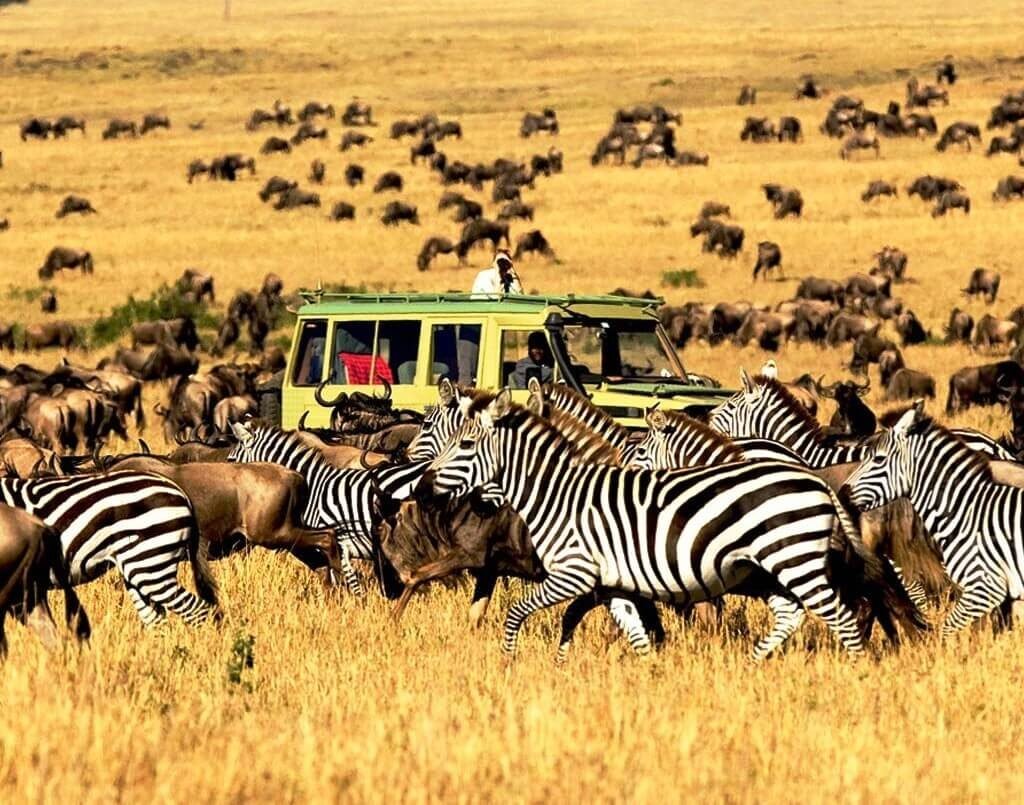
A Wildlife Haven That Never Empties
Unlike the Serengeti, the crater has resident herds of wildebeest, plains zebra, buffalo and gazelles that stay all year, kept in by the steep walls. While the Great Migration travels through the northern Serengeti in July, the Ngorongoro crater floor remains full of life, making it a dependable, rewarding stop on any private northern Tanzania safari itinerary.
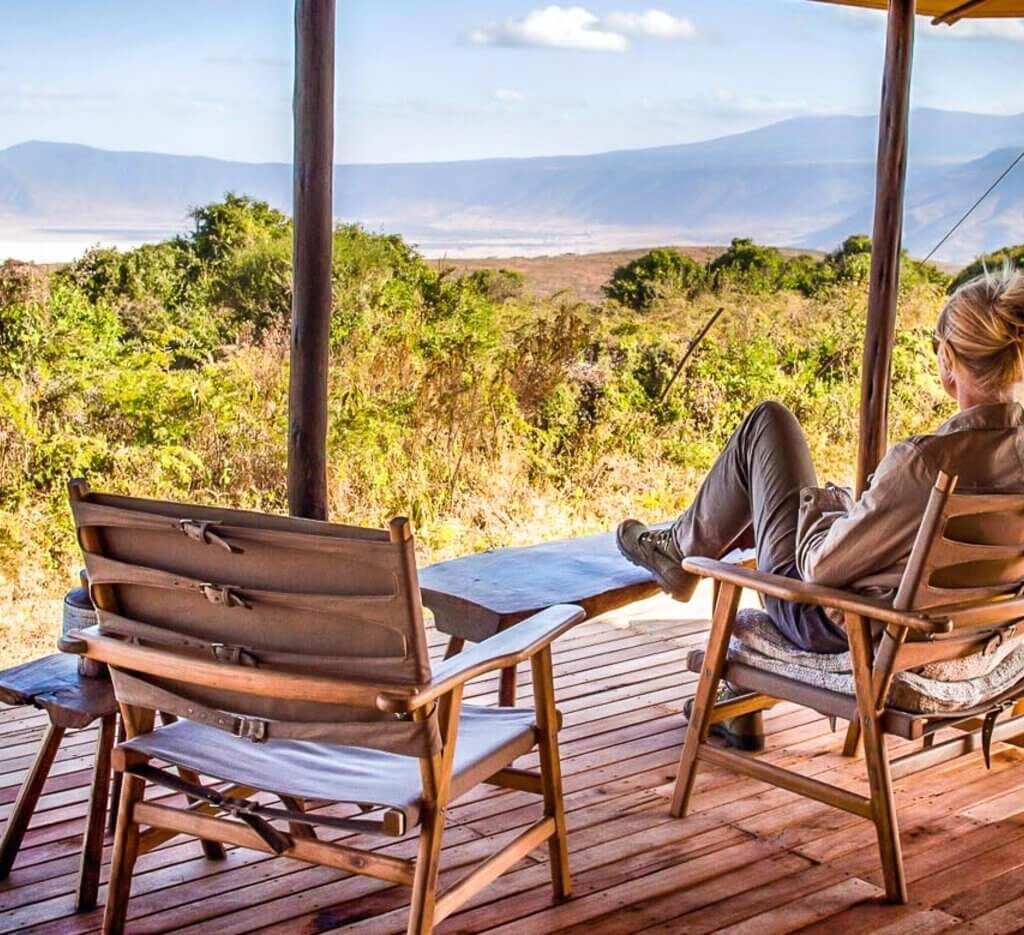
Fog, Forest and Dramatic Views
July is one of the coldest months on the Ngorongoro crater rim, at around 2,200–2,400 m. Morning fog often rolls through the highland forest, then lifts to reveal the full caldera below. Evenings by the fire at a rim lodge are part of the charm, and the views at sunrise and sunset are unforgettable for every visitor.
The Perfect Partner for the Serengeti
Ngorongoro lies on the road between Arusha and the Serengeti, so it fits naturally into a July itinerary as the herds move towards the northern Serengeti and the first Mara River crossings. Many travellers visit the crater on the way in or out, adding Tarangire and Lake Manyara for a complete dry-season circuit of the northern circuit.
Ngorongoro Weather in July
Ngorongoro weather in July is dry, sunny and cold at altitude. It is the middle of the long dry season, so rain is rare and skies on the crater floor are usually clear. Days on the floor reach about 20–24 °C, but the rim, at roughly 2,200–2,400 m, is one of the coldest places on a Tanzania safari, with nights around 5–10 °C or lower. Thick fog often covers the rim at dawn, and the descent can feel wintry. The floor, at about 1,700–1,800 m, is dusty and windy by afternoon. Warm layers, a hat and gloves are essential.
Ngorongoro and the Great Migration in July
Where is the Great Migration in July, and how does it relate to Ngorongoro Crater? In a typical year the herds leave the southern plains around Ndutu by May, so in July they are far to the north-west. Early in the month they usually linger in the Western Corridor, then push north towards Kogatende, where the first Mara River crossings can begin late in July. The crater itself keeps its resident wildlife all year. Most July travellers visit Ngorongoro on the way to or from the Serengeti, pairing crater rhino with migration herds in a single well-planned private itinerary.
- Early JulyWestern CorridorHerds usually near the Grumeti River, west of the crater
- Mid JulyMoving northLong columns head through the Serengeti towards Kogatende
- Late JulyNorthern SerengetiFirst Mara River crossings can start; timing varies
- Ndutu in JulyHerds long goneSouthern NCA is quiet; resident wildlife remains
Ngorongoro Crater Wildlife in July
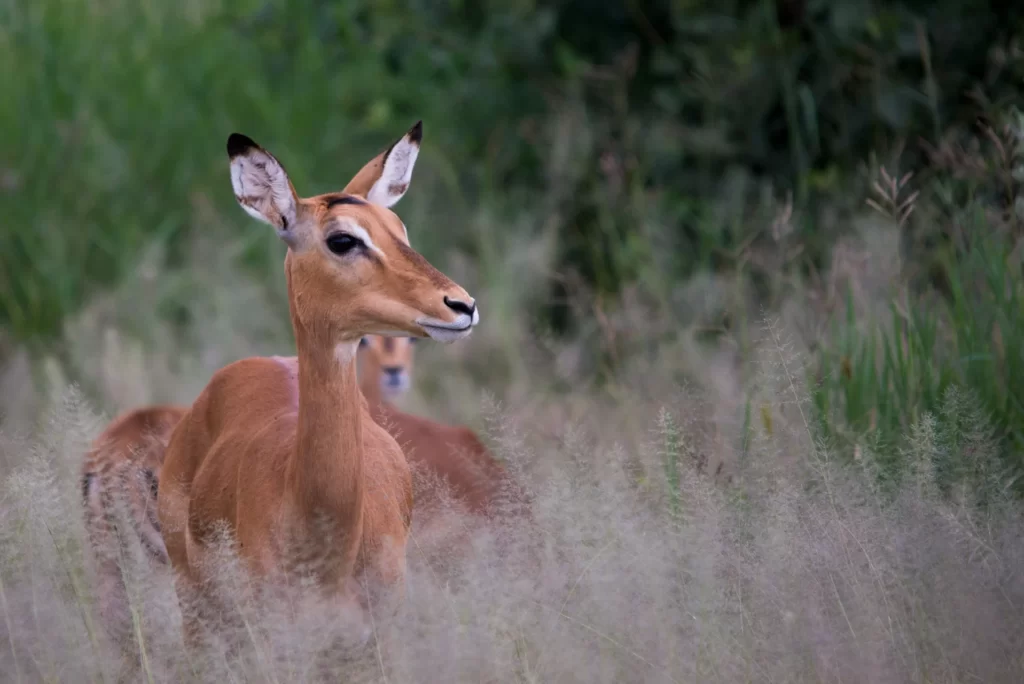
Ngorongoro Crater wildlife in July is concentrated, visible and resident. With the grass short and golden, black rhino, lions and spotted hyenas stand out on the plains, while buffalo, wildebeest and plains zebra graze near the remaining water. Large old elephant bulls feed in Lerai Forest and the swamps, and hippos crowd the pool at Ngoitokitok Spring. Look for bat-eared foxes, golden jackals, serval cats and, occasionally, cheetahs. A fun fact: there are no giraffes or impala on the crater floor. Sightings are never guaranteed, but variety is excellent, and your private guide knows exactly where to look.
- Black rhino
- Lion
- Spotted hyena
- Elephant
- Buffalo
- Wildebeest
- Plains zebra
- Hippo
- Golden jackal
- Bat-eared fox
- Serval
- Thomson’s gazelle
- Eland
- Warthog
Ngorongoro Birds in July
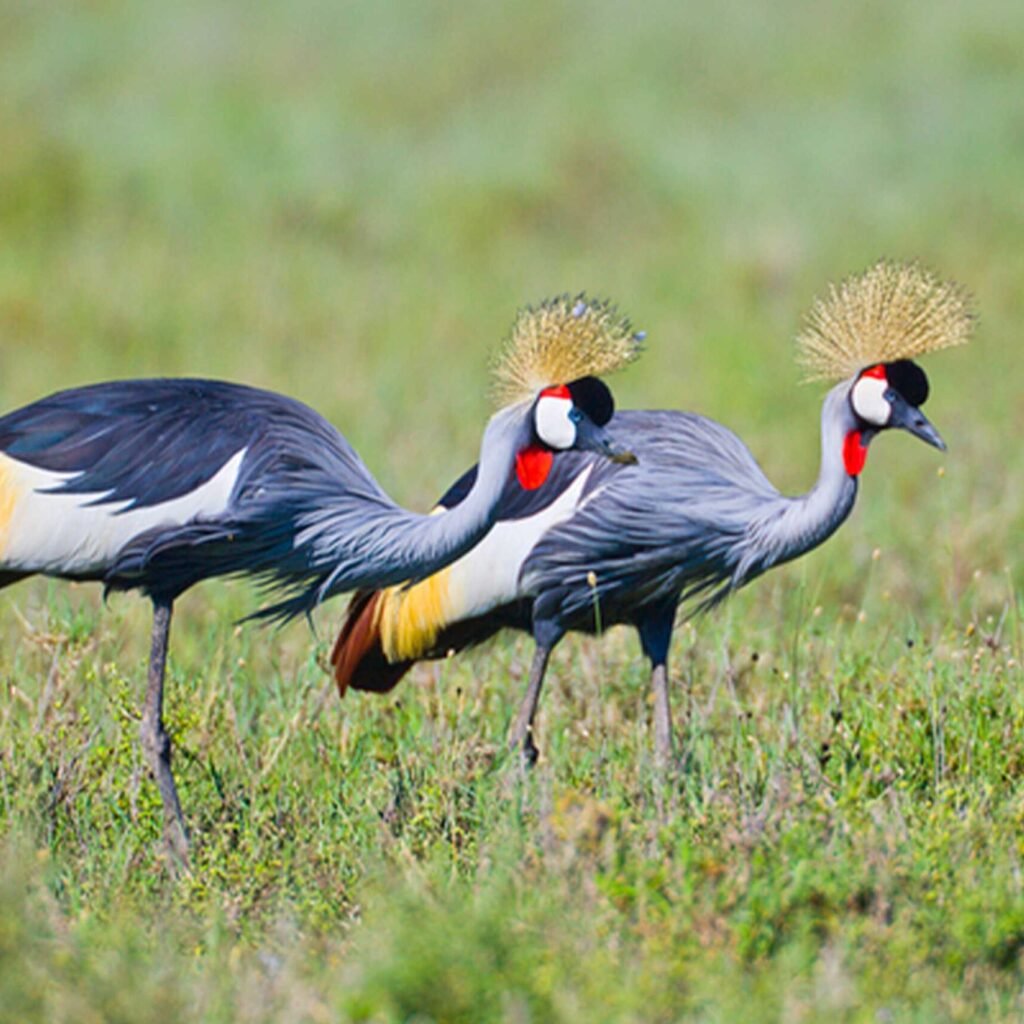
Ngorongoro birds in July are mostly resident species, because the Palearctic migrants from Europe and Asia have usually left by April and return around November. Over 500 species have been recorded in the Ngorongoro Conservation Area, so birding stays rewarding. Lesser and greater flamingos may feed on Lake Magadi, although numbers vary and the lake shrinks in the dry season. Grey crowned cranes, kori bustards, ostriches and secretarybirds stride across the floor, and vultures gather over kills. In the rim forests, look for golden-winged and Tacazze sunbirds and Hartlaub’s turaco. Early mornings are usually the best time for birding.
- Lesser flamingo
- Greater flamingo
- Grey crowned crane
- Kori bustard
- Ostrich
- Secretarybird
- Augur buzzard
- Rüppell’s vulture
- Golden-winged sunbird
- Hartlaub’s turaco
- Rufous-tailed weaver
- Fischer’s lovebird
Where to Go in the Ngorongoro Conservation Area in July
Where you go in the Ngorongoro Conservation Area in July depends on how much time you have, because the crater floor is the star while the wider highlands reward an extra day. Dry conditions favour the open plains, the swamps and Lerai Forest, where wildlife gathers near water. Clear, cool weather also suits rim walks and crater hikes, and Olduvai Gorge is easy to visit en route to the Serengeti. These six areas are listed in the order we usually recommend them for July. Your guide will adapt the order to the weather and your pace.
Crater Floor Plains and Lake Magadi
The open plains of the crater floor are the main stage in July. Short golden grass makes black rhino, lions and hyenas easy to spot, and Lake Magadi shrinks into a shallow soda lake that may attract flamingos. Herds of wildebeest, zebra and buffalo move between the plains and the remaining water through the day.
Ngorongoro Wildlife →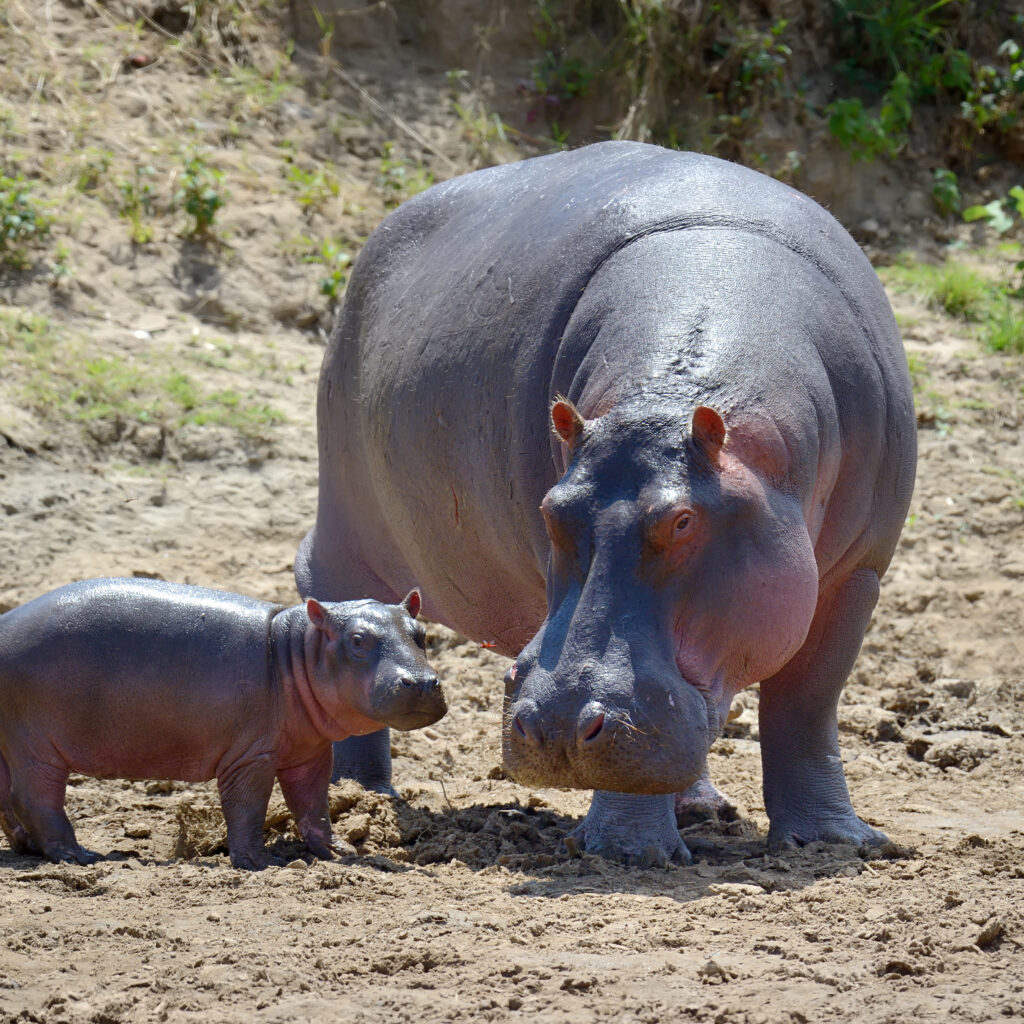
Ngoitokitok Spring, Mandusi and Gorigor Swamps
Permanent water at Ngoitokitok Spring and the Mandusi and Gorigor swamps becomes a magnet in July. Hippos wallow in the pools, buffalo and elephants feed in the reeds, and lions often rest nearby. Ngoitokitok is also a designated picnic site, where you can step out of the vehicle beside the hippo pool and enjoy a relaxed lunch.
Ngorongoro Map →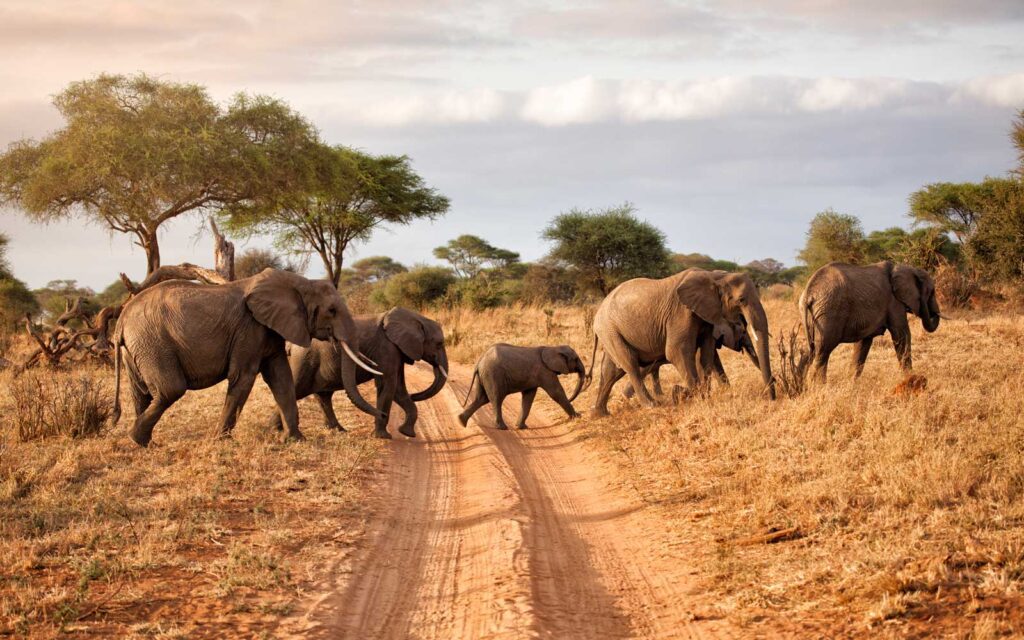
Lerai Forest
Lerai Forest is a grove of yellow fever trees on the southern crater floor, near the ascent road. In July large elephant bulls browse in the shade, while bushbuck and monkeys move through the trees. Black rhino are sometimes seen on the nearby plains, and the Lerai picnic site makes a convenient break from the dusty drive.
Animals to Spot →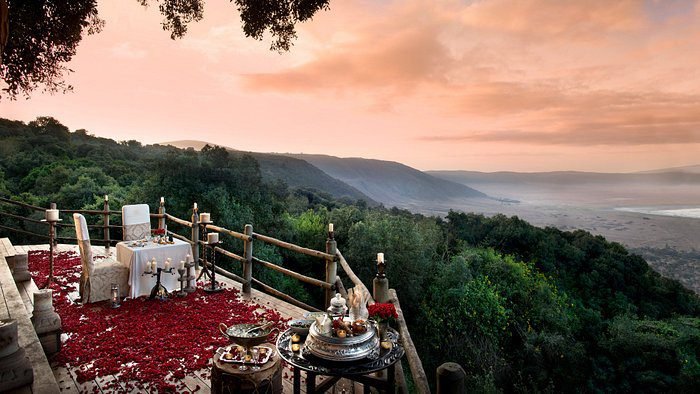
Crater Rim, Olmoti and Empakaai
The crater rim and the wider highlands are cold and often misty in July, but clear afternoons can bring superb views. With an armed ranger you can hike to the waterfall at Olmoti Crater or walk down into Empakaai Crater, where flamingos may feed on the soda lake. Pack warm layers, a windproof jacket and sturdy shoes.
Things to Do in Ngorongoro →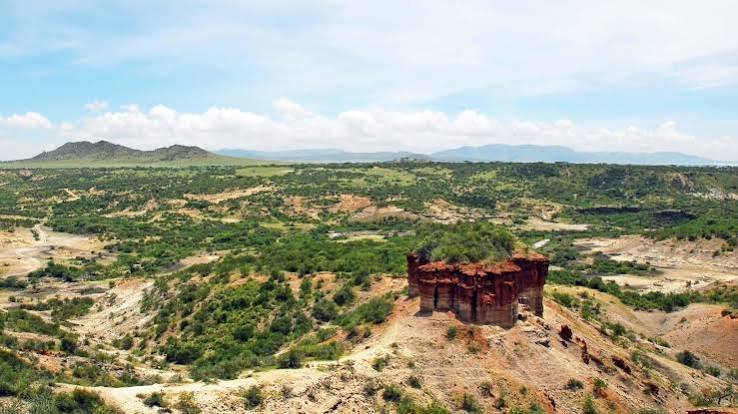
Olduvai Gorge and Shifting Sands
Olduvai Gorge lies on the road from the crater to the Serengeti and is one of the world’s key early-human fossil sites, linked with the Leakey family. The museum explains the finds, including a cast of the Laetoli footprints. Nearby, the Shifting Sands dune of black volcanic ash is a striking dry-season detour that most guests enjoy.
Ngorongoro Facts →
Ndutu and Lake Masek
Ndutu and Lake Masek in the southern Ngorongoro Conservation Area are famous for the calving season from December to March. By July the herds have moved on to the northern Serengeti, so the area is dry and very quiet, though resident lions, cheetahs and giraffes remain. It suits travellers seeking solitude rather than the migration.
Ndutu Guide →Things to Do in Ngorongoro in July
The best things to do in Ngorongoro in July combine a dry-season crater game drive with cool-weather activities in the highlands. A dawn descent gives you the floor before most vehicles arrive, and a picnic at Ngoitokitok Spring breaks up the day. Olduvai Gorge, Maasai cultural visits and rim walks with a ranger add depth, while Karatu’s coffee farms make a relaxed afternoon. Here are six activities we recommend for a July visit, each easy to add to your private safari. Dry roads and clear skies keep every one of these options practical.
Private Crater Floor Game Drive
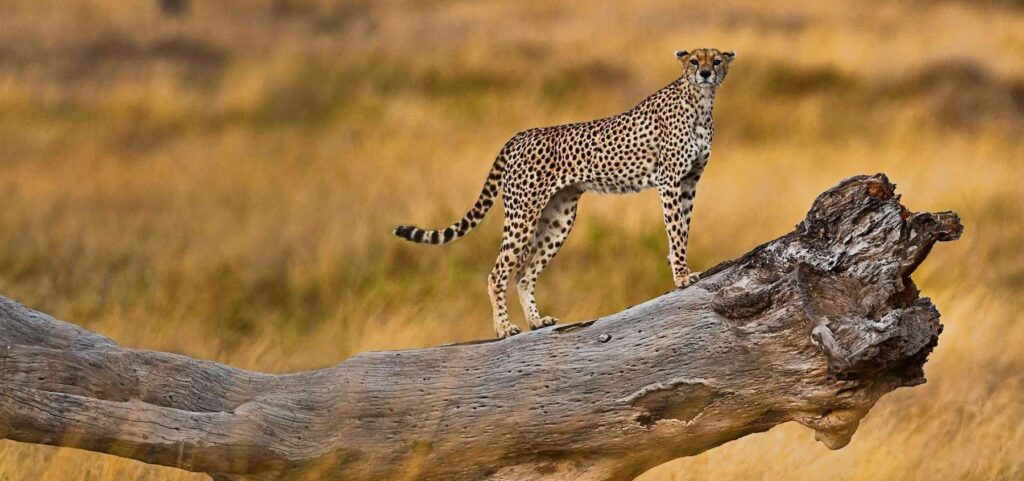
A private game drive on the crater floor is the highlight of any Ngorongoro visit. Descents usually start early in the morning, and time on the floor is limited by conservation-area rules, usually around six hours. In July your guide can plan a loop past the swamps, Lake Magadi and Lerai Forest before the dust rises.
Ngorongoro Crater Safaris →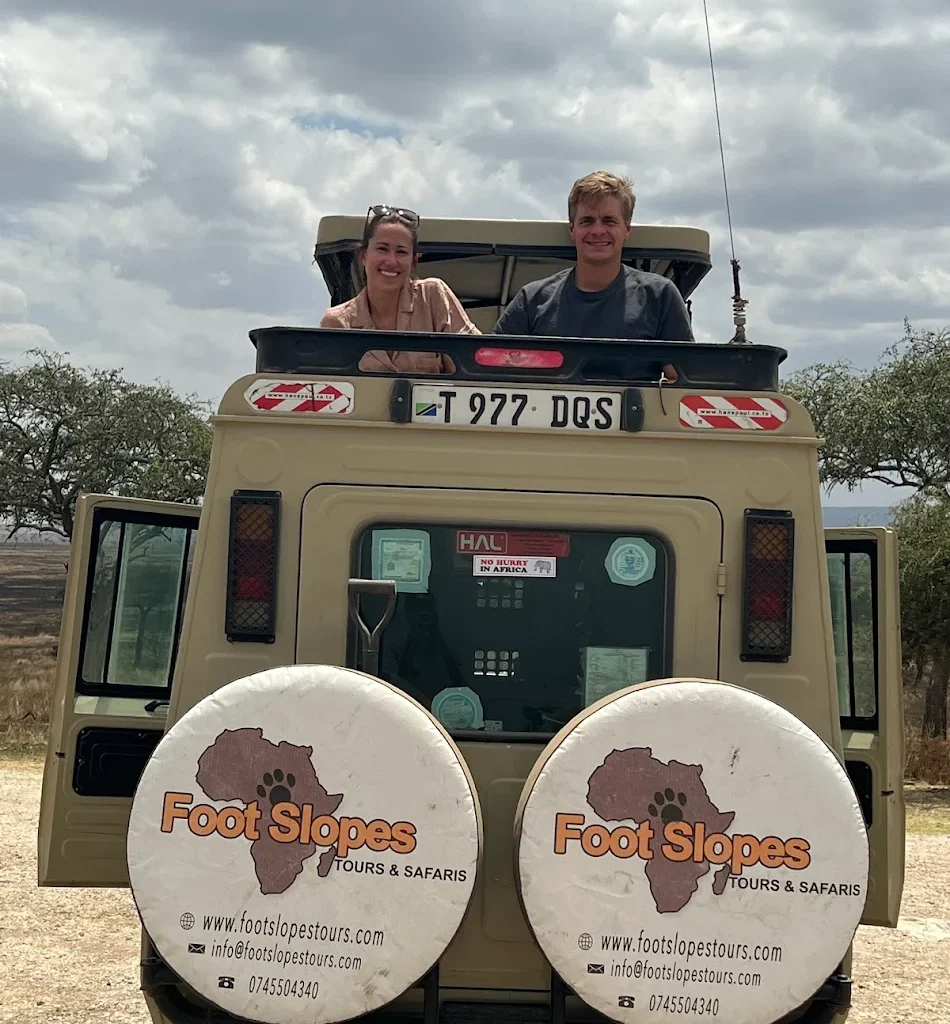
Picnic at Ngoitokitok Spring
Ngoitokitok Spring is one of the designated sites where you may leave the vehicle, with a hippo pool and views across the crater floor. In July the sun is warm by midday, making it a pleasant place for a packed lunch. Keep food inside the vehicle until you sit down, because black kites swoop boldly.
How Long to Spend →
Visit Olduvai Gorge and Museum
Olduvai Gorge, often called the Cradle of Mankind, is a short detour on the road to the Serengeti. The museum explains the fossil finds linked with the Leakeys and displays a cast of the Laetoli footprints. In July it fits neatly into the transfer day as you head north-west towards the migration herds in the northern Serengeti.
Ultimate Ngorongoro Guide →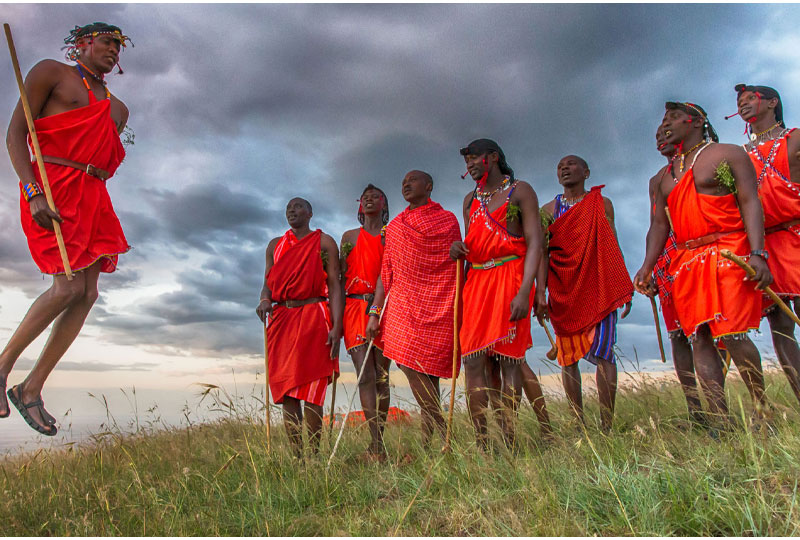
Maasai Cultural Visit
The Ngorongoro Conservation Area is a multiple land-use area where Maasai pastoralists live alongside wildlife. A respectful visit to a Maasai boma introduces daily life, cattle herding, homes and traditional dances. In dry July the herders move livestock to find grazing and water, which gives a real sense of life in the highlands of the conservation area.
Is Ngorongoro Worth It →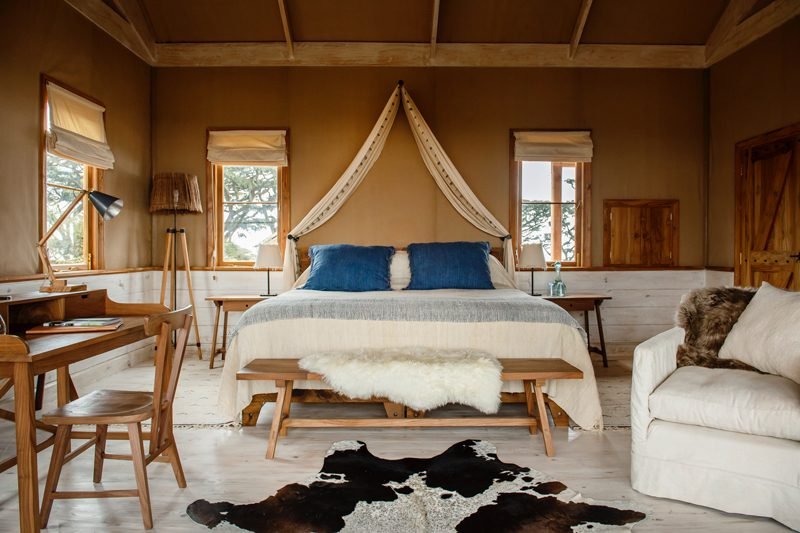
Rim Walk with an Armed Ranger
Walking on the Ngorongoro crater rim, or hiking at Olmoti and Empakaai, is possible with an armed ranger. July’s cool air makes walking comfortable, although early fog can hide the views. Forest paths bring birds such as sunbirds and turacos, and you may see buffalo and elephant tracks along the way. Wear sturdy shoes and carry water.
Things to Do in Ngorongoro →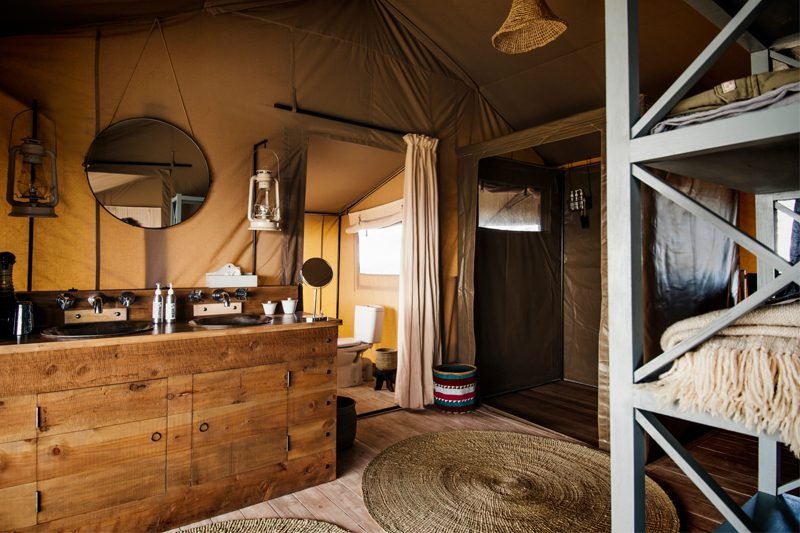
Coffee Farm Tour in Karatu
Karatu, the farming town just outside Lodoare Gate, is surrounded by coffee estates. A coffee tour shows how beans are grown, picked, roasted and brewed, and July’s dry, sunny afternoons make walking through the farms pleasant. It is an easy activity on arrival day or after an early crater descent. Your guide can arrange it for you.
Best Ngorongoro Lodges →What to Expect on a Ngorongoro Crater Safari in July
A Ngorongoro Crater safari in July means cold, foggy starts on the rim, a dramatic descent through cloud and a bright, dusty day on the crater floor. It is peak season, so you will share the best sightings with other vehicles, especially around black rhino and lion. Roads are dry and firm, rain is unlikely and wildlife is easy to find near water, and your guide sets the pace. Below is what a typical day, the descent and ascent roads, the cold rim, the crater rules, busy sightings and the choice between rim and Karatu lodges are like.

A Typical July Crater Day
A typical July crater day begins before sunrise with coffee and a packed breakfast, then a descent through the mist as the gate opens. The morning is spent on the plains and by the swamps, lunch is a picnic at Ngoitokitok or Lerai, and you climb out in the early afternoon, with a memory card full of photographs.
Steep Roads In and Out
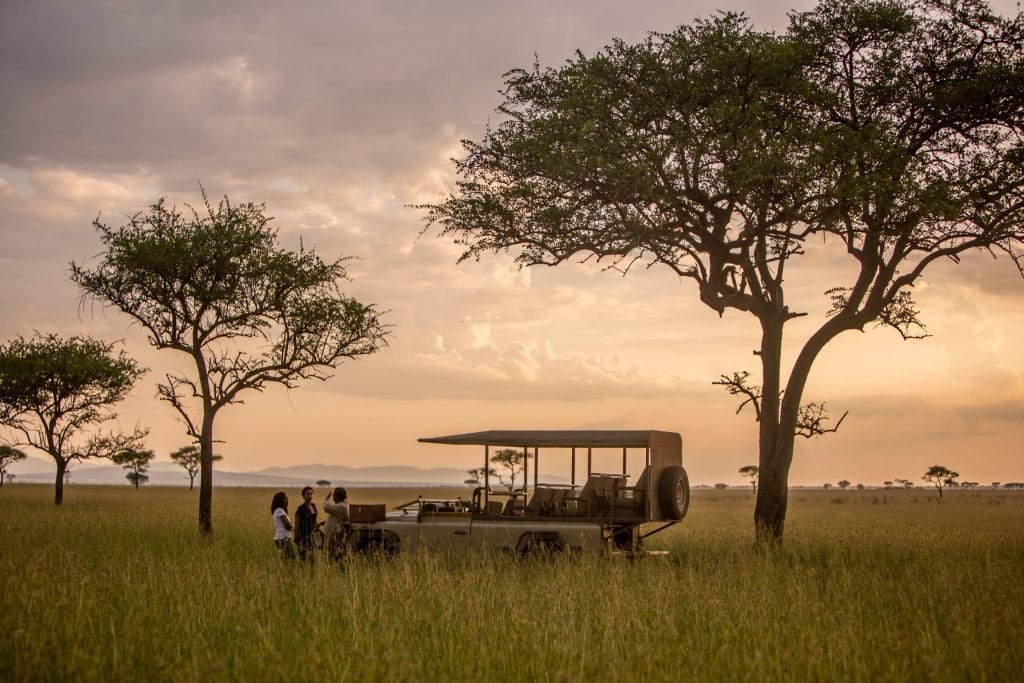
Most vehicles descend by the Seneto road on the western wall and climb out by the Lerai ascent road in the south, while lodges on the eastern rim use the Lemala road. In July these steep roads are dry and firm, but fog can reduce visibility early, so guides drive slowly and carefully throughout the descent and climb.
Cold Nights and Misty Mornings
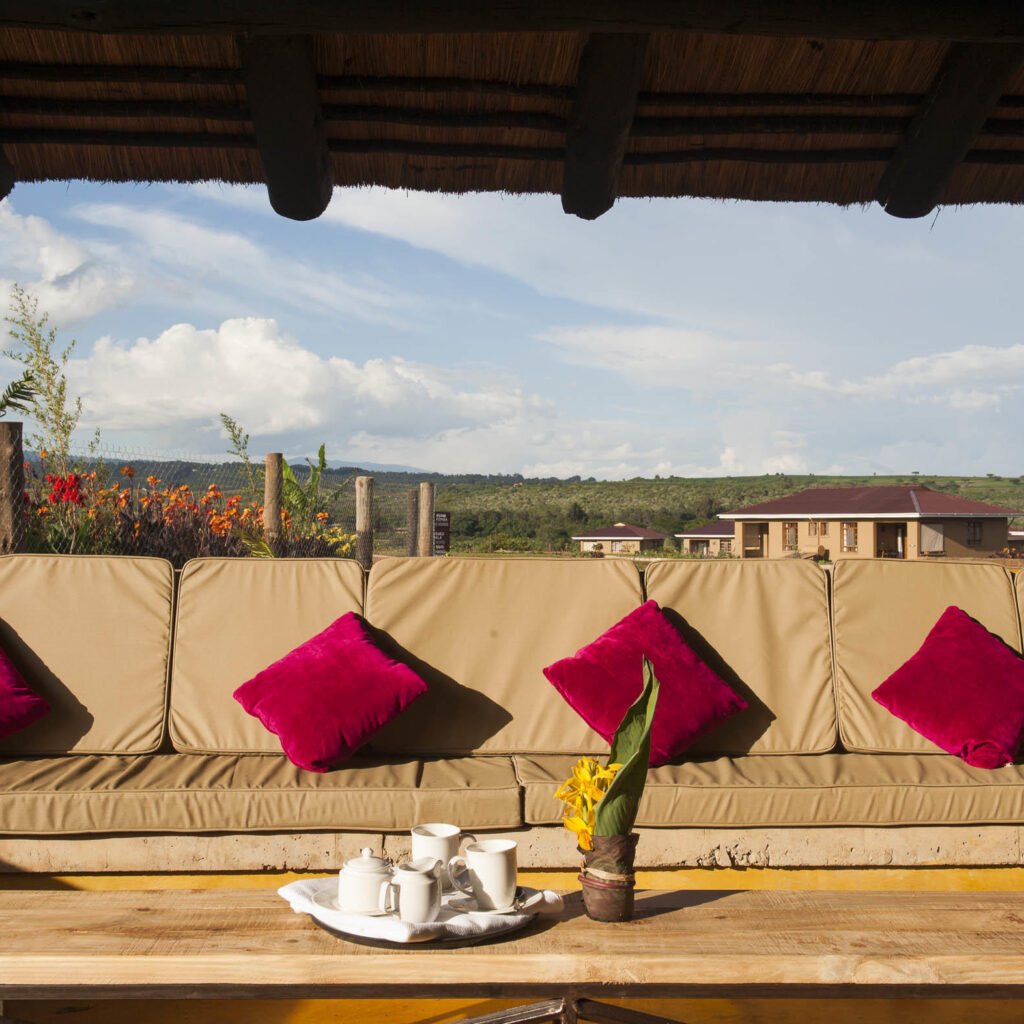
July is one of the coldest months on the Ngorongoro crater rim, and nights can drop to about 5 °C or lower. Fog often hangs over the forest at dawn, and the open vehicle feels icy until you reach the floor. Many rim lodges have fireplaces, and a warm jacket, hat and gloves are essential.
Crater Rules and Time Limit
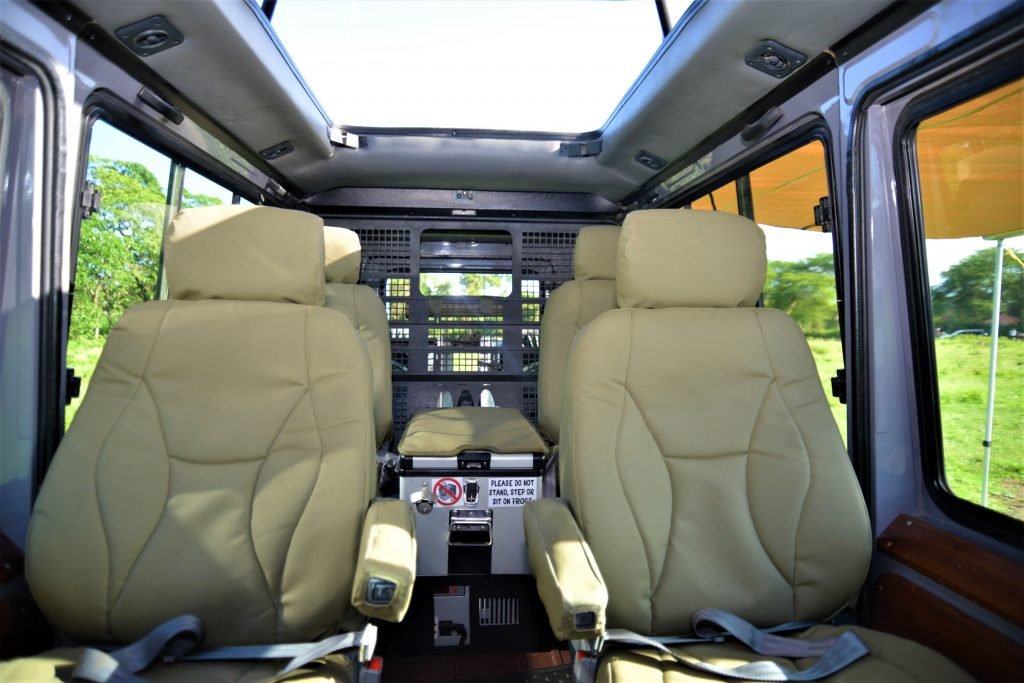
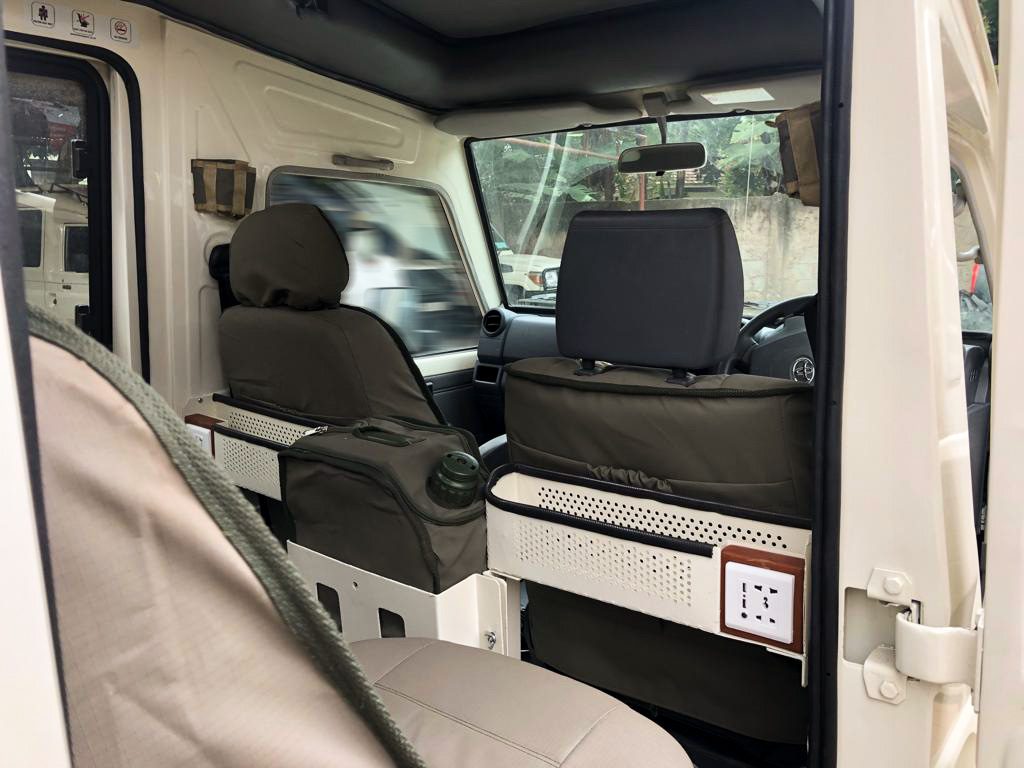
Only 4x4 safari vehicles may enter the crater, and you must stay in the vehicle except at designated picnic and toilet sites such as Ngoitokitok and Lerai. Off-road driving is not allowed, and time on the floor is limited by conservation-area rules, usually around six hours. A crater service fee applies per vehicle per descent.
Vehicles at Popular Sightings
The crater is Tanzania’s most visited wildlife area, and July is one of its busiest months. Several vehicles may gather at a rhino or lion sighting, especially mid-morning. Descending at gate opening, picnicking later than most and letting your guide find quieter corners of the floor help you enjoy calmer moments. Patience at sightings is usually rewarded.
Rim Lodges Versus Karatu
Staying on the rim puts you minutes from the descent road, ideal for an early start in July, but nights are cold and lodges fill early in the peak season. Karatu, about 20–30 minutes from Lodoare Gate, is lower and milder, with farm lodges and coffee estates, but means a slightly earlier wake-up for the crater descent.
Ngorongoro Crater Crowds in July
Ngorongoro Crater crowds in July are high, because it is peak season and coincides with the European summer holidays. The crater floor is the busiest part of the conservation area, with many vehicles at black rhino and lion sightings and at the picnic sites around midday. Olduvai Gorge is moderately busy on the Serengeti road, while the rim forests and hikes at Olmoti and Empakaai stay quiet. Ndutu is very quiet now the herds have gone north. Descending at gate opening and staying on the rim the night before make the biggest difference to your enjoyment of the day.
- Crater floorVery busy
- Picnic sitesBusy
- Olduvai GorgeModerate
- KaratuModerate
- Olmoti & EmpakaaiQuiet
- Ndutu & Lake MasekVery quiet
Is July the Best Time to Visit Ngorongoro Crater?
Is July a good time to visit Ngorongoro Crater? For game viewing it is one of the best, because the dry season leaves the crater floor open and wildlife concentrated near water. The trade-offs are cold rim nights, morning fog and peak-season crowds. If you want fewer vehicles, consider early November or the green season, accepting some rain. If you want to combine the crater with the Ndutu calving season, choose January to March. For a dry, classic safari linked with the northern Serengeti and the first Mara River crossings, July is an excellent choice for most travellers.
Ngorongoro Crater in July: Pros and Cons
Every month in Ngorongoro has trade-offs, and July is no exception. On the plus side, the crater floor is dry and open, resident wildlife is easy to find, and the timing links neatly with the northern Serengeti and the migration. On the other hand, July is peak season, with busy sightings and early bookings, and the rim is cold, foggy and dusty by turns. Weighing these points against your priorities helps you decide whether July, a quieter shoulder month or the calving season suits your private safari best. Early starts and warm clothing soften most of the downsides.
Short Grass, Clear Sightings
In July the grass on the crater floor is short and golden, and wildlife concentrates near the swamps, Ngoitokitok Spring and Lake Magadi. Black rhino, lions and hyenas stand out clearly on the open plains. It is one of the most reliable months for all-round game viewing, even though sightings are never guaranteed. Binoculars are very useful.
- Short, golden grass
- Wildlife near water
- Rhino easier to spot
- Strong all-round viewing
Dry, Sunny Days on the Floor
July sits in the middle of the long dry season, so rain is rare and the crater floor is usually sunny once the morning fog lifts. Roads are firm and the steep descent and ascent tracks are dry. Predictable weather lets your guide plan the full permitted time on the floor without weather delays or lengthy detours.
- Very low rainfall
- Sunny afternoons
- Firm, dry roads
- Predictable plans
Pairs with the Northern Serengeti
July is a superb month for a northern circuit safari. The crater gives you black rhino and dense resident wildlife, while the Serengeti herds usually head towards Kogatende and the Mara River. Tarangire is also at its dry-season best, so one private itinerary can combine three outstanding parks in excellent conditions. Allow several nights across the three parks.
- Rhino in the crater
- Herds in the north
- Tarangire elephants
- One private route
Busy Sightings and Early Bookings
July is one of the busiest months in Ngorongoro, with European summer holidays adding to demand. Rhino and lion sightings can attract many vehicles, and the best rim lodges sell out months ahead. Peak-season rates apply at many lodges and camps, so booking early gives you the widest choice and the best value for your chosen dates.
- Busy sightings
- Rim lodges fill early
- Peak-season rates
- Book well ahead
Cold Nights and Foggy Mornings
The rim is one of the coldest places on a Tanzania safari in July, with nights around 5 °C or lower. Thick fog can hide the crater view at dawn and make the first part of the descent feel wintry. Warm layers, a hat and gloves make it comfortable, and the cold rarely spoils the day.
- Cold rim nights
- Morning fog
- Wintry descent
- Pack warm layers
Dust and Dry Landscapes
By July the crater floor is dry, and dust rises behind vehicles and on windy afternoons. Lake Magadi shrinks, and flamingo numbers vary. Photographers need to protect cameras, and travellers with allergies or contact lenses should be prepared. A scarf or buff and lens cloths make the dusty conditions very easy to manage on every game drive.
- Dusty tracks
- Windy afternoons
- Variable flamingos
- Protect your camera
How Much Does a Ngorongoro Crater Safari Cost in July?
How much does a Ngorongoro Crater safari cost in July? A private Ngorongoro Crater safari in July typically costs from about $200 to $2,500 per person per day, depending mostly on the style of accommodation you choose. July is peak season, so demand is high and rim lodges book out early. Your private vehicle, guide, conservation fees and meals are usually included, and the exact inclusions are confirmed in your quote. Final prices depend on your dates, party size and chosen lodges. The ranges below come from our own price list.
Budget Camping Safari
$200 – $390per person per day
A budget camping safari uses Simba campsite on the crater rim or camps in Karatu, with your own guide, cook and 4x4. It is the most affordable way to see the crater in July. Rim nights are very cold this month, so a warm sleeping bag, thermal layers and a hat are essential for comfort.
- Simba campsite or Karatu
- Your own guide and cook
- Private 4x4
- Warm sleeping bag needed
Mobile and Tented Camp Safari
$550 – $590per person per day
A tented camp safari places you in comfortable canvas accommodation on or near the crater rim, with proper beds and hot showers and friendly staff. In July it brings you close to the forest sounds and cold mountain air, while the camp team keeps you warm. It balances atmosphere, comfort and value, and books early in the peak season.
- Comfortable canvas
- Close to the rim
- Forest atmosphere
- Book early in July
Lodge Safari
$590 – $750per person per day
A lodge safari uses permanent lodges on the rim or in Karatu, with solid rooms, restaurants and reliable comfort. In July a rim lodge saves time on crater day, while a Karatu lodge offers milder nights among coffee farms. Many rim lodges have fireplaces, which are especially welcome on cold July evenings. Ask us which suits your dates.
- Permanent rooms
- Rim or Karatu
- Reliable comfort
- Warm evenings indoors
Tented Lodge Safari
$590 – $990per person per day
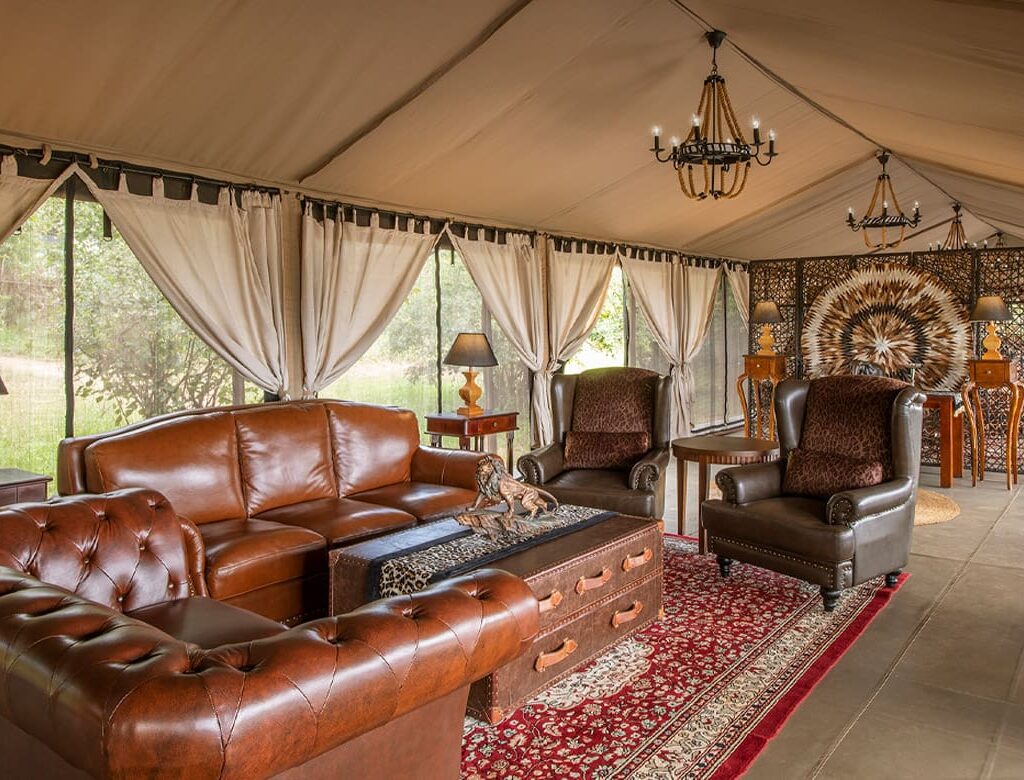
Tented lodges offer permanent canvas suites with more space and style than a simple camp. They are a popular mid-range choice around the crater and in Karatu, combining comfort, character and location. In July, choose one with good access to the descent road so you can reach the floor early, ahead of most vehicles on crater day.
- Permanent canvas suites
- Mid-range comfort
- Rim or Karatu
- Easy early descent
High-End Luxury Safari
$990 – $2,500per person per day
A high-end luxury safari uses the finest lodges on the crater rim or in Karatu, often combined with light-aircraft flights to the Serengeti. In July this means sweeping crater views, refined service and warm suites after cold game drives. It suits honeymooners and special celebrations, and the best lodges book out early. Ask us about availability early.
- Finest rim lodges
- Crater views
- Fly to the Serengeti
- Refined service
Conservation Fees and Extras
Ngorongoro Conservation Area fees are charged per person per 24 hours, and a crater service fee is charged per vehicle per descent. We include these in your quote. Extras to budget for can include optional domestic flights, tips for your guide and lodge staff, visas and travel insurance. Ask us for a clear, itemised quote before booking.
- Conservation fees
- Crater service fee
- Optional flights
- Tips, visas, insurance
Ngorongoro Crater Safari Packages for July
The best Ngorongoro Crater safari packages for July pair a dry-season crater descent with the northern Serengeti, where the herds are usually heading towards the Mara River. Each itinerary below is a starting point for a private tailor-made safari, which we adapt to your dates, budget and interests. Every package can be lengthened, shortened or reordered to suit your dates. Choose a classic northern circuit, a family safari for the summer holidays, a luxury trip, a budget camping adventure, a safari and beach holiday, or a short day trip from Arusha.
9-Day Private Northern Tanzania Safari
The 9-Day Private Northern Tanzania Safari is a strong all-round choice for July. It combines Tarangire’s dry-season elephants, a full day on the crater floor and several nights in the Serengeti, timed to the likely position of the herds. It suits first-time visitors who want variety, comfort and an unhurried pace. Pack warm layers for the rim.
View This Safari →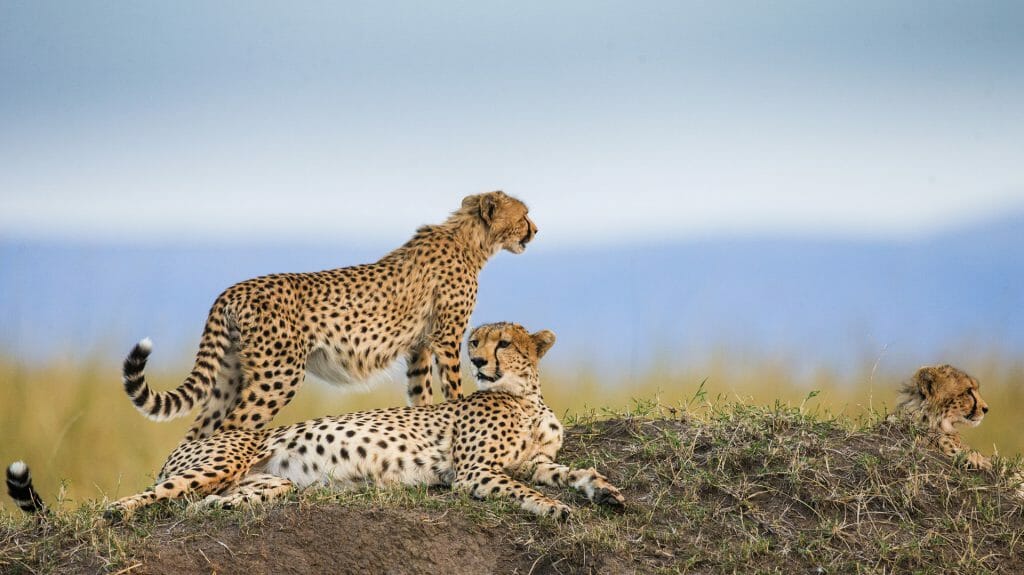
6-Day Serengeti & Ngorongoro Family Safari
The 6-Day Serengeti & Ngorongoro Family Safari suits July, when school summer holidays make it easier for families to travel. Dry weather and dense crater wildlife keep children engaged, and your private guide adapts the pace and breaks. Pack warm layers for children, because the crater rim is cold this month. Ask us about child-friendly lodges and rim stays.
View This Safari →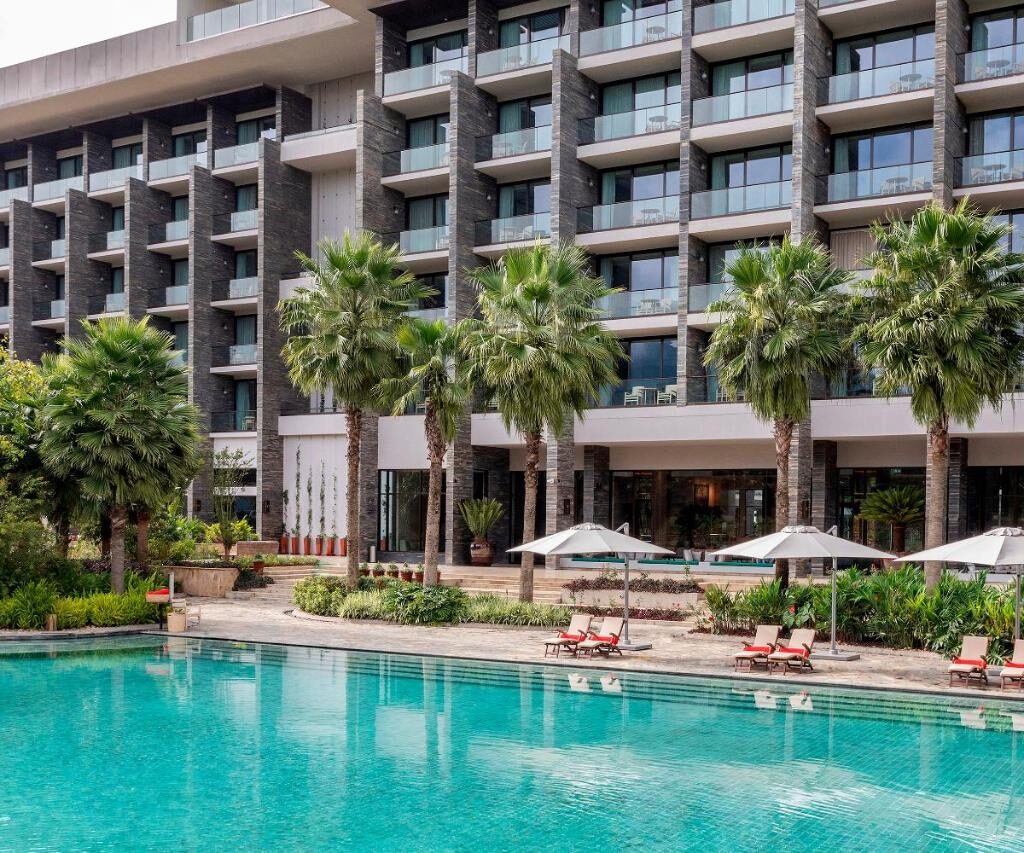
7-Day Luxury All-Inclusive Epic Tanzania Safari
Our 7-Day Luxury All-Inclusive Epic Tanzania Safari pairs the crater with the finest lodges and camps on the northern circuit. In July that means warm, stylish rooms on cold rim nights and comfortable bases near the Serengeti herds. It suits honeymooners and travellers celebrating something special who want everything taken care of. Book early in peak season.
View This Safari →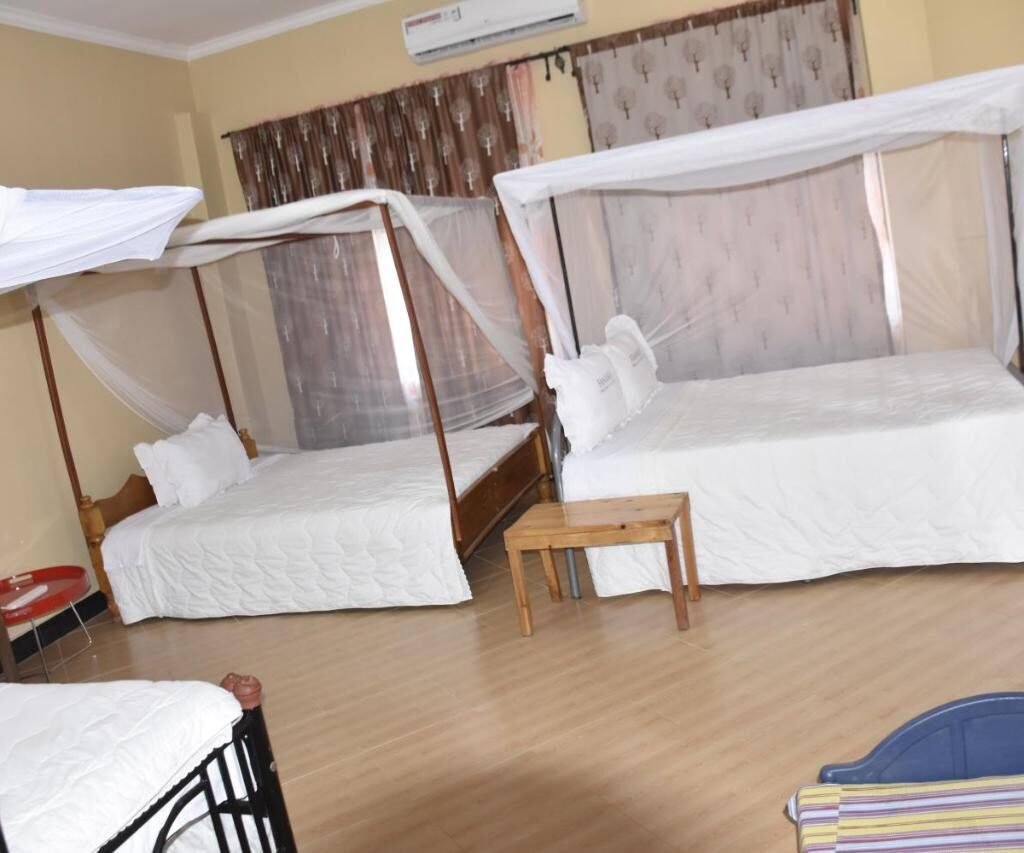
7-Day Tanzania Budget Camping Safari
The 7-Day Tanzania Budget Camping Safari is the most affordable way to see the crater and the Serengeti in July. You camp with your own guide, cook and 4x4, including a night on the crater rim. Bring a warm sleeping bag and thermal layers, because July nights at altitude are genuinely cold. Ask us for the full inclusions.
View This Safari →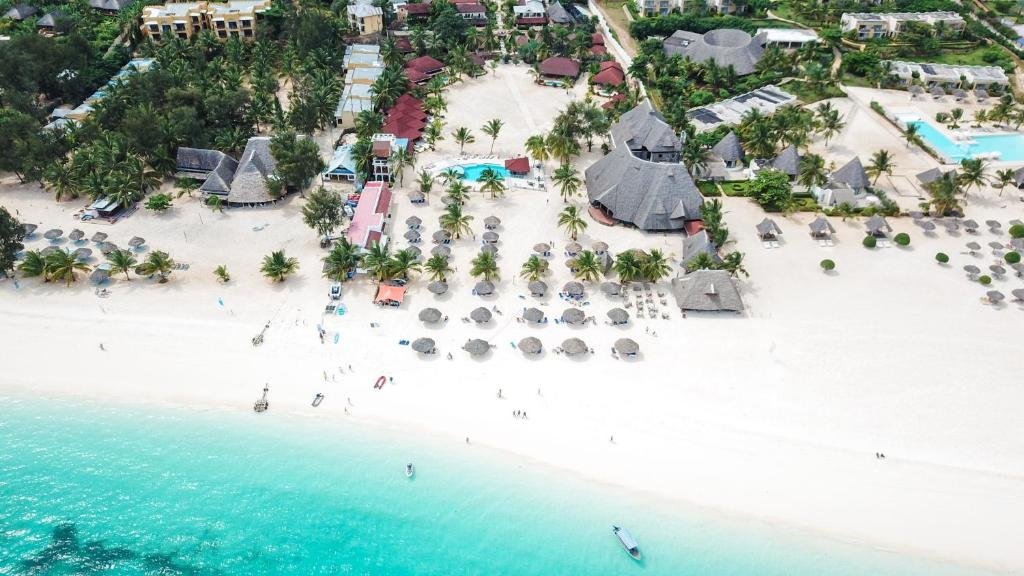
8-Day Tanzania Safari & Zanzibar
The 8-Day Tanzania Safari & Zanzibar trip pairs a private northern safari, including the crater, with time on the beach. July is dry on Zanzibar too, making it a relaxing finish after cold crater mornings and dusty game drives. It suits couples and families who want wildlife first and warm sand afterwards. Ask us how to split the days.
View This Safari →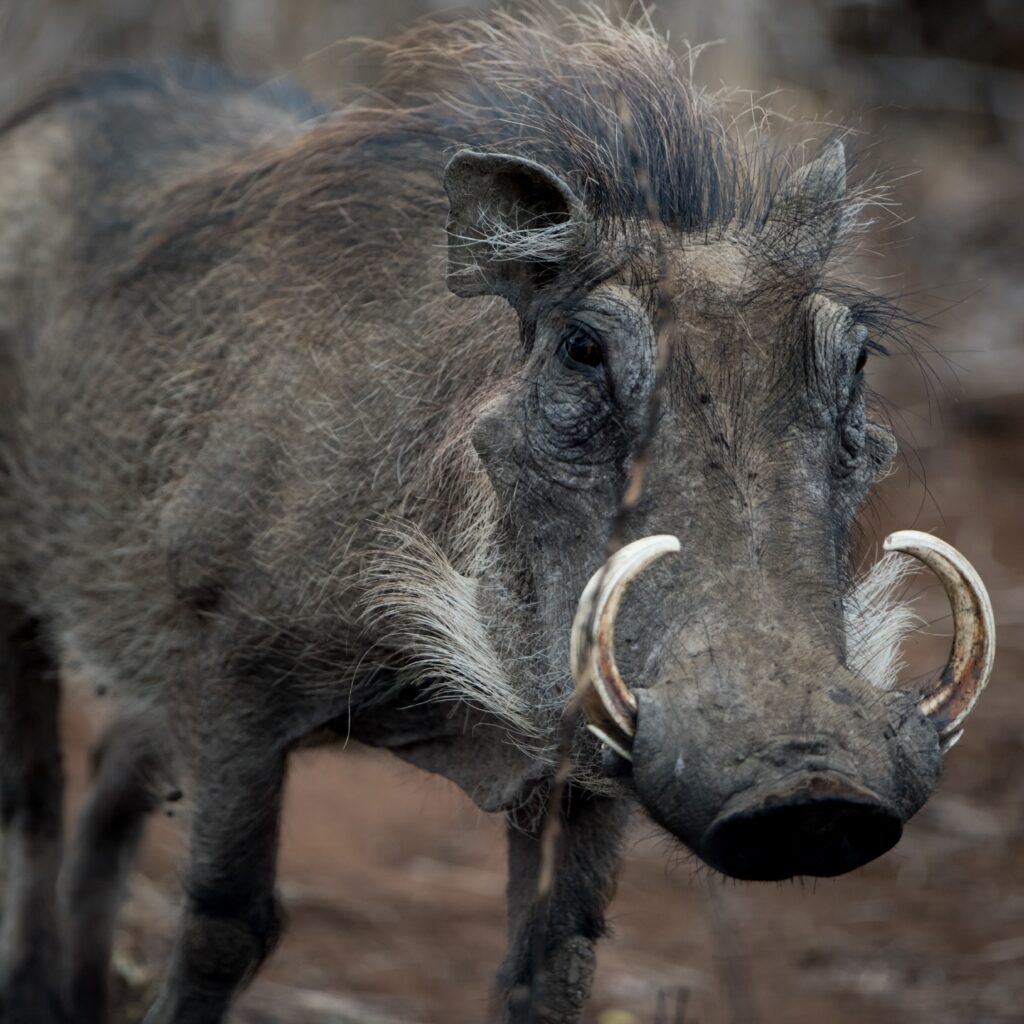
Ngorongoro Crater Day Trip
The Ngorongoro Crater Day Trip from Arusha suits travellers with limited time, such as those before or after a Kilimanjaro climb. It is a long day, leaving Arusha before dawn to reach the crater early. In July the dry floor gives excellent wildlife viewing, but bring warm layers for the cold drive over the rim at dawn.
View This Safari →Where to Stay Near Ngorongoro Crater in July
Where you stay in July shapes your whole crater day. Ngorongoro accommodation comes in four styles: budget camping, mid-range, luxury and ultra luxury. Rim stays put you minutes from the descent road for a first-light game drive, while Karatu lodges offer warmer evenings, coffee farms and gentler rates. July is peak dry season, so popular lodges fill months ahead. Every private safari we design is matched to your budget and travel style. The tabs below explain what each level includes, where it is located and who it suits best, with a link to safaris in that style.

Budget Camping Near Ngorongoro Crater
Budget camping is the most affordable way to stay at Ngorongoro Crater on a private safari. You sleep in dome tents at a public campsite on the crater rim or a camp in Karatu, with a cook preparing fresh meals and your guide nearby. In July, rim nights are cold, so a warm sleeping bag and layers are essential.
View Budget Safaris →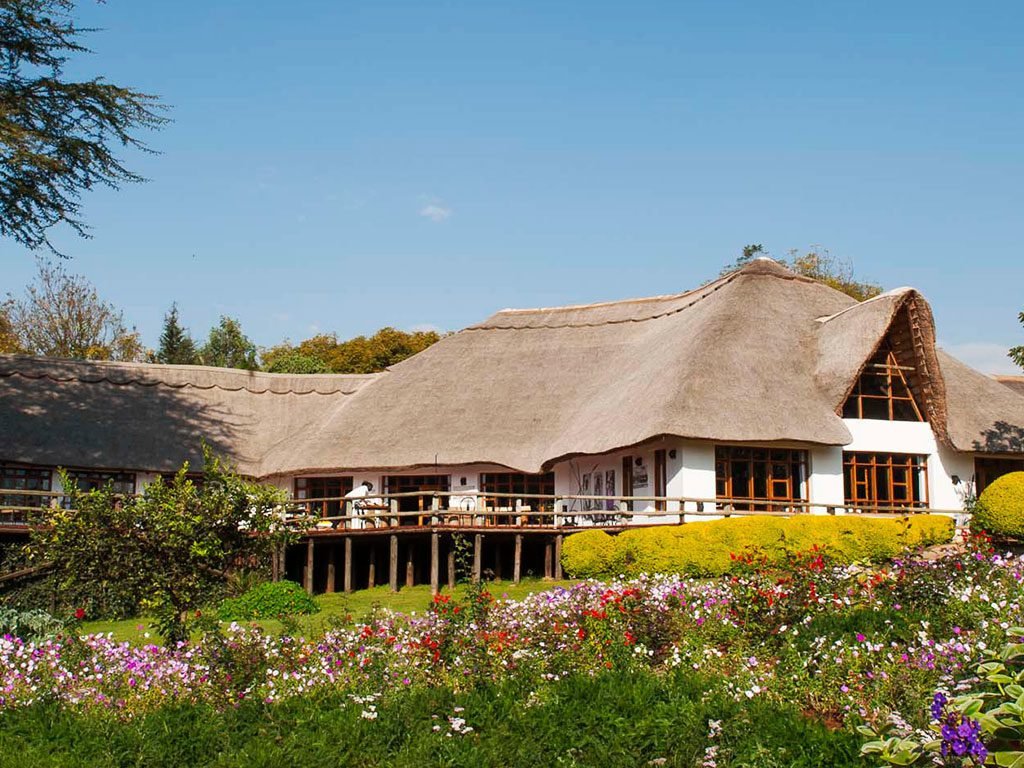
Mid-Range Lodges Near Ngorongoro Crater
Mid-range stays are comfortable lodges and tented lodges, mostly around Karatu among coffee farms and gardens, with a few simple lodges on the crater rim. Expect en-suite rooms, hot showers, good home-style meals and friendly service at a fair price for your private safari. In July, peak season demand is strong, so reserve your preferred lodge well ahead.
View Mid-Range Safaris →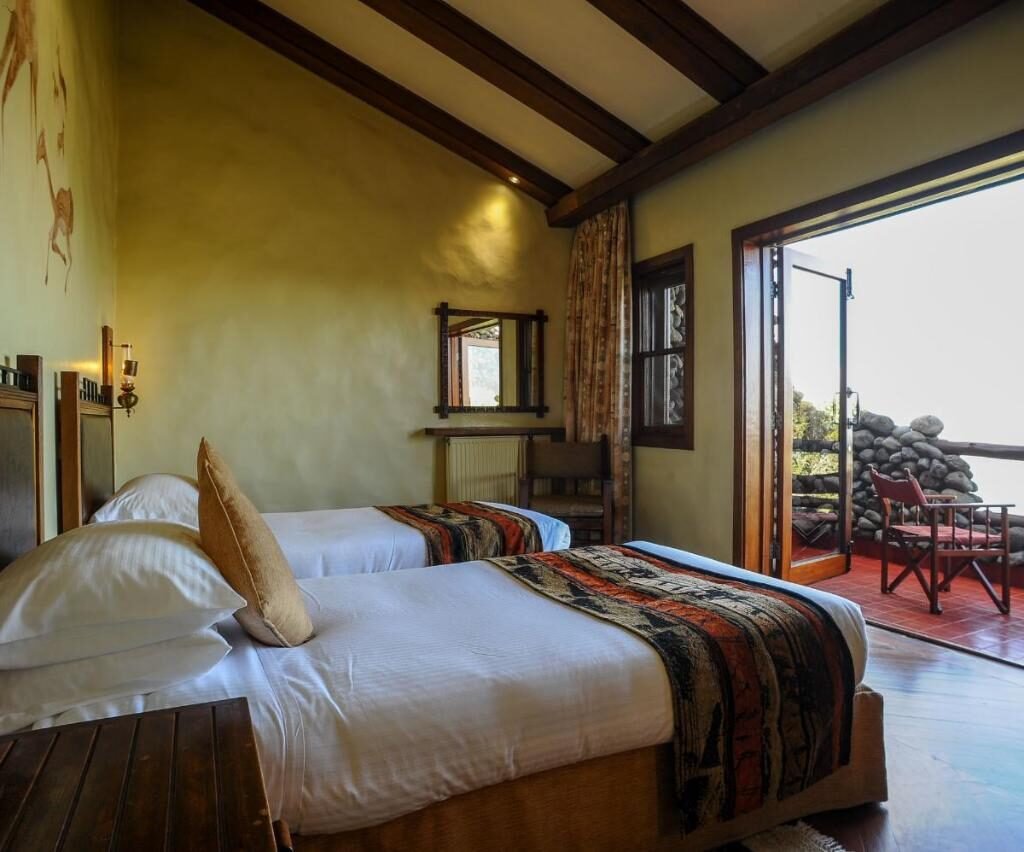
Luxury Lodges on the Ngorongoro Rim
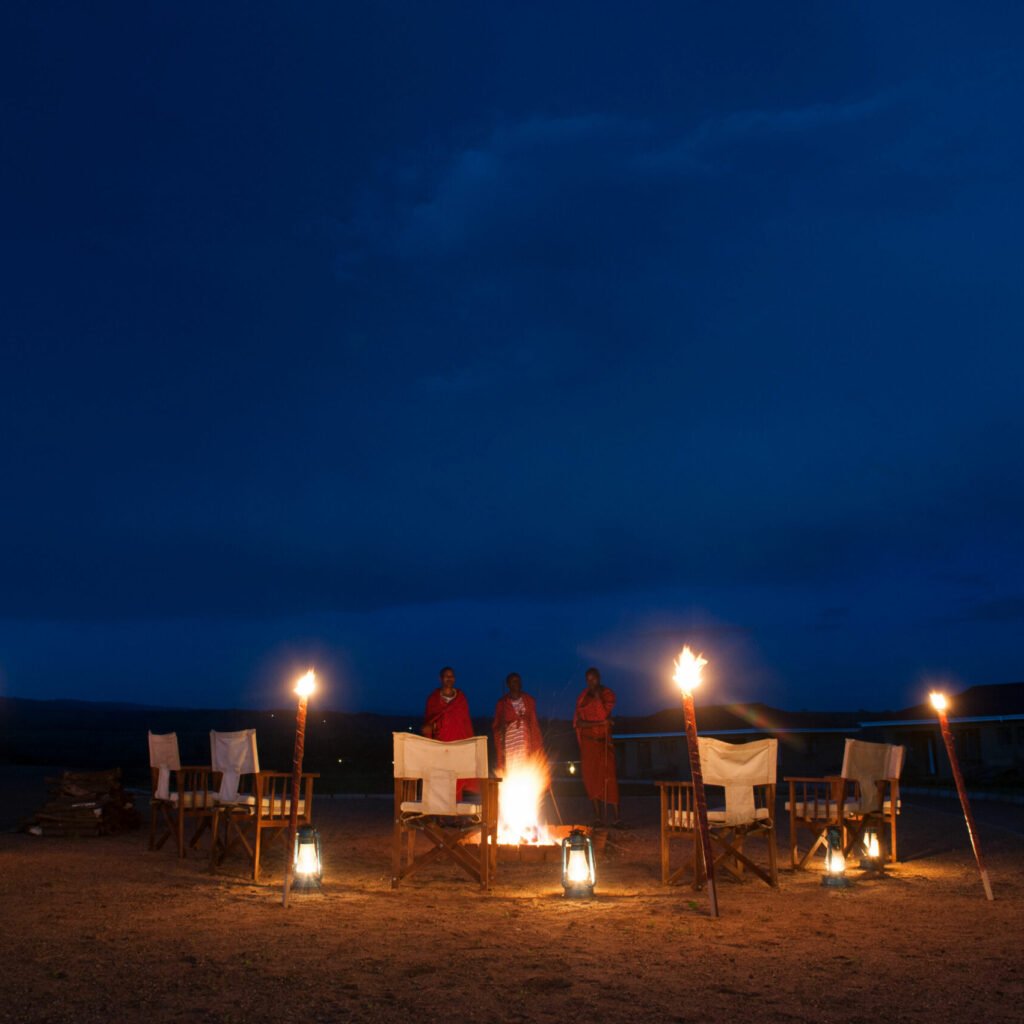
Luxury stays sit on the crater rim or in Karatu coffee estates, with spacious rooms, fine dining and attentive staff. Rim properties put you minutes from the descent road for an early start, while Karatu estates offer gardens, pools and warmer evenings after your drive. In July, fireplaces at many rim lodges are welcome on cold, misty nights.
View Luxury Safaris →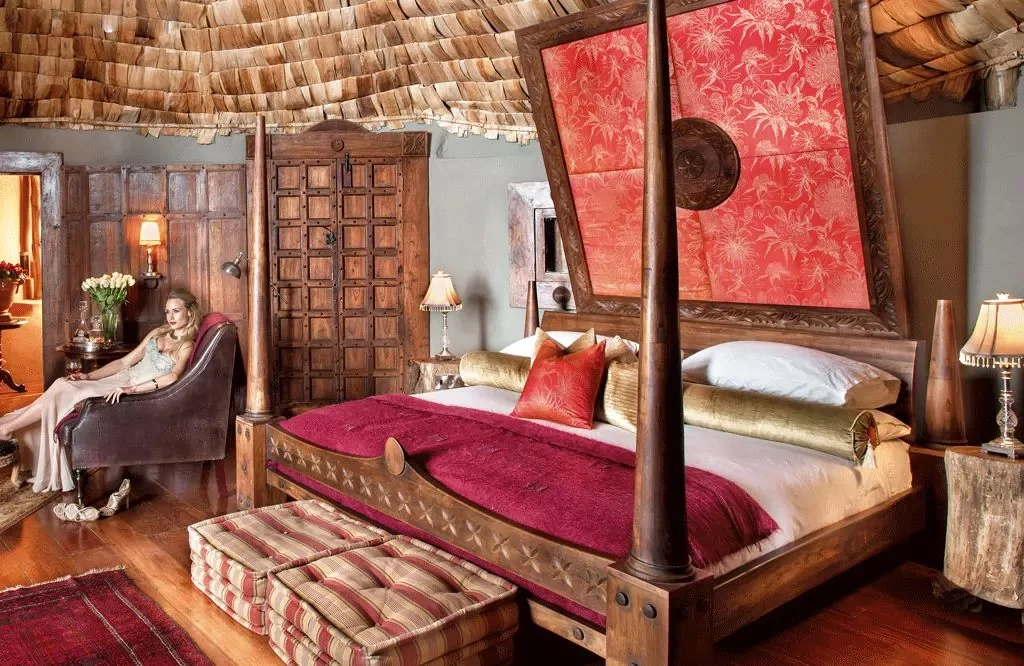
Ultra Luxury Stays at Ngorongoro Crater
Ultra luxury stays are the most exclusive lodges and camps on the Ngorongoro rim and in the highlands, with butler service, private suites and sweeping caldera views. They suit honeymooners and special occasions, offering exceptional comfort, privacy and unhurried, personal service throughout your stay. In July, peak demand means booking six to twelve months ahead is wise.
View Ultra Luxury Safaris →Combine Ngorongoro with Other Destinations in July
July is an excellent month to combine Ngorongoro with other parts of Tanzania, because the whole northern circuit is dry and accessible. The Serengeti herds are usually moving north towards the Mara River, Tarangire’s elephants gather along its river, and Lake Manyara is easy to add on the way. Zanzibar is dry and pleasant for a beach finish, and Kilimanjaro is in a popular climbing season. Choose from the options below and we will link them into one private itinerary. Each combination can be tailored to the time you have.
Serengeti in July
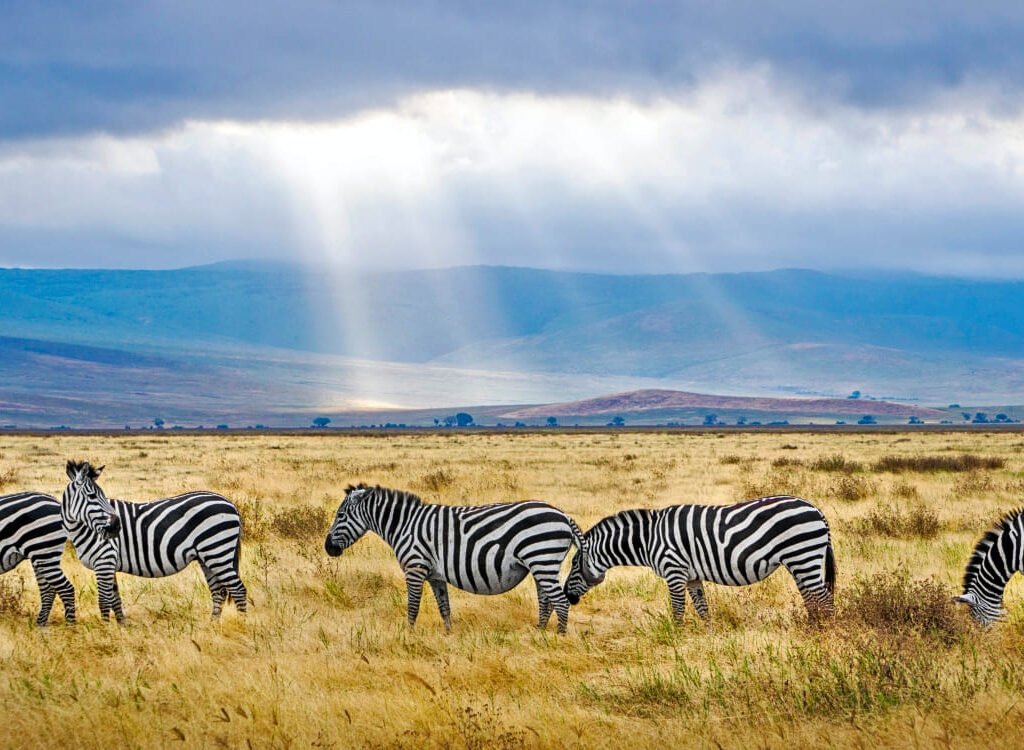
The Serengeti lies just beyond the crater via Naabi Hill Gate, and July is one of its most exciting months. The herds usually move from the Western Corridor into the northern Serengeti, where the first Mara River crossings can start late in the month. Allow several nights to follow them without rushing. Timing varies with the rains.
Serengeti in July →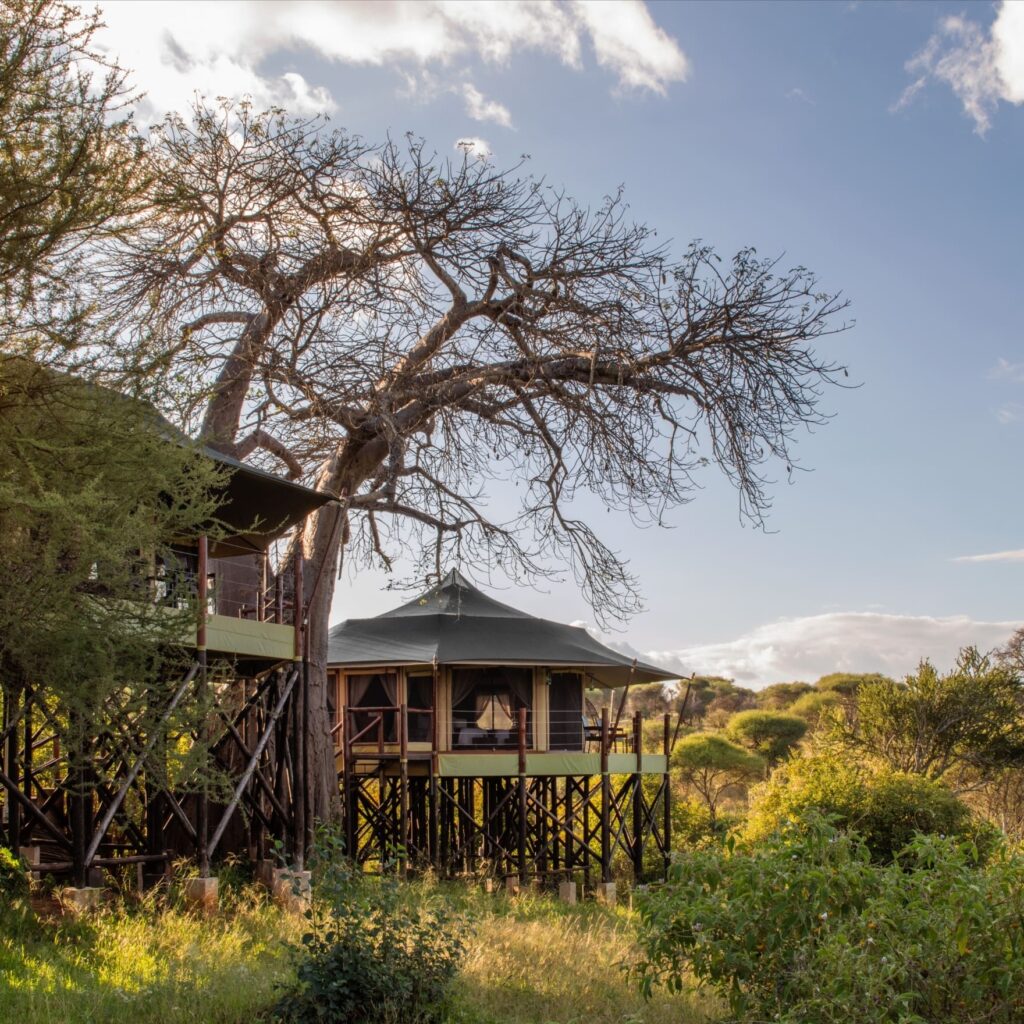
Tarangire National Park
Tarangire is at its best in the dry season, when elephants and other animals gather along the Tarangire River. In July you can expect large elephant herds among ancient baobabs, along with lions, giraffes and plenty of birds. It is only a few hours’ drive from Arusha, making a natural and rewarding first stop before the crater visit.
Explore Tarangire →
Lake Manyara National Park
Lake Manyara National Park sits below the Rift Valley escarpment, close to Mto wa Mbu on the road to Ngorongoro. Its groundwater forest, baboons, elephants and lakeshore birds make a rewarding half or full day. In July it is dry and pleasant, and it breaks up the drive from Arusha to Karatu. Ask us to add it.
Explore Lake Manyara →
Lake Eyasi
Lake Eyasi lies just outside the Ngorongoro Conservation Area to the south-west and is home to Hadzabe hunter-gatherers and Datoga pastoralists. In dry July, early-morning visits with the Hadzabe are a memorable cultural experience. It is an easy add-on from Karatu for travellers who want to meet local communities. It needs an early start for the best experience.
Explore Lake Eyasi →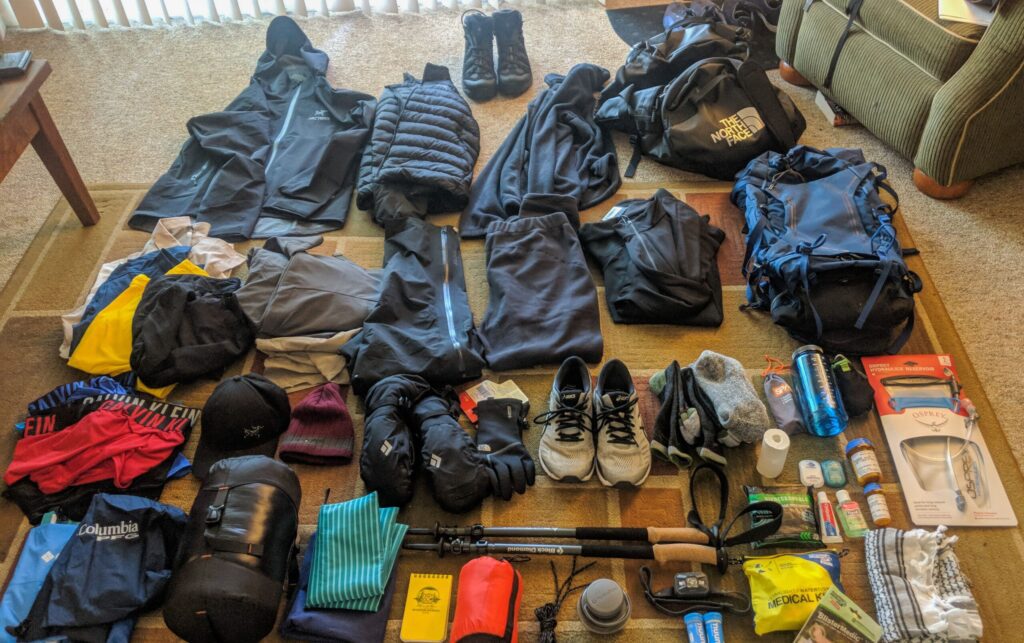
Climb Kilimanjaro in July
July falls in Kilimanjaro’s long dry season, a popular time to climb Africa’s highest mountain. Trails are usually dry and skies clear, although nights high on the mountain are very cold. Climbing before your crater safari works well, as a few days watching wildlife are the perfect reward after reaching the summit. We can plan both together.
Climbing Kilimanjaro in July →
Zanzibar Beach Holiday
Zanzibar is dry and pleasant in July, with sunny days and warm sea, making it a relaxing way to warm up after cold crater mornings. A short flight from Arusha or the Serengeti takes you to white-sand beaches and historic Stone Town. Island hotels are busy in the summer holidays, so book early. Ask us about flights.
Explore Zanzibar Holidays →Ngorongoro Travel Tips for July
A little planning makes a Ngorongoro Crater safari in July smoother and more rewarding. Because it is peak season, booking rim lodges early is the most important step, followed by planning an early descent and packing for the cold. It also helps to allow enough time on the crater floor, protect cameras from dust and think about the wider July trip across northern Tanzania. These tips come from our Arusha-based guides, who lead private safaris into the crater every July. Follow them and your crater day should run much more smoothly.
Reserve Rim Lodges Early
July is one of the most popular months in Ngorongoro, and the best rim lodges fill first. Booking as early as possible gives you the widest choice of locations, room types and connecting Serengeti camps. If your dates are flexible, ask us which nights work best around the busiest summer holiday weeks. Early enquiries give you more choice.
- Book well ahead
- Rim lodges fill first
- Link Serengeti camps
- Stay flexible on dates
Be at the Gate at Opening
The single best way to enjoy a quieter crater in July is to descend as early as possible. Descents usually start early in the morning, and the first hours bring active predators and fewer vehicles. Staying on the rim the night before and picnicking later than most help you avoid the midday rush. Your guide handles timing.
- Stay on the rim
- Descend at opening
- Picnic later
- Fewer vehicles early
Pack for a Cold Rim
Rim nights in July can drop to about 5 °C or lower, and foggy mornings in an open vehicle feel colder still. A fleece, a warm insulated jacket, a beanie and gloves make the early descent comfortable. Layers you can easily peel off by midday are ideal, because the crater floor warms up to sunny, pleasant afternoons.
- Warm insulated jacket
- Beanie and gloves
- Easy-to-remove layers
- Thermal sleepwear
Protect Yourself from Dust
The crater floor is dry and dusty in July, especially on windy afternoons and busy tracks. A scarf or buff protects your face, and sunglasses help keep dust out of your eyes. Photographers should bring dust covers, lens cloths and a blower, and avoid changing lenses when other vehicles pass. Keep your camera bag zipped between sightings.
- Scarf or buff
- Sunglasses
- Dust covers
- Lens cloths and blower
Plan a Full Crater Day
A short half-day descent can feel rushed in July, when sightings may be busy and you want time away from the crowds. Planning a full day on the crater floor, within the permitted time, gives your guide space to find quieter sightings. Two nights in the area also comfortably allow Olduvai Gorge or a short highland hike.
- Full crater day
- Within permitted time
- Two nights ideal
- Add Olduvai or a hike
Plan the Wider Trip
July is a strong month across northern Tanzania, so think about the whole trip, not only the crater. The Serengeti herds head north, Tarangire is excellent in the dry season, and Zanzibar is pleasant for a beach finish. Our Tanzania safari in July guide explains how each destination looks this month. Ask us for help linking each stop.
- Serengeti herds north
- Tarangire in dry season
- Zanzibar beach finish
- One private itinerary
What to Pack for Ngorongoro Crater in July
Packing for Ngorongoro Crater in July means preparing for cold rim nights, foggy mornings, sunny afternoons and plenty of dust. A layering system works best: a thermal base layer, a fleece and a warm insulated jacket for the descent and evenings, with a beanie and gloves. Choose neutral colours such as khaki, olive and beige. A scarf or buff keeps dust away, and camera gear needs protection on the dry crater floor. The sun is strong at altitude even when it feels cold, so sunscreen and sunglasses are essential. Soft bags are best for vehicles and light aircraft.
- Warm insulated or down jacket
- Fleece or soft-shell layer
- Beanie and gloves for the descent
- Thermal base layer for rim nights
- Neutral-coloured shirts and trousers
- Scarf or buff against dust
- Sun hat and sunglasses
- High-factor sunscreen and lip balm
- Binoculars for rhino spotting
- Camera with dust covers and spare batteries
- Comfortable closed shoes
- Insect repellent for Karatu and lowlands
Events and Holidays in July
July is shaped by the dry season, the migration and the holiday calendar. Saba Saba on 7 July is a Tanzanian public holiday, celebrating trade and industry, but safari life at Ngorongoro carries on as normal, with lodges, gates and game drives running as usual. More important for planning are the European summer holidays, which make July one of the busiest months in the crater. In the Serengeti, the herds usually move north, and the first Mara River crossings can begin later in the month. Religious holidays such as Eid follow the lunar calendar, so dates change each year.
- 7 JulySaba SabaTanzanian public holiday; safaris run as normal
- All monthEuropean summer holidaysPeak demand for rim lodges and vehicles
- All monthCold, foggy rimOne of the coldest times on the crater rim
- Late JulyFirst Mara River crossingsCan start in the northern Serengeti; timing varies
How to Get to Ngorongoro Crater in July
Most travellers reach Ngorongoro Crater by flying into Kilimanjaro International Airport, known as JRO, and spending the first night in Arusha. From there your private guide drives via Mto wa Mbu and Karatu to Lodoare Gate, roughly 3–4 hours and about 180 km. Alternatively, a short flight from Arusha Airport to the Lake Manyara airstrip connects with your guide and 4x4. In July, dry roads make the drive straightforward, and many travellers continue west through Naabi Hill Gate into the Serengeti. Book domestic flights early in peak season. Your guide will meet you on arrival and handle every transfer.
- Fly into Kilimanjaro (JRO)International arrival, then overnight in Arusha
- Drive via KaratuAbout 3–4 hours to Lodoare Gate
- Or fly to Lake ManyaraShort flight from Arusha (ARK), then meet your guide
- Descend into the craterStart your private crater game drive early
Ngorongoro Health and Safety in July
Health and safety on a Ngorongoro Crater safari in July are straightforward with sensible precautions. Malaria risk is lower on the cool rim but present in the region, including Karatu, Lake Manyara and the lowlands, so consult a travel clinic about antimalarials. The sun is strong at altitude despite the cold, and July dust can irritate eyes and throats. Rim altitude of around 2,300 m is mild, but evenings are cold. Drink bottled or filtered water, and carry travel insurance that includes evacuation. Our guides are first-aid trained. Tell us about any medical conditions or allergies when you enquire.
- Consult a travel clinic about antimalarials
- Use repellent at dusk in Karatu and lowlands
- Drink bottled or filtered water
- Yellow fever certificate only if arriving from a risk country
- Stay in the vehicle except at designated sites
- Dress warmly for cold rim nights
- Use high-factor sun protection at altitude
- Carry insurance including evacuation
How to Plan and Book a Ngorongoro Crater Safari in July
Planning a Ngorongoro Crater safari in July is simple when you follow a clear order, starting early because it is peak season. First choose your dates, then plan your route around the crater and the northern Serengeti, pick your stays and send us your enquiry. We will design a private tailor-made itinerary with your own guide and 4x4, adjust it until it feels right, and confirm everything in writing. Here are the six steps from first idea to packing. Each step is explained below with a link to more detail.
Choose Your July Dates
Decide which part of July suits you, keeping in mind that the herds usually reach the northern Serengeti later in the month. Allow at least one full crater day and ideally two nights in the area. If school holidays fix your dates, tell us early so we can secure the best rim lodges. Dates are easy to adjust.
- Early, mid or late July
- One full crater day
- School holiday dates
- Flexible if possible
Plan Your Northern Circuit Route
Most July routes run from Arusha to Tarangire, then the crater, then the Serengeti, or the reverse. Our map shows how the crater, Olduvai Gorge and Naabi Hill Gate connect. We can advise whether to visit the crater on the way in or out, depending on your Serengeti dates and the herds. We will handle all the logistics.
- Tarangire first
- Crater in or out
- Serengeti to the north
- Olduvai en route
Choose Your Lodges and Camps
Select the accommodation style that suits your budget, from Simba campsite to tented camps, lodges, tented lodges and high-end luxury lodges. In July the key choice is rim or Karatu: the rim is closest to the descent road but cold, while Karatu is milder. Rim lodges book out early in peak season. Tell us your comfort preferences.
- Pick a style
- Rim or Karatu
- Consider the cold
- Reserve early
Send Us Your Enquiry
Send us your dates, number of travellers, budget style and any special interests, such as black rhino, photography, culture or family needs. Our Arusha-based team will reply with a private tailor-made itinerary and a clear quote. We are happy to adjust the plan until it feels right, with no pressure to decide quickly. Add anything else that matters.
- Dates and travellers
- Budget style
- Special interests
- Tailor-made quote
Confirm and Book Your Safari
When you are happy with your itinerary, confirm your safari and pay the deposit as set out in your booking confirmation. We then reserve your lodges, conservation fees, crater descent and any flights. Because July is peak season, confirming promptly helps secure your first-choice rim lodge and Serengeti camps. We keep you updated at every stage until you travel.
- Approve the itinerary
- Pay the deposit
- Lodges reserved
- Flights confirmed
Prepare and Pack for July
Before you travel, check passport validity, visa requirements and travel insurance that includes evacuation, and speak to a travel clinic about malaria. Pack warm layers for the cold rim, neutral clothing, a dust scarf and binoculars for rhino spotting. Bring spare camera batteries, because cold nights drain them faster. Our team will send a checklist before you travel.
- Passport and visa
- Insurance with evacuation
- Travel clinic visit
- Warm layers packed
Ngorongoro Crater Safari in July: FAQs
Is July a good time to visit Ngorongoro Crater?
Yes. July is one of the best times to visit Ngorongoro Crater for game viewing. The dry season leaves the crater floor open and golden, so wildlife is easy to see. Rim nights are cold and it is peak season, so book early and descend at gate opening.
What is the weather like in Ngorongoro Crater in July?
Ngorongoro weather in July is dry and sunny on the crater floor, at about 20–24 °C by day. The rim is cold, with nights around 5–10 °C or lower and frequent morning fog. Rain is very unlikely, but the floor is dusty.
Can you see black rhino in Ngorongoro Crater in July?
Ngorongoro Crater is one of the best places in Tanzania to look for black rhino, and the short dry-season grass in July can make them easier to spot. Sightings are never guaranteed, so bring binoculars and allow a full day on the crater floor.
How much does a Ngorongoro Crater safari cost in July?
A private Ngorongoro Crater safari in July typically costs from about $200 to $2,500 per person per day, depending mostly on accommodation style, from budget camping to high-end luxury lodges. July is peak season, and exact inclusions are confirmed in your quote.
Is Ngorongoro Crater crowded in July?
Yes, July is busy because it is peak season and coincides with the European summer holidays. Vehicles gather at rhino and lion sightings. Book rim lodges early, stay on the rim the night before, descend at gate opening and picnic later than most.
How cold does the Ngorongoro crater rim get in July?
July is one of the coldest months on the Ngorongoro crater rim, where nights can drop to about 5 °C or lower and mornings are often foggy. Pack a warm insulated jacket, fleece, beanie and gloves, plus light layers for the warmer crater floor.
Can I combine Ngorongoro with the Great Migration in July?
Yes. In July the herds usually move from the Western Corridor into the northern Serengeti, where the first Mara River crossings can start late in the month. Ngorongoro lies on the road to the Serengeti, so the two combine easily on a private safari.
Design Your Private July Ngorongoro Crater Safari
Design your private Ngorongoro Crater safari in July with our Arusha-based team. Tell us your dates and interests, and we will plan an early crater descent, warm rim lodges and your own guide and 4x4, linked with the Serengeti herds.
Plan My Private SafariView Ngorongoro Safaris