
By the Foot Slopes Tours and Safaris team
Written by our Arusha-based safari guides and private safari planners from first-hand experience in the Ngorongoro Crater.
Ngorongoro Crater in June is cool, dry and clear, as the long dry season begins across northern Tanzania. The rains have usually ended, crater floor days are pleasant at about 18–23 °C, and nights on the crater rim are cold, at about 5–10 °C, with morning mist that usually lifts by mid-morning. Shorter grass makes lions, black rhino, elephants and hyenas easier to spot. Flamingos often feed at Lake Magadi as well. This guide covers Ngorongoro weather in June, wildlife, crowds, costs, lodges and travel tips for a private tailor-made Ngorongoro Crater safari with your own guide and 4x4.
Yes. June is an excellent time to visit Ngorongoro Crater. The long dry season begins, the grass shortens and wildlife on the crater floor is easier to find. Rim nights are cold and mornings often misty, so pack warm layers. Crowds build through the month towards the July peak, so book early.
Why Visit Ngorongoro Crater in June
Why visit Ngorongoro Crater in June? Because the start of the dry season brings clear days, short grass and excellent game viewing on the crater floor. Black rhino, lions and elephants are easier to find, flamingos often feed at Lake Magadi, and the crater combines perfectly with the Serengeti, where the herds usually gather in the Western Corridor. Crowds are lower than in July and August. Dry weather also keeps the steep crater roads easy to drive. Here are six reasons June is a superb month for a private Ngorongoro Crater safari.
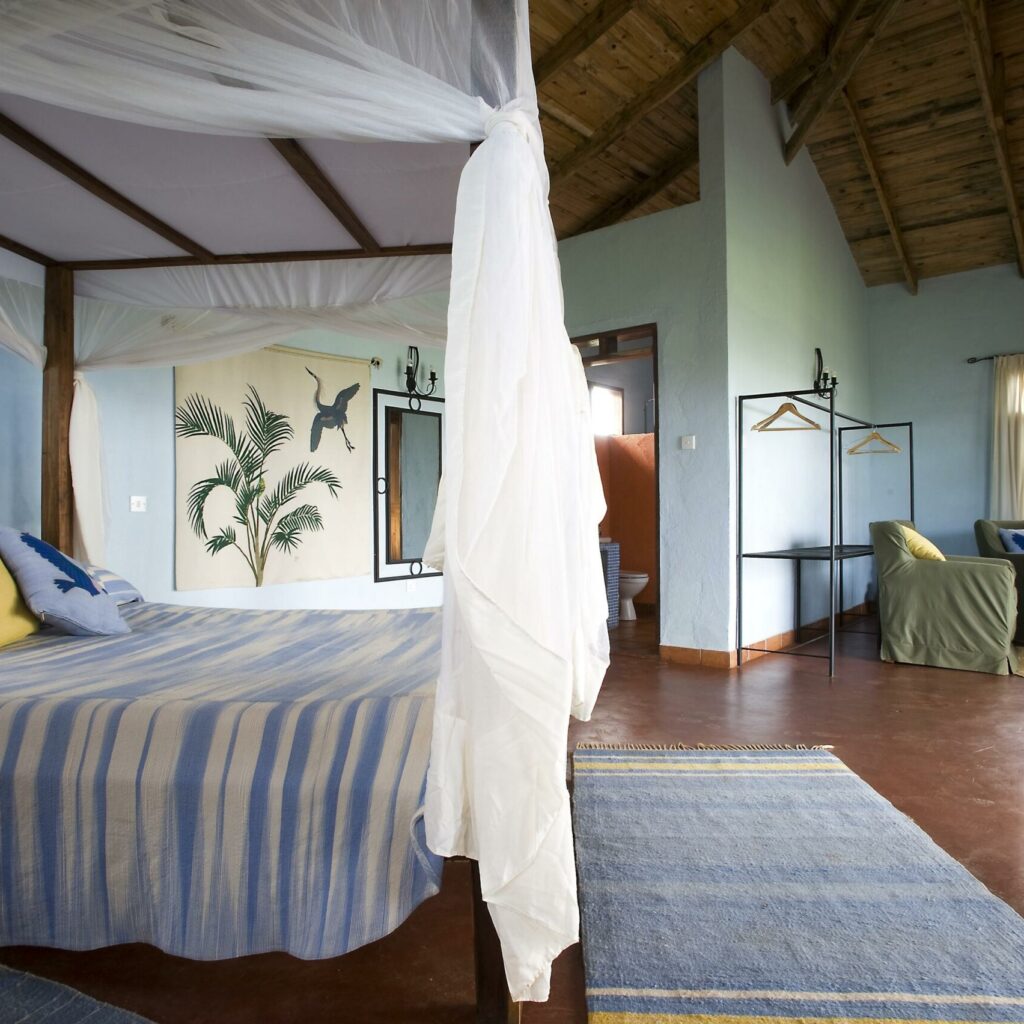
Clear Days as the Dry Season Begins
June marks the start of the long dry season in the Ngorongoro Conservation Area, which usually lasts until October. Rain is rare, the descent and ascent roads dry out after the long rains, and skies over the crater floor are mostly clear. Settled weather lets your guide plan a full, unhurried day inside the caldera.

Shorter Grass, Easier Game Viewing
As the grass on the crater floor shortens and dries, animals become much easier to spot. Lions resting in the open, hyenas on the move and serval cats hunting in the grass all stand out clearly. Resident wildebeest, zebra and buffalo graze close to the tracks, giving relaxed, rewarding game viewing throughout the day, even in soft morning light.
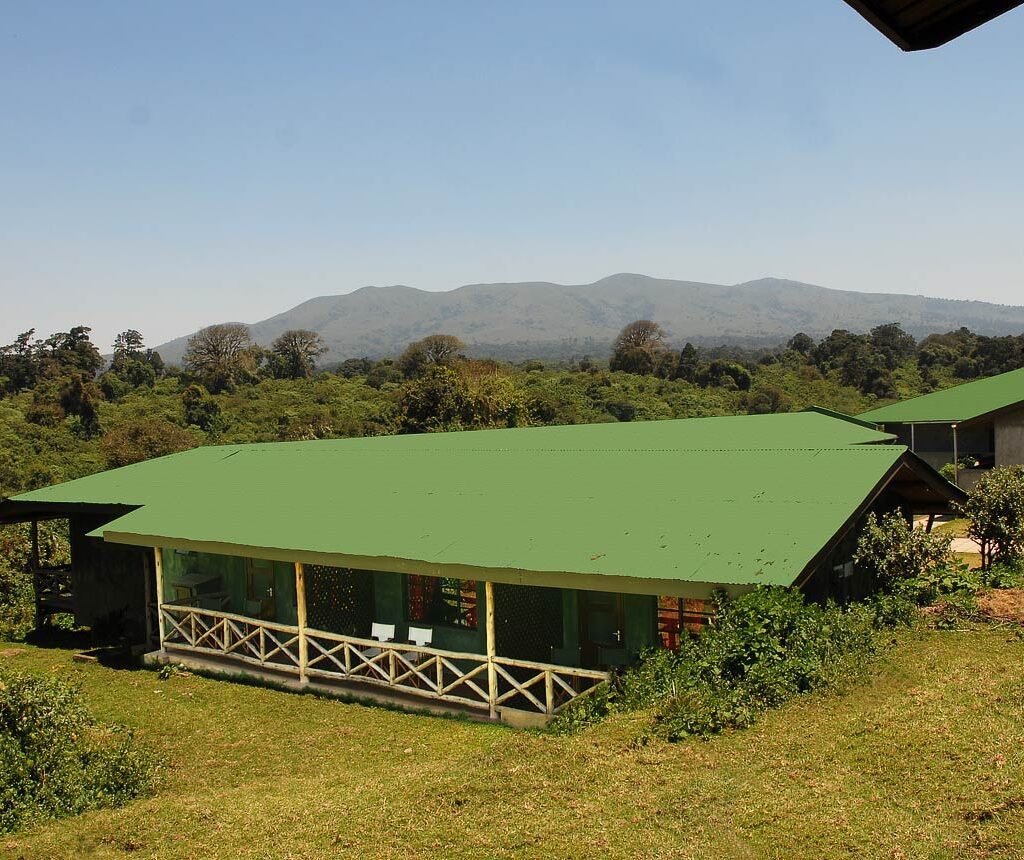
Looking for Black Rhino
The Ngorongoro Crater is one of the best places in Tanzania to look for black rhino, and June’s shorter grass helps. Rhinos often feed on the open plains in the early morning, sometimes near Lerai Forest. Sightings are never guaranteed and often distant, so binoculars and an experienced guide make a real difference to your chances on the day.
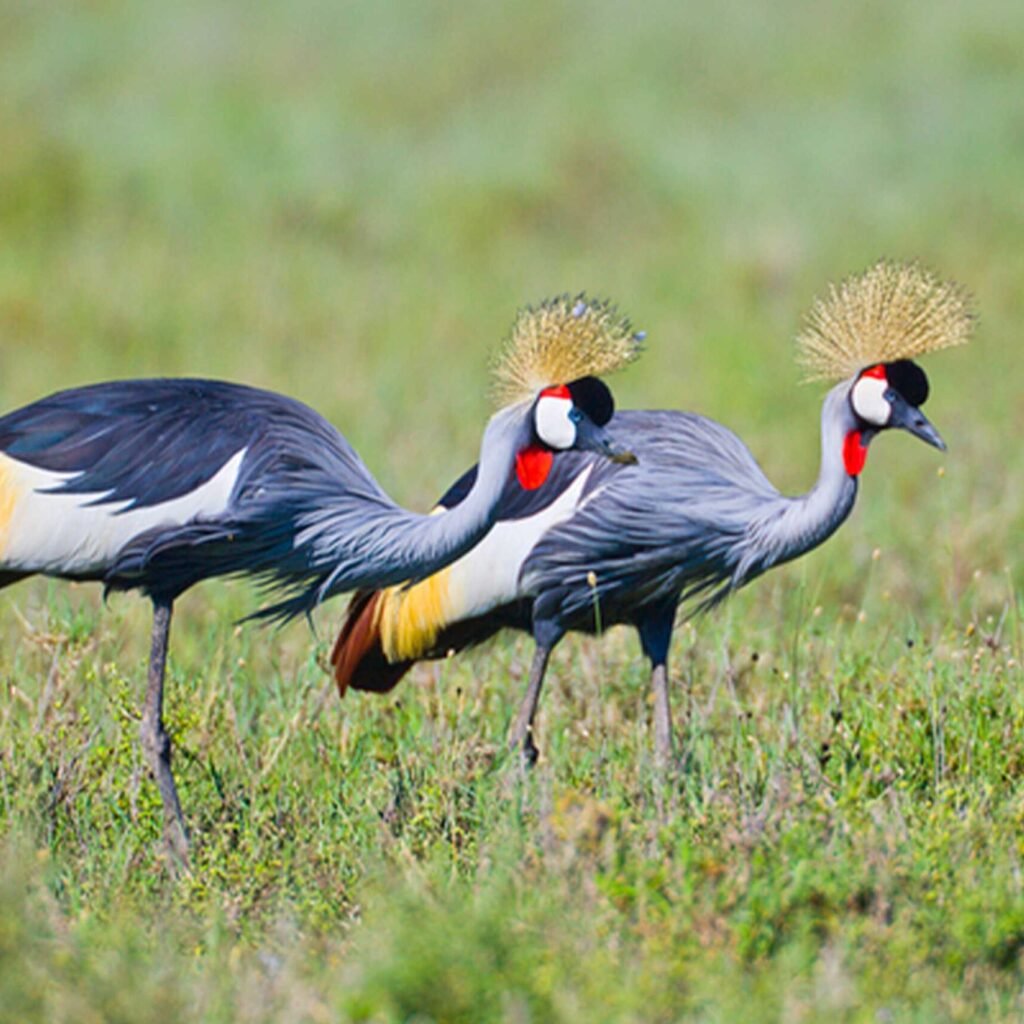
Flamingos at Lake Magadi
Lake Magadi, the shallow soda lake on the crater floor, often attracts lesser and greater flamingos, painting its shoreline pink. Numbers vary by season and water level, but June’s clear light makes the lake especially photogenic. Waders, Egyptian geese and grey crowned cranes gather nearby, so keep the camera ready as your guide drives slowly along the shore.
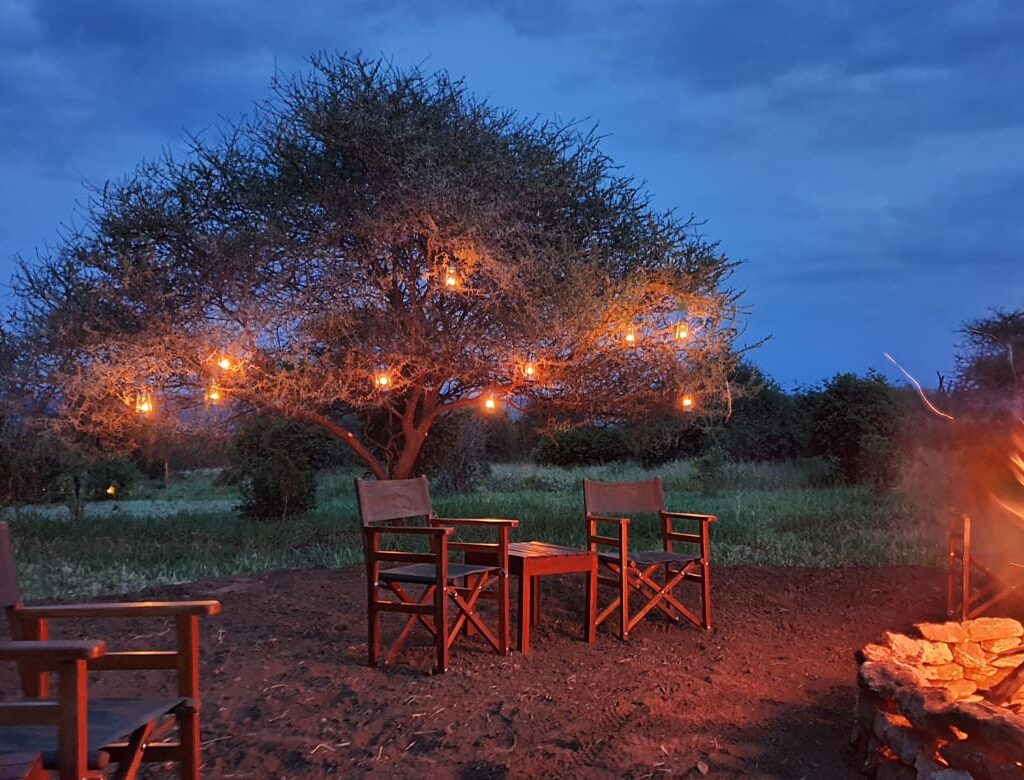
Pair the Crater with the Migration
In June the Great Migration is usually in the Serengeti’s Western Corridor, where the Grumeti River crossings typically take place. The crater sits on the road between Arusha and the Serengeti, so a day on the crater floor fits easily before or after the herds. Together they make one of Tanzania’s finest private itineraries, easily tailored to your dates.

Quieter Than July and August
June sits just before the busiest months of the year. Early June can feel relatively calm on the crater floor, while visitor numbers build towards late June as high season begins. Travelling earlier in the month gives you dry-season wildlife viewing with fewer vehicles at sightings and a wider choice of lodges and camps on the rim.
Ngorongoro Weather in June
Ngorongoro weather in June marks the start of the long dry season, which usually runs until October. Rain is rare after the long rains, and most days are sunny once the morning mist clears. June is one of the coolest months: nights on the crater rim, at about 2,200–2,400 m, are cold at about 5–10 °C, and thick fog often covers the rim at dawn, usually lifting by mid-morning. Down on the crater floor, at about 1,700–1,800 m, days are pleasant at about 18–23 °C. The grass turns golden as the month goes on, and wildlife stands out.
Ngorongoro and the Great Migration in June
Where is the Great Migration in June, and how does it relate to the Ngorongoro Crater? In most years the herds are far to the north-west, in the Serengeti’s Western Corridor, where the Grumeti River crossings typically take place from June to early July. Ndutu, in the southern Ngorongoro Conservation Area, hosted the calving season earlier in the year but is very quiet now. The crater itself has its own resident wildebeest and zebra, which stay all year. Timing varies with the rains, so our guides follow the latest reports and adjust your private route to suit you.
- December–MarchCalving at NdutuUsually in the southern NCA; now past
- JuneHerds in the Western CorridorGrumeti crossings usually June to early July
- All yearResident crater herdsWildebeest and zebra stay on the crater floor
- Next monthTowards the Mara RiverNorthern Serengeti; Mara crossings can start in July
Ngorongoro Crater Wildlife in June
Ngorongoro Crater wildlife in June is excellent, because the steep crater walls keep most animals on the floor all year and the shorter dry-season grass makes them easier to see. Lions, including dark-maned males, rest in the open, spotted hyenas patrol the plains and old elephant bulls browse in Lerai Forest. The crater is one of Tanzania’s best places to look for black rhino. Buffalo, zebra, wildebeest, eland, gazelles and hippos are common. Fun fact: there are no giraffes or impala on the crater floor. Sightings are never guaranteed, but an early start gives you the best chance.
- Black rhino
- Lion
- Spotted hyena
- Elephant
- Buffalo
- Plains zebra
- Wildebeest
- Hippo
- Eland
- Thomson’s gazelle
- Grant’s gazelle
- Golden jackal
- Serval
- Bat-eared fox
Ngorongoro Birds in June
Ngorongoro birds in June are rewarding even though the Palearctic migrants have flown north. Over 500 species have been recorded in the Ngorongoro Conservation Area, and resident birds are easy to see on the short dry-season grass. Lesser and greater flamingos often feed at Lake Magadi, grey crowned cranes and kori bustards stride across the plains, and ostriches and secretarybirds hunt in the open. In the misty rim forests, listen for Hartlaub’s turaco and look for golden-winged and Tacazze sunbirds. Early morning is best for birdwatching, and your guide can stop whenever something special appears on the plains.
- Lesser flamingo
- Greater flamingo
- Grey crowned crane
- Kori bustard
- Ostrich
- Secretarybird
- Augur buzzard
- Egyptian goose
- Rüppell’s vulture
- Hartlaub’s turaco
- Golden-winged sunbird
- Rufous-tailed weaver
Where to Go in the Ngorongoro Conservation Area in June
Where should you go in the Ngorongoro Conservation Area in June? Start on the crater floor, where the short grass makes game viewing superb. The open plains and Lake Magadi top the list, followed by Lerai Forest for elephants and Ngoitokitok Spring and the swamps for hippos and birds. On the rim and in the highlands, cool, clear afternoons suit hikes at Olmoti and Empakaai, while Olduvai Gorge adds history. Ndutu is quiet now because the herds have moved on, so it ranks lower. These six areas are ranked for a June safari.
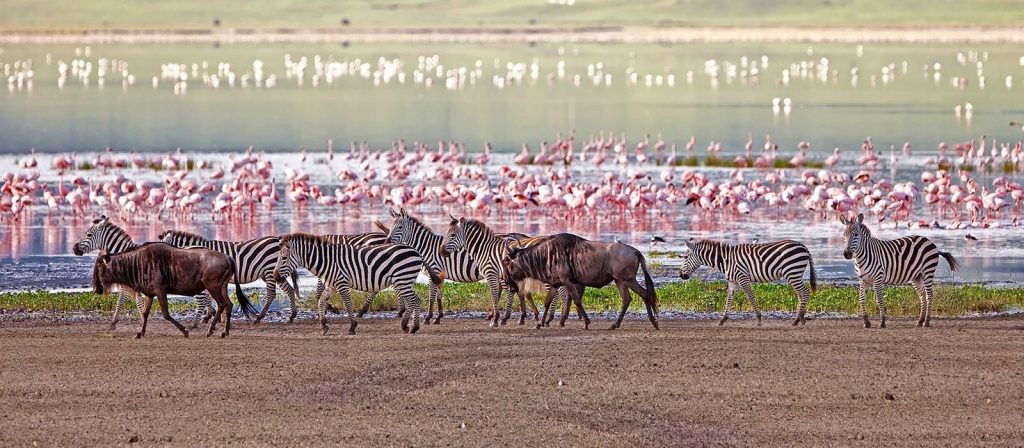
Crater Floor Plains and Lake Magadi
The open short-grass plains of the Ngorongoro crater floor are the heart of any June visit. Shorter, drier grass makes lions, hyenas, buffalo and the resident wildebeest and zebra easy to find, and black rhino are sometimes seen in the distance. Lake Magadi often holds flamingos, and its shoreline attracts waders and grazing animals throughout the day.
Ngorongoro Crater Wildlife →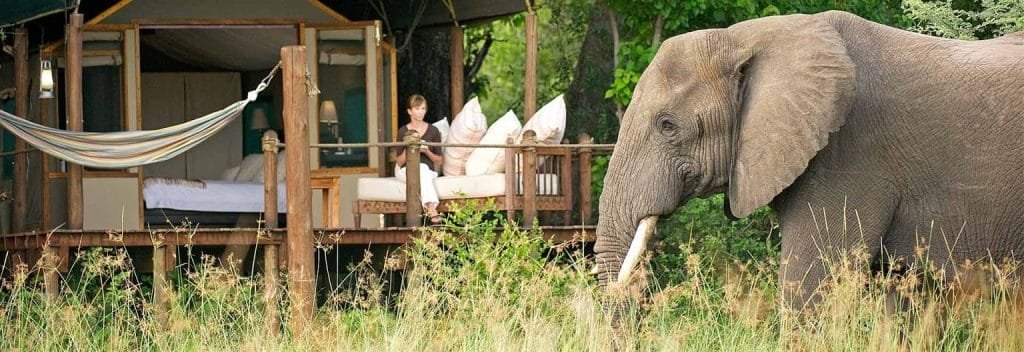
Lerai Forest
Lerai Forest is a grove of yellow fever trees in the south of the crater floor, close to the Lerai ascent road. Old elephant bulls often browse here, and bushbuck, vervet monkeys and baboons move through the shade. Black rhino sometimes rest along the forest edge, and the Lerai picnic site makes a convenient stop.
View the Ngorongoro Map →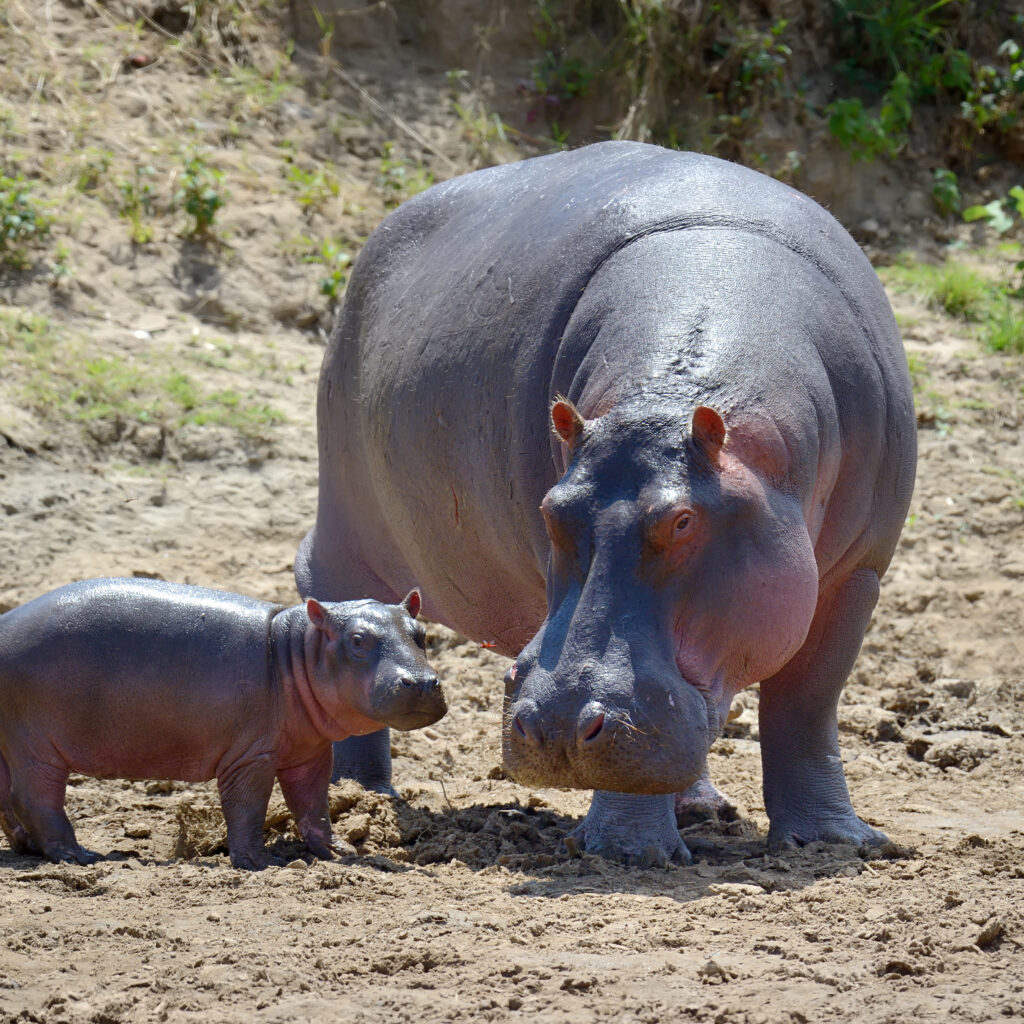
Ngoitokitok Spring and the Swamps
Ngoitokitok Spring, in the east of the crater floor, has a hippo pool and a popular picnic site. Mandusi Swamp and Gorigor Swamp hold water through the dry season, attracting hippos, buffalo, elephants and water birds. In June, as the plains dry out, these permanent wetlands become even more important for the crater’s resident wildlife and birds.
Ngorongoro Crater Photos →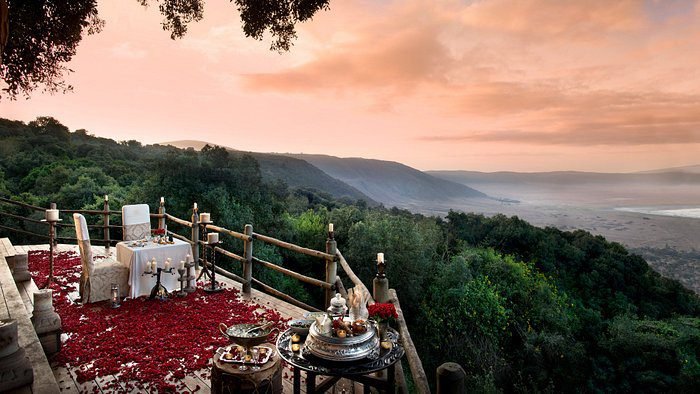
The Crater Rim, Olmoti and Empakaai
The forested crater rim and the wider highlands are cool and green in June, with misty mornings and clear afternoons. Olmoti Crater offers a short hike with an armed ranger to a waterfall, while Empakaai Crater has a steep trail down to a soda lake. On clear days, views can stretch towards Ol Doinyo Lengai.
Things to Do in Ngorongoro →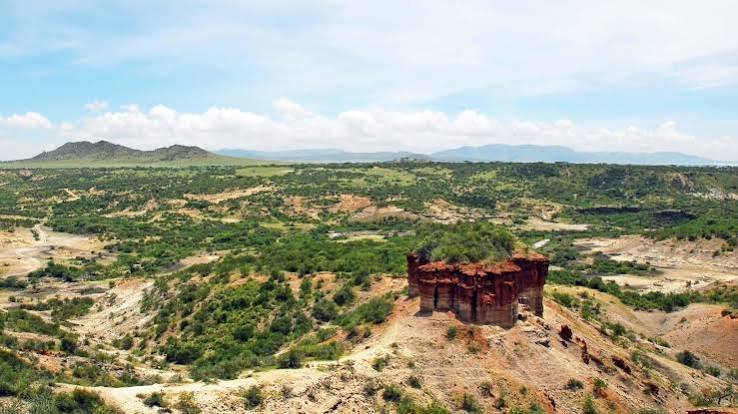
Olduvai Gorge and the Shifting Sands
Olduvai Gorge, often called the Cradle of Mankind, is a key early-human fossil site linked with the Leakeys, with a museum overlooking the gorge. Nearby, the Shifting Sands is a moving dune of black volcanic ash. In June’s dry weather the plains road here is easy, and it fits well on the way to the Serengeti.
Ngorongoro Crater Facts →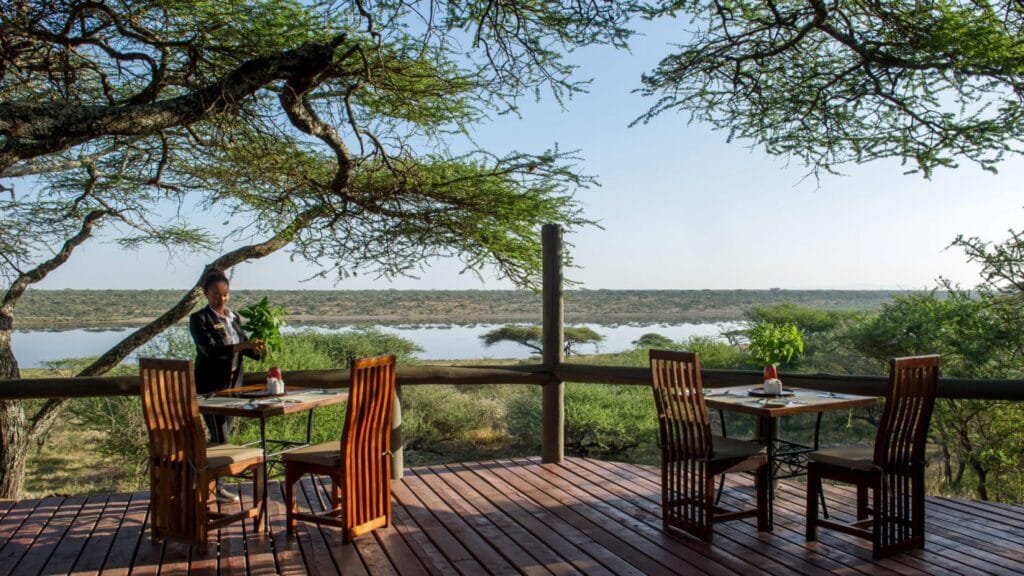
Ndutu and Lake Masek, Southern NCA
Ndutu and Lake Masek, in the southern Ngorongoro Conservation Area, are famous for the calving season, usually from December to March. By June the migration herds have moved on to the Western Corridor, but resident wildlife remains, including lions, cheetahs, giraffes and elephants. The area is very quiet now and drying out, so expect solitude rather than crowds.
Ndutu Guide →Things to Do in Ngorongoro in June
The best things to do in Ngorongoro in June make the most of dry roads, clear afternoons and cool, crisp mornings. A full-day private game drive on the crater floor comes first, ideally with an early descent and a picnic by the hippo pool. Beyond the crater, you can hike Empakaai or Olmoti with a ranger, explore Olduvai Gorge, visit a Maasai boma and walk through coffee farms in Karatu. Most of these activities are easy to fit around a crater day, and your guide can adjust the pace. Here are six favourite June experiences.
Full-Day Crater Floor Game Drive
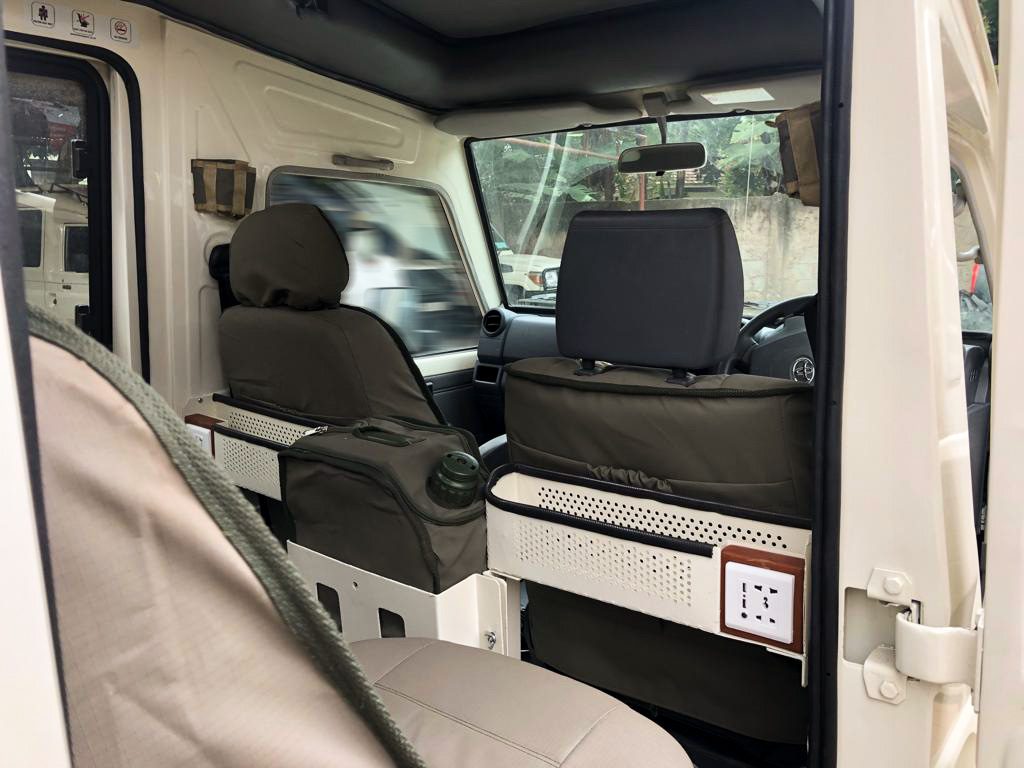
A private game drive on the crater floor is the highlight of any Ngorongoro visit. In June, descents usually start early in the morning, often through rim mist, before sunlight floods the caldera. Your guide searches for rhino, lions and hyenas, and time on the floor is limited by conservation-area rules, usually around six hours.
Ngorongoro Crater Safaris →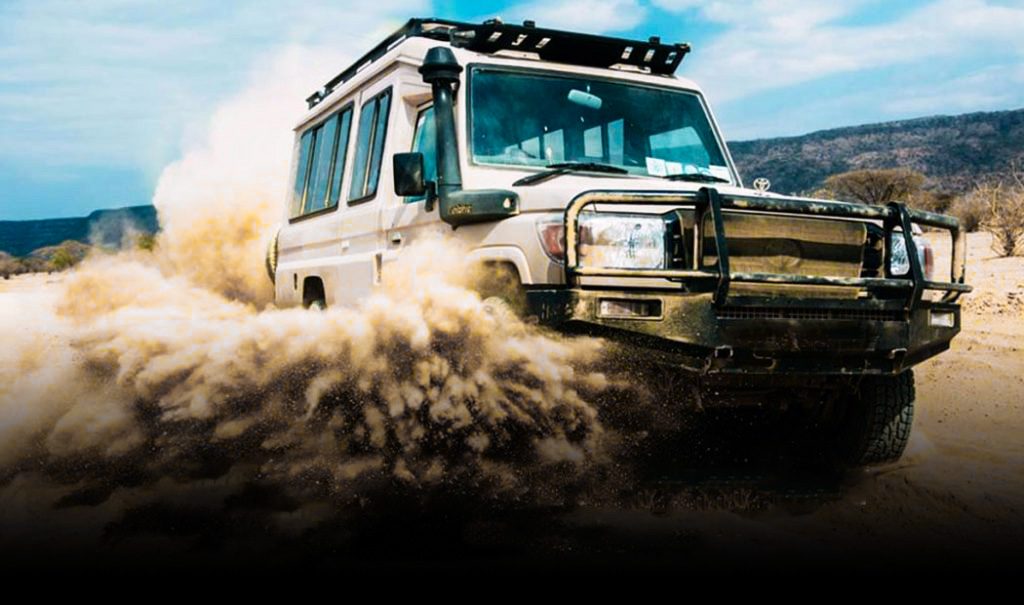
Picnic Lunch at Ngoitokitok Spring
Ngoitokitok Spring is one of the designated picnic sites where you may leave the vehicle on the crater floor. Hippos wallow in the pool while you enjoy a packed lunch in the sunshine. Keep food inside the vehicle until you sit down, as black kites are bold here, and picnic a little later to avoid the busiest time.
Ngorongoro Visitor Guide →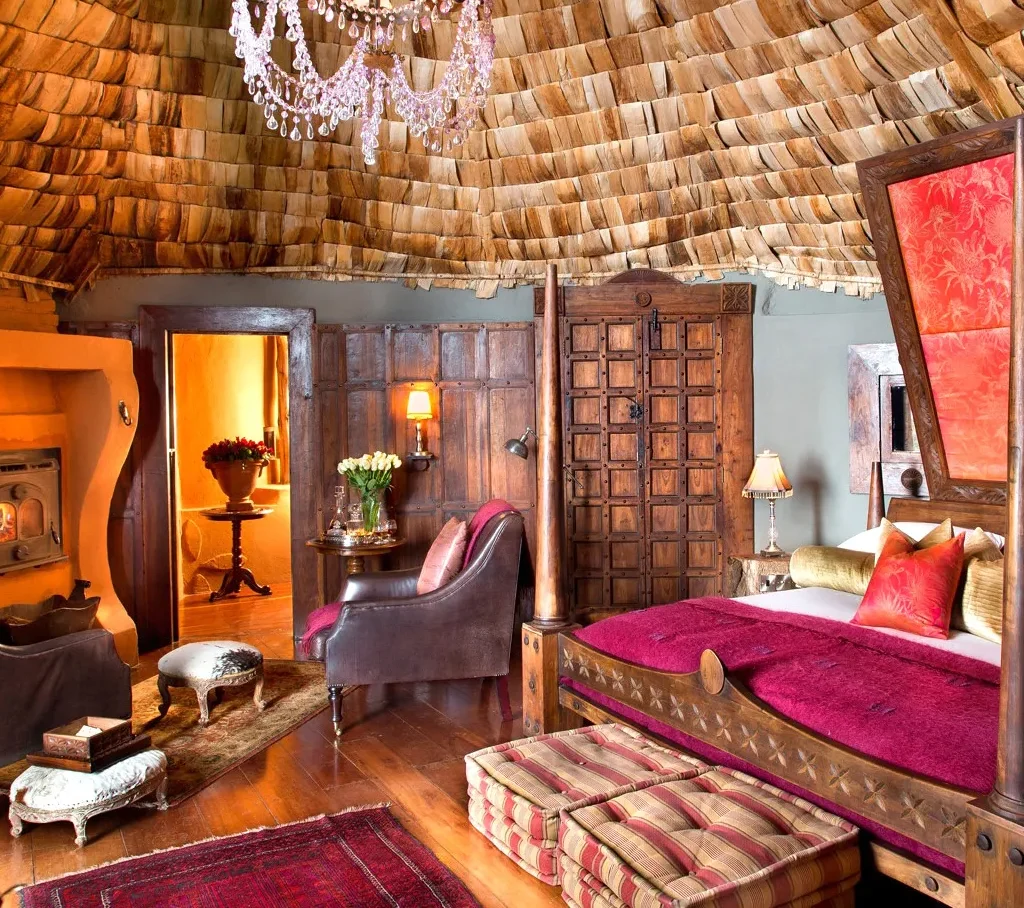
Hiking Empakaai and Olmoti Craters
June’s cool, dry weather is ideal for hiking in the Ngorongoro highlands with an armed ranger. Empakaai Crater has a steep trail down to a soda lake that often attracts flamingos, while Olmoti offers a shorter walk to a waterfall. Start after the morning mist lifts and bring a warm layer for the breezy rim.
Things to Do in Ngorongoro →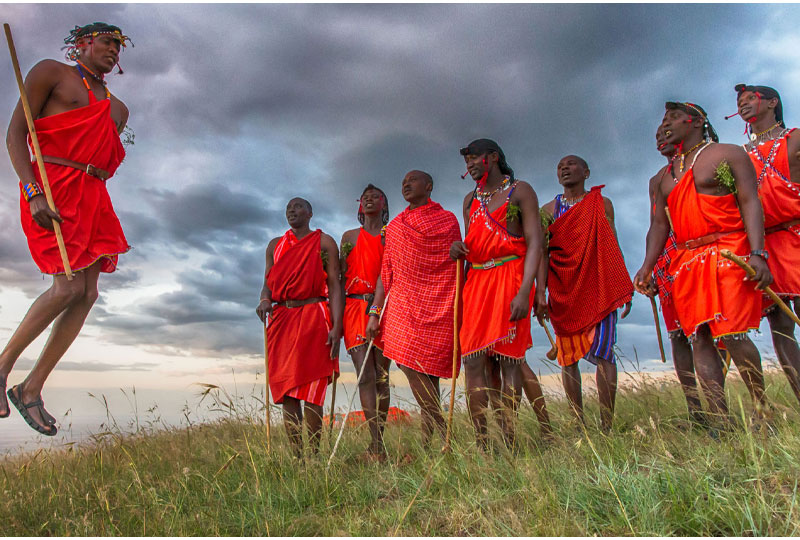
Visiting Olduvai Gorge Museum
Olduvai Gorge is one of the world’s most important early-human fossil sites, linked with the Leakeys and their discoveries. The museum explains the finds and shows a cast of the ancient Laetoli footprints. In June it is a dry, easy stop between the crater and the Serengeti, with wide views over the gorge and the surrounding plains.
Ngorongoro Crater Facts →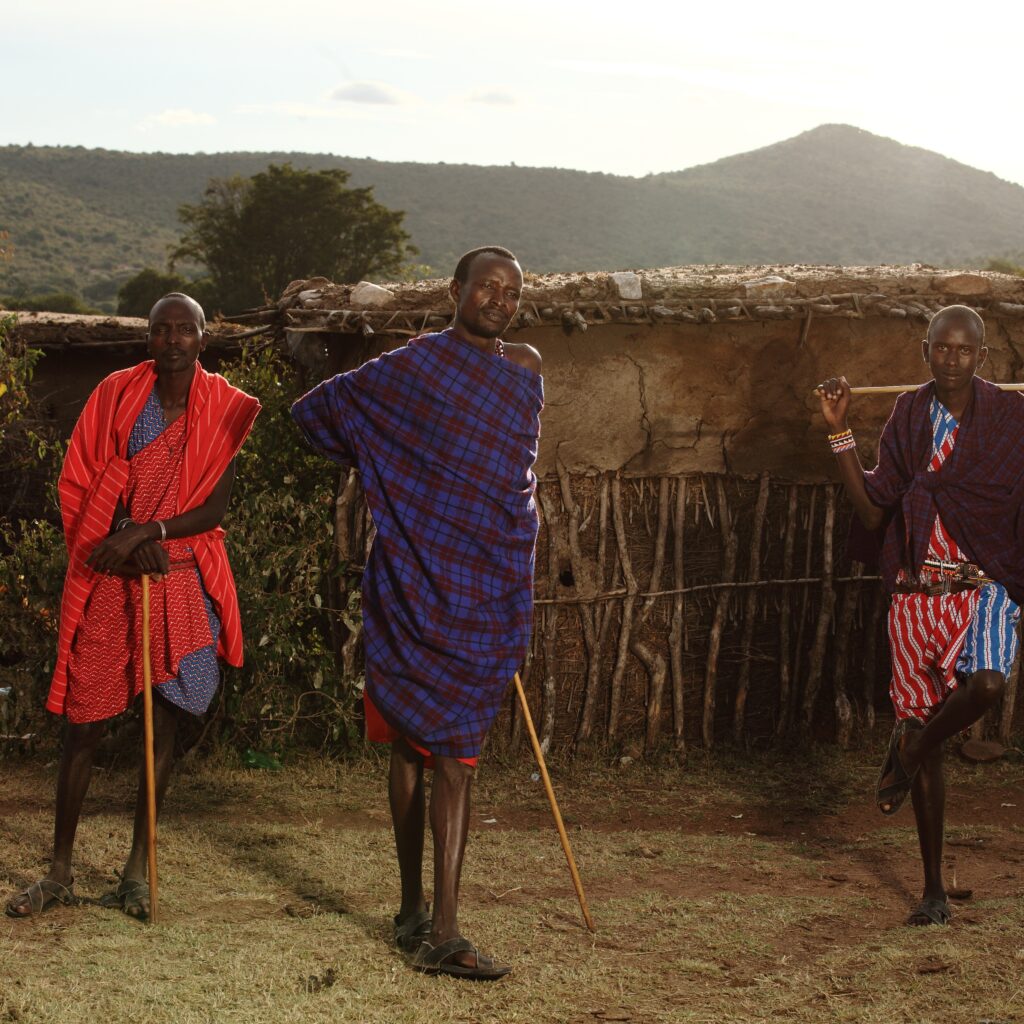
Visiting a Maasai Boma
The Ngorongoro Conservation Area is a multiple land-use area where Maasai pastoralists live alongside wildlife. A visit to a Maasai boma introduces traditional homes, dances and daily life, from herding cattle to beadwork. June’s dry weather makes the short drive to a boma easy, and your guide helps translate and explain customs respectfully, so everyone feels welcome.
Ngorongoro Safari Guide →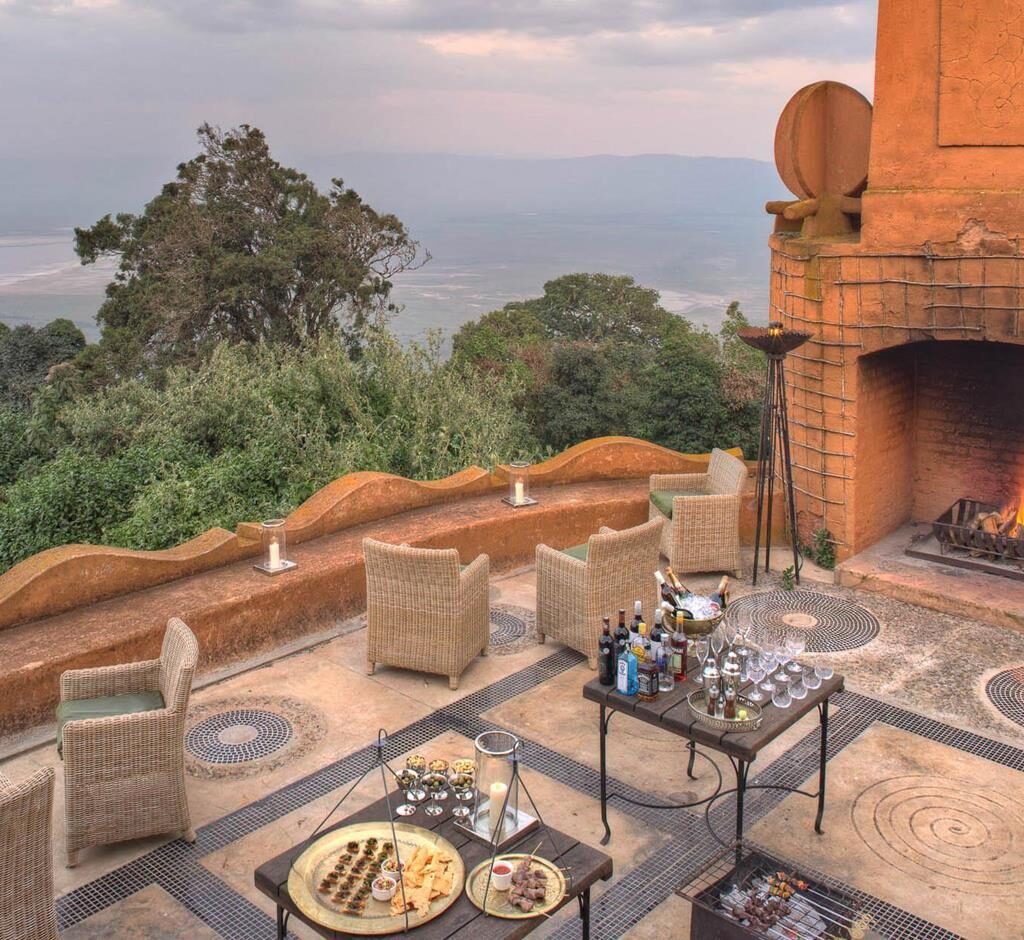
Coffee Farm Walks in Karatu
Karatu, the farming town below the crater highlands, is surrounded by coffee estates and fertile fields. A guided farm walk shows how coffee is grown and processed, often ending with a fresh cup. It makes a relaxing afternoon after an early crater descent, and the June weather in Karatu is mild and pleasant for walking between the rows.
Ngorongoro Coffee Lodge →What to Expect on a Ngorongoro Crater Safari in June
What is a Ngorongoro Crater safari in June like? Expect cold, misty mornings on the rim, sunny days on the crater floor, dry roads and excellent wildlife viewing. Days begin early, when the open vehicle feels chilly, and warm up once the fog clears. Clear afternoons make the whole day comfortable once the sun is up. Several vehicles may gather at rhino and lion sightings, especially late in the month. Below we explain a typical June day, the crater roads, the rim weather, conservation-area rules, sightings etiquette and the choice between staying on the rim or in Karatu.

A Typical Crater Day in June
A typical June day starts with hot coffee in the cold rim air, then an early descent through the mist. By mid-morning the sun breaks through and the crater floor warms up. You explore the plains, Lake Magadi and Lerai Forest, picnic at Ngoitokitok, then climb back to the rim in the late afternoon, tired and happy.
Descent and Ascent Roads
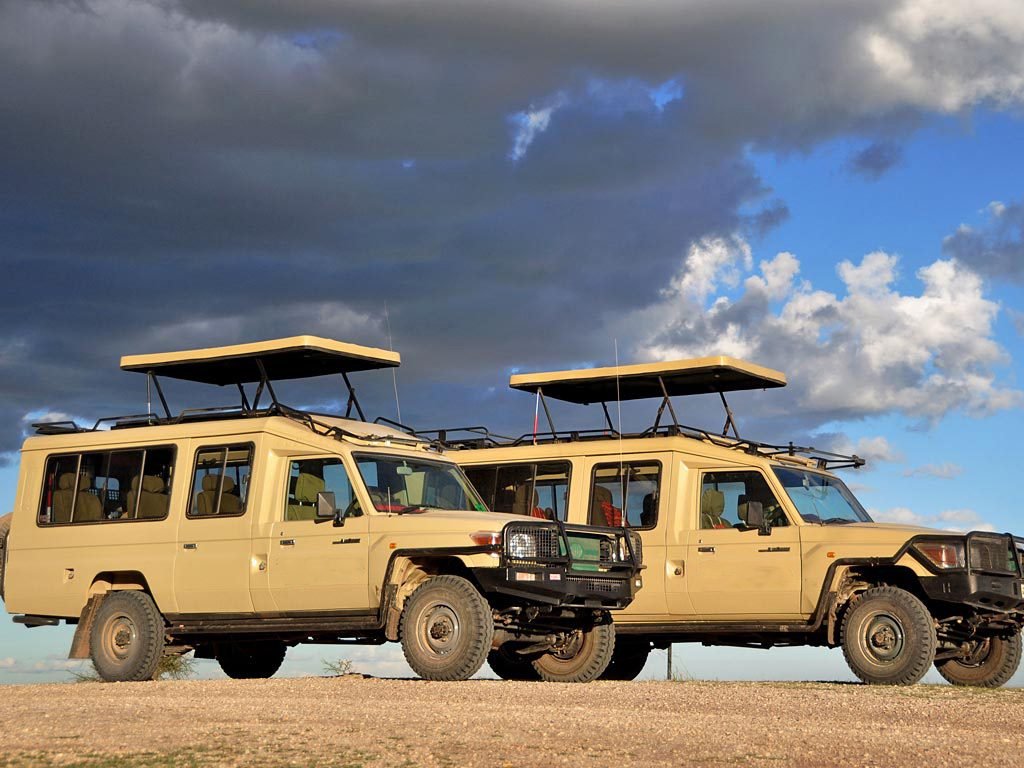
Vehicles usually descend on the Seneto road in the west and climb out on the Lerai ascent road in the south, while lodges on the eastern rim often use the Lemala road. In June these steep roads are dry and easier than after the rains, though dust builds up. Only 4x4 safari vehicles are permitted.
Cold Nights and Misty Rim Mornings
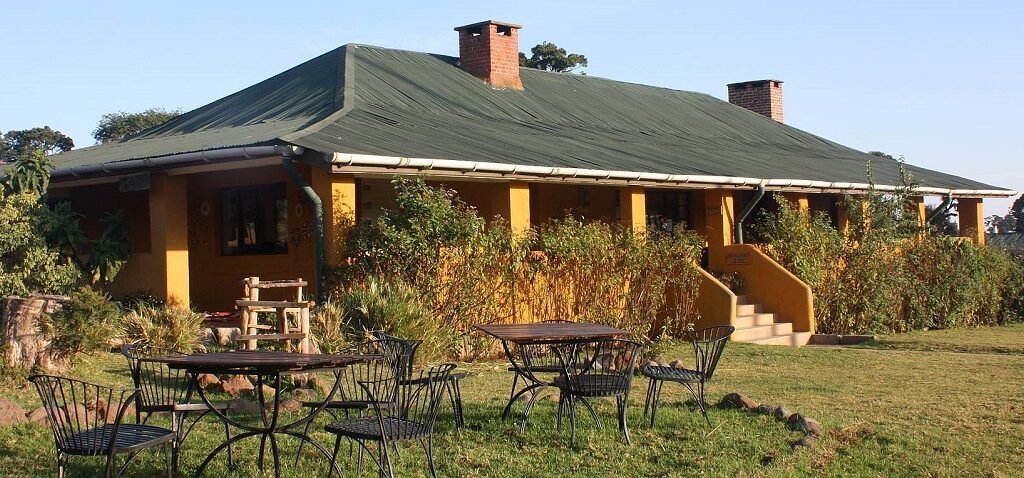
The crater rim sits at about 2,200–2,400 m, and June nights there are cold, at about 5–10 °C. Thick mist often covers the rim and the upper crater walls at dawn, usually clearing by mid-morning. Many rim lodges have fireplaces or hot-water bottles, but a warm fleece, jacket and hat are still essential for the early starts.
Crater Rules and Time Limits
Ngorongoro Crater rules protect a fragile, busy ecosystem. You must stay in the vehicle except at designated picnic and toilet sites, such as Ngoitokitok and Lerai, and off-road driving is not allowed. Time on the crater floor is limited by conservation-area rules, usually around six hours, and a crater service fee applies per vehicle for each descent.
Vehicles at Rhino and Lion Sightings
The crater is Tanzania’s most visited wildlife area, and in June several vehicles can gather at a rhino or lion sighting, more so towards the end of the month. Your guide waits patiently, positions the vehicle respectfully and moves on to quieter areas when it gets busy. Descending early helps you enjoy calmer sightings and better light.

Staying on the Rim or in Karatu
Lodges on the crater rim give dramatic views and the earliest possible descent, but June nights there are cold. Karatu, about 20–30 minutes from Lodoare Gate, is lower and milder, with farm lodges and coffee estates. Both work well; your choice depends on budget, comfort and how early you want to reach the crater floor.
Ngorongoro Crater Crowds in June
Ngorongoro Crater crowds in June are moderate and rising. Early June is often relatively calm, but visitor numbers build through the month as high season begins in late June and July. The crater is Tanzania’s most visited wildlife area, so vehicles gather quickly at black rhino and lion sightings and at the Ngoitokitok picnic site around midday. Lerai Forest is busier near lunchtime, while Olduvai Gorge, Empakaai and Ndutu stay quiet. Travelling in early June usually means more space at every sighting and a calmer picnic. Descending early and picnicking later than most helps you avoid the busiest moments.
- Rhino and lion sightingsBusy
- Ngoitokitok picnic siteModerate
- Lerai ForestModerate
- Olduvai GorgeQuiet
- Empakaai & OlmotiVery quiet
- Ndutu & Lake MasekVery quiet
Is June the Best Time to Visit Ngorongoro Crater?
Is June a good time to visit Ngorongoro Crater? For most travellers, yes. It brings dry weather, short grass, clear afternoons and excellent wildlife viewing, with fewer visitors than July and August. Early June can still feel fresh and green after the long rains, while late June is drier, dustier and busier. The main drawback is the cold: rim nights and misty mornings are chilly. If you want the calving season at Ndutu, choose January to March instead. June suits first-time visitors, families and photographers, especially combined with the Serengeti. Dates in early to mid-June usually work best.
Ngorongoro Crater in June: Pros and Cons
Every month in the Ngorongoro Crater has trade-offs, and June has more advantages than most. Its strengths are the start of the dry season, short grass that makes wildlife easier to see, and the chance to combine the crater with the migration in the Serengeti’s Western Corridor. Most travellers find the advantages outweigh the drawbacks, and warm layers solve the cold. On the other hand, rim nights are cold, morning mist can hide the view, and crowds build through the month. Weighing these points against your dates and priorities helps you decide whether June suits your private safari.
Dry Roads and Clear Days
June is the start of the long dry season, so rain is rare and the steep crater roads are dry and easier to drive. Once the morning mist lifts, skies are clear and the light is crisp, and settled weather lets your guide plan a long, unhurried day on the crater floor with few interruptions.
- Rare rainfall
- Dry crater roads
- Crisp, clear light
- Reliable planning
Short Grass and Superb Wildlife
As the grass shortens and dries, wildlife on the crater floor is easier to find. Lions, hyenas, servals and bat-eared foxes stand out on the open plains, and the crater remains one of the best places in Tanzania to look for black rhino. Resident herds of buffalo, zebra and wildebeest graze close by throughout the whole day.
- Short grass
- Lions and hyenas
- Black rhino chances
- Resident herds
Easy to Combine with the Migration
In June the migration herds are usually in the Serengeti’s Western Corridor, with Grumeti River crossings typically from June to early July. Ngorongoro sits on the road between Arusha and the Serengeti, so one or two nights at the crater pair naturally with the herds, creating a classic northern Tanzania itinerary in perfect dry-season conditions.
- Herds in the west
- Grumeti crossings
- Crater on the way
- Classic itinerary
Cold Nights on the Crater Rim
June is one of the coldest months on the Ngorongoro crater rim, where nights fall to about 5–10 °C. Early descents can feel very chilly in an open vehicle, and many visitors are surprised by the cold. It is easily managed with a warm fleece, a windproof jacket, a hat and gloves for the first hours.
- About 5–10 °C nights
- Chilly early descents
- Warm layers needed
- Gloves and a hat
Fog Can Hide the View at Dawn
Thick mist often covers the crater rim in June mornings, so the famous view into the caldera may be hidden at first. Descending through the fog can feel eerie, and photographs from the rim viewpoints are usually better later. The mist normally clears by mid-morning, revealing clear skies and warm, golden sunshine over the crater floor below.
- Rim fog at dawn
- Hidden viewpoints
- Clears mid-morning
- Photograph later
Crowds Build Through June
As high season approaches, visitor numbers on the crater floor rise through June, and late June can feel busy at rhino and lion sightings. Rim lodges also fill early. Booking several months ahead, descending at first light and picnicking later than most helps you enjoy the crater with more space and fewer vehicles around you at sightings.
- More vehicles late June
- Rim lodges fill
- Descend early
- Book ahead
How Much Does a Ngorongoro Crater Safari Cost in June?
How much does a Ngorongoro Crater safari cost in June? A private Ngorongoro Crater safari in June typically costs from about $200 to $2,500 per person per day, depending mostly on your accommodation style. June is shoulder season moving into high season, with demand rising through the month. Your private vehicle, guide, conservation fees and meals are usually included, with exact inclusions confirmed in your quote. Your guide’s experience and a flexible plan help you get good value at any budget. The ranges below come from our own price list, and every safari is quoted individually.
Budget Camping Safari
$200 – $390per person per day
A budget camping safari uses Simba campsite on the crater rim or camps in Karatu, with dome tents, a camp cook and hearty meals. June nights on the rim are cold, so a warm sleeping bag is essential, and Karatu is milder. You still have your own guide and private 4x4 for the crater, just like other styles.
- Simba campsite or Karatu
- Camp cook and meals
- Private 4x4 and guide
- Warm sleeping bag
Mobile / Tented Camp Safari
$550 – $590per person per day
A tented camp safari places you under canvas near the crater rim or in the highlands, with proper beds and private bathrooms. In June the cold, starry nights and misty mornings give a memorable atmosphere, and staying close to the rim means an early descent. Popular camps fill as June demand rises towards July, so reserve early.
- Under canvas
- Near the rim
- Early descents
- Book ahead
Lodge Safari
$590 – $750per person per day
A lodge safari uses permanent lodges on the crater rim or in Karatu. In June, a rim lodge gives dramatic views and quick access to the descent road, while a Karatu lodge offers milder nights and good value. Warm rooms are welcome after a long day, and lodges suit families, couples and first-time visitors who value comfort.
- Rim or Karatu
- Permanent lodges
- Warm rooms
- Family friendly
Tented Lodge Safari
$590 – $990per person per day
Tented lodges combine the feel of canvas with permanent comforts such as proper beds, private bathrooms and verandas. Around Ngorongoro they are found on the rim, in the highlands and near Karatu. In June you can enjoy sunny afternoons on your deck and cosy, starry evenings after a full day on the crater floor and a chilly start.
- Canvas with comfort
- Private bathrooms
- Rim or highlands
- Starry evenings
High-End Luxury Safari
$990 – $2,500per person per day
A high-end luxury safari uses the finest lodges on the Ngorongoro crater rim and in Karatu, with spacious suites, fine dining and exceptional service. Rim views at sunset and early access to the crater floor are memorable in June. Because demand rises through the month, the most sought-after properties should be reserved early, ideally several months ahead.
- Finest rim lodges
- Exceptional service
- Early crater access
- Reserve early
Conservation Fees and Extras
Ngorongoro Conservation Area fees are charged per person per 24 hours, plus a crater service fee per vehicle for each descent, and are usually included in your quote. Extras to budget for can include optional flights, tips for your guide and lodge staff, visas and travel insurance. We list everything clearly, so there are no surprises.
- NCA fees per 24 hours
- Crater service fee
- Flights and tips
- Visas and insurance
Ngorongoro Crater Safari Packages for June
The best Ngorongoro Crater safari packages for June pair a full day on the crater floor with the Serengeti, where the migration herds usually gather in the Western Corridor. Each itinerary below is a starting point for a private tailor-made safari, adapted to your dates, budget and interests. Choose a migration safari, a luxury trip, a longer northern circuit, a family safari, a budget camping option or a day trip from Arusha. Dry June roads make it easy to link the crater with every route. Every package includes your own guide and private vehicle.

8-Day Serengeti Wildebeest Migration Safari
The 8-Day Serengeti Wildebeest Migration Safari is our top pick for June, combining a day on the Ngorongoro crater floor with the herds in the Serengeti. In June your guide usually heads for the Western Corridor and the Grumeti River, then returns via the crater for black rhino, lions and Lake Magadi, where flamingos often feed.
View This Safari →
Luxury Great Migration Safari
The Luxury Great Migration Safari pairs the June migration with some of Tanzania’s finest lodges, including a stay on the Ngorongoro crater rim. You enjoy sunset views over the caldera, an early descent to the crater floor and time with the herds in the Serengeti. It suits honeymoons, celebrations and travellers seeking exceptional comfort, privacy and service.
View This Safari →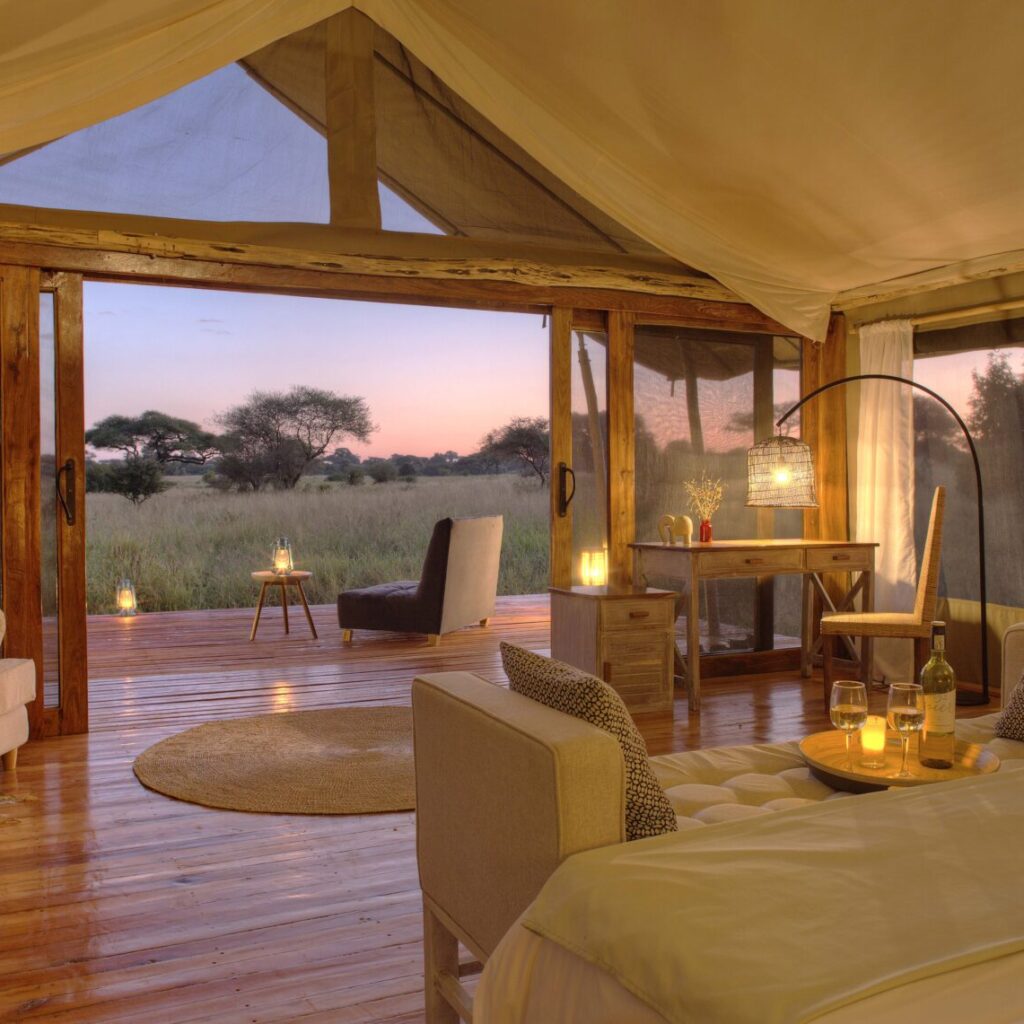
9-Day Private Northern Tanzania Safari
The 9-Day Private Northern Tanzania Safari gives you time to explore Tarangire, Lake Manyara, the Ngorongoro Crater and the Serengeti at an unhurried pace. In June, dry weather suits the whole northern circuit, and the extra days let you add a highland hike, Olduvai Gorge or even a second crater descent, all at your own pace.
View This Safari →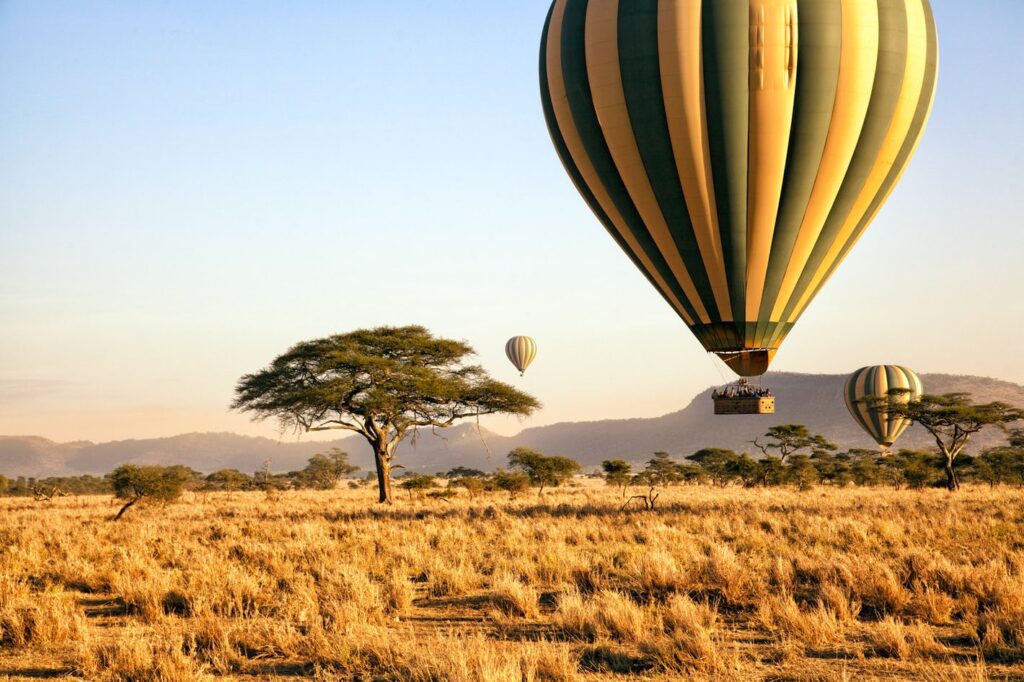
6-Day Serengeti & Ngorongoro Family Safari
The 6-Day Serengeti & Ngorongoro Family Safari suits families travelling in June, when dry roads and abundant wildlife make safari days enjoyable for all ages. Your private vehicle and guide adapt the pace to children, and the crater floor, with its lions, elephants and hippos, is often a family highlight. Pack warm layers for the cold rim mornings.
View This Safari →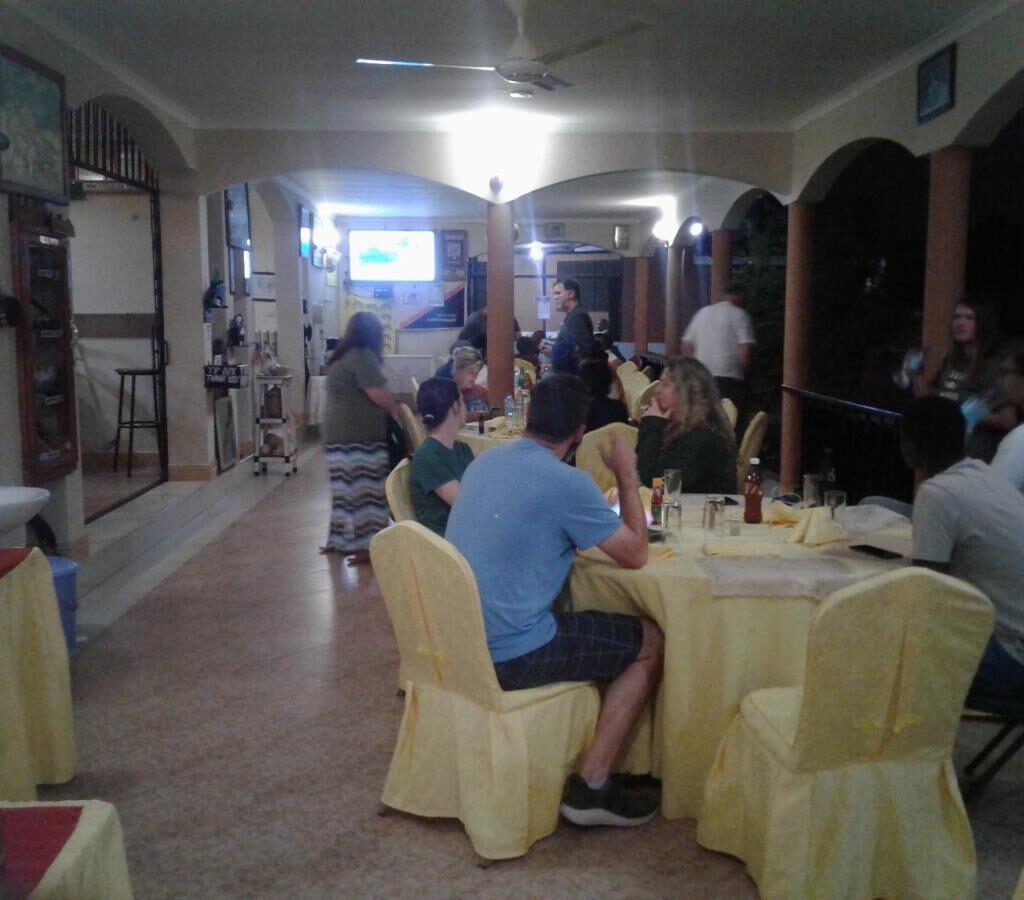
7-Day Tanzania Budget Camping Safari
The 7-Day Tanzania Budget Camping Safari covers the Ngorongoro Crater and other northern parks with your own guide and private 4x4, using public campsites. In June the dry weather makes camping pleasant, though nights on the crater rim are cold, so a good sleeping bag and warm layers are essential. Your guide and camp crew handle the logistics.
View This Safari →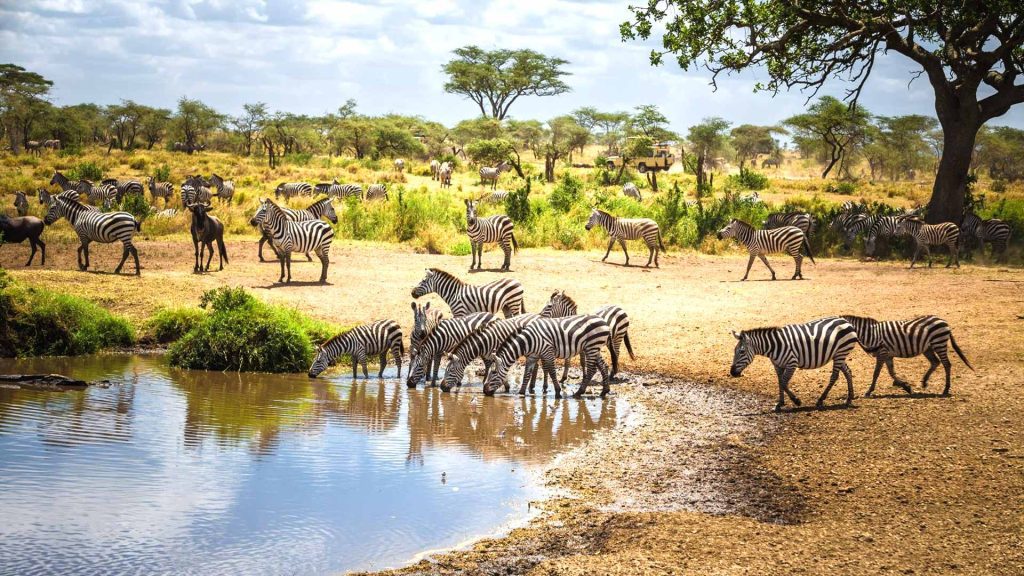
Ngorongoro Crater Day Trip
The Ngorongoro Crater Day Trip suits travellers with limited time in Arusha or Karatu. It is a long day, with an early start, a drive up to the rim and a game drive on the crater floor before returning in the evening. In June, dry roads help, but bring warm layers for the misty rim.
View This Safari →Where to Stay Near Ngorongoro Crater in June
Where you stay in June shapes your whole crater day. Ngorongoro accommodation comes in four styles: budget camping, mid-range, luxury and ultra luxury. Rim stays put you minutes from the descent road for a first-light game drive, while Karatu lodges offer warmer evenings, coffee farms and gentler rates. June is peak dry season, so popular lodges fill months ahead. Every private safari we design is matched to your budget and travel style. The tabs below explain what each level includes, where it is located and who it suits best, with a link to safaris in that style.

Budget Camping Near Ngorongoro Crater
Budget camping is the most affordable way to stay at Ngorongoro Crater on a private safari. You sleep in dome tents at a public campsite on the crater rim or a camp in Karatu, with a cook preparing fresh meals and your guide nearby. In June, rim nights are cold, so a warm sleeping bag and layers are essential.
View Budget Safaris →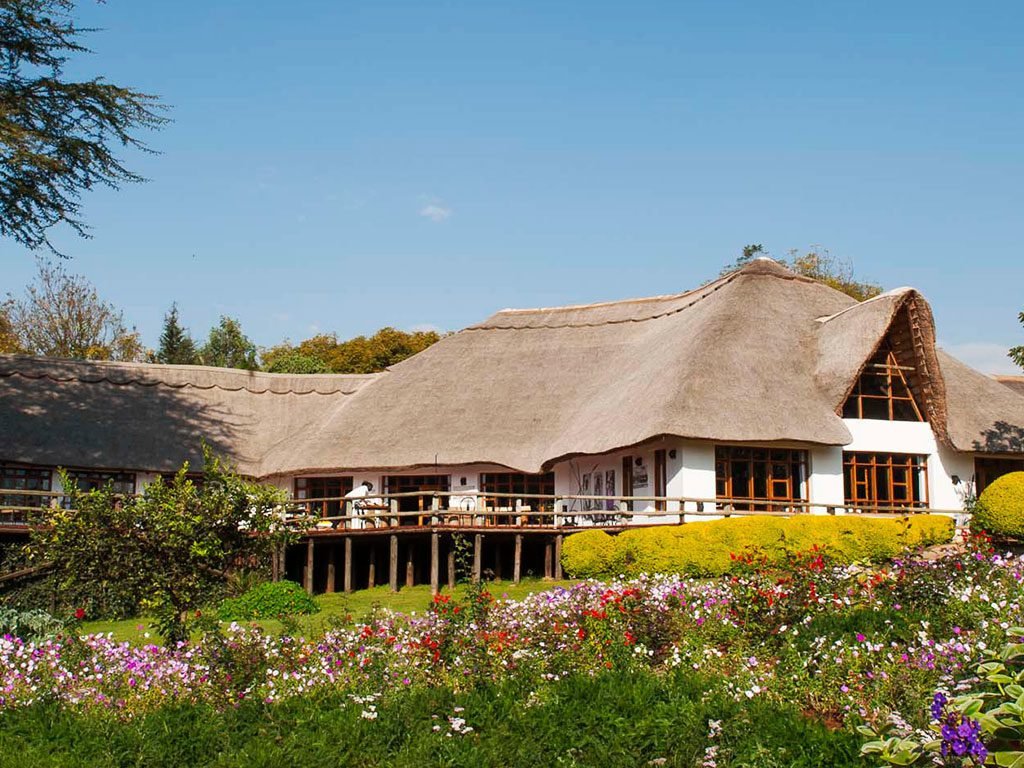
Mid-Range Lodges Near Ngorongoro Crater
Mid-range stays are comfortable lodges and tented lodges, mostly around Karatu among coffee farms and gardens, with a few simple lodges on the crater rim. Expect en-suite rooms, hot showers, good home-style meals and friendly service at a fair price for your private safari. In June, peak season demand is strong, so reserve your preferred lodge well ahead.
View Mid-Range Safaris →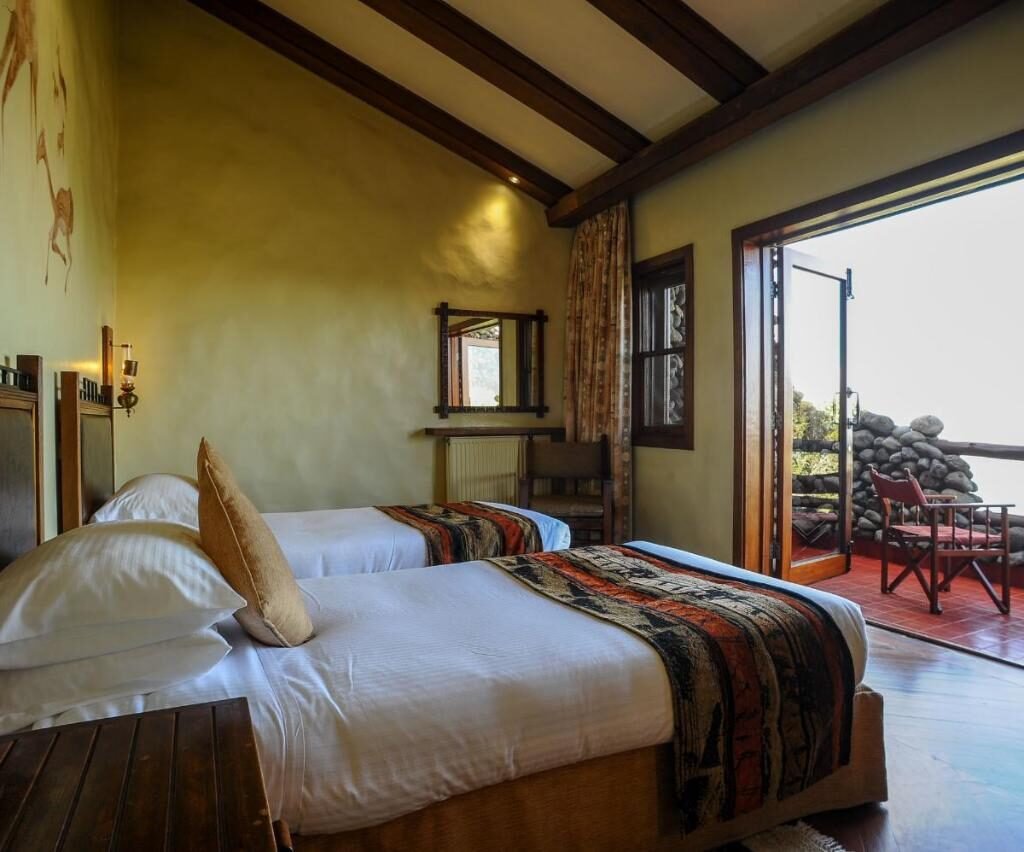
Luxury Lodges on the Ngorongoro Rim
Luxury stays sit on the crater rim or in Karatu coffee estates, with spacious rooms, fine dining and attentive staff. Rim properties put you minutes from the descent road for an early start, while Karatu estates offer gardens, pools and warmer evenings after your drive. In June, fireplaces at many rim lodges are welcome on cold, misty nights.
View Luxury Safaris →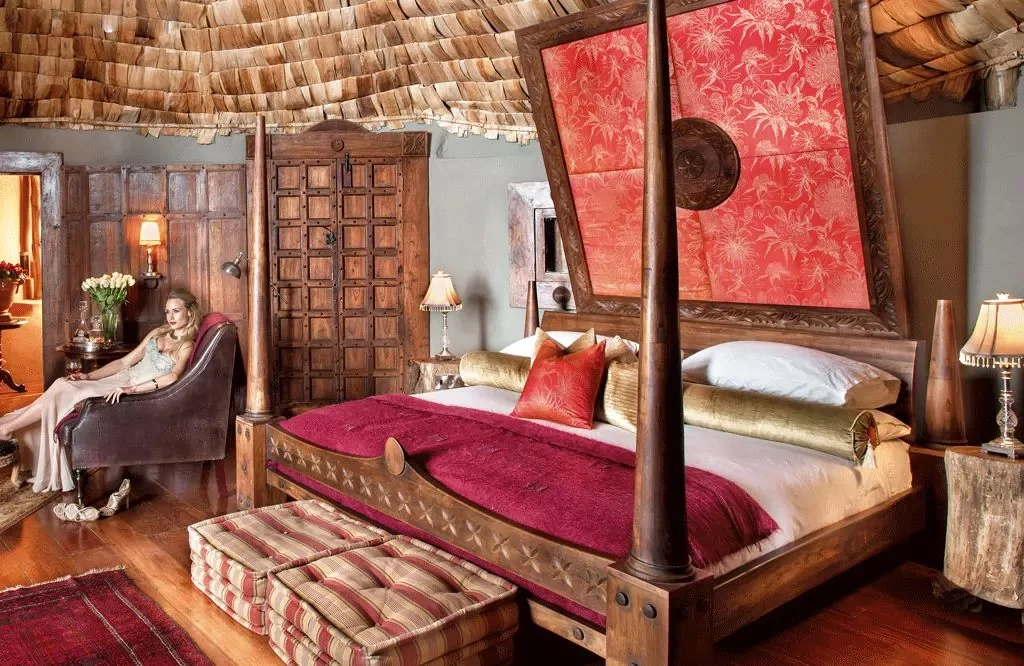
Ultra Luxury Stays at Ngorongoro Crater
Ultra luxury stays are the most exclusive lodges and camps on the Ngorongoro rim and in the highlands, with butler service, private suites and sweeping caldera views. They suit honeymooners and special occasions, offering exceptional comfort, privacy and unhurried, personal service throughout your stay. In June, peak demand means booking six to twelve months ahead is wise.
View Ultra Luxury Safaris →Combine Ngorongoro with Other Destinations in June
June is an excellent month to combine Ngorongoro with other Tanzania highlights, because the dry season suits the whole northern circuit. The Serengeti, where the herds usually gather in the Western Corridor, lies just beyond the crater, while Tarangire and Lake Manyara are on the road from Arusha. Lake Eyasi adds culture, and June is a good month to climb Kilimanjaro before your safari. Our Tanzania safari in June guide covers the wider picture. Each extension stays flexible, so you can add nights where you most want them. We link everything in one private itinerary.

Serengeti in June
The Serengeti lies just beyond the crater, reached through Naabi Hill Gate. In June the migration herds are usually in the Western Corridor, where Grumeti River crossings typically take place, and central Serengeti is superb for big cats. Our Serengeti in June guide explains where to go and how to combine both areas in one private trip.
Serengeti in June →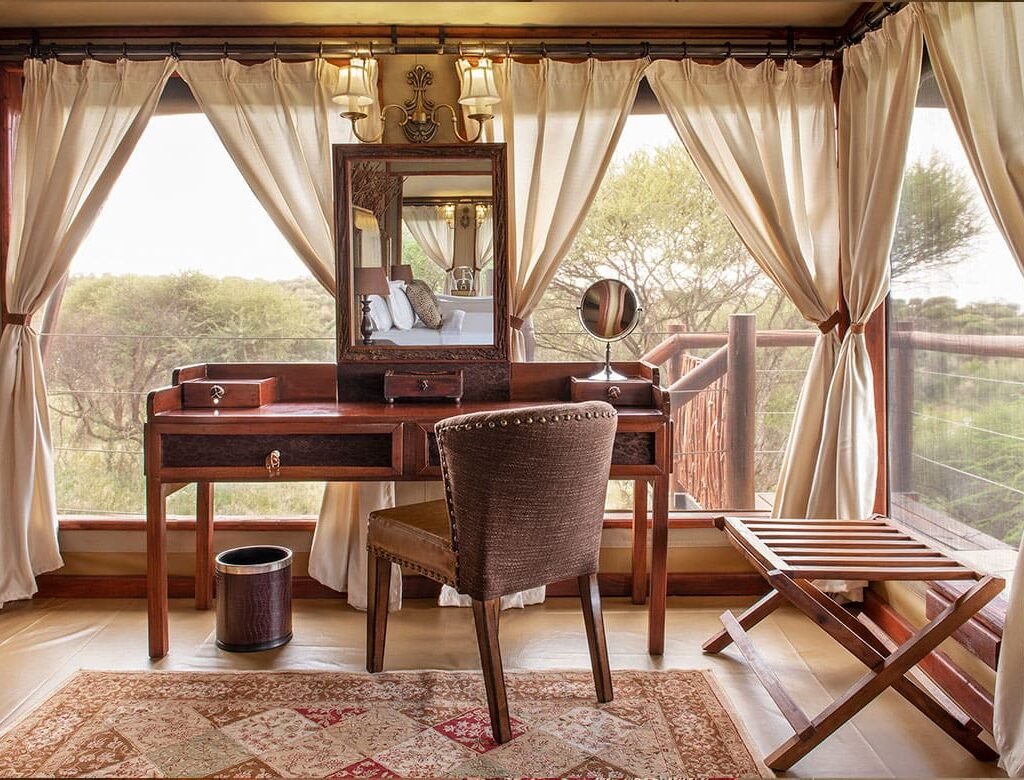
Tarangire National Park
Tarangire becomes increasingly rewarding as the dry season begins in June, with elephants and other animals drawn towards the Tarangire River. Ancient baobabs dot the landscape, and lions are often seen. Only a few hours from Arusha and on the way to the crater, it makes an ideal first stop on a private safari before the crater.
Explore Tarangire →
Lake Manyara National Park
Lake Manyara National Park lies below the Rift Valley escarpment near Mto wa Mbu, on the road between Arusha and Karatu. Its groundwater forest, baboon troops, elephants and lakeshore birds make a rewarding half or full day before the crater. In June the dry tracks are easy, and it pairs well with a night in Karatu.
Explore Lake Manyara →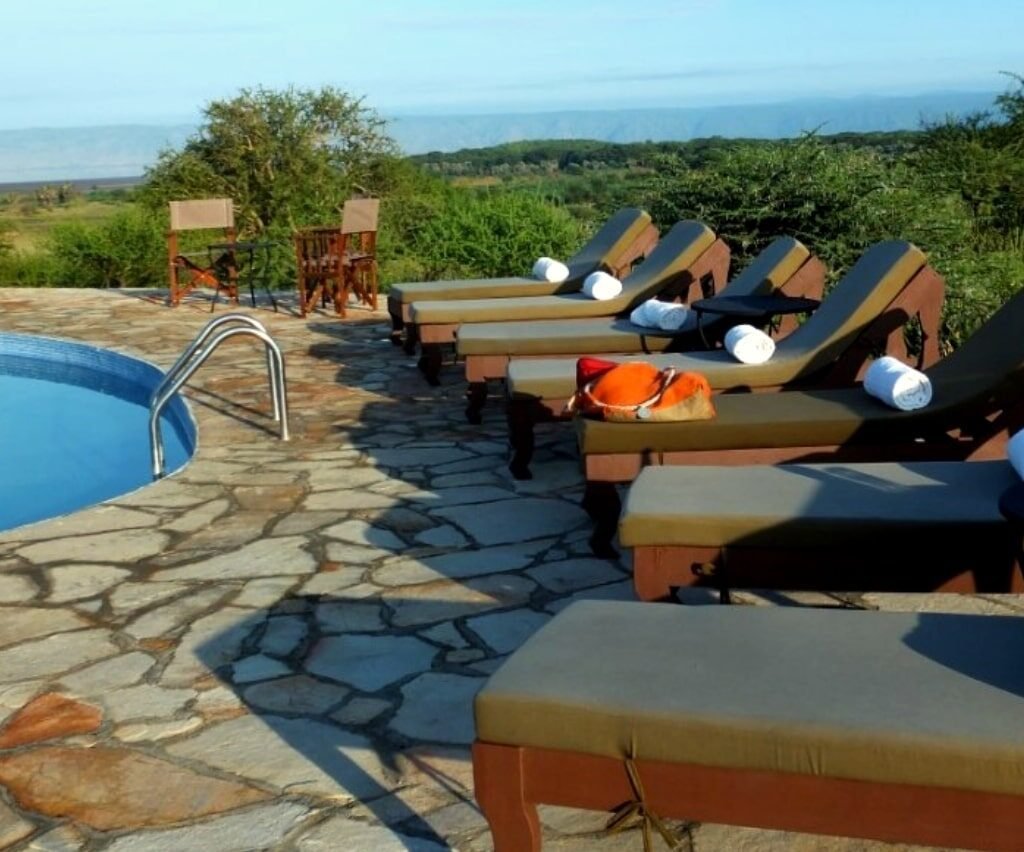
Lake Eyasi
Lake Eyasi lies just outside the Ngorongoro Conservation Area to the south-west, home to the Hadzabe and Datoga peoples. A morning with Hadzabe hunters or a visit to a Datoga blacksmith offers a fascinating cultural contrast to the crater. In June the drive from Karatu is dry and straightforward, and the lakeside is warm, dry and sunny.
Explore Lake Eyasi →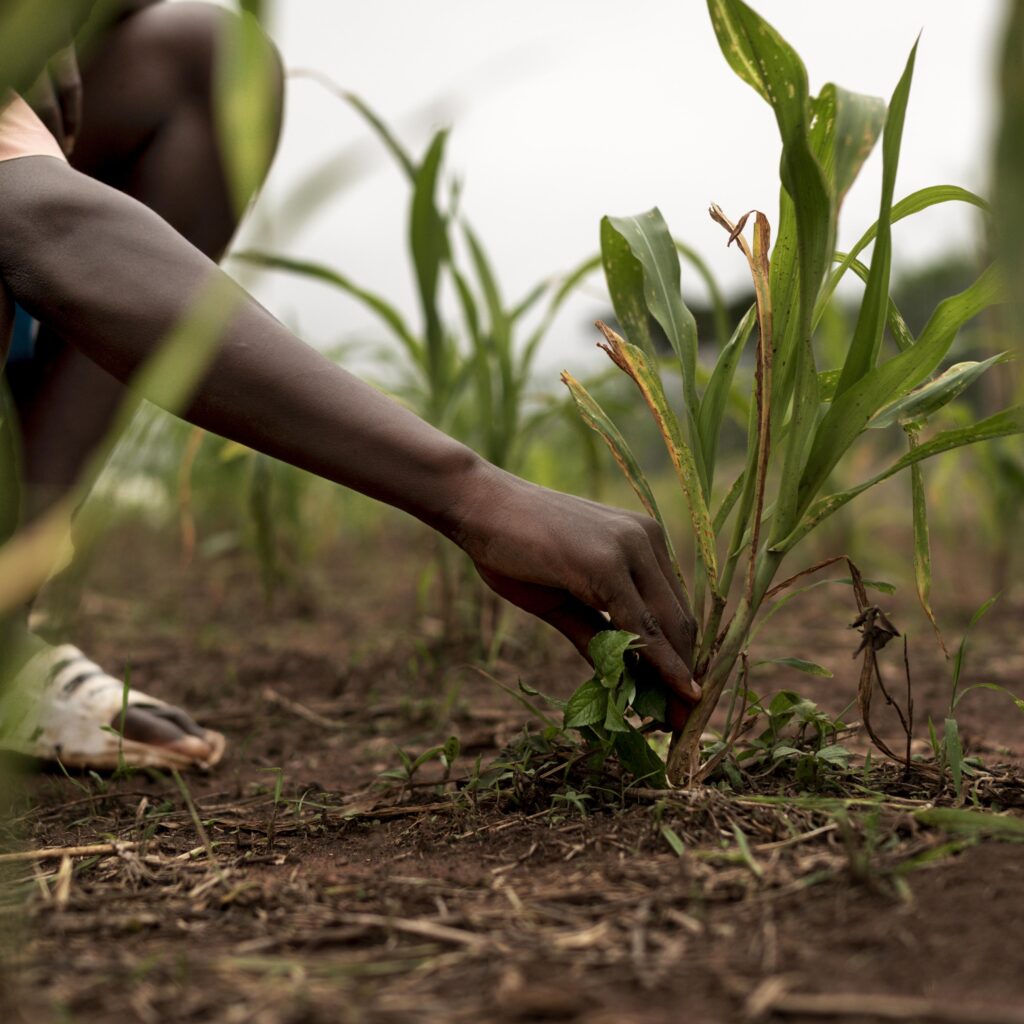
Climbing Kilimanjaro in June
June is part of the long dry season, so it is a popular month to climb Kilimanjaro before or after your Ngorongoro safari. Nights on the mountain are cold at this time of year, as they are on the crater rim, so good layers matter. Our June climbing guide explains routes, weather and how we link both.
Climbing Kilimanjaro in June →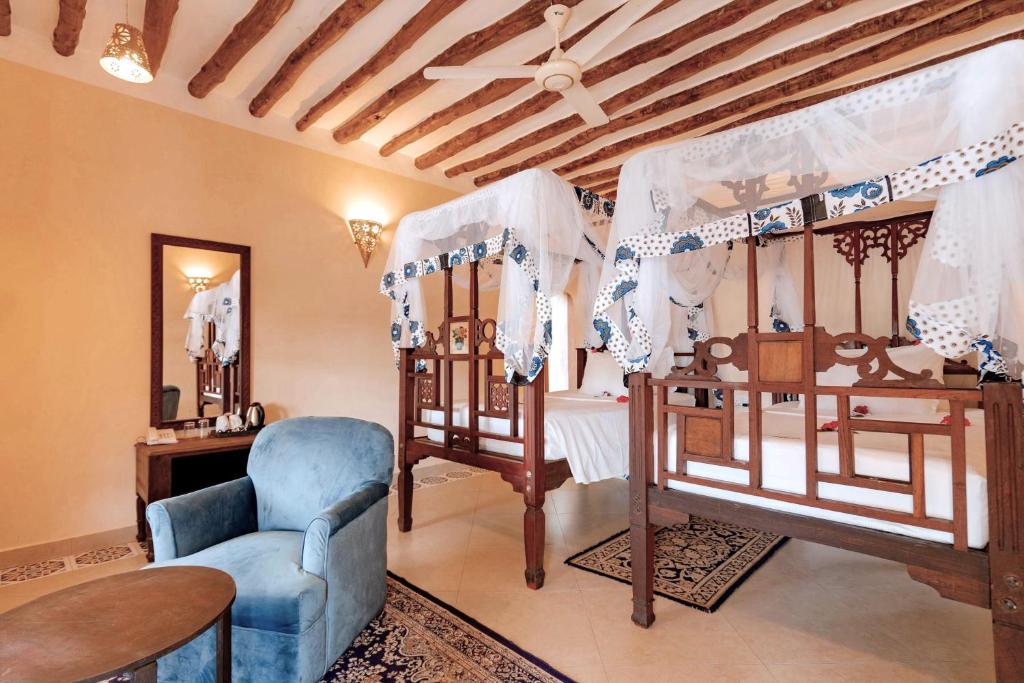
Tanzania Safari in June
Our Tanzania safari in June guide looks beyond Ngorongoro at the whole country at the start of the dry season. It covers which parks shine in June, what the weather is like elsewhere and how to balance the crater with other destinations. Use it alongside this page when planning your full private trip across the northern circuit.
Tanzania Safari in June →Ngorongoro Travel Tips for June
A little planning makes a Ngorongoro Crater safari in June easier and more rewarding. The most important tips are to book early as demand rises, descend at first light, stay on the rim or in Karatu the night before, and pack properly warm clothes for the cold, misty mornings. It also helps to protect your camera from dust and to combine the crater with the Serengeti migration. Small preparations make a big difference on cold early mornings. These tips come from our Arusha-based guides, who lead private safaris in June every year.
Reserve Several Months Ahead
Demand rises through June as the dry season begins, and lodges on the crater rim are among the first to fill. Booking several months ahead gives you the widest choice of rim lodges, Karatu stays and Serengeti camps. If your dates are flexible, early or mid-June usually brings fewer vehicles on the crater floor and quieter sightings.
- Book several months ahead
- Rim lodges fill first
- Early June is quieter
- Secure Serengeti camps too
Be First onto the Crater Floor
Descents usually start early in the morning, and being among the first vehicles down gives you quieter sightings and the best light. Animals are active in the cool early hours, and black rhino are often easier to find. Picnic later than most, and you will enjoy Ngoitokitok after the midday rush has passed and the crowds thin.
- Descend at first light
- Active wildlife
- Better rhino chances
- Picnic later
Pack for Cold Rim Mornings
June nights on the rim fall to about 5–10 °C, and early descents in an open vehicle can feel bitterly cold. Pack a warm fleece, a windproof jacket, a beanie and light gloves for the first hours, then lighter layers for the warmer crater floor. A scarf or buff also helps with dust and cold wind.
- Warm fleece
- Windproof jacket
- Beanie and gloves
- Light layers by day
Plan Around the Morning Mist
Morning fog often hides the crater from the rim viewpoints in June, so do not worry if your first view is a wall of white. The mist usually lifts by mid-morning, and the clearest rim views are often in the afternoon. Ask your guide to stop at a viewpoint on the way back up in the afternoon.
- Fog at dawn
- Clears mid-morning
- Afternoon rim views
- Stop on the way up
Keep Dust Away from Cameras
As the dry season takes hold, crater roads and plains become dusty, especially in the second half of June. Keep cameras and lenses in a bag between sightings, carry a blower and lens cloths, and avoid changing lenses in the wind. A zip-lock bag for your phone also helps on the dusty ascent road and at picnic stops.
- Camera bag
- Blower and lens cloths
- Avoid lens changes
- Zip-lock bag for phone
Combine the Crater with the Migration
In June the herds are usually in the Serengeti’s Western Corridor, so many travellers visit the crater on the way to or from the migration. One night on the rim or in Karatu and a full day on the crater floor fits easily. Visiting the crater at the end lets you finish with black rhino.
- Herds in the west
- One night at the crater
- Full crater day
- Finish with rhino
What to Pack for Ngorongoro Crater in June
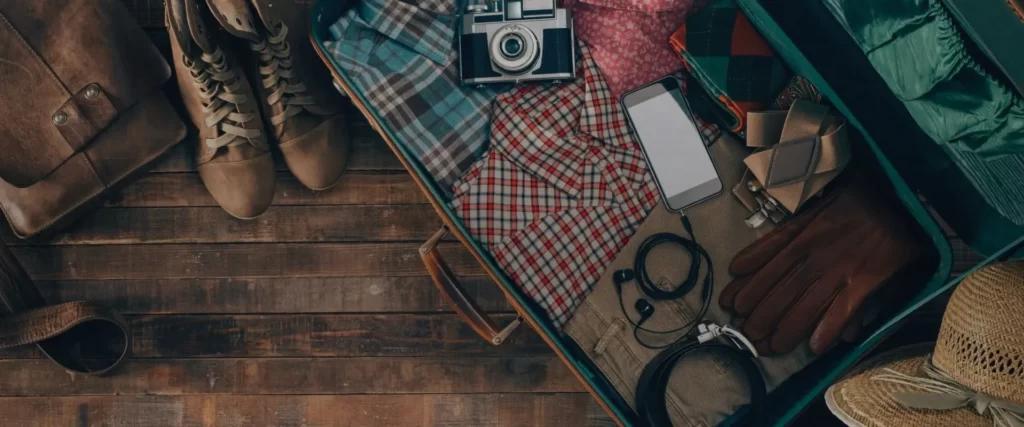
Packing for Ngorongoro Crater in June means preparing for cold, misty rim mornings, pleasant sunny days on the crater floor and dust as the dry season takes hold. Layers are the key: a warm fleece, a windproof jacket, a beanie and light gloves for early descents, then breathable clothes for the afternoon. Choose neutral khaki, beige or olive colours. A scarf or buff helps with dust, and good sunglasses and sunscreen protect you from the strong sun at altitude. Binoculars are essential for spotting distant black rhino. Soft bags are easiest to load into your private safari vehicle.
- Warm fleece or down jacket
- Light windproof jacket
- Beanie and light gloves
- Warm sleepwear for cold rim nights
- Neutral-coloured clothing
- Sun hat and sunglasses
- High-factor sunscreen
- Scarf or buff for dust
- Binoculars for distant rhino
- Camera with spare batteries and memory cards
- Lip balm and moisturiser
- Insect repellent for Karatu and lower areas
Events and Holidays in June
There are no fixed national public holidays in Tanzania in June, so travel to the Ngorongoro Crater is usually smooth, although religious holidays such as Eid follow the lunar calendar and their dates vary each year. June is defined by nature: the long dry season begins, the crater floor turns golden, and in the Serengeti the herds usually gather in the Western Corridor for the Grumeti River crossings. Demand rises towards the European summer holidays, which make July and August the peak months. Saba Saba follows on 7 July. Your guide can suggest the calmest dates within the month.
- Early JuneLong dry season beginsClear days, cold rim nights, shortening grass
- Usually June–early JulyGrumeti River crossingsSerengeti Western Corridor; combine with the crater
- Late JuneHigh season buildsMore vehicles on the crater floor
- Varies each yearEid holidaysFollow the lunar calendar; dates vary
- 7 JulySaba Saba, next monthPublic holiday as peak season begins
How to Get to Ngorongoro Crater in June
Most travellers reach Ngorongoro Crater by flying into Kilimanjaro International Airport, known as JRO, and spending a night in Arusha. From there it is a scenic drive of roughly 3–4 hours, about 180 km, via Mto wa Mbu and Karatu to Lodoare Gate, and then up to the crater rim. Alternatively, a short flight from Arusha Airport to the Lake Manyara airstrip saves time, and your guide meets you there. In June the roads are dry and easy. Allow a full travel day and rest before your crater descent. Our team arranges every transfer for your private safari.
- Fly into Kilimanjaro (JRO)International arrival, then transfer to Arusha
- Overnight in ArushaRest and meet your guide for a briefing
- Drive or fly towards the craterAbout 3–4 hours by road, or fly to Lake Manyara airstrip
- Begin your private safariEnter at Lodoare Gate with your own guide and 4x4
Ngorongoro Health and Safety in June
Malaria risk is lower on the cool Ngorongoro crater rim, but it is present in the wider region, including Karatu, Lake Manyara and the lowlands, so speak to a travel clinic before you travel and use repellent at dusk. The sun is strong at altitude despite the cold June mornings, and dust builds as the dry season takes hold. A yellow fever certificate is needed only if arriving from or transiting a risk country. Drink bottled or filtered water and carry travel insurance including evacuation. Our guides are first-aid trained, and we recommend checking your vaccinations well before departure.
- Ask a travel clinic about antimalarials
- Repellent at dusk in Karatu and lowlands
- Sun protection at altitude
- Bottled or filtered water
- Stay in the vehicle except at designated sites
- Our guides are first-aid trained
- Travel insurance including evacuation
- Yellow fever certificate only if required
How to Plan and Book a Ngorongoro Crater Safari in June
Planning a Ngorongoro Crater safari in June works best a few months ahead, because demand rises as the dry season begins. Start by choosing your dates within the month, then decide how the crater fits your route, often alongside the Serengeti migration. Next, choose a lodge on the rim or in Karatu, send us your enquiry, confirm your booking and prepare for the trip. Our Arusha-based team handles every detail, so you only need to choose your dates. The six steps below walk you through the process, with links to more detailed guides.
Choose Your June Dates
Decide whether early, mid or late June suits you best. Early June is often quieter on the crater floor, while late June is drier and busier as high season begins. Think about how many nights you have, too. Most travellers spend one or two nights near the crater, with more time in the Serengeti if you wish.
- Early, mid or late June
- Crowd levels
- Number of nights
- Other parks to add
Plan Your Route
In June, most itineraries combine the crater with the Serengeti, where the herds are usually in the Western Corridor, and often add Tarangire or Lake Manyara. Decide whether to visit the crater on the way in or on the way out. The Ngorongoro map helps you picture distances, gates and descent roads before you finalise the route.
- Crater and Serengeti
- Add Tarangire or Manyara
- Way in or way out
- Check distances
Choose Your Lodges and Camps
Pick an accommodation style that suits your budget, from camping at Simba campsite to Karatu farm lodges and high-end luxury on the rim. In June, a rim lodge gives the earliest descent but cold nights, while Karatu is milder and good value. Popular rim properties fill early, so decide sooner rather than later. We will gladly advise.
- Choose a style
- Rim or Karatu
- Early descent access
- Decide early
Send Us Your Enquiry
Send us your enquiry with your dates, the number of travellers, budget and interests, such as black rhino, photography, hiking or the migration. Our Arusha-based team will reply promptly with a tailor-made private itinerary and a clear quote. We are happy to refine the plan until it feels exactly right for you and your whole travelling party.
- Share your dates
- Budget and style
- Your interests
- Receive a tailored quote
Confirm and Book Your Safari
Once you are happy with the itinerary, we confirm your lodges, crater descent and conservation-area arrangements. Payment of the deposit and balance is made as set out in your booking confirmation. Because June demand rises quickly, confirming early secures your preferred rim lodge, and we then send detailed pre-travel information. Our team stays in touch until you arrive.
- Approve the itinerary
- Secure your lodges
- Deposit as confirmed
- Pre-travel information
Prepare and Pack for June
Before you travel, arrange travel insurance with evacuation cover, check visa requirements and visit a travel clinic about malaria. Then pack for cold rim mornings, sunny crater days and dust, with a warm fleece, gloves, a beanie and sun protection. Our packing list makes sure nothing important is forgotten before your safari, so you travel with confidence.
- Travel insurance
- Visa check
- Travel clinic visit
- Pack warm layers
Ngorongoro Crater Safari in June: FAQs
Is June a good time to visit Ngorongoro Crater?
Yes. June is an excellent time to visit Ngorongoro Crater. The long dry season begins, the grass shortens and wildlife is easier to see on the crater floor. Rim nights are cold and mornings misty, and crowds build towards late June, so book early.
What is the weather like in Ngorongoro Crater in June?
Ngorongoro weather in June is dry and cool. Crater floor days are about 18–23 °C and mostly sunny, while nights on the crater rim drop to about 5–10 °C. Morning mist often covers the rim, usually clearing by mid-morning. Rain is rare.
Can you see black rhino in Ngorongoro Crater in June?
Often, yes. The Ngorongoro Crater is one of the best places in Tanzania to look for black rhino, and June’s shorter grass helps. Sightings are never guaranteed and are often distant, so descend early and bring good binoculars.
How much does a Ngorongoro Crater safari cost in June?
A private Ngorongoro Crater safari in June typically costs from about $200 to $2,500 per person per day, depending mostly on accommodation style. June is shoulder season moving into high season. Your private vehicle, guide, conservation fees and meals are usually included.
Is Ngorongoro Crater busy in June, and when should I book?
June is moderately busy, and visitor numbers build through the month as high season begins. Vehicles gather at rhino and lion sightings, especially in late June. We recommend booking several months ahead to secure rim lodges, and descending early for quieter sightings.
How cold is the Ngorongoro Crater rim in June, and what should I pack?
The crater rim is cold in June, with nights about 5–10 °C and misty mornings. Pack a warm fleece or down jacket, a windproof layer, a beanie and gloves, plus light clothes, sunscreen, sunglasses, a scarf for dust and binoculars.
Can I combine Ngorongoro Crater with the Great Migration in June?
Yes. In June the migration herds are usually in the Serengeti’s Western Corridor, where Grumeti River crossings typically take place. Ngorongoro lies on the road between Arusha and the Serengeti, so a crater day fits easily before or after time with the herds.
Design Your Private June Ngorongoro Crater Safari
Design your private Ngorongoro Crater safari in June with our Arusha-based team. Tell us your dates and interests, and we will plan an early crater descent, a warm lodge on the rim or in Karatu, and time with the migration in the Serengeti, with your own guide and 4x4.
Plan My Private SafariView Ngorongoro Safaris