How Long Should You Spend in the Ngorongoro Crater
How Long Should You Spend in the Ngorongoro Crater
Planning how long to spend in the breathtaking Ngorongoro Crater is one of the most important decisions when organizing a Tanzania safari. Often called the “Eighth Wonder of the World,” this UNESCO-listed caldera offers unmatched wildlife density, dramatic landscapes, and year-round safari opportunities. Whether you're chasing the Big Five safari experience, a luxury Tanzania safari, or a budget-friendly wildlife adventure, timing matters. Too short, and you may miss key wildlife sightings; too long, and you might limit your ability to explore other iconic parks like Serengeti National Park. In this guide, we break down the ideal number of days to spend in the crater, depending on your travel style, budget, and expectations. From quick game drives to immersive multi-day experiences, discover how to maximize your Ngorongoro safari itinerary.
Why Visit the Ngorongoro Crater?
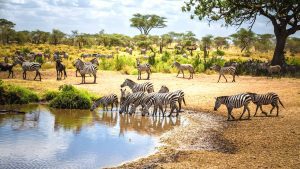
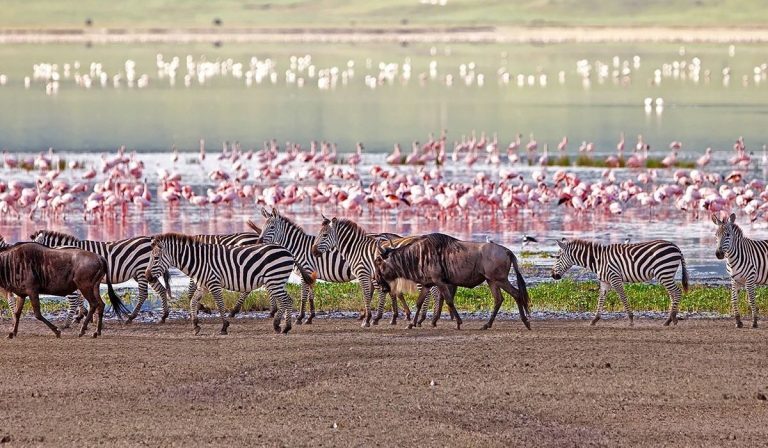
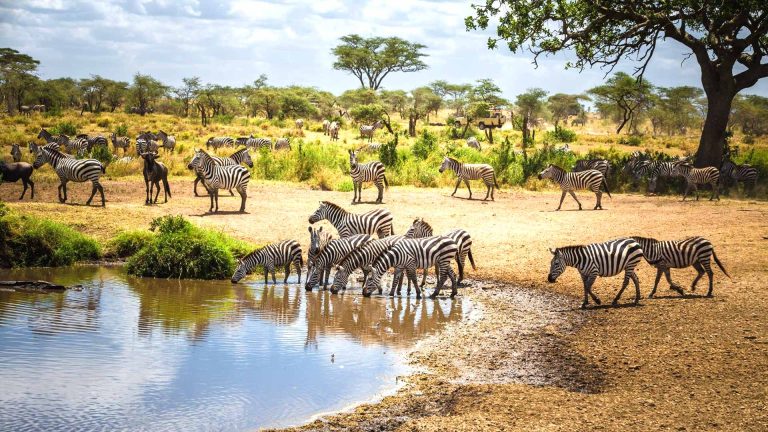
The Ngorongoro Crater is one of Africa’s most unique safari destinations, offering an unparalleled wildlife viewing experience. This massive volcanic caldera is home to over 25,000 animals, including lions, elephants, buffalo, and the rare black rhino. Unlike other parks, wildlife here is confined within the crater walls, making sightings easier and more frequent. For travelers seeking a Big Five safari in Tanzania, this destination is unmatched. The lush grasslands, soda lakes, and acacia forests create diverse ecosystems, attracting flamingos, hippos, and predators alike. Whether you are planning a luxury safari, honeymoon safari, or family safari in Tanzania, Ngorongoro delivers unforgettable moments. Its compact size means even a short visit can be rewarding, but longer stays reveal deeper, more intimate wildlife encounters.
How to do an Ngorongoro Crater safari on a budget?
Planning a budget safari to the iconic Ngorongoro Crater is possible with smart choices and insider tips. Travel in the low season, individual private custom tours from Arusha, and choose affordable campsites or budget lodges near the conservation area. Opt for shared 4x4 safari vehicles to reduce costs while still enjoying Big Five wildlife viewing. Pack essentials to avoid extra expenses and book with reliable local tour operators offering all-inclusive deals. Combining your trip with nearby parks like Serengeti National Park can also lower overall costs. A budget Ngorongoro safari still delivers unforgettable landscapes, wildlife, and authentic Tanzania safari experiences.
- Accommodation
- Meals
- Park fees
- Vehicle & guide
- Transfers
- International flights
- Visas
- Travel insurance
- Tips
- Premium drinks
Is One Day Enough in Ngorongoro Crater?
A one-day safari in the Ngorongoro Crater is possible and popular, especially for travelers with limited time. Most visitors descend early in the morning for a half-day or full-day game drive, maximizing wildlife sightings during peak activity hours. You can expect to see lions, zebras, wildebeest, and possibly even a black rhino within a single day. However, while a day trip offers a snapshot of the crater’s beauty, it can feel rushed. Traffic at popular sights and limited exploration time may reduce the overall experience. For budget Tanzania safaris or tight itineraries combining Lake Manyara National Park or Tarangire National Park, one day works. Still, travelers seeking a deeper, more relaxed safari experience often find that extending their stay significantly enhances their adventure.
The Benefits of Spending Two Days
Spending two days in the Ngorongoro Crater allows for a more immersive and rewarding safari experience. With an extra day, you can explore different areas of the crater floor, track elusive wildlife, and avoid the pressure of fitting everything into a single game drive. Early morning and late afternoon safaris provide the best chances to witness predator-prey interactions, including lion hunts and hyena activity. This option is ideal for photographers and wildlife enthusiasts who want better lighting and fewer crowds. A two-day stay also allows time to enjoy nearby cultural experiences within the Ngorongoro Conservation Area. For those planning a mid-range or luxury Tanzania safari, two days strike the perfect balance between exploration and relaxation without feeling rushed.
Three Days for a Deeper Safari Experience
For travelers seeking a truly unforgettable Tanzania safari, three days in the Ngorongoro Crater offers the ultimate experience. This extended stay allows you to fully absorb the crater’s beauty, from sunrise game drives to peaceful afternoons overlooking the rim. With more time, you can revisit wildlife hotspots, increasing your chances of spotting rare species like the endangered black rhino. Three days also provide flexibility for weather changes and crowd avoidance. You can combine crater exploration with guided walks, Maasai village visits, and scenic viewpoints. For honeymoon safaris, luxury safaris, or photographers, this is the ideal duration. It ensures a slower, more intimate connection with nature, making your Ngorongoro safari not just a visit, but a deeply enriching journey.
Half-Day vs Full-Day Game Drives
Choosing between a half-day and full-day game drive in the Ngorongoro Crater depends on your schedule and safari goals. Half-day drives are suitable for travelers combining multiple destinations, offering a quick yet rewarding wildlife experience. However, you will only be allowed to spend 5-6 hours down the Crater during your Tanzania safaris, which are highly recommended for maximizing sightings. They allow you to explore diverse habitats, from Lerai Forest to Lake Magadi, increasing your chances of spotting predators, elephants, and flamingos. Full-day drives also provide time for picnic lunches within the crater, enhancing the adventure. For those investing in a Tanzania safari package, opting for a full-day game drive ensures better value and a richer experience. Ultimately, longer drives mean more opportunities to witness the incredible biodiversity that makes Ngorongoro one of Africa’s top safari destinations.
Best Time of Year to Visit
The Ngorongoro Crater is a year-round safari destination, but the best time to visit depends on your preferences. The dry season (June to October) offers excellent wildlife viewing, as animals gather around water sources, making sightings easier. This is peak season for Tanzania safaris, with clear skies and comfortable weather. The wet season (November to May) brings lush landscapes, fewer crowds, and incredible birdlife, including migratory species. Calving season in nearby Serengeti National Park also enhances predator activity. Each season offers unique advantages, so your ideal duration in the crater may vary. Photographers and bird lovers often prefer the green season, while first-time safari-goers may favor the dry months for guaranteed wildlife encounters.
Combining Ngorongoro with Other Parks
Many travelers combine the Ngorongoro Crater with other iconic northern circuit destinations. Pairing it with Serengeti National Park creates a classic Tanzania safari itinerary, offering both vast plains and concentrated wildlife viewing. Adding Tarangire National Park introduces large elephant herds, while Lake Manyara National Park provides tree-climbing lions and scenic beauty. When combining parks, most travelers spend one to two days in Ngorongoro to balance the itinerary. This ensures enough time to experience the crater without sacrificing other highlights. A well-planned multi-park safari maximizes diversity, making your journey through Tanzania more dynamic and unforgettable.
Luxury vs Budget Safari Duration
Your safari style significantly influences how long you should stay in the Ngorongoro Crater. Luxury safaris often include longer stays, premium lodges on the crater rim, and multiple game drives, allowing for a relaxed pace. Budget safaris, on the other hand, typically allocate one day due to cost constraints, as park fees and accommodation can be high. Mid-range safaris strike a balance, offering two days for a comfortable yet affordable experience. Regardless of your budget, extending your stay enhances wildlife encounters and overall satisfaction. Investing more time often results in richer memories and better value, especially in a destination as extraordinary as Ngorongoro.
- Private vehicle & guide
- Intimate tented camps
- Gourmet dining
- Fly-in transfers
- Bush dinners
- Spa treatments
Wildlife Density and Viewing Time
One of the key reasons to visit the Ngorongoro Crater is its exceptional wildlife density. With thousands of animals living within a relatively small area, sightings are almost guaranteed. However, spending more time increases your chances of witnessing rare behaviors, such as predator hunts or elephant interactions. A single day may provide impressive sightings, but multiple days allow for deeper exploration and patience. Wildlife viewing is unpredictable, and time is your greatest advantage. For photographers and nature enthusiasts, extending your stay ensures you capture the best moments. The crater’s unique ecosystem rewards those who linger, offering discoveries with each game drive.
Photography Opportunities
The Ngorongoro Crater is a paradise for wildlife photographers, offering dramatic landscapes and abundant animals. Spending more than one day significantly improves your chances of capturing perfect shots, especially during golden hours. Early mornings provide soft light and active predators, while late afternoons offer stunning backdrops. With extra time, you can revisit locations, experiment with angles, and wait for ideal moments. Photographers often prefer at least two to three days to fully explore the crater’s potential. Whether you’re a professional or hobbyist, longer stays translate into better images and a more fulfilling safari experience.
Cultural Experiences Around Ngorongoro
Beyond wildlife, the Ngorongoro Conservation Area offers rich cultural experiences. Visiting Maasai villages allows travelers to learn about traditional lifestyles, customs, and coexistence with wildlife. Spending additional days in the region provides time to engage in these meaningful interactions. Cultural tours add depth to your safari, transforming it into a holistic travel experience. For those interested in anthropology and local traditions, extending your stay beyond a single day is highly recommended. It enriches your understanding of Tanzania and creates lasting memories beyond the game drives.
Accommodation Choices and Stay Length
Accommodation options around the Ngorongoro Crater range from luxury lodges to budget camps. Staying on the crater rim offers breathtaking views and easy access for early descents. Luxury lodges encourage longer stays with comfort, fine dining, and panoramic scenery. Budget camps, often located further away, may limit your time in the crater due to travel distances. Choosing the right accommodation influences how long you should stay. For convenience and maximum safari time, at least two nights are recommended, especially for mid-range and luxury travelers.
Budget camping & lodges
Affordable, adventurous and close to nature.
Mid-range lodges & tented camps
Comfort, good food and convenient locations.
Luxury tented camps & lodges
Spacious suites, personal service and prime wildlife areas.
Exclusive-use camps & villas
Complete privacy, private guides and bespoke experiences.
Travel Logistics and Accessibility
The Ngorongoro Crater is easily accessible from Arusha, making it a key stop on northern Tanzania safari routes. The drive takes approximately 3–4 hours, often combined with visits to other parks. Considering travel time, spending only one day in the crater may feel rushed. Allocating extra days ensures a smoother, more enjoyable itinerary. Fly-in safaris are also available, saving time and allowing for longer stays. Proper planning of logistics helps maximize your experience and ensures you make the most of your Ngorongoro adventure.
Ideal Duration for First-Time Visitors
For first-time safari travelers, spending two days in the Ngorongoro Crater is generally ideal. It provides enough time to experience the crater’s highlights without feeling overwhelmed. You can enjoy multiple game drives, explore diverse habitats, and appreciate the scenery at a relaxed pace. First-time visitors often benefit from guided safaris, which enhance wildlife sightings and provide valuable insights. This duration also allows flexibility for combining Ngorongoro with other destinations, creating a well-rounded Tanzania safari itinerary.
Ideal Duration for Repeat Visitors
Repeat visitors to the Ngorongoro Crater may choose to stay longer or explore lesser-known areas within the conservation area. With previous experience, they can focus on specific interests such as photography, birdwatching, or cultural tours. Extended stays of two to three days allow for deeper exploration and a more personalized safari. Returning travelers often appreciate the slower pace and opportunity to discover new aspects of the crater.
Sample Itinerary Recommendation
A well-balanced Tanzania safari itinerary might include two days in the Ngorongoro Crater, combined with visits to Serengeti National Park and Tarangire National Park. Day one could involve arrival and a crater rim stay, followed by a full-day game drive on day two. Optional cultural visits or additional game drives can be added for extended stays. This approach ensures a comprehensive safari experience, balancing wildlife, scenery, and cultural encounters.
Final Thought
So, how long should you spend in the Ngorongoro Crater? While one day offers a glimpse, two to three days provide a richer, more rewarding safari experience. Your ideal duration depends on your budget, interests, and overall Tanzania safari itinerary. Whether you’re seeking Big Five sightings, cultural immersion, or breathtaking landscapes, Ngorongoro delivers unforgettable moments. Investing extra time ensures you fully appreciate one of Africa’s most extraordinary natural wonders.
How Long Should You Spend in the Ngorongoro Crater: FAQs
Why Visit the Ngorongoro Crater?
The Ngorongoro Crater is one of Africa’s most unique safari destinations, offering an unparalleled wildlife viewing experience. This massive volcanic caldera is home to over 25,000 animals, including lions, elephants, buffalo, and the rare black rhino. Unlike other parks, wildlife here is confined within the crater walls, making sightings easier and more frequent.
Is One Day Enough in Ngorongoro Crater?
A one-day safari in the Ngorongoro Crater is possible and popular, especially for travelers with limited time. Most visitors descend early in the morning for a half-day or full-day game drive, maximizing wildlife sightings during peak activity hours. You can expect to see lions, zebras, wildebeest, and possibly even a black rhino within a single day.
What is the three days for a deeper safari experience like?
For travelers seeking a truly unforgettable Tanzania safari, three days in the Ngorongoro Crater offers the ultimate experience. This extended stay allows you to fully absorb the crater’s beauty, from sunrise game drives to peaceful afternoons overlooking the rim. With more time, you can revisit wildlife hotspots, increasing your chances of spotting rare species like the endangered black rhino.
What are the best time of year to visit?
The Ngorongoro Crater is a year-round safari destination, but the best time to visit depends on your preferences. The dry season (June to October) offers excellent wildlife viewing, as animals gather around water sources, making sightings easier. This is peak season for Tanzania safaris, with clear skies and comfortable weather.
How much should you budget for luxury vs budget safari duration?
Your safari style significantly influences how long you should stay in the Ngorongoro Crater. Luxury safaris often include longer stays, premium lodges on the crater rim, and multiple game drives, allowing for a relaxed pace. Budget safaris, on the other hand, typically allocate one day due to cost constraints, as park fees and accommodation can be high.
What are the photography opportunities?
The Ngorongoro Crater is a paradise for wildlife photographers, offering dramatic landscapes and abundant animals. Spending more than one day significantly improves your chances of capturing perfect shots, especially during golden hours. Early mornings provide soft light and active predators, while late afternoons offer stunning backdrops.
What can you expect from accommodation choices and stay Length?
Accommodation options around the Ngorongoro Crater range from luxury lodges to budget camps. Staying on the crater rim offers breathtaking views and easy access for early descents. Luxury lodges encourage longer stays with comfort, fine dining, and panoramic scenery. Budget camps, often located further away, may limit your time in the crater due to travel distances.
What should you know about ideal duration for first-time visitors?
For first-time safari travelers, spending two days in the Ngorongoro Crater is generally ideal. It provides enough time to experience the crater’s highlights without feeling overwhelmed. You can enjoy multiple game drives, explore diverse habitats, and appreciate the scenery at a relaxed pace. First-time visitors often benefit from guided safaris, which enhance wildlife sightings and provide valuable insights.
Plan Your Private Tanzania Safari
Tell us your travel dates, interests and budget, and our local team will design a private tailor-made safari around you.