
By the Foot Slopes Tours and Safaris team
Written by our Arusha-based safari guides and private safari planners from first-hand experience in the Serengeti.
A Serengeti safari in February is the moment to witness the calving season at its peak. The migration herds are usually gathered on the southern plains around Ndutu, and in a burst of roughly three weeks, typically around February, hundreds of thousands of wildebeest calves are born. Lions, cheetahs and hyenas hunt among them, so predator action is intense. February sits in the short dry spell, with warm days and occasional storms. This guide covers Serengeti weather in February, the calving season, wildlife, costs, camps, packing and tips for planning a private tailor-made safari with your own guide and 4x4.
Yes. February is usually the best month for the Serengeti calving season. The herds are typically on the southern plains around Ndutu, births peak over roughly three weeks, and predator action is outstanding. Weather is warm and mostly dry. Demand is at its highest, so book camps near the herds well ahead.
Why Visit the Serengeti in February
Is February a good time to visit the Serengeti? For anyone who dreams of the calving season, it is the highlight of the year. The herds have usually settled on the short-grass plains of the south, births reach their peak, and predators take full advantage. Days are warm and mostly dry, the plains are green, and Palearctic migrant birds are still present. Every game drive brings new life and drama. Here are six reasons February stands out for a private Serengeti safari in the south. Each tab explains why it matters this month.

The Peak of the Serengeti Calving Season
The Serengeti calving season usually peaks in February, when most wildebeest give birth within roughly three weeks. Calves are born on the open short-grass plains, often in the morning, and stand within minutes. Witnessing a birth and those first wobbly steps from your private vehicle is one of the most moving moments in African wildlife viewing.
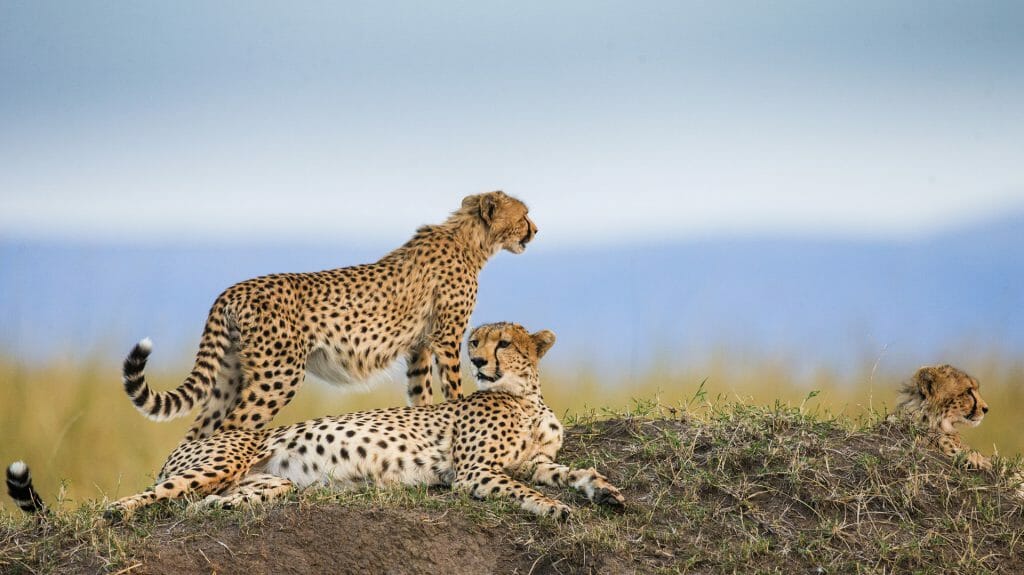
Lions, Cheetahs and Hyenas on the Hunt
So many newborn calves draw every predator on the plains. Lions, cheetahs, spotted hyenas and jackals hunt throughout the day, and the short grass leaves little cover, so chases are easier to follow than at almost any other time of year. With your own guide and 4x4, you can wait patiently for the action to unfold.
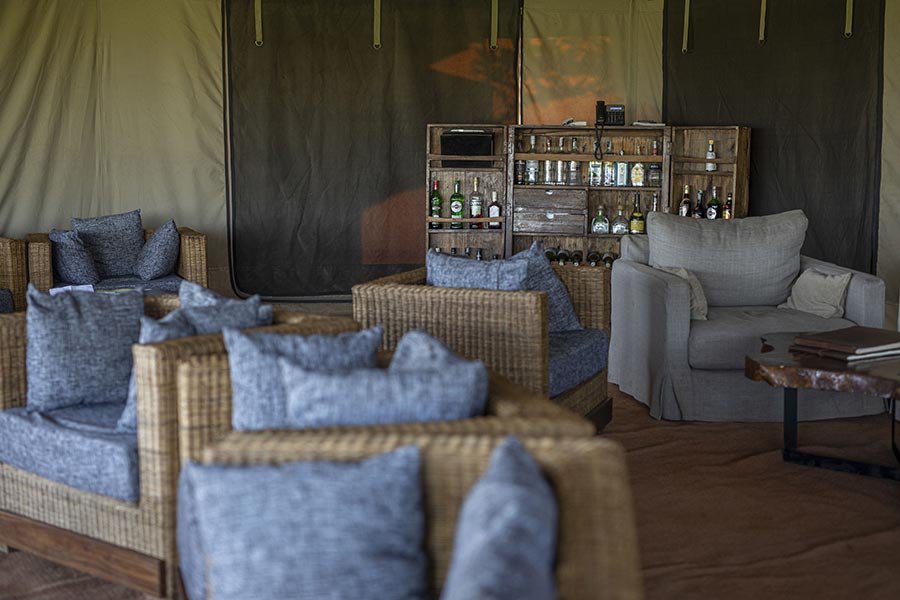
Huge Herds on the Southern Plains
Where is the Great Migration in February? Usually on the southern Serengeti plains and around Ndutu, where the short grass is rich in minerals that nursing mothers need. The herds tend to stay in this broad area while the grazing lasts, so sightings of vast numbers of wildebeest and zebra are very reliable this month.

Warm Days in the Short Dry Spell
February usually falls in the short dry spell, before the long rains begin around March. Days are warm to hot, often around 26–30 °C, with plenty of sunshine and the occasional afternoon storm. Tracks are generally passable, and storms bring dramatic skies and fresh grass that keeps the herds content on the plains. Showers rarely last long.
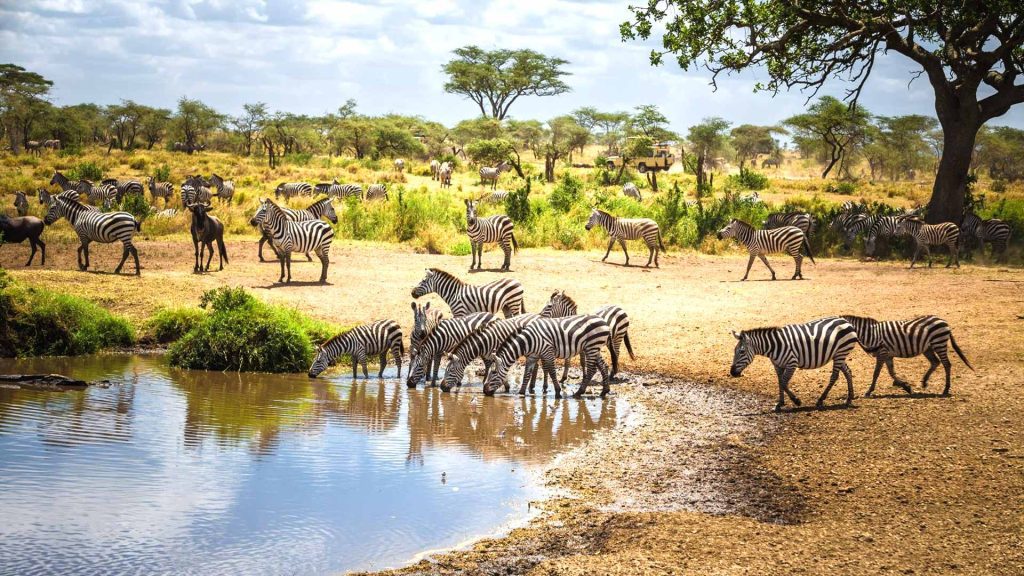
A Month Full of Young Animals
Wildebeest are not the only animals with young in February. Zebra foals, gazelle fawns and young predators are often seen across the southern plains, and lion or cheetah cubs may be spotted near the herds. The sense of new life is everywhere, making February especially rewarding for families and first-time safari travellers. Keep binoculars close at hand.
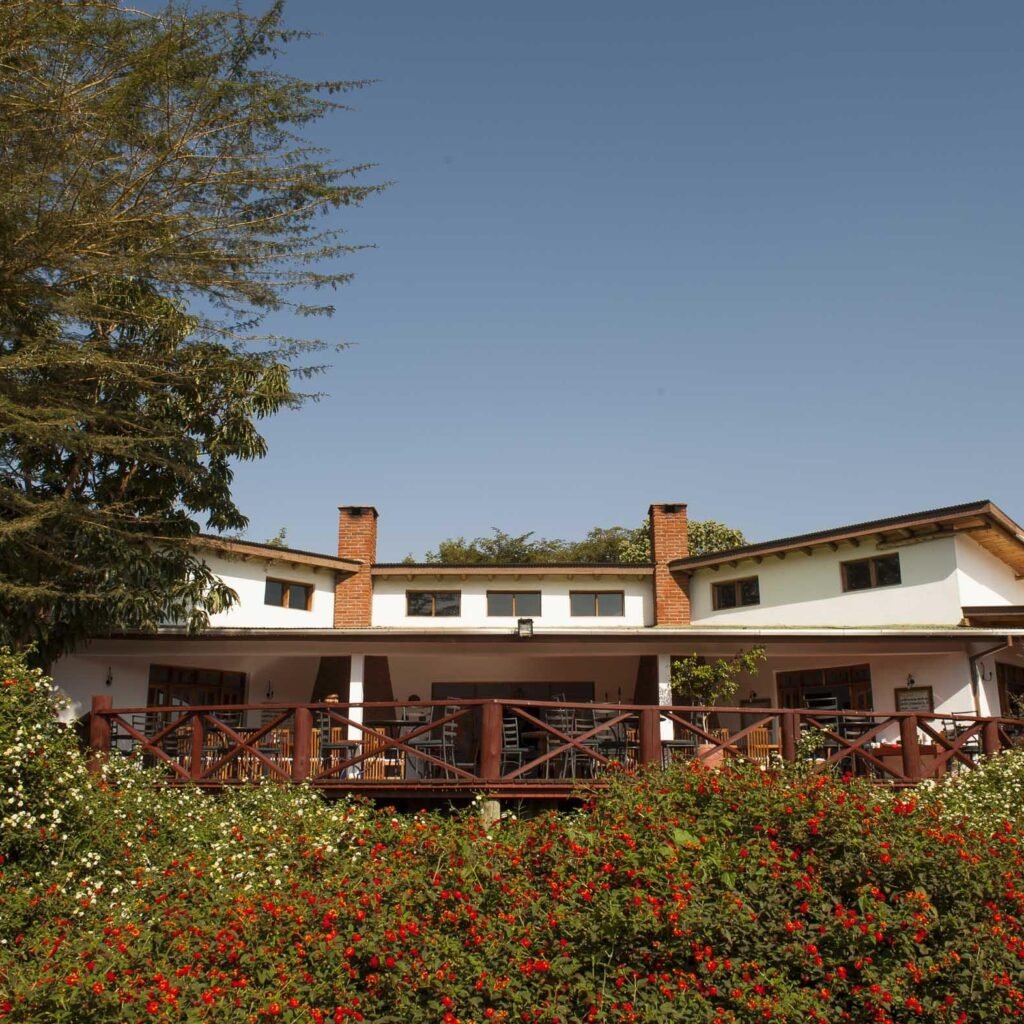
Drama and Light for Photographers
February offers some of the most dramatic photography of the year. Newborn calves, predators on open ground, storm clouds and green plains combine in every frame. Soft morning light is ideal for births and hunts, while late-afternoon storms bring striking skies. A private photographic safari lets you position for light and stay as long as needed.
Serengeti Weather in February
Serengeti weather in February is usually warm, sunny and mostly dry, as the month falls in the short dry spell before the long rains of March to May. February is among the hottest months, with days typically about 26–30 °C and strong sunshine on the open southern plains. Mornings are fresh but warm quickly. Short showers or an afternoon thunderstorm can build, especially towards the end of the month, but they usually pass quickly. Rainfall keeps the short grass green, which holds the herds in the south. Pack light clothing, a fleece, sun protection and a rain jacket.
Where Is the Great Migration in February?
Where is the Great Migration in February? The herds are usually on the short-grass plains of the southern Serengeti and around Ndutu, in the Ngorongoro Conservation Area. This is the heart of the Serengeti calving season. Most births typically happen over roughly three weeks, often around the middle of February, though timing shifts with the rains. The wildebeest migration moves locally between Lake Ndutu, Lake Masek and the plains towards Naabi Hill and the Gol Kopjes. Towards the end of the month the calves grow stronger, and the herds usually remain in the south into March. Expect daily changes.
- Early FebruaryCalving gathers paceBirths increase across the southern plains
- Mid-FebruaryCalving usually peaksMany births each day; predators very active
- Late FebruaryCalves grow strongerYoung wildebeest keep pace with the herds
- Next monthMarch in the southHerds usually stay, then start to move as grass dries
Serengeti Wildlife in February
Serengeti wildlife in February is dominated by the calving season. Wildebeest and zebra cover the southern plains, and newborn calves draw lions, cheetahs, spotted hyenas and golden jackals from across the area. Hunts happen throughout the day, and vultures soon gather at kills. Thomson’s and Grant’s gazelles, eland and bat-eared foxes are common on the open grass, while the woodland around Lake Ndutu and Lake Masek shelters giraffes, elephants and sometimes leopards. Seronera keeps its resident big cats, buffalo, hippos and topi. Black rhino are rare in the Serengeti, so plan a day in Ngorongoro Crater for rhino.
- Wildebeest calves
- Plains zebra
- Lion
- Cheetah
- Spotted hyena
- Golden jackal
- Leopard
- Thomson’s gazelle
- Grant’s gazelle
- Eland
- Bat-eared fox
- Elephant
- Giraffe
- Hippo
Serengeti Birds in February
February is a fine month for Serengeti birding, with over 500 species recorded in the park and Palearctic migrants from Europe and Asia still present until about April. The calving season is a busy time for scavengers, so vultures gather wherever predators have fed, and tawny eagles patrol the plains. Kori bustards, ostriches and secretarybirds stride through the short grass, while white storks often follow the herds. Around Ndutu’s woodland and lakes, look for lilac-breasted rollers and the near-endemic Fischer’s lovebird. Grey-breasted spurfowl and rufous-tailed weavers are other near-endemics to find with your guide. Binoculars make a real difference.
- White-backed vulture
- Lappet-faced vulture
- Tawny eagle
- Kori bustard
- Ostrich
- Secretarybird
- White stork
- Lilac-breasted roller
- Fischer’s lovebird
- Grey-breasted spurfowl
- Rufous-tailed weaver
- Usambiro barbet
Where to Go in the Serengeti in February
Where you go in the Serengeti in February depends almost entirely on the calving herds, which are usually in the far south. We recommend spending most of your nights around Ndutu and Lake Masek, exploring the eastern short-grass plains near the Gol Kopjes and the Moru Kopjes on day trips. Seronera adds leopards and resident wildlife, while the Western Corridor and northern Serengeti are very quiet this month. The tabs below rank the main areas for February, starting with the best. Each tab gives the reason to visit and how long to allow there.
Ndutu, Lake Masek and the Southern Plains
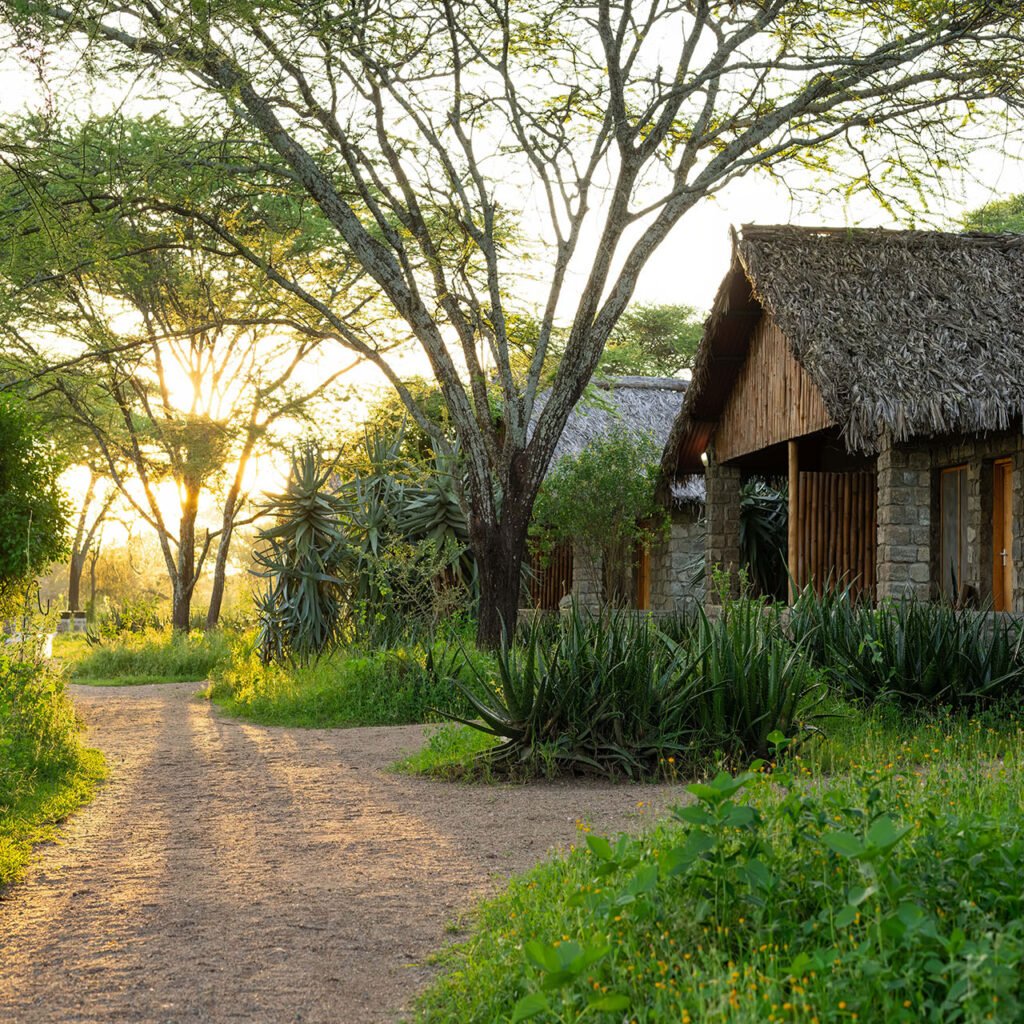
Ndutu is the centre of the calving season in February. It lies in the Ngorongoro Conservation Area on the Serengeti’s south-eastern edge, where NCA fees apply. The short-grass plains, Lake Ndutu and Lake Masek usually host vast herds, newborn calves and the predators that follow them. Base most of your safari here. Allow at least three nights, ideally more.
Explore Ndutu Safaris →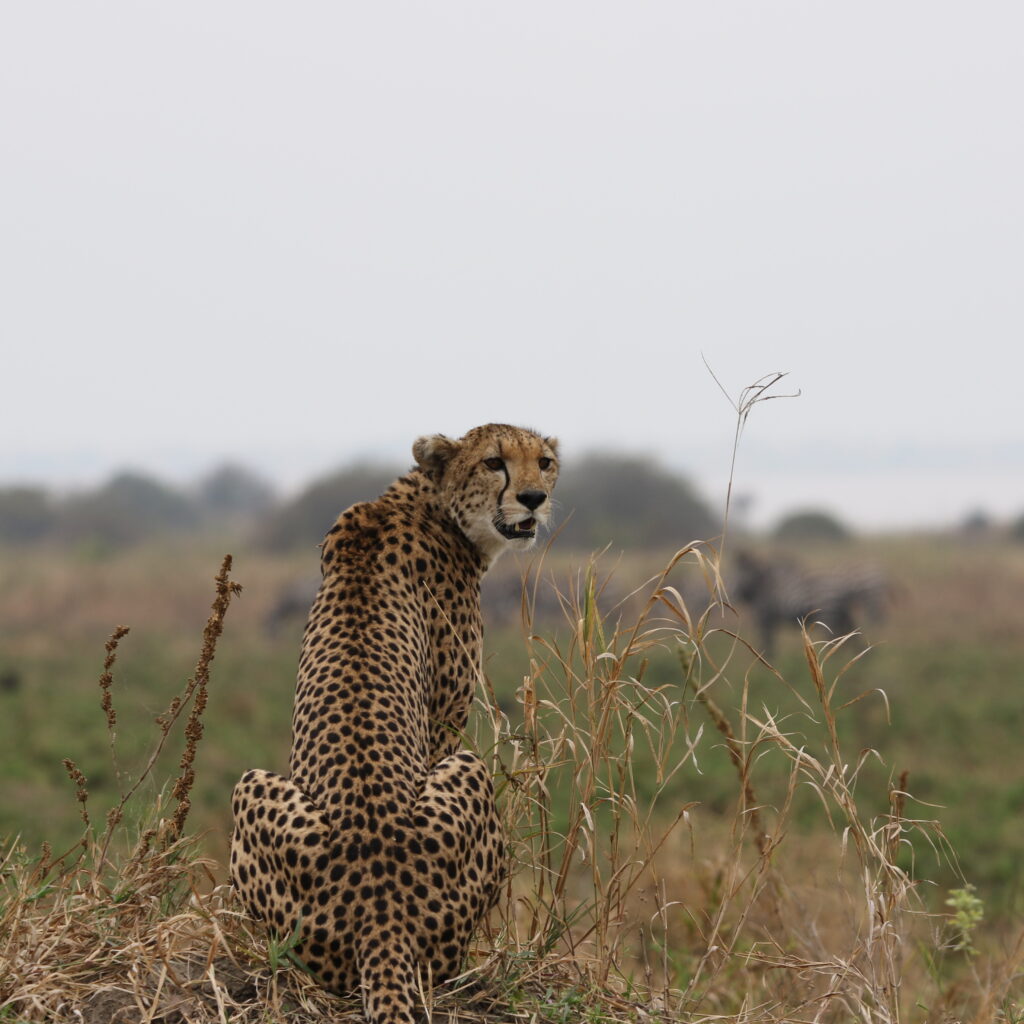
Gol Kopjes and the Eastern Plains
The Gol Kopjes rise from the eastern short-grass plains and are famous for cheetahs. In February calving herds can spread onto these plains when rain falls in the east, bringing predators with them. Vehicles must stay on the tracks here, and the wide horizons and granite outcrops make spectacular backdrops for wildlife photography. Ask your guide about recent rain.
Eastern Serengeti Guide →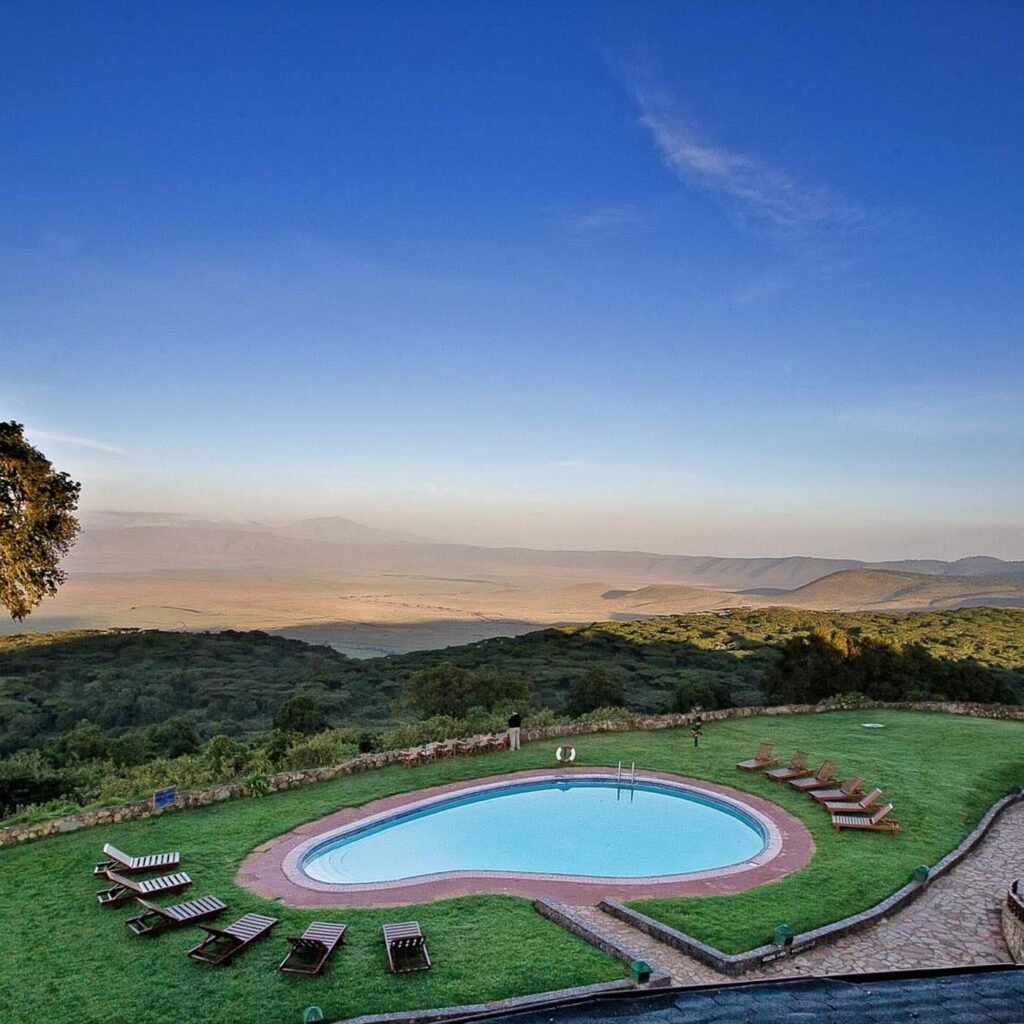
Moru Kopjes, South-Central Serengeti
Moru Kopjes are granite outcrops in the south-central Serengeti, between the southern plains and Seronera. In February herds may graze within reach, and the rocks give lions shade and lookout points over the grassland. It is a scenic, quieter area for a day of exploring, and a natural link when you travel north. Bring binoculars to scan the rocks.
View the Serengeti Map →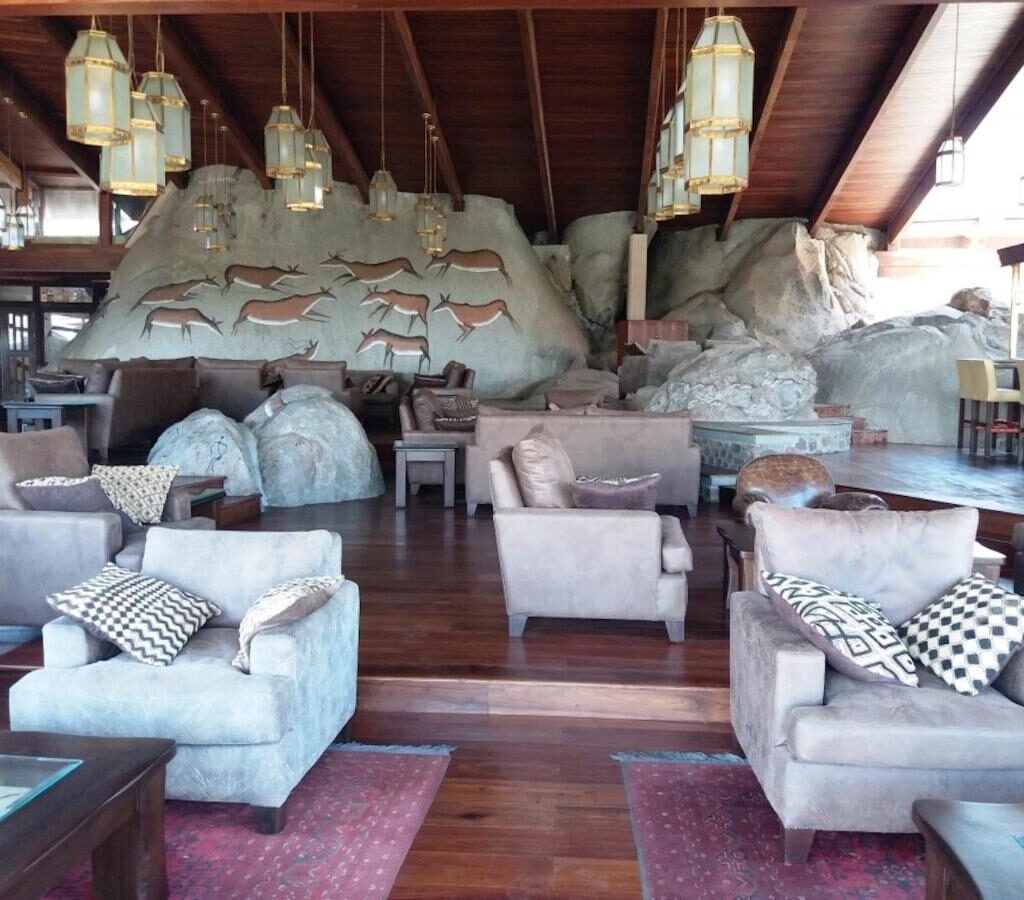
Seronera and the Central Serengeti
Seronera in the central Serengeti has resident wildlife all year round, making it a valuable addition when you have time beyond the calving plains. The Seronera River valley is a big cat hotspot, and leopards often rest in sausage and acacia trees. A night or two here adds variety and a different landscape. It suits longer itineraries.
Central Serengeti Guide →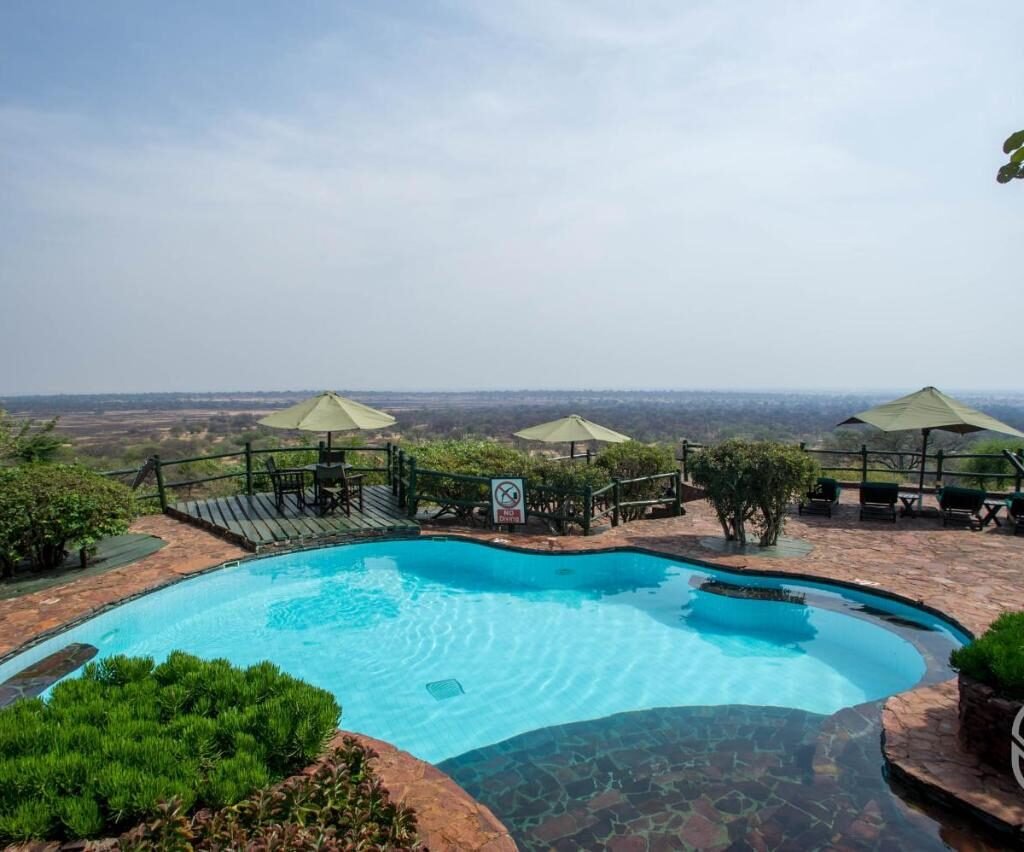
Western Corridor and Grumeti River
The Western Corridor follows the Grumeti River towards Lake Victoria and is known for large crocodiles. In February the migration is far to the south-east, so this area is very quiet and holds resident wildlife only. It is best from about late May to July, when the herds usually arrive and Grumeti River crossings can occur.
Western Serengeti Guide →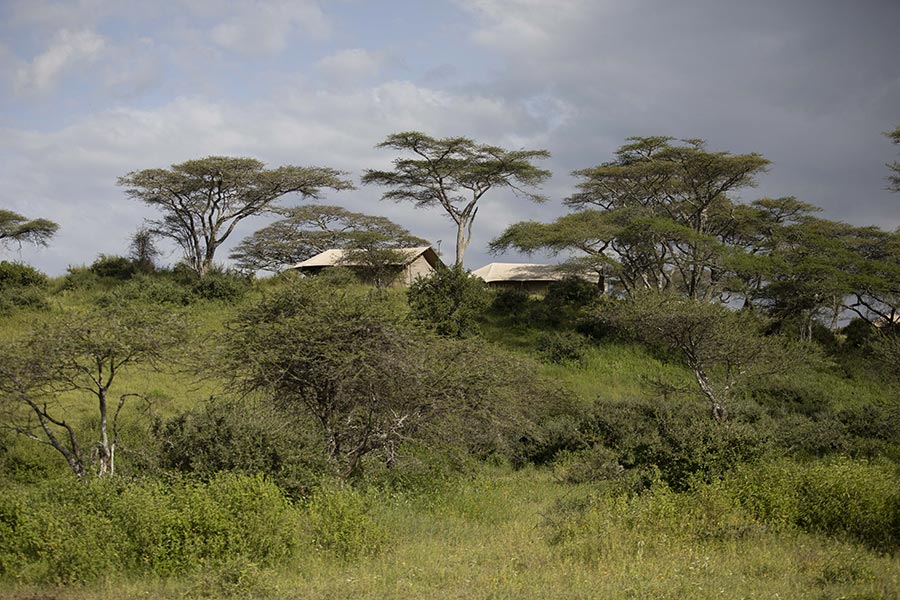
Northern Serengeti and the Mara River
The northern Serengeti, around Kogatende, the Lamai Triangle and Lobo, is famous for Mara River crossings, which usually happen from July to October. In February the herds are far away in the south, so the north is peaceful with resident wildlife only. For river crossings, plan a separate dry-season safari later in the year. It rewards patience.
Northern Serengeti Guide →Things to Do in the Serengeti in February
February is all about the calving season, but there is more to enjoy than watching births. A private safari can combine long days with the herds, predator tracking, an early balloon flight and focused photography. Outside the national park, the Ngorongoro Conservation Area offers guided walks in certain areas and visits to Maasai communities. Your own guide and 4x4 let you choose the pace. Here are the experiences we most often arrange for travellers visiting the Serengeti in February. Each tab shows where the experience happens and the best time of day to enjoy it.
Watching the Calving Season Unfold
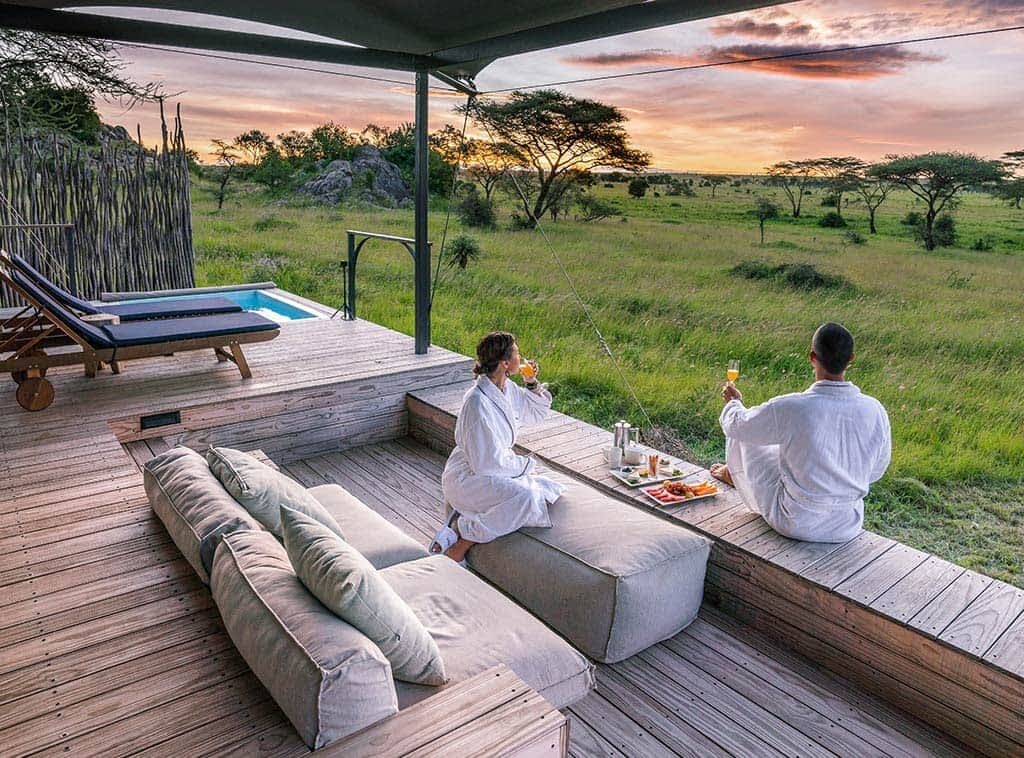
Calving viewing means slow, patient days on the southern plains with your guide, looking for heavily pregnant females, births and newborn calves taking their first steps. Mornings are often the busiest time for births. A private vehicle lets you stay at a sighting for as long as you wish, without pressure to move on. Binoculars help you spot births.
Migration Safaris →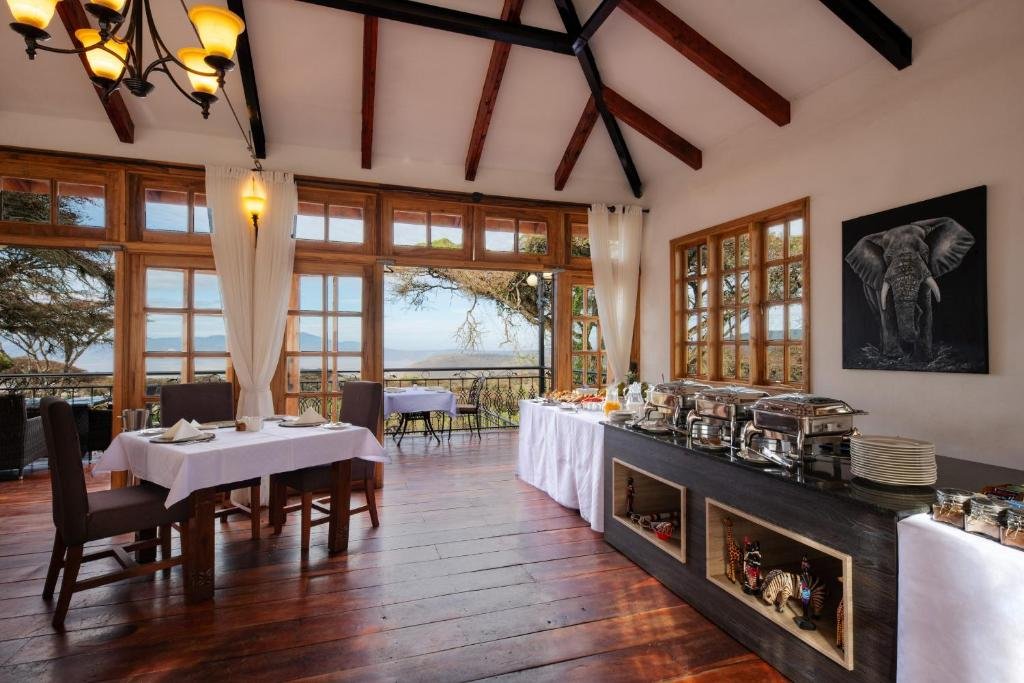
Following Lions, Cheetahs and Hyenas
With so many calves on the plains, February is outstanding for predator viewing. Your guide reads the behaviour of the herds and watches for cheetahs on termite mounds or lions lying low in the grass. Hunts can be fast and dramatic, so patience and a well-positioned private vehicle make all the difference. Bring a long lens for chases.
Private Serengeti Safaris →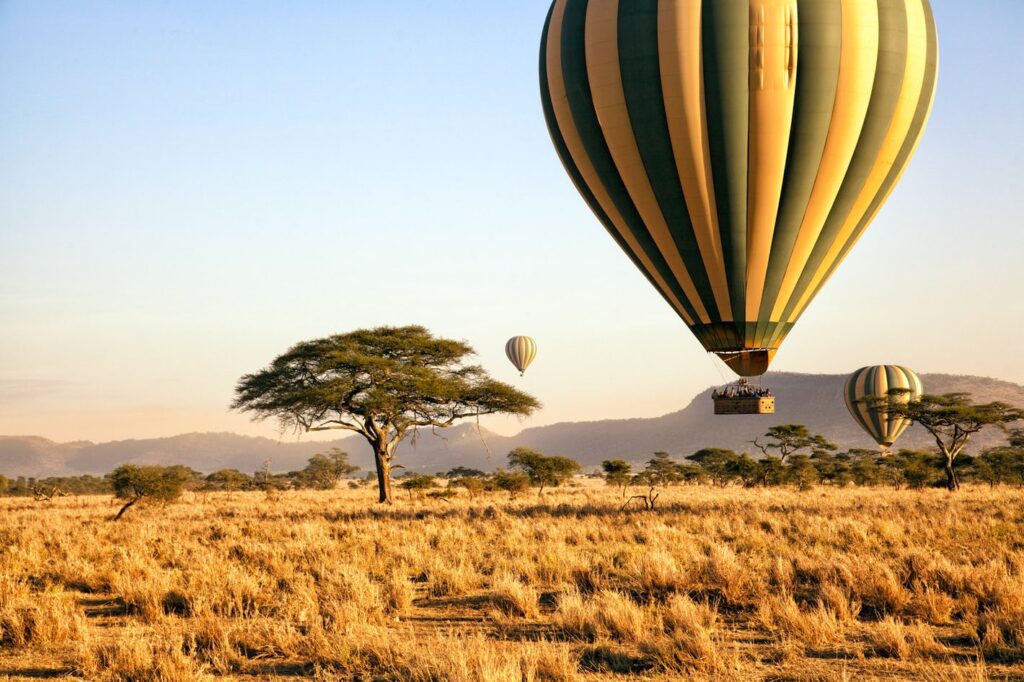
Serengeti Hot Air Balloon Safari
A Serengeti hot air balloon safari at dawn shows the scale of the plains and the herds from above. Flights operate year-round in the central Serengeti, and seasonal launches may be available in other areas depending on the operator. February is a high-demand month, so reserve your balloon flight when you book. Warm layers help before sunrise.
Why Book a Balloon Safari →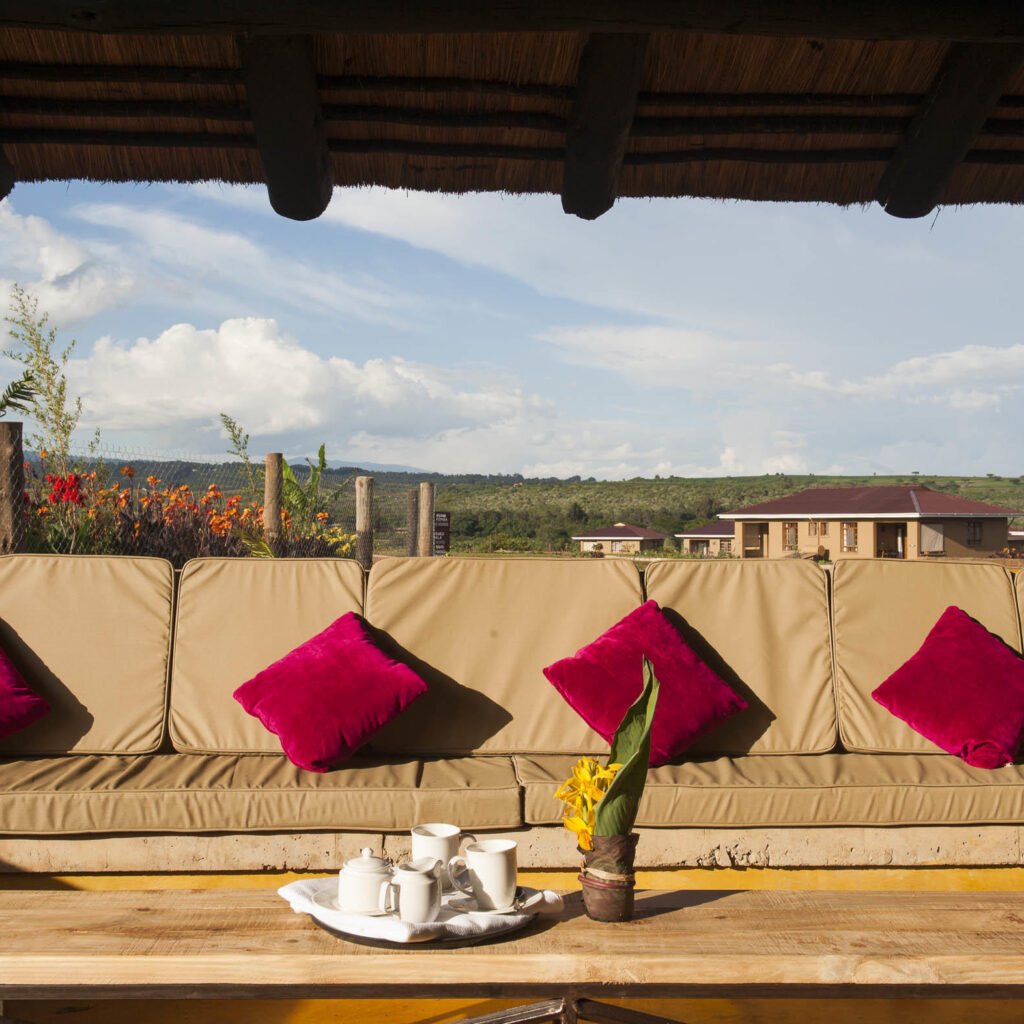
Calving Season Photography
Newborn calves, hunting predators, storm clouds and green grass make February a superb month for photography. A private photographic safari gives you flexible timing, time to wait for behaviour and a guide who positions the vehicle for light and background. Bring a telephoto lens for action and a wide lens for the herds. A beanbag steadies long lenses.
Photo Safaris →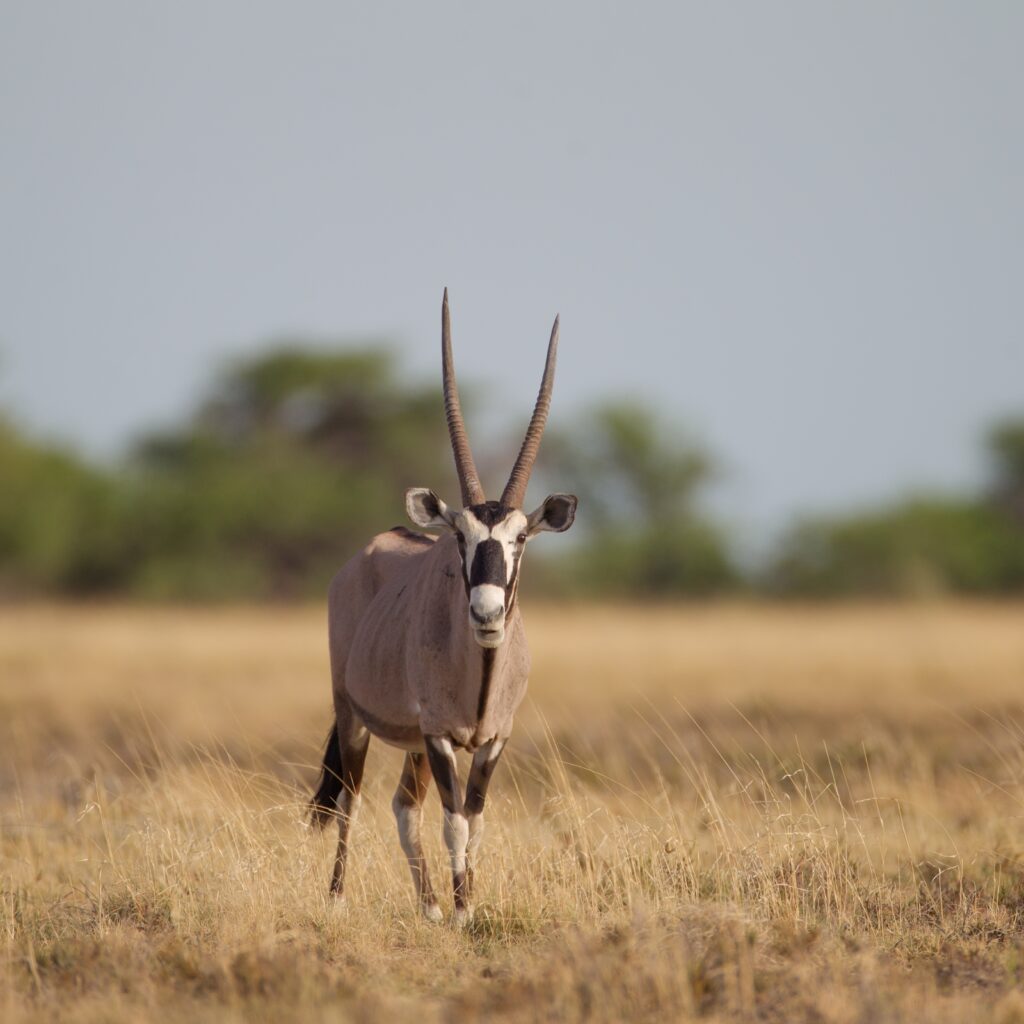
Guided Walks in the Ndutu Area
Walking is not part of a standard game drive inside the national park, but walking safaris in certain areas outside the park, such as Ndutu in the Ngorongoro Conservation Area or private concessions, can be arranged. On foot you notice tracks, small creatures and plants. Ask us whether a walk suits your February itinerary. Comfortable closed shoes are essential.
Serengeti Walking Safaris →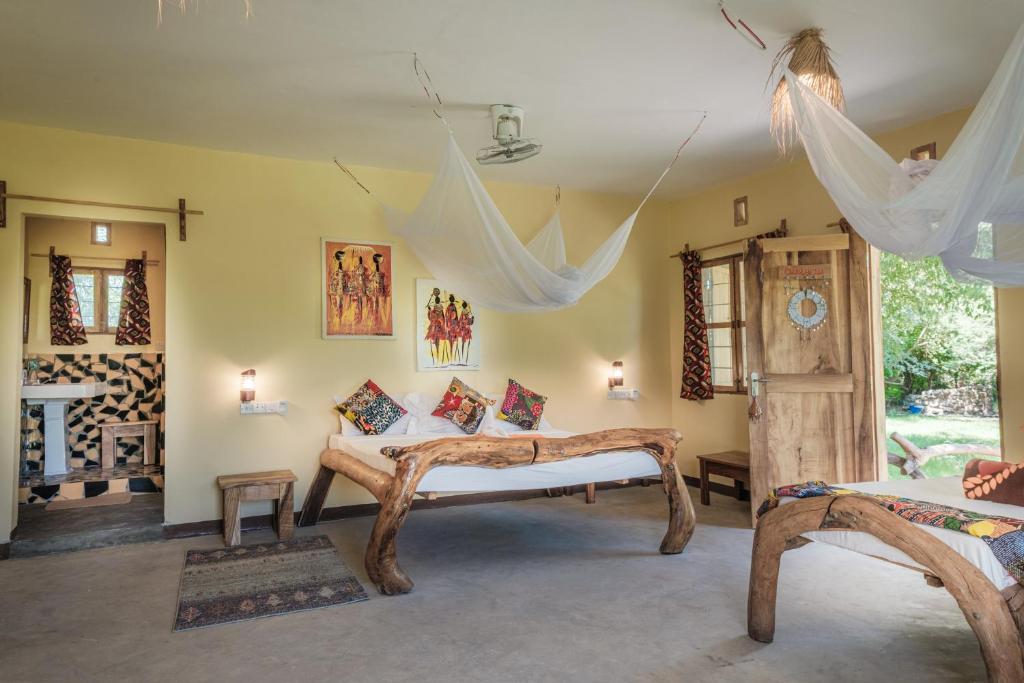
Maasai Cultural Visits in the Ngorongoro Area
Maasai cultural visits take place in the Ngorongoro Conservation Area rather than inside the national park. As your route to Ndutu passes through the Ngorongoro highlands, a visit fits easily into a February safari. It offers an insight into Maasai life and traditions, and a welcome change of pace between game drives. Ask us about timing on your route.
Serengeti and Ngorongoro Safaris →What to Expect on a Serengeti Safari in February
A Serengeti safari in February is intense, emotional and unforgettable. Days start early, as many births and hunts happen in the cool of the morning, and you may spend long hours with a single herd as the action unfolds. Nature is raw at this time of year, and not every calf survives. Warm sun and the odd storm shape each day, while seasonal camps around Ndutu are at their busiest. The tabs below explain the daily rhythm, births, predators, weather, rules and camps you can expect this month. Use them to prepare for every part of your journey.
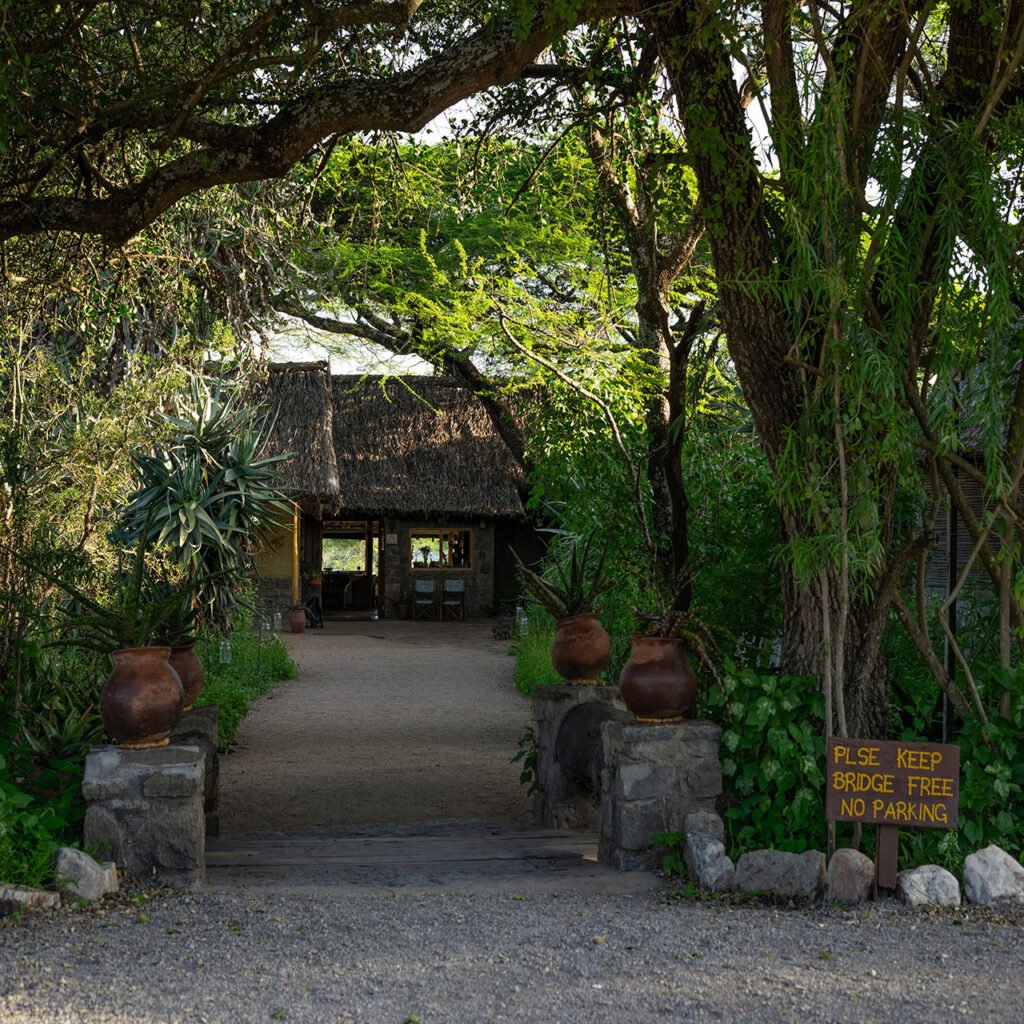
A Day in the Calving Season
A typical February day begins with coffee before sunrise and an early drive onto the plains, when births and hunts are most likely. Many travellers take a picnic lunch to stay out with the herds through the middle of the day. Afternoon drives continue until sunset, and evenings are spent sharing stories over dinner. Days are long and memorable.
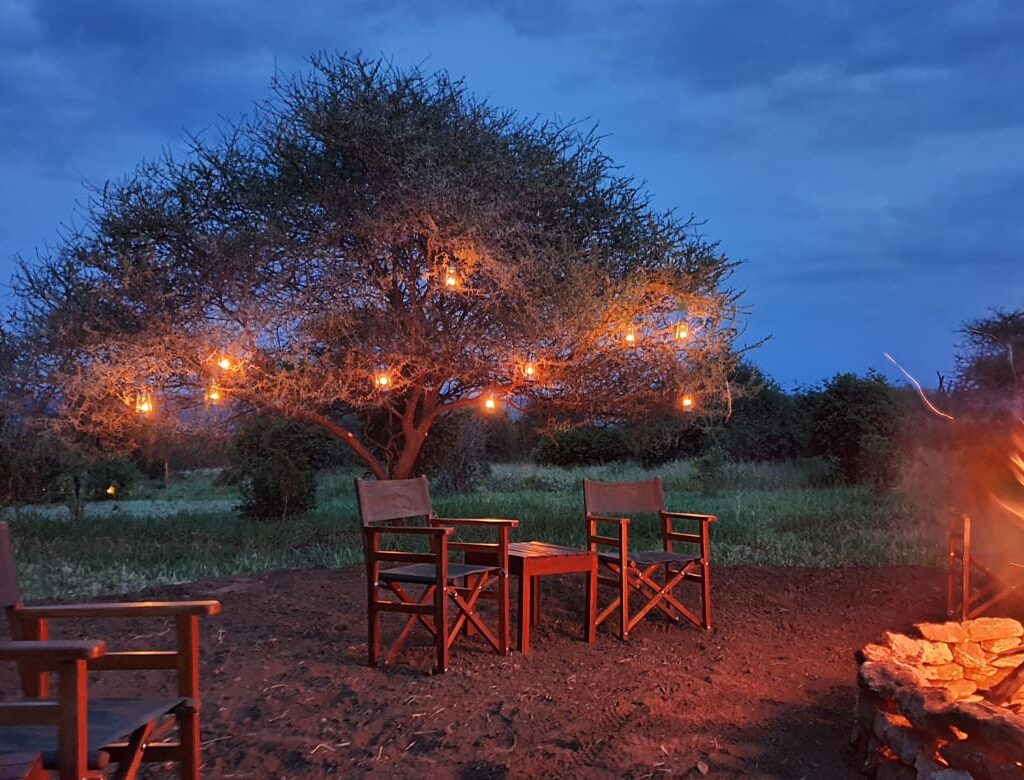
Witnessing a Wildebeest Birth
Wildebeest births are quick, and a calf is usually on its feet within minutes and running soon after. Your guide watches for females that separate slightly from the herd, a sign that birth is close. Seeing a calf’s first steps is a privilege, and quiet, patient viewing from a distance protects mother and young. Keep voices low.
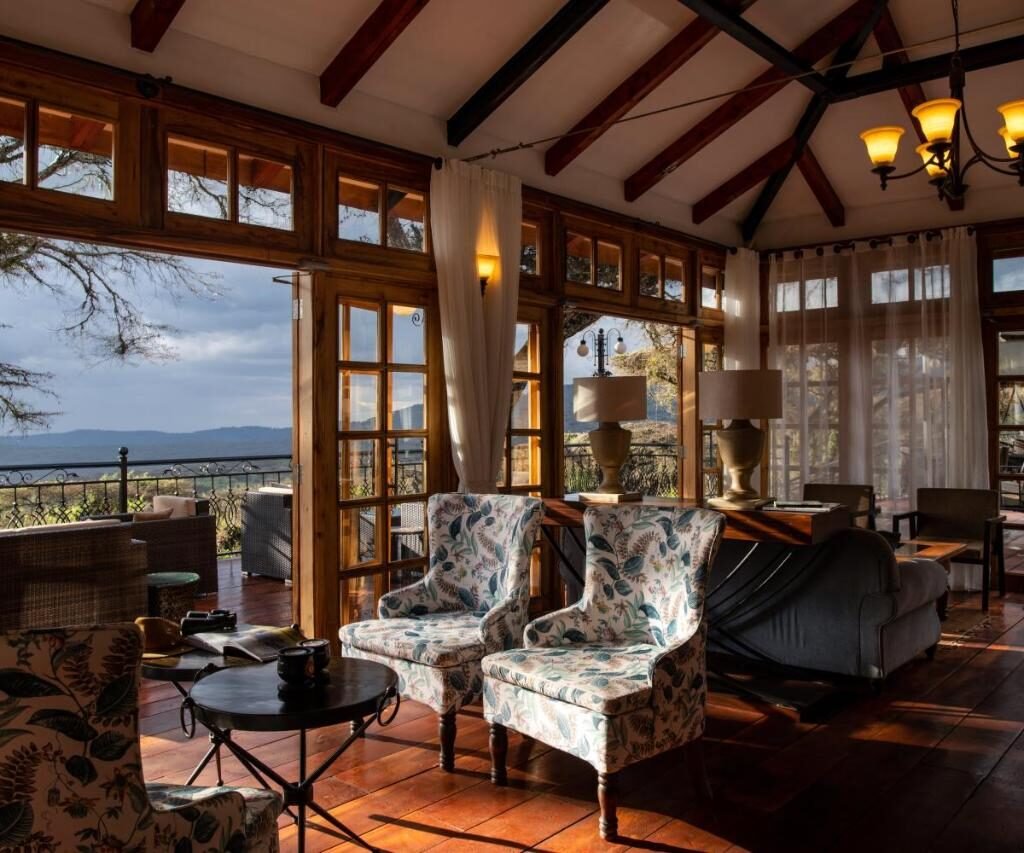
The Raw Side of Nature
With so many vulnerable calves, predators hunt often in February, and you may witness kills. For some travellers this is the most powerful part of the safari, while others prefer to look away. Your guide will talk you through what is happening, and families can discuss with us how to approach these moments with children.
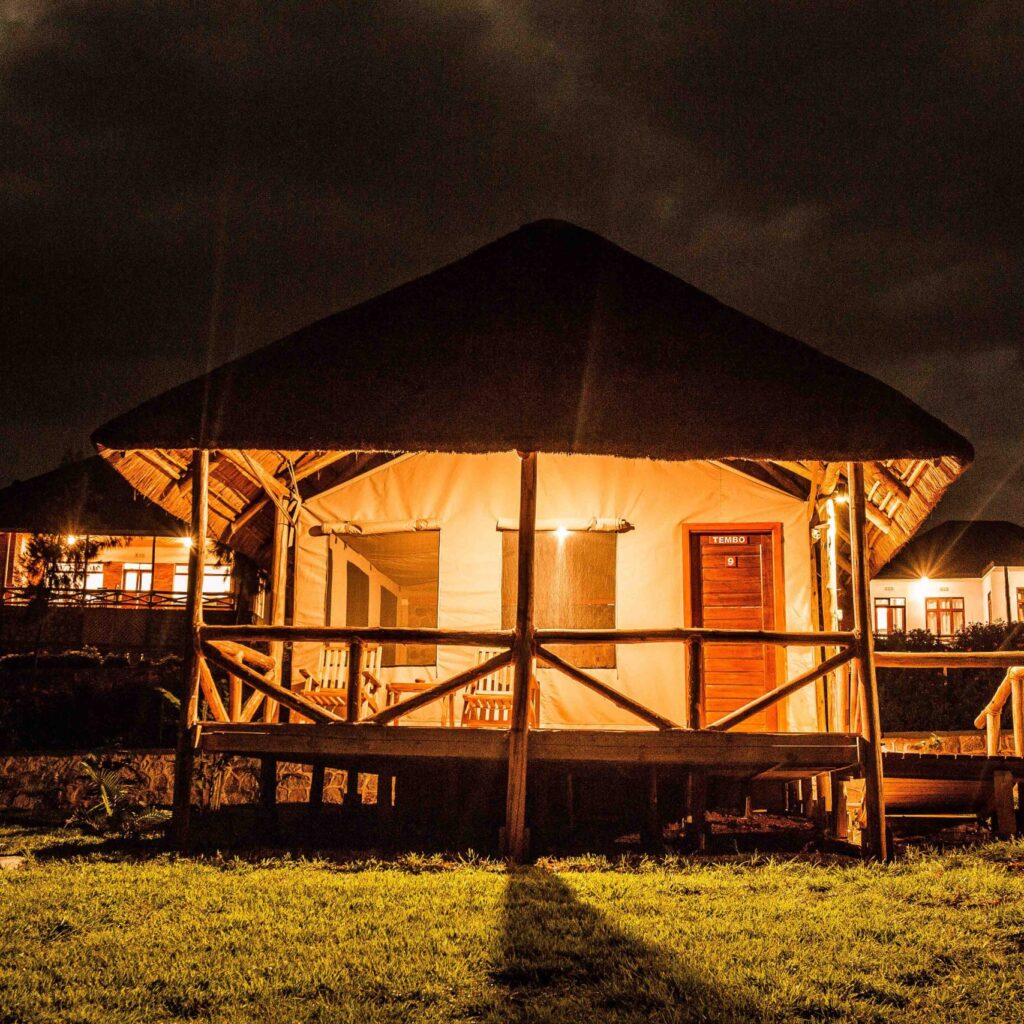
Hot Sun and Afternoon Storms
February days are often hot, about 26–30 °C, with little shade on the open plains. Afternoon thunderstorms can build, especially later in the month, sometimes making black cotton soil tracks slippery for a while. Your guide picks reliable routes, and a hat, sunscreen, water and a light rain jacket keep you comfortable throughout the day.
Park Rules and Calving Etiquette
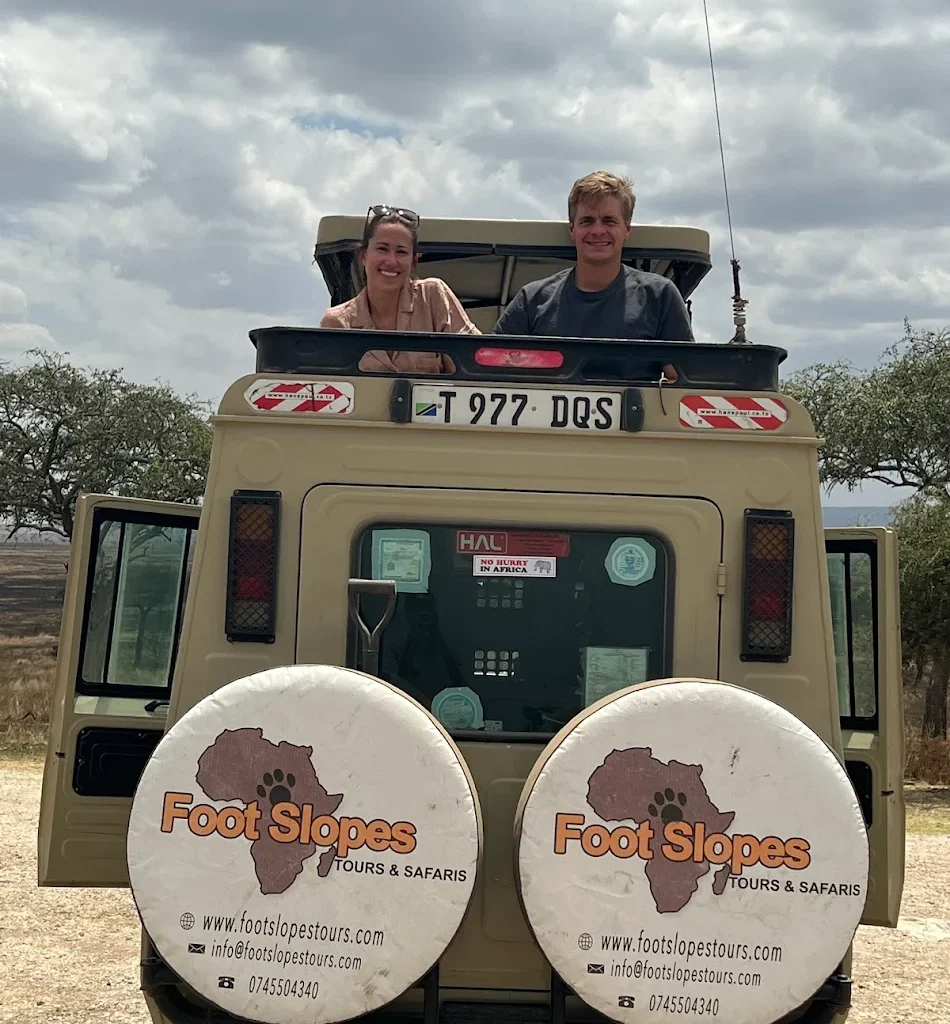
Serengeti National Park rules keep vehicles on the tracks in most areas, and night drives are not allowed. Ndutu lies in the Ngorongoro Conservation Area, which has its own fees and regulations. During calving our guides keep a respectful distance, switch off engines and never separate a mother from her newborn calf. These rules protect young animals.
Busy Seasonal Camps Near the Herds
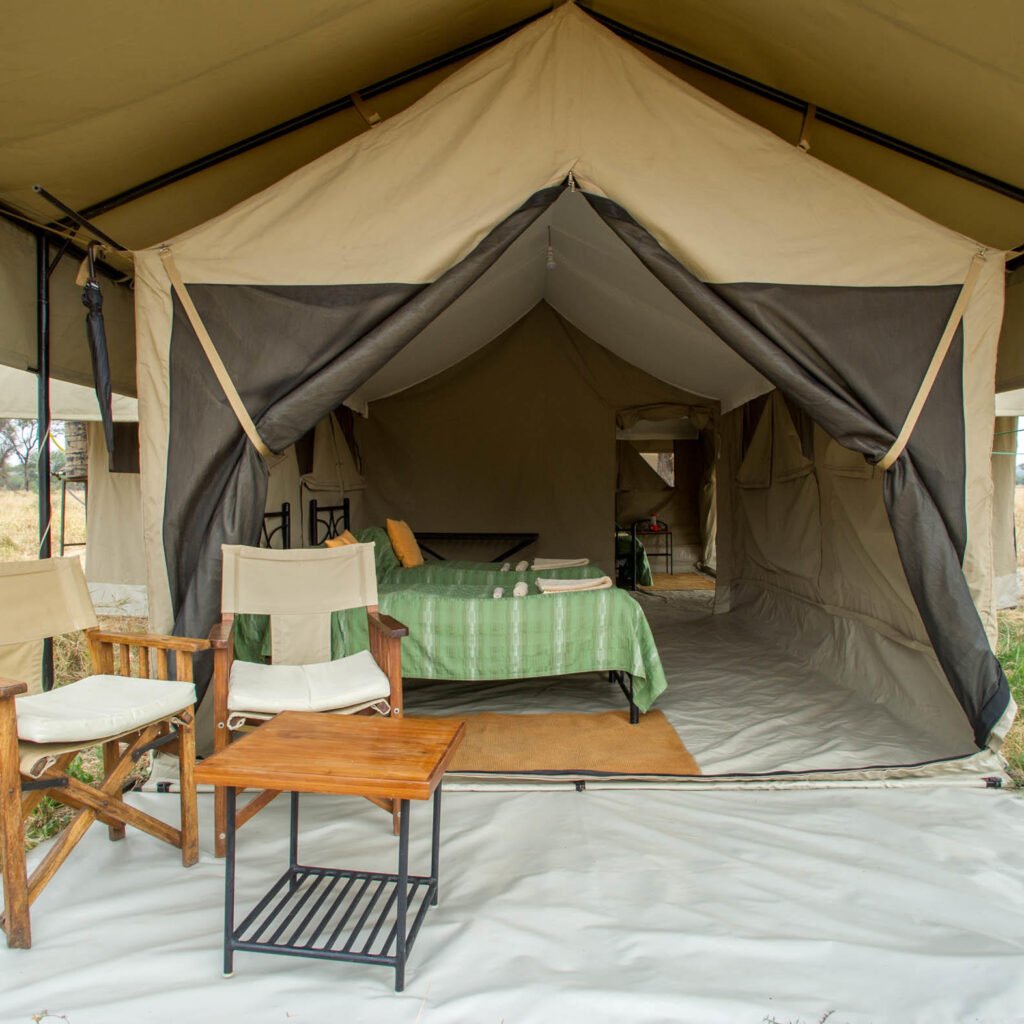
February is the busiest month for camps in the Ndutu area and southern Serengeti. Seasonal and mobile tented camps are set up close to the calving grounds, and permanent options such as Lake Masek Tented Lodge are in high demand. The best-located camps often book out a year ahead, so plan early. Ask us which camps suit your dates.
Serengeti Crowds in February
February brings the busiest calving demand of the year, so Ndutu and the southern plains are very busy, and a cheetah hunt or birth near the track can attract a cluster of vehicles. Away from the calving grounds, the picture changes quickly. Seronera is moderately busy, Moru Kopjes and the Gol Kopjes feel quieter, and the Western Corridor and northern Serengeti are very quiet. Your private vehicle gives you the freedom to leave a crowded sighting, explore side areas and stay out through midday, when many vehicles return to camp. Early starts make a real difference. Patience helps too.
- Ndutu & southVery busy
- SeroneraModerate
- Moru KopjesQuiet
- Gol KopjesQuiet
- Western CorridorVery quiet
- Northern SerengetiVery quiet
Is February the Best Time to Visit the Serengeti?
Is February the best time to visit the Serengeti? If calving is your priority, it usually is. Births typically peak over roughly three weeks around February, and predator activity is at its height. Timing within the month still matters. Early February often sees births gathering pace, mid-February is usually the peak, and late February offers stronger calves and more storms. Because the exact peak shifts each year with the rains, we suggest four or five nights in the south. For Mara River crossings, choose July to October instead, and for quieter calving consider late January. Both months are rewarding.
Serengeti in February: Pros and Cons
February offers the most celebrated wildlife spectacle of the Serengeti year, but it is not without trade-offs. Its strengths are peak calving, intense predator action and huge, settled herds in warm, mostly dry weather. Its drawbacks are the highest demand of the calving season, very busy sightings around Ndutu and the raw reality of predation, plus storms late in the month. Weighing these points against your budget, dates and interests helps you decide whether February is the right month for your private safari or whether late January suits you better. Each tab includes four quick takeaways to compare.
The Calving Season at Its Height
February usually brings the peak of calving, when most wildebeest give birth within roughly three weeks. Births happen every day across the southern plains, so your chances of witnessing one are excellent. It is a rare opportunity to see new life on this scale, and one of the great wildlife events in Africa. Bring binoculars for distant births.
- Births every day
- Newborn calves everywhere
- Excellent chances
- A unique spectacle
Outstanding Predator Action
Abundant, vulnerable prey draws lions, cheetahs and hyenas to the herds, and the short grass leaves little cover for hunting. Chases are easier to see than at almost any other time of year. For photographers and keen wildlife watchers, February offers some of the most dramatic predator viewing anywhere in the Serengeti ecosystem. Patience is always rewarded.
- Frequent hunts
- Cheetahs on open plains
- Lions near the herds
- Superb photography
Warm, Mostly Dry and Green
February falls in the short dry spell, so days are warm and mostly sunny, with green plains after the short rains. Storms are usually brief and add dramatic skies. Tracks are generally in good order, and the weather pairs well with hot, sunny days on Zanzibar for a private bush and beach holiday. Green scenery adds to every photograph.
- Warm, sunny days
- Green plains
- Dramatic skies
- Easy beach add-on
Highest Demand of the Calving Season
February is the most requested calving month, so camps near Ndutu are in very high demand, and rates sit at their high-season level. The best-located seasonal camps often book out nine to twelve months ahead. Planning early secures your preferred camps, balloon flight and domestic flights, and keeps your options open. Waiting too long can limit your choices.
- Very high demand
- High-season rates
- Book nine to twelve months ahead
- Secure flights early
Very Busy Sightings at Ndutu
Because the calving herds draw almost every visitor to the south, Ndutu and the southern plains can feel busy, and a birth or cheetah hunt may gather several vehicles. Early starts, staying out through midday and exploring quieter areas with your private guide greatly reduce the crowding and protect the animals’ natural behaviour. Midday sightings are often quieter.
- Vehicles at big sightings
- Leave before sunrise
- Stay out at midday
- Explore quieter areas
Predation, Storms and Shifting Dates
The calving season is raw, and predation of young calves is common, which some travellers find hard to watch. Afternoon storms become more frequent late in the month. The peak also shifts each year with the rains, so allowing four or five nights in the south gives you a safer margin for the best viewing.
- Kills are common
- Late-month storms
- Peak dates vary
- Allow more nights
How Much Does a Serengeti Safari Cost in February?
How much does a Serengeti safari cost in February? A private Serengeti safari in February typically costs from about $200 to $2,500 per person per day, depending mostly on your accommodation style. February is high season, with the strongest calving demand of the year, so camps near Ndutu book out early. Your private vehicle, guide, park fees and meals are usually included, with exact inclusions confirmed in your quote. The ranges below come from our own price list and show what each style of safari offers. Ask us for a detailed quote for your February dates.
Budget Camping Safari
$200 – $390per person per day
A budget camping safari lets you experience the February calving season at the lowest cost. You sleep in sturdy tents at public campsites, your cook prepares fresh meals, and you travel in your own private 4x4 with your guide. It suits adventurous travellers who care most about time with the herds and predators. Simple camping keeps the cost down.
- Public campsites
- Private vehicle and guide
- Fresh camp meals
- Lowest cost
Mobile Tented Camp Safari
$550 – $590per person per day
Mobile tented camps are set up in the Ndutu area and on the southern plains for the calving season, so you sleep close to the herds. They combine comfortable tents with a real bush atmosphere and the sounds of the plains after dark. In February this is one of the most sought-after styles, so book early.
- Close to calving herds
- Seasonal locations
- Real bush feel
- Very popular in February
Lodge Safari
$590 – $750per person per day
A lodge safari uses permanent lodges with solid rooms, such as in the south-central Serengeti or the Ngorongoro highlands on the way. It suits travellers who prefer set facilities over canvas. In February we choose lodges that still let you reach the calving plains each day without spending too long on the road. It is a comfortable, reliable choice.
- Permanent lodges
- Solid rooms
- Reach the calving plains
- Good mid-range value
Tented Lodge Safari
$590 – $990per person per day
A tented lodge safari offers the feel of canvas with permanent comfort, and it is a favourite choice in February. Tented lodges near Lake Masek and Ndutu put you within easy reach of the calving herds, while others sit in the central Serengeti. Rates depend on location, season and the standard of comfort you choose.
- Canvas with comfort
- Near the calving herds
- Favourite in February
- Range of standards
High-End Luxury Safari
$990 – $2,500per person per day
A high-end luxury safari combines the finest camps and lodges with seamless travel, often including flights to the Ndutu or Seronera airstrips. In February luxury mobile camps are positioned near the calving grounds, giving prime access with exceptional service. It suits honeymoons, celebrations and travellers who want the very best throughout. Every detail is arranged for you.
- Finest camps
- Fly-in options
- Prime calving locations
- Exceptional service
Park Fees and Optional Extras
Serengeti park and concession fees are charged per person per 24 hours, and Ndutu falls under Ngorongoro Conservation Area fees, which matters in February when most nights are spent there. These are normally built into your quote. Optional extras include a hot air balloon safari, domestic flights, tips, visas and travel insurance. We show every item clearly in your quote.
- Park fees per 24 hours
- NCA fees at Ndutu
- Balloon and flights
- Tips, visas, insurance
Serengeti Safari Packages for February
The best Serengeti safari packages for February put the calving season first, with several nights around Ndutu and the southern plains. Each itinerary below is a starting point for a private tailor-made safari, which we adapt to your dates, budget and interests. Choose a dedicated calving safari, a longer migration journey, a fly-in luxury trip or a bush and beach holiday with Zanzibar. Every package includes your own guide and 4x4, and the flexibility to follow the herds. Each tab shows the duration and who the safari suits, with a link to the full itinerary.
7-Day Ndutu Calving Season Safari
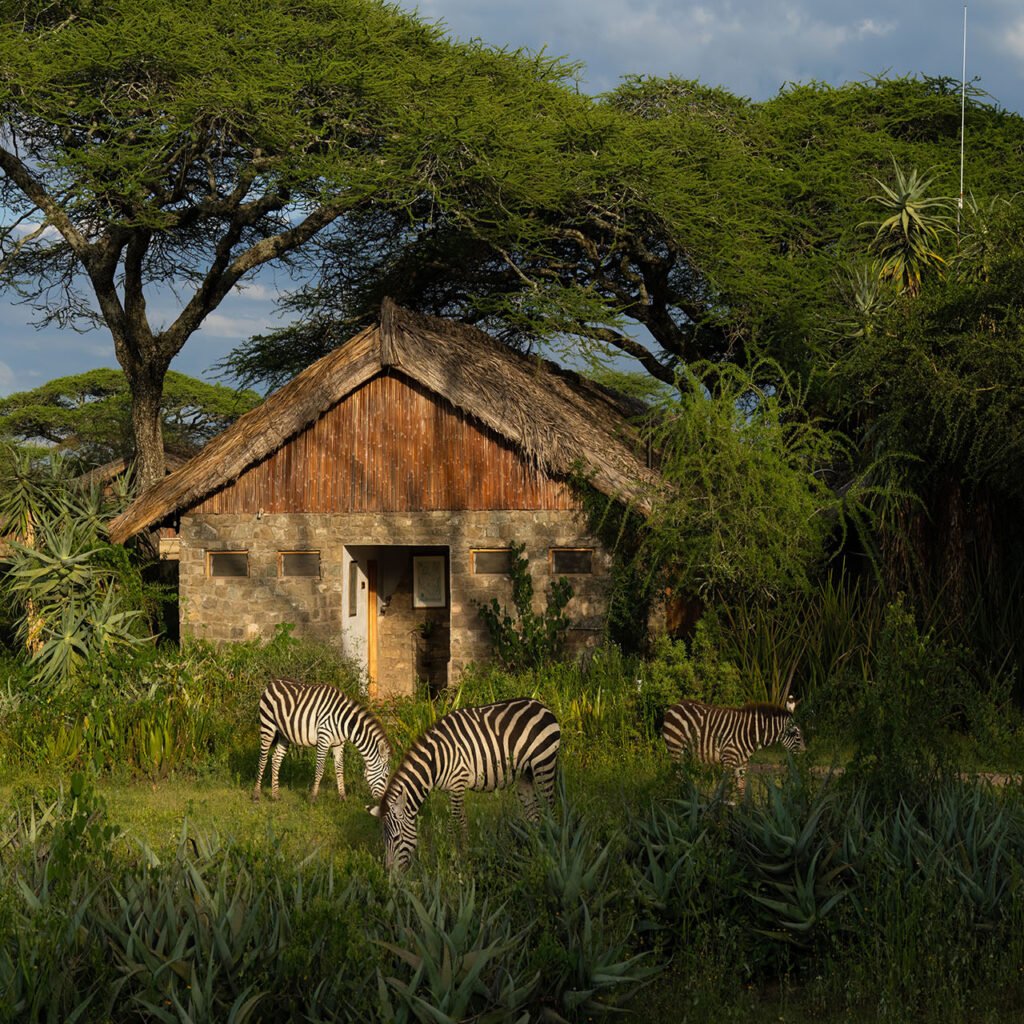
The 7-Day Ndutu Calving Season Safari is our most natural fit for February, focusing on the southern plains where births usually peak. It gives you time to watch the herds, newborn calves and predators without rushing. We tailor the camps, pace and any extra nights to your dates and preferred comfort level. Camps near the herds book early.
View This Safari →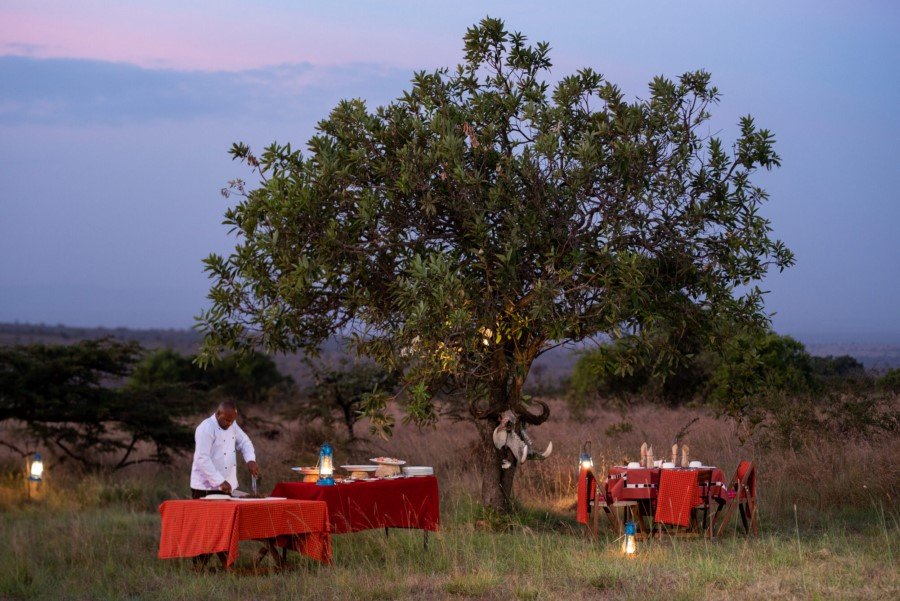
8-Day Migration Calving Season Safari
The 8-Day Migration Calving Season safari is a mid-range itinerary designed for January to March, which places February right at its centre. The extra day adds flexibility to follow the herds as they move with the rain. It suits travellers who want good value, comfortable stays and plenty of calving action. Mid-range camps keep it good value.
View This Safari →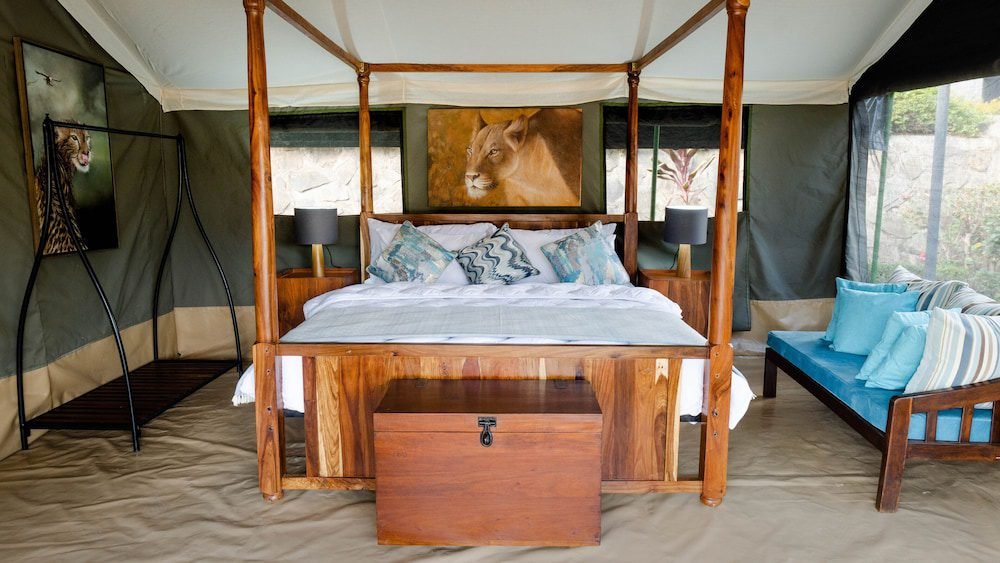
8-Day Serengeti Wildebeest Migration Safari
The 8-Day Serengeti Wildebeest Migration Safari is a well-rounded choice for February, with time for the calving herds in the south and resident wildlife in the central Serengeti. We adjust each day to where the herds are grazing. It suits travellers who want both the migration and a broader Serengeti experience. Zanzibar can be added at the end.
View This Safari →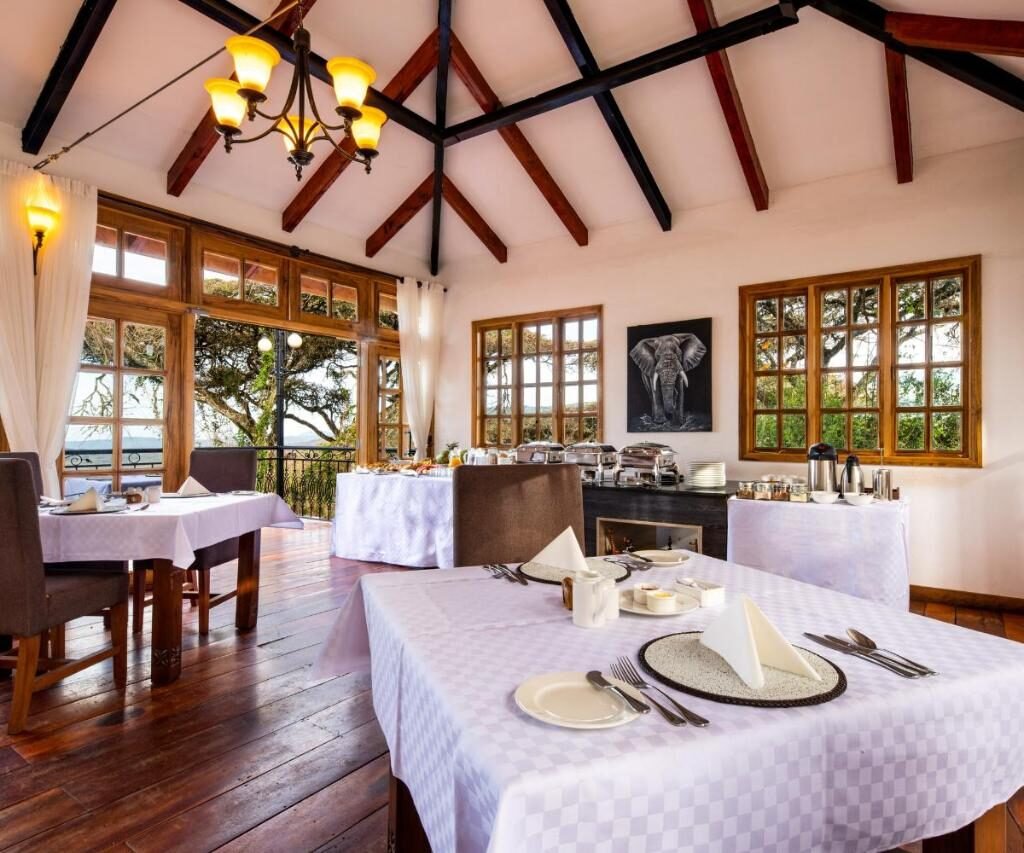
11-Day Serengeti Wildebeest Migration Safari
The 11-Day Serengeti Wildebeest Migration Safari suits travellers who want an unhurried, in-depth February safari. Extra days give a generous margin for the calving peak, more time for predator viewing and room to add other highlights of northern Tanzania. It is a good choice for keen photographers and returning safari travellers. Lake Natron or Zanzibar can be added.
View This Safari →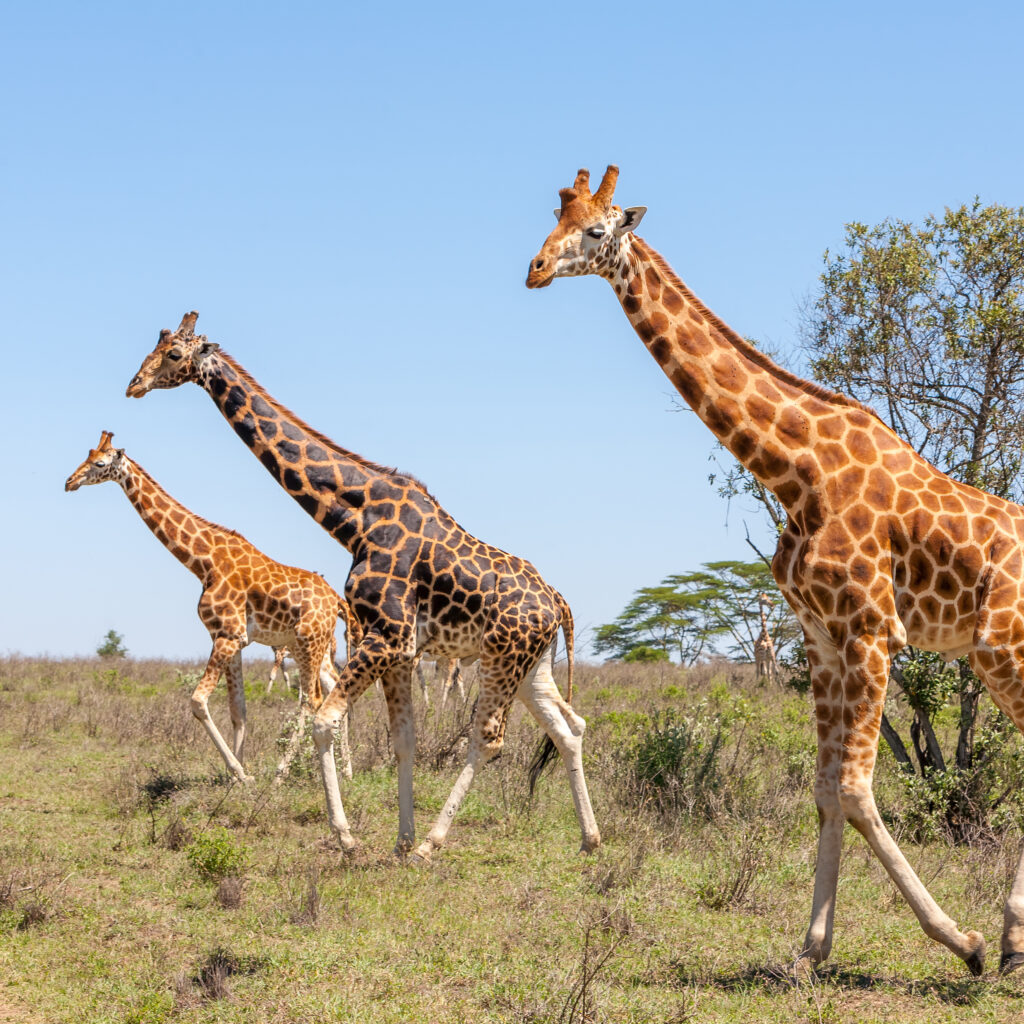
5-Day Fly-in Fly-out Serengeti Luxury Safari
The 5-Day Fly-in Fly-out Serengeti Luxury Safari saves long road journeys, so more of your time is spent with the calving herds. Light aircraft from Arusha reach Serengeti airstrips in about one to two hours. In February we can tailor it towards the south, pairing premium stays with prime access to the action. Soft bags suit light aircraft.
View This Safari →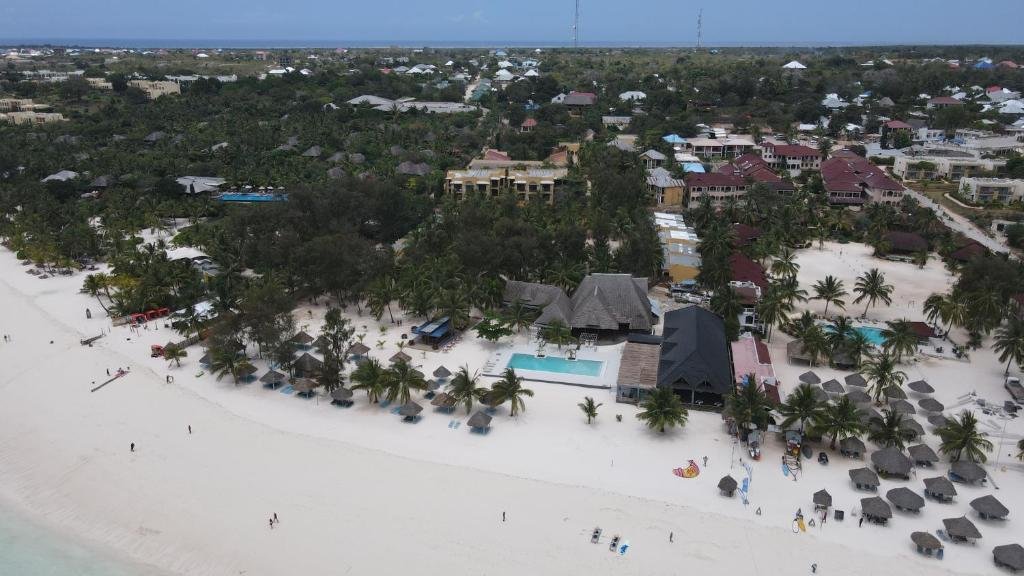
12-Day Serengeti Calving Safari & Zanzibar Beach Holiday
The 12-Day Serengeti Calving Safari and Zanzibar Beach Holiday pairs the peak of calving with time on the Indian Ocean. February is a superb month for it, as Zanzibar is usually hot and sunny while births peak on the southern plains. It suits couples and families who want wildlife drama and relaxation. It works well for a honeymoon too.
View This Safari →Where to Stay in the Serengeti in February
Where to stay in the Serengeti in February is one of the most important decisions you will make, because the calving herds are usually in the south and the best camps book out first. Seasonal and mobile tented camps in the Ndutu area, permanent tented lodges near Lake Masek and camps that move with the migration give the shortest drives to the action. Here are camps and lodges we often recommend for February, with each one’s location and style. Book as early as you can, ideally nine to twelve months ahead.
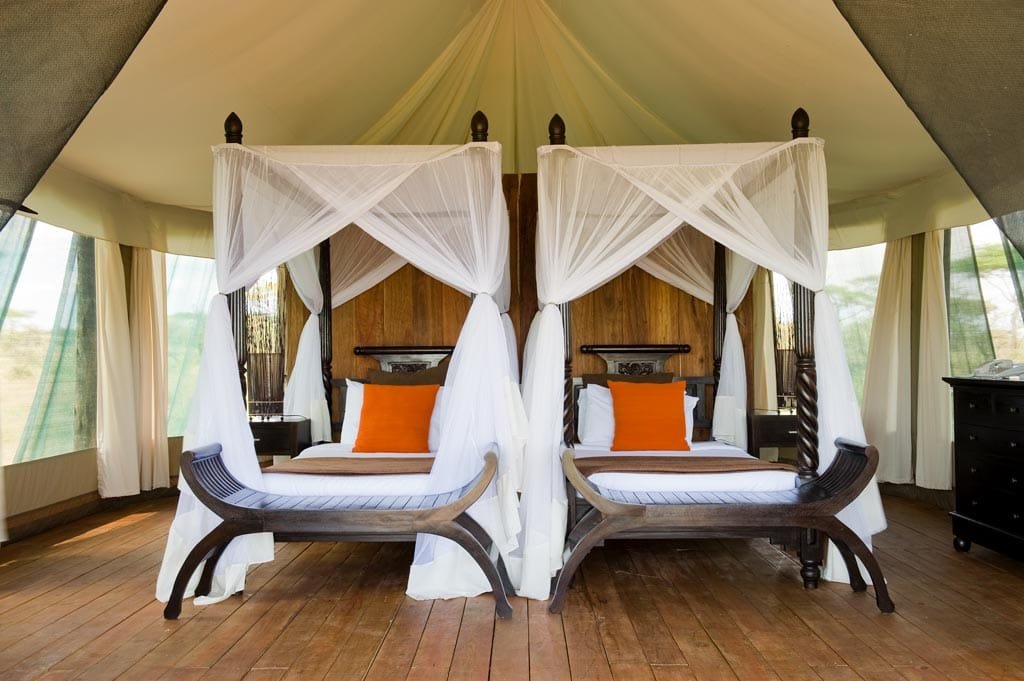
Lake Masek Tented Lodge
Lake Masek Tented Lodge overlooks Lake Masek in the Ndutu area, close to the plains where calving usually peaks in February. As a permanent tented lodge, it offers a dependable base during the busiest weeks of the season. Short drives to the herds leave more time for births, hunts and quiet moments with newborn calves.
View Lodge →
Ndutu Kati Kati Tented Camp
Ndutu Kati Kati Tented Camp is a seasonal camp in the Ndutu area, set up for the months when the migration is in the south. In February that puts you in the heart of the calving season. Early starts are easy, and evenings around camp come with the sounds of the herds and predators nearby.
View Camp →
Ndutu Under Canvas Tented Camp
Ndutu Under Canvas is a seasonal mobile tented camp positioned in the Ndutu area for the calving months. In February it offers an authentic canvas stay among the short-grass plains, close to the births and predator action. It suits travellers who want to feel fully immersed in the wilderness during the most exciting weeks. Book early for February.
View Camp →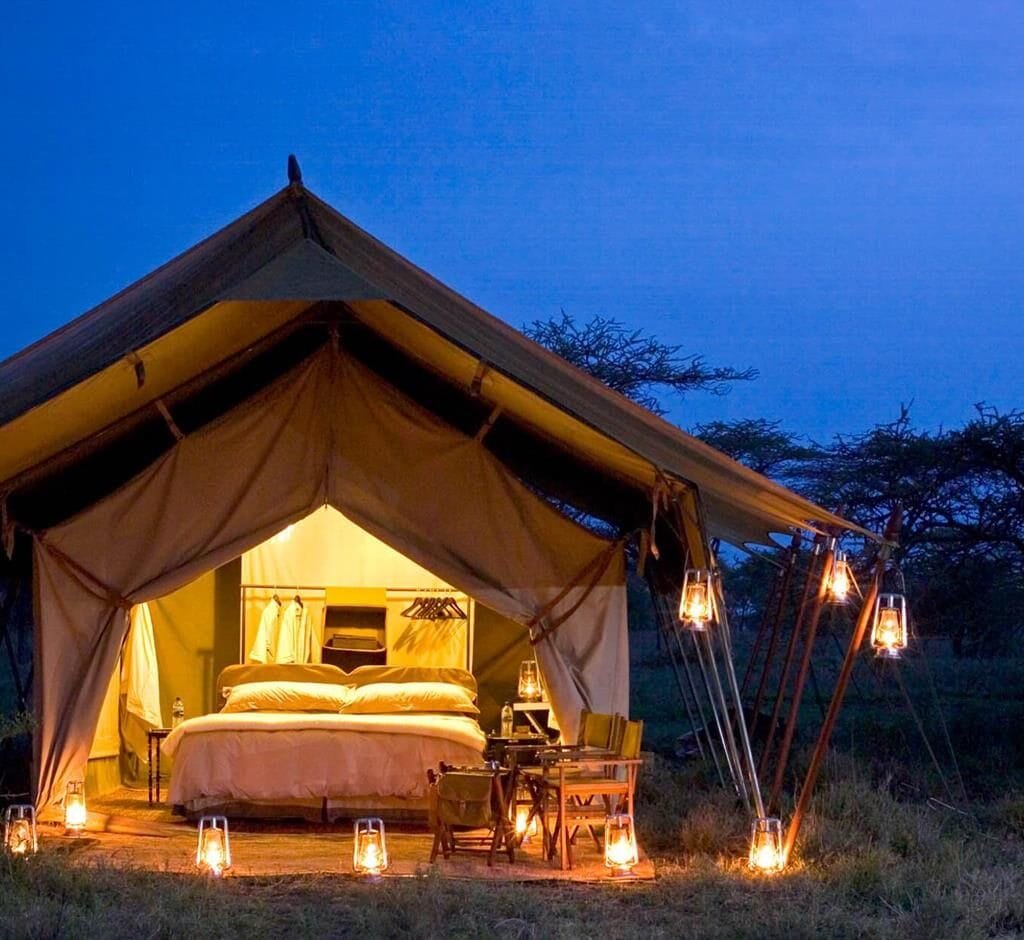
andBeyond Serengeti Under Canvas
andBeyond Serengeti Under Canvas is a luxury mobile camp that moves through the year to follow the migration. In February it is usually positioned within reach of the calving herds in the south, so you wake close to the action. It pairs premium comfort with the flexibility of a camp that follows the wildebeest. Ask us where it will be.
View Camp →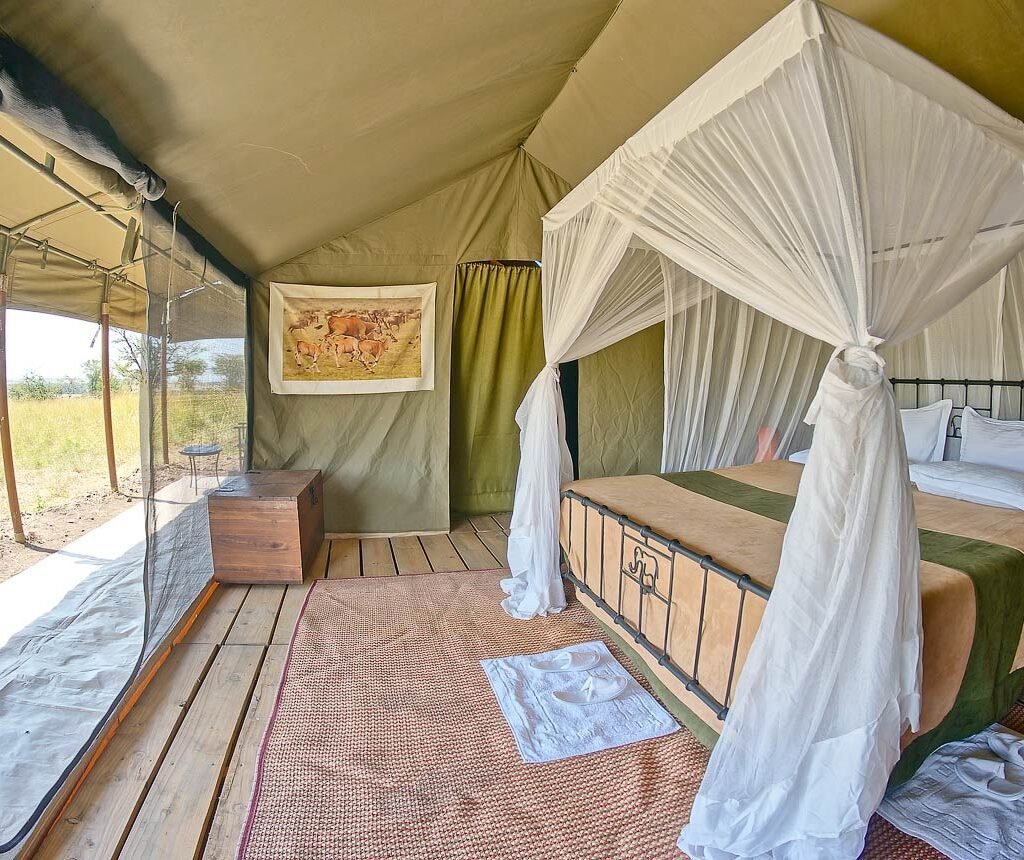
Angata Migration Camp
Angata Migration Camp is a seasonal camp that changes location to stay near the herds. During the calving season it is set up within reach of the southern plains, which makes it a strong choice for February. It combines a comfortable tented stay with short drives to wherever the wildebeest are grazing and calving. Ask us about its location.
View Camp →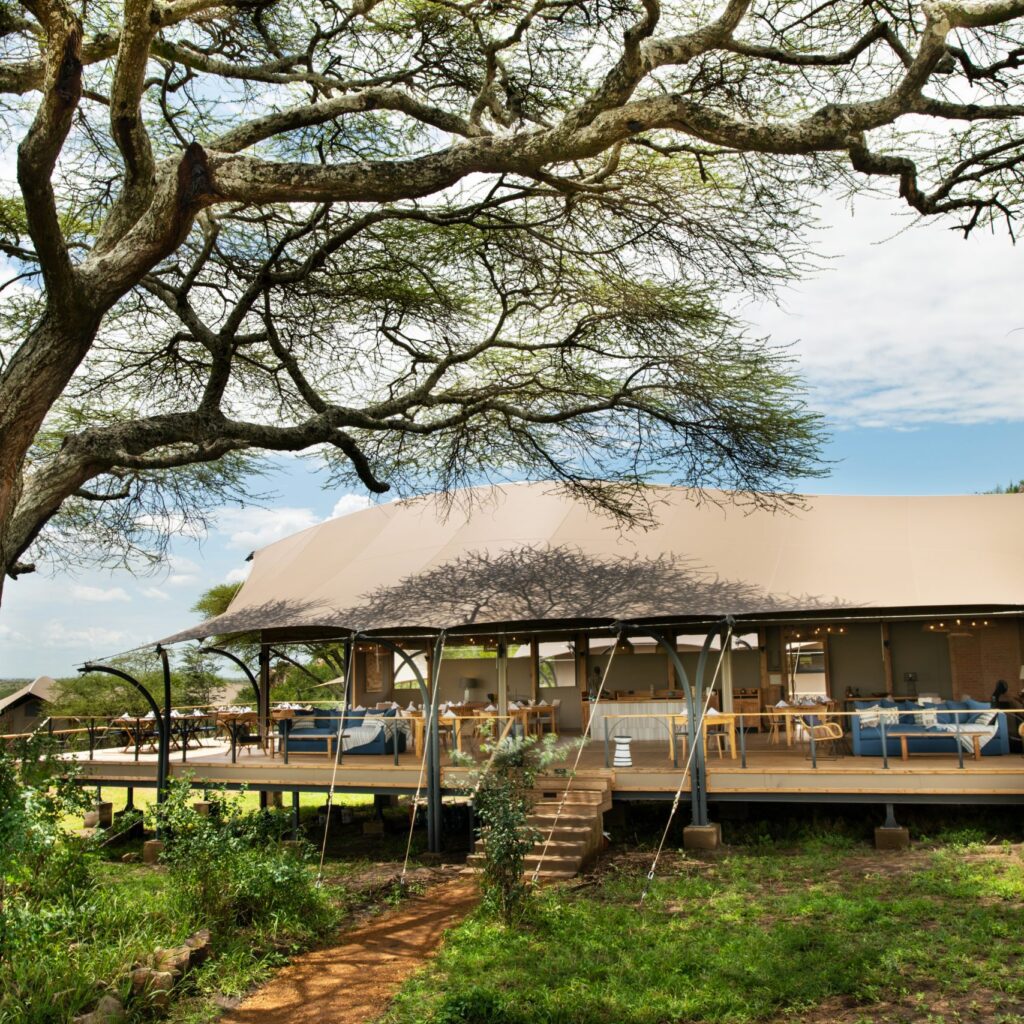
Lemala Nanyukie Lodge
Lemala Nanyukie Lodge lies in the eastern and central Serengeti, a useful base if you want to combine the calving season with time at the Gol Kopjes and around Seronera. It suits travellers who prefer a permanent lodge and plan to split their February safari between the southern plains and the central park. It also suits families.
View Lodge →Combine the Serengeti with Other Destinations in February
February is a superb month to combine the Serengeti calving season with other highlights of northern Tanzania. The Ngorongoro Crater lies on the road to Ndutu, Lake Manyara and Arusha National Park make easy additions, and remote Lake Natron offers dramatic Rift Valley scenery. Zanzibar is hot and sunny, and Kilimanjaro is still in its warm dry window. Choose from the options below, and we will link them with your Serengeti days in one smooth private itinerary. Each option lists its highlight and how many nights to allow, so you can balance wildlife, scenery and rest.
Ngorongoro Crater
The Ngorongoro Crater sits on the road between Arusha and Ndutu, so it fits naturally into a February calving safari. The crater floor is green and home to buffalo, zebra, lions and hyenas, and it is the best place in the region to look for black rhino, which are rarely seen in the Serengeti. Arrive early for quieter viewing.
Explore Ngorongoro Crater →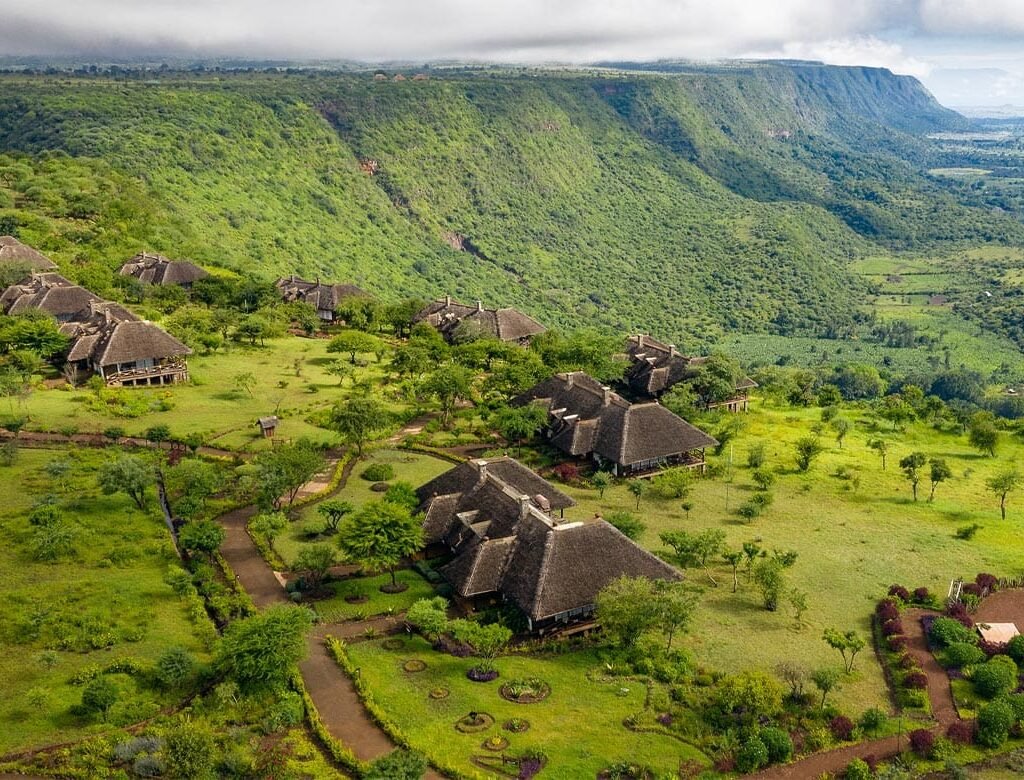
Lake Manyara National Park
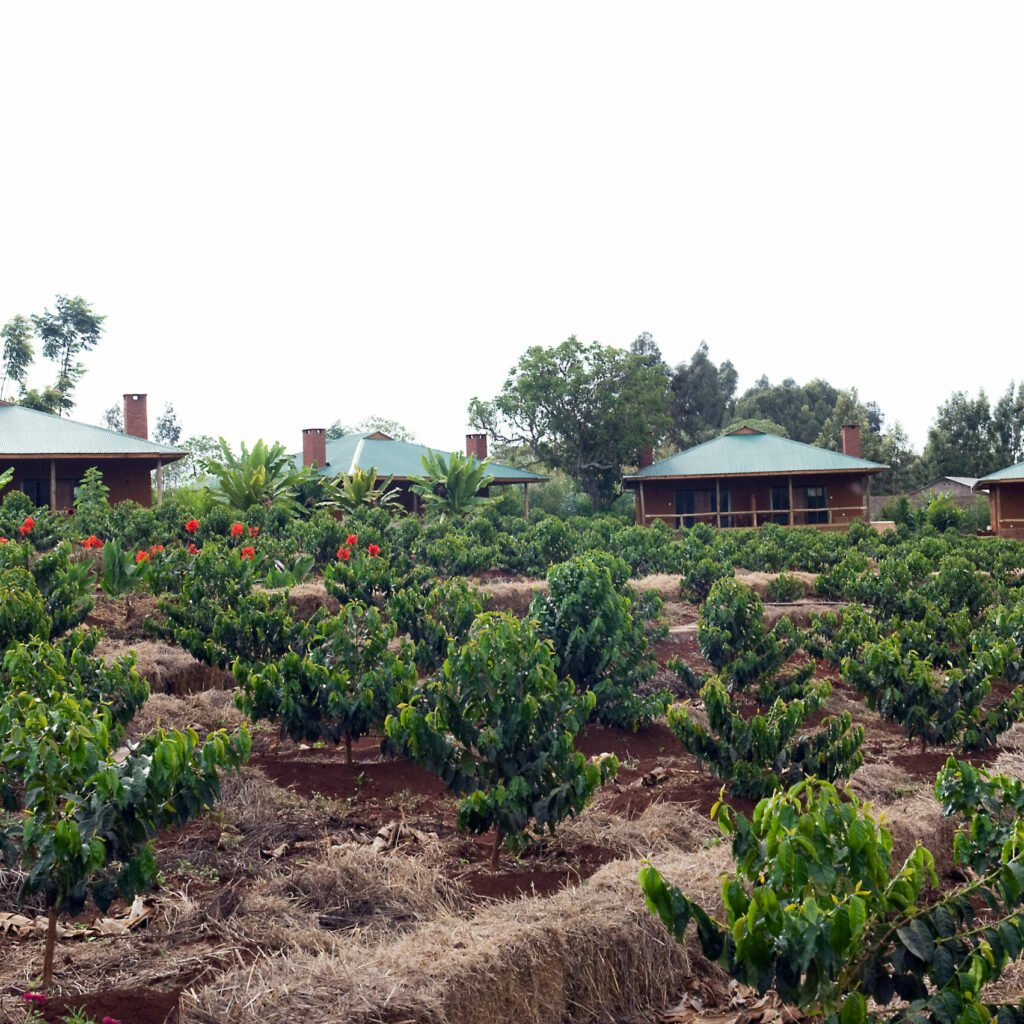
Lake Manyara National Park lies beneath the Rift Valley escarpment on the main road west, so it is easy to add on the way to the Serengeti. In February its groundwater forest is green and the lake shore attracts water birds, while elephants, baboons and giraffes are regular sightings. Allow a half or full day.
Explore Lake Manyara →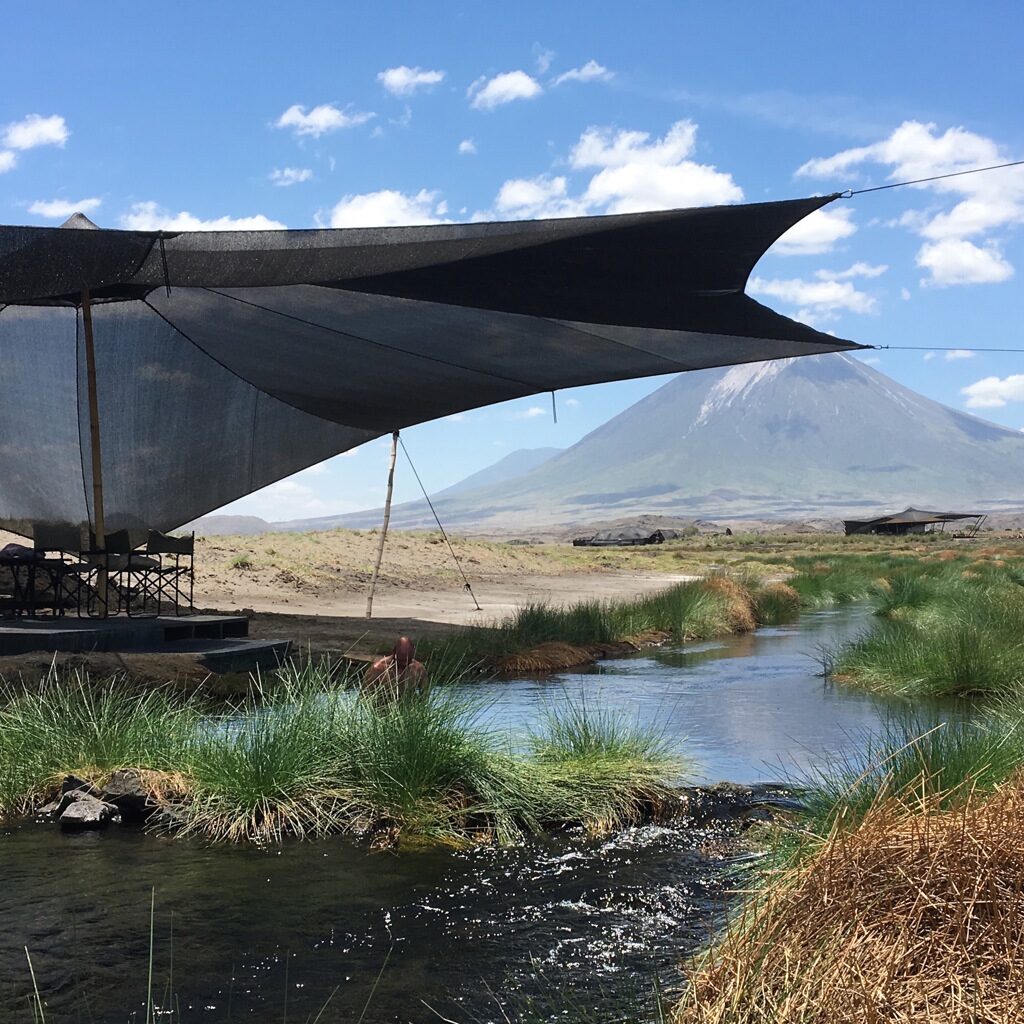
Lake Natron and the Rift Valley
Lake Natron is a remote soda lake in the Rift Valley north-east of the Serengeti, with stark, dramatic landscapes unlike anywhere else on your route. It suits travellers who want adventure and solitude after the busy calving plains. We plan the route and timing carefully, as roads in this area are rough and remote. Pack plenty of water.
Explore Lake Natron →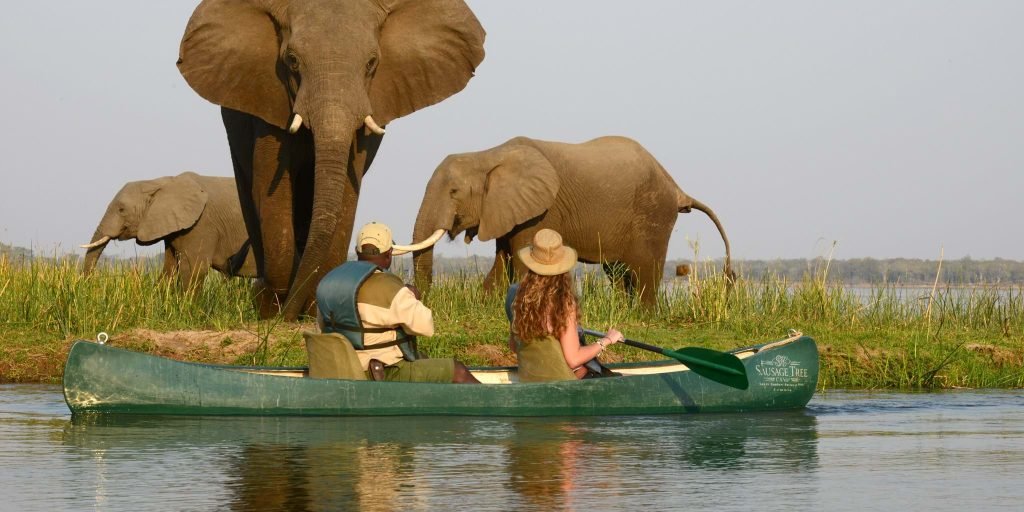
Arusha National Park
Arusha National Park is a short drive from Arusha and makes a relaxed first or last day around your Serengeti safari. In February it is green and peaceful, with giraffes, buffalo and colobus monkeys among forest and lakes. It is ideal if you arrive early, or have a free day before an international flight home.
Explore Arusha National Park →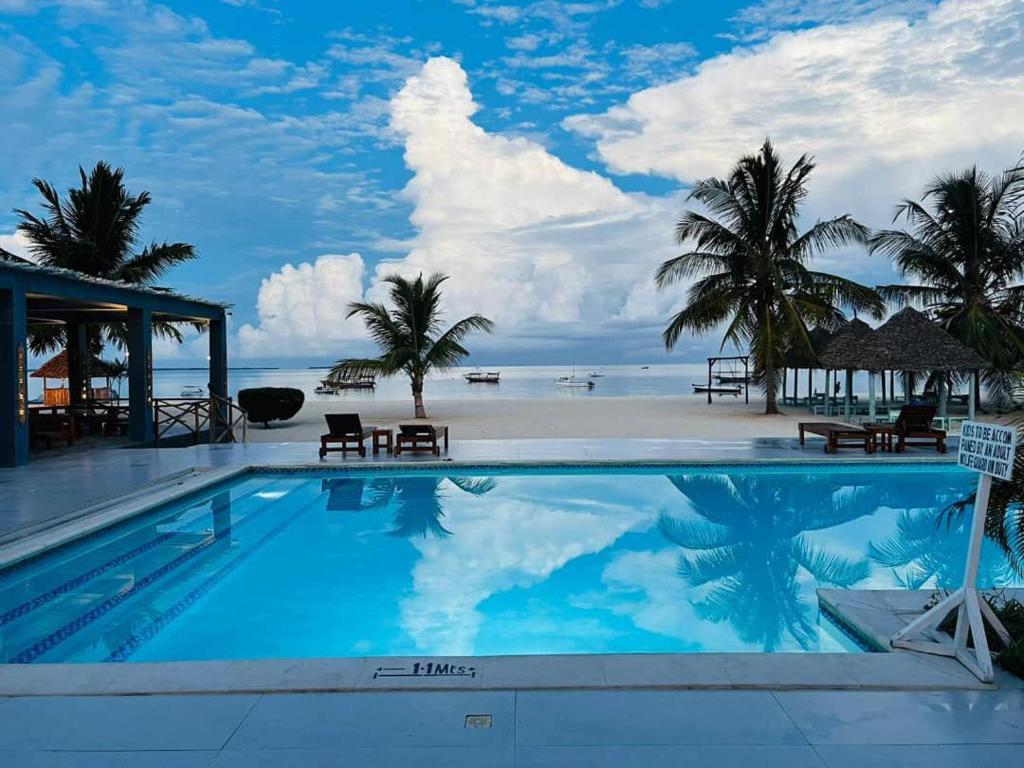
Zanzibar Beach Holiday
Zanzibar is usually hot and sunny in February, with warm seas that suit swimming and snorkelling. After intense days in the calving season, a few nights on white-sand beaches are a perfect way to unwind. A short flight from the Serengeti or Arusha links the island to your safari, and Stone Town adds history. Beach hotels fill early.
Explore Zanzibar Holidays →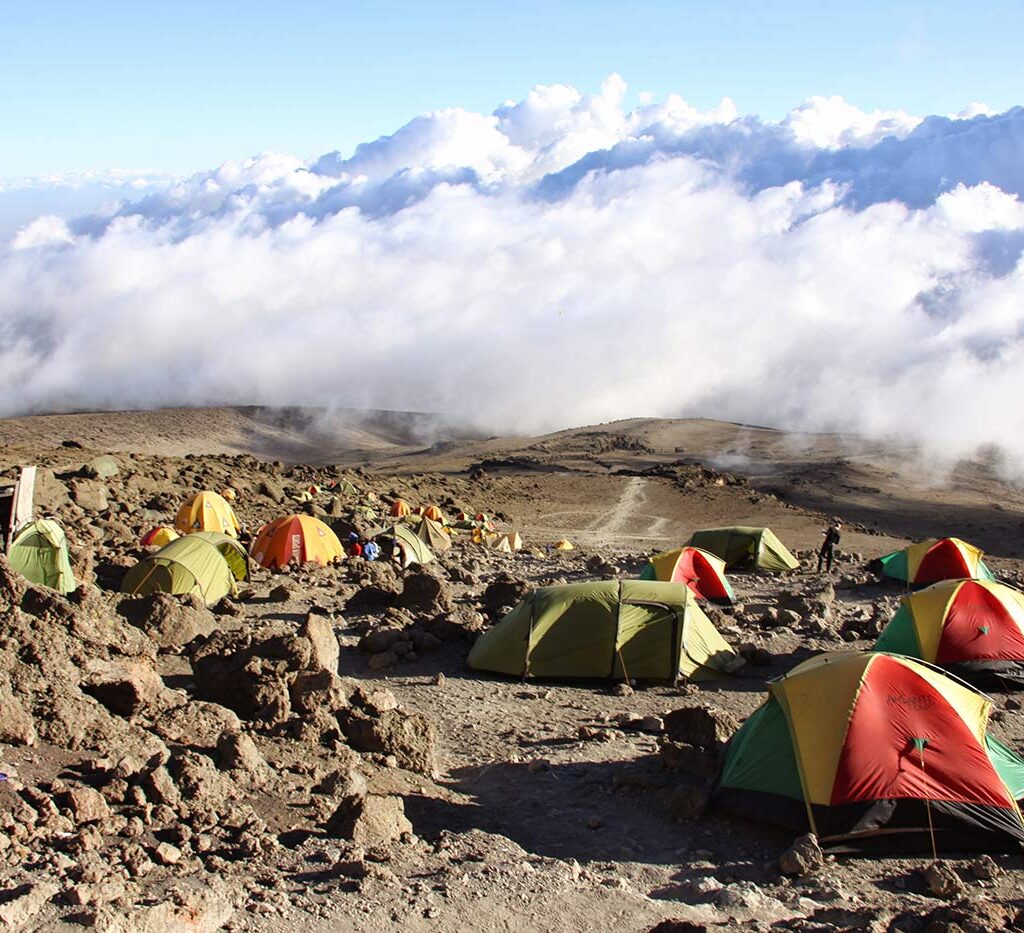
Climb Kilimanjaro in February
February is still in Kilimanjaro’s warm short dry season, so it is a good month to climb before or after your calving safari. Trails are usually dry and mornings often clear. Our Kilimanjaro in February guide explains routes, weather and preparation, and we plan every transfer between mountain, safari and beach for you. Allow six to eight days.
Kilimanjaro in February →Serengeti Travel Tips for February
A few smart decisions make a Serengeti safari in February far more rewarding. Because this is the busiest calving month, booking early comes first, followed by allowing enough nights in the south to cover the peak. It also helps to plan your days around early starts, prepare for heat and storms, think about how you will feel watching predation, and bring the right camera gear. These tips come from our Arusha-based guides, who spend every calving season on the southern plains. Each tab ends with four quick reminders to keep in mind.
Reserve Nine to Twelve Months Ahead
February is the most requested month for calving, and seasonal camps in the Ndutu area have limited tents. Reserving nine to twelve months ahead gives you the best choice of camps, flights and balloon dates. If your dates are flexible, tell us, as a small shift can open up better options near the herds. Flights fill quickly too.
- Book nine to twelve months ahead
- Secure Ndutu camps first
- Reserve balloon flights
- Share flexible dates
Allow Four or Five Nights in the South
The calving peak shifts each year with the rains, and the herds move locally across the plains. Four or five nights around Ndutu and the southern plains give your guide time to find births, predators and the densest herds. This margin is the simplest way to improve your chances of seeing the peak. Add Seronera if time allows.
- Four or five nights in the south
- Margin for timing
- More births and hunts
- Flexible daily plans
Be on the Plains at First Light
Many births and hunts happen in the cool of the early morning, so leaving camp before sunrise pays off in February. You also reach the herds before most other vehicles. Pack a picnic and stay out through midday, when sightings are often quieter, then rest in camp later if you need a break. Ask camp for an early breakfast.
- Leave before sunrise
- Pack a picnic
- Stay out at midday
- Rest when needed
Prepare for Heat and Storms
February is one of the hottest months, and the open plains have little shade. Wear a wide-brimmed hat, sunglasses and high-factor sunscreen, and drink plenty of water. Afternoon storms become more likely late in the month, so keep a light rain jacket in the vehicle and a fleece for fresh early mornings. Lip balm with sun protection also helps.
- Wide-brimmed hat
- High-factor sunscreen
- Plenty of water
- Light rain jacket
Be Ready for the Raw Side of Nature
Predation is part of the calving season, and you may see young calves taken by lions, cheetahs or hyenas. Talk with your guide about how you would like to handle these moments, especially if you are travelling with children. Our family safari team can help you plan a February trip that suits everyone. Every moment is part of nature.
- Expect predation
- Talk with your guide
- Plan for children
- Choose your pace
Bring the Right Camera Gear
February action can be fast, from a calf’s first steps to a cheetah sprint across the grass. A telephoto lens, fast memory cards and spare batteries help you capture it. A wide lens suits the herds and storm skies, and a beanbag steadies your camera on the vehicle window during long sightings. Back up your images each evening.
- Telephoto lens
- Spare batteries and cards
- Wide lens for herds
- Beanbag support
What to Pack for the Serengeti in February
Packing for the Serengeti in February means preparing for hot, sunny days on the open plains, fresh early mornings and the occasional afternoon storm. Choose light, breathable clothing in neutral colours such as khaki, olive or beige, and avoid dark blue and black, which attract tsetse flies in some wooded areas. Add a warm fleece for dawn drives, a packable rain jacket and strong sun protection. Photographers should bring spare batteries and memory cards for long calving sightings. If you fly between airstrips, use a soft duffel bag within the light-aircraft baggage limit. Pack light, as space is limited.
- Light, neutral clothing
- Warm fleece for dawn drives
- Packable rain jacket
- Wide-brimmed hat and sunglasses
- High-factor sunscreen and lip balm
- Insect repellent
- Binoculars
- Telephoto lens and spare batteries
- Extra memory cards
- Soft duffel bag
- Personal medication
- Reusable water bottle
Events and Holidays in February
February has no fixed national public holidays in Tanzania, so the month is shaped mainly by nature. The greatest event is the Serengeti calving season, when births on the southern plains usually peak over roughly three weeks. Predator activity rises with the number of newborn calves, and Palearctic migrant birds remain present. Religious holidays such as Eid follow the lunar calendar and Easter moves each year, so their dates vary and some may fall near this time; check them for your travel year. Late in the month, storms become more frequent as the long rains approach in March.
- Early FebruaryCalving gathers paceBirths increase on the southern plains
- Usually mid-FebruaryCalving peakRoughly three weeks of intense births
- All monthMigrant birds presentStorks, raptors and rollers
- Varies each yearReligious holidaysEid and Easter dates change annually
- Late FebruaryStorms increaseLong rains usually begin around March
How to Get to the Serengeti in February
For a February calving safari, most travellers fly into Kilimanjaro International Airport, known as JRO, and spend a night in Arusha. From Arusha, the road runs through the Ngorongoro highlands into the Ngorongoro Conservation Area and on to Ndutu, a long but scenic day with game viewing along the way. Alternatively, light aircraft from Arusha Airport reach the Ndutu or Seronera airstrips in about 1–2 hours, giving you more time with the herds. Naabi Hill Gate is the main southern entrance to the national park. Many travellers drive in and fly out. We arrange every transfer for you.
- Fly into Kilimanjaro (JRO)International arrival; overnight in Arusha
- Meet your guide in ArushaBriefing, then start your private safari
- Drive via Ngorongoro to NdutuA full day through the highlands and NCA
- Or fly from Arusha (ARK)About 1–2 hours to Ndutu or Seronera airstrips
Serengeti Health and Safety in February
Malaria is present in the Serengeti all year, and February’s warmth and occasional storms suit mosquitoes, so prevention is essential. Ask a travel clinic about antimalarials, use repellent and cover up at dusk. Tsetse flies occur in some wooded areas, mainly in the west and north, so avoid dark blue and black clothing. A yellow fever certificate is needed only if you arrive from or transit through a risk country. February sun is strong, so drink bottled or filtered water and use sunscreen. Our guides are first-aid trained, and travel insurance including evacuation is strongly recommended. Stay well hydrated.
- Ask a travel clinic about antimalarials
- Use repellent and cover up at dusk
- Drink plenty of bottled or filtered water
- Use sunscreen and a hat
- Follow your guide at every sighting
- Stay in the vehicle unless advised
- Keep a distance from mothers and calves
- Get insurance with evacuation cover
How to Plan and Book a Serengeti Safari in February
Planning a Serengeti safari in February works best when you start early and follow a clear sequence. Because demand for the calving season is so high, dates and camps near Ndutu come first, then the rest of the route falls into place. Our Arusha-based team designs your itinerary, checks availability and arranges every transfer, flight and permit. Follow the six steps below to move from first idea to confirmed booking, and contact us at any stage for honest advice. Each step includes four quick checks and a useful link to help you.
Choose Your February Dates
Start by choosing when in February to travel. Births usually gather pace early in the month, peak around the middle and continue with stronger calves late in the month. Because the peak shifts each year with the rains, choose a stay that spans several days and keep a little flexibility in your plans. Our best time guide explains more.
- Early, mid or late February
- Mid-month for the peak
- Span several days
- Keep some flexibility
Pick Your Serengeti Areas
Next, choose your areas. In February most nights should be around Ndutu and the southern plains, with day trips to the Gol Kopjes or Moru Kopjes. Add Seronera for leopards and the Ngorongoro Crater on the way. Our Tanzania safari in February guide covers the other parks you could include. Allow time for every stop on the route.
- Ndutu and southern plains
- Gol or Moru Kopjes
- Seronera for leopards
- Ngorongoro Crater
Choose Your Camps and Lodges
Choose the safari style that suits your budget, from budget camping and mobile tented camps to tented lodges and high-end luxury. In February, seasonal camps near Ndutu offer the shortest drives to the calving herds. Tell us whether you prefer canvas or permanent rooms, and we will match camps to your dates. Every option includes your own guide.
- Pick a safari style
- Camps near Ndutu
- Canvas or permanent rooms
- Match your budget
Send Us Your Enquiry
Send us your preferred dates, number of travellers, interests and budget, and mention if calving is your main goal. Our Arusha-based planners reply with a tailor-made itinerary and a clear quote showing what is included. We are happy to refine the route, camps and pace until everything feels right for you. Questions are always welcome at any stage.
- Share dates and travellers
- Mention calving goals
- Receive a tailored itinerary
- Refine until it is right
Confirm and Book Your Safari
When you are happy with the plan, confirm your booking so we can secure your camps, flights and any balloon flight. A deposit is payable as set out in your booking confirmation. February camps near the calving herds are the first to fill, so confirming early protects your preferred dates and locations. Your confirmation lists every detail.
- Approve your itinerary
- Pay deposit as confirmed
- Camps and flights secured
- Confirm early for February
Prepare and Pack for Your Trip
Before you travel, arrange your visa, travel insurance and any vaccinations or antimalarials a travel clinic recommends. Pack light, neutral clothing, sun protection, a fleece, a rain jacket, binoculars and spare camera batteries in a soft bag. We send a final briefing, and your guide meets you on arrival in Tanzania. Then your calving adventure finally begins.
- Visa and insurance
- Travel clinic advice
- Pack a soft bag
- Final briefing from us
Serengeti Safari in February: FAQs
Where is the Great Migration in February?
In February the Great Migration is usually on the short-grass plains of the southern Serengeti and around Ndutu, in the Ngorongoro Conservation Area. This is the peak of the calving season, and the herds tend to stay in the south while the grazing lasts. Exact positions vary each year.
Is February a good time to visit the Serengeti?
Yes. February is usually the best time to see the Serengeti calving season, with births peaking over roughly three weeks and outstanding predator action. The weather is warm and mostly dry. It is the busiest calving month, so book camps near Ndutu well in advance.
When is the Serengeti calving season?
The Serengeti calving season usually runs from late January into March, with most births concentrated in roughly three weeks around February. Timing depends on the rains each year, so we recommend four or five nights on the southern plains to give yourself the best chance of the peak.
What is the Serengeti weather in February?
Serengeti weather in February is warm to hot and mostly dry, as the month falls in the short dry spell. Days are typically about 26–30 °C, with strong sun on the plains. Afternoon storms are possible, especially late in the month, before the long rains begin.
How much does a Serengeti safari cost in February?
A private Serengeti safari in February typically costs from about $200 to $2,500 per person per day, depending mostly on accommodation style. It is high season with peak calving demand. Your private vehicle, guide, park fees and meals are usually included, with exact inclusions confirmed in your quote.
How far ahead should I book a February Serengeti safari?
We recommend booking nine to twelve months ahead. February is the most requested calving month, and seasonal camps around Ndutu have limited space. Early booking also secures balloon flights and domestic flights, and gives you the widest choice of camps close to the herds.
Will I see predators hunting in February?
Your chances are excellent. Newborn calves draw lions, cheetahs and spotted hyenas, and the short grass makes hunts easier to see than at most times of year. Sightings are never guaranteed, but patient, full-day drives with your private guide give you the best opportunities.
Design Your Private February Serengeti Safari
Design your private Serengeti safari in February with our Arusha-based team. Tell us your dates and interests, and we will plan camps close to the calving herds, your own guide and 4x4, and any crater, Zanzibar or Kilimanjaro extension.
Plan My Private SafariView Serengeti Safaris