
By the Foot Slopes Tours and Safaris team
Written by our Arusha-based safari guides and private safari planners from first-hand experience in the Serengeti.
The Serengeti in September is the heart of the long dry season, and one of the most exciting months to visit. The Great Migration herds are usually in the northern Serengeti around Kogatende and the Lamai Triangle, where Mara River crossings typically continue at their peak. Days are dry, sunny and slightly warmer than in August, the grass is short and golden, and lions, leopards and cheetahs are easy to find. Crowds begin to ease once the European summer holidays end. This guide covers weather, wildlife, areas, camps, costs and tips for a private tailor-made Serengeti safari with confidence.
Yes. September is one of the best times to visit the Serengeti. The migration herds are usually in the north, Mara River crossings typically continue at their peak, the weather is dry and sunny, and predator viewing is superb. Visitor numbers usually ease after August, but northern camps still book early.
Why Visit the Serengeti in September
September brings together almost everything people hope for on a Serengeti safari. The herds are usually massed in the far north, the Mara River crossings typically continue at their usual peak, and the dry, open landscape makes wildlife easy to see. Predators are confident and active, the weather is settled, and the busiest weeks of the year are behind you. Here are six reasons we love September for a private safari with your own guide and 4x4. Each tab below explains one of them, with practical notes on where and when to look.
Crossings at Their Usual Peak
In September the wildebeest and zebra herds usually graze the northern Serengeti and cross the Mara River back and forth as they follow fresh grazing. August and September are typically the peak crossing months. With your own guide and 4x4, you can wait patiently near a crossing point instead of keeping to someone else’s timetable.
Quieter Than August
European summer holidays usually end by early September, so the north feels calmer than in August while wildlife stays at its best. Crossing points still draw vehicles, but the second half of the month is often noticeably quieter. Camps near the river can be slightly easier to book than mid-August dates, though early planning remains wise.
Superb Lion, Leopard and Cheetah Viewing
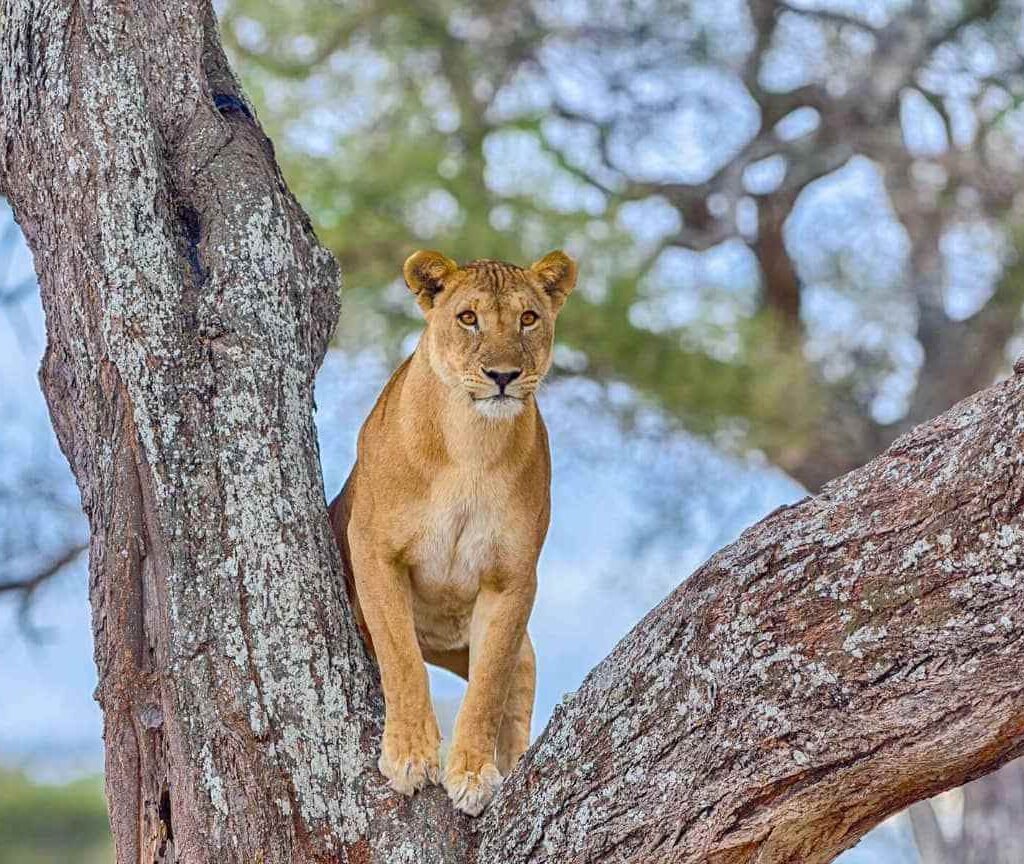
The dry season is predator season. With grass short and prey concentrated near rivers, lions, leopards, cheetahs and hyenas are easier to find and watch. In the north, crocodiles wait at the Mara River, while Seronera’s resident big cats stay in the central Serengeti year-round. Patient, unhurried viewing often rewards you with a hunt. Early mornings are usually best.

Dry, Sunny and Slightly Warmer
September is usually dry and sunny across the Serengeti, with very little rain. Days are about 24–30 °C and grow warmer through the month, while mornings are fresh but milder than in July and August. Clear skies and golden grass create beautiful light for photography, and dusty tracks are the only real drawback. A light fleece helps at dawn.
Short Grass and Clear Sightlines
By September the long grass of the wet season has dried and been grazed down, opening up the plains and woodland edges. Animals gather near the remaining water and are easier to spot from a distance. That makes game drives productive, even outside the migration areas, and helps your guide find elusive species. Even quiet areas reward patience.
Balloon Flights and Classic Combinations
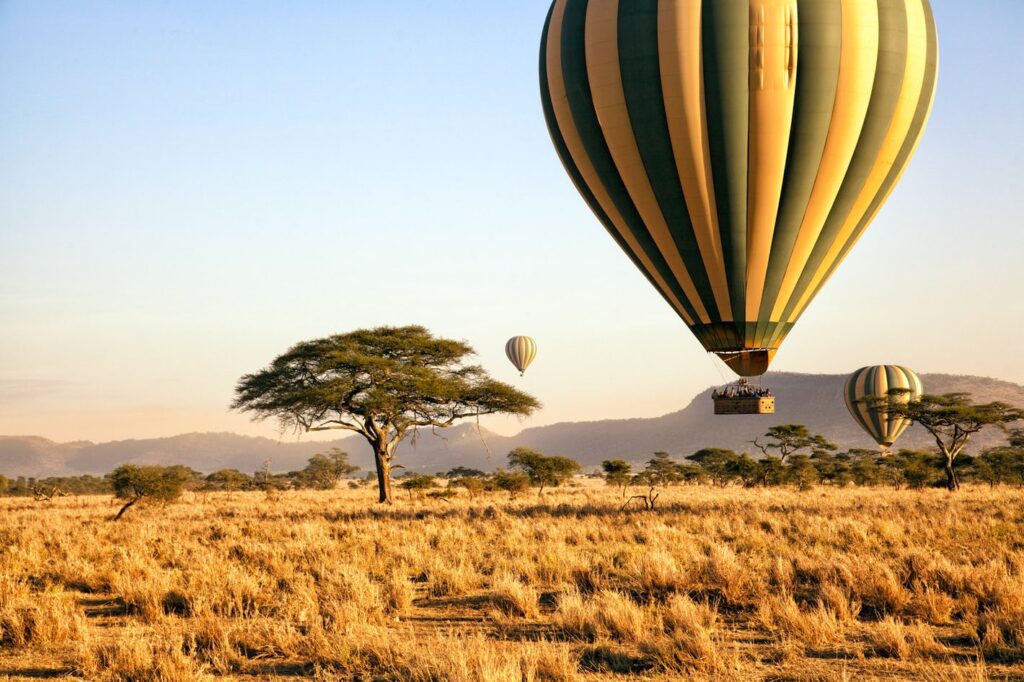
A dawn hot air balloon safari is a superb way to see the Serengeti in September, with clear dry-season skies over the plains. Balloons fly year-round in the central Serengeti, and seasonal launches may operate in the north. Afterwards, the Ngorongoro Crater, Tarangire or Zanzibar make easy additions to your private itinerary. Balloon places are limited, so book early.
Serengeti Weather in September
Serengeti weather in September is typically dry, sunny and warm, as the long dry season reaches its final stretch. Daytime temperatures are usually about 24–30 °C and rise gradually through the month, while early mornings are fresh but milder than the cool mornings of July and August. Rain is rare, skies are mostly clear, and the grasslands turn golden and dusty. The park ranges from roughly 920 to 1,850 m, so higher areas feel cooler after dark. Pack light layers for the heat of the day, a fleece for open-vehicle starts and a scarf or buff against dust.
Where Is the Great Migration in September?
Where is the Great Migration in September? In most years the herds are in the northern Serengeti, spread between Kogatende, the Lamai Triangle and the banks of the Mara River on the Kenyan border. Over a million wildebeest, with zebra and gazelle, move back and forth across the river as they search for fresh grazing, and Mara River crossings typically continue at their peak. Some herds may also cross into Kenya’s Maasai Mara and return. Exact movements always depend on rainfall, so our guides track the herds daily and choose the most promising areas. Patience and flexibility are rewarded.
- Early SeptemberHerds massed in the northKogatende and Lamai; crossings usually frequent
- Mid SeptemberBack-and-forth crossingsHerds cross the Mara River several times
- Late SeptemberStill in the northGrazing near the river and Bologonja; timing varies
- Next monthOctoberHerds usually begin drifting south through Lobo late in October
Serengeti Wildlife in September
Serengeti wildlife in September is outstanding. In the north, hundreds of thousands of wildebeest and zebra gather along the Mara River, with Nile crocodiles waiting in the water and lions, hyenas and leopards working the herds on the banks. Hippos crowd the river pools, and elephants and giraffes browse the riverine woodland. In the central Serengeti, Seronera’s resident lions, leopards and cheetahs are easy to find as animals gather near water. Topi, hartebeest, impala, buffalo and Thomson’s and Grant’s gazelles complete the scene. Our guides know where each species is most likely to appear. Bring binoculars for every passenger.
- Wildebeest
- Zebra
- Nile crocodile
- Lion
- Leopard
- Cheetah
- Spotted hyena
- Elephant
- Giraffe
- Hippo
- Buffalo
- Topi
- Thomson’s gazelle
- Impala
Serengeti Birds in September
Serengeti birds in September are mostly resident species, as the Palearctic migrants from Europe and Asia usually arrive from around November. Even so, birding is rewarding: over 500 species have been recorded in the park. Vultures and marabou storks gather wherever predators feed near the Mara River, while kori bustards, ostriches and secretarybirds stride across the dry plains. Lilac-breasted rollers add colour to every drive, and keen birders can look for near-endemics such as the grey-breasted spurfowl, Fischer’s lovebird and rufous-tailed weaver. Ask your guide to plan a morning around birds. Binoculars make a real difference on every drive.
- Lilac-breasted roller
- Kori bustard
- Secretarybird
- Ostrich
- Rüppell’s vulture
- White-backed vulture
- Marabou stork
- Grey-breasted spurfowl
- Fischer’s lovebird
- Rufous-tailed weaver
- Usambiro barbet
- Martial eagle
Where to Go in the Serengeti in September
Where you stay in the Serengeti in September makes a big difference, because the migration herds are usually concentrated in the far north. For river crossings, base yourself near Kogatende or in the Lamai Triangle for several nights. Lobo and Bologonja add quieter scenery between the north and the centre, while Seronera delivers reliable big cats. The Western Corridor and eastern Gol Kopjes are peaceful alternatives. Here are the six areas we recommend this month, best first. Each tab explains what the area offers, how long to stay and how it fits a September route.
Kogatende and the Mara River
Kogatende sits beside the Mara River in the northern Serengeti and is the classic base for September crossings. Herds gather on the banks, sometimes for hours, before plunging across past crocodiles and into the current. Staying three or four nights nearby gives your guide time to read the herds and choose the best crossing points.
Explore the Northern Serengeti →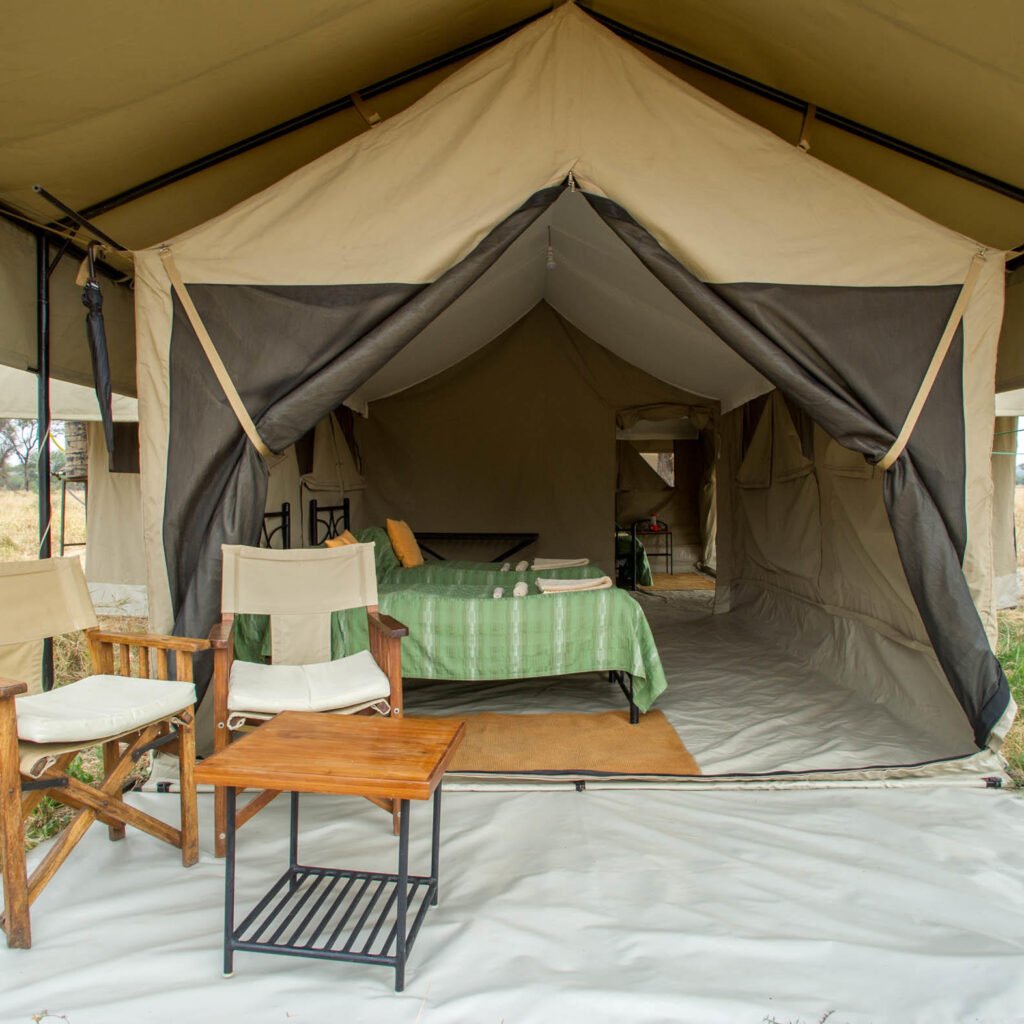
The Lamai Triangle
The Lamai Triangle lies north of the Mara River, between the river and the Kenyan border. In September it often holds large numbers of wildebeest and zebra, and its own crossing points can feel quieter than those near Kogatende. Rolling grasslands, scattered hills and lions following the herds make it a superb area to explore.
Migration Safaris →
Lobo Hills and Bologonja
Lobo’s granite hills and the Bologonja area lie in the north-eastern Serengeti, between the river and the centre. In September some herds may graze here, and resident lions, elephants and giraffes are present all year. It is often quieter than Kogatende and makes a scenic stop when driving between Seronera and the Mara River. Allow one night here.
View the Serengeti Map →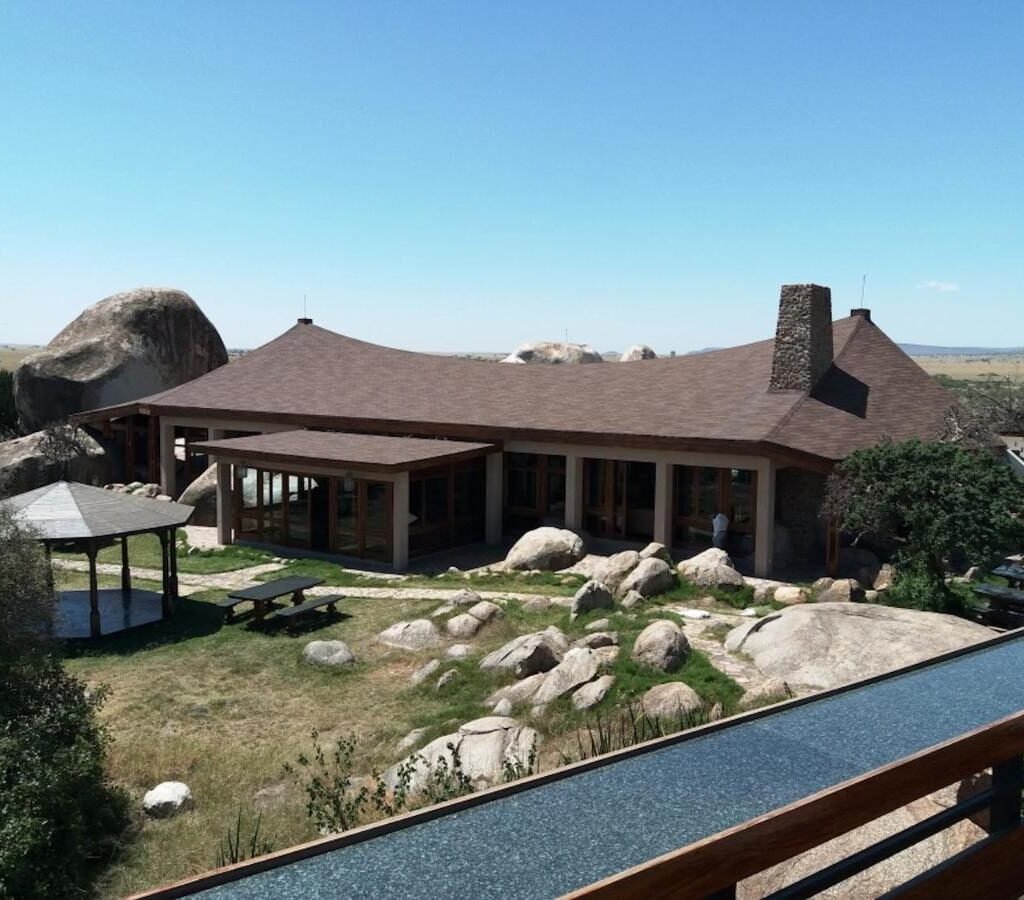
Seronera and the Central Serengeti
Seronera, in the central Serengeti, has resident wildlife all year, so it shines even when the herds are in the north. Lions rest on kopjes, leopards drape themselves over sausage and acacia trees along the Seronera River, and cheetahs hunt on the open plains. Two nights here before heading north balance your September safari. Big cat sightings are excellent.
Explore the Central Serengeti →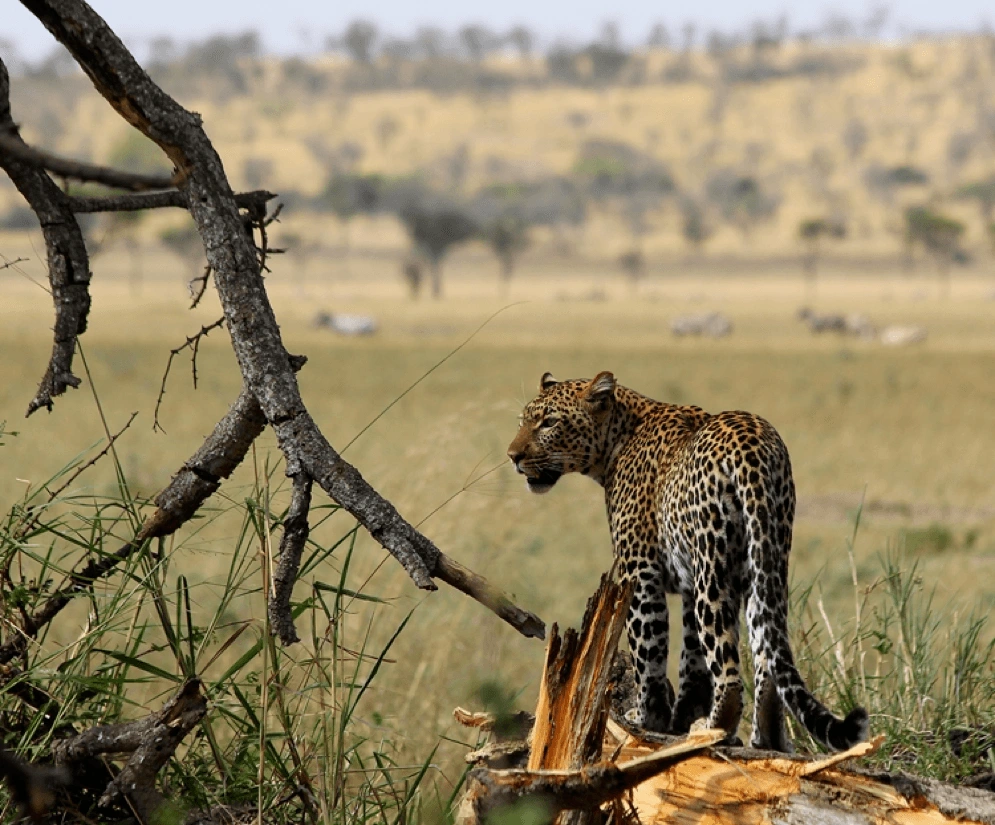
Western Corridor and the Grumeti River
By September the herds have usually left the Western Corridor, but the Grumeti River still holds large crocodiles and hippos, and resident lions, giraffes and buffalo remain. Few visitors come this way at this time of year, so it suits travellers who value peaceful game drives. Tsetse flies occur in its wooded areas, so avoid dark clothing.
Explore the Western Serengeti →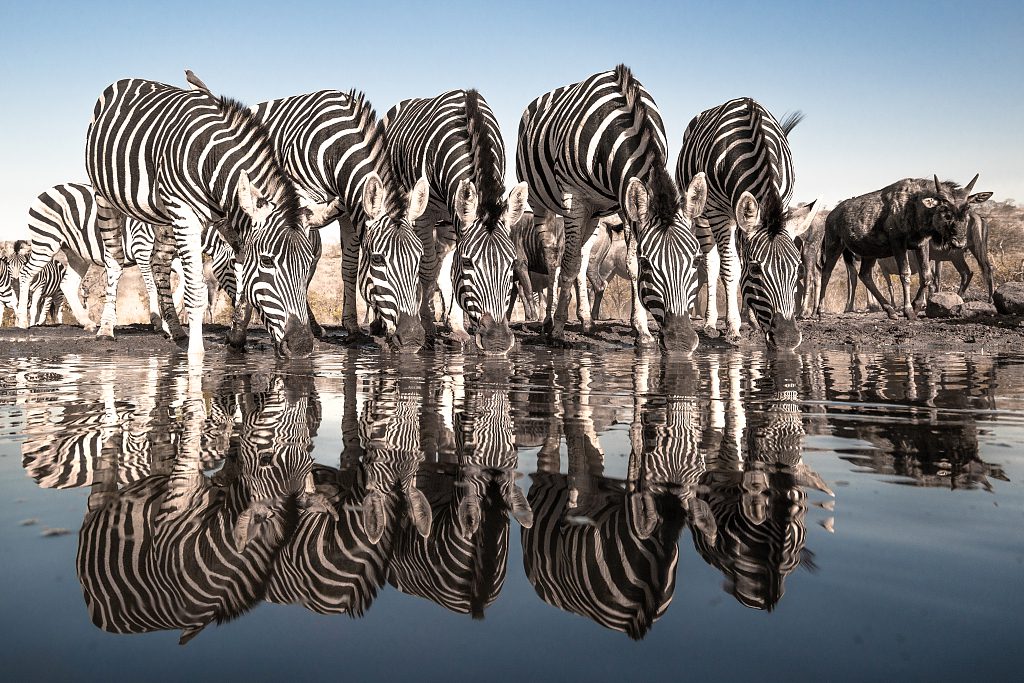
Gol Kopjes and the Eastern Serengeti
The Gol Kopjes rise from the eastern short-grass plains and are famous for cheetahs, which use the rocks as lookouts. In September the plains are dry and quiet, with resident gazelles, lions and raptors. Vehicles must stay on designated tracks here. It makes a rewarding detour if you drive in through Naabi Hill Gate. Cheetahs often hunt at dawn.
Explore the Eastern Serengeti →Things to Do in the Serengeti in September
The best things to do in the Serengeti in September centre on the migration in the north and the dry-season predator action across the park. Most days are spent on private game drives, with time set aside to wait for Mara River crossings. You can also float over the plains in a hot air balloon at dawn, focus on photography in golden light, look for resident birds and finish each day with a sundowner. Here are six experiences to build into your trip. Each tab notes where it happens and a practical tip.

Wait for a Mara River Crossing
Watching a herd gather, hesitate and finally plunge into the Mara River is the highlight of a September safari. Crossings can happen at any time of day, and patience is essential. With your own guide and 4x4, you decide how long to wait, and a packed lunch lets you stay near the river all day.
Serengeti Migration Safaris →
Private Game Drives from Sunrise to Sunset
Private game drives run from sunrise to sunset inside the park, following your interests rather than a fixed plan. In September we often head out at first light, when predators are most active and the air is cool. Off-road driving is not allowed in most areas, and night drives are not permitted inside the national park.
Serengeti Private Safaris →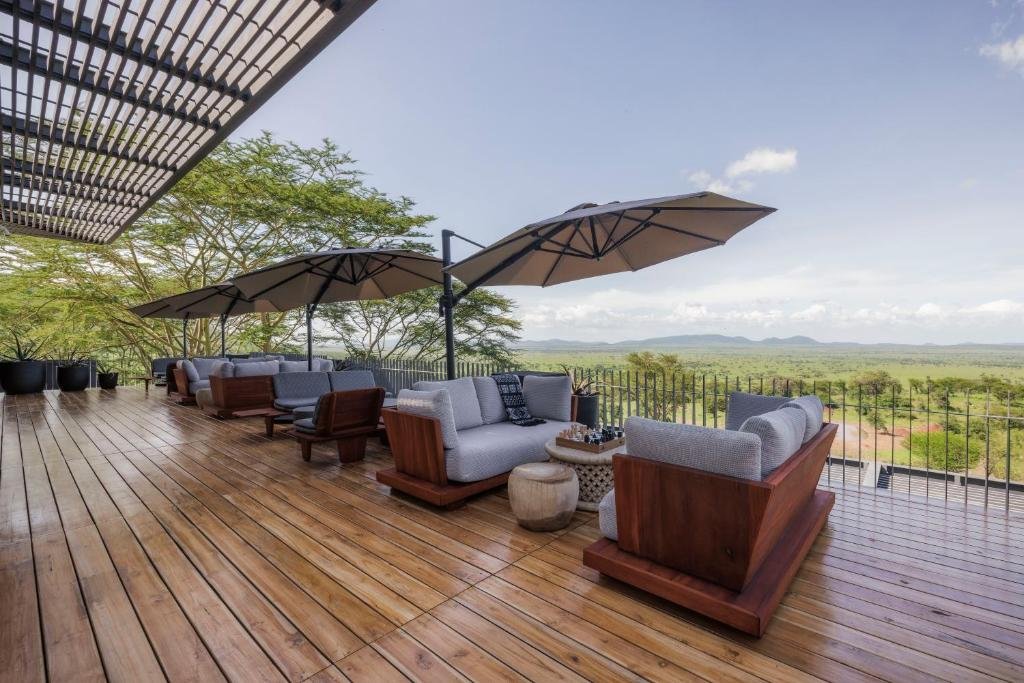
Hot Air Balloon Safari over the Plains
A Serengeti hot air balloon safari lifts off at dawn and drifts quietly over the plains as the sun rises. In September the dry, clear air usually gives excellent visibility. Flights operate year-round in the central Serengeti, and seasonal launches may be available in the north. Book early, as places are limited. Morning game drives continue afterwards.
Why Book a Balloon Safari →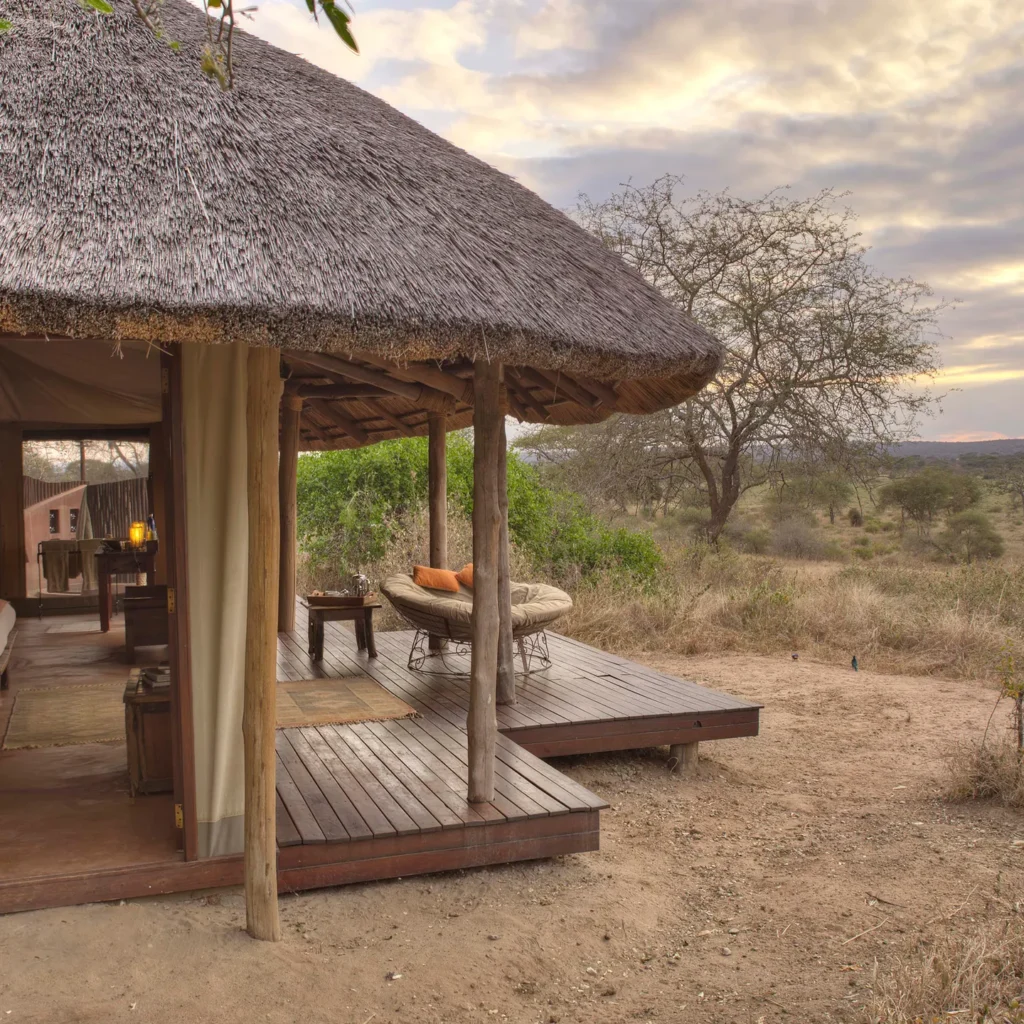
Dry-Season Wildlife Photography
September is a favourite month for wildlife photographers. Golden grass, clear skies and low sun at either end of the day create warm, dramatic light, while river crossings deliver unforgettable action. A private vehicle gives you space for lenses and freedom to wait for the moment. Bring a dust cover for your camera. Beanbags help steady long lenses.
Serengeti Photo Safaris →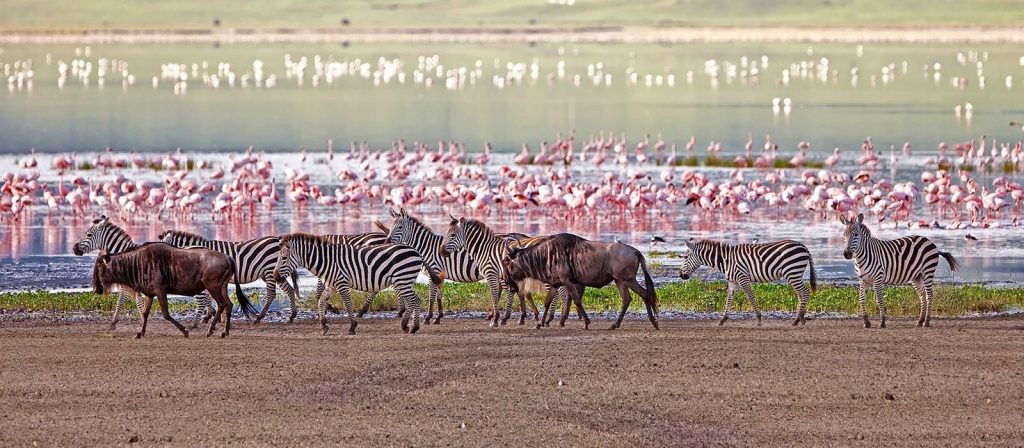
Birdwatching on the Dry Plains
Although migrant birds have not yet arrived, September birding is still rewarding. Vultures and marabou storks gather near kills, secretarybirds and kori bustards hunt on the open plains, and lilac-breasted rollers perch along the tracks. Your guide can help you look for near-endemics such as Fischer’s lovebird and the rufous-tailed weaver. Binoculars make every sighting more rewarding.
Serengeti Birds Guide →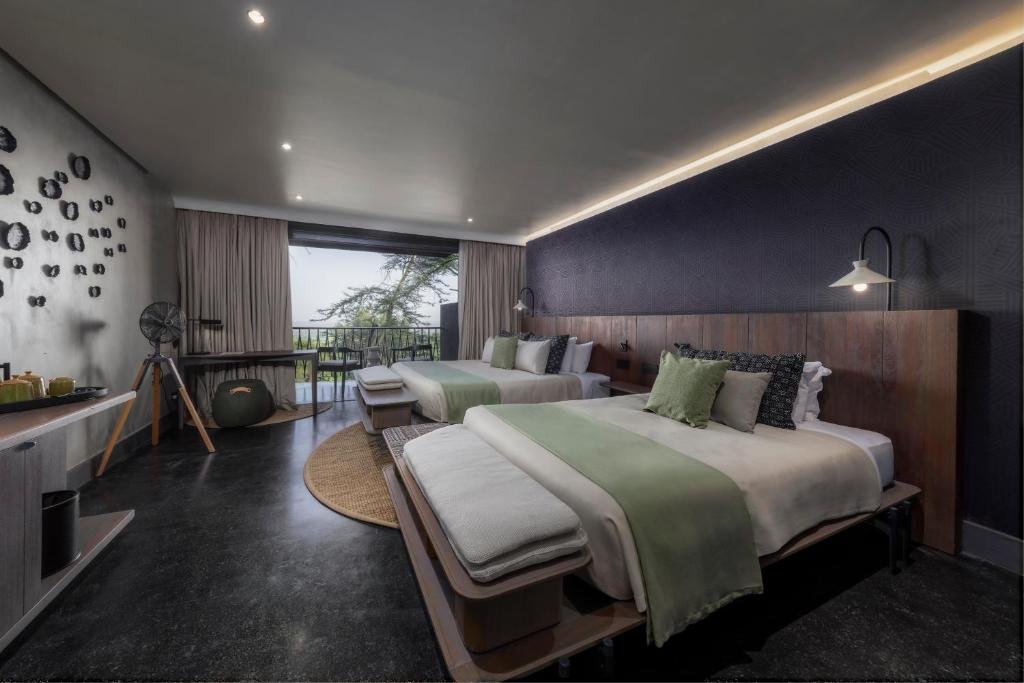
Sundowners and Bush Meals
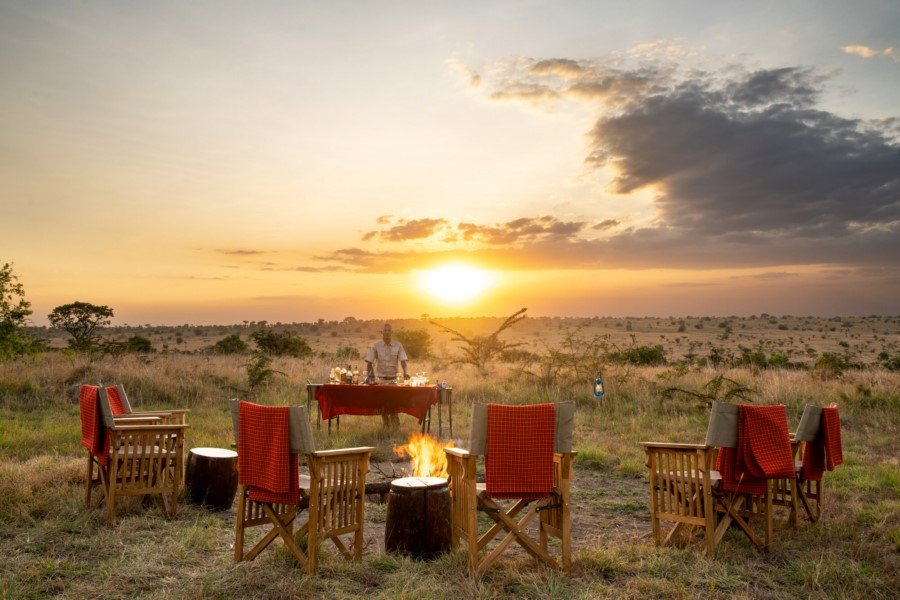
September evenings are usually dry and clear, ideal for a sundowner as the sky turns orange over the plains. Many camps can arrange bush breakfasts or picnic lunches in scenic spots, which is perfect on long crossing days. Return to camp before dark, as game drives inside the park end at sunset. A warm layer helps after sunset.
Where to Stay in the Serengeti →What to Expect on a Serengeti Safari in September
A Serengeti safari in September follows the rhythm of the dry season: early starts, long days in the field and warm, dusty afternoons. Much of your time will be spent in the northern Serengeti, where travel distances are long, so flying between areas is often worthwhile. Seasonal camps are open in the north, park rules shape how you view crossings, and animals behave differently when water is scarce. Below is what a typical September day, the roads, the weather, the camps and the wildlife feel like. Use these notes to prepare well for every part of your trip.
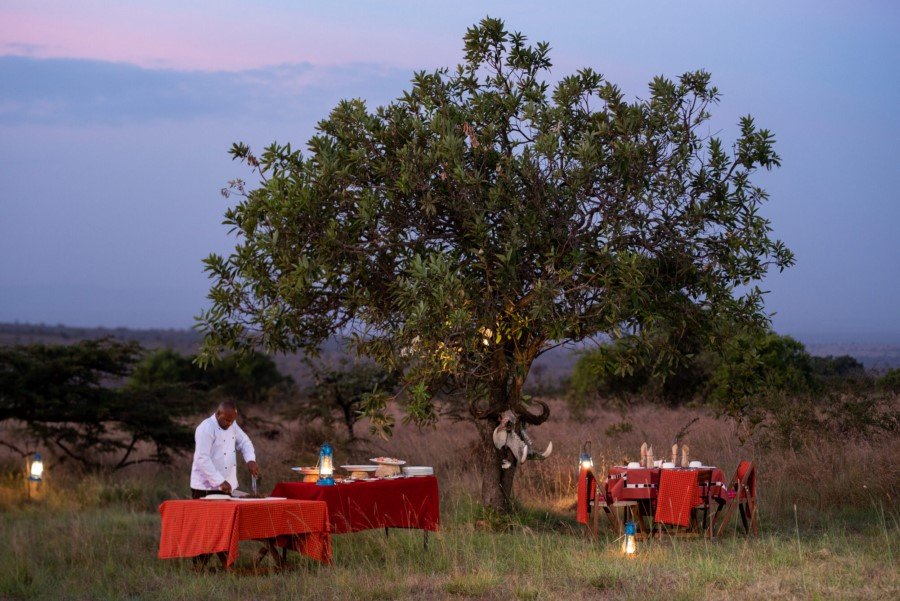
Early Starts and Long Days by the River
A typical September day starts with coffee before sunrise and an early drive, when predators are active. On crossing days you may stay out until mid-afternoon with a packed lunch, waiting near the river. Otherwise you return to camp to rest through the heat, then head out again for an afternoon drive. Your guide adjusts the plan daily.
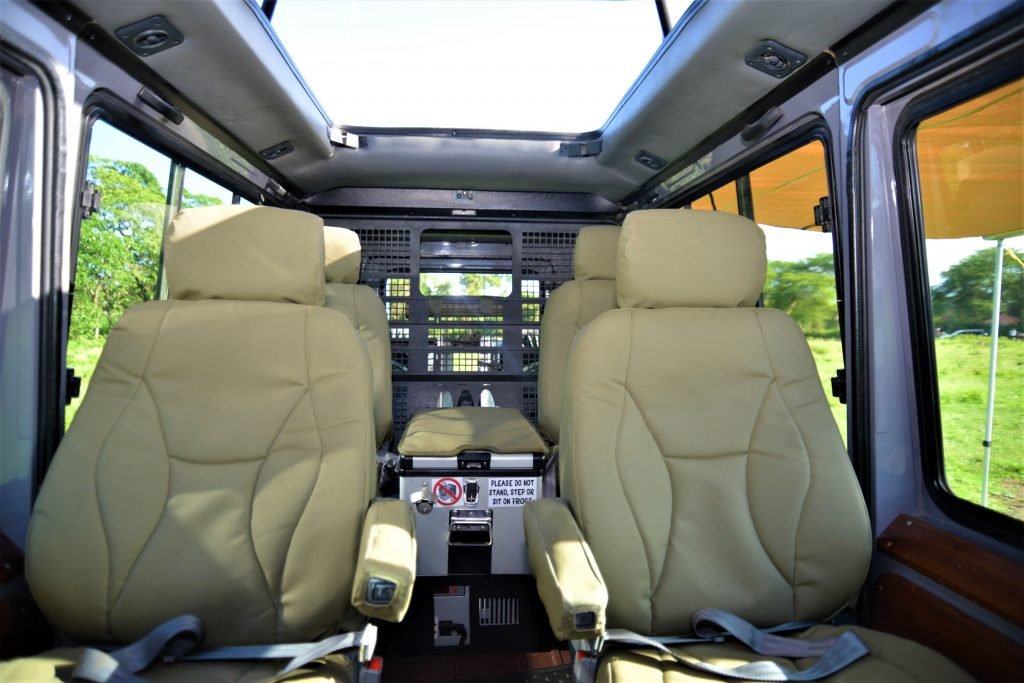
Long Distances and Dusty Tracks
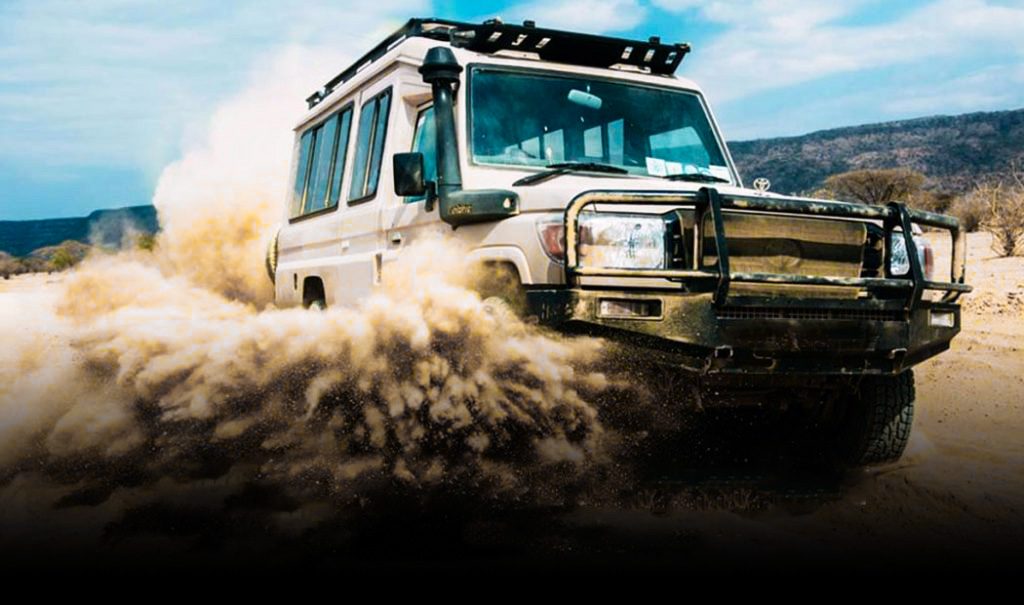
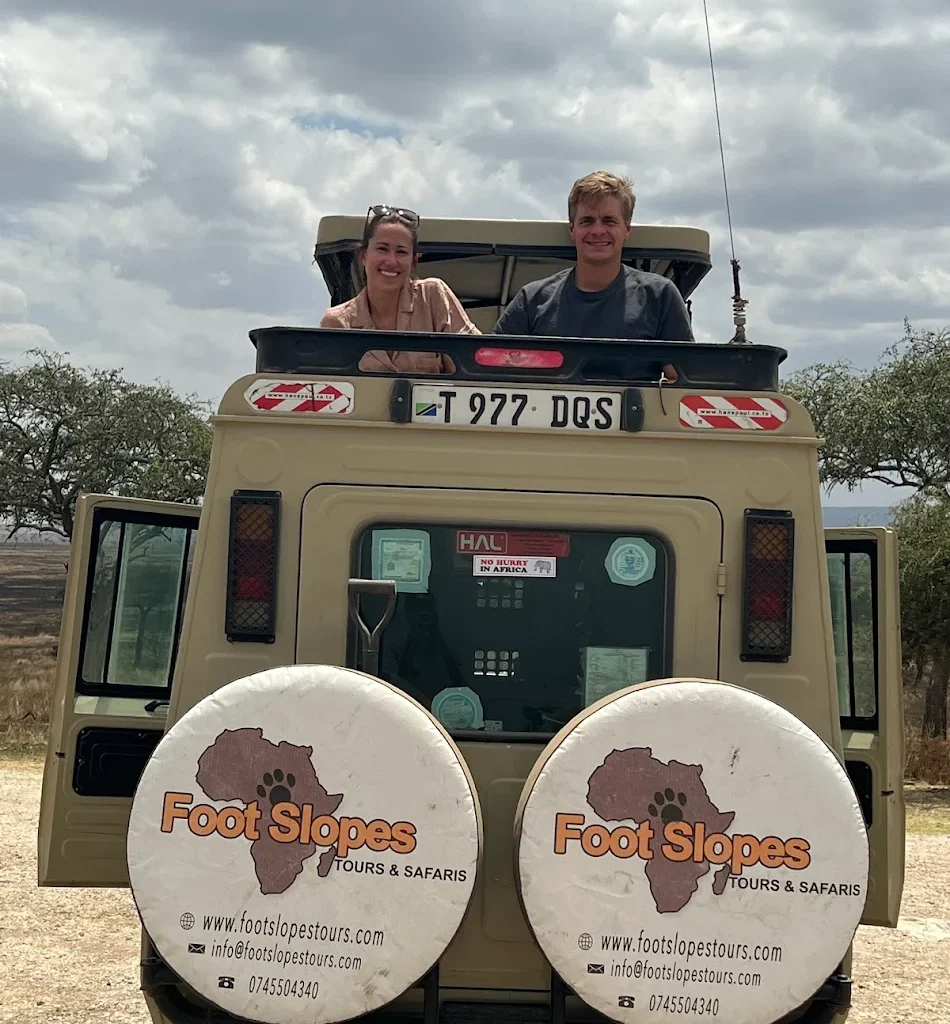
The northern Serengeti lies a long way from Arusha, beyond the central Serengeti, which is itself a full day’s drive away on dusty tracks. Your own 4x4 with a pop-up roof makes the journey comfortable, but many travellers fly into a northern airstrip to save time. We will suggest the best combination for your dates.

Warm Days, Fresh Mornings, Little Rain
Expect dry, sunny weather with daytime temperatures of about 24–30 °C, warming through September. Early mornings are fresh in an open vehicle, so a fleece helps. Rain is rare, but dust is common, especially on busy tracks in the north. Sunglasses, a buff and a dust bag for your camera make game drives far more comfortable.

Park and Concession Rules
Serengeti National Park rules apply at the river: stay on designated tracks, keep a respectful distance and never block the herds’ path to the water. Rangers monitor busy crossing points. Off-road driving is not allowed in most areas, and night drives are not permitted. Park and concession fees are charged per person per 24 hours.

Seasonal Camps in the North
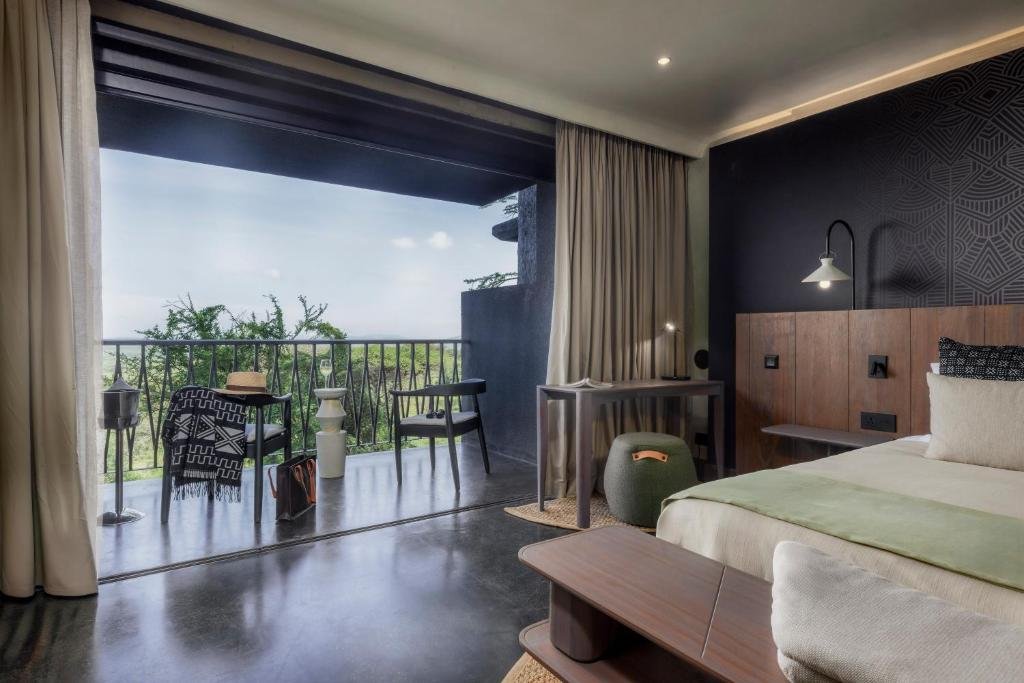
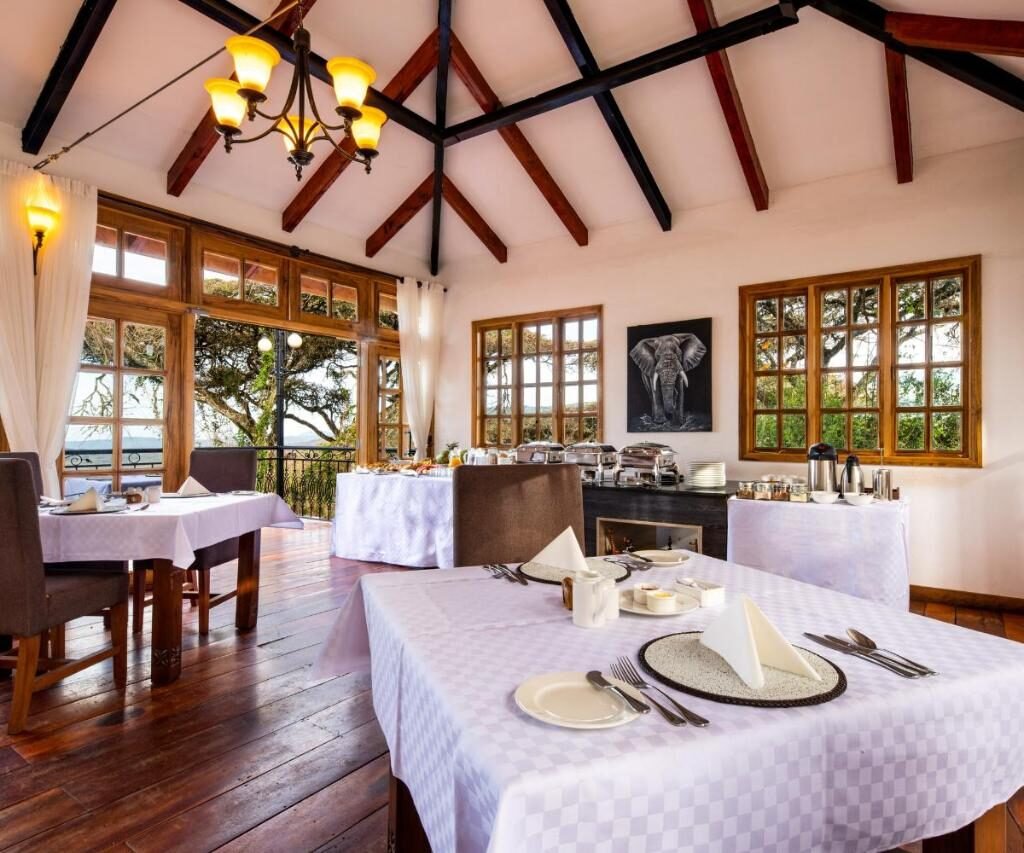
In September many seasonal and mobile tented camps operate in the northern Serengeti to be close to the herds. They range from comfortable mid-range camps to high-end luxury, and all fill early for crossing season. Permanent lodges in the north and in Seronera complete the choice. We match each night to your budget and route.
Animals Drawn to Water
When water is scarce, animals stay closer to rivers and pools, so sightings are concentrated and predictable. Wildebeest gather nervously at the Mara River, crocodiles wait in the shallows and lions ambush animals coming to drink. Predators are well fed and confident, giving you excellent chances to watch hunts, kills and cubs. Keep cameras ready at waterholes.
Serengeti Crowds in September
September is still high season in the Serengeti, but crowds usually ease once the European summer holidays end. The busiest area is the northern Serengeti around Kogatende, where vehicles gather at popular Mara River crossing points, especially in the first week. The Lamai Triangle is often calmer, and Seronera is moderately busy, as many travellers pass through on their way north. Lobo, the Western Corridor and the southern plains around Ndutu are very peaceful. Early starts, a flexible private vehicle and a guide who knows quieter crossing points help you avoid the busiest moments. Patience also makes a difference.
- KogatendeBusy
- Lamai TriangleModerate
- SeroneraModerate
- LoboQuiet
- Western CorridorVery quiet
- Ndutu and southVery quiet
Is September the Best Time to Visit the Serengeti?
Is September a good time to visit the Serengeti? For river crossings and predator viewing, it is one of the very best months of the year. The first half of September usually offers the most reliable crossings, as the herds are well settled in the north, while the second half is often quieter, with fewer vehicles at the river. Every year is different, because the rains decide where the herds go, so we keep your itinerary flexible. If you prefer calving, choose January or February; if you prefer lower rates, consider October. Both months suit a private safari well.
Serengeti in September: Pros and Cons
Like every month, September in the Serengeti has its trade-offs. Its greatest strengths are the Mara River crossings, superb dry-season predator viewing, settled weather and slightly calmer parks than in August. On the other hand, it remains high season, so northern camps cost more and book early, popular crossing points can still be busy, and long distances mean either flights or full days on dusty roads. Weigh these points against your budget, dates and interests to decide whether September suits your private safari best. The six tabs below summarise the main advantages and drawbacks for a private September safari.
Mara River Crossings at Their Peak
September is typically one of the two peak months for Mara River crossings, along with August. The herds are well settled in the north and cross the river in both directions as they chase fresh grass. Several nights near Kogatende or Lamai give you a strong chance of seeing at least one dramatic crossing. Patience is always rewarded.
- Peak crossing month
- Herds settled in the north
- Crossings both ways
- Strong odds with time
Superb Dry-Season Predator Viewing
Short grass, scarce water and concentrated prey make September excellent for big cats. Lions follow the herds in the north, leopards rest in trees along the Seronera River and cheetahs hunt on open plains. Crocodiles add drama at the river. A private vehicle lets you stay with a sighting for as long as you wish.
- Lions with the herds
- Leopards at Seronera
- Cheetahs on the plains
- Crocodiles at the river
Calmer Than August
After the European summer holidays, visitor numbers usually ease, particularly in the second half of September. You still enjoy peak-season wildlife, but with fewer vehicles at many sightings and slightly more choice of camps. Combined with dry, sunny weather, this makes September a favourite month for experienced safari travellers and photographers alike. Late September is often the calmest.
- Holidays over
- Fewer vehicles
- More camp choice
- Dry, sunny weather
High-Season Rates and Early Booking
September is still high season, so camps near the Mara River charge their higher rates and the best-located ones fill many months ahead. If you leave booking late, you may need to stay further from the crossings. Planning nine to twelve months in advance gives you the widest choice of camps and dates. Flexible dates can also help.
- Higher camp rates
- Northern camps fill early
- Book 9–12 months ahead
- Flexible dates help
Vehicles at Popular Crossing Points
Even with fewer visitors than August, well-known crossing points near Kogatende can attract many vehicles when a herd gathers. Rangers manage the area, but sightings can feel busy. Our guides often wait at quieter points, explore the Lamai Triangle and time drives carefully to give you a more peaceful experience. Arriving early usually means a better position.
- Busy at times
- Rangers manage sites
- Quieter points exist
- Lamai is calmer
Long Journeys and Dusty Roads
The northern Serengeti is remote, so reaching it by road means long, dusty days, and flights add cost. Crossings are never guaranteed, because the herds move with the rains and their own instincts. Allowing enough nights in the north and combining road and air travel help you make the most of your time. Fly-in safaris solve most of this.
- Remote location
- Dusty roads
- Crossings not guaranteed
- Consider flying
How Much Does a Serengeti Safari Cost in September?
How much does a Serengeti safari cost in September? A private Serengeti safari in September typically costs from about $200 to $2,500 per person per day, depending mostly on your accommodation style. September is high season, especially in the north near the Mara River, so the best-located camps are in demand. Your private vehicle, guide, park fees and meals are usually included, and the exact inclusions are confirmed in your quote. Each option below links to more detail. Ask us for a detailed quote for your preferred September dates and accommodation style.
Budget Camping Safari
$200 – $390per person per day
A budget camping safari is the most affordable way to see the Serengeti in September. You sleep in dome tents at public campsites, with a cook preparing fresh meals, and still travel with your own guide and 4x4. Dry September weather makes camping comfortable, though nights near the north can feel fresh. It suits independent, adventurous travellers.
- Public campsites
- Your own guide and 4x4
- Cook and fresh meals
- Dry-season camping
Mobile Tented Camp Safari
$550 – $590per person per day
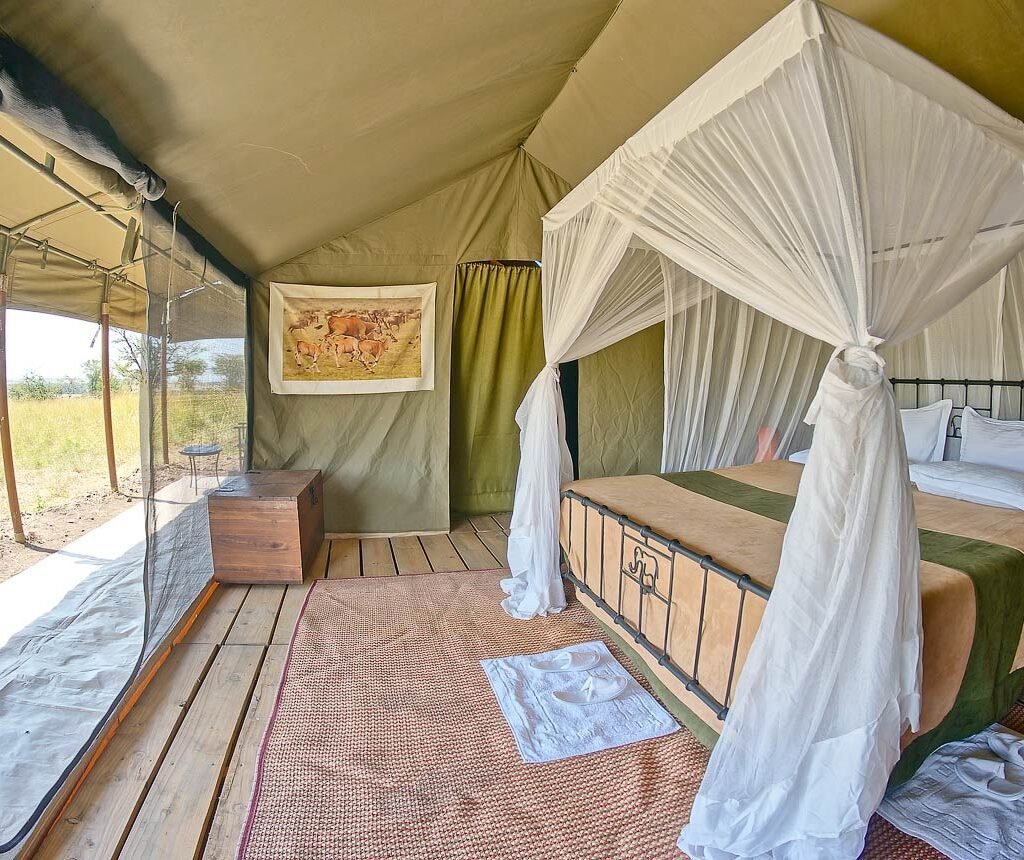
Mobile tented camps move with the migration and are usually set up in the northern Serengeti in September, close to the Mara River. They offer a real bush atmosphere and easy access to crossing points. This option suits travellers who want to be near the herds without paying luxury rates. Book early, as camps near the river fill quickly.
- Near the Mara River
- Moves with the herds
- Authentic bush feel
- Good value in the north
Lodge Safari
$590 – $750per person per day
A lodge safari uses permanent lodges, such as those in Seronera and the north-east, with solid rooms, restaurants and often a pool for hot September afternoons. It suits families and travellers who like a fixed base. Lodges further from the river may mean longer drives to the crossing points. Seronera lodges are ideal for big cat viewing.
- Permanent lodges
- Comfortable rooms
- Good for families
- Longer drives to the river
Tented Lodge Safari
$590 – $990per person per day
Tented lodges combine canvas walls with permanent comforts, such as proper beds and en-suite bathrooms, in prime locations. In September many are well placed for the north and the central Serengeti. They are a favourite choice for couples and photographers who want comfort and a close connection to the sounds of the bush. Book early for September dates.
- Canvas with comfort
- Prime locations
- Ideal for couples
- Sounds of the bush
High-End Luxury Safari
$990 – $2,500per person per day
A high-end luxury safari uses the Serengeti’s finest camps and lodges, often with fly-in access to the north to save long drives. In September, luxury camps near the Mara River are in high demand. This level suits honeymooners and travellers celebrating a special occasion who want exceptional service and privacy throughout. Every detail is arranged for you.
- Finest camps
- Fly-in options
- Exceptional service
- Book well ahead
Park Fees and Optional Extras
Serengeti park and concession fees are charged per person per 24 hours and are usually built into your quote. Optional extras include a hot air balloon safari, light aircraft flights to the north, tips for your guide and camp staff, visas and travel insurance. We list every inclusion clearly, so you can budget with confidence.
- Fees per 24 hours
- Optional balloon safari
- Flights, tips and visas
- Travel insurance
Serengeti Safari Packages for September
The best Serengeti safari packages for September spend several nights in the north for the Mara River crossings, often with a stop in Seronera or the Ngorongoro Crater. Each itinerary below is a starting point for a private tailor-made safari, adjusted to your dates, budget and pace. Choose a classic migration safari, a longer trip, a mid-range route, a luxury fly-in option or a beach extension. Every package includes your own guide and 4x4, and we update plans as the herds move. Each tab shows the duration and who the safari suits best.
7-Day Serengeti Migration Safari
The 7-Day Serengeti Migration Safari is a well-balanced choice for September, giving you time in the central Serengeti and several days near the herds in the north. It suits first-time visitors who want river crossing chances and big cats without a very long trip. We can add flights to shorten the drives. Zanzibar can be added at the end.
View This Safari →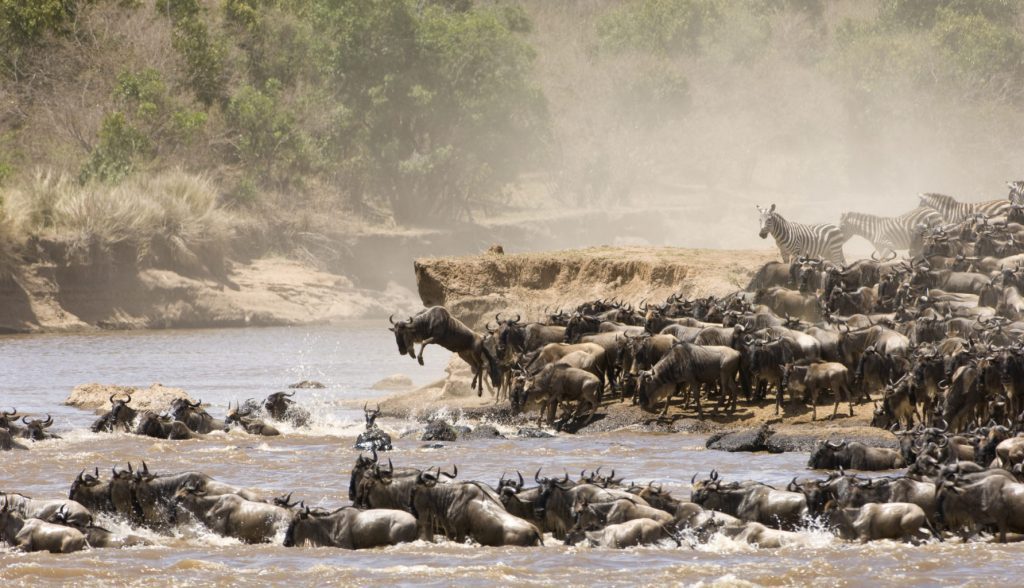
8-Day Serengeti Wildebeest Migration Safari
The 8-Day Serengeti Wildebeest Migration Safari adds an extra day, which matters in September because crossings need patience. You have more time on the Mara River and a calmer pace overall. It suits travellers who want to focus on the migration while still enjoying Seronera’s resident wildlife and the Ngorongoro Crater. It is a classic, well-paced choice.
View This Safari →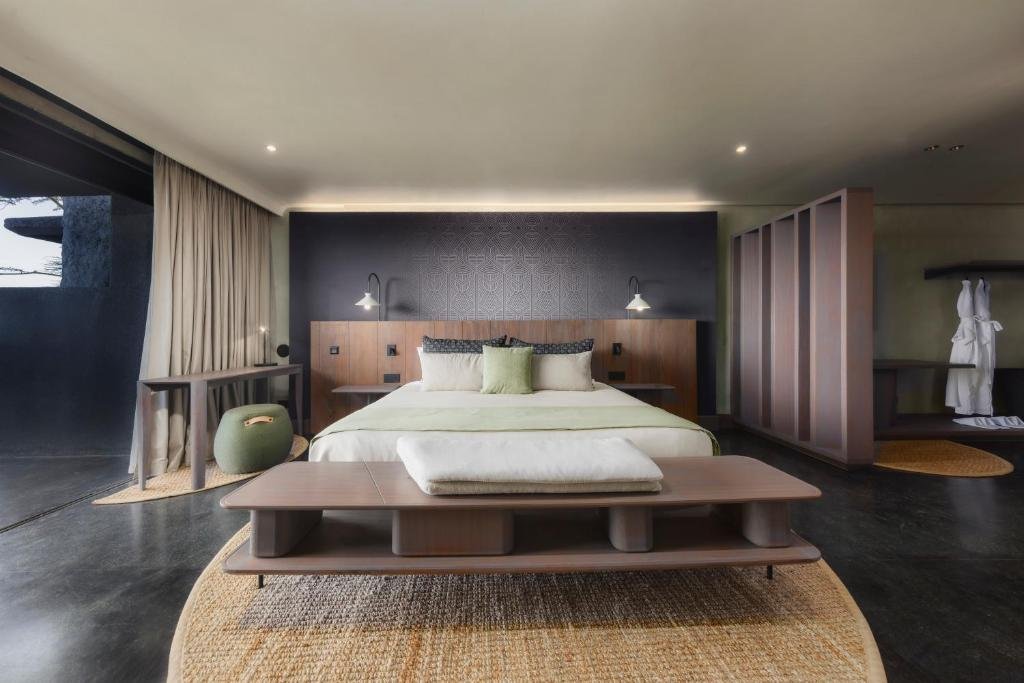
11-Day Serengeti Wildebeest Migration Safari
The 11-Day Serengeti Wildebeest Migration Safari is ideal if you want a thorough, unhurried journey. In September it allows plenty of nights near the river, time in the central Serengeti and other northern parks along the way. It suits keen wildlife watchers and photographers who would rather wait for the perfect moment. Extensions to Zanzibar are easy to arrange.
View This Safari →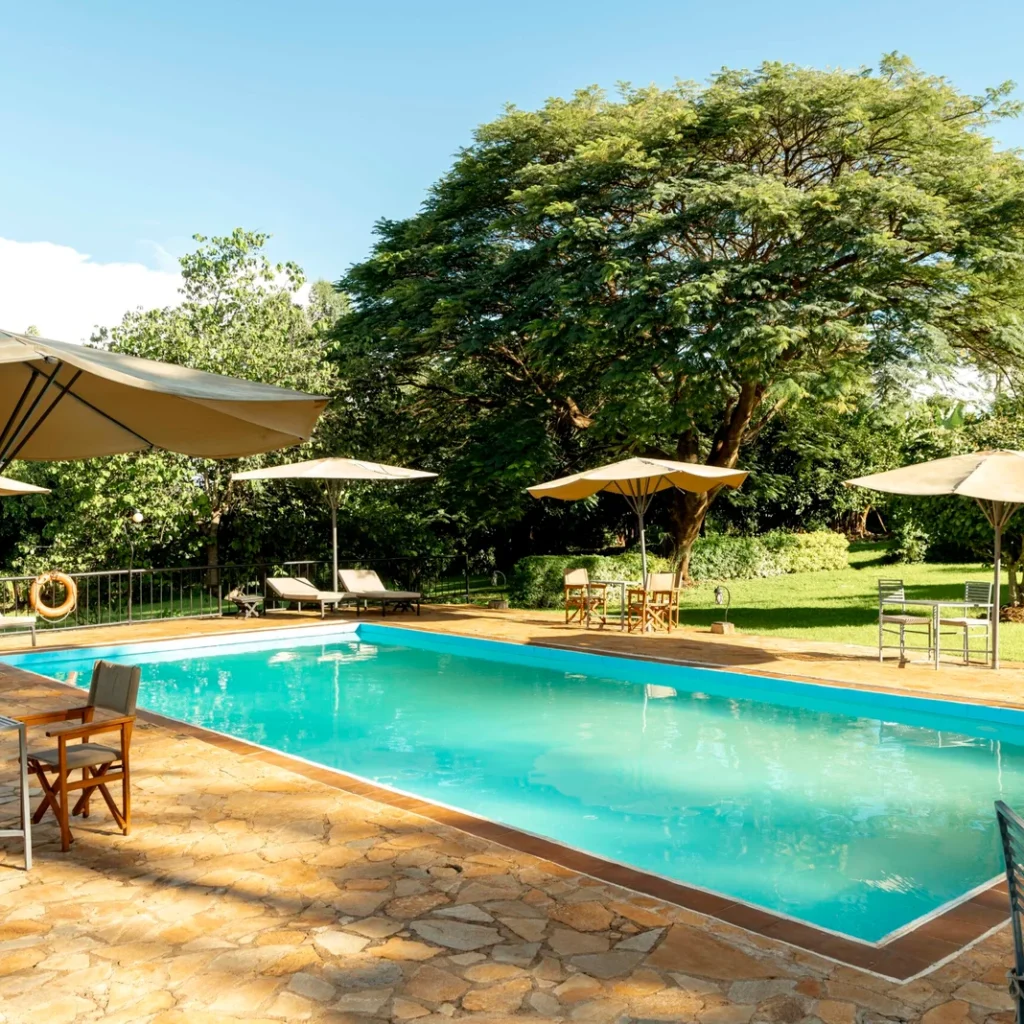
10-Day Serengeti Migration Safari Mid-Range
The 10-Day Serengeti Migration Safari Mid-Range uses comfortable lodges and tented camps to keep costs sensible in high season. In September it gives you good time in the north for crossings, plus the central Serengeti and the wider northern circuit. It suits families and couples looking for strong value over a longer trip. Upgrades can be added for special nights.
View This Safari →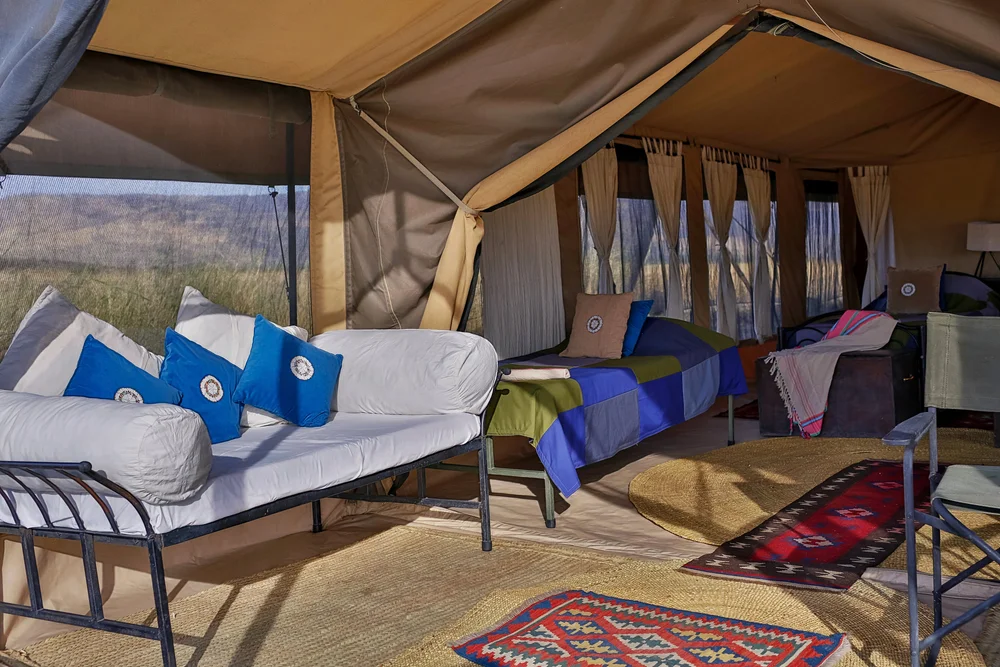
Luxury Great Migration Safari
The Luxury Great Migration Safari pairs exceptional camps with the September crossings, often using light aircraft flights to reach the north quickly. You enjoy fine dining, spacious tents and attentive service between game drives. It suits honeymooners and travellers who want the migration in real comfort, with every detail handled for them. Balloon flights can be included on request.
View This Safari →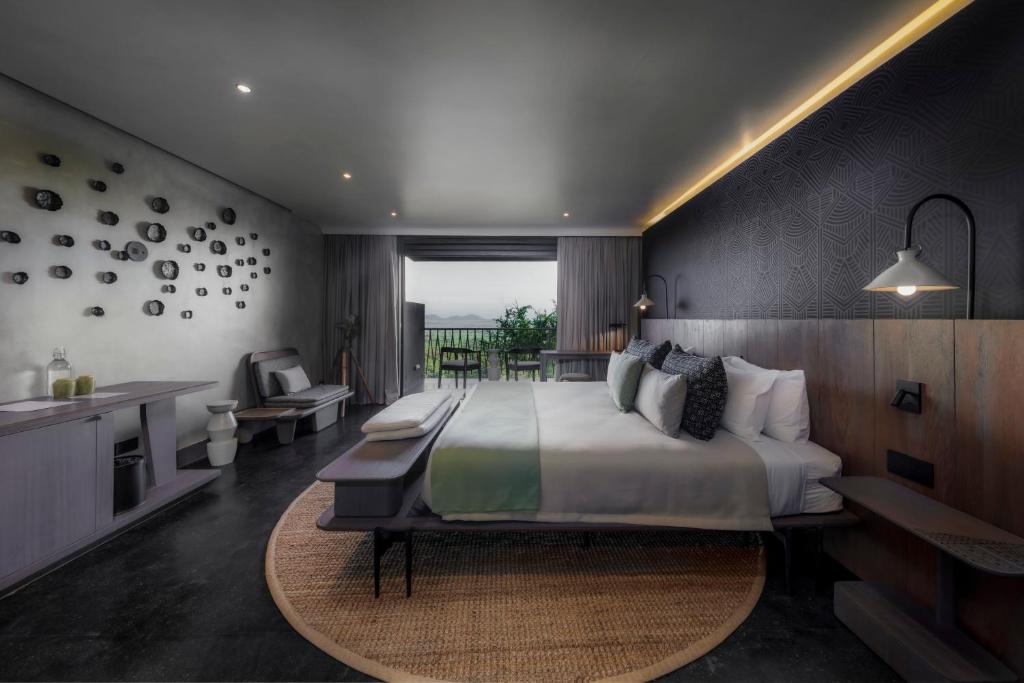
5-Day Fly-in Fly-out Serengeti Luxury
The 5-Day Fly-in Fly-out Serengeti Luxury safari is perfect if your time is limited. Flying straight to the Serengeti avoids long, dusty drives, and in September we can focus your nights on the north for crossings. It also works well before a Zanzibar beach stay or after a Kilimanjaro climb. It suits busy travellers wanting maximum game time.
View This Safari →Where to Stay in the Serengeti in September
Where to stay in the Serengeti in September depends on being close to the herds, which are usually in the far north. The best camps for river crossings lie around Kogatende, the Lamai Triangle and the northern hills, while a mobile camp follows the migration wherever it goes. A central or northern lodge adds variety and comfort for the rest of your trip. Here are six places we often recommend this month, from mobile tented camps to private concessions. Each tab describes the location, style and why it suits a September safari.
Nyikani Migration Camp, Kogatende
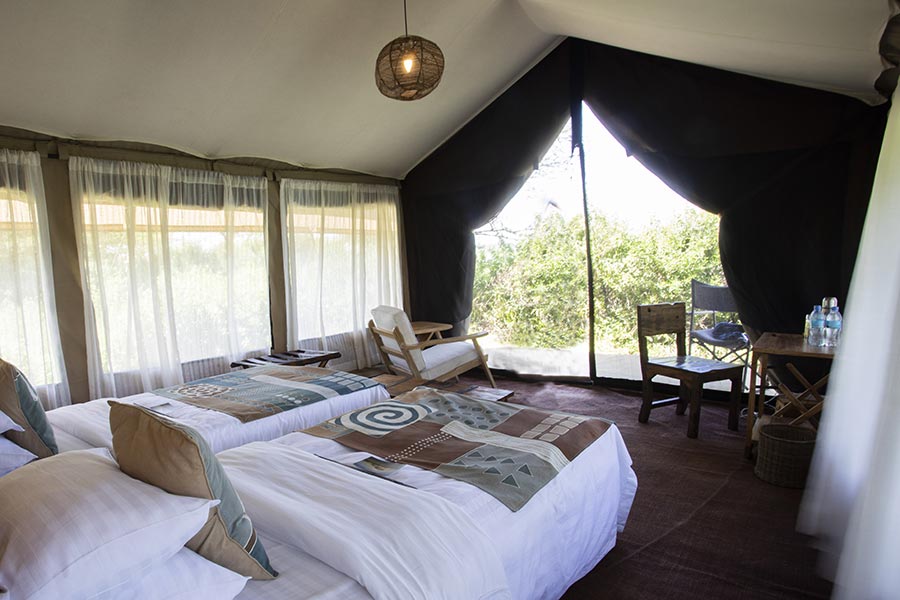
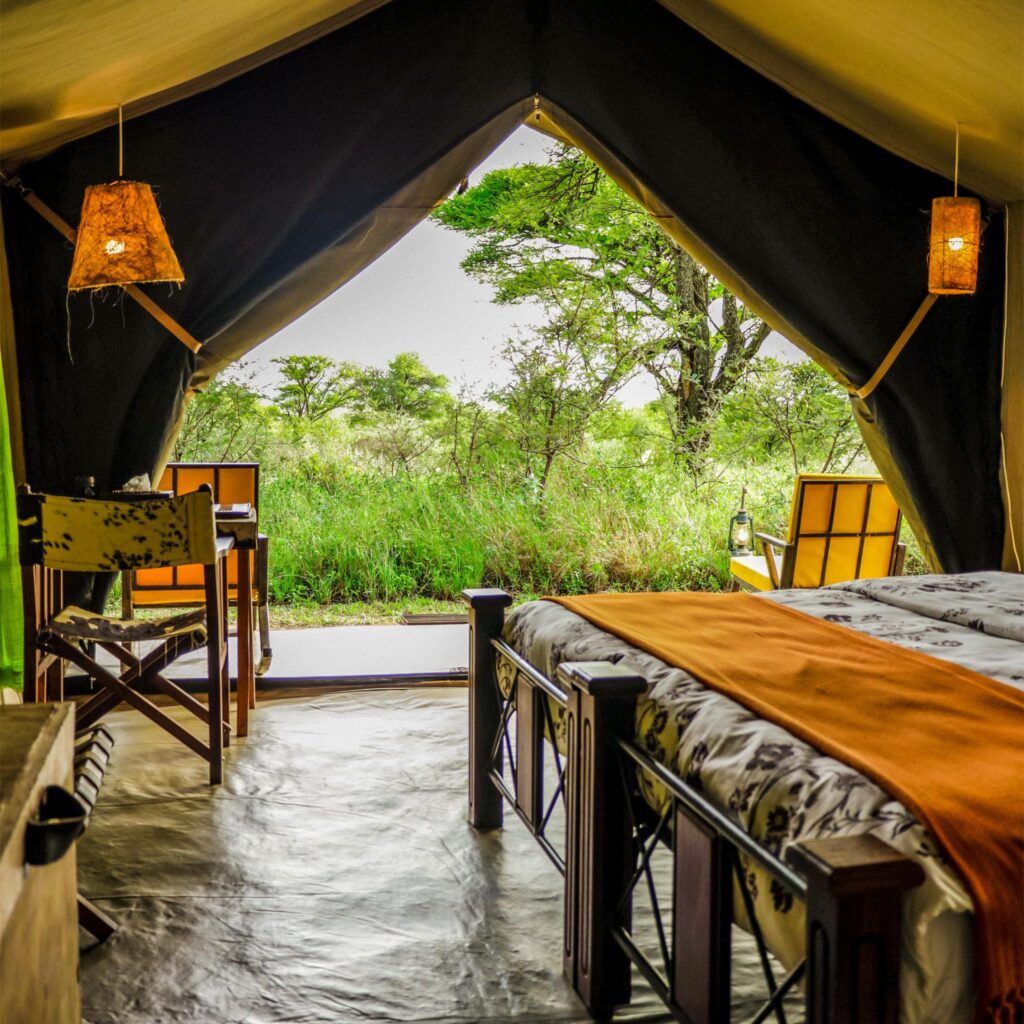
Nyikani Migration Camp is set in the Kogatende area of the northern Serengeti, close to the Mara River. Its location makes it a practical base for September crossings, letting you reach the riverbanks early and return easily between drives. It suits travellers who want comfortable tented accommodation right where the action usually happens. Book well ahead for crossing season.
View Camp →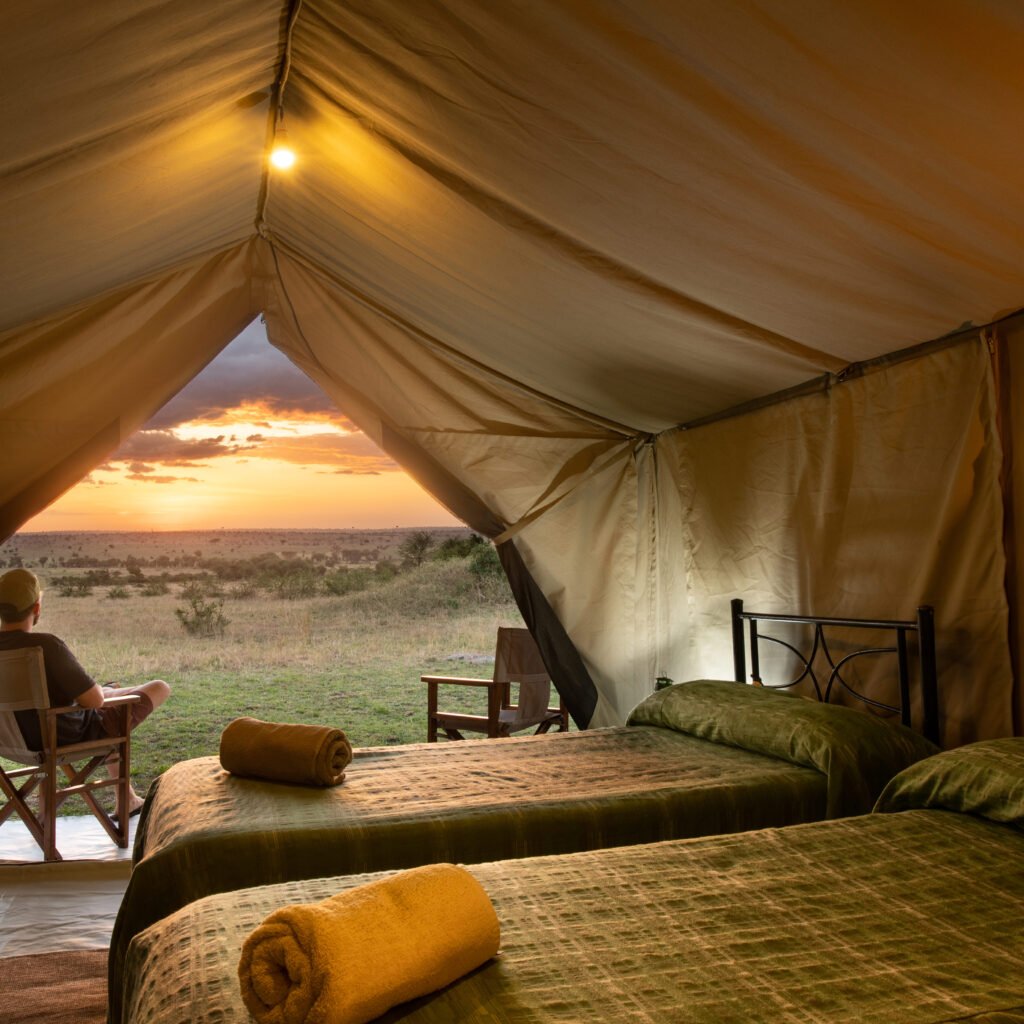
Mara Kati Kati Tented Camp
Mara Kati Kati Tented Camp is a seasonal camp in the northern Serengeti, positioned for the months when the herds are near the Mara River. Its classic tented style gives you a genuine bush experience at a sensible price. In September it is a popular base for travellers who want to spend days at the crossings.
View Camp →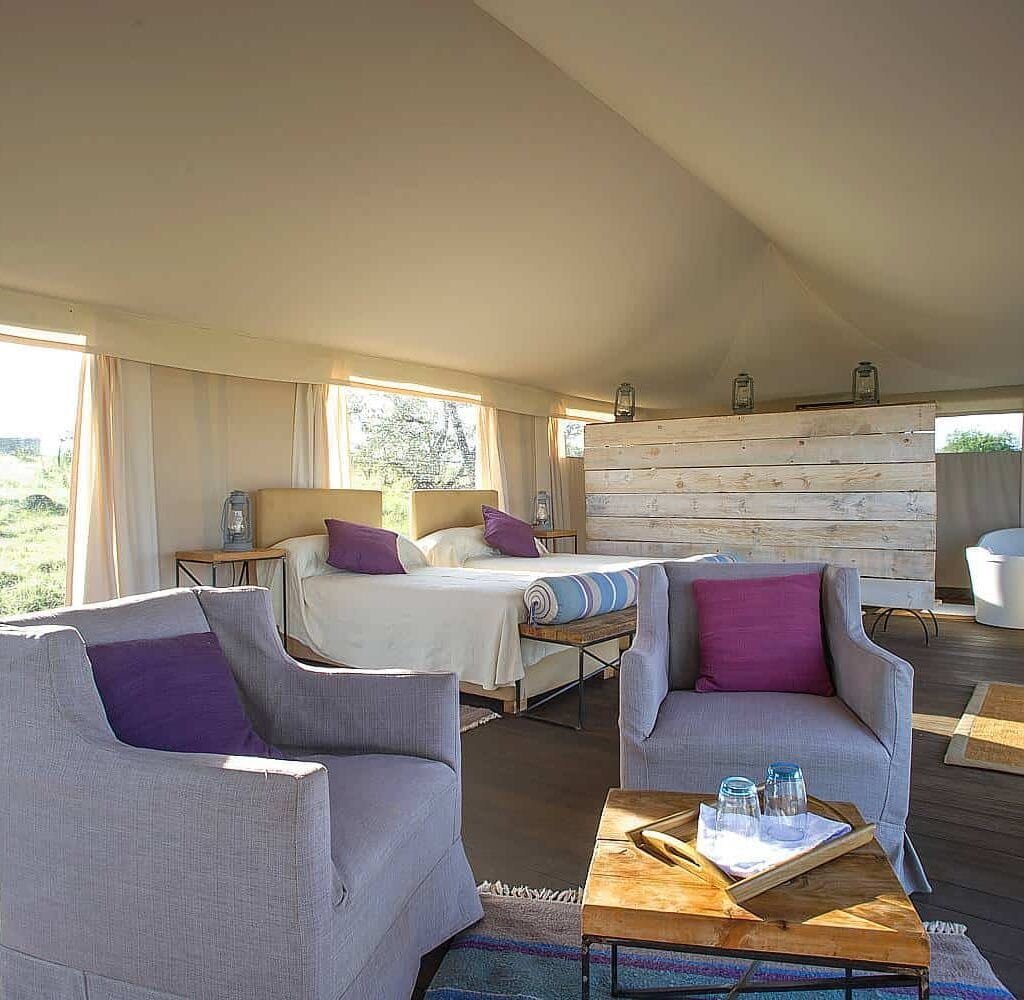
Mara Mara Tented Lodge
Mara Mara Tented Lodge lies in the northern Serengeti, giving easy access to the Mara River during crossing season. As a tented lodge, it combines canvas surroundings with a more permanent feel. In September it suits couples and photographers who want comfort close to the herds and quick access to the river each morning. Early starts are easy.
View Lodge →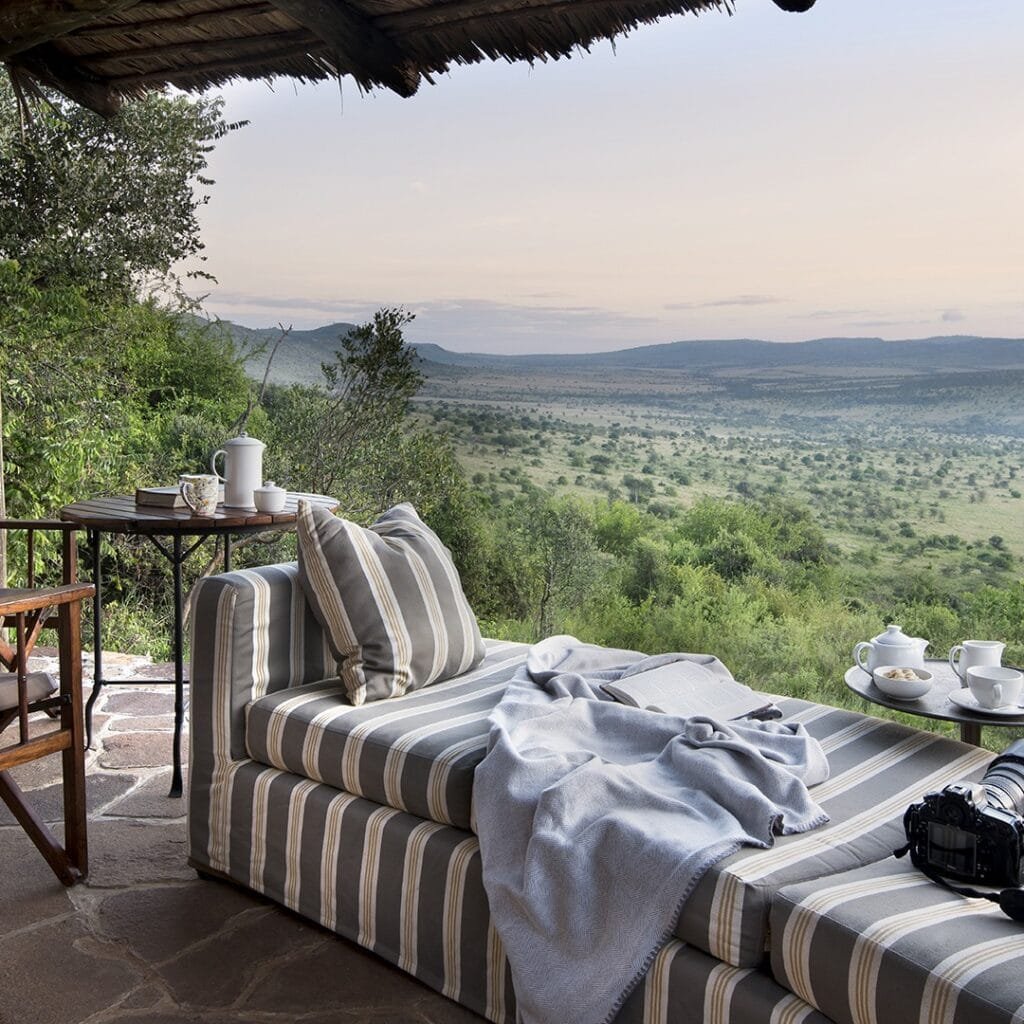
andBeyond Klein’s Camp
andBeyond Klein’s Camp sits in a private concession in the Kuka Hills of the northern Serengeti. Its hilltop setting offers wide views and a sense of exclusivity. In September it combines peaceful surroundings with access to the north, ideal for travellers who want luxury and privacy. It makes a peaceful retreat after long days at the river.
View Camp →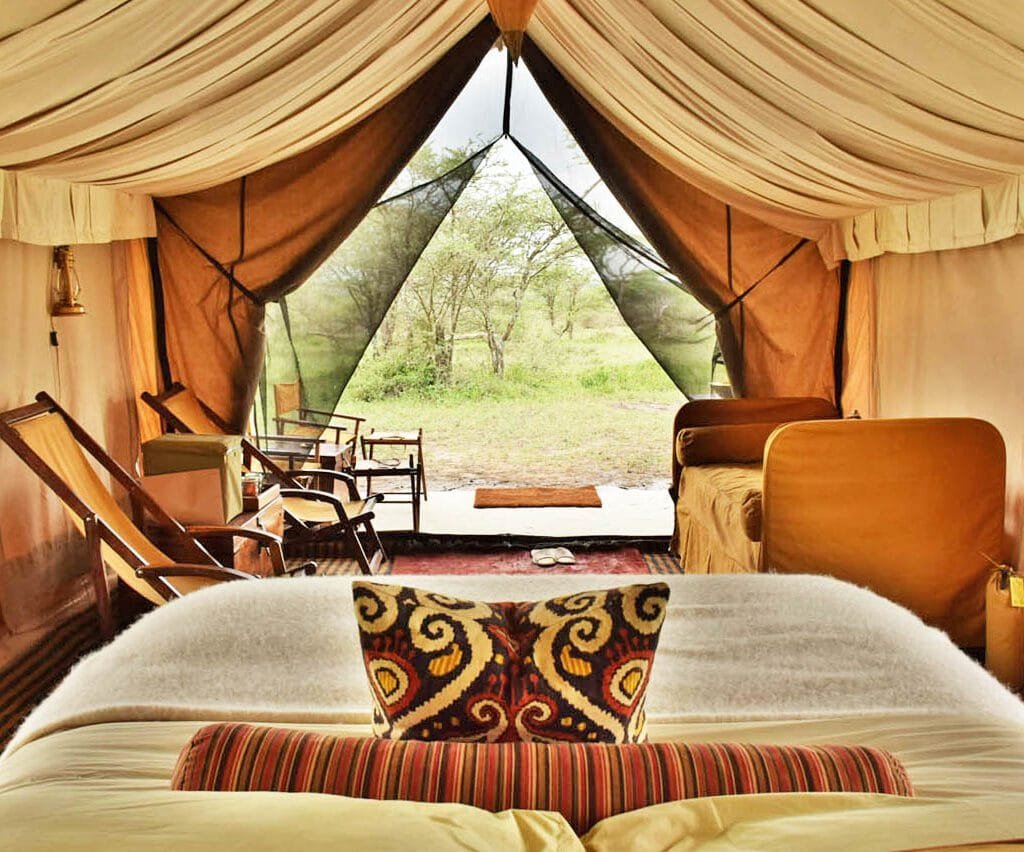
andBeyond Serengeti Under Canvas
andBeyond Serengeti Under Canvas is a mobile camp that moves through the year to follow the migration. In September it is usually set up in the north to be near the herds and the river. It suits travellers who love the romance of a classic safari camp combined with high-end comfort and service. Its location changes with the herds.
View Camp →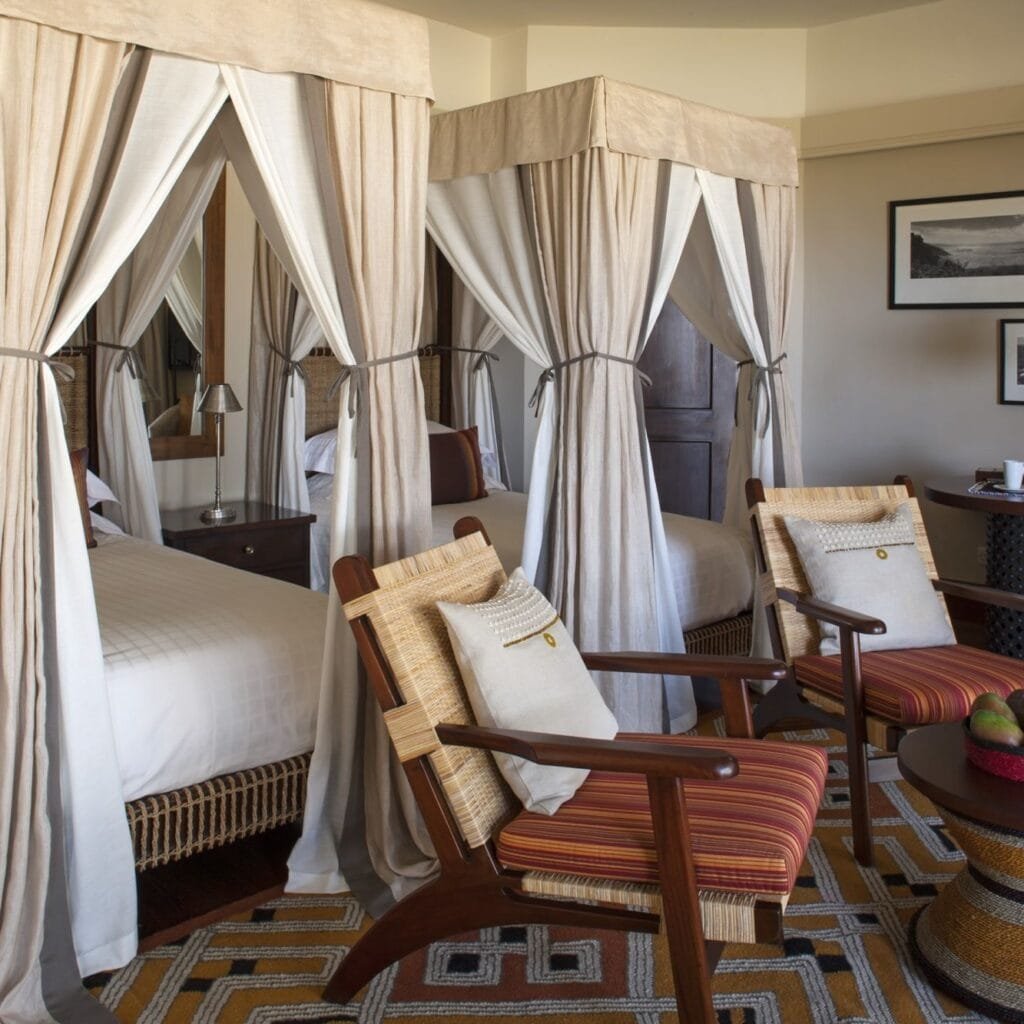
Four Seasons Safari Lodge Serengeti
Four Seasons Safari Lodge Serengeti is a permanent luxury lodge in the central and northern Serengeti. It makes a comfortable base between Seronera and the north, and pairs well with a few nights in a camp near the river. It suits families and travellers who want the reassurance of a full-service lodge. September tents sell out quickly too.
View Lodge →Combine the Serengeti with Other Destinations in September
September is a superb month to combine the Serengeti with other highlights in northern Tanzania and beyond. The dry season brings excellent game viewing to the Ngorongoro Crater and Tarangire, Zanzibar enjoys pleasant dry weather, and Kilimanjaro is in a good climbing window. Lake Natron, Lake Eyasi and Arusha National Park add contrast and culture. Choose from the options below, and we will link them with your Serengeti nights in one private, smoothly planned itinerary with your own guide. Each tab shows the highlights and how many nights or days to allow.
Tanzania Safari in September
If you would like to see more than the Serengeti, our Tanzania safari in September guide covers the whole northern circuit and beyond. It explains where wildlife gathers in the dry season, how the parks compare this month and how to link them. It is a useful companion when planning a longer private safari. Use it alongside this page.
Tanzania Safari in September →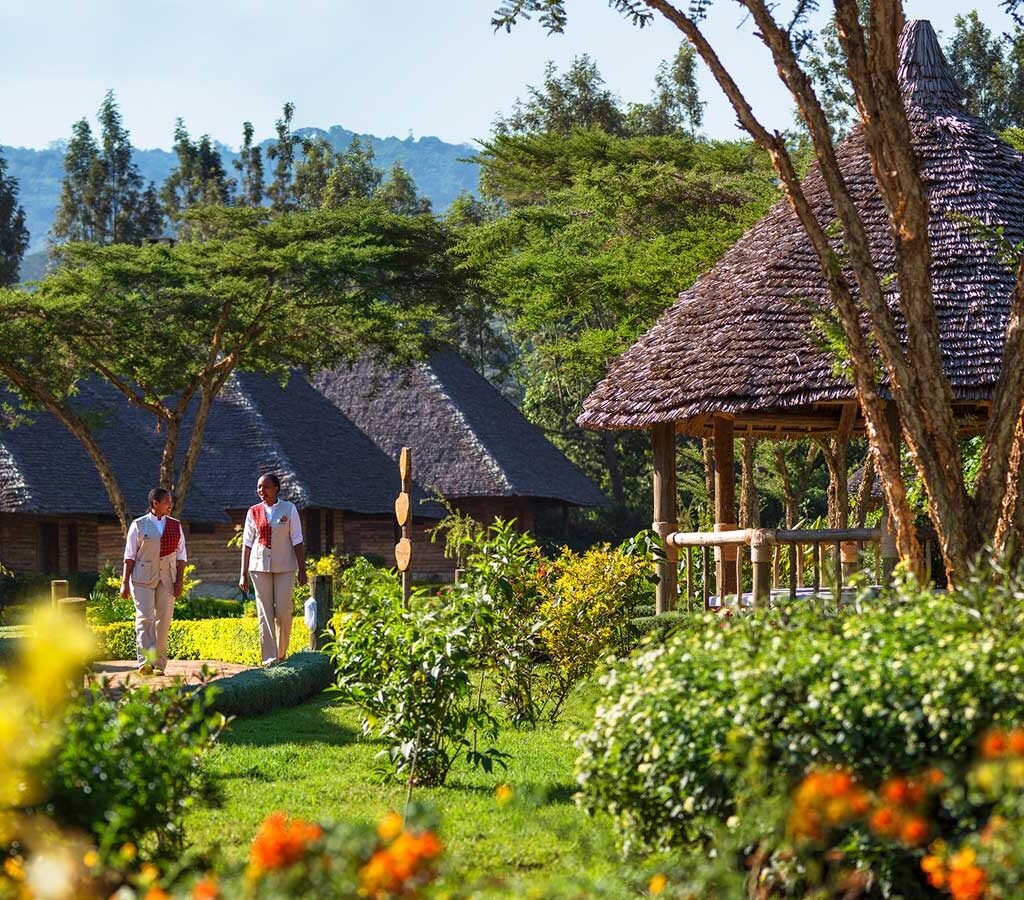
Ngorongoro Crater
The Ngorongoro Crater is a natural partner for the Serengeti in any month and a highlight in September. The crater floor holds lions, hyenas, buffalo, elephants and one of the best chances in Tanzania to see black rhino. Nights on the rim are cool, so keep a warm layer for early morning starts. Arrive early for quieter crater viewing.
Explore Ngorongoro Crater →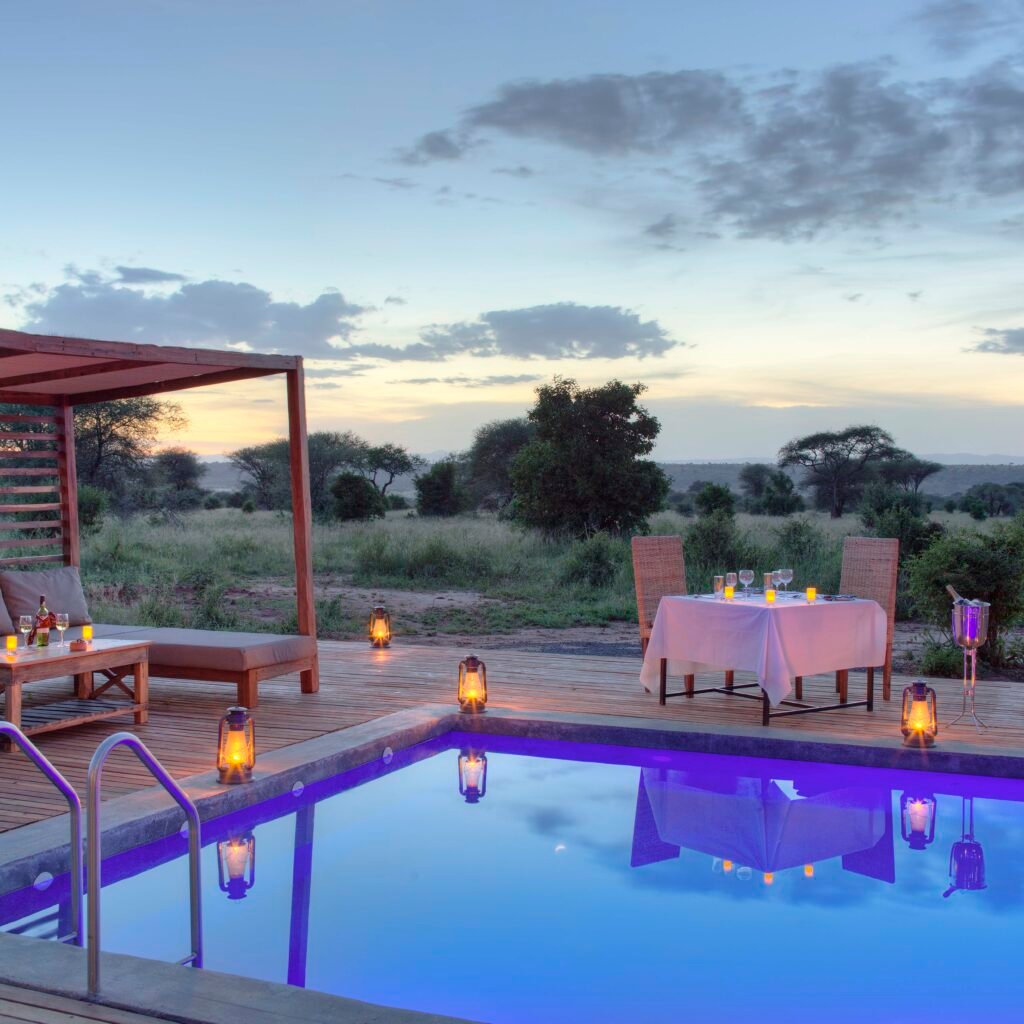
Tarangire National Park
Tarangire is at its best in the dry season, when elephants and other animals gather along the Tarangire River. In September its baobabs stand bare against clear skies, making it a beautiful first or last stop. It lies a few hours from Arusha, so it fits easily into a Serengeti and Ngorongoro route. Lake Manyara is also nearby.
Explore Tarangire →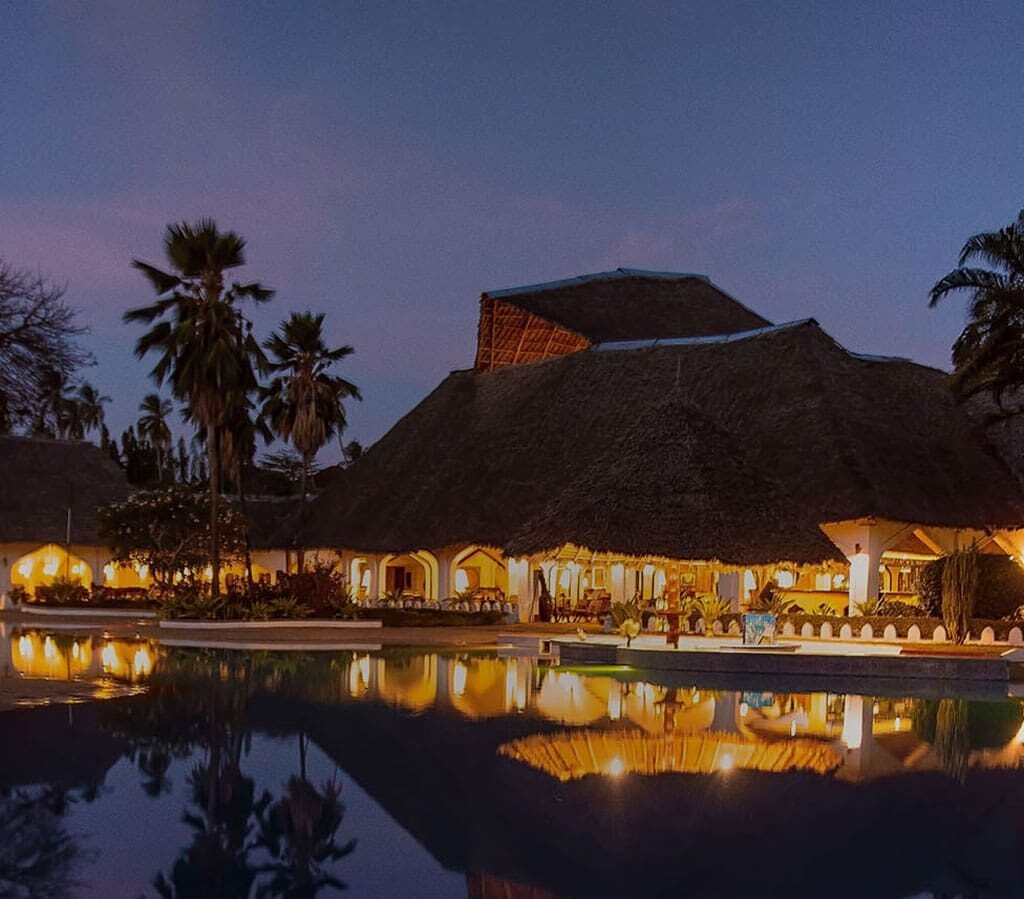
Zanzibar Beach Holiday
Zanzibar is usually dry, sunny and pleasant in September, making it a perfect beach finish after dusty game drives. A short flight from the Serengeti or Arusha takes you to white sand and warm water. Stone Town adds history and culture, while quiet beaches suit couples and families who simply want to relax. Beach hotels are popular this month.
Explore Zanzibar Holidays →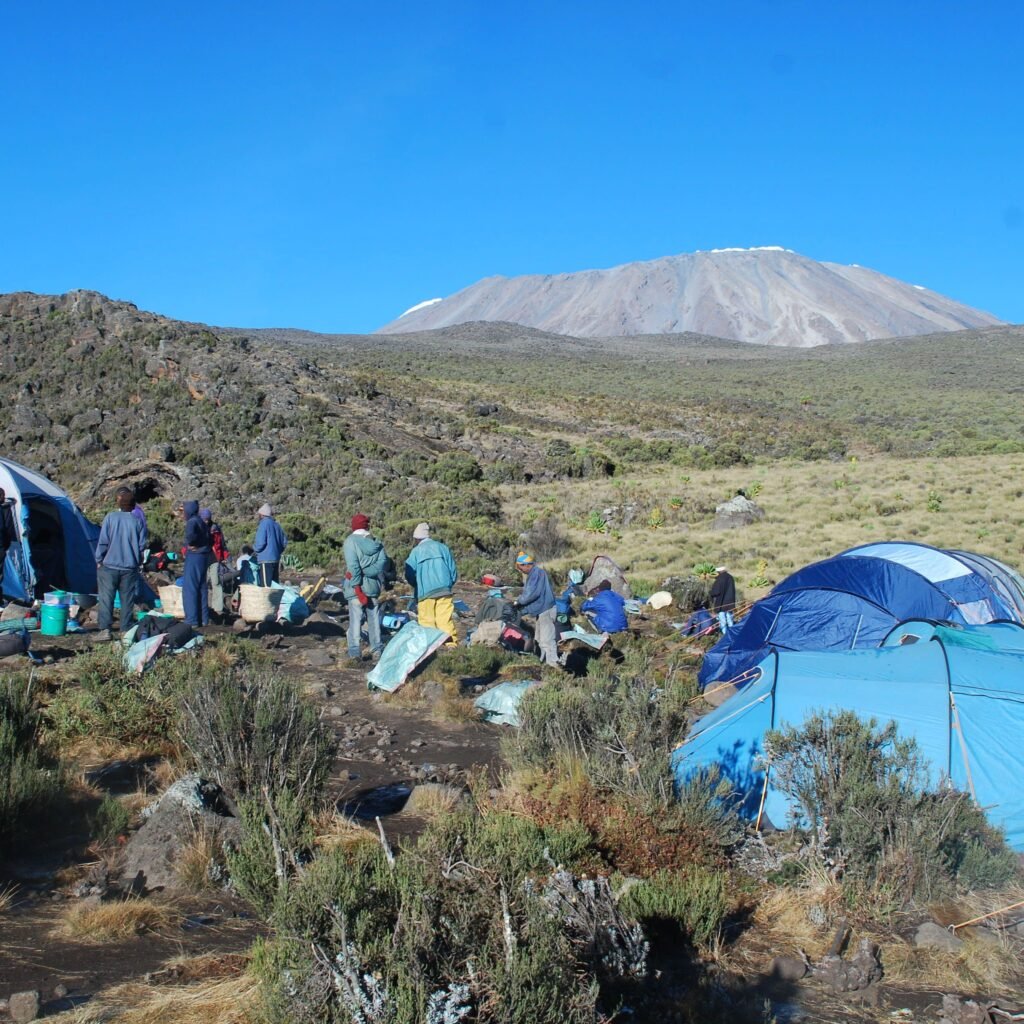
Climb Kilimanjaro in September
September is a popular month to climb Kilimanjaro, as it falls in the long dry season with generally clear, settled conditions. A climb before your safari means you can relax on game drives afterwards. Our September climbing guide explains routes, weather and what to expect so you can plan both adventures together. Allow a rest day before your safari.
Climbing Kilimanjaro in September →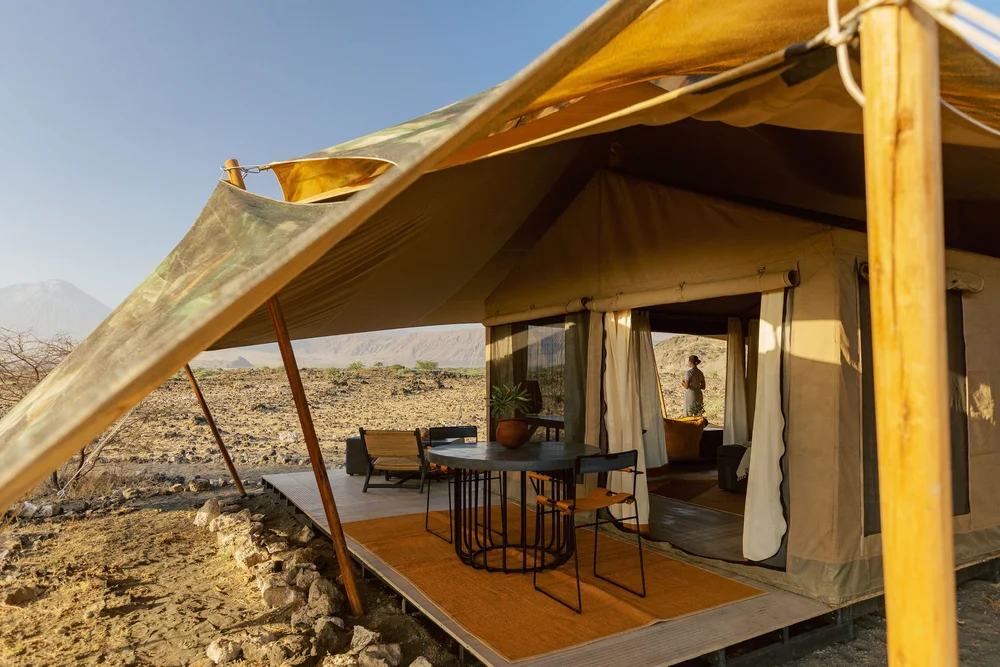
Lake Natron and Ol Doinyo Lengai
Lake Natron is a remote soda lake below the volcano Ol Doinyo Lengai, with dramatic, otherworldly scenery. It can be added on the way to or from the northern Serengeti for a complete change of landscape. In September the area is hot and dry, so plan early starts and enjoy the lake late in the day.
Explore Lake Natron →Serengeti Travel Tips for September
A little planning makes a Serengeti safari in September far more rewarding. Because it is crossing season, the most important steps are to book northern camps early, spend enough nights near the Mara River and be patient once you are there. It also helps to consider flying to the north, dress for warm days and fresh mornings, and protect your camera from dust. These tips come from our Arusha-based guides, who spend every September tracking the herds. Use them with the rest of this guide to plan a smooth, rewarding September safari in the Serengeti.
Reserve Northern Camps Early
Camps near the Mara River are the first to fill for September, so booking nine to twelve months ahead gives you the best choice. If your dates are flexible, the second half of the month is often quieter. Securing flights, balloon places and Ngorongoro nights at the same time keeps your plans simple. Popular camps rarely have late space.
- Book 9–12 months ahead
- Secure northern camps
- Late September is quieter
- Reserve balloon places
Spend Three or Four Nights in the North
Crossings are unpredictable, and a herd may gather for hours before deciding to cross, or turn back altogether. Three or four nights near Kogatende or the Lamai Triangle give you a much better chance of seeing one. A quick one-night visit to the north saves money but often leaves people disappointed. Our guides know the river crossing points well.
- 3–4 nights in the north
- Kogatende or Lamai
- Avoid rushed visits
- Full days by the river
Wait Quietly at the Crossing Points
At the river, quiet patience pays off. Herds are easily spooked by noise and movement, so your guide will keep a respectful distance and wait. Bring snacks, water and a packed lunch so you can stay put. With your own guide and 4x4, there is no pressure to leave before the action begins. Crossings reward those who wait.
- Keep noise low
- Respect the distance
- Pack lunch and water
- No pressure to leave
Consider a Flight to the North
Driving from Arusha to the far north takes well over a day, as central Serengeti alone is about seven to eight hours away, so many September travellers fly. Light aircraft reach northern airstrips such as Kogatende in about one to two hours from Arusha. Your guide and vehicle can meet you there, keeping your private safari seamless.
- Fly to Kogatende
- Save long drives
- Guide meets you
- Combine road and air
Prepare for Dust and Sun
September tracks are dry and dusty, especially in busy northern areas. Pack a buff or scarf, sunglasses and eye drops, and keep cameras in a dust-proof bag. The sun is strong at this latitude, so wear a wide-brimmed hat and high-factor sunscreen. Neutral, light-coloured clothing stays cooler and shows less dust. A small towel helps wipe away dust.
- Buff or scarf
- Sunglasses and eye drops
- Dust-proof camera bag
- Hat and sunscreen
Dress for Fresh Mornings and Warm Days
Early drives in an open vehicle can feel fresh in September, while afternoons are warm. Layers work best: a light shirt, a fleece or soft jacket for the morning and breathable trousers. Avoid dark blue and black clothing, which attract tsetse flies in some wooded areas of the north and west. Comfortable closed shoes are useful too.
- Fleece for mornings
- Light layers
- Avoid dark blue and black
- Breathable fabrics
What to Pack for the Serengeti in September
What should you pack for the Serengeti in September? Think dry, dusty and sunny, with fresh mornings. Light, neutral layers keep you comfortable from cool dawn drives to warm afternoons, and a fleece is useful in an open vehicle. Dust is the biggest challenge, so bring a buff, sunglasses and protection for your camera. Strong sun calls for a wide-brimmed hat and high-factor sunscreen. If you take light aircraft flights to the north, use a soft-sided bag within the weight limit. Our full packing list covers every item in detail. Binoculars for each traveller make game drives more rewarding.
- Light, neutral-coloured clothing
- Warm fleece for early drives
- Wide-brimmed sun hat
- High-factor sunscreen and lip balm
- Sunglasses and eye drops
- Buff or scarf against dust
- Binoculars for every passenger
- Camera with dust-proof bag
- Spare batteries and memory cards
- Insect repellent
- Comfortable closed shoes
- Soft-sided bag for flights
Events and Holidays in September
There are no fixed national public holidays in Tanzania in September, so the month’s big events are natural ones. Mara River crossings usually continue at their peak in the northern Serengeti, and dry-season predator activity is at its height across the park. The end of the European summer school holidays in early September means visitor numbers begin to ease after August. Religious holidays such as Eid follow the lunar calendar, so check whether any fall during your travel dates. Late in the month, we start watching for signs of the herds moving south. Our guides share every update.
- Early SeptemberSummer holidays endVisitor numbers begin to ease after August
- All monthMara River crossingsUsually at their peak in the northern Serengeti
- All monthDry-season predator actionLions, leopards and cheetahs near water
- Varies each yearReligious holidaysLunar calendar; check your travel year
- Late SeptemberHerds still in the northSouthward drift usually begins in October
How to Get to the Serengeti in September
How do you get to the Serengeti in September? Most travellers fly into Kilimanjaro International Airport, known as JRO, and spend a night in Arusha. From there, you either drive via the Ngorongoro highlands, a full day of roughly seven to eight hours to the central Serengeti, or fly by light aircraft from Arusha Airport. Because the herds are usually in the far north, flying to Kogatende in about one to two hours saves a long journey. Many September travellers drive one way and fly the other. We arrange every transfer and flight, so your journey is smooth.
- Fly into Kilimanjaro (JRO)International arrival, then a night in Arusha
- Drive via NgorongoroAbout 7–8 hours to central Serengeti via Naabi Hill Gate
- Or fly from Arusha (ARK)About 1–2 hours by light aircraft to Seronera or Kogatende
- Head north for the herdsYour guide and 4x4 meet you for the Mara River
Serengeti Health and Safety in September
Health and safety on a Serengeti safari in September are straightforward with a few precautions. Malaria is present all year, although mosquitoes are fewer in the dry season, so consult a travel clinic about antimalarials and use repellent and long sleeves at dusk. Tsetse flies occur in some wooded areas of the north and west, so avoid dark blue and black clothing. Strong sun and dust make sunscreen, sunglasses and plenty of bottled or filtered water essential. Our guides are first-aid trained, and travel insurance should include evacuation. Please ask us about any health concerns before you travel.
- Consult a travel clinic about antimalarials
- Use repellent and cover up at dusk
- Drink bottled or filtered water
- Yellow fever certificate only if arriving from a risk country
- Stay inside the vehicle unless your guide says otherwise
- Avoid dark blue and black against tsetse flies
- Our guides are first-aid trained
- Travel insurance including evacuation
How to Plan and Book a Serengeti Safari in September
Planning a Serengeti safari in September is simple when you follow a few clear steps. Because it is crossing season, start early, decide how many nights you want in the north and choose camps close to the Mara River. Then send us your enquiry, and our Arusha-based team will design a private tailor-made itinerary with your own guide and 4x4. Once you are happy, confirm and book, then prepare and pack. Here is how it works, step by step. Each step includes a short checklist and a link to more detailed help.
Choose Your September Dates
Start by choosing your travel dates. Early September usually offers the most settled crossing conditions, while the second half is often quieter. Think about how many days you have, whether you will add a beach stay or a climb, and how flexible you can be, since the herds move with the rains each year. Booking early is wise.
- Early or late September
- Number of days
- Beach or climb add-on
- Some flexibility
Pick the Areas You Want to Explore
Next, decide which areas to include. For September, most of your nights should be in the north around Kogatende or the Lamai Triangle. Adding Seronera gives you resident big cats, and Lobo offers quieter scenery. Our map helps you understand distances, so you can balance driving and flying across the park. Two or three areas usually work well.
- Kogatende or Lamai
- Seronera for big cats
- Lobo for scenery
- Balance road and air
Choose Your Camps and Lodges
Choose the accommodation style that suits you, from budget camping to mobile tented camps, lodges, tented lodges or high-end luxury. In September, being close to the Mara River matters most, so prioritise northern camps. We will suggest options that match your budget and give you easy access to the crossing points. Mixing styles also works well.
- Pick a style
- Prioritise the north
- Match your budget
- Easy river access
Send Us Your Enquiry
Send us your enquiry with your dates, group size, interests and preferred comfort level. Our Arusha-based safari planners will reply with a tailor-made itinerary and a clear quote. We are happy to adjust routes, camps and activities until everything feels right, including balloon flights, Ngorongoro nights or a Zanzibar extension. There is no obligation to book.
- Share dates and interests
- Receive a tailored plan
- Clear quote
- Adjust until right
Confirm and Book Your Safari
When you are happy with your itinerary, confirm your safari and pay the deposit as set out in your booking confirmation. We then secure your camps, flights and any balloon safari straight away, which matters for September’s popular northern camps. You will receive a full confirmation with all the details of your trip. Keep it safe for reference.
- Approve the itinerary
- Pay the deposit
- Camps secured
- Full confirmation
Prepare and Pack for September
Finally, prepare for your trip. Check your passport, visa and travel insurance, speak to a travel clinic about antimalarials, and pack for dry, dusty days and fresh mornings. Our packing list covers everything you need. Before you travel, we send final details, and your guide meets you on arrival in Arusha. Then you are ready for the Serengeti.
- Passport and visa
- Travel clinic visit
- Pack for dust and sun
- Final details sent
Serengeti Safari in September: FAQs
Where is the Great Migration in September?
In September the Great Migration is usually in the northern Serengeti, around Kogatende, the Lamai Triangle and the Mara River. The herds cross the river back and forth in search of fresh grazing, and some move into Kenya’s Maasai Mara. Exact movements vary each year with the rains.
Is September a good time to visit the Serengeti?
Yes. September is one of the best times to visit the Serengeti. Mara River crossings typically continue at their peak, the weather is dry and sunny, and predator viewing is superb. Crowds usually ease after August, although northern camps remain in high demand and should be booked early.
What is the Serengeti weather in September?
Serengeti weather in September is usually dry and sunny, with daytime temperatures of about 24–30 °C that rise through the month. Mornings are fresh but milder than in July and August, rain is rare and the tracks are dusty, so pack light layers and dust protection.
Can you see Mara River crossings in September?
Yes. September is typically one of the two peak months for Mara River crossings, along with August. Crossings are never guaranteed and can happen at any time of day, so we recommend three or four nights near Kogatende or the Lamai Triangle and full days by the river.
How much does a Serengeti safari cost in September?
A private Serengeti safari in September typically costs from about $200 to $2,500 per person per day, depending mostly on accommodation style, from budget camping to high-end luxury. It is high season, and park fees, your guide, private vehicle and meals are usually included.
Is the Serengeti crowded in September?
The Serengeti is still busy in September, especially at popular crossing points near Kogatende, but crowds usually ease after the European summer holidays. The second half of the month is often quieter. Book northern camps nine to twelve months ahead for the widest choice.
What should I pack for the Serengeti in September?
Pack light, neutral layers for warm days, a fleece for fresh mornings, a wide-brimmed hat, sunscreen, sunglasses and a buff against dust. Bring binoculars, a dust-proof camera bag and insect repellent, and use a soft-sided bag if you are flying to the north.
Design Your Private September Serengeti Safari
Design your private Serengeti safari for September with our Arusha-based team. Tell us your dates and interests, and we will plan camps near the Mara River, your own guide and 4x4, and any Ngorongoro, Zanzibar or Kilimanjaro extension.
Plan My Private SafariView Serengeti Safaris