Wildlife Photography Tips for Your Next Tanzania Safari
Wildlife Photography Tips for Your Next Tanzania Safari
Experience incredible wildlife photography tips for your next Tanzania Safari are essential for capturing the breathtaking beauty of Africa’s most iconic landscapes and wildlife encounters. Tanzania is a world-leading destination for wildlife photography, offering unmatched scenes in the Serengeti National Park, Ngorongoro Crater, and Tarangire National Park. From the Great Migration to close-up predator action, every moment is a chance to create professional-quality safari images. Using the right camera settings, understanding light, and anticipating animal behavior are photographers planning a Tanzania safari. Whether you are a beginner or a professional, mastering composition, timing, and patience will transform your safari experience into a visual storytelling journey across Africa’s most photogenic wilderness. Optimize your wildlife photography workflow for visibility and unforgettable safari memories in Tanzania’s premier national parks today.
Choosing the Best Camera Gear for Wildlife Photography in Tanzania Safari
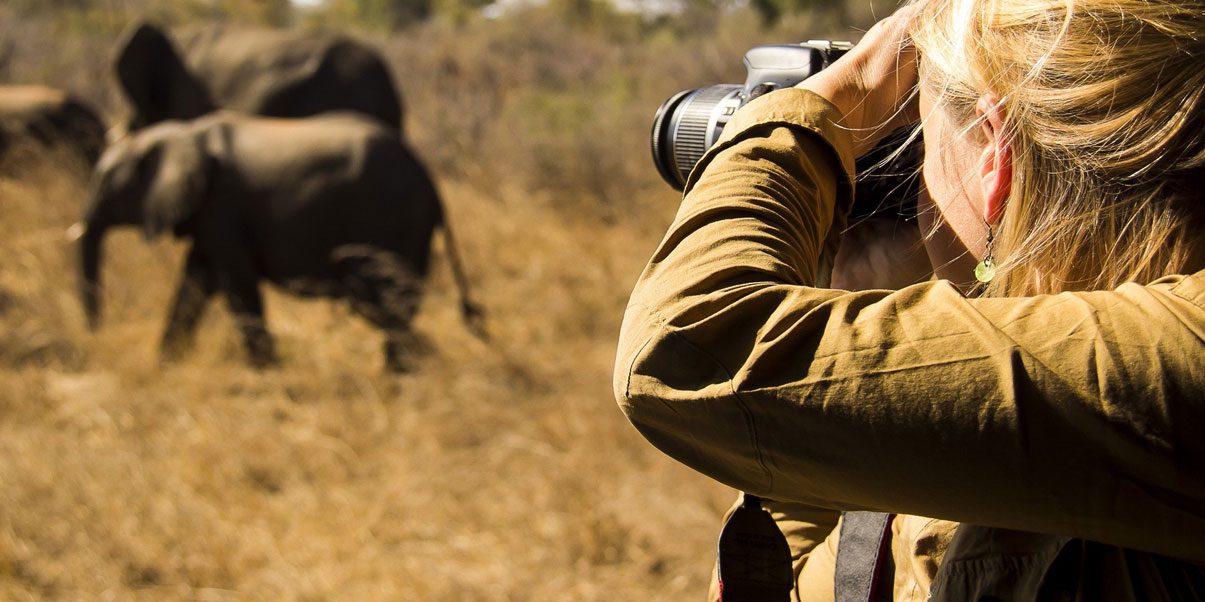
Choosing the Best Camera Gear for Wildlife Photography in Tanzania Safari begins with selecting the right DSLR or mirrorless camera paired with a telephoto lens for long-distance wildlife shots. A 100–400mm or 150–600mm lens is ideal for capturing animals in the Serengeti National Park and Ngorongoro Crater without disturbing their natural behavior. Professional safari photographers also recommend carrying extra batteries, memory cards, and a weather-resistant camera bag due to dusty and unpredictable safari conditions. Lightweight equipment is important for mobility during game drives in Tarangire National Park and Lake Manyara National Park. Investing in quality gear ensures sharper images, better zoom capability, and enhanced low-light performance during golden hour photography in Tanzania’s iconic landscapes. Essential for wildlife safari photography guides worldwide in competitive travel search results today.
Mastering Golden Hour Lighting for Tanzania Safari Photography
Mastering Golden Hour Lighting for Tanzania Safari Photography is one of the most important wildlife photography tips for capturing dramatic and professional images. The golden hour, shortly after sunrise and before sunset, provides soft, warm light that enhances animal textures and landscapes in Serengeti National Park and Ngorongoro Crater. During this time, shadows are longer, colors are richer, and wildlife activity is at its peak, especially predators on the hunt. Photographers should adjust ISO, aperture, and shutter speed to balance natural light and motion. Shooting during golden hour in Tarangire National Park also improves composition and reduces harsh midday glare. Understanding light direction and positioning your subject correctly ensures more impactful storytelling images for safari photography content across digital platforms.
Composition Techniques for Stunning Wildlife Photography in Tanzania Safari
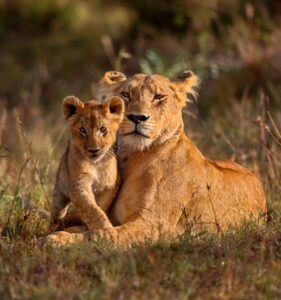
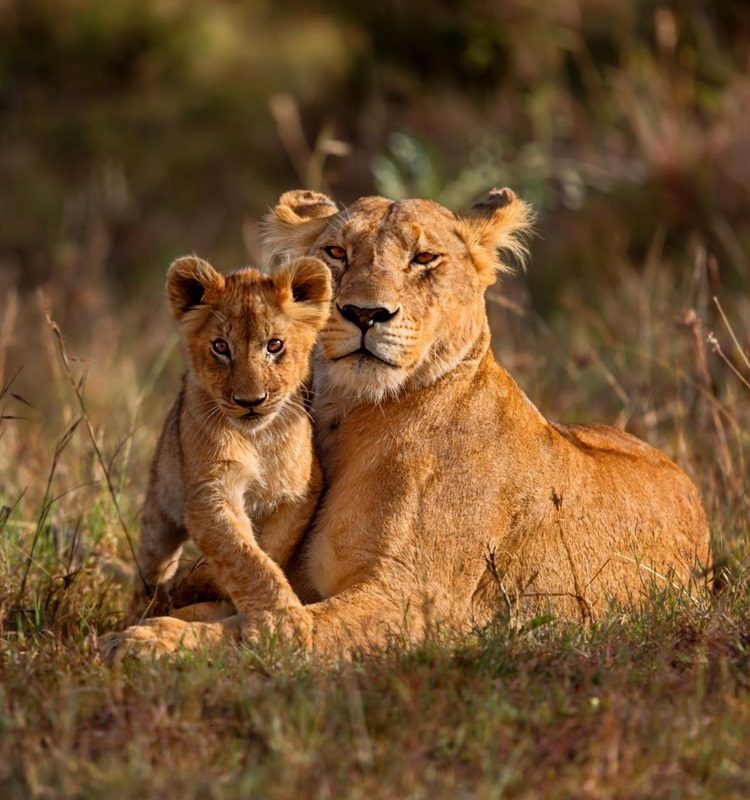
Composition Techniques for Stunning Wildlife Photography in Tanzania Safari focuses on framing, perspective, and storytelling to create visually powerful safari images. Using the rule of thirds helps photographers position animals like lions, elephants, and zebras within iconic Tanzanian landscapes such as Serengeti National Park and Lake Manyara National Park. Including foreground elements like acacia trees or river reflections adds depth and context. Capturing eye-level shots creates an emotional connection with subjects, while wide-angle compositions showcase the vastness of Ngorongoro Crater. Leading lines, such as migration paths, guide the viewer naturally through the image. Strong composition is essential for wildlife photography content, helping images rank higher in search engines and attract global safari tourism audiences. Enhances engagement and professional safari photography portfolio quality, online and offline visibility.
Camera Settings for Wildlife Action Shots in Tanzania Safari
Understanding Camera Settings for Wildlife Action Shots in Tanzania Safari is crucial for freezing fast-moving animals such as cheetahs in Serengeti National Park or wildebeest during the Great Migration. Key settings include fast shutter speed, high ISO in low light, and an appropriate aperture for sharp focus. A shutter speed of 1/1000 or faster helps eliminate motion blur. ISO adjustments allow flexibility during early morning or evening game drives in Ngorongoro Crater. Aperture settings like f/4 to f/8 provide balanced depth of field for wildlife portraits. Mastering these settings improves performance for safari photography tutorials and travel blogs targeting Tanzania wildlife photography audiences worldwide. Essential for ranking safari photography guides and travel blogs globally. Improve engagement and visibility for content creators across digital marketing platforms today, safari photography tips guide now.
Selecting the Best Lenses for Tanzania Wildlife Photography
Selecting the Best Lenses for Tanzania Wildlife Photography determines the quality and reach of your safari images. Telephoto lenses such as 100–400mm or 200–600mm are essential for capturing distant animals in Serengeti National Park and Tarangire National Park without disturbing wildlife. Prime lenses offer sharp detail for portraits of elephants, lions, and giraffes in Ngorongoro Crater. Wide-angle lenses are ideal for landscapes and environmental storytelling during sunrise and sunset game drives. Image stabilization helps reduce blur in moving safari vehicles. Perfect for travel optimization and wildlife storytelling excellence in competitive digital safari markets today rank higher globally.
Anticipating Animal Behavior in Tanzania Safari Wildlife Photography
Anticipating Animal Behavior in Tanzania Safari Wildlife Photography helps capture rare moments such as lion hunts, elephant herds, and river crossings in Serengeti National Park. Understanding feeding patterns, movement routes, and social interactions improves timing and shot accuracy. Early mornings and late afternoons in Ngorongoro Crater and Tarangire National Park offer peak activity. Observing quietly and staying patient increases the chances of dramatic wildlife photography results. This technique is essential for wildlife photography content because authentic behavior images perform better in travel blogs and social media engagement. Improves organic search performance for safari photography globally for professional safari photographers worldwide, audience growth, and tourism impact optimization today in digital travel markets rank better globally for safari content now.
Understanding Safari Timing in Tanzania
Understanding Safari Timing in Tanzania is crucial for maximizing wildlife photography opportunities. The best game viewing hours are early morning and late afternoon when animals are most active in Serengeti National Park and Ngorongoro Crater. Midday light is often harsh, making it less ideal for professional safari photography. Seasonal timing also matters, especially during the Great Migration when millions of wildebeest and zebras move across the plains. Planning your safari during the dry seasons increases visibility and wildlife concentration around water sources in Tarangire National Park. Proper timing improves image quality and storytelling impact potential for travel blogs.
Using Safari Vehicles Effectively
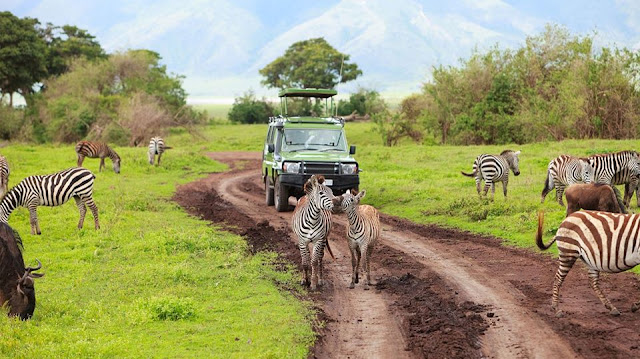
Using Safari Vehicles Effectively is an important wildlife photography tip in Tanzania safari tours. A stable position inside a 4x4 safari vehicle helps reduce vibration and improve image sharpness when photographing animals in Serengeti National Park or Ngorongoro Crater. Choosing the right seat position allows better angles for capturing predators and herds. Open-roof safari vehicles provide flexibility for shooting upward or panoramic landscapes. Photographers should use bean bags or window rests for lens stabilization. Minimizing movement and noise ensures natural wildlife behavior is not disturbed. These techniques enhance image quality and improve value for wildlife photography blogs and safari tour websites targeting Tanzania travel audiences.
Capturing the Great Migration in Tanzania
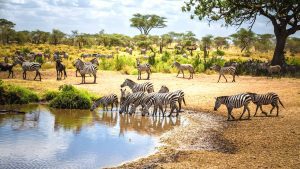
Capturing the Great Migration in Tanzania is one of the most powerful wildlife photography experiences in Serengeti National Park. Millions of wildebeest and zebras move across the plains in search of fresh grazing, creating dramatic river crossings and predator encounters. Timing and patience are key to photographing this natural wonder. Positioning yourself near migration routes increases chances of action shots involving crocodiles and big cats. Long telephoto lenses help capture distant movement and detail. Golden hour lighting enhances dramatic scenes and improves visual storytelling. This subject is highly valuable for wildlife photography content because it attracts global travel searches and tourism interest in Tanzania safari experiences.
A general guide: the herds follow the rains.
Patience in Tanzania Wildlife Photography
Patience in Wildlife Photography is one of the most important skills for a successful Tanzania safari. Animals do not follow predictable schedules, especially in Serengeti National Park and Ngorongoro Crater. Waiting quietly for long periods increases the chances of capturing rare behaviors such as hunting, feeding, or mating. Patience also allows photographers to observe light changes and adjust settings for perfect exposure. Avoid rushing between sightings; instead, focus on one subject to create compelling storytelling images. This approach significantly improves value for safari photography blogs because authentic, patient shots are highly engaging and widely shared across travel platforms.
Focus and Sharpness Techniques
Focus and Sharpness Techniques are essential for professional wildlife photography in Tanzania safari environments. Using continuous autofocus helps track moving animals such as lions and cheetahs in Serengeti National Park. Back-button focusing improves control and accuracy when shooting unpredictable wildlife. Selecting a single focus point ensures sharp subject isolation against blurred backgrounds. In Ngorongoro Crater, adjusting focus settings quickly is important due to changing light and movement. Using faster shutter speeds and proper lens stabilization reduces blur.
Storytelling Through Tanzania Wildlife Images
Storytelling Through Wildlife Images transforms simple safari photos into powerful visual narratives. In Tanzania safari destinations like Serengeti National Park and Tarangire National Park, photographers can capture emotional moments between animals, predator-prey interactions, and family herds. Including environmental context adds depth and meaning to images.A strong narrative helps travel blogs, Instagram pages, and safari websites attract global attention. Every image should communicate action, emotion, or behavior to strengthen its impact and search visibility.
Editing Tanzania Safari Photographs
Editing Safari Photographs enhances image quality and improves performance for wildlife photography content. Adjusting exposure, contrast, and color balance brings out natural tones captured in Serengeti National Park and Ngorongoro Crater. Cropping helps improve composition and focus on key subjects. However, editing should remain natural to preserve the authenticity of Tanzania safari experiences. Software tools like Lightroom or Photoshop are commonly used by professional photographers.
Sharing Tanzania Wildlife Photography
Sharing Wildlife Photography ensures your Tanzania safari images reach a global audience. Blogging about your safari experience increases visibility across Google and travel platforms. Using social media hashtags like #TanzaniaSafari and #WildlifePhotography boosts engagement. High-quality content from Ngorongoro Crater and Serengeti National Park performs well in digital travel searches. Strategies help photographers convert their work into traffic, bookings, and audience growth in the competitive travel industry.
Final Thought
Wildlife Photography Tips for Your Next Tanzania Safari combine technical skills, patience, creativity, and produce world-class safari imagery. Tanzania remains one of the most powerful destinations for wildlife photography, offering unmatched diversity across Serengeti National Park, Ngorongoro Crater, and Tarangire National Park. By mastering camera settings, composition, lighting, and animal behavior, photographers can create unforgettable visual stories that rank highly in global search engines. Whether capturing the Great Migration or intimate wildlife moments, success depends on preparation and awareness. Applying these focused wildlife photography techniques ensures your content reaches wider audiences and performs strongly in travel photography markets. A Tanzania safari is not just a journey—it is a visual storytelling opportunity that connects nature, creativity, and global digital visibility for lasting impact.
Wildlife Photography Tips for Your Next Tanzania Safari: FAQs
What should you know about choosing the best camera gear for wildlife photography in Tanzania safari?
Choosing the Best Camera Gear for Wildlife Photography in Tanzania Safari begins with selecting the right DSLR or mirrorless camera paired with a telephoto lens for long-distance wildlife shots. A 100–400mm or 150–600mm lens is ideal for capturing animals in the Serengeti National Park and Ngorongoro Crater without disturbing their natural behavior.
What should you know about mastering golden hour lighting for Tanzania safari photography?
Mastering Golden Hour Lighting for Tanzania Safari Photography is one of the most important wildlife photography tips for capturing dramatic and professional images. The golden hour, shortly after sunrise and before sunset, provides soft, warm light that enhances animal textures and landscapes in Serengeti National Park and Ngorongoro Crater.
What should you know about composition techniques for Stunning wildlife photography in Tanzania safari?
Composition Techniques for Stunning Wildlife Photography in Tanzania Safari focuses on framing, perspective, and storytelling to create visually powerful safari images. Using the rule of thirds helps photographers position animals like lions, elephants, and zebras within iconic Tanzanian landscapes such as Serengeti National Park and Lake Manyara National Park.
What can you expect from camera settings for wildlife action shots in Tanzania safari?
Understanding Camera Settings for Wildlife Action Shots in Tanzania Safari is crucial for freezing fast-moving animals such as cheetahs in Serengeti National Park or wildebeest during the Great Migration. Key settings include fast shutter speed, high ISO in low light, and an appropriate aperture for sharp focus.
What should you know about selecting the best lenses for Tanzania wildlife photography?
Selecting the Best Lenses for Tanzania Wildlife Photography determines the quality and reach of your safari images. Telephoto lenses such as 100–400mm or 200–600mm are essential for capturing distant animals in Serengeti National Park and Tarangire National Park without disturbing wildlife. Prime lenses offer sharp detail for portraits of elephants, lions, and giraffes in Ngorongoro Crater.
What should you know about anticipating animal behavior in Tanzania safari wildlife photography?
Anticipating Animal Behavior in Tanzania Safari Wildlife Photography helps capture rare moments such as lion hunts, elephant herds, and river crossings in Serengeti National Park. Understanding feeding patterns, movement routes, and social interactions improves timing and shot accuracy. Early mornings and late afternoons in Ngorongoro Crater and Tarangire National Park offer peak activity.
What should you know about understanding safari timing in Tanzania for wildlife photography tips for your next Tanzania safari?
Understanding Safari Timing in Tanzania is crucial for maximizing wildlife photography opportunities. The best game viewing hours are early morning and late afternoon when animals are most active in Serengeti National Park and Ngorongoro Crater. Midday light is often harsh, making it less ideal for professional safari photography.
What should you know about using safari vehicles Effectively for wildlife photography tips for your next Tanzania safari?
Using Safari Vehicles Effectively is an important wildlife photography tip in Tanzania safari tours. A stable position inside a 4x4 safari vehicle helps reduce vibration and improve image sharpness when photographing animals in Serengeti National Park or Ngorongoro Crater. Choosing the right seat position allows better angles for capturing predators and herds.
Plan Your Photographic Safari
Tell us your photography goals and dates, and we will design a private safari with flexible timing and expert guides who know where the light and action are.