Tips to Improve Your Wildlife & Nature Photography
Wildlife and Nature Photography Tips at a Glance
Capturing the Soul of the Wild: 10 Tips to Elevate Your Wildlife & Nature Photography in Tanzania (and Beyond)
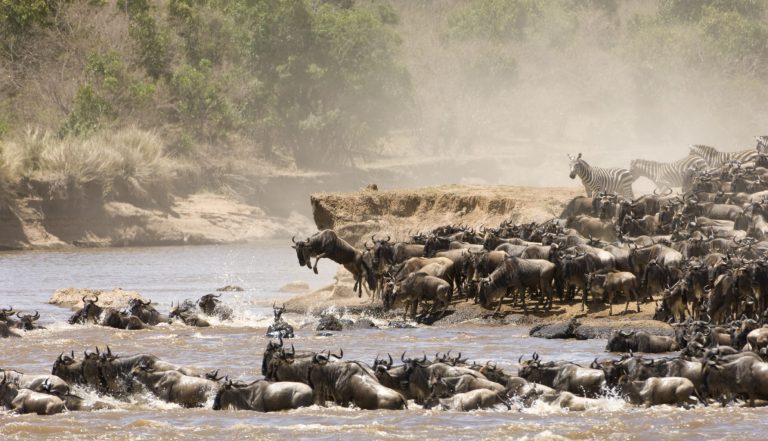
The allure of Tanzania, especially the breathtaking landscapes and abundant wildlife surrounding Arusha, ignites a primal urge to capture its beauty through the lens. Whether you're witnessing the Great Migration in the Serengeti, marveling at the elephants of Tarangire, or exploring the lush forests of Arusha National Park, your camera becomes an extension of your eye, a tool to preserve fleeting moments of wonder. But transforming snapshots into captivating photographs that truly convey the soul of the wild requires more than just pointing and shooting. Here are 10 essential tips to elevate your wildlife and nature photography during your Tanzanian adventure (and any bush experience):
Master the Art of Patience: The Photographer's Greatest Virtue
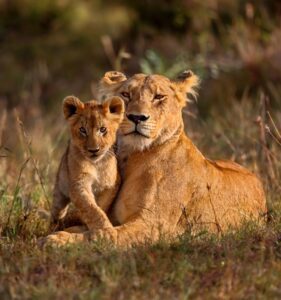
Wildlife photography, particularly in a place as dynamic as Tanzania, demands patience above all else. The most extraordinary moments – a tender interaction between a mother and her cub, a predator stalking its prey, a bird displaying its vibrant plumage – often unfold when you least expect them. Resist the urge to rush from sight to sight. Instead, find a promising location, settle in, and observe. Let the scene unfold naturally. This patient approach, often practiced by seasoned photographers around Arusha waiting for the perfect light on Mount Meru or the ideal moment with local wildlife, is key to capturing truly exceptional images.
Understand Your Subject: Know Their Habits and Habitat
Truly compelling wildlife and nature photography goes beyond simply documenting what you see; it tells a story. To do this effectively, invest time in understanding your subjects. Learn about the behavior patterns of the animals you hope to photograph – their feeding times, social interactions, and preferred habitats. The more you know, the better you can anticipate their actions and position yourself for impactful shots. Before heading out on a game drive from Arusha, take the time to learn about the specific animals you're likely to encounter in that park. Understanding the migratory patterns of birds around Lake Manyara, for instance, will significantly improve your bird photography. Check this: Top 10 Best Tanzania Photography Safari 2026/2027
Embrace the Golden Hours: The Magic of Light
Light is the lifeblood of photography, and the soft, warm light of sunrise and sunset – often referred to as the "golden hours" – is particularly magical for wildlife and nature. This gentle illumination bathes the landscape in a beautiful glow, enhances colors, and creates soft shadows that add depth and dimension to your subjects. Rise early for those misty morning shots of elephants in Tarangire or stay out until dusk to capture the silhouettes of giraffes against a fiery Serengeti sky. The difference in image quality during these times compared to the harsh midday sun is often dramatic. Many lodges around Arusha schedule early morning and late afternoon game drives specifically to take advantage of this optimal light.
Get Down Low: Changing Your Perspective
Most casual wildlife photography is taken from the height of a standing adult or a safari vehicle. While convenient, this perspective often lacks impact. Try getting down low to the eye level of your subject. This can create a more intimate connection with the animal, making it appear larger and more significant in the frame. It also helps to blur out distracting backgrounds. Safely lowering your camera (when permitted and guided by your experienced driver in Tanzania) can transform a simple portrait of a lion into a powerful and engaging image. Imagine the difference in photographing a ground hornbill at its eye level versus looking down on it from a vehicle.
- Convenient from the vehicle
- Can flatten the subject
- Busier backgrounds
- More intimate connection
- Subject appears more powerful
- Blurred, cleaner backgrounds
Fill the Frame: Emphasize Your Subject
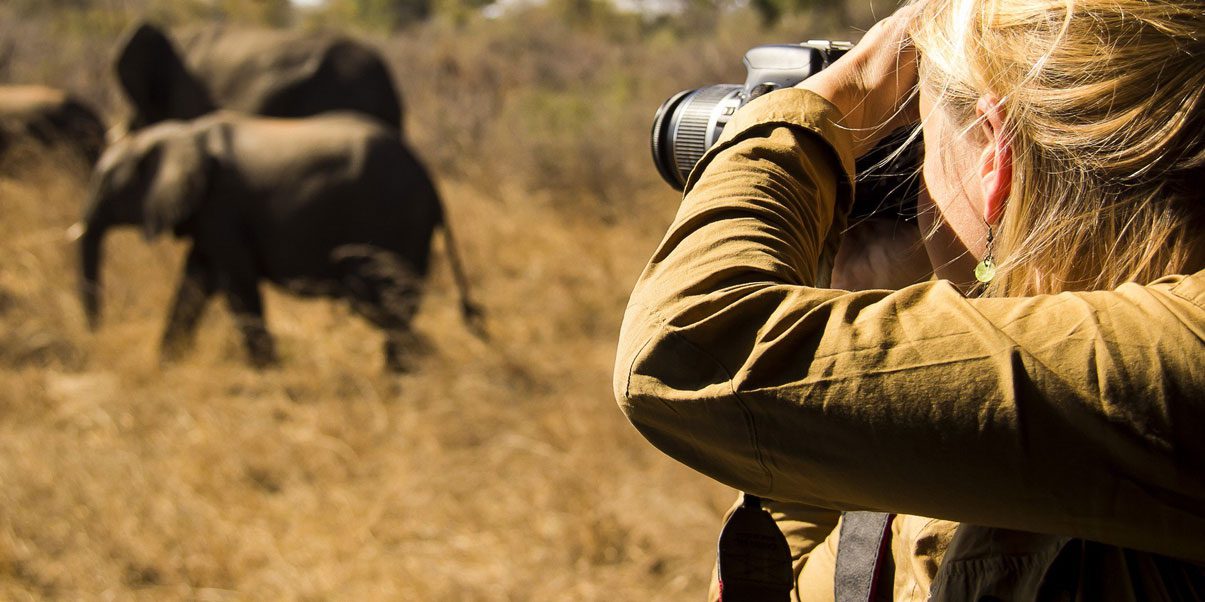
Don't be afraid to get close to your subject (using your telephoto lens, of course, to maintain a safe and respectful distance). Filling the frame with your animal or element of nature eliminates distracting surroundings and forces the viewer to focus on the details, textures, and expressions that make your subject unique. A close-up of a leopard's intense gaze in the Serengeti or the intricate patterns on a butterfly's wing in Arusha National Park can be far more compelling than a wide shot with a tiny subject lost in the scene.
Master the Art of Selective Focus: Guiding the Viewer's Eye
Using a wide aperture (low f-number like f/2.8 or f/4) creates a shallow depth of field, where your subject is sharp and the background is beautifully blurred (bokeh). This technique helps to isolate your subject and draw the viewer's eye directly to it, eliminating distractions and creating a more artistic and professional look. A sharp focus on a cheetah's eyes against a soft, out-of-focus background in the Serengeti instantly elevates the image. Experiment with different apertures to see how they affect the depth of the field and the overall impact of your photograph.
Embrace Negative Space: Creating Visual Harmony
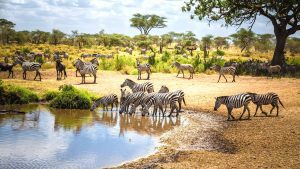
While filling the frame can be effective, don't underestimate the power of negative space – the empty areas around your subject. Strategically using negative space can create a sense of calm, highlight the subject's isolation, or imply movement. A lone giraffe walking across the vast plains of Tarangire with plenty of sky above it can evoke a powerful feeling of solitude and the scale of the landscape.
Capture Behavior: Telling a Story Beyond a Portrait
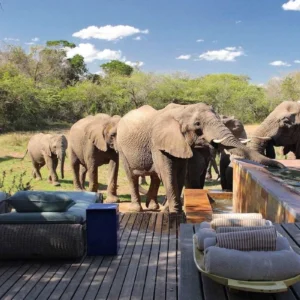
While portraits of wildlife are appealing, images that capture behavior often tell a more compelling story. Look for interactions between animals, feeding, grooming and playing, or even moments of stillness that reveal their character. A photograph of a mother elephant tenderly touching her calf in Tarangire or a group of baboons grooming each other in Arusha National Park offers a deeper insight into their lives and relationships. Anticipating and capturing these behavioral moments requires patience and keen observation.
- Behaviour shots often tell a stronger story than portraits.
- Animals are most active at midday.
- Patience and observation help you anticipate key moments.
Utilize Leading Lines and Framing: Creating Visual Pathways
In nature photography, look for natural leading lines – paths, rivers, fences, or even patterns in the landscape – that draw the viewer's eye towards your subject. Similarly, use natural frames like tree branches, rock formations, or archways to border your subject and create a sense of depth and context. A winding path leading to Mount Meru in Arusha National Park or a lion framed by the branches of an acacia tree in the Serengeti can add significant visual interest to your composition.
Respect the Wild: Ethical Photography Above All Else
Above all else, remember that ethical considerations should always guide your wildlife and nature photography. Never put yourself or the animals at risk for a photograph. Maintain a safe and respectful distance, do not disturb their natural behavior, and never attempt to feed or lure wildlife. Support tour operators and guides in Tanzania who prioritize ethical practices and conservation. Your goal should be to capture the beauty of the wild without causing any harm or distress. The most rewarding photographs are those taken with respect and a genuine appreciation for the incredible natural world you are witnessing in Tanzania. Check this: Simple Tips to Improve Your Safari Photographs
Approach, feed or disturb wildlife, or leave the vehicle unless your guide says it is safe.
Follow your guide, carry travel insurance and check current health and travel advice.
Wildlife Photography Questions Answered
Detailed answers to the questions photographers ask most before a safari.
Best Camera for Wildlife Photography
The best camera for wildlife and nature photography is a DSLR or mirrorless camera with a fast, accurate autofocus system and the ability to shoot in RAW format. RAW files keep more detail and give you greater flexibility when editing. Look for a camera with a high frame rate for continuous shooting, so you can capture fast action such as a running cheetah or birds in flight. Good low-light performance and weather sealing are also very valuable features on safari, where early mornings, late afternoons and dusty roads are common. Pair the camera body with a quality telephoto lens.
Avoiding Blurry Photos of Moving Animals
To avoid blurry photos of moving animals, use a fast shutter speed of at least 1/1000 of a second, which freezes motion and keeps running or flying subjects sharp. Combine this with continuous autofocus, which tracks the animal as it moves across the frame. Burst mode is also absolutely essential, as it captures multiple frames in a very short time and increases your chances of a perfectly sharp image. On safari, rest your camera on a beanbag against the vehicle window or roof to reduce shake, and ask your driver to switch off the engine before you start shooting.
Should You Use a Tripod?
A tripod is useful for wildlife photography because it stabilises your camera, especially in low light or when using heavy telephoto lenses. It allows slower shutter speeds without camera shake and reduces fatigue during long waits for animals to appear. However, for action shots, a monopod or handheld shooting is often more effective, as it lets you follow fast-moving subjects quickly. On a safari in Tanzania, tripods are impractical inside vehicles, so most photographers use a beanbag or window mount instead. Choose the support that suits your lens, the light conditions and the type of photography you have planned.
How Close Can You Get to Wildlife?
Always keep a safe and respectful distance from wildlife, both for your own safety and for the wellbeing of the animals. Getting too close can cause stress, change natural behaviour or even provoke a dangerous reaction. Instead, use a telephoto lens to capture close-up shots without disturbing your subjects. The goal of ethical wildlife photography is to observe without interfering. On safari in Tanzania, experienced guides know how to position the vehicle for the best angle while respecting park rules and the animals' space. Patience is very often richly rewarded, as relaxed animals frequently come closer on their own.
Great Photos Without Professional Gear
You can take excellent wildlife photos without professional equipment. While high-end gear helps, it is not essential. A DSLR or mirrorless camera with a decent zoom lens can still easily capture impressive images, and many modern bridge cameras and even smartphones perform well in good light. What really matters most of all is technique, composition and patience. Learn your camera's settings, study animal behaviour so you can anticipate action, and pay attention to light and backgrounds. On safari, a knowledgeable guide who positions the vehicle well will improve your photographs more than an expensive lens ever could on its own.
Improving Photos in Low Light
To improve your photos in low-light conditions, start by using a wide aperture, which means a low f-number, to let more light reach the sensor. Increase your ISO to brighten the exposure, while remaining mindful that very high settings add noise and reduce detail. Keep the shutter speed fast enough to avoid blur from animal movement or camera shake, balancing it carefully against aperture and ISO. A stable support, such as a beanbag on the safari vehicle, also helps reduce blur significantly. Early mornings and evenings on safari offer beautiful soft light when these techniques are put into practice.
Best Times to Photograph Wildlife
The best times to photograph wildlife are early in the morning and late in the afternoon. During these periods, known as the golden hours, the light is soft, warm and low, creating rich colours and flattering shadows. Animals are also usually much more active at these cooler times of day, when predators hunt and herds move to water or grazing areas. Midday light, by contrast, is harsh and many animals rest quietly in the shade, out of sight. On a Tanzania safari, planning early morning and late afternoon game drives gives you the best chances of outstanding wildlife photographs.
How can I get better at nature photography?
What are you looking for? Start with these simple habits:
- Plan accordingly; a good pair of hiking shoes or boots can go a long way.
- Get familiar with your camera's settings.
- Bring the right equipment.
- You don't need a fancy Nikon or Canon to shoot.
- Use the rule of thirds.
- Don't get too close.
- Get a new perspective.
- Patience is key.
How to Take Better Wildlife Photos
To take better wildlife photos, use a fast shutter speed to freeze the motion of moving animals. Try 1/250, 1/500 or even faster, depending on the situation. The exact speed you need depends on the type of animal you are photographing, how active it is and the focal length of your lens, since longer lenses magnify movement and camera shake. A resting lion may need only a moderate speed, while a running cheetah or a bird in flight requires much faster shutter settings. Experiment with different settings, review your images carefully and adjust as conditions change throughout the day.
How to Improve Your Photography
To make your photography better, study the angle and direction of the light and its position relative to your subject. Look closely at images you admire and ask yourself how the photographer got that shot, considering composition, timing, light and perspective. Taking cues from photographers you respect is a great way to push yourself to improve. Practise regularly and patiently, review your results honestly and experiment with new techniques. Over time, your own visual style will develop naturally. A Tanzania safari, with its dramatic landscapes and abundant wildlife, offers endless opportunities to practise and refine your photographic skills further.
Camera Settings and Golden Hours
For wildlife photography, start with your lens's widest aperture and set the shutter speed to at least one over the focal length you are using. At 400mm, that means 1/400th of a second; on a moving boat, double it to 1/800th. Leave ISO on auto so the camera adjusts to changing light. The best time to photograph nature is dawn and dusk, the golden hours, when soft light flatters landscapes and skies. As photographer Jeff Carlson notes, the better sunset sometimes happens after the sun goes down, when clouds can make the sky explode with color during your safari.
Best Cameras for Wildlife Photography
The best cameras for wildlife photography combine fast, reliable autofocus, high burst rates and compatibility with powerful zoom lenses, so you can freeze fast action and capture distant animals sharply. The Nikon Z8 and the Sony A1 or A1 II are frequently cited as top choices by professional wildlife photographers. Other excellent options include the Canon EOS R3, the Panasonic Lumix GH6 and the OM System OM-1 Mark II, which is compact and light for travel. Whichever body you choose, pair it with a good telephoto lens, practise with it before your Tanzania safari, and learn its tracking autofocus settings well.
Essential Wildlife Photography Equipment
Essential wildlife photography equipment starts with a DSLR or mirrorless camera that offers fast autofocus and a high burst rate, paired with a telephoto lens of 300mm or more for distant subjects. A sturdy tripod or monopod keeps long lenses steady, while neutral, earth-toned clothing helps you blend into your surroundings (avoid camouflage, which is not appropriate for civilians in Tanzania). Pack extra batteries, plenty of memory cards and a weather-sealed camera bag to cope with dust and changing weather in the field. Remote shutter releases and lens extenders add flexibility, and a camera with strong high-ISO performance and a silent shooting mode lets you photograph animals without disturbing them.
| Subject | Starting shutter speed |
|---|---|
| Resting lion or landscape | 1/250–1/500 s |
| Walking animals | 1/500–1/1000 s |
| Running cheetah or birds in flight | 1/1000 s or faster |
| 400 mm lens rule | At least 1/400 s (1/800 s on a boat) |
Final Thought: What to Wear and Bringing It All Together
Wildlife photography clothing should be durable, suited to the weather and in neutral or earth-tone colors that blend into natural surroundings without startling animals. Layers help you manage cold mornings and hot afternoons, while waterproof and windproof outerwear keeps you comfortable in harsh conditions. Choose quiet, non-rustling fabrics, supportive waterproof boots, a wide-brim hat, gloves and insect-repellent clothing, plus a vest with pockets for batteries and memory cards. Combined with the ten tips above, practice, patience and deep respect for your subjects will help you capture exceptional images around Arusha and across the vast wilderness of Tanzania on your private safari.
Wildlife Photography: Frequently Asked Questions
What lens is best for safari photography?
A telephoto zoom lens such as 100–400 mm or 150–600 mm is ideal for safari photography, as it lets you capture close-up images of animals from a safe and respectful distance. Add a wide-angle lens for landscapes and big skies. If you can only bring one lens, a versatile telephoto zoom will cover most wildlife situations.
Can I take good wildlife photos with a smartphone?
Yes, in good light. Modern smartphones handle landscapes, close animals and golden-hour scenes well, especially when your guide positions the vehicle carefully. They struggle with distant or fast-moving wildlife, so pair your phone with binoculars, or bring a bridge or mirrorless camera with a zoom lens for more reach.
Should I shoot in RAW or JPEG on safari?
Shoot in RAW if your camera allows it. RAW files keep more detail in highlights and shadows, giving you greater flexibility to correct exposure and white balance when editing, which is valuable in the bright, high-contrast light of the African bush. JPEG files are smaller and convenient for quick sharing.
What shutter speed should I use for birds in flight?
Start at 1/2000 of a second or faster for birds in flight and fast action such as a running cheetah. Use continuous autofocus and burst mode to track the subject and increase your chances of a sharp frame. In lower light, raise the ISO to keep the shutter speed high.
Where is the best place in Tanzania for wildlife photography?
The Serengeti is outstanding for the Great Migration, big cats and dramatic landscapes, while the Ngorongoro Crater offers dense wildlife and black rhinos. Tarangire is ideal for elephants framed by baobabs, Lake Manyara for birdlife and Arusha National Park for Mount Meru backdrops and colobus monkeys.
How do I protect my camera from dust on safari?
Keep your camera in a weather-sealed bag or under a dust cover between shots, use lens hoods and protective filters, and carry a blower brush and microfibre cloth. Avoid changing lenses in the wind, and clean your gear each evening at camp. Zip-lock bags are useful for spare batteries and memory cards.
Do I need a beanbag for safari photography?
A beanbag is one of the most useful accessories on safari. Resting your lens on a beanbag on the vehicle’s window frame or roof keeps it steady, reduces shake and saves your arms during long waits. Tripods are impractical inside safari vehicles, so a beanbag or window mount is the better choice.
Is a private safari better for photography?
Yes. A private safari gives you your own vehicle and guide, so you can stay longer at sightings, wait for the perfect light and position the vehicle for the best angle. You also have space to move between windows and set up your gear without other guests wanting to move on.
Plan Your Photography Safari
Tell us what you want to photograph, and our Tanzania-based team will design a private tailor-made photo safari with a dedicated vehicle and an expert guide who knows the best light and angles.