Going on an African safari is a truly unforgettable once-in-a-lifetime adventure, with lions, elephants and the Great Migration roaming vast open savannahs, ancient craters and wild river valleys. Planning your first African safari well makes all the difference, from choosing the right safari type and destination to knowing when to go, what it costs and what to pack. This ultimate African safari guide covers every step, with expert advice on safari styles, the top Tanzania and East Africa destinations, seasons, budgets, packing, safety and responsible travel from our friendly and experienced local safari team based in Arusha, northern Tanzania.
How do you plan an African safari?
To plan an African safari, first decide your safari style and budget, then choose your destinations and the best time to travel for the wildlife you want to see. Tanzania is one of the best countries for a first safari, with the Serengeti, Ngorongoro Crater and Tarangire on the northern circuit. Book a private tailor-made safari with a trusted local operator, ideally eight to twelve months ahead for peak season, and allow at least five to seven days.
Types of African Safari: Find Your Perfect Style
There are many different types of African safari, and choosing the right style shapes everything from your budget and accommodation to the wildlife you see and the pace of each day. Some travellers dream of the Great Migration or a luxury fly-in safari, while others prefer an affordable camping adventure, a family holiday or a romantic honeymoon. The tabs below compare the most popular safari styles we arrange in Tanzania, who each one suits, the best months and the ideal trip length. Every safari we plan is private and tailor-made, so styles can easily be combined into one itinerary.

Classic Private Game Drive Safari
First-time visitors, couples, friends and families
Big Five game drives in a private 4x4 with your own guide
A classic private safari combines daily game drives in a pop-up roof 4x4 with your own professional guide, moving between the Serengeti, Ngorongoro Crater, Tarangire and Lake Manyara. You set the pace, stop for every sighting and stay in lodges or tented camps chosen for your budget, making it the perfect introduction to wild Africa for everyone.
Explore Private Safaris →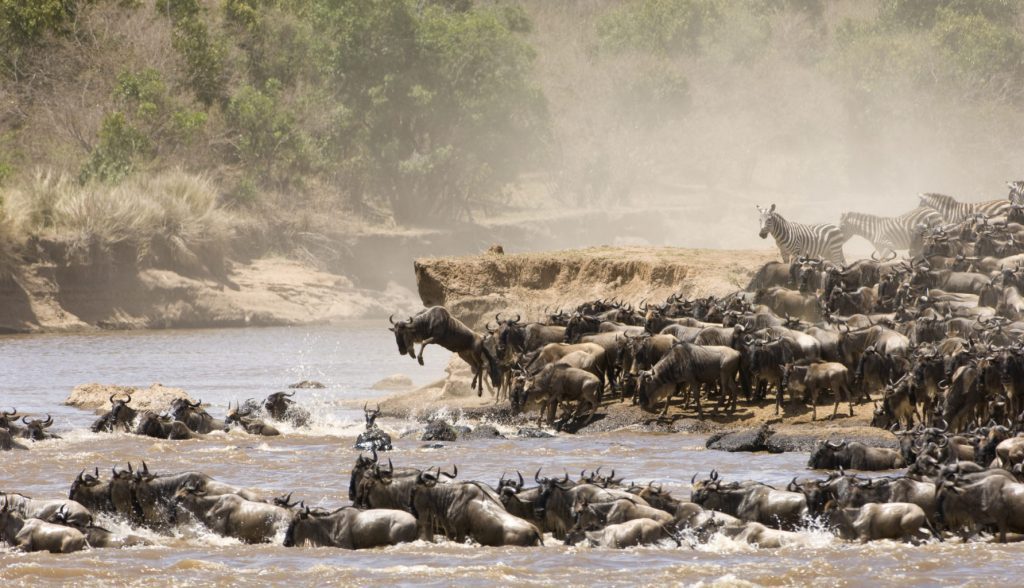
Great Migration Safari
Wildlife lovers and photographers
Millions of wildebeest, calving season and Mara River crossings
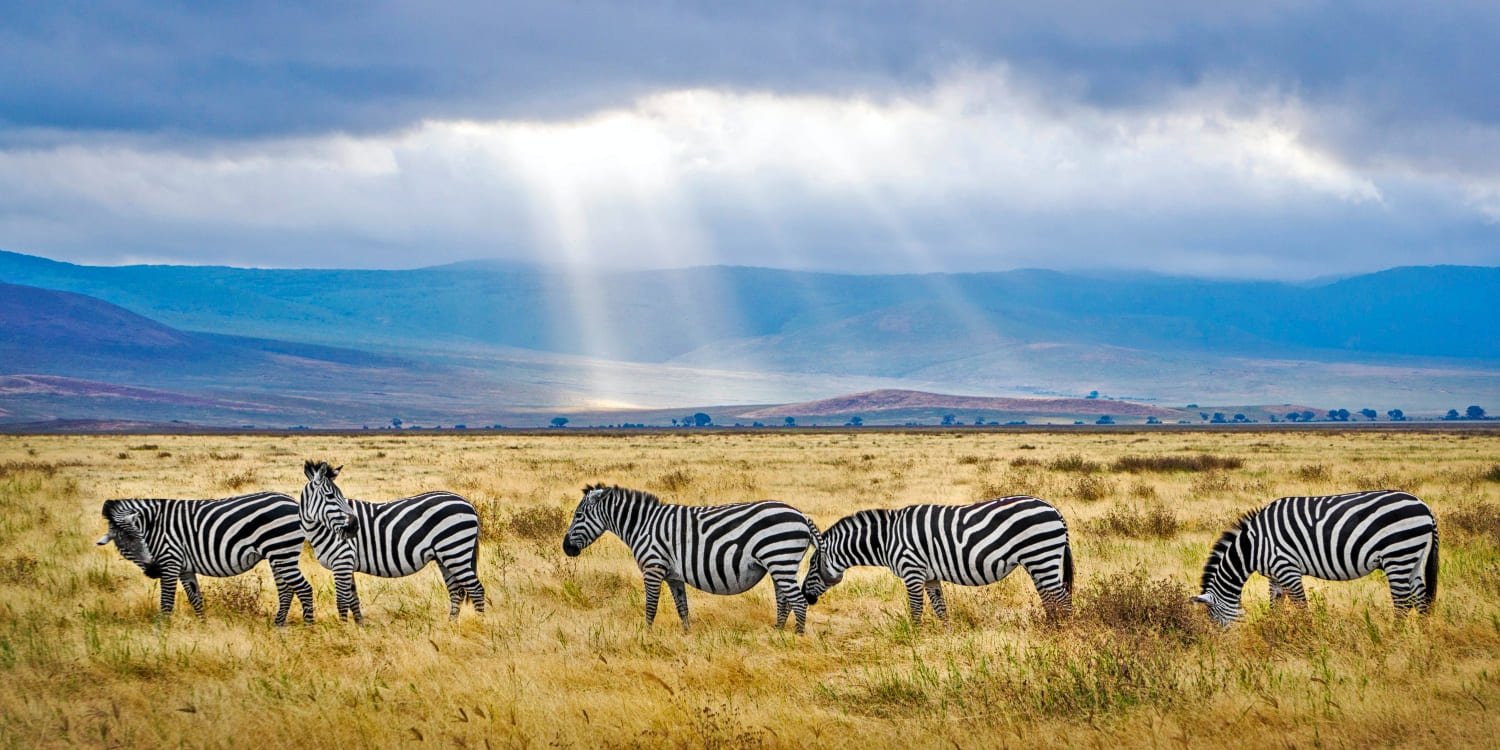
The Great Migration sees over a million wildebeest and zebra move through the Serengeti year-round. Calving season in the southern plains peaks from January to February, while dramatic Mara River crossings usually take place from July to October. Our guides follow the herds closely and place you in well-located mobile or permanent camps for the best sightings.
Great Migration Safaris →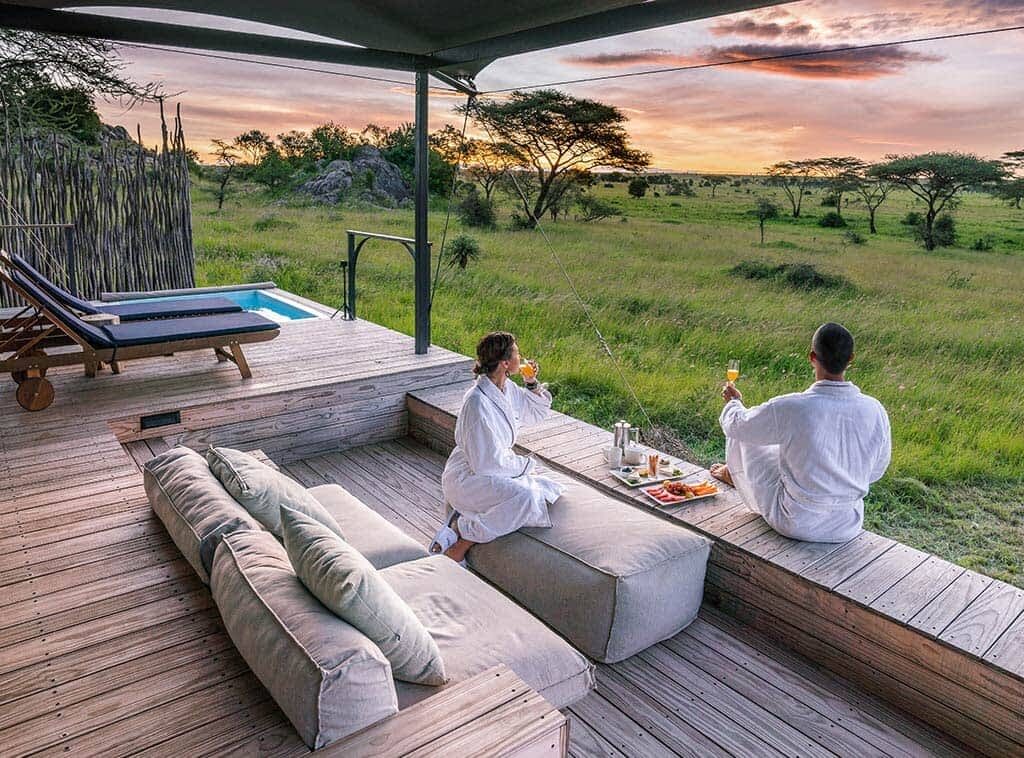
Luxury Lodge and Fly-In Safari
Honeymooners, celebrations and discerning travellers
Exclusive lodges, fine dining and optional light aircraft flights
A luxury African safari pairs exceptional wildlife with exclusive lodges and tented camps, gourmet dining, private decks and attentive service. Light aircraft flights between parks save time on the road, and extras such as hot air balloon flights over the Serengeti, bush breakfasts and sundowners can be arranged to make your private safari truly unforgettable.
Tanzania Luxury Safaris →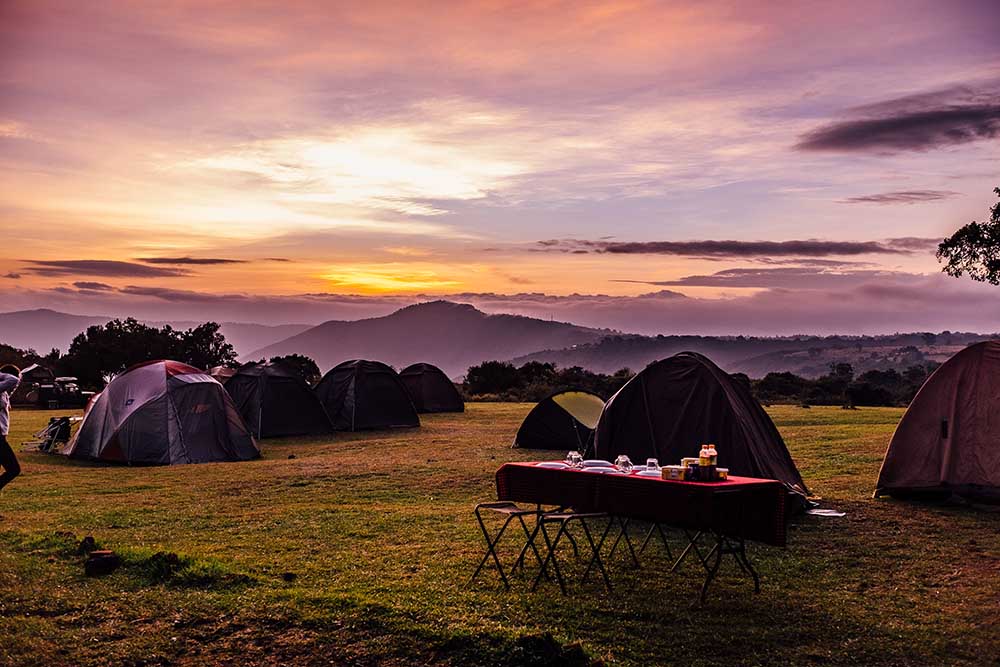
Budget Camping Safari
Backpackers, students and adventurous travellers
Private game drives with comfortable camping inside the parks
A budget camping safari lets you experience the same parks and wildlife at a lower cost, sleeping in spacious dome tents at public campsites inside or near the parks. Your private guide and cook handle everything, and hearing lions and hyenas at night makes camping one of the most authentic ways to enjoy an African safari.
Budget Camping Safaris →
Family Safari in Tanzania
Parents, children, grandparents and multi-generation families
Family rooms, flexible pacing and child-friendly activities
A private family safari is planned around your children, with shorter drives, family rooms or tents, swimming pools and flexible meal times. Guides keep young travellers engaged with tracking games, junior ranger activities and cultural visits, while short distances between Tarangire, Lake Manyara and Ngorongoro Crater make the northern safari circuit truly ideal for families of all ages.
Family Safari Packages →
Honeymoon Safari and Zanzibar
Newlyweds, anniversaries and couples
Romantic lodges, private dinners and a Zanzibar beach finale
A honeymoon safari combines thrilling game drives with romantic lodges, private bush dinners, sundowners and star-filled skies, followed by relaxing days on the white-sand beaches of Zanzibar. Every detail is planned privately for the two of you, from intimate tented suites with plunge pools to special surprises arranged with our trusted lodge partners across Tanzania.
Honeymoon Safari Packages →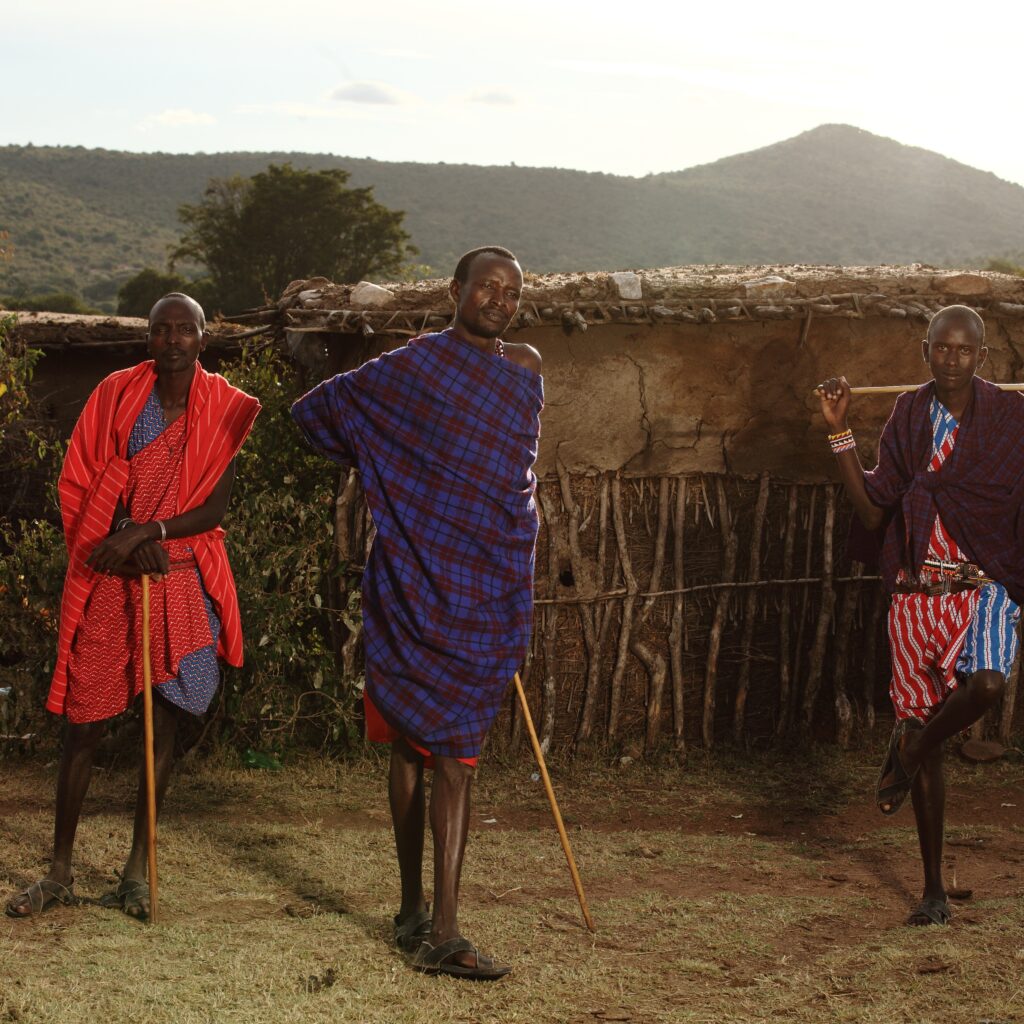
Walking and Cultural Safari
Active travellers and culture lovers
Guided bush walks and visits to Maasai, Hadzabe and Datoga communities
A walking safari brings you closer to the small details of the bush, from animal tracks to medicinal plants, guided by an armed ranger in permitted areas. Combine it with cultural visits to Maasai villages and the Hadzabe and Datoga communities at Lake Eyasi to understand how people and wildlife share these remarkable and timeless landscapes today.
Walking Safaris →
Photographic Safari
Amateur and professional wildlife photographers
Flexible timing, golden-hour drives and space for camera gear
A photographic safari is planned around light and patience, with early starts, late returns and long stops at sightings. A private vehicle gives you room for lenses and beanbags, and your guide positions the vehicle for the best angles. Seasons are chosen for your subject, from calving season predators to river crossings and dramatic skies.
Photography Safaris →Best African Safari Destinations in Tanzania and East Africa
Africa offers many outstanding safari destinations, but northern Tanzania brings together an exceptional range of wildlife, landscapes and cultures within easy driving distance of Arusha. Most first-time safaris combine the Serengeti and Ngorongoro Crater with Tarangire or Lake Manyara, then add Zanzibar, Lake Natron, Lake Eyasi or the Masai Mara in Kenya. The tabs below introduce the best African safari destinations we visit, what makes each one special, the best months and how many nights to spend there. Our local team will happily help you combine them into a balanced private itinerary that suits your interests and budget.
Serengeti National Park
Big cats, the Great Migration and classic savannah scenery
Year-round predators and over a million migrating wildebeest
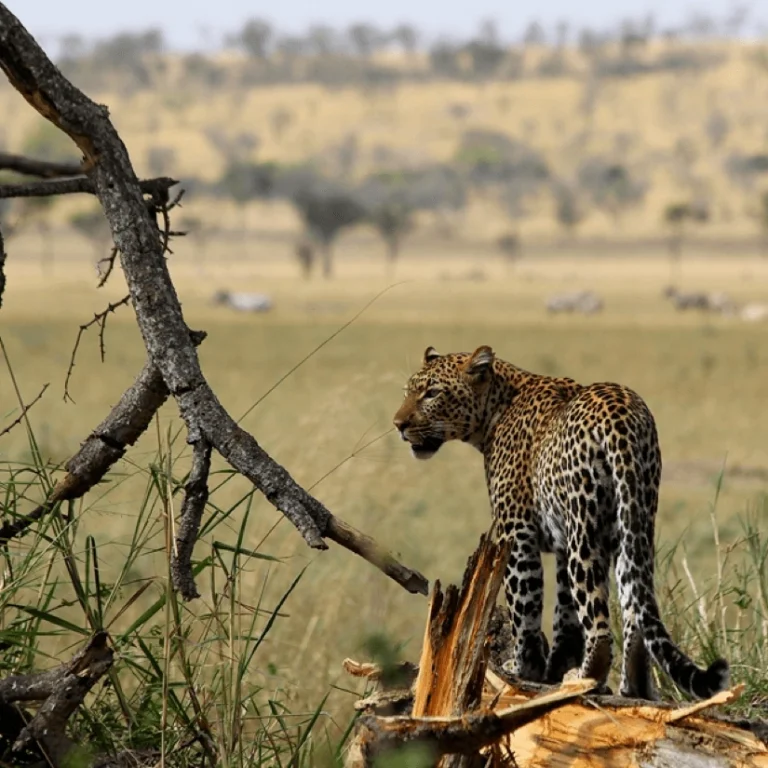
The Serengeti is Africa's most famous safari destination, with endless golden plains, rocky kopjes and some of the highest predator densities on the continent. Lions, leopards and cheetahs are seen year-round, and the Great Migration moves through different regions each season. Hot air balloon flights at sunrise add an unforgettable bird's-eye view of the endless plains.
Serengeti National Park →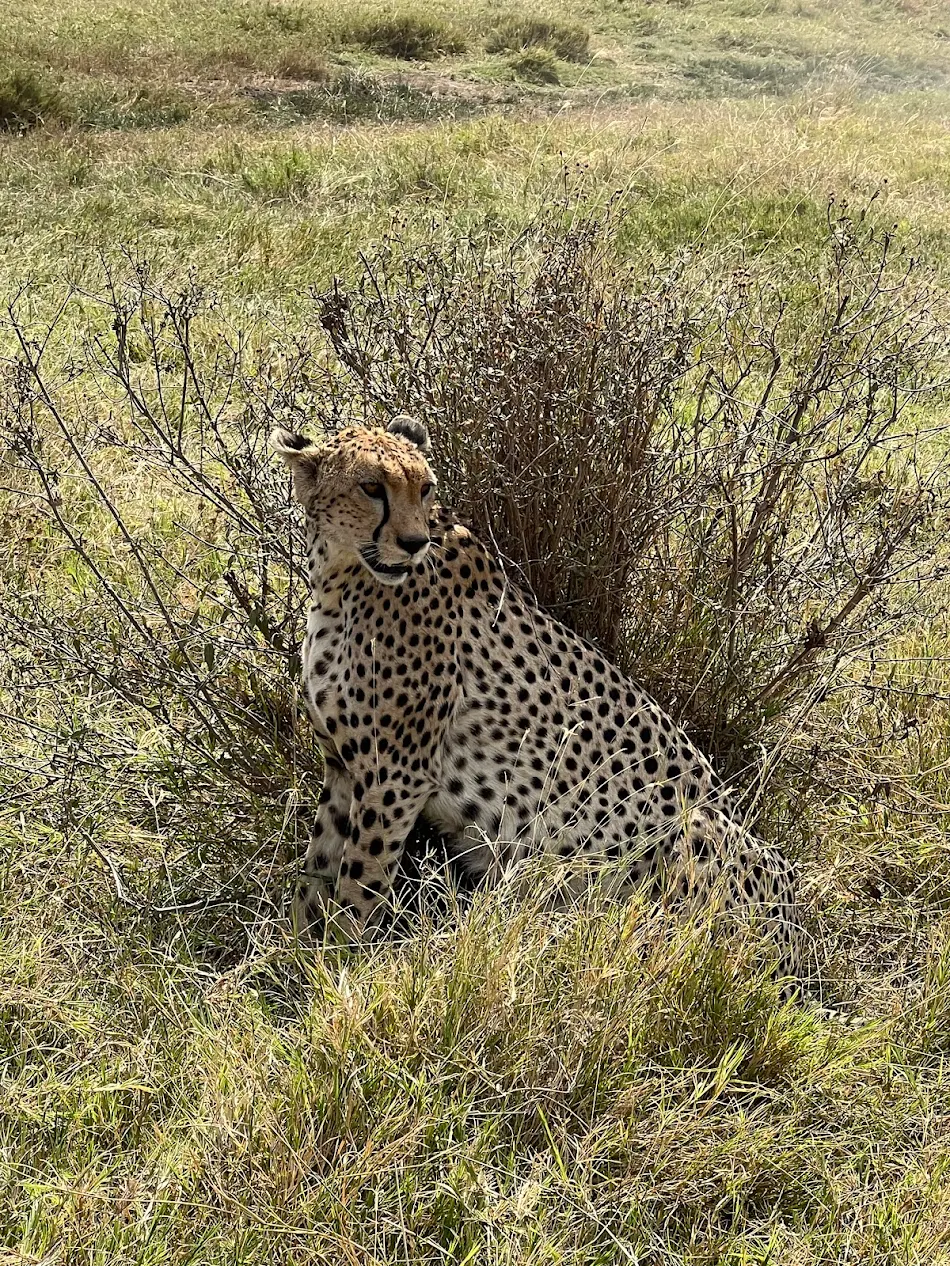
Ngorongoro Crater
Seeing the Big Five in a single day
Black rhino, lions and huge herds inside an ancient caldera
Ngorongoro Crater is the world's largest intact volcanic caldera, with a floor packed with wildlife including lions, elephants, buffalo, hippos and rare black rhinos. Its natural walls keep many animals in the crater all year, making it one of the best places in Africa to see the Big Five on a single day of game viewing.
Ngorongoro Crater →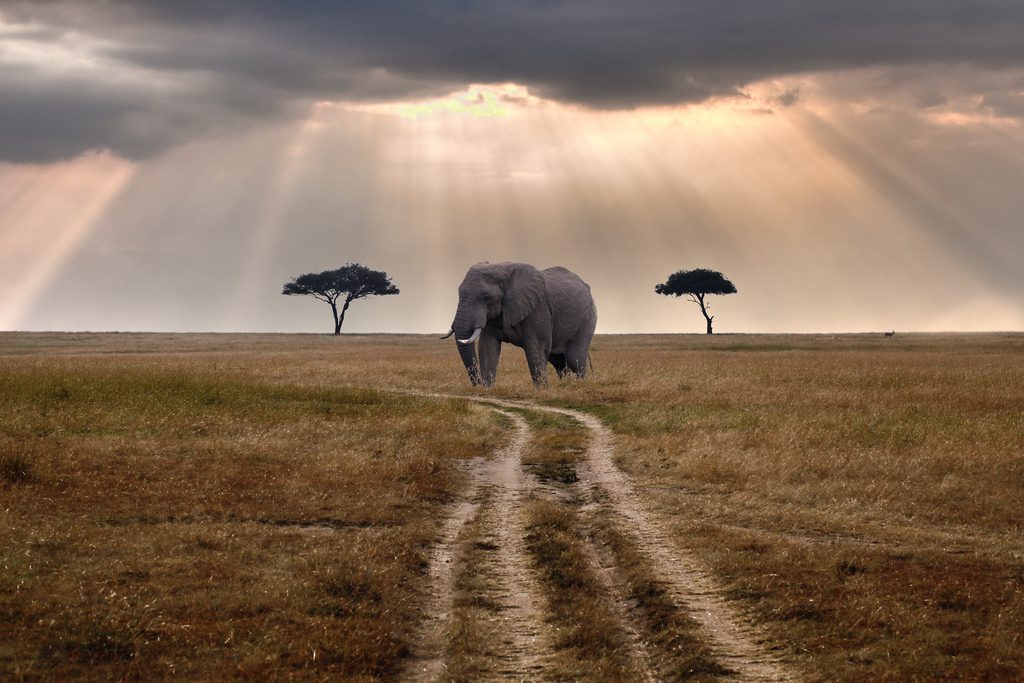
Tarangire National Park
Elephant lovers and birdwatchers
Large elephant herds, ancient baobabs and the Tarangire River
Tarangire National Park is famous for its large elephant herds, giant baobab trees and the Tarangire River, which draws wildlife from far and wide in the dry season. Lions, leopards, giraffes and more than five hundred bird species make it an excellent first stop on a northern Tanzania safari, close to Arusha and Lake Manyara.
Tarangire National Park →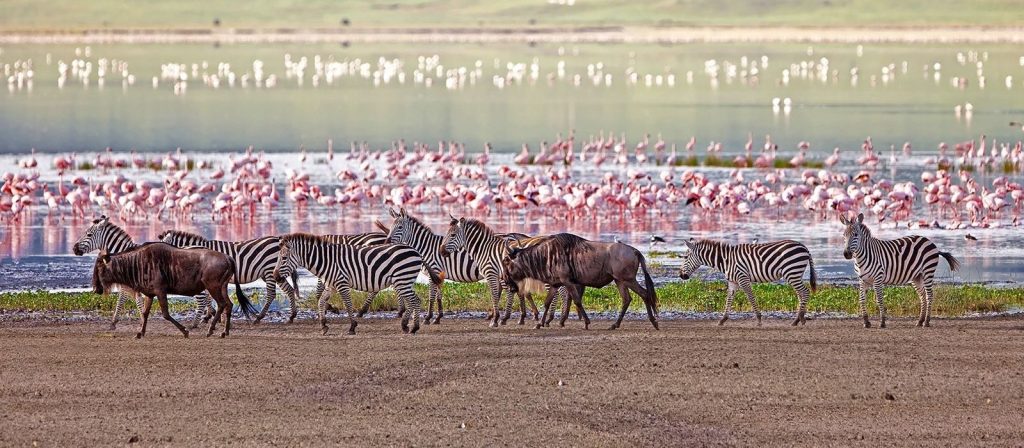
Lake Manyara National Park
Short safaris, birdwatching and scenic game drives
Groundwater forest, flamingos and famous tree-climbing lions
Lake Manyara National Park packs lush groundwater forest, an alkaline lake and the dramatic Rift Valley escarpment into a compact park. It is known for tree-climbing lions, large troops of baboons, elephants and flamingos, and offers canoeing and night game drives, making it a rewarding stop between Tarangire and Ngorongoro Crater on your northern Tanzania safari.
Lake Manyara National Park →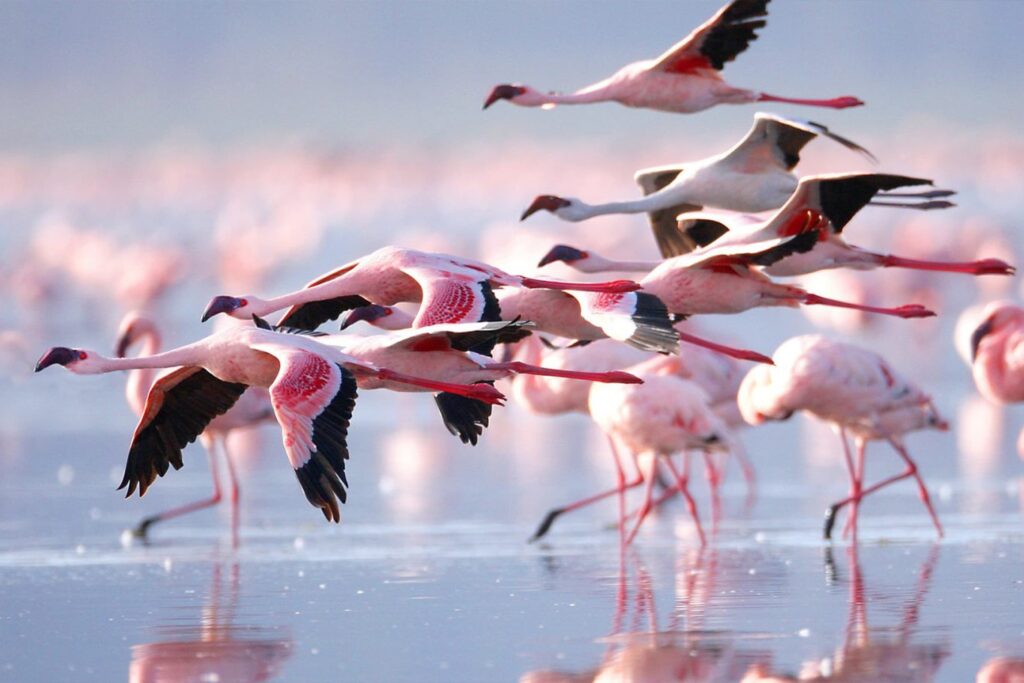
Lake Natron
Adventurous travellers and photographers
Lesser flamingos, Ol Doinyo Lengai and waterfall walks
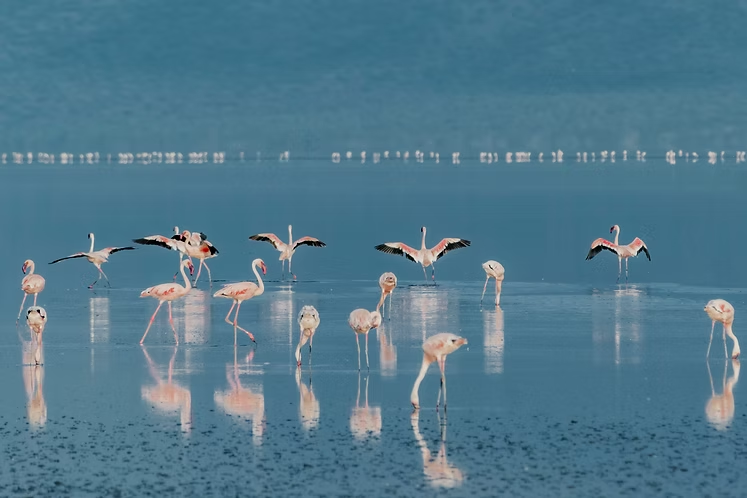
Lake Natron is a remote soda lake in the Rift Valley, famous for its red-tinged waters and as a key breeding site for lesser flamingos. Guided walks lead to Engare Sero waterfall, and the active Ol Doinyo Lengai volcano rises above the lake, offering a wild, off-the-beaten-path addition to a northern Serengeti or Ngorongoro safari itinerary.
Lake Natron →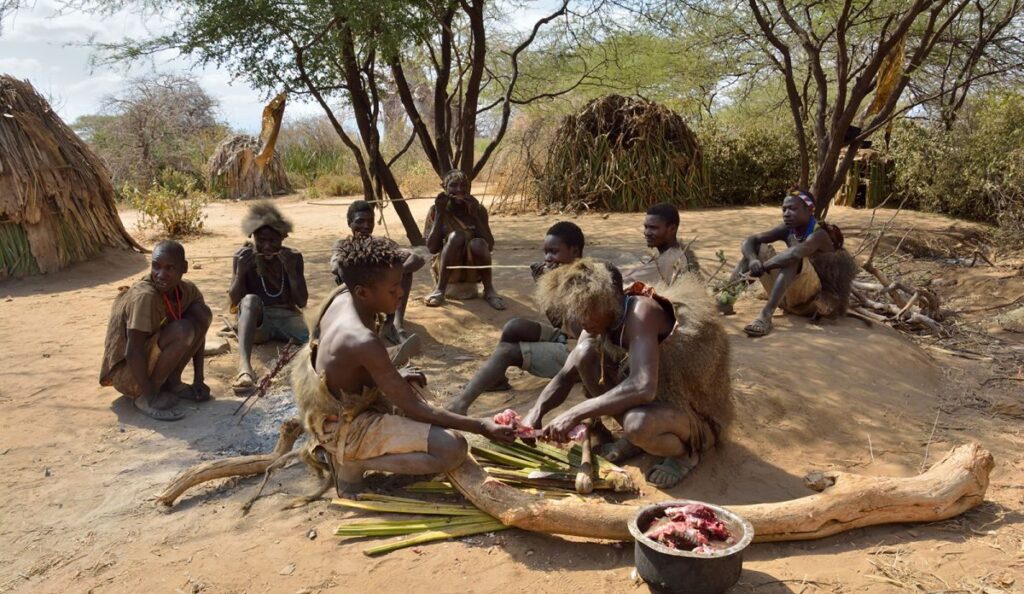
Lake Eyasi
Cultural experiences and meaningful encounters
Time with the Hadzabe hunter-gatherers and Datoga blacksmiths
Lake Eyasi is home to the Hadzabe, one of Africa's last hunter-gatherer communities, and the Datoga, known for their blacksmith skills. Join a respectful morning hunt or learn traditional crafts, then relax beside the peaceful lake shore. It is a short drive from Ngorongoro Crater and adds rich cultural depth to any private Tanzania safari itinerary.
Lake Eyasi →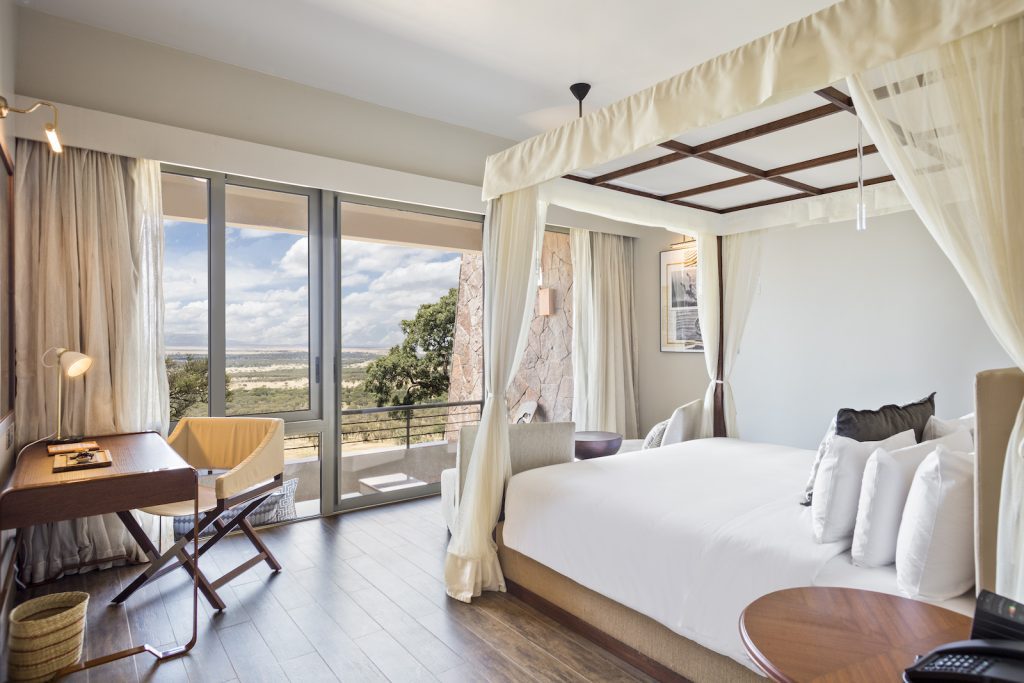
Masai Mara National Reserve
Combining Tanzania and Kenya on one safari
Big cats, Maasai culture and Mara River crossings
The Masai Mara in Kenya is the northern extension of the Serengeti ecosystem, famous for big cats, open grasslands and dramatic river crossings during the Great Migration. Many of our travellers combine it with Tanzania on one private East Africa safari, enjoying both sides of the ecosystem and the rich, colourful culture of the proud Maasai people.
Masai Mara Safari →
Zanzibar Beach Holiday
Relaxing after your safari
White-sand beaches, Stone Town and spice tours
Zanzibar is the perfect way to end an African safari, with white-sand beaches, warm turquoise water and the historic streets of Stone Town. Short flights connect the Serengeti and Arusha to the island, where you can snorkel, join a spice tour, take a dhow sunset cruise or simply relax at a beautiful beach hotel by the Indian Ocean.
Zanzibar Beach Holidays →How to Plan an African Safari in Six Easy Steps
Planning an African safari can feel overwhelming at first, with so many countries, parks, lodges, seasons and safari styles to choose from for your first trip. Breaking the process into clear steps makes it simple, and working with an experienced local operator means every detail is handled by people who know the parks well. The cards below walk you through how to plan an African safari, from defining your dream trip and choosing when to go to setting a budget, picking an operator and preparing to travel. Follow them and your safari will run smoothly from start to finish.
Define Your Safari Dream
Start by deciding what matters most to you, whether it is the Big Five, the Great Migration, photography, romance, family time or culture. Think about your preferred comfort level, how active you want to be and how long you can travel. A clear picture of your dream safari helps us design the right private itinerary.
Choose When to Go
The best time for an African safari depends on what you want to see. June to October offers excellent dry season game viewing, January and February bring the calving season, and the green season offers lush scenery, fewer vehicles and better value. Your travel dates also shape lodge availability, park conditions and the overall cost of your trip.
Pick Your Destinations
Choose parks that match your interests and the time you have. A five to seven day safari comfortably covers Tarangire, Ngorongoro Crater and the Serengeti, while longer trips can add Lake Natron, Lake Eyasi, Zanzibar or the Masai Mara. Avoid rushing between too many parks, so you spend more relaxed time actually watching wildlife instead of driving.
Set a Realistic Budget
Safari costs depend on the season, the parks, your accommodation and the length of your trip. Park fees, guiding, vehicle, meals and lodges are usually included in a private safari package, while international flights, visas, tips and insurance are extra. Setting your budget early helps us recommend the best value lodges, parks and routes for your trip.
Choose a Trusted Local Operator
A reliable local safari operator makes your trip safe, smooth and memorable. Look for licensed companies with experienced, knowledgeable guides, well-maintained 4x4 vehicles, clear inclusions, honest reviews and responsive communication. Ask about their guides, conservation and community work and cancellation terms, so you know exactly what to expect before you confirm your safari booking with any company.
Book Early and Prepare
The best lodges in prime locations fill quickly, so many travellers book eight to twelve months ahead for the peak season and migration months. Once booked, check your passport, visa and vaccination requirements, arrange travel insurance and start packing early. Our team sends practical travel information and stays in touch with you right up until you arrive in Tanzania.
Best Time to Go on an African Safari
The best time to go on an African safari depends on the wildlife you want to see, your budget and how you feel about rain, crowds and peak season prices. In East Africa there are two dry seasons and two rainy seasons, and each one offers a different experience, from river crossings and calving to green landscapes. The cards below explain the main safari seasons in Tanzania, what to expect in each and why travellers choose them, so you can pick the right months. Wildlife is seen year-round, so there is no truly bad time for a private safari.
Long Dry Season: June to October
The long dry season is the peak time for an African safari in East Africa. Vegetation thins and animals gather around rivers and waterholes, making wildlife easy to spot. Mara River crossings usually take place from July to October, so popular lodges book early and this is the busiest time of year in the northern parks.
Short Rains: November to December
The short rains usually arrive as brief, warm afternoon showers, refreshing the landscape and bringing migratory birds. The migration herds move south towards the southern Serengeti, and the parks are quieter than in peak season. It is a good time for travellers looking for value, green scenery and fewer vehicles at wildlife sightings across the northern parks.
Calving Season: January to February
January and February are often warm, sunny and fairly dry, and the wildebeest herds gather on the short-grass plains of the southern Serengeti and Ndutu to give birth. Thousands of calves attract lions, cheetahs and hyenas, creating exciting predator action and making this one of the very best times of year for a Great Migration safari.
Long Rains: March to May
The long rains bring heavier showers, especially in April and May, along with lush, vivid green landscapes, dramatic skies and the lowest prices of the year. Some lodges close for the season, but wildlife is still present, and the Ngorongoro Crater and central Serengeti remain rewarding for flexible travellers who do not mind some rain showers.
How Much Does an African Safari Cost?
The cost of an African safari depends mainly on your accommodation style, the season, the parks you visit and the number of days you spend on safari. A private Tanzania safari with Foot Slopes Tours and Safaris includes your vehicle, professional guide, park fees, meals and accommodation, so there are very few hidden costs. The cards below compare typical per person, per day ranges for camping, mid-range and luxury safaris, along with what affects the final price of your trip. Share your dates and travel style with us and we will happily prepare a clear, detailed and honest quotation.
Budget Camping Safari
A private budget camping safari typically costs about US$250 to 390 per person per day. You sleep in comfortable dome tents at public campsites, with a private guide, a cook and a 4x4 vehicle. It is the most affordable way to visit the Serengeti and Ngorongoro Crater without missing out on any of the wildlife or adventure.
Mid-Range Lodge Safari
A private mid-range safari typically costs about US$550 to 990 per person per day, staying in comfortable lodges and tented camps with en-suite bathrooms and good locations. It offers the best balance of comfort and value for most first-time safari travellers, couples and families visiting the northern Tanzania parks, from Tarangire to the Serengeti and Ngorongoro Crater.
Luxury Safari
A private luxury safari typically costs about US$990 to 2,500 or more per person per day, staying in exclusive lodges and tented camps with fine dining and outstanding personal service. Light aircraft flights, balloon safaris and private bush dinners can be added for a truly special and seamless African safari experience in northern Tanzania's finest parks.
What Affects the Price
Prices are higher in the peak dry season and around the holidays, and lower in the green season. The number of travellers in your private vehicle, the parks visited, lodge choice, flights and extras such as balloon safaris all affect the final cost. We always show clearly what is included and excluded in every quotation we send.
African Safari Packing Checklist
Packing for an African safari is simple once you know what you really need, because most days are spent in a vehicle and lodges usually offer laundry services. Light aircraft flights between parks often have strict luggage limits, so a soft-sided bag and lightweight, neutral-coloured clothing make the most sense for your trip. This interactive African safari packing checklist lets you tick off each item as you pack, print the list or reset it at any time before you travel. Adjust it for your season, activities and personal needs, and ask us about luggage limits for your flights.
Bags and Documents0/7
Clothing0/7
Footwear and Accessories0/6
Gear and Electronics0/6
Health and Toiletries0/6
African Safari Safety Tips and Responsible Travel
An African safari is very safe when you travel with a professional guide and follow a few simple, practical rules for wildlife viewing, health and personal security. Responsible travel matters too, because the way you behave in the parks and local communities helps protect wildlife and supports the people who live alongside it. The cards below share our most important safari safety tips, health advice, document reminders and responsible travel guidelines for travellers visiting Tanzania. Our experienced team also gives every guest a full, friendly safety briefing at the very start of their private tailor-made safari in Tanzania.
Always Follow Your Guide
Your professional safari guide is trained to read animal behaviour and keep you safe. Stay inside the vehicle during game drives unless your guide says it is safe to step out, keep your voice low near wildlife and never wander alone at lodges after dark. Following simple guidance makes every safari safe, calm and relaxed for everyone.
Health and Vaccinations
Visit a travel health clinic six to eight weeks before your trip to discuss vaccinations and malaria prevention. A yellow fever certificate may be required if you arrive from a country with yellow fever risk. Pack personal medication, use insect repellent in the evenings and drink plenty of bottled or treated water every single day on safari.
Travel Insurance and Documents
Comprehensive travel insurance with medical and evacuation cover is strongly recommended for every African safari. Check that your passport is valid for at least six months and has blank pages, and apply for your visa in good time. Keep digital and paper copies of important documents separate from the originals at all times while you travel.
Respect the Wildlife
Keep a respectful distance from animals, never feed them and avoid loud noises or sudden movements at sightings. Patience is rewarded on safari, so let animals behave naturally rather than pushing for a closer view. Responsible wildlife viewing protects animals and keeps every sighting safe, calm and rewarding for you and all other visitors in the parks.
Respect Local Cultures
Tanzania is home to more than one hundred and twenty ethnic communities, each with its own traditions. Always ask before photographing people, dress modestly in villages and towns, and learn a few friendly Swahili greetings such as jambo and asante. Respectful cultural visits create meaningful connections and support local communities directly, fairly and sustainably over time.
Travel Responsibly
Choose operators and lodges that support conservation and local communities, reduce single-use plastic and respect park rules. Refill water bottles, minimise waste and tip your guide and lodge staff fairly. Responsible travel helps protect Africa's wildlife and wild places, so future generations can enjoy the same incredible safari experiences that you will enjoy on your trip.
African Safari Photography Tips
An African safari is a dream for photographers, with incredible wildlife, wide open landscapes and beautiful golden light at the start and end of each day. You do not need professional equipment to take great safari photos, but knowing a few simple techniques will help you capture images you will treasure for many years. The cards below share practical African safari photography tips from our guides, covering light, lenses, camera settings and the patience that great wildlife photography needs. A private vehicle gives you the space and flexibility to stay at sightings for as long as you wish.
Shoot in the Golden Hours
The soft light shortly after sunrise and before sunset is the best for safari photography, and animals are usually most active at these times. Plan early starts and late returns with your guide, and use the warm light to capture glowing portraits, dramatic silhouettes and rich savannah colours across the wide open plains of the Serengeti.
Bring the Right Lens
A zoom lens covering around 100 to 400 millimetres is ideal for most wildlife, while a wide-angle lens captures landscapes and lively camp life. Bring a beanbag to steady your camera on the vehicle, and carry spare batteries and memory cards, because there are many more photo opportunities on safari than most first-time visitors expect.
Use Fast Shutter Speeds
Use a fast shutter speed to freeze action such as sprinting, hunting cheetahs, birds in flight and river crossings, and switch on burst mode for moving subjects. Focus on the eyes for engaging portraits, shoot in raw if you can and ask your guide to switch off the engine for sharper, steadier images at every sighting.
Be Patient and Anticipate
The best safari photographs come from patience. Talk to your guide about animal behaviour, wait quietly at sightings and anticipate the moment a lion yawns or a leopard moves. A private safari gives you the flexibility to stay as long as you like, which is the greatest advantage any keen wildlife photographer could ever hope to have.
African Safari Planning Guides
African Safari Guide: Frequently Asked Questions
What is the best country for a first African safari?
Tanzania is one of the best countries for a first African safari, with the Serengeti, Ngorongoro Crater, Tarangire and Lake Manyara close together on the northern circuit, excellent Big Five viewing, the Great Migration and easy beach extensions to Zanzibar.
When is the best time to go on an African safari?
The best time for most East African safaris is the long dry season from June to October, when wildlife gathers around water. January and February are best for the calving season, and the green season offers lush scenery and lower prices.
How much does an African safari cost?
A private Tanzania safari typically costs about US$250 to 390 per person per day for camping, US$550 to 990 for mid-range and US$990 to 2,500 or more for luxury, depending on the season, parks and lodges.
How many days do you need for an African safari?
Five to seven days is ideal for a first safari, covering Tarangire, Ngorongoro Crater and the Serengeti. Eight to twelve days lets you add more parks, the Great Migration or a Zanzibar beach stay at a relaxed pace.
Is an African safari safe?
Yes. An African safari is very safe when you travel with a licensed operator and professional guide. Stay in the vehicle on game drives, follow your guide's instructions and take normal health and travel precautions.
Where can I see the Big Five in Africa?
In Tanzania, the Ngorongoro Crater is one of the best places to see the Big Five in a single day, and the Serengeti offers excellent lion, leopard, elephant and buffalo sightings throughout the year.
When can I see the Great Migration?
The Great Migration moves through the Serengeti all year. Calving season in the southern plains peaks from January to February, and Mara River crossings usually take place from July to October.
What should I pack for an African safari?
Pack a soft-sided bag, neutral-coloured lightweight clothing, a warm layer for early mornings, a sun hat, sunglasses, comfortable shoes, binoculars, a camera, sunscreen, insect repellent and personal medication.
Do I need vaccinations for an African safari?
Consult a travel health clinic six to eight weeks before you travel. Routine vaccinations should be up to date, malaria prevention is usually advised, and a yellow fever certificate may be required if you arrive from a risk country.
Can children go on an African safari?
Yes. Families are welcome on private safaris, which can be planned with shorter drives, family rooms and child-friendly activities. Northern Tanzania is ideal because the distances between parks are relatively short.
How far in advance should I book an African safari?
For the peak season and migration months, many travellers book eight to twelve months ahead to secure the best lodges. Shorter notice is often possible in the green season, depending on availability.
Can I combine a safari with a beach holiday?
Yes. Many travellers end their African safari with three to five nights on Zanzibar, which is a short flight from the Serengeti or Arusha. We arrange flights, transfers and beach hotels as part of your private itinerary.
Plan Further: African Safari Guides and Resources
Safari Styles
Destinations
Start Planning Your Private African Safari
Tell us your dates, interests and budget, and our local team in Arusha will design a private tailor-made safari around you, from the Serengeti to Zanzibar.
Book Now Online →What Our Travelers Say
Real 5-star reviews from guests who traveled with us