
The best time for an African safari depends on what you want to see, because every month in Tanzania offers something different. The dry season from June to October brings sunny days, wildlife gathered at water and dramatic Mara River crossings, while the green season brings calving herds, migrant birds, lush scenery and better value. This month-by-month overview explains where to go on an African safari in each month, the seasons, the Great Migration calendar, the best time for each park and activity, and how our experienced Arusha-based team plans your private, tailor-made safari around your dates and interests.
Tanzania is a year-round African safari destination. For river crossings, travel to the northern Serengeti from July to October. For the calving season, visit the southern Serengeti and Ndutu from late January to March. June to October offers the driest weather and easiest game viewing, while November to May brings green landscapes, superb birding, fewer visitors and better rates.
African Safari by Month
Every single month of the year offers a rewarding African safari in Tanzania, but the wildlife, weather, crowds and prices change from one month to the next. Knowing these differences helps you choose the right parks, lodges and activities for your own preferred travel dates. The twelve image cards below introduce each month, with a short summary of where the herds are, what the weather is like and who the month suits best. Select any month to open its full guide, including parks, wildlife, weather, packing, health tips, accommodation, costs and planning advice for that time of year.
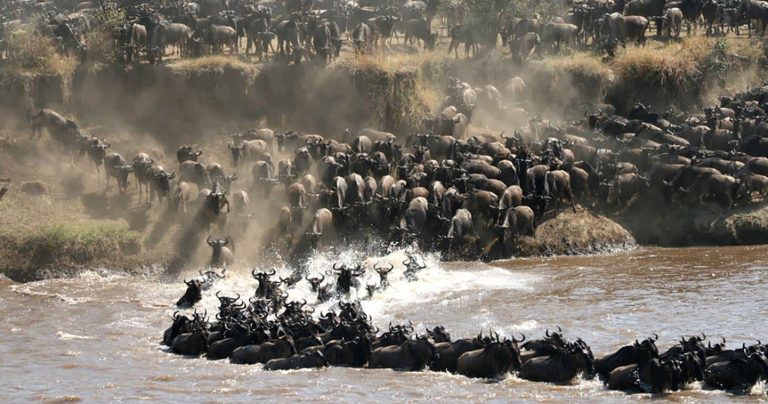 01African Safari in JanuaryShort dry spell seasonWhere to go: Southern Serengeti and NdutuHighlight: Herds on the plains, early calvingJanuary is a superb month for an African safari in Tanzania. The herds graze the short-grass plains of the southern Serengeti and Ndutu, calving begins late in the month, and lions, cheetahs and hyenas follow closely. Warm weather, green landscapes and migrant birds make it ideal for photographers, families and travellers escaping winter at home.Month 01 of 12Explore the January guide →
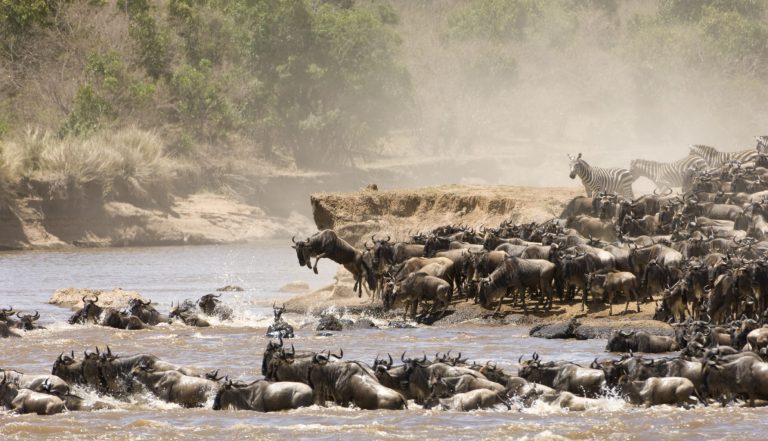 02African Safari in FebruaryShort dry spell seasonWhere to go: Southern Serengeti and NdutuHighlight: Peak calving and predator actionFebruary is the heart of the calving season, when thousands of wildebeest calves are born on the southern Serengeti and Ndutu plains. Lions, cheetahs and hyenas are very active, creating dramatic sightings. The weather is warm with short showers, the landscapes are green, and it is one of the most rewarding months for wildlife photography.Month 02 of 12Explore the February guide →
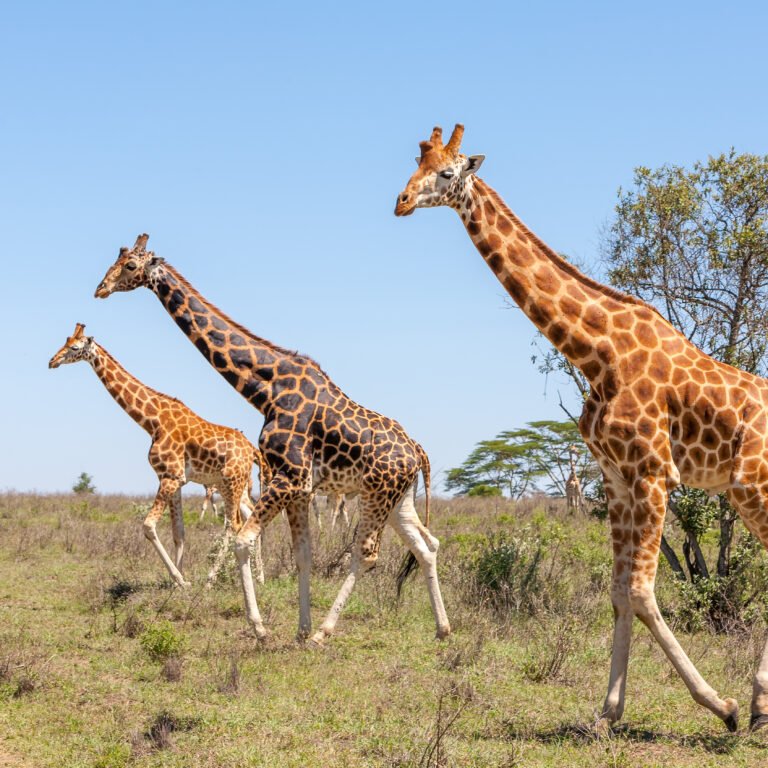 03African Safari in MarchLong rains begin seasonWhere to go: Southern Serengeti, NgorongoroHighlight: Green scenery and valueMarch brings the first long rains, green plains and fewer visitors to the parks. The herds usually remain in the southern Serengeti, while Ngorongoro Crater, Tarangire and Lake Manyara offer excellent wildlife and birding. Many lodges offer green-season rates, making March a good-value month for a private safari with quieter game drives and lush scenery.Month 03 of 12Explore the March guide →
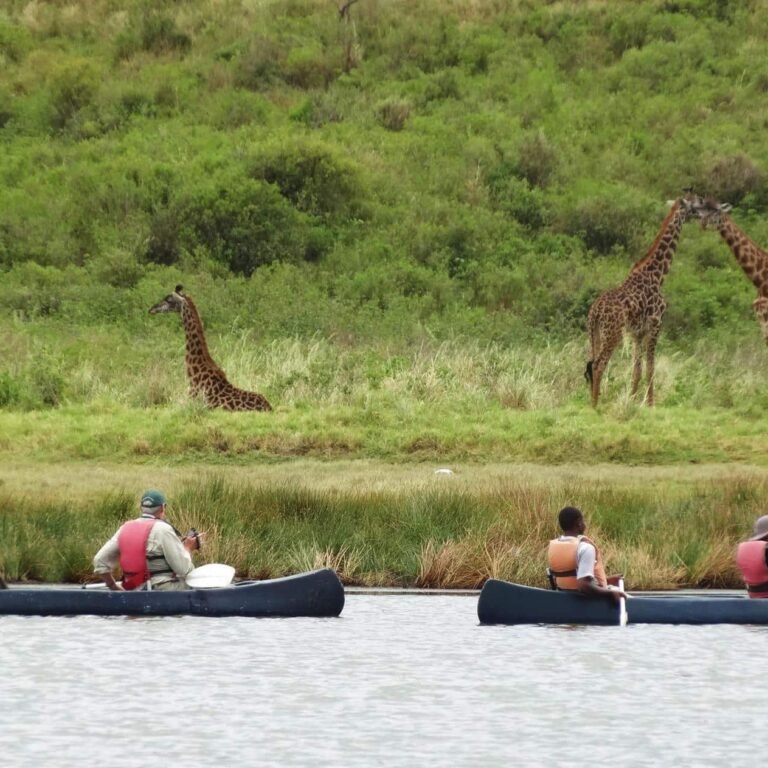 04African Safari in AprilLong rains seasonWhere to go: Ngorongoro, central SerengetiHighlight: Lowest rates, few visitorsApril is the heart of the long rains, with lush landscapes, dramatic skies and very few vehicles in the parks. Ngorongoro Crater and the central Serengeti remain rewarding, birdlife is superb and many lodges offer their lowest rates of the year. It suits flexible travellers who enjoy solitude, value and green scenery more than dry weather.Month 04 of 12Explore the April guide →
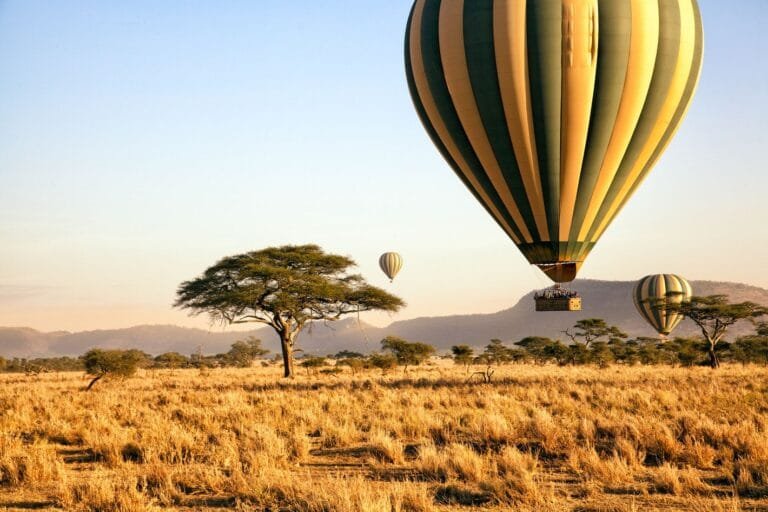 05African Safari in MayLong rains ending seasonWhere to go: Central and western SerengetiHighlight: Rut and herds gatheringMay marks the end of the long rains, when the plains are green and the herds begin gathering in the central and western Serengeti. Rutting wildebeest, quiet parks and low-season rates make it a hidden gem. Showers ease as the month goes on, and Ngorongoro Crater and Tarangire offer excellent wildlife with far fewer visitors.Month 05 of 12Explore the May guide →
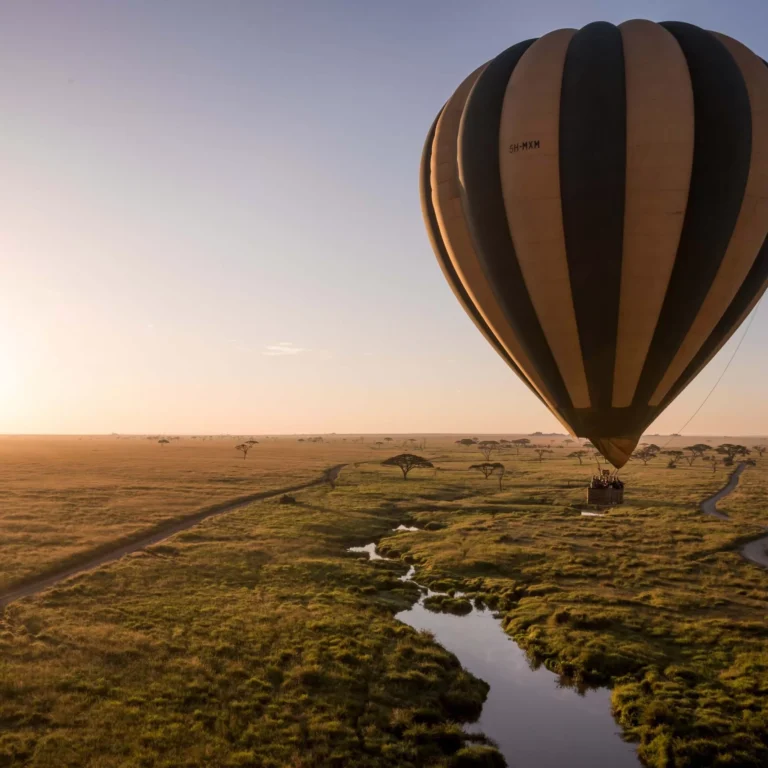 06African Safari in JuneDry season begins seasonWhere to go: Western corridor, TarangireHighlight: Grumeti crossings possibleJune marks the start of the dry season, with cool mornings, clear skies and wildlife gathering around rivers. The herds often move through the western corridor, where Grumeti River crossings can occur. Tarangire, Ngorongoro Crater and the central Serengeti are excellent, and it is a superb month for hot air balloon safaris and climbing Mount Kilimanjaro.Month 06 of 12Explore the June guide →
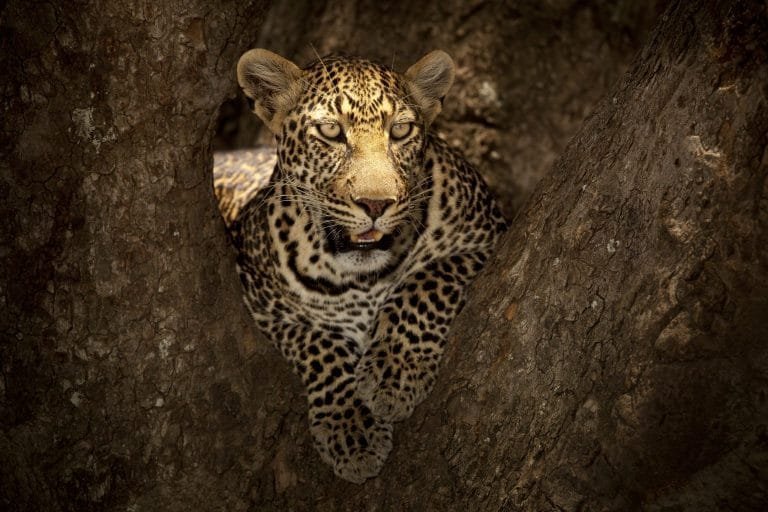 07African Safari in JulyDry season seasonWhere to go: Northern Serengeti, TarangireHighlight: First Mara crossings often beginJuly is peak dry season, with sunny days, cool nights and superb wildlife viewing across Tanzania. The herds usually move into the northern Serengeti, where the first Mara River crossings often begin. Tarangire, Ngorongoro Crater and the southern parks are excellent too. It is a busy, popular month, so booking early secures the best camps.Month 07 of 12Explore the July guide →
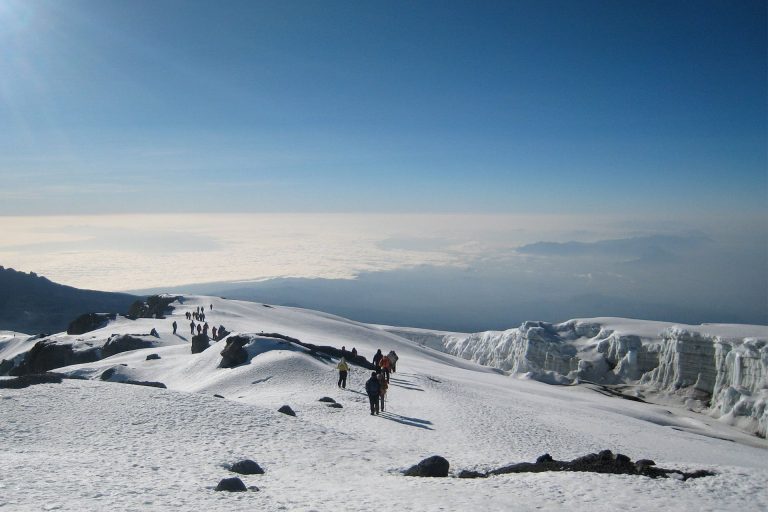 08African Safari in AugustDry season seasonWhere to go: Northern SerengetiHighlight: Mara River crossingsAugust is one of the most popular months for an African safari, with dry weather, clear skies and wildlife concentrated near water. The herds are usually in the northern Serengeti, where dramatic Mara River crossings are often seen. It is also excellent for Kilimanjaro, Zanzibar and family safaris, though camps fill quickly and rates are high.Month 08 of 12Explore the August guide →
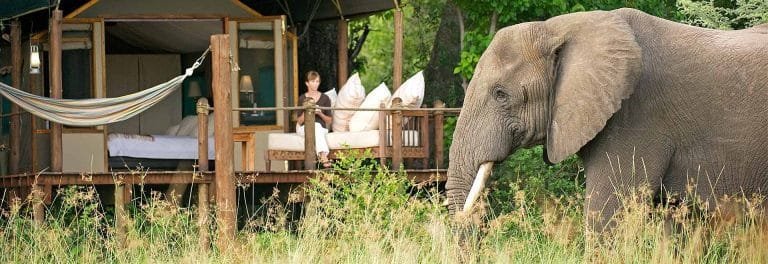 09African Safari in SeptemberDry season seasonWhere to go: Northern Serengeti, Ruaha, NyerereHighlight: Crossings continue, wildlife at waterSeptember is one of the finest months for wildlife, as the dry season peaks and animals gather at shrinking water sources. Mara River crossings continue in the northern Serengeti, while Tarangire, Ngorongoro Crater, Ruaha and Nyerere offer superb predator sightings. It is warm, dry and sunny, and usually a little quieter than the busy month of August.Month 09 of 12Explore the September guide →
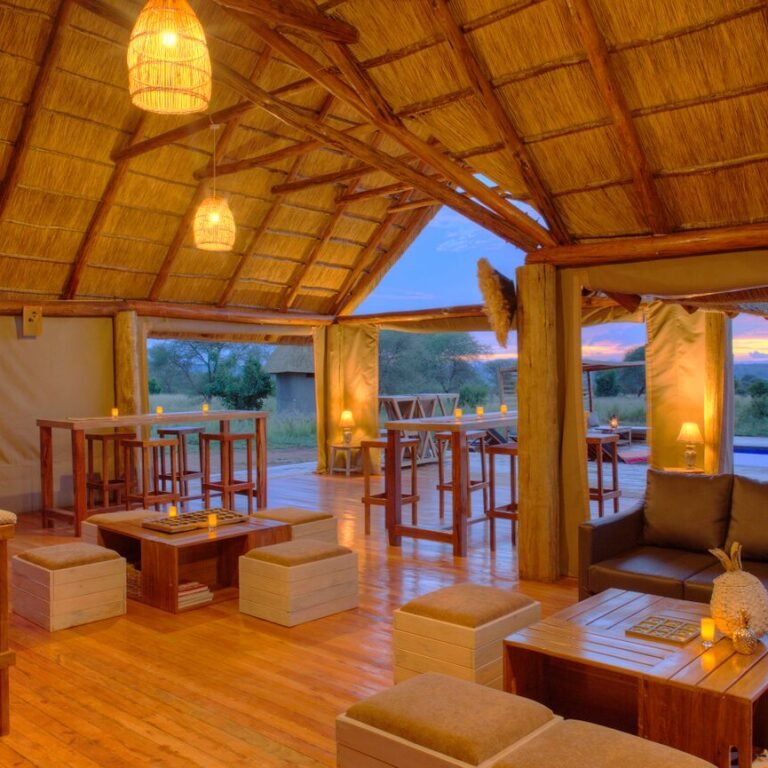 10African Safari in OctoberEnd of dry season seasonWhere to go: Northern Serengeti, Tarangire, KataviHighlight: Wildlife at the last waterOctober marks the end of the long dry season, when wildlife crowds around the last water and the herds often linger in the northern Serengeti. Tarangire is packed with elephants, and Ruaha, Nyerere and Katavi reach their peak. Days are hot and mostly dry, and the parks are quieter than in the busy summer weeks.Month 10 of 12Explore the October guide →
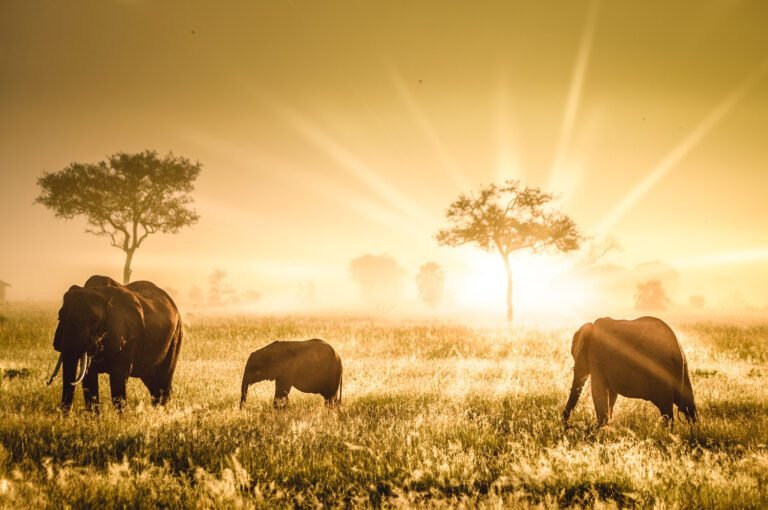 11African Safari in NovemberShort rains seasonWhere to go: Central and eastern SerengetiHighlight: Herds heading south, birdingNovember brings the short rains, turning the plains green as the herds move south through the central and eastern Serengeti. Migrant birds arrive, the parks are quiet and many lodges offer shoulder-season rates. Showers usually fall later in the afternoon, leaving bright mornings for game drives in the Serengeti, Ngorongoro Crater, Tarangire and Lake Manyara.Month 11 of 12Explore the November guide →
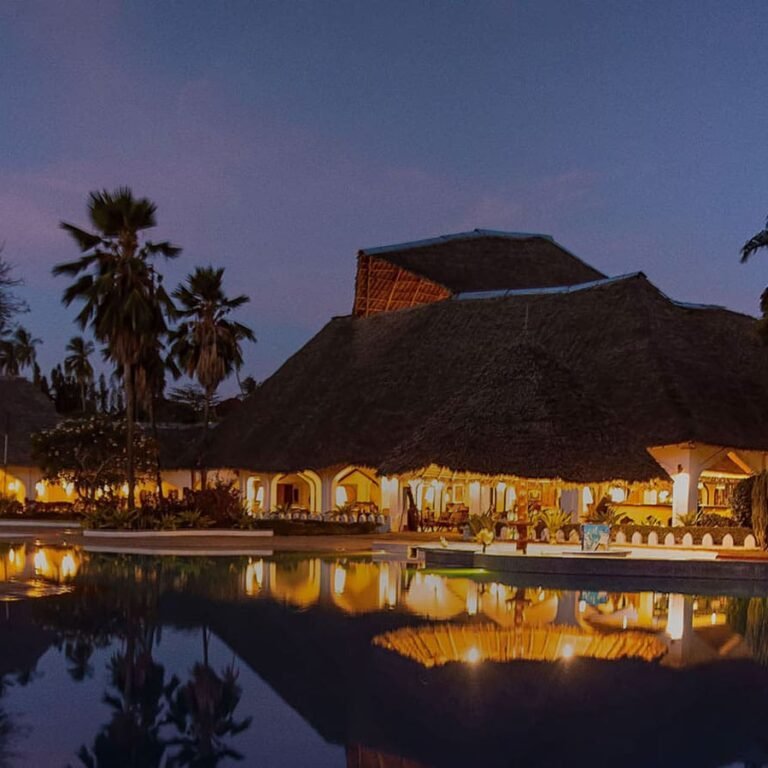 12African Safari in DecemberShort rains easing seasonWhere to go: Southern Serengeti and NdutuHighlight: Herds arrive, festive seasonDecember is a festive and rewarding month, as the herds return to the green southern Serengeti and Ndutu plains and birdlife reaches its peak. Short showers usually ease during the month, and it is perfect for family safaris and a beach break on Zanzibar. Early December offers better value, while the holiday weeks book up early.Month 12 of 12Explore the December guide →
Month-by-Month Safari Calendar at a Glance
A quick calendar makes it much easier to compare months before you look closely at the detailed guides for your preferred travel dates. Tanzania has two rainy seasons and two drier periods, and the Great Migration herds move in a broad circle through the Serengeti ecosystem across the year. The table below shows the season, where to go and the main highlight for each month of an African safari in Tanzania. Herd movements depend on the rains, so timings can shift by a few weeks from one year to the next, and our guides follow the latest sightings.
| Month | Season | Where to go | Highlight |
|---|---|---|---|
| January | Short dry spell | Southern Serengeti and Ndutu | Herds on the plains, early calving |
| February | Short dry spell | Southern Serengeti and Ndutu | Peak calving and predator action |
| March | Long rains begin | Southern Serengeti, Ngorongoro | Green scenery and value |
| April | Long rains | Ngorongoro, central Serengeti | Lowest rates, few visitors |
| May | Long rains ending | Central and western Serengeti | Rut and herds gathering |
| June | Dry season begins | Western corridor, Tarangire | Grumeti crossings possible |
| July | Dry season | Northern Serengeti, Tarangire | First Mara crossings often begin |
| August | Dry season | Northern Serengeti | Mara River crossings |
| September | Dry season | Northern Serengeti, Ruaha, Nyerere | Crossings continue, wildlife at water |
| October | End of dry season | Northern Serengeti, Tarangire, Katavi | Wildlife at the last water |
| November | Short rains | Central and eastern Serengeti | Herds heading south, birding |
| December | Short rains easing | Southern Serengeti and Ndutu | Herds arrive, festive season |
Safari Seasons Explained
Tanzania lies just south of the equator, so temperatures stay fairly warm all year and the seasons are shaped by rainfall rather than by summer and winter. Each season has clear advantages for wildlife, photography, comfort and value, and none of them is a bad time for a private wildlife safari in Tanzania. The table below explains the four main safari seasons in Tanzania, when they usually occur and what to expect in the national parks. Rain usually falls as short afternoon showers rather than all-day downpours, so game drives continue in every season with a good private guide.
| Season | Months | What to expect |
|---|---|---|
| Long dry season | June to October | Sunny days, cool nights, wildlife concentrated near water and the best chance of river crossings; busiest and highest rates. |
| Short rains | November to mid-December | Brief afternoon showers, green plains, migrant birds and quieter parks with shoulder-season rates. |
| Short dry spell | Mid-December to February | Warm weather, the herds on the southern plains and the calving season; festive dates are busy. |
| Long rains | March to May | Lush scenery, dramatic skies, very few visitors and the lowest rates; some roads become muddy. |
Great Migration Calendar
The Great Wildebeest Migration is one of the main reasons travellers choose an African safari in Tanzania, with well over a million animals on the move. The herds follow the rains and fresh grass in a loop through the Serengeti, so their location changes throughout the year and timing varies with rainfall. The table below shows where the herds usually are in each part of the year and what you can expect to see there. We choose camps that move with the herds or sit in the right area, so you stay as close as possible to the action.
| Months | Where the herds usually are | What to see |
|---|---|---|
| December to March | Southern Serengeti and Ndutu | Grazing, calving and big cat action |
| April to May | Central Serengeti | Herds begin moving north and west |
| June | Western corridor | Grumeti River crossings possible |
| July to October | Northern Serengeti | Mara River crossings |
| November | Central and eastern Serengeti | Herds heading south with the rains |
Best Time to Visit Each Park
Each national park in Tanzania has its own best season, so the right month for your safari also depends on which parks you most want to visit. Some parks, such as the Ngorongoro Crater, are excellent all year, while others are at their best in the dry season or in the green season. The table below shows the best time to visit the main Tanzania safari parks and Zanzibar, together with the reason each period works well. We combine two to four parks into one private route, balancing driving time, flights and wildlife for your chosen travel month.
| Park or area | Best time | Why |
|---|---|---|
| Serengeti National Park | All year | Follow the herds: south in December to March, north in July to October |
| Ngorongoro Crater | All year | Reliable Big Five viewing in every month |
| Tarangire National Park | June to October | Huge elephant herds at the Tarangire River |
| Lake Manyara National Park | November to April | Birdlife at its best in the green season |
| Ruaha and Nyerere | June to October | Remote southern wilderness and wild dogs |
| Zanzibar | June to October and December to February | Warm, mostly dry beach weather |
Best Time for Each Safari Experience
Many travellers plan their African safari around one special experience, such as the river crossings, the calving season, a balloon flight or a Kilimanjaro climb. Choosing the right month for that experience makes a very big difference to what you see and how you feel on the trip. The table below shows the best months for the most popular safari experiences in Tanzania, from wildlife events to adventure, birding and value. If you have more than one main priority, we help you find the month that balances them best and plan a private route that includes them all.
| Experience | Best months |
|---|---|
| Great Migration river crossings | July to October |
| Wildebeest calving season | Late January to March |
| Hot air balloon safaris | All year, best June to October |
| Birdwatching | November to April |
| Kilimanjaro climbing | January to March and June to October |
| Walking safaris | June to October |
| Best value and fewest visitors | March to May and November |
How to Choose the Best Month for You
There is no single best month for an African safari, because the right choice depends on your priorities, travel dates, budget and the experiences you want most. A few simple questions quickly narrow the options and point you towards the parks and lodges that suit you. The steps below show how to choose the best month for your private safari in Tanzania, starting with what matters most to you and ending with your shortlist of dates. Our Arusha team is always happy to talk through the options with you and give honest, practical advice for your own dates.
- Decide your priorityChoose between river crossings, calving, big cats, birding, value or quiet parks.
- Check your travel windowNote school holidays, work dates and any fixed events.
- Match the seasonUse the calendar above to find the months that fit your priority.
- Consider your budgetGreen-season months offer better rates than the dry season.
- Ask our teamShare your shortlist and we will recommend the best month and route.
How to Plan and Book Your African Safari
Planning a private African safari is simple with a local team that knows the parks, lodges and seasons in Tanzania from first-hand experience. The best camps for river crossings, calving and festive dates often book many months ahead, so early planning gives you the widest choice. The steps below show how to plan and book your African safari with Foot Slopes Tours and Safaris, from your first enquiry to the day you arrive in Arusha. Every itinerary is private and tailor-made, and your first enquiry and detailed quote are always completely free and without any obligation at all.
- Choose your monthUse the monthly guides to find the right time for your trip.
- Share your wishesTell us your dates, budget, travel style and interests.
- Receive a tailored itineraryWe suggest the best parks, lodges and activities for your month.
- Refine and confirmAdjust the details until the plan feels right, then secure your booking.
- Enjoy your safariTravel with your own private vehicle, guide and local support team.
When to Go on an African Safari: FAQs
What is the best month for an African safari?
There is no single best month. July to October is best for Mara River crossings and dry-season game viewing, late January to March for the calving season, and November to May for green landscapes, birding and better value.
When is the dry season in Tanzania?
The long dry season usually runs from June to October, with sunny days, cool nights and wildlife concentrated near water. A shorter, warm dry spell usually occurs between mid-December and February.
When are the Mara River crossings?
Mara River crossings usually take place in the northern Serengeti between July and October. Crossings depend on the herds and the rains, so timing varies, and patience with a private guide gives the best chance.
When is the calving season in the Serengeti?
The calving season usually takes place on the southern Serengeti and Ndutu plains from late January to March, with a peak in February, when thousands of calves are born and predators are very active.
Is the rainy season a bad time for a safari?
No. Rain usually falls as short showers, the landscapes are green, birdlife is superb, the parks are quiet and many lodges offer lower rates. Some roads become muddy in April and May.
What is the cheapest time for an African safari?
The long rains from March to May usually offer the lowest rates, and November and early December are also good value. The dry season and the festive holidays carry the highest prices.
How far ahead should I book an African safari?
Book six to twelve months ahead for July to October and the festive season, when the best camps fill quickly. For the green-season months, three to six months is usually enough.
Can I combine a safari with Zanzibar or Kilimanjaro?
Yes. Zanzibar is best from June to October and December to February, and Kilimanjaro is best from January to March and June to October, so both combine easily with a private safari.
Plan Your Safari by Month
Plan Your African Safari
Tell us when you would like to travel and what you most want to see, and our Arusha team will recommend the best month, parks and lodges for a private, tailor-made Tanzania safari with your own vehicle and guide.
Start Planning