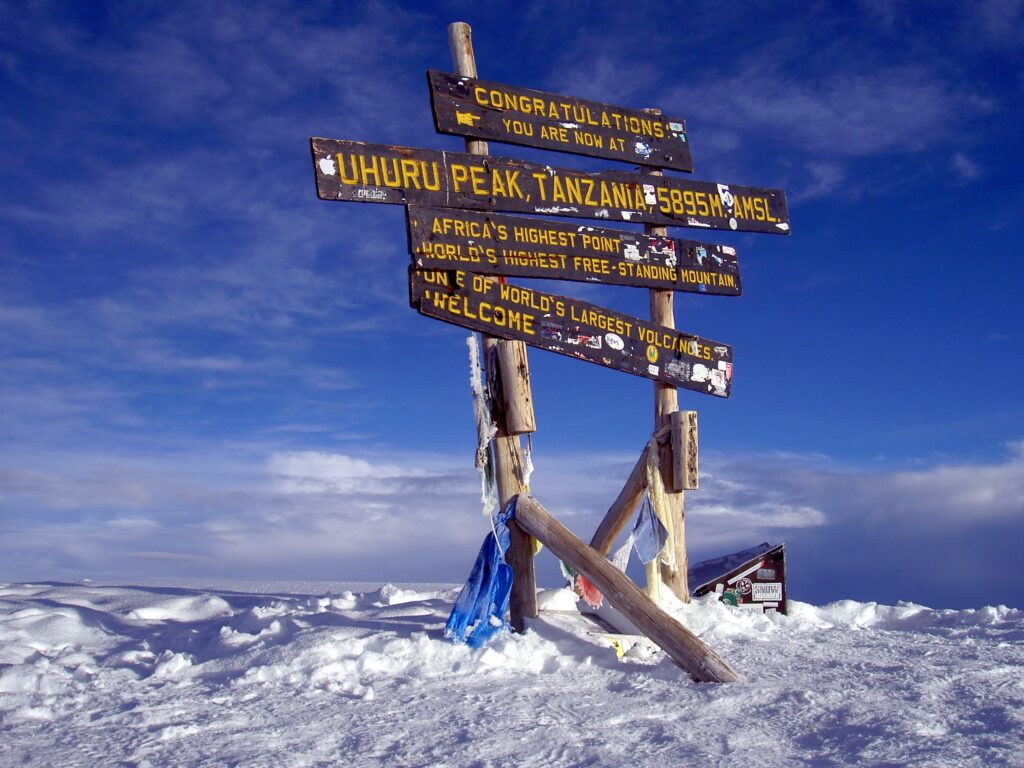
Good hygiene during a Kilimanjaro expedition is one of the simplest ways to stay healthy, comfortable and strong enough to reach Uhuru Peak. There are no showers or shops on the mountain, water is limited and nights are cold, so staying clean takes a little planning and the right supplies. This complete guide explains hand hygiene, toilets on Kilimanjaro, safe drinking water, food hygiene, washing in camp, menstrual hygiene and Leave No Trace waste rules, with a printable hygiene checklist and expert advice from our friendly and experienced local Kilimanjaro mountain team based in Moshi and Arusha, northern Tanzania.
How do you stay clean and healthy on Kilimanjaro?
To stay clean on Kilimanjaro, sanitise your hands before every meal and after every toilet stop, drink only treated water and wash daily with wet wipes and the warm water your crew provides at camp. Change your socks and underwear regularly, keep your sleeping clothes dry and pack biodegradable toilet paper, hand sanitiser and disposal bags. Follow Leave No Trace rules and carry out all non-biodegradable waste. There are no showers on the mountain.
Kilimanjaro Hygiene Guide: Everything You Need to Know
Hygiene on Kilimanjaro covers far more than washing, because clean hands, safe water, careful food handling and responsible toilet habits all protect your health at altitude. Each part of your daily routine on the mountain plays a role in avoiding stomach upsets, infections and unnecessary discomfort during the climb. The tabs below explain every key area of hygiene during a Kilimanjaro expedition, what to do, what to carry and who helps you, with practical tips from our mountain guides. Use them together with the hygiene checklist that follows to prepare properly for a clean, comfortable and healthy climb.

Hand Hygiene and Sanitising
Sanitise before eating, after toilet stops and after touching communal items
Clean hands prevent most stomach upsets on the mountain
Clean hands are your best protection against stomach illness on Kilimanjaro, where running water is limited. Use alcohol-based hand sanitiser before every meal and snack, after every toilet stop and after handling communal items. Wash with soap and the warm water provided at camp whenever possible, and keep a small sanitiser bottle in your daypack.
How to Stay Clean on Kilimanjaro →
Public Toilets on Kilimanjaro
Basic long-drop latrines at the main campsites on each route
Carry your own toilet paper, sanitiser and wipes
Most campsites on Kilimanjaro have basic long-drop toilets managed by the park. They are safe to use, but cleanliness varies with the season, the number of climbers and maintenance. Bring your own biodegradable toilet paper, hand sanitiser and wet wipes, and use a headlamp after dark. Many climbers prefer a private toilet tent for extra comfort.
Toilets on Kilimanjaro →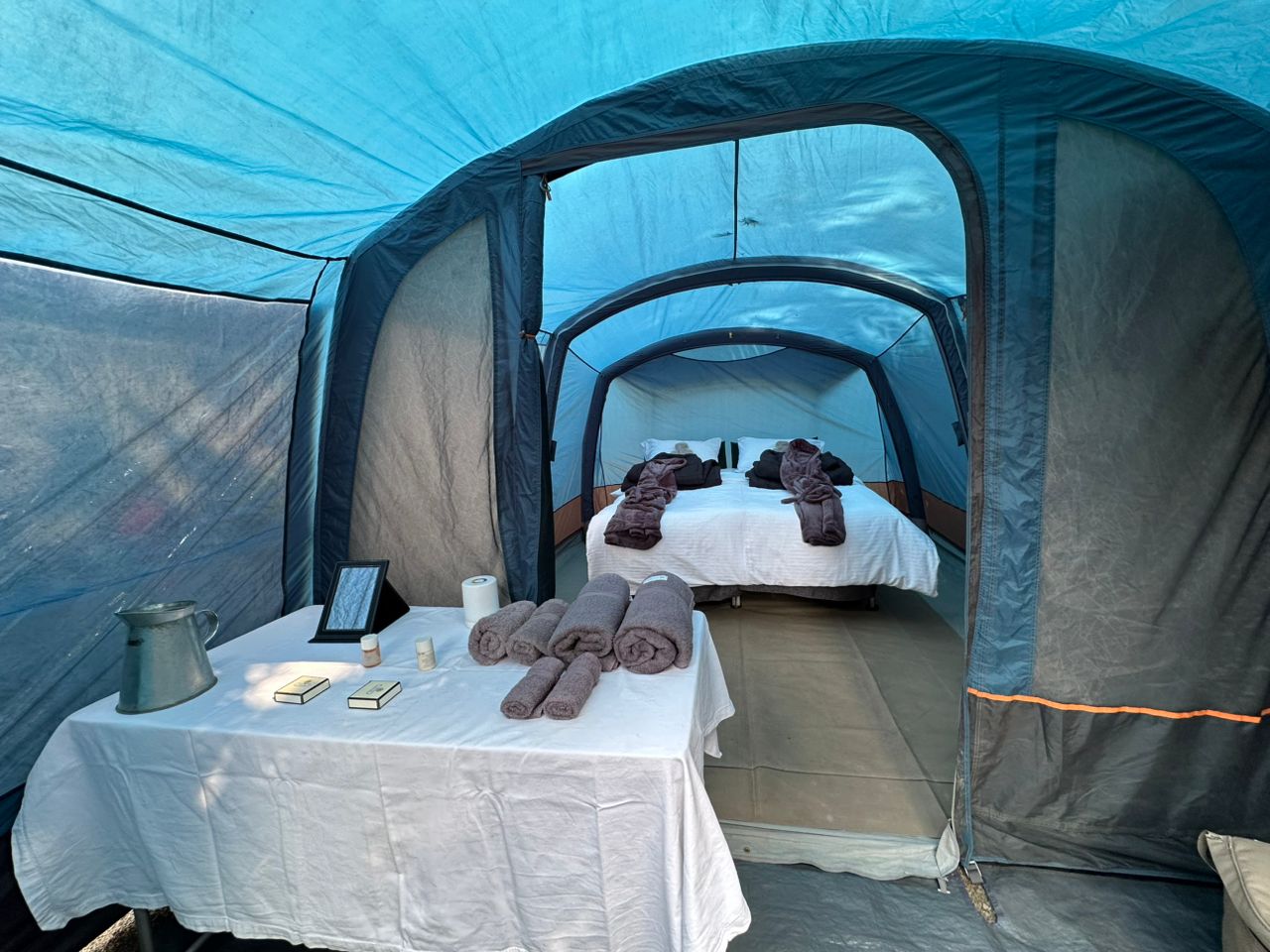
Private Portable Toilet Tent
Climbers who value privacy, comfort and cleanliness
A clean, private toilet tent set up at every camp
A private portable toilet tent is a popular upgrade on a Kilimanjaro climb. The toilet is carried by your crew, set up close to your sleeping tents at each camp and cleaned daily, offering far better hygiene and privacy than public latrines. It is especially welcome at night and on longer routes. Ask us about adding it when you book.
Kilimanjaro Private Treks →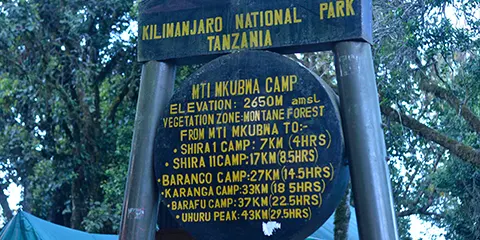
Safe Drinking Water on Kilimanjaro
Drinking only treated water from your crew
Never drink untreated stream water on the mountain
Water on Kilimanjaro is collected from mountain streams and must be treated before drinking. Your crew boils, filters or purifies drinking water at camp, so never drink untreated stream water. Carry at least three litres in clean bottles or a hydration bladder, rinse bottles with treated water only and keep the mouthpiece clean to avoid stomach problems.
Water on Kilimanjaro →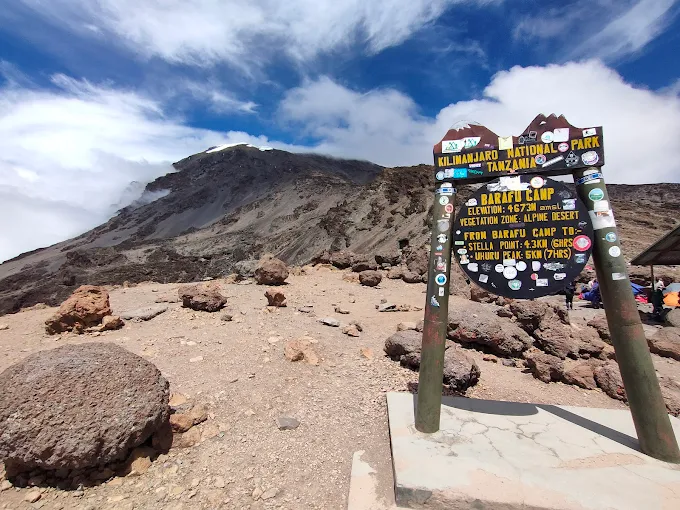
Food Hygiene and Safe Eating
Freshly cooked meals prepared by a trained mountain cook
Hot, well-cooked food and clean hands at every meal
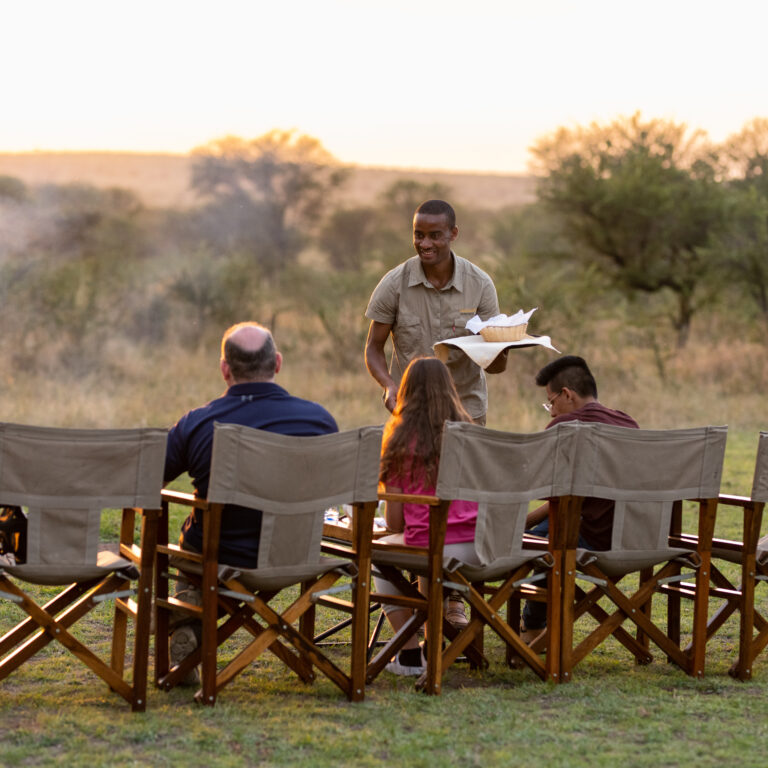
Food hygiene on Kilimanjaro starts in the kitchen tent, where your mountain cook prepares fresh, hot meals with treated water and clean utensils. Sanitise your hands before eating, avoid sharing cups or snacks by hand and eat freshly cooked food while it is hot. Good food hygiene keeps your energy up and greatly reduces the risk of stomach upsets.
Food on Kilimanjaro →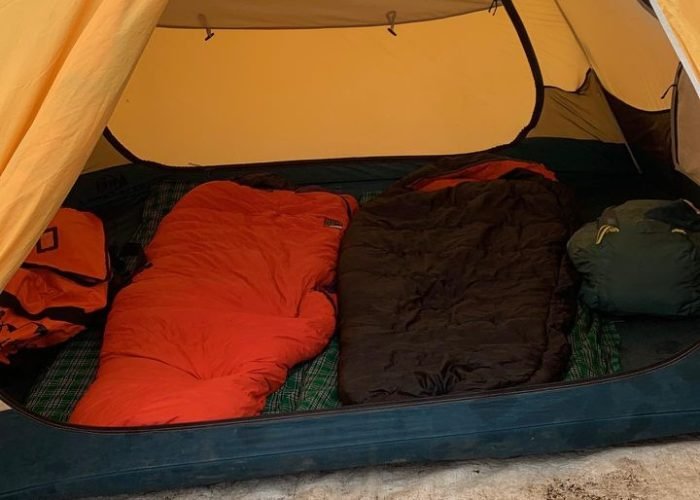
Washing and Body Hygiene in Camp
A quick daily wash with warm water and wipes
No showers, but warm washing water and wet wipes work well
There are no showers on Kilimanjaro, but staying fresh is easy. Use the warm washing water provided at camp for your face and hands, and biodegradable wet wipes for a quick body wash in your tent. Change into clean socks, underwear and base layers regularly, brush your teeth with treated water and keep your sleeping clothes dry and clean.
Do You Shower on Kilimanjaro? →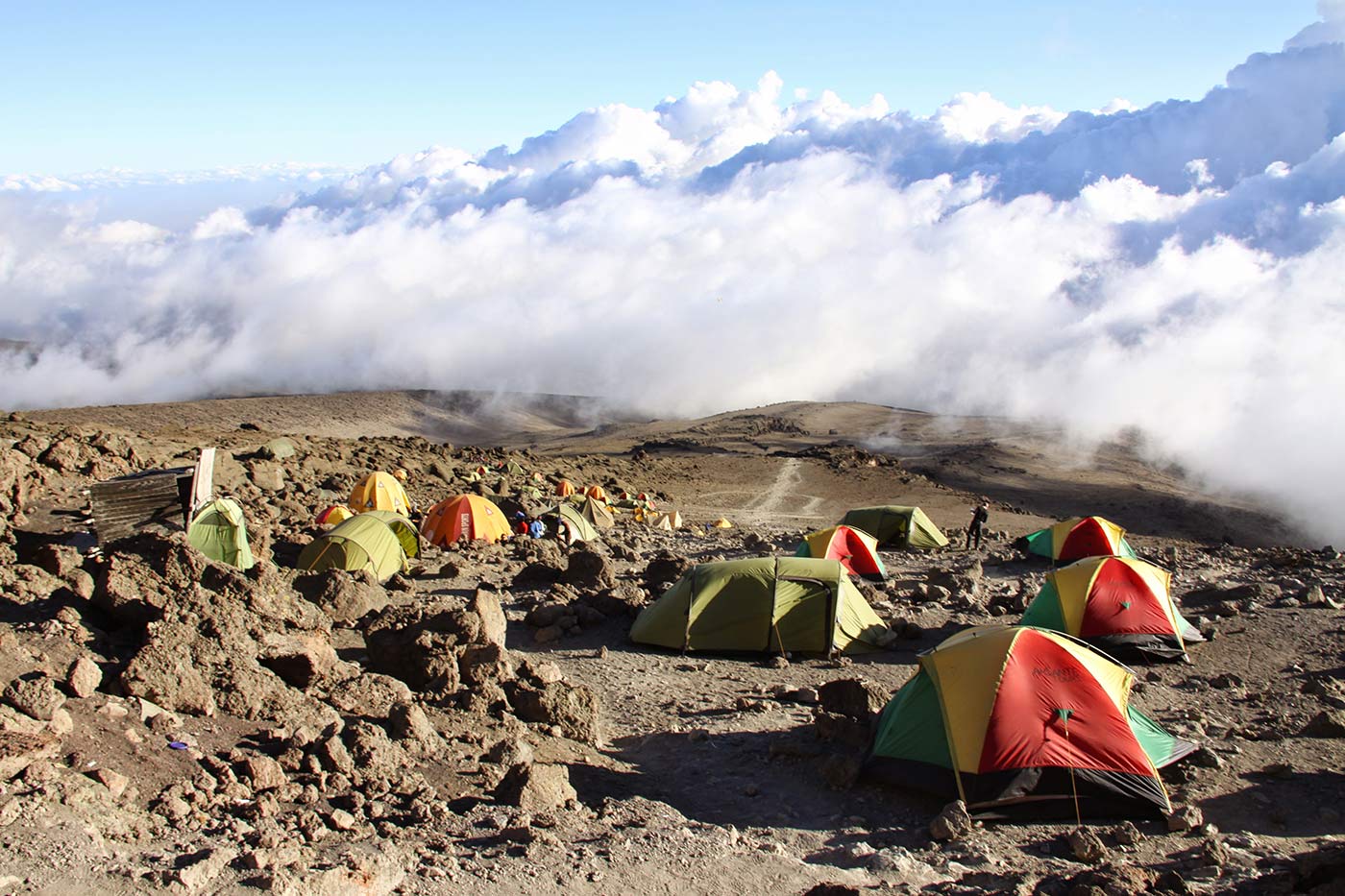
Menstrual Hygiene on Kilimanjaro
Female climbers planning for every possibility
Pack enough products and sealed disposal bags
Menstrual hygiene on Kilimanjaro is very manageable with good preparation. Pack enough pads, tampons or a menstrual cup for the whole climb, as altitude can affect your cycle, plus biodegradable wipes, hand sanitiser and opaque, sealable disposal bags. Pack out all used products. A private toilet tent adds valuable privacy and comfort during your period.
Hygiene Advice for Women →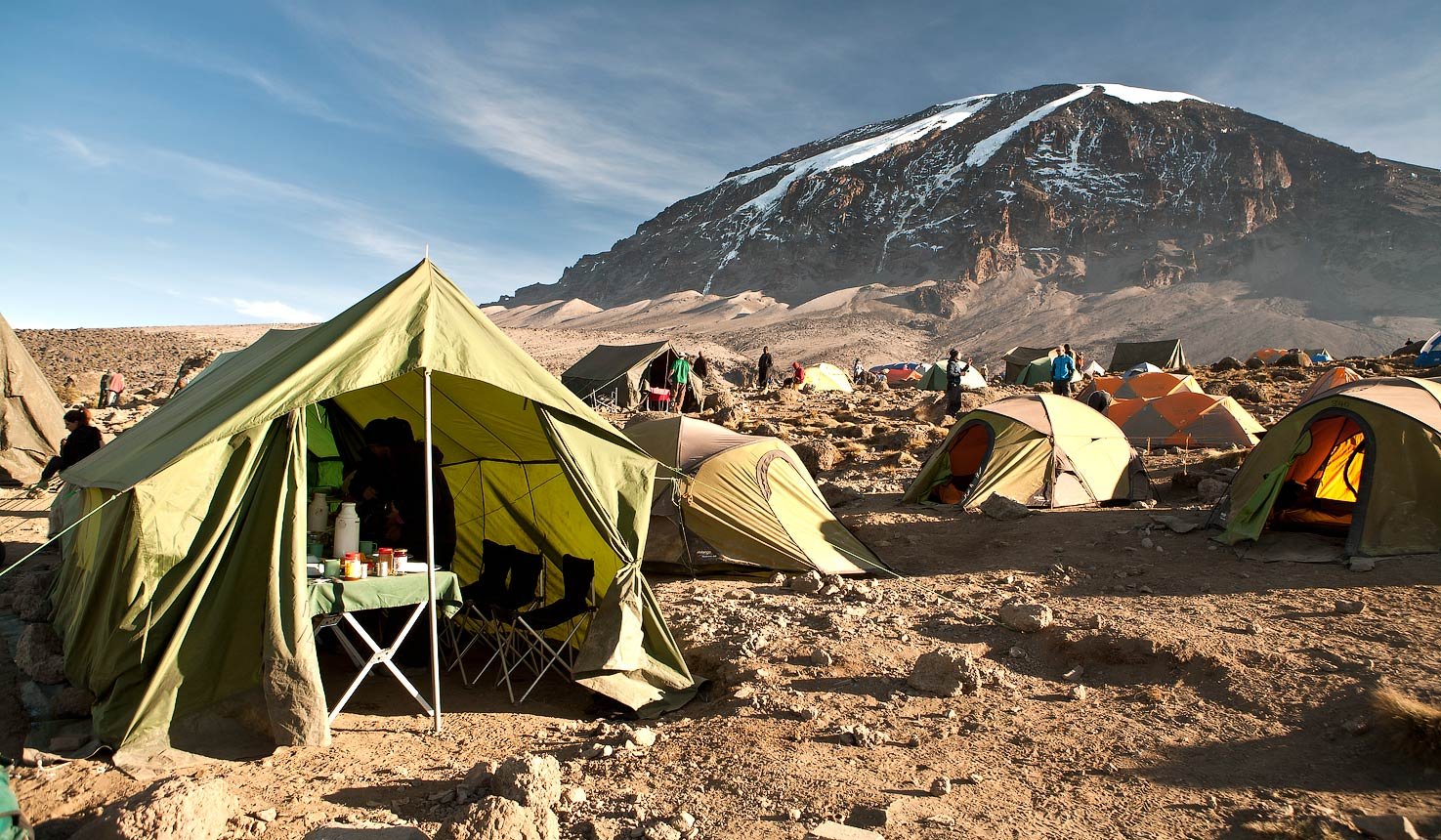
Waste Management and Leave No Trace
Every climber, guide and porter on the mountain
Carry out all non-biodegradable waste and protect water sources
Kilimanjaro National Park requires climbers to carry out all non-biodegradable waste, including wrappers, wipes and plastic. Use camp toilets whenever possible, and for bush stops between camps move at least sixty metres from trails, camps and water. Pack used toilet paper and wipes in a sealed bag, and never leave litter behind on the mountain.
Kilimanjaro National Park →Your Daily Hygiene Routine on Kilimanjaro
A simple daily hygiene routine makes life on Kilimanjaro far more comfortable and helps you stay healthy from the first camp to the summit and back down again. Your mountain crew supports you throughout the day with warm washing water, treated drinking water and hot meals prepared to good hygiene standards in camp. The cards below explain how hygiene fits into a typical day on Kilimanjaro, from your morning wash and toilet stops on the trail to mealtimes, evenings and nights. Following this routine takes only minutes each day but makes a real difference to your comfort and health.
Morning Wash and Wake-Up
Your day usually starts with a hot drink and a bowl of warm washing water brought to your tent by the crew. Wash your face and hands, brush your teeth with treated water and use wet wipes for a quick freshen-up. Change your socks, apply sunscreen and lip balm, and pack your sanitiser in your daypack.
On the Trail
Between camps there are few toilets, so use camp facilities before you set off. For bush stops, move well away from the trail and water sources, use biodegradable toilet paper and pack out used paper and wipes in a sealed bag. Sanitise your hands afterwards and again before eating any snacks or your packed lunch.
Mealtimes in Camp
Before every meal, wash your hands with soap and the warm water provided at camp, or use hand sanitiser. Meals are served hot in the dining tent, prepared by your cook with treated water. Use your own cup and cutlery, avoid sharing snacks by hand and keep drinking treated water to stay well hydrated at altitude.
Evening and Night
In the evening, use warm water and wet wipes for a full freshen-up, then change into clean, dry sleeping clothes. Keep a headlamp, toilet paper and sanitiser beside your sleeping bag for night-time toilet visits. Many climbers bring a pee bottle to avoid walking to the toilet in the cold, dark hours of the night at high camps.
Kilimanjaro Hygiene Checklist
This Kilimanjaro hygiene checklist covers everything you need to stay clean, comfortable and healthy during your climb, from hand sanitiser and wet wipes to toothpaste and disposal bags. There are no shops on the mountain, so pack enough of every item for the full length of your route, with a little extra just in case. Tick off each item as you pack, print the list to take shopping with you or reset it at any time before you travel to Tanzania. Choose small, lightweight and biodegradable products wherever possible to keep your bags light and the mountain beautifully clean.
Hands and Body0/6
Toilet0/4
Dental and Personal Care0/5
Women's Hygiene0/4
Clothing and Extras0/5
Hygiene-Related Health Risks on Kilimanjaro
Most health problems on Kilimanjaro that are linked to hygiene are easy to prevent with simple habits, the right supplies and a well-run mountain crew. Stomach upsets, colds, skin irritation and dehydration can all weaken your body and make it harder to acclimatise properly at high altitude. The cards below explain the main hygiene-related health risks on Kilimanjaro, why they matter at altitude and the practical steps that help you avoid them during your climb. Always speak to your doctor before travelling to Tanzania, follow their advice carefully and tell your guide straight away if you feel unwell.
Stomach Upsets
Stomach upsets are the most common hygiene-related problem on Kilimanjaro and can quickly drain your energy. They usually come from unclean hands, untreated water or snacks passed between hands. Sanitise before eating, drink only treated water and carry anti-diarrhoea medication and oral rehydration salts in your first aid kit, as advised by your doctor before you travel.
Hygiene and Altitude
Illness and dehydration make it harder for your body to adapt to altitude, and symptoms such as nausea and fatigue can overlap with altitude sickness. Good hygiene keeps your body stronger, so you can acclimatise properly. Combine clean habits with a slow ascent, plenty of treated water and honest communication with your guide about how you feel.
Colds and Germs in Camp
Climbers eat together in dining tents and close spaces, so colds and coughs can spread easily. Avoid sharing water bottles, cups and cutlery, cover coughs and sneezes and use sanitiser regularly. If you feel unwell, tell your guide early. A cold can make breathing harder at altitude, so prevention is always better than trying to push through.
Skin, Feet and Sun Care
Dry air, strong sun, cold and long days on foot can cause sunburn, chapped lips, rashes and blisters. Apply sunscreen and lip balm often, change into dry socks daily, air your feet in camp and treat hot spots early with blister plasters. Moisture-wicking clothing helps prevent irritation and keeps you more comfortable throughout the climb.
How Our Mountain Crew Supports Your Hygiene
A professional mountain crew plays a major role in keeping you clean and healthy on Kilimanjaro, from treating drinking water to preparing hygienic meals every day. Choosing a responsible local operator means good hygiene standards are part of every climb, rather than something you need to worry about on your own. The cards below explain how our guides, cooks and porters support hygiene on every private Kilimanjaro climb, from treated water and handwashing to clean kitchens and responsible waste handling. Ask us any questions about hygiene, toilets or water when you book, and our team will happily help.
Treated Drinking Water
Your crew collects water from mountain streams and treats it by boiling, filtering or purification before it is used for drinking, cooking and brushing teeth. Treated water is provided at every camp so you can refill your bottles each morning and evening, which helps keep you hydrated and protects you from waterborne illness throughout your climb.
Handwashing Stations
At camp, warm water and soap are provided for washing your hands and face, especially before meals. This simple setup is one of the most effective ways to prevent illness on the mountain. Combined with hand sanitiser on the trail, it keeps your hands clean throughout each day from the first camp right up to the summit.
Clean Kitchen and Meals
Your mountain cook prepares fresh, hot meals in a dedicated kitchen tent, using treated water and clean utensils that are washed after every meal. Food is stored carefully to stay fresh in changing temperatures, and meals are served in a dining tent, giving you a clean and comfortable place to eat and relax each day.
Responsible Mountain Crew
Our guides and porters follow park rules on waste and sanitation, carry out rubbish and help climbers follow Leave No Trace principles. They are always ready to advise you on hygiene, toilets and health on the mountain. Fair treatment of porters and responsible practices keep Kilimanjaro clean and safe for every climber who follows in your footsteps.
Kilimanjaro Planning Guides
Hygiene on Kilimanjaro: FAQs
Are toilets on Mount Kilimanjaro clean and safe to use?
Camp toilets on Kilimanjaro are basic long-drop latrines. They are safe to use, but cleanliness varies with the season and the number of climbers. Bring your own toilet paper, sanitiser and wipes, or ask us about a private toilet tent.
Can I shower during a Kilimanjaro climb?
No. There are no showers on Kilimanjaro. Climbers stay clean with warm washing water provided at camp, biodegradable wet wipes, a small towel and regular changes of socks, underwear and base layers.
Should I bring my own hygiene supplies for Kilimanjaro?
Yes. There are no shops on the mountain, so bring hand sanitiser, wet wipes, biodegradable toilet paper, soap, a toothbrush and toothpaste, lip balm, sunscreen, disposal bags and any personal products for the whole climb.
Is drinking water on Kilimanjaro safe?
Yes, when it is treated. Your crew collects water from mountain streams and boils, filters or purifies it before drinking. Never drink untreated stream water, and carry at least three litres each day.
Do I need a private portable toilet on Kilimanjaro?
It is not essential, but a private toilet tent is a popular upgrade for privacy, comfort and better hygiene, especially at night and on longer routes. Ask our team about adding it when you book your climb.
How do I go to the toilet between camps on Kilimanjaro?
Use camp toilets before you set off. For bush stops, move at least sixty metres from trails, camps and water sources, use biodegradable toilet paper, pack out used paper in a sealed bag and sanitise your hands afterwards.
How do I manage night-time toilet visits on Kilimanjaro?
Keep a headlamp, warm layers, toilet paper and sanitiser beside your sleeping bag. Many climbers use a pee bottle in the tent to avoid walking to the toilet in the cold and dark.
How do women manage menstrual hygiene on Kilimanjaro?
Pack enough pads, tampons or a menstrual cup for the whole climb, plus wipes, sanitiser and opaque sealable disposal bags. Pack out all used products. Altitude can affect your cycle, so it is wise to prepare even if your period is not due.
How do guides and porters maintain hygiene on Kilimanjaro?
The crew treats drinking water, provides warm water and soap for washing, prepares hot meals in a clean kitchen tent and follows park rules on waste. Your guide also advises on toilets and hygiene throughout the climb.
What are the main hygiene risks on Kilimanjaro?
The main risks are stomach upsets from unclean hands or untreated water, colds spreading in camp, and skin problems such as sunburn, chapped lips and blisters. Simple habits and the right supplies prevent most of them.
What toilet paper should I bring for Kilimanjaro?
Bring biodegradable toilet paper kept dry in a waterproof bag, with enough for the whole climb, and sealable bags to pack out used paper and wipes where needed.
What are the Leave No Trace rules for toileting on Kilimanjaro?
Use camp toilets whenever possible, stay well away from trails, camps and water for bush stops, pack out all non-biodegradable waste including wipes and sanitary products, and never leave litter on the mountain.
How can I stay fresh and comfortable on Kilimanjaro?
Wash daily with warm water and wet wipes, change socks and underwear regularly, wear moisture-wicking clothing, use deodorant and dry shampoo, keep your sleeping clothes dry and air your sleeping bag when possible.
Does good hygiene help with altitude sickness?
Good hygiene does not prevent altitude sickness, but it helps you avoid illness and dehydration that make acclimatisation harder. Combine clean habits with a slow ascent, plenty of treated water and a longer route.
Plan Further: Kilimanjaro Guides and Resources
Climb Kilimanjaro
Prepare for the Mountain
Plan Your Private Kilimanjaro Climb
Tell us your dates and preferred route, and our local mountain team will plan a private, fully supported Kilimanjaro climb with treated water, hygienic meals and an optional private toilet tent.
Book Now Online →What Our Travelers Say
Real 5-star reviews from guests who traveled with us