
Kilimanjaro Packing List for Women
Kilimanjaro Packing List for Women
Climbing Mount Kilimanjaro, Africa’s highest peak and one of the world’s most iconic trekking adventures, requires careful preparation—especially for women. A well-planned Kilimanjaro packing list for women is essential for comfort, safety, and summit success. Weather conditions change dramatically from tropical rainforest to freezing alpine desert, making layered clothing and high-performance gear a must. Whether you are trekking the Machame, Lemosho, or Marangu route, the right equipment can determine your experience on the mountain. This guide focuses on the best Kilimanjaro packing list for women, including clothing, footwear, hygiene essentials, cold-weather gear, and trekking accessories. It is designed for both first-time climbers and experienced hikers seeking a smart, lightweight, and practical packing strategy for a successful Kilimanjaro summit.
Base Layer:
The base layer is the foundation of your Kilimanjaro packing list for women, designed to regulate body temperature and manage moisture during long trekking days and cold summit nights. Choose moisture-wicking merino wool or synthetic thermal tops and leggings that keep sweat away from the skin while staying breathable. Avoid cotton as it retains moisture and causes cold discomfort. Women should also include supportive sports bras and lightweight thermal underwear for layering efficiency. A proper base layer ensures warmth, comfort, and blister prevention during high-altitude hiking on Mount Kilimanjaro’s changing climates, especially for summit push conditions and extreme cold exposure.
Insulating Layer:
The insulating layer is essential in any Kilimanjaro packing list for women, providing crucial warmth during freezing temperatures at higher elevations. This layer traps body heat while remaining breathable, preventing overheating during ascent. Women should prioritize fleece jackets, lightweight down jackets, or synthetic insulated coats that can be easily layered over a base layer. A good insulating layer is especially important for summit night when temperatures can drop well below freezing. Choose packable, lightweight insulation that balances warmth and mobility, ensuring comfort and protection throughout the challenging climb on Mount Kilimanjaro for optimal high-altitude trekking performance and safety comfort balance.
Outer Shell:
The outer shell is a critical protective layer in your Kilimanjaro packing list for women, shielding against wind, rain, and snow in unpredictable mountain weather. This layer should be waterproof, windproof, and breathable, such as a high-quality Gore-Tex jacket and rain pants. It protects inner layers from getting wet, which is essential for maintaining body heat and preventing hypothermia. Women should ensure their outer shell is lightweight, durable, and easy to pack. Proper ventilation features, adjustable hoods, and sealed seams are important for comfort during long trekking days on Mount Kilimanjaro’s diverse climate zones for summit weather protection and safety.
Mid Layers:
Mid layers play a vital role in the Kilimanjaro packing list for women, offering adjustable warmth and flexibility as temperatures change throughout the climb. These layers sit between the base and outer shell, providing insulation while allowing moisture control. Women should pack fleece jackets, softshell jackets, and lightweight insulated pullovers for versatility. Mid layers are essential for adapting to shifting climates from rainforest to alpine desert zones on Mount Kilimanjaro. They help regulate body temperature during both active hiking and rest periods. Choose breathable, quick-drying materials that allow easy layering without restricting movement or comfort for optimal trekking performance efficiency.
Clothing Layering System for Kilimanjaro
The most important part of any Kilimanjaro packing list for women is a proper layering system. The mountain has multiple climate zones, so layering ensures flexibility and warmth control. Start with moisture-wicking base layers such as thermal tops and leggings made of merino wool or synthetic fabric. Add insulating mid-layers like fleece jackets or lightweight down sweaters for warmth. The outer layer should include a waterproof and windproof jacket and pants to protect against rain and strong summit winds. Women should avoid cotton as it retains moisture and causes cold discomfort. Quick-dry trekking shirts, convertible hiking pants, and thermal underwear are essential. Layering allows easy adjustment during daily hikes, helping maintain body temperature and comfort throughout the Kilimanjaro climb from base to summit.
Footwear and Hiking Socks Essentials
Proper footwear is critical in any Kilimanjaro packing list for women because the terrain varies from muddy rainforest trails to rocky alpine slopes. A pair of high-quality waterproof hiking boots with strong ankle support is essential. They should be well broken in before the trek to prevent blisters. Pair them with moisture-wicking trekking socks made of merino wool or synthetic blends, which help regulate temperature and reduce friction. Women should pack at least 3–5 pairs of hiking socks and a few liner socks for extra comfort. Kilimanjaro Camp shoes or lightweight sandals are also recommended for relaxing at the campsite after long trekking days. Good Mount Kilimanjaro footwear not only improves stability and safety but also significantly increases comfort and endurance during the challenging ascent of Mount Kilimanjaro.
Cold Weather Gear for Summit Night
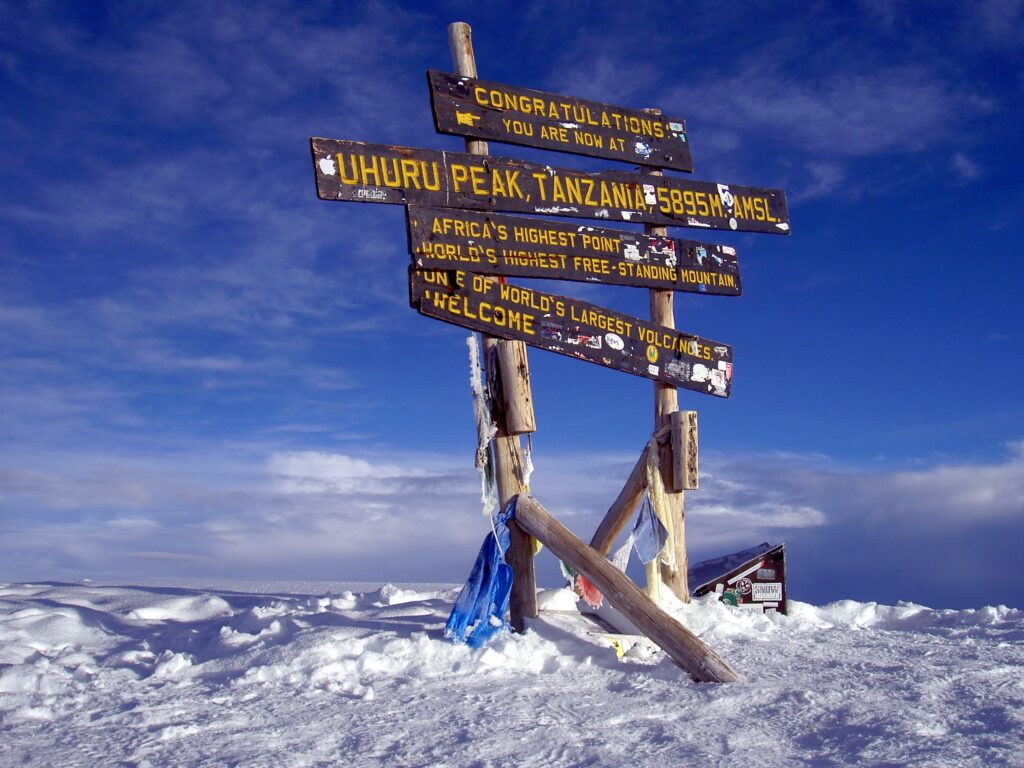
Summit night on Kilimanjaro is extremely cold, often dropping below freezing temperatures, making cold-weather gear a vital part of the Kilimanjaro packing list for women. A heavy insulated down jacket is essential for warmth during the final ascent to Uhuru Peak. Women should also pack thermal gloves or mittens, a fleece hat, and a balaclava or neck gaiter to protect against harsh winds. Insulated trekking pants or over-trousers help retain body heat during a summit push. Hand warmers and extra thermal layers can be lifesaving in extreme conditions. Sunglasses with UV protection are also necessary due to snow glare at high altitudes. Proper cold-weather preparation ensures safety, reduces the risk of hypothermia, and helps climbers reach the summit comfortably despite freezing temperatures.
Daypacks and Duffel Bag Essentials
A smart Kilimanjaro packing list for women includes both a daypack and a large duffel bag. The duffel bag, usually carried by porters, holds the bulk of your gear, including clothing and sleeping equipment. It should be waterproof or have a rain cover. The daypack, typically 20–30 liters, is carried by the climber and contains daily essentials such as water bottles, snacks, sunscreen, a rain jacket, and a camera. Women should choose lightweight, comfortable backpacks with padded straps and good back support. Hydration systems, like a water bladder, are highly recommended for easy access to water during trekking. Organizing gear properly helps reduce fatigue and ensures essential items are always accessible during long hiking days on Mount Kilimanjaro.
Sleeping Gear and Camping Comfort
Comfortable sleep is essential for energy recovery during the Kilimanjaro climb, making sleeping gear an important part of the Kilimanjaro packing list for women. A high-quality four-season sleeping bag rated for temperatures as low as -10°C to -20°C is strongly recommended. An insulated sleeping mat adds extra warmth and cushioning from the cold ground. Some women also prefer a sleeping bag liner for additional warmth and hygiene. Earplugs and an eye mask can improve sleep quality in shared tents. Camps on Kilimanjaro can be cold and windy, so proper insulation is critical. Good sleeping gear helps the body recover each night, ensuring climbers stay strong and energized throughout the multi-day trek to the summit of Africa’s highest mountain.
Personal Hygiene and Toiletries
Maintaining hygiene on the mountain is important for health and comfort, making toiletries a key section of the Kilimanjaro packing list for women. Essential items include biodegradable wet wipes, hand sanitizer, quick-dry towels, and travel-sized soap or body wash. Women should also pack feminine hygiene products in sufficient quantity, as availability on the mountain is limited. Toothbrush, toothpaste, and lip balm with SPF protection are necessary due to dry mountain air. Toilet paper and small ziplock bags for waste disposal are also essential. Dry shampoo and minimal skincare products help maintain cleanliness without adding extra weight. Keeping hygiene simple but effective helps prevent illness, improves comfort, and ensures a more pleasant trekking experience throughout the Kilimanjaro expedition.
Approach, feed or disturb wildlife, or leave the vehicle unless your guide says it is safe.
Follow your guide, carry travel insurance and check current health and travel advice.
Health, Safety, and First Aid Kit
A personal first aid kit is a crucial part of the Kilimanjaro packing list for women to ensure safety during the climb. Essential items include altitude sickness medication (such as acetazolamide if prescribed), pain relievers, blister treatment patches, antiseptic cream, and bandages. Women should also carry personal prescription medications in adequate supply. Sunscreen with high SPF is important due to intense UV exposure at high altitudes. Rehydration salts help prevent dehydration, which is common during trekking. Insect repellent is useful in lower forest zones. It is also advisable to carry basic cold and flu medication. A small emergency kit ensures preparedness for minor injuries or health issues, helping climbers stay safe and continue their journey smoothly toward the summit of Mount Kilimanjaro.
Snacks, Nutrition, and Hydration
Energy management is essential for success, making nutrition an important part of the Kilimanjaro packing list for women. High-energy snacks such as nuts, energy bars, dried fruits, and chocolate provide quick fuel during long trekking days. Although meals are provided by trekking teams, personal snacks offer extra motivation and energy boosts. Hydration is equally important—women should carry a reusable water bottle or hydration bladder with a capacity of at least 2–3 liters. Electrolyte tablets help maintain hydration balance at high altitude. Drinking enough water reduces fatigue and helps prevent altitude sickness. Balanced nutrition and proper hydration support endurance, stamina, and recovery, ensuring climbers remain strong throughout the challenging ascent to Uhuru Peak on Mount Kilimanjaro.
Personal Essentials and Documents
Important personal items are often overlooked but essential in the Kilimanjaro packing list for women. These include a valid passport, travel insurance documents, trekking permits, and emergency contact information. Cash in small denominations is useful for tips and small purchases. A headlamp with extra batteries is necessary for night trekking and camp movement. Sunglasses, sunscreen, and lip balm protect against sun exposure at high altitude. A camera or smartphone helps capture unforgettable moments during the climb. Women should also carry personal identification and a copy of important documents stored separately for safety. Organizing these essentials in a waterproof pouch ensures they remain protected throughout the journey. Proper preparation reduces stress and ensures smooth logistics during the entire Kilimanjaro expedition.
Smart Packing Tips for Women Climbers
Efficient packing is key to a successful Kilimanjaro experience, especially for women aiming to travel light but prepared. The best Kilimanjaro packing list for women focuses on functionality, layering, and weight management. Avoid overpacking and choose multi-use clothing items. Use packing cubes to organize gear efficiently and reduce space. Keep your backpack weight manageable for daily trekking comfort. Test all equipment before the climb to avoid surprises on the mountain. Prioritize quality over quantity, especially for boots, jackets, and sleeping gear. Remember that porters carry most of the luggage, so your daypack should only contain essentials. Smart packing improves mobility, reduces fatigue, and enhances overall enjoyment of the climb. With the right strategy, women can confidently reach the summit of Mount Kilimanjaro fully prepared and comfortable.
Final thought
A well-planned Kilimanjaro packing list for women is the foundation of a safe, comfortable, and successful climb to the summit of Mount Kilimanjaro in Tanzania. From proper layering systems and insulated summit gear to essential toiletries, socks, and backpacks, every item plays a critical role in high-altitude performance. Women climbers should prioritize functionality, weather protection, and lightweight trekking equipment over unnecessary luxury items. Understanding the importance of altitude sickness preparation, gear rental options, and correct packing strategies significantly improves summit success rates. With the right preparation, women can confidently tackle Africa’s highest peak while enjoying the breathtaking landscapes and unique trekking experience. Careful packing ensures not only survival in extreme conditions but also an unforgettable adventure on Kilimanjaro’s iconic trails for women climbers, a safe, successful Kilimanjaro journey in Tanzania, Africa.
Kilimanjaro Packing List for Women: FAQs
What is the most important item in a Kilimanjaro packing list for women?
The most important item in a Kilimanjaro packing list for women is a high-quality layering system built around a warm, waterproof jacket and base layers that manage temperature changes on Mount Kilimanjaro. Because climbers move through five climate zones, from rainforest to arctic summit conditions, proper thermal clothing is essential for safety and comfort.
How many clothing layers do women need for Kilimanjaro?
Women climbing Mount Kilimanjaro typically need three essential clothing layers: a base layer, a mid layer, and an outer shell. The base layer is designed for moisture-wicking and keeps the skin dry during long trekking days. The mid layer, usually fleece or lightweight insulation, provides warmth as temperatures drop at higher altitudes. The outer shell protects against wind, rain, and snow, especially during summit night on Kilimanjaro.
Do I need special gear for the Kilimanjaro summit night?
Yes, women definitely need specialized gear for Kilimanjaro summit night because temperatures can drop well below freezing, often reaching extreme arctic conditions. Essential summit night equipment includes insulated down jackets, thermal base layers, waterproof pants, warm gloves, balaclava or face mask, and thick hiking socks. Trekking poles and a reliable headlamp are also crucial for navigating dark, steep, and icy terrain.
How many pairs of socks should women bring for Kilimanjaro?
Women should bring between four to six pairs of high-quality trekking socks for a Kilimanjaro climb. These should include moisture-wicking liner socks and thick wool or thermal outer socks for warmth. Socks are extremely important in preventing blisters, keeping feet dry, and maintaining comfort during long hiking days and cold summit night conditions. Because weather on Mount Kilimanjaro changes rapidly, it is essential to rotate clean, dry socks regularly.
Can I rent Kilimanjaro gear instead of packing everything?
Yes, women can rent most Kilimanjaro climbing gear instead of carrying everything from home, making the trek more convenient and affordable. In Tanzania, especially in Arusha and Moshi, many reputable tour operators offer high-quality rental equipment such as sleeping bags, trekking poles, insulated jackets, waterproof pants, and backpacks. Renting gear is ideal for international travelers who want to reduce luggage weight and avoid airline baggage fees.
What type of backpack is best for Kilimanjaro?
The best backpack for Kilimanjaro for women is a comfortable, ergonomic daypack with a capacity of 25 to 35 liters. This backpack should include padded shoulder straps, a supportive hip belt, and ventilation to reduce sweating during long climbs. It is essential for carrying daily items such as water bottles, snacks, rain gear, sunscreen, and extra clothing layers. The main luggage is usually carried by porters, so climbers only need a lightweight daypack.
Is there laundry service on Kilimanjaro?
There is no laundry service available on Kilimanjaro during the climb, so women must pack enough clothing for the entire trek. Climbers typically spend six to nine days on the mountain, meaning clothes can get sweaty, dusty, or wet due to changing weather conditions. It is important to bring quick-dry, moisture-wicking clothing that can be reused between washes and layered for comfort.
What toiletries should women pack for Kilimanjaro?
Women should pack minimal yet essential toiletries for Kilimanjaro, focusing on hygiene, skin protection, and convenience. Key items include biodegradable wet wipes, travel-size soap, toothbrush and toothpaste, hand sanitizer, lip balm with SPF, sunscreen, toilet paper, and feminine hygiene products if needed. Due to cold, dry, and dusty conditions on the mountain, moisturizing cream and skin protection products are highly recommended.
Do I need altitude sickness medication in my Kilimanjaro packing list?
Yes, women are strongly advised to include altitude sickness medication in their Kilimanjaro packing list due to the rapid ascent to high elevations. Common medications such as acetazolamide (Diamox) are often used to help prevent or reduce symptoms of altitude sickness, including headaches, nausea, dizziness, and fatigue. However, medication should always be taken under medical guidance before the climb.
What is the biggest packing mistake women make for Kilimanjaro?
The biggest packing mistake women make when preparing a Kilimanjaro packing list is overpacking unnecessary items while forgetting essential layering and cold-weather gear. Many climbers bring too many casual clothes, makeup, or heavy items instead of focusing on functional trekking equipment. Another common mistake is underestimating summit night conditions, leading to insufficient insulation, gloves, or thermal protection. Poor footwear choices can also result in blisters and discomfort during the climb.
Climb Kilimanjaro With Confidence
Tell us your dates and fitness, and our experienced mountain team will plan a safe, well-acclimatized private climb.