How to Choose the Best Kilimanjaro Route: Expert Comparison Guide
The best Kilimanjaro route for most climbers is the Lemosho Route on an eight-day itinerary, because it combines beautiful scenery with gradual acclimatization and a strong chance of reaching the summit. Choose Machame for varied scenery on a seven-day climb, Marangu if you prefer mountain huts, Rongai for quiet trails and the rainy months, and the Northern Circuit for the longest and most gradual climb. Umbwe suits experienced climbers only. Whatever you choose, more days on the mountain usually means better acclimatization.
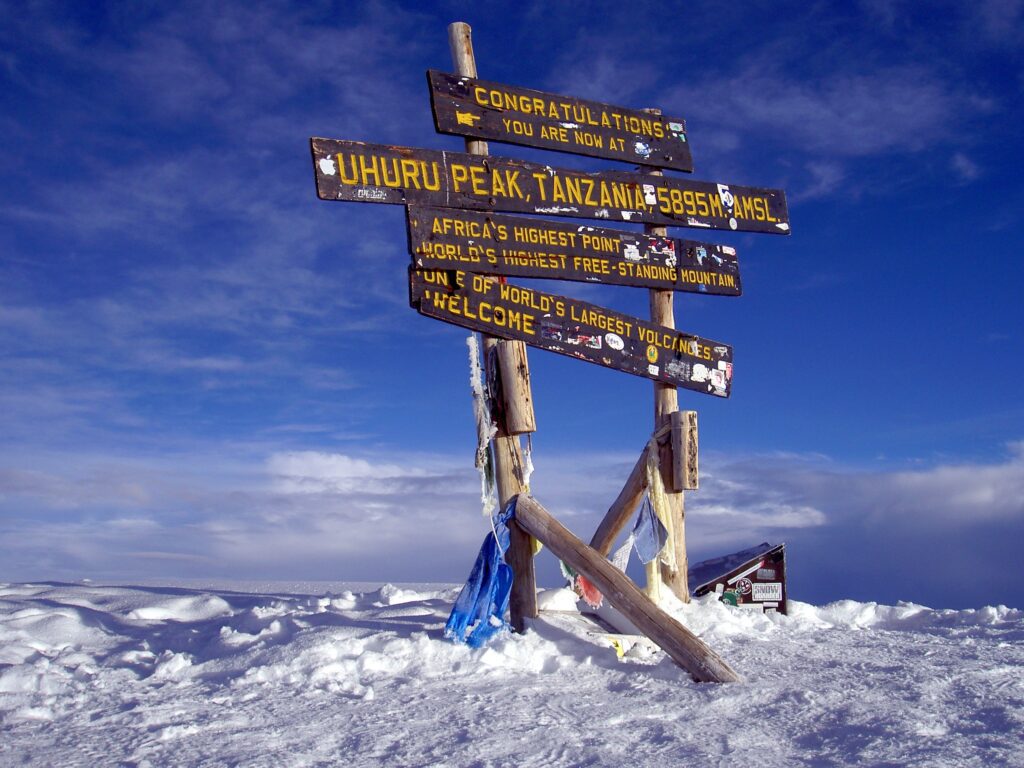
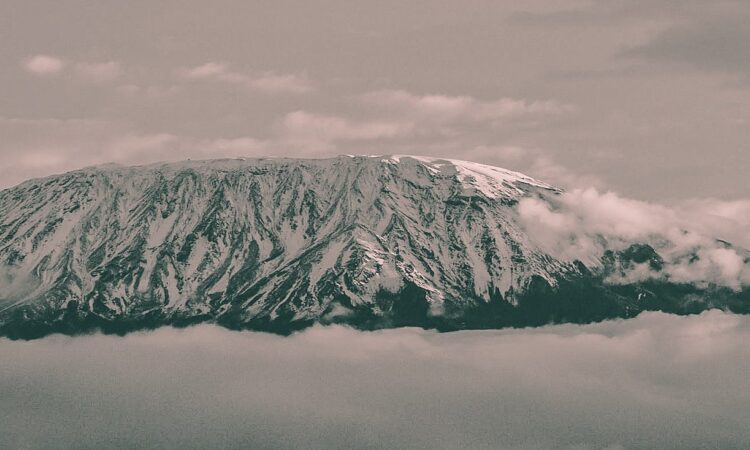
Choosing the right route is one of the most important decisions you will make when planning to climb Mount Kilimanjaro, Africa's highest mountain at 5,895 metres. Each of the seven main routes differs in length, scenery, difficulty, accommodation and, above all, acclimatization, which strongly affects your chance of reaching Uhuru Peak. This detailed expert guide compares every Kilimanjaro route side by side, explains which route suits your fitness, experience, budget and travel dates, and shares practical advice on acclimatization, seasons and costs, so you can confidently book a private, guided climb with our friendly and experienced local Kilimanjaro mountain team.
Kilimanjaro Routes Compared at a Glance
Mount Kilimanjaro has seven main climbing routes to Uhuru Peak, and each one offers a different balance of scenery, difficulty, duration and acclimatization. Some routes start in lush rainforest on the southern and western slopes, while others approach through the drier and quieter northern wilderness of the mountain. The table below compares every Kilimanjaro route at a glance, showing the typical number of days, accommodation, difficulty level and the type of climber each route suits best. Use it to quickly create a shortlist, then explore each individual route in full detail in the next section of this guide.
| Route | Typical days | Accommodation | Difficulty | Best for |
|---|---|---|---|---|
| Lemosho | 7 to 8 | Camping | Moderate | Most climbers, scenery |
| Machame | 6 to 7 | Camping | Moderate to challenging | Varied scenery |
| Marangu | 5 to 6 | Mountain huts | Moderate | Hut accommodation |
| Rongai | 6 to 7 | Camping | Moderate | Quiet trails, rainy months |
| Northern Circuit | 8 to 9 | Camping | Moderate | Longest acclimatization |
| Umbwe | 6 to 7 | Camping | Very challenging | Experienced climbers |
| Shira | 6 to 7 | Camping | Moderate to challenging | Western scenery |
Kilimanjaro Route Guide: All Seven Routes
Every Kilimanjaro route has its own character, from the gentle and scenic western approaches to the steep and direct southern trails favoured by experienced climbers. Understanding how each route climbs, where it sleeps and how it supports acclimatization helps you choose the climb that best fits your goals and abilities. The seven tabs below describe each main Kilimanjaro route in detail, including the typical duration, accommodation, difficulty and the kind of climber it suits best. Our experienced, licensed mountain guides know every single route very well and can help you compare all the options before you finally decide.
Lemosho Route
7 to 8 days
Camping
The Lemosho Route is a beautiful western approach that starts in quiet rainforest and crosses the spectacular Shira Plateau before joining the southern circuit. Its longer itineraries allow gradual altitude gain, which makes it a favourite choice for first-time and experienced climbers alike. Expect wild scenery, fewer trekkers in the first days and wonderful views of Kibo.
Lemosho Route →Machame Route
6 to 7 days
Camping
The Machame Route, often called the Whiskey Route, is one of the most popular ways to climb Mount Kilimanjaro. It climbs from the south through rainforest, moorland and alpine desert, including the famous Barranco Wall scramble. The seven-day version follows a climb high, sleep low profile that supports acclimatization and offers outstanding views throughout the trek.
Machame Route →Marangu Route
5 to 6 days
Mountain huts
The Marangu Route, known as the Coca-Cola Route, is the only Kilimanjaro route with permanent mountain huts, offering beds and shelter instead of tents. It follows a direct trail from the southeast and uses the same path for ascent and descent. Because shorter itineraries give less time to acclimatize, we recommend adding an extra day for a better summit chance.
Marangu Route →Rongai Route
6 to 7 days
Camping
The Rongai Route is the only route that approaches Kilimanjaro from the north, close to the Kenyan border, offering a quieter and wilder trekking experience. The northern slopes are generally drier, which makes Rongai a good option during the rainy months. It has a steady, gradual profile and descends on the Marangu side, giving you views of both slopes.
Compare Kilimanjaro routes →Northern Circuit Route
8 to 9 days
Camping
The Northern Circuit is the longest and newest route on Kilimanjaro, starting in the west and circling the quiet northern slopes before the summit climb. Its extra days provide the most gradual acclimatization of any route, which gives climbers an excellent chance of reaching Uhuru Peak. It also offers remote wilderness, very few trekkers and wonderful panoramic views.
Compare Kilimanjaro routes →Umbwe Route
6 to 7 days
Camping
The Umbwe Route is the steepest and most direct way up Kilimanjaro, climbing quickly through dense forest on the southern slopes before joining the Machame trail. The fast altitude gain leaves less time to acclimatize, so Umbwe is best suited to fit climbers with previous high-altitude experience. It rewards you with dramatic ridges, solitude and a real sense of adventure.
Umbwe Route →Shira Route
6 to 7 days
Camping
The Shira Route approaches from the west and crosses the spectacular Shira Plateau, sharing much of its scenery with the Lemosho Route. It starts at a high elevation of over 3,500 metres, often reached by vehicle, so the first days can feel demanding without prior acclimatization. Many climbers now choose Lemosho for a more gradual start with similar views.
Compare Kilimanjaro routes →Which Kilimanjaro Route Is Best for You?
The best Kilimanjaro route is the one that matches your fitness, previous trekking experience, available time, budget and personal preferences for scenery and accommodation. There is no single perfect route for everyone, so it helps to start with your priorities and then choose the route and itinerary length that support them. The table below matches the most common climber priorities with the Kilimanjaro routes that suit them best, making your decision quicker and much easier. If you are still unsure, our friendly Kilimanjaro team will gladly recommend a suitable route after learning more about you and your plans.
| If you want | Best route choice |
|---|---|
| The best overall balance | Lemosho, 8 days |
| Your first high-altitude climb | Lemosho or Northern Circuit |
| The most gradual acclimatization | Northern Circuit, 9 days |
| Varied scenery on a shorter climb | Machame, 7 days |
| Beds in mountain huts | Marangu, 6 days |
| Quieter trails or a rainy-season climb | Rongai, 7 days |
| A steep, demanding challenge | Umbwe, for experienced climbers |
Acclimatization and Summit Success
Acclimatization is the most important factor when choosing a Kilimanjaro route, because altitude, rather than fitness or technical skill, is the main reason climbers turn back. Longer itineraries allow your body to adjust gradually, while routes with a climb high, sleep low profile help you adapt to the thin air more effectively. The lists below explain what really supports good acclimatization on Kilimanjaro and the common mistakes that can reduce your chance of reaching Uhuru Peak safely. Our professional mountain guides carefully monitor every climber's health twice daily and always put your safety first throughout your entire climb.
What helps acclimatization
- Choosing seven or more days on the mountain
- A climb high, sleep low route profile
- Walking slowly, pole pole
- Drinking plenty of water each day
- Eating well even with low appetite
- Daily health checks by your guide
Mistakes to avoid
- Choosing the shortest itinerary to save money
- Walking too fast on early days
- Ignoring symptoms of altitude sickness
- Not drinking enough water
- Skipping an extra acclimatization day
Best Time to Climb Kilimanjaro by Route
Kilimanjaro can be climbed all year round, but the season you choose affects trail conditions, weather, visibility and how busy each route will feel. The two dry seasons are the most popular times to climb, while the rainy months bring quieter trails and favour routes on the drier northern slopes. The table below summarises each Kilimanjaro climbing season, its typical conditions and the routes that work best at that time of year. Whatever the season, always prepare well for cold nights, strong sun, wind and rapidly changing mountain weather at high altitude, especially on the long summit night.
| Season | Months | Conditions | Route tips |
|---|---|---|---|
| Main dry season | June to October | Dry, clear and cold at night | All routes, Lemosho and Machame popular |
| Short rains | November | Afternoon showers | Rongai and Northern Circuit work well |
| Warm dry season | December to early March | Warmer and mostly clear | All routes, good for quieter climbs |
| Long rains | Late March to May | Wet and muddy trails | Rongai is the best choice |
Kilimanjaro Route Cost and What to Compare
The cost of climbing Kilimanjaro depends mainly on the number of days on the mountain, because park fees, food and crew wages are charged for every day. Longer routes such as Lemosho and the Northern Circuit cost more than shorter climbs, but the extra days usually improve acclimatization and your summit chances. The lists below show exactly what a quality Kilimanjaro climb normally includes and what to check carefully when comparing quotes from different climbing operators. We always provide a clear, detailed and fully transparent written quote for your private, tailor-made Kilimanjaro climb, with absolutely no hidden costs.
A quality climb includes
- Park and camping or hut fees
- Licensed, experienced mountain guides
- Porters, cook and nutritious meals
- Quality tents and sleeping mats
- Daily health checks and oxygen
- Hotel nights and airport transfers
What to compare in quotes
- Number of days on the mountain
- Guide qualifications and experience
- Fair treatment and pay for porters
- Safety equipment and emergency plans
- Exactly what is included and excluded
How to Plan and Book Your Kilimanjaro Climb
Planning your Kilimanjaro climb is simple when you work with a licensed local operator that knows every route and puts your safety and comfort first. We help you choose the right route and itinerary length, then arrange guides, porters, equipment, hotels and transfers for a smooth and well-supported experience. The steps below show how we plan and book a private Kilimanjaro climb, from your first enquiry to celebrating your summit at Uhuru Peak. You can also easily combine your climb with a private Tanzania wildlife safari or a relaxing Zanzibar beach holiday afterwards, all planned by our team.
- Share your goalsTell us your dates, fitness, experience and preferred route.
- Choose your routeWe recommend the best route and itinerary length for you.
- Prepare and trainReceive training, packing and health advice before you travel.
- Arrive in Moshi or ArushaMeet your guide for a full briefing and gear check.
- Climb and celebrateTrek with your private crew and celebrate your summit.
Choosing a Kilimanjaro Route: FAQs
What is the best route to climb Kilimanjaro?
For most climbers, the Lemosho Route on an eight-day itinerary is the best choice, combining beautiful scenery, gradual acclimatization and a strong chance of reaching Uhuru Peak.
What is the easiest Kilimanjaro route?
No Kilimanjaro route is truly easy because of the altitude. Longer routes such as Lemosho and the Northern Circuit feel easiest because they allow the most gradual acclimatization.
What is the hardest route on Kilimanjaro?
The Umbwe Route is generally considered the hardest because it is steep and gains altitude quickly, so it is best for fit climbers with previous high-altitude experience.
Which Kilimanjaro route has the highest success rate?
Longer routes with good acclimatization, such as the eight-day Lemosho and the nine-day Northern Circuit, usually give climbers the best chance of reaching the summit.
Which Kilimanjaro route has huts?
The Marangu Route is the only route with permanent mountain huts and beds. All other routes use tents at designated campsites.
Which Kilimanjaro route is best in the rainy season?
The Rongai Route is usually the best choice in the rainy season because the northern slopes are generally drier than the southern and western sides of the mountain.
How many days do you need to climb Kilimanjaro?
Most routes take five to nine days. We recommend at least seven days on the mountain for better acclimatization and a higher chance of reaching the summit.
Is Lemosho or Machame better?
Lemosho is longer, quieter at the start and offers more gradual acclimatization, while Machame is shorter and slightly cheaper. Both share the same scenic southern circuit and summit path.
Related Guides
Find Your Perfect Kilimanjaro Route
Tell us your dates, fitness and experience, and our local mountain team will recommend the best route and design a private, fully supported Kilimanjaro climb for you.
Start Planning