Tanzania family safari prices from budget to ultra-luxury, plus when, where and how to go
How Much Does a Tanzania Family Safari Cost?
A Tanzania family safari can suit different budgets, from affordable camping adventures to exclusive luxury experiences. Family safari prices depend on travel season, children’s ages, accommodation, safari duration, private or shared vehicles, park fees and activities. Typical Tanzania family safari costs range from US$200–390 per person per day for budget trips, US$590–990 for mid-range, US$990–2,500 for luxury, and US$2,500–9,900 for ultra-luxury experiences. A family safari may include Serengeti, Ngorongoro Crater, Tarangire and other wildlife destinations. Always compare complete quotations, including accommodation, meals, transport, professional guides, park fees and family-friendly activities, rather than choosing solely by the advertised daily price.
How Much Does a Tanzania Family Safari Cost?
Tanzania family safari prices fall into four broad categories. Tap a tier to read what each one includes, then use the estimator to see a ballpark total for your family.
Tanzania Budget Family Safari Costs: USD $200–390 Per Person Per Day
How Much Does a Tanzania budget Family Safari Cost? A Tanzania budget family safari typically costs around US$200–390 per person per day, depending on season, group size, itinerary and accommodation. Affordable family safaris commonly use comfortable campsites, budget lodges or family-friendly tented accommodation and shared or private safari vehicles. Popular destinations include Tarangire, Ngorongoro and Serengeti. Travelling as a family group can reduce the overall per-person cost, particularly with private vehicle arrangements. Compare what is included, especially park fees, meals, accommodation, transportation, guide services and airport transfers. Budget does not have to mean sacrificing an authentic African wildlife experience when the itinerary is professionally planned.
Tanzania Mid-Range Family Safari Costs: USD $590–990 Per Person Per Day
How Much Does a Tanzania mid-range Family Safari Cost? A mid-range Tanzania family safari may cost approximately US$590–990 per person per day, depending on accommodation, season, safari duration and family size. This category typically combines comfortable safari lodges, permanent tented camps, private or shared vehicles, professional guides and full-board meals. Families can explore the Serengeti, Ngorongoro Crater, Tarangire and other Northern Circuit destinations while enjoying greater comfort than basic camping. Mid-range family safari packages often provide en-suite rooms, swimming pools and family-friendly facilities. When comparing prices, check whether park fees, conservation charges, transfers, activities, meals and accommodation are included to understand the true total Tanzania family safari cost.
Tanzania Luxury Family Safari Costs: USD $990–2,500 Per Person Per Day
How Much Does a Tanzania luxury Family Safari Cost? A luxury Tanzania family safari can cost approximately US$990–2,500 per person per day, depending on accommodation, season, itinerary and inclusions. Luxury family safaris usually feature premium safari lodges, exclusive tented camps, private vehicles, experienced guides, gourmet meals and personalised service. Families can enjoy spacious rooms, swimming pools, private dining and carefully designed activities suitable for children. Luxury itineraries may combine Serengeti, Ngorongoro, Tarangire and Zanzibar. Private safari vehicles provide flexibility for children's schedules and game-drive times. Internal flights and exclusive experiences can increase the total cost. Always request a detailed quotation showing accommodation, park fees, meals, transfers and activities.
Ultra-Luxury Tanzania Family Safari Costs: USD $2,500–9,900 Per Person Per Day
How Much Does a ultra-luxury Tanzania Family Safari Cost? An ultra-luxury Tanzania family safari may range from approximately US$2,500–9,900 per person per day, depending on exclusivity and services. These exceptional safari experiences can include private luxury camps, exclusive-use villas, private guides, premium vehicles, charter or scheduled flights, personalised chefs, private dining and highly customised activities. Families seeking maximum privacy and comfort can design itineraries around children's ages, interests and preferred pace. Exclusive Serengeti and Ngorongoro experiences may be combined with Zanzibar beach holidays. Because ultra-luxury pricing varies significantly, request a personalised quotation specifying accommodation, flights, meals, park fees, transfers, private services and activities before booking.
Based on the per-person-per-day ranges in this guide. Actual prices depend on season, children’s ages, accommodation and inclusions.
When to Go on a Tanzania Family Safari?
The best time for a Tanzania family safari depends on weather, wildlife, school holidays, budget and your preferred experiences. Families can visit throughout the year, but each season offers different advantages. The best time for a Tanzania family safari is during the dry season from June to October, offering cooler weather, clear paths, and easy wildlife viewing around water holes. Alternatively, January and February is ideal for seeing thousands of newborn baby animals during the short dry calving season.
January to March
January to March is an excellent period for a Tanzania family safari, particularly for families interested in the Great Wildebeest Migration calving season in southern Serengeti and Ndutu. The landscape is often green and beautiful, and newborn animals provide exciting wildlife-viewing opportunities. Predators are also active around the abundant young wildebeest. Families should consider warm daytime temperatures and occasional rainfall. This season can be particularly rewarding for photography and first-time safari experiences because wildlife is concentrated in key areas. Book family-friendly accommodation early around popular migration locations, especially when travelling during school holidays or peak travel periods.
April to May
April and May form Tanzania's main long rainy season. These months can offer lush scenery, dramatic skies, fewer tourists and potentially attractive safari prices. However, some unpaved roads may become challenging, and heavy rainfall can affect travel plans. Families seeking quieter experiences and lower-season rates may find this period appealing, provided they are comfortable with changing weather. Many lodges remain open and wildlife viewing continues. Before booking, ask your safari operator about road conditions, accommodation availability and seasonal activities. Flexible itineraries are particularly useful for families travelling during the green season.
June to October
June to October is one of the most popular periods for a Tanzania family safari because of generally dry conditions and excellent wildlife viewing. Animals are often easier to spot among thinner vegetation and may gather around water sources. The Serengeti can provide spectacular migration experiences, while Tarangire is famous for elephants and Ngorongoro offers concentrated wildlife viewing. July and August can be particularly busy because of international and school holidays, so family-friendly accommodation should be reserved early. Morning game drives can be chilly, especially around Ngorongoro, so families should pack warm layers alongside lightweight daytime clothing.
November to December
November and December bring the short rains, creating greener landscapes and refreshing the wilderness after the dry season. Wildlife viewing remains rewarding, and some areas may be less crowded than during peak months. The period can provide excellent value for families seeking a balance between scenery, wildlife and accommodation availability. Rainfall is generally variable rather than continuous, although weather cannot be guaranteed. December can become busier around the Christmas and New Year holidays, so families should book accommodation and safari vehicles well in advance. Green-season Tanzania safaris can be especially attractive for families interested in photography and quieter game drives.
Where to Go on a Tanzania Family Safari
The best family safari in Tanzania follows the classic Northern Circuit—starting in Arusha, then visiting Tarangire, Lake Manyara, the Ngorongoro Crater, and the Serengeti, before ending with a relaxing beach stay in Zanzibar. This route offers short travel stretches, incredible wildlife variety, and child-friendly lodges.
Kid-Friendly Activities: Short game drives to see fast-paced animal action before kids get tired.Cultural visits to Maasai bomas for traditional dancing and storytelling. Swimming and pool time at family-friendly lodges during the hot midday hours. If you share the ages of your children and your ideal trip length, I can help suggest the best customized itinerary and accommodation types for your family.
- ArushaArrival
- TarangireElephants
- Lake Manyara
- NgorongoroCrater
- SerengetiBig Five
- ZanzibarBeach
Northern Circuit Tanzania Family Safari Destinations
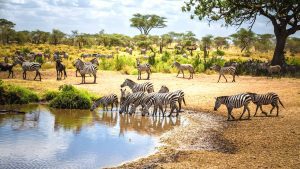
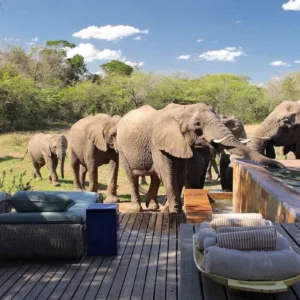
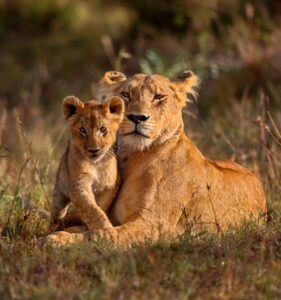
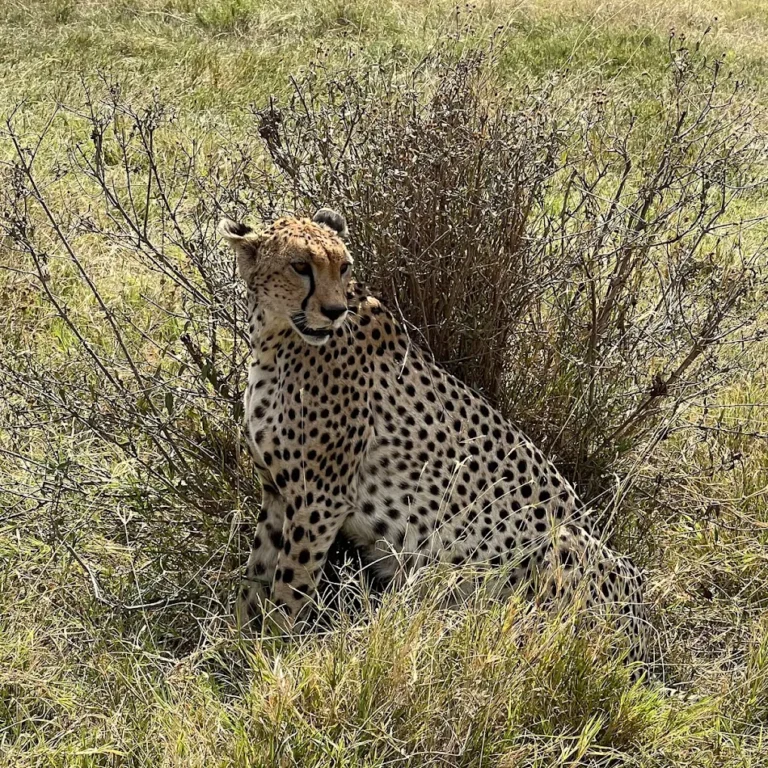
The Northern Circuit is the most popular choice for first-time Tanzania family safaris because several world-famous wildlife destinations can be combined in one itinerary. Tarangire National Park is renowned for elephants and baobab trees, while Ngorongoro Crater provides exceptional wildlife viewing within a spectacular volcanic landscape. Serengeti National Park offers vast savannahs, lions, cheetahs, elephants, zebras and the Great Wildebeest Migration. Lake Manyara National Park can add forests, birdlife and varied scenery. Families can choose 4–10-day itineraries depending on children's ages, budget and travel pace. Private vehicles are especially useful for flexible family game drives.
Southern Circuit Tanzania Family Safari Destinations
The Southern Circuit offers a more remote and less crowded safari experience. Nyerere National Park is particularly attractive for families seeking boat safaris, game drives and diverse wildlife experiences. Families may encounter elephants, hippos, crocodiles, giraffes, lions and African wild dogs. The area can provide a slower-paced alternative to the popular Northern Circuit. Longer family itineraries can combine Nyerere with Ruaha National Park for an immersive southern Tanzania safari. Because distances can be considerable, families should consider domestic flights rather than long road journeys where appropriate. Southern Tanzania is ideal for families who want wilderness, fewer crowds and a more adventurous safari experience.
Western Circuit Tanzania Family Safari Destinations
The Western Circuit offers some of Tanzania's most remote and distinctive wildlife experiences. Katavi National Park is famous for wilderness, large concentrations of hippos and buffalo and a genuine off-the-beaten-track atmosphere. Mahale Mountains National Park provides opportunities to experience wild chimpanzees against a spectacular Lake Tanganyika backdrop. Western Tanzania generally requires more planning and may involve domestic flights, making it less suitable for very short family holidays. However, older children and adventurous families can enjoy its remote character. A western safari is particularly appealing to families seeking chimpanzee encounters, wilderness, fewer visitors and experiences beyond the traditional Serengeti-Ngorongoro route.
Coast Circuit Tanzania Family Safari Destinations
Tanzania's coastal destinations provide an excellent extension to a family safari. After exploring Serengeti, Ngorongoro or other parks, families can travel to Zanzibar, Mafia Island or mainland coastal areas for beaches, marine activities and Swahili culture. Zanzibar offers opportunities for swimming, snorkelling, boat excursions, cultural tours and relaxation. A Tanzania safari and Zanzibar holiday allows children and parents to combine wildlife adventure with a beach break. Families should select age-appropriate marine activities and reputable operators. Combining safari and coast is particularly convenient for longer school-holiday trips and creates a diverse family holiday featuring African wildlife, tropical beaches and cultural experiences.
Where to Stay During a Tanzania Family Safari?
For a Tanzania family safari, the best places to stay combine child-friendly amenities, spacious family suites, and secure environments. Top recommendations include Arusha Planet Lodge for arrival, Four Seasons Safari Lodge Serengeti for luxury and a kids' club, and Gibb's Farm in Karatu near the Ngorongoro Crater for interactive farm life. Comfortable tented camp experience tailored for families wanting a classic bush feel with reliable safety standards.If you share your children's ages and your preferred budget level (luxury, mid-range, or tented camping), I can recommend the exact properties and ideal itinerary pacing for your family.
Tanzania Budget Family Safari Accommodations
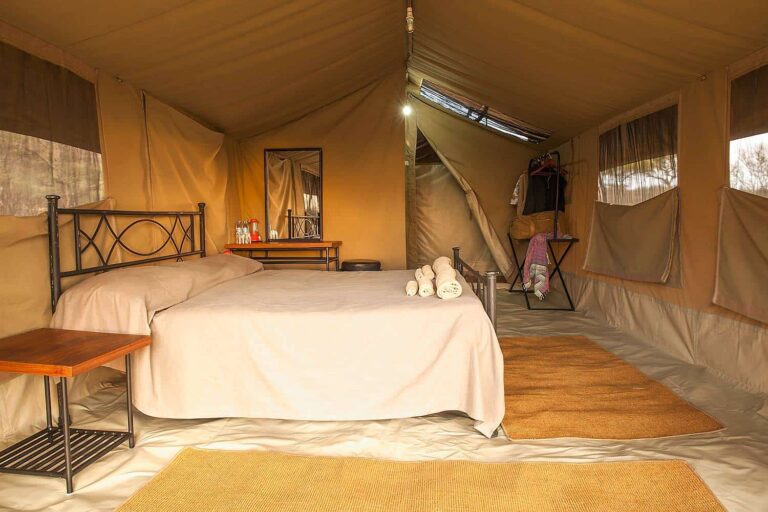
Budget family accommodation can include campsites, affordable safari lodges and comfortable tented camps. These options provide essential facilities while helping families control overall Tanzania safari costs. Some camps offer family tents or adjoining accommodation, although facilities and age policies vary. Camping can create an exciting introduction to African wilderness for older children, while families with younger children may prefer budget lodges. Always confirm bathrooms, meals, electricity, security, family-room availability and child policies before booking. Choosing accommodation near wildlife destinations can also reduce driving time and create a more relaxed family safari experience.
Tanzania Mid-Range Family Safari Accommodations
Mid-range family safari accommodation provides a balance between comfort and value. Families can choose comfortable safari lodges and permanent tented camps with private bathrooms, restaurant facilities and spacious rooms. Some properties offer swimming pools, family rooms and children's menus. Mid-range accommodation works well for families wanting comfortable evenings after game drives without paying luxury prices. When selecting a property, consider location, road access, room configuration, child policies, meal options and available activities. Staying close to key wildlife areas can reduce driving time and provide more opportunities for relaxed morning and afternoon game drives.
Tanzania Luxury Family Safari Accommodations
Luxury family safari accommodation combines exceptional comfort with personalised service and prime wilderness locations. Options can include luxury lodges, high-end tented camps and private family suites with en-suite bathrooms, swimming pools, gourmet dining and tailored activities. Many luxury properties can arrange private dining, children's meals and flexible schedules. Families can also request private safari vehicles and specialist guides. Luxury accommodation is particularly valuable when travelling with children because additional space, flexible services and comfortable facilities make long safari days easier. Before booking, confirm child age policies, room configurations, babysitting availability and family activities.
Ultra-Luxury Family Safari Accommodations
Ultra-luxury Tanzania family safaris offer exceptional privacy, personalised service and exclusive wilderness experiences. Accommodation may include private villas, exclusive-use safari camps, premium tented suites and secluded lodges. Families can enjoy private dining, dedicated staff, personalised guides, private vehicles and tailor-made daily schedules. Some properties offer specially designed children's activities and educational wildlife experiences. Ultra-luxury accommodation is ideal for families celebrating special occasions or seeking maximum privacy and comfort. Because properties differ significantly, compare location, room configuration, child policies, activities, transfers and included services carefully. Private flights and exclusive-use camps can substantially increase the overall family safari cost.
What to Pack for Your Tanzania Family Safari?
For a Tanzania family safari, pack lightweight, neutral-colored layers (khaki, tan, or olive), warm fleece jackets for chilly mornings, sturdy closed-toe shoes, wide-brimmed hats, high-SPF sunscreen, insect repellent, binoculars, a camera, wet wipes, and essential medical items like anti-malarial pills.
Essential Safari Clothing
Pack lightweight, breathable shirts, comfortable trousers, long-sleeved tops, warm fleece layers, waterproof jackets, hats and sunglasses. Neutral colours are practical for game drives and nature activities. Temperatures can change considerably between morning and afternoon, so layering is essential. Include warm clothing for cooler areas around Ngorongoro and early-morning drives.
Footwear for Safari Activities
Bring comfortable closed-toe walking shoes, lightweight trainers or sturdy sandals for suitable activities. Children should have familiar footwear that does not cause blisters. If your itinerary includes walking activities, follow the guide's recommendations regarding appropriate footwear and clothing.
Travel Documents and Personal Essentials
Carry passports, visas where required, travel insurance documents, flight information, safari itinerary, emergency contacts and copies of important documents. Pack personal medication, toiletries, reusable water bottles and any essential items children require. Keep important documents secure and easily accessible.
Safari Gear and Photography Equipment
Binoculars are excellent for children and adults who want closer views of wildlife. Bring cameras, spare batteries, memory cards, charging equipment and a small daypack. A reusable water bottle is useful during game drives. Avoid excessive equipment if travelling with strict luggage limits.
Health, Safety and Toiletries
Pack sunscreen, insect repellent, hand sanitiser, personal medication, basic toiletries, lip balm and any family-specific health supplies. Consult a qualified travel-health professional before departure about vaccinations, malaria prevention and other appropriate precautions for your itinerary.
Electronics, Accessories and Travel Gadgets
Useful electronics include smartphones, cameras, power banks, charging cables, universal travel adapters and headphones for children. Some remote camps have limited electricity, so portable charging equipment can be useful. Keep electronics protected from dust, moisture and accidental damage during game drives.
Optional Items for Extra Comfort and Convenience
Families may appreciate travel pillows, lightweight blankets, snacks, books, colouring materials, binoculars for children, reusable snack containers and small games. Older children may enjoy a wildlife guidebook or journal for recording animals seen during the safari. Choose compact items that do not unnecessarily increase luggage weight.
What Is the Best Age for a Tanzanian Family Safari?
The absolute sweet spot for a Tanzania family safari is 8 to 14 years old. Children in this age range have the stamina for bumpy, multi-hour game drives, can follow critical safety rules around wildlife, and possess the cognitive maturity to deeply appreciate and remember the experience. While there is no strict legal minimum age for a Tanzania safari and camps welcome all ages, traveling with children across different developmental stages brings distinct realitie
Tipping Guidelines for Family Safari Tours in Tanzania, Africa
Tipping is generally appreciated but should reflect the quality of service rather than being treated as an obligation. Families should ask their safari operator for current tipping recommendations because customary amounts can vary according to safari style, group size and service. Tips may be given separately to professional safari guides, camp staff and other service providers. Some lodges provide communal staff tip boxes, while others recommend individual tipping. Carrying some cash is useful because remote camps may have limited card facilities. Parents can involve older children by explaining that tipping recognises excellent service and supports people who contribute to their safari experience.
More Family Safari Advice
Tap a topic to open it.
Guide to Taking Babies and Toddlers on a Tanzania Safari
Taking babies or toddlers on a Tanzania safari requires additional planning. Choose a private safari vehicle, family-friendly accommodation and a relaxed itinerary with fewer long driving days. Consider lodges with family rooms, suitable meals and flexible schedules. Bring familiar snacks, nappies, toiletries, medication and comfort items from home where practical. Parents should consult a qualified travel-health professional regarding vaccinations, malaria prevention, food and water safety and other precautions before travelling. Keep young children supervised at all times around wildlife and unfenced camps. Avoid expecting toddlers to tolerate several hours of continuous game viewing; short, flexible activities combined with rest and swimming can create a much better family experience.
The TRUTH About Doing a Tanzania Safari with Kids
A Tanzania safari with children can be extraordinary, but it is not simply an adult safari with children added. Families need realistic expectations about early mornings, bumpy roads, changing temperatures, long game drives and limited access to some activities for younger children. The reward is enormous: children can experience elephants, lions, giraffes, zebras and the Serengeti firsthand while developing an appreciation for nature and conservation. Private vehicles, family-friendly accommodation and age-appropriate itineraries make the experience significantly easier. The key is flexibility. Plan fewer destinations, allow rest time, choose suitable accommodation and adapt activities to your children's ages, interests and energy levels.
How Young Is Too Young for Kids to Go on a Tanzania Safari?
There is no universal age that is automatically “too young” for a Tanzania safari. Babies and toddlers can travel, but families need additional planning and should consider health, travel distances, accommodation policies and the child's temperament. Some lodges and safari activities have minimum-age restrictions, particularly walking safaris. For younger children, private vehicles and short, flexible game drives are usually more practical. Children aged 6–12 often find safari particularly engaging because they can understand wildlife behaviour and participate actively. Before booking, confirm accommodation age requirements, safari activity restrictions and travel-health recommendations, then choose an itinerary designed specifically around your family's needs.
Final Thought
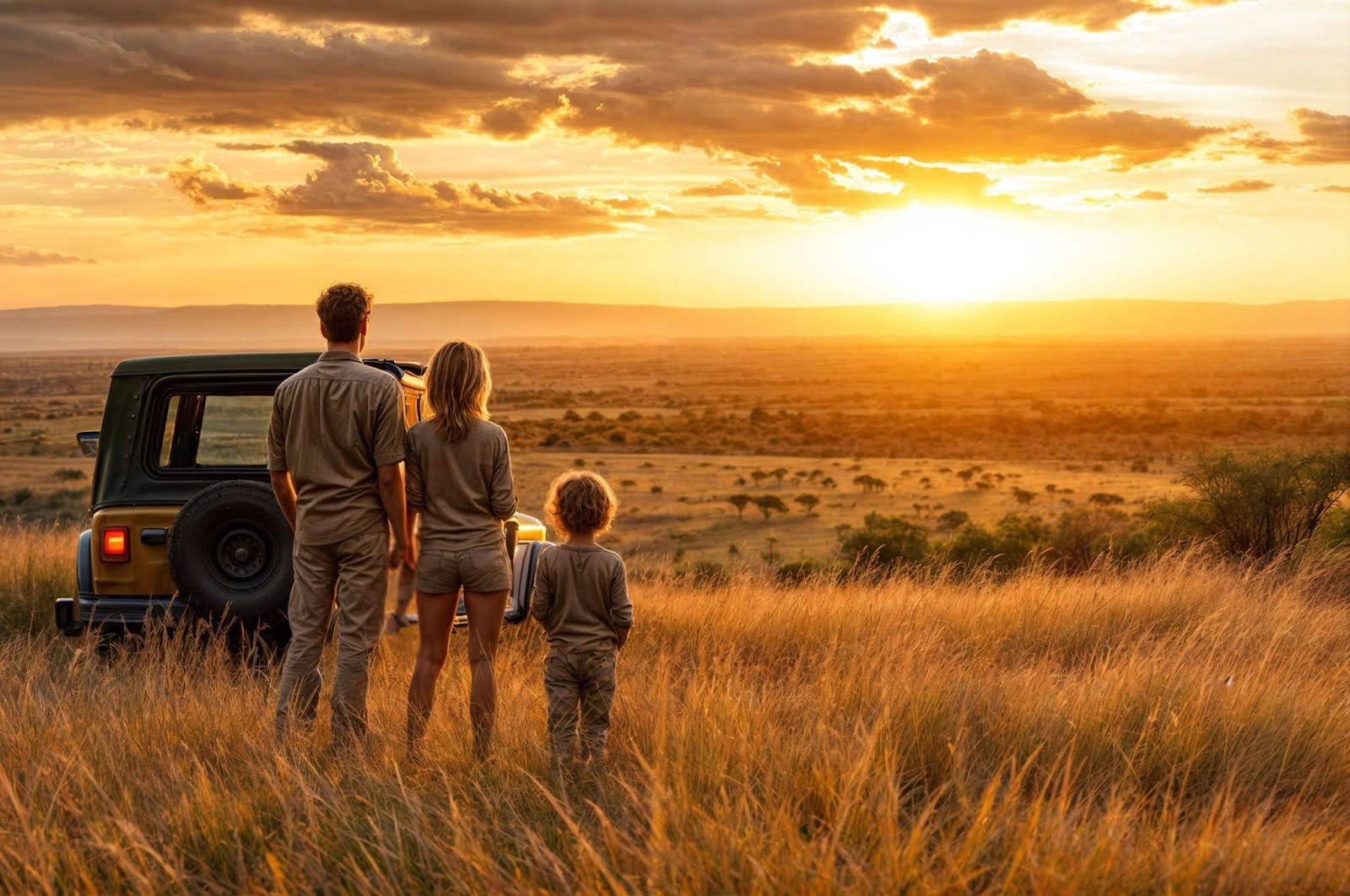
A Tanzania family safari can deliver an unforgettable combination of wildlife, adventure, education and relaxation. From affordable family camping safaris to ultra-luxury Serengeti experiences, Tanzania offers options for different budgets and travel styles. The best family safari is not necessarily the most expensive; it is the itinerary that matches your children's ages, interests, comfort and attention span. Choose family-friendly accommodation, consider a private vehicle, avoid overly ambitious schedules and plan around the best season for your priorities. Whether exploring Serengeti, Ngorongoro, Tarangire or Zanzibar, thoughtful planning can turn a family holiday into a lifelong African adventure.
Tanzania Family Safari Cost: FAQs
How much does a Tanzania family safari cost?
As a guide, a Tanzania family safari costs around US$200–390 per person per day on a budget trip, US$590–990 for mid-range, US$990–2,500 for luxury and US$2,500–9,900 for ultra-luxury experiences. Prices depend on season, children’s ages, accommodation, safari length, vehicle type, park fees and activities. Always compare complete quotations rather than headline daily rates.
Are children cheaper on a Tanzania safari?
Often, yes. Park and conservation fees are usually lower for children, and many lodges and camps offer reduced child rates or family rooms where children share with parents. Policies and age bands differ between properties, so ask your safari operator to show child discounts clearly in your quotation. Private vehicles cost the same regardless of age, so larger families share that cost.
What is included in a family safari price?
A family safari quotation usually includes accommodation, meals, park and conservation fees, a private or shared safari vehicle, a professional guide, game drives and transfers. International flights, visas, travel insurance, tips, drinks and optional activities are often extra. Always request an itemised quotation with inclusions and exclusions so you can compare packages accurately.
When is the cheapest time for a family safari in Tanzania?
April and May, during the long rains, usually offer the lowest prices, with fewer visitors and lush scenery, although some roads can be challenging. November and early December can also provide good value. The dry season from June to October and festive holidays are the most expensive and in demand, so book early if you travel then.
What is the best age for a Tanzania family safari?
Many families find ages 8 to 14 the sweet spot, as children have the stamina for long game drives, follow safety rules and remember the experience. Younger children can still enjoy a safari with shorter drives, flexible schedules and family-friendly lodges. Some activities, especially walking safaris, have minimum ages, so check before booking.
Where should families go on safari in Tanzania?
The Northern Circuit is ideal for families: start in Arusha, then visit Tarangire, Lake Manyara, the Ngorongoro Crater and the Serengeti, with short drives and child-friendly lodges. Finish with a beach stay in Zanzibar. Families seeking quieter areas can consider Nyerere National Park in the south, while adventurous families may enjoy the remote Western Circuit.
How many days should a Tanzania family safari be?
Most families choose five to eight days on safari, spending at least two nights in each area to avoid packing every day. A seven-day Northern Circuit safari covers Tarangire, Ngorongoro and the Serengeti comfortably. Add three to five days in Zanzibar for a relaxing bush-and-beach holiday that suits children of all ages.
Is a private safari worth it for families?
For most families, yes. A private vehicle lets you set game-drive times, stop for snacks and toilet breaks, return to the lodge when children are tired and spend longer at sightings they love. The vehicle cost is shared across the family, so a private safari can be surprisingly good value for groups of four or more.
How much should we tip on a family safari?
Tipping is appreciated but should reflect the quality of service rather than be treated as an obligation. Families usually tip their safari guide separately and leave a contribution for camp or lodge staff. Customary amounts vary with safari style and group size, so ask your safari operator for current tipping recommendations before you travel.
What should families pack for a Tanzania safari?
Pack lightweight neutral-coloured layers, warm fleeces for chilly mornings, closed-toe shoes, wide-brimmed hats, high-SPF sunscreen, insect repellent, binoculars and a camera. Add wet wipes, snacks, books and small games for children, plus medication and documents in hand luggage. Use soft-sided bags if your itinerary includes light-aircraft flights.
Get Your Family Safari Quote
Share your travel dates, children’s ages and budget, and we will design a private tailor-made family safari with a transparent, itemised quotation.