
Best Time for a Family Safari and Big Five
The best time for a family safari in Tanzania is the dry season from late June to October, when animals gather near water and the vegetation is thin, making the Big Five easier to spot. January and February are also excellent for families, with calving season in the southern Serengeti. Lions, leopards, elephants, buffaloes and rhinos can be seen in several parks all year, so timing mostly shapes comfort and crowds. Our private safaris let you set a child-friendly pace with your own vehicle and guide. Every itinerary is tailored.
Plan Your Family Safari
Trip Length
Comfort Level
Safari Style
Operator Rating
Specialized Tours
Filter by Operator
Other Tour Features
Senior Safaris
Senior-Friendly Safari Packages
Best Time for a Family Safari and Big Five
The best time for a family safari in Tanzania is usually the dry season from late June to October, when wildlife gathers at water and roads are easy, though children enjoy other months too on a private, flexible itinerary.
Private Family and Big Five Safaris
Browse private safaris suited to families and Big Five wildlife, then tailor the dates and pace.
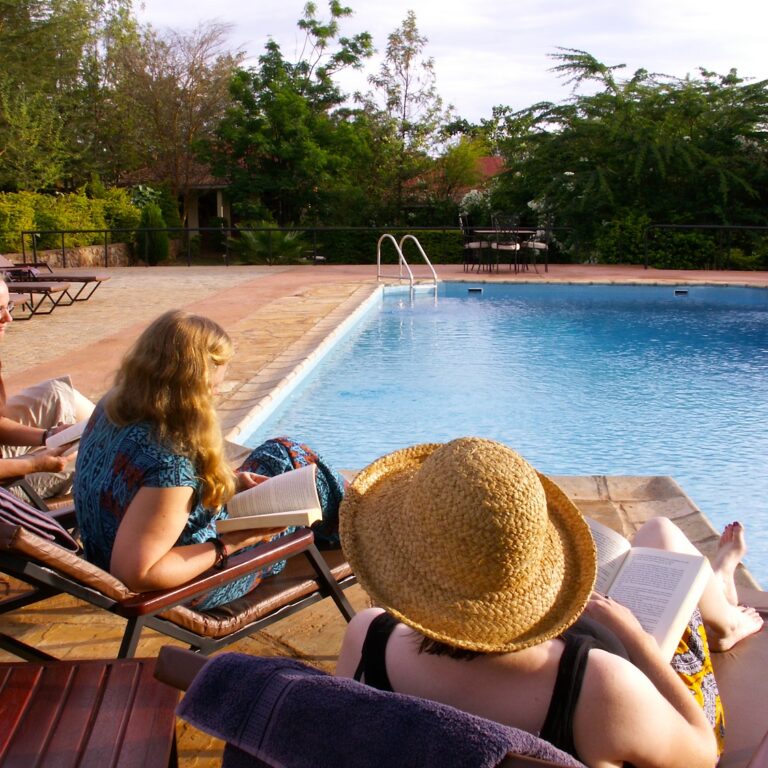
6-Day Serengeti and Ngorongoro Family Safaris
Plan your ultimate family safari in Tanzania! 6-Day Serengeti & Ngorongoro family safari tour…
View Package →8-Day Tanzania Family Safari Itinerary
Explore Tanzania with your family on an 8-day safari! Witness wildlife in Serengeti, Ngorongoro,…
View Package →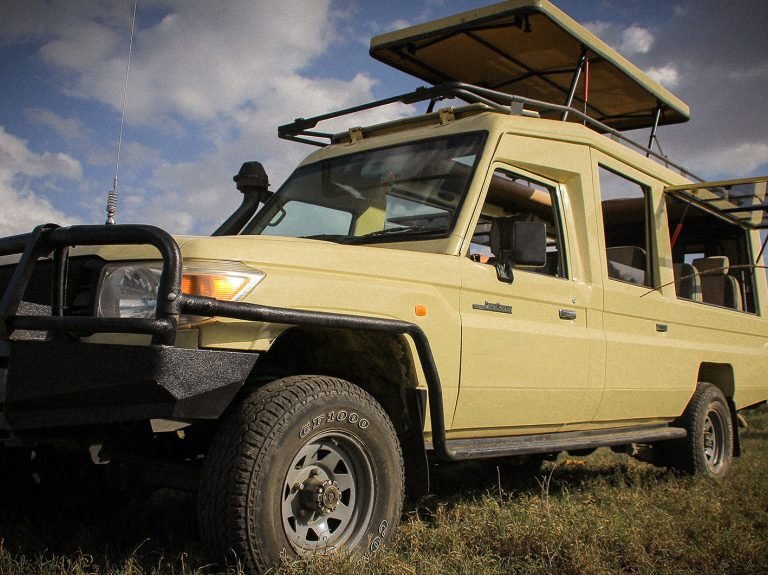
11-Day Tanzania Big Five Private Experience
Experience the ultimate 11-day Tanzania Big Five private safari – see lions, elephants, leopards,…
View Package →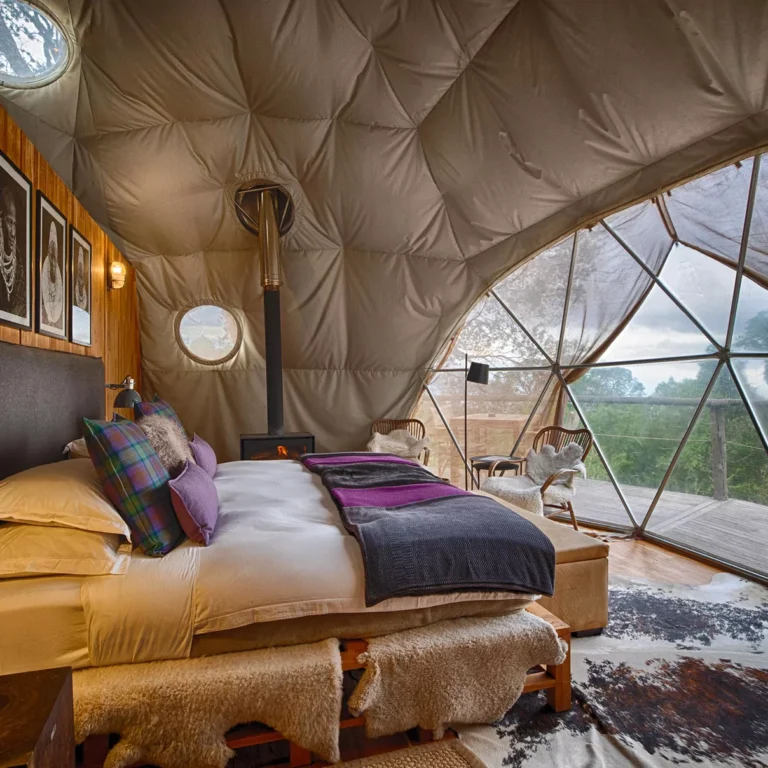
8-Day Tanzania Big Five Luxury Safari
Experience the ultimate Tanzania Big Five Luxury Safari with Tarangire, Serengeti, Ngorongoro Embalaki walking…
View Package →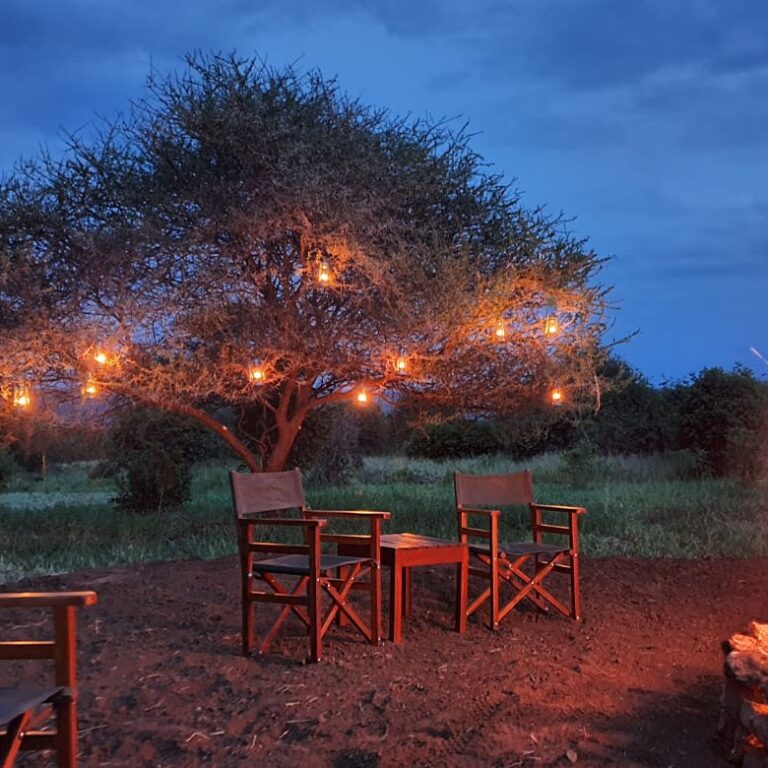
9-Day Tanzania Family Safari with Older Children
Discover the ultimate Tanzania Family Safari with older children exploring Tarangire, Ngorongoro Crater, and…
View Package →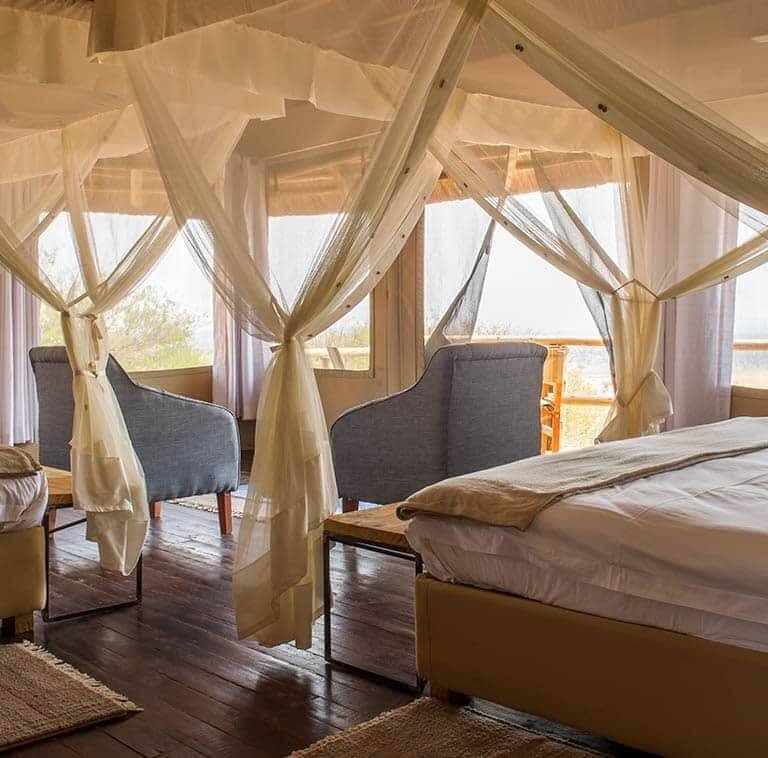
8-Day Tanzania Family Safari Vacations Journeys Beyond Ordinary
Experience unforgettable Tanzania family safari vacations with kids-friendly safaris, luxury lodges, wildlife adventures, and…
View Package →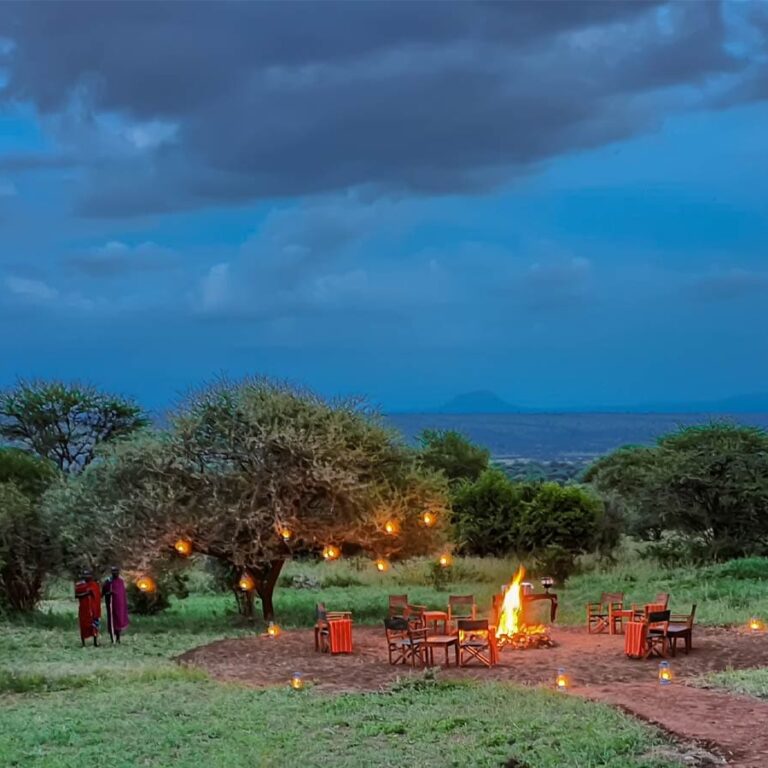
8-Day Northern Tanzania Safaris
Explore Northern Tanzania on an 8-day safari: Tarangire, Serengeti, and Ngorongoro Crater. Discover wildlife,…
View Package →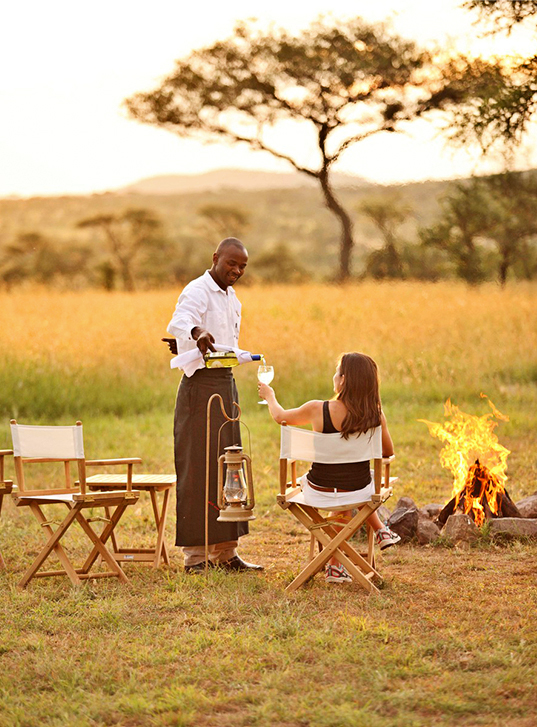
9-Day Private Northern Tanzania Safari
Experience a 9-day private Northern Tanzania safari from Arusha, exploring Lake Manyara, Tarangire, Serengeti,…
View Package →
7-Day Best of Serengeti Safari
Book a 7-Day 7-Day Best of Serengeti Safari adventure in Tanzania and experience luxury…
View Package →Family Safari and Big Five FAQs
Best Months for Spotting the Big Five
The best months for spotting the Big Five in Tanzania are June to October, when the dry season concentrates wildlife around rivers and waterholes. The Ngorongoro Crater is a top place to see the Big Five in a single day, including black rhino, while the Serengeti offers outstanding lions and leopards. Elephants and buffaloes are common in Tarangire and Lake Manyara. Sightings can never be promised, but a patient private guide and a flexible schedule greatly improve your chances. Early morning drives are often the most rewarding.
Best Time for a Family Safari
The best time for a family safari is during the dry months of June to October and again in January and February. Dry weather means easier roads, fewer mosquitoes and clearer wildlife viewing, while January and February bring warm days and newborn animals in the south. School holidays can be busier, so book early. Because every trip is private, you can choose shorter drives, midday rest at the lodge and activities that keep children curious and comfortable. Flexibility is the real secret to a happy family trip.
Is the Green Season Good for Families
The green season from March to May can work well for families who prefer fewer vehicles and lush scenery. These are the long rains, so expect some showers, muddier tracks and occasional closed roads, but also newborn animals, active birdlife and lower lodge rates. November's short rains are lighter. A private vehicle with a roof that lifts keeps everyone dry during showers, and your guide can adjust the plan around the weather. It is a lovely, quieter option for relaxed travelers who enjoy dramatic skies.
Great Migration Timing for Families
The Great Migration moves through the Serengeti following the rains, so your dates decide where the herds are. December to March puts them in the southern Serengeti and Ndutu, with calving around late January and February. Late May to July brings the Western Corridor and Grumeti, while July to October favors the northern Serengeti and Kogatende, with Mara River crossings peaking in August and September. Movements vary with rainfall, and we plan your camps around the herds. Ask us for the best match.
Choosing Parks for Children
Some parks suit children better than others. The Ngorongoro Crater and Tarangire offer short drives between sightings and plenty of animals, while Lake Manyara adds forest scenery and birds. The Serengeti is rewarding but involves longer drives, so plan rest days there. Many family-friendly lodges have pools and relaxed meal times. Tell us the ages of your children, and we will choose parks, lodges and a daily rhythm that keep everyone happy. Comfort comes first for the whole family on every day.
Health and Practical Tips for Family Safaris
A family safari needs a little extra planning. Consult your doctor or a travel clinic about vaccinations and malaria precautions well before you travel, especially for children. Pack hats, sunscreen, insect repellent, light long clothing, binoculars and snacks. Bring toys, books or a wildlife checklist to keep younger travelers engaged. Your private guide can stop whenever needed, and we can arrange child-friendly meals and rooms. Always check the age rules of specific lodges and activities when booking. Plan early and pack light.
What is the best time for a family safari in Tanzania?
The best time for a family safari in Tanzania is June to October, with January and February as another good window. The dry season offers clear views, easy roads and animals around water, while January and February bring calving season in the southern Serengeti. The green season is quieter and cheaper but wetter. Because our safaris are private, you can choose short drives and flexible days to suit your children.
When is the best time to see the Big Five in Tanzania?
The best time to see the Big Five in Tanzania is the dry season, June to October, when wildlife concentrates near water and the bush is thinner. The Ngorongoro Crater offers a strong chance of all five throughout the year, including rare black rhino. The Serengeti is excellent for lions and leopards, and Tarangire for elephants. Wildlife is wild, so sightings are never promised, but patience and a good guide help.
What are the Big Five animals?
The Big Five are the lion, leopard, elephant, African buffalo and rhinoceros. The name comes from the old hunting days, but today it describes the animals most travelers hope to see on safari. In Tanzania, lions, elephants and buffaloes are widespread, leopards are elusive but often seen in the Serengeti, and black rhinos are most reliably found in the Ngorongoro Crater. Your guide will help you find each one. Many visitors enjoy keeping a checklist during the trip.
What age can children go on safari in Tanzania?
Age rules vary by lodge, camp and activity, so check before booking. Many family-friendly lodges welcome children of all ages, while some luxury camps and walking safaris set a minimum age. Children usually enjoy a safari more from about five or six years old, when they can sit through longer game drives. A private vehicle helps because you can take breaks and shorten days. Tell us your children's ages and we will plan accordingly.
Is a private safari better for families?
Yes, a private safari is usually better for families because the day follows your children's energy and interests. You can start later, stop for snacks, return to the lodge for a nap or stay longer at a favorite sighting. Your own vehicle gives everyone a window seat, and your guide can explain the animals in an engaging way. We also choose lodges with family rooms, pools and relaxed dining. It keeps the whole trip relaxed.
Should I worry about malaria and health on a family safari?
Health planning is important for a family safari, but it is manageable with preparation. Speak to your doctor or a travel clinic well before departure about vaccinations, malaria precautions and any advice for children. Use insect repellent, wear light long sleeves in the evening and sleep under nets where provided. Drink bottled water and carry a basic first aid kit. Your guide and our team can help with any practical needs during the trip.
Which Tanzania parks are best for a family safari?
Tarangire, Lake Manyara, Ngorongoro Crater and the Serengeti make a family-friendly northern route. Tarangire is famous for elephants and has shorter drives between sightings, Lake Manyara is compact and varied, and Ngorongoro Crater offers rich wildlife in one day. The Serengeti rewards families with longer stays and big cats. Because your vehicle and guide are private, Foot Slopes Tours and Safaris can plan shorter drives, regular breaks and flexible start times that suit children, then place longer travel days sensibly between more relaxed stops. We also keep a few quiet afternoons free for pool time and rest.
What should I pack for a family safari with children?
Pack light, neutral-coloured clothes, a warm layer for early mornings, sun hats, sunscreen, insect repellent, closed shoes and sunglasses for everyone. For children, add small binoculars, a notebook, a favourite snack, a book or game for quiet moments, and a refillable water bottle. Soft bags are easier to load into the vehicle. A small first-aid kit and any usual personal medicines are worth bringing, and please consult your doctor or a travel clinic for health advice before you travel. Pack a spare outfit or two for children, since dust and spills happen.
How long should a family safari in Tanzania be?
Five to seven days is a comfortable length for most families, giving time to see several parks without long driving days wearing everyone out. Younger children often do best with shorter game drives and a day of rest in the middle, while older children and teenagers may enjoy a longer route with more parks. Foot Slopes Tours and Safaris builds each private itinerary around your children's ages, interests and energy levels, and can add a pool-friendly lodge or a few days on Zanzibar afterwards. We are happy to adjust the plan if your children's needs change before departure.
Are family-friendly lodges available in Tanzania?
Yes, many lodges and tented camps welcome families, offering family rooms or connecting tents, swimming pools, relaxed dining times and activities such as nature walks and cultural visits outside the parks. Some properties set minimum ages for certain activities, so it is important to check before booking. Foot Slopes Tours and Safaris selects lodges that suit your children's ages and your budget, from mid-range to luxury, and explains safety features such as fenced paths or escorted walking at night. We confirm room layouts, pool access and activity age limits ahead of arrival.
What wildlife will children enjoy most on safari?
Children usually love elephants, giraffes, zebras, lions and the cheeky baboons and monkeys, and they get excited by hippos wallowing in pools. Tarangire is excellent for elephant herds, while Ngorongoro Crater offers a good chance of seeing lions, rhinos and hyenas in a single morning. During the Great Migration, wildebeest herds stretch across the plains. A private guide can tell stories, point out small creatures like dung beetles and birds, and keep children engaged between big sightings. We can also provide a simple wildlife checklist for spotting, so children can tick off each new animal.
Plan Your Private Family Safari
Tell us your travel dates, your children's ages and the animals you hope to see, and we will design a private safari for your family.
Book Now Online →What Our Travelers Say
Real 5-star reviews from guests who traveled with us
Our Private African luxury Safari experience with Foot Slopes Tours and Safaris exceeded every expectation - beautifully planned, comfortable, and genuinely unforgettable.
We had an incredible private safari experience with Foot Slopes Tours and Safaris - professional guides, excellent lodges, and a truly seamless trip from start to finish.
Foot Slopes Tours and Safaris is truly one of the best local tour companies in Tanzania - professional, reliable, and genuinely invested in giving guests a great experience.
Our family chose Foot Slopes Tours and Safaris for a custom 11-day safari itinerary - the level of personal attention and care throughout was exceptional from start to finish.