Health and Safety Essentials for Your Tanzania Safari
To stay healthy and safe on a Tanzania safari, visit a travel health clinic six to eight weeks before you travel to discuss vaccinations, malaria prevention and any yellow fever certificate requirements. Buy travel insurance with medical and emergency evacuation cover, drink only bottled or treated water, protect yourself from the sun and mosquitoes, and follow your guide's safety advice. This safari health guide covers pre-travel preparation, malaria, food and water, sun and altitude, regional health tips, insurance, emergencies and a printable health kit checklist from our experienced local team, so you can travel with confidence and enjoy every moment.
How do I stay healthy on a Tanzania safari?
See a travel health clinic well before your trip about vaccinations, malaria tablets and yellow fever requirements, and pack your personal medication and a small first-aid kit. On safari, drink bottled or treated water, wash or sanitise your hands before eating, use insect repellent, cover up at dusk and wear sun protection. Carry travel insurance with emergency evacuation cover and always follow your guide's advice.
01Vaccinations and Pre-Travel Health Preparation
Good health preparation starts weeks before your Tanzania safari, with a visit to a travel health clinic and a careful check of entry requirements. Vaccinations, malaria advice, yellow fever certificate rules and your personal medication should all be arranged well in advance, so you can travel with confidence. Sharing your full itinerary, including any Kilimanjaro climb or Zanzibar beach holiday, helps your clinic give the right advice. The cards below explain when to visit a clinic, which vaccinations are commonly discussed, yellow fever rules and how to prepare your personal medication and medical documents well before you fly.
Visit a Travel Health Clinic Early
Book an appointment with a travel health clinic or your doctor six to eight weeks before your safari, as some vaccinations need time to become effective or require more than one dose. Share your full itinerary, including Zanzibar or Kilimanjaro, so they can give advice that matches your route, activities, age and full medical history. Bring your vaccination records too.
Recommended Vaccinations
Vaccinations commonly discussed for Tanzania include hepatitis A, typhoid, tetanus and making sure routine vaccines are up to date. Depending on your plans, your clinic may also discuss hepatitis B, rabies and others. Only a health professional can advise which vaccines you personally need, so always follow their recommendations rather than general lists found online or elsewhere.
Yellow Fever Certificate
A yellow fever vaccination certificate may be required to enter Tanzania if you arrive from, or have transited through, a country with risk of yellow fever transmission. Requirements can change and depend on your route, so check the latest official entry rules for your nationality and travel plans well before booking your international and regional flights.
Personal Medication and Documents
Bring enough prescription medication for your whole trip plus a few extra days, packed in your hand luggage with copies of prescriptions. Carry a summary of any medical conditions and allergies, and tell us in advance so your guide is aware. Keep medication in original packaging and check any import restrictions for Tanzania and transit countries.
02Malaria Prevention on Your Tanzania Safari
Malaria prevention is one of the most important parts of your Tanzania safari health plan, because the disease is present in many safari areas and on Zanzibar. Protection combines antimalarial medication prescribed by your doctor with simple steps to avoid mosquito bites, such as repellent, long sleeves at dusk and sleeping under nets. Knowing the symptoms and seeking medical advice for any fever during or after your trip is equally important. The cards below explain how to prevent malaria on safari and what to do if you feel unwell while travelling or after returning home from your safari adventure.
Antimalarial Medication
Malaria is present in many parts of Tanzania, including popular safari areas and Zanzibar. Ask your doctor or travel clinic which antimalarial medication is suitable for you, and take it exactly as prescribed, usually before, during and after your trip. Different tablets suit different travellers, so personal medical advice is essential well before you travel.
Insect Repellent
Use an effective insect repellent on exposed skin, especially from dusk until dawn, when malaria-carrying mosquitoes are most active. Ask your pharmacist or clinic for a repellent suitable for you and your children, and reapply regularly, particularly after swimming or sweating. Apply sunscreen first and repellent on top for the best protection throughout the evening.
Cover Up and Use Nets
Wear long sleeves, long trousers and socks in the evenings to reduce mosquito bites, and choose light, neutral-coloured fabrics. Sleep under a mosquito net where provided, keep tent zips closed and use screens or air conditioning where available. Most safari lodges and tented camps provide nets and screened rooms for guests, and staff are happy to help.
Know the Symptoms
Malaria symptoms can include fever, chills, sweats, headache and muscle aches, and they may appear during your trip or weeks after you return home. Seek urgent medical advice for any fever during or after travel, and always tell the doctor you have visited Tanzania. Early diagnosis and prompt treatment are very important for a full recovery.
03Safe Food and Drinking Water on Safari
Simple, safe food and water habits help you avoid stomach upsets and stay energised throughout your Tanzania safari. Drink only bottled or treated water, eat freshly cooked meals at lodges, keep your hands clean and carry a few simple remedies just in case. Established safari lodges and camps maintain good hygiene standards, and our team provides safe drinking water in every safari vehicle. The cards below share practical food and water safety tips for game drives, lodges, picnic lunches and town visits, so you can safely enjoy delicious local and international dishes with confidence throughout your private safari.
Drink Bottled or Treated Water
Drink only bottled, filtered or treated water, and use it to brush your teeth too. Safari lodges, camps and our vehicles provide safe drinking water, so refill a reusable bottle whenever you can. Avoid ice of unknown origin and tap water in towns. Staying well hydrated also helps prevent headaches and tiredness on long game drives.
Eat Safely
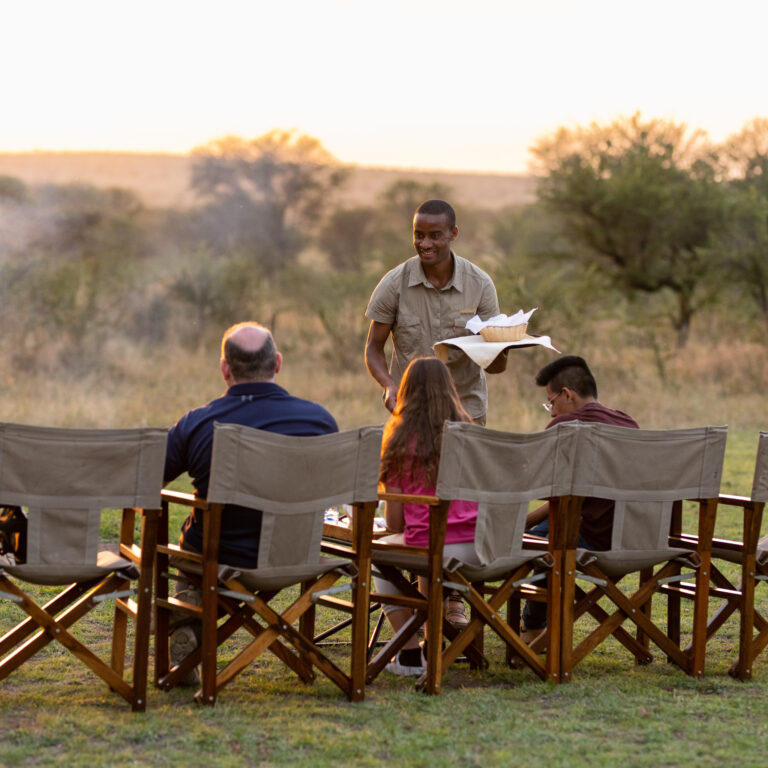
Meals at established safari lodges and camps are prepared to good hygiene standards and are generally safe to enjoy. Choose freshly cooked, hot food when travelling, peel fruit yourself and be cautious with salads, raw foods and street food in towns. Tell us about allergies or dietary needs in advance so lodges can prepare suitable meals.
Keep Your Hands Clean
Wash your hands with soap before eating and after using the toilet, and carry alcohol-based hand sanitiser for game drives, picnic lunches and village visits where washing facilities are limited. Biodegradable wet wipes are also useful on dusty days. Good hand hygiene is one of the simplest and most effective ways to avoid stomach upsets.
Be Ready for Stomach Upsets
Even careful travellers can experience a mild stomach upset, so pack oral rehydration salts and any remedies your doctor or pharmacist recommends. Rest, drink plenty of safe fluids and eat simple foods. If symptoms are severe, last more than a day or two or include fever, tell your guide and seek professional medical advice promptly.
04Sun, Heat, Hydration and Altitude
Tanzania's strong equatorial sun, warm days on the plains and cool nights at higher altitudes all affect how you feel on safari. Daily sun protection, regular hydration and sensible pacing prevent sunburn, dehydration and heat exhaustion, while altitude awareness matters on the Ngorongoro Crater rim and especially on Kilimanjaro. Packing layers helps you stay comfortable from chilly early mornings to hot afternoons. The cards below explain how to protect yourself from the sun, stay hydrated, recognise heat exhaustion and manage higher altitudes during your Tanzania safari or Kilimanjaro climb, keeping you healthy, comfortable and energised throughout every single day.
Strong Sun Protection
The equatorial sun is intense, even on cloudy days and during early morning game drives. Use high-SPF broad-spectrum sunscreen, SPF lip balm, sunglasses with UV protection and a wide-brimmed hat, and reapply sunscreen regularly. Light, long-sleeved shirts protect your arms and shoulders in open safari vehicles with pop-up roofs, where sun exposure is often higher than expected.
Stay Well Hydrated
Long game drives in warm, dry conditions can cause dehydration, which leads to headaches, fatigue and dizziness. Drink water regularly throughout the day, even if you do not feel thirsty, and limit alcohol and caffeine. Electrolyte drinks or rehydration salts help replace minerals after hot days, walking safaris or long travel days between the parks.
Avoid Heat Exhaustion
Signs of heat exhaustion include heavy sweating, weakness, dizziness, nausea and headache. Rest in the shade, drink water, loosen clothing and cool down if you feel unwell, and tell your guide. Plan active excursions for cooler mornings and late afternoons, and keep children and older travellers well protected from the strong midday heat and sunshine.
Altitude Awareness
Some safari areas, such as the Ngorongoro Crater rim and Karatu highlands, lie at higher altitudes, where nights are cool and some visitors feel mildly breathless. Kilimanjaro climbs reach much higher altitudes and need proper acclimatisation. Drink water, pace yourself and ask your doctor for advice if you have any existing heart or breathing conditions.
05Health Tips by Safari Region
Health considerations vary across Tanzania, from the sunny plains of the Serengeti and the cool Ngorongoro highlands to the hot southern parks, the high slopes of Kilimanjaro and the tropical beaches of Zanzibar. Planning carefully for each region you visit helps you pack the right items and take the right health precautions. Select each tab below to see the main health focus, key precautions, typical climate and a useful tip for each region. Our team will share detailed health and packing advice for your exact itinerary when you book your private tailor-made safari in Tanzania with our local team.
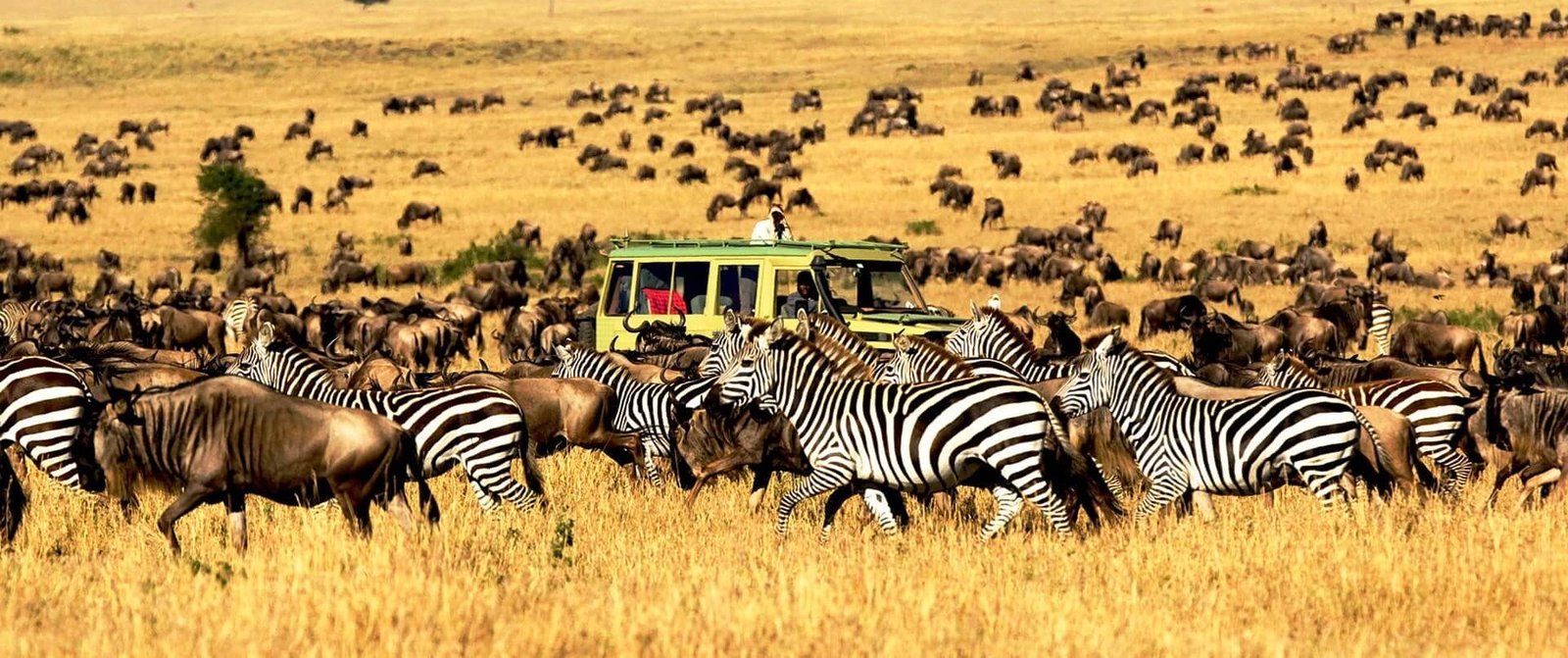
Serengeti, Ngorongoro, Tarangire and Manyara
Sun exposure, dust, mosquitoes and long game drives
Sun protection, repellent at dusk, hydration and antimalarial advice from your doctor
The Northern Circuit is Tanzania's most popular safari region. Days on the plains are often warm and dusty, while the Ngorongoro highlands and crater rim can be cool at night. Pack sun protection, a light fleece and repellent, drink plenty of water and follow your doctor's malaria advice for the specific parks you will visit.
Ngorongoro malaria safety →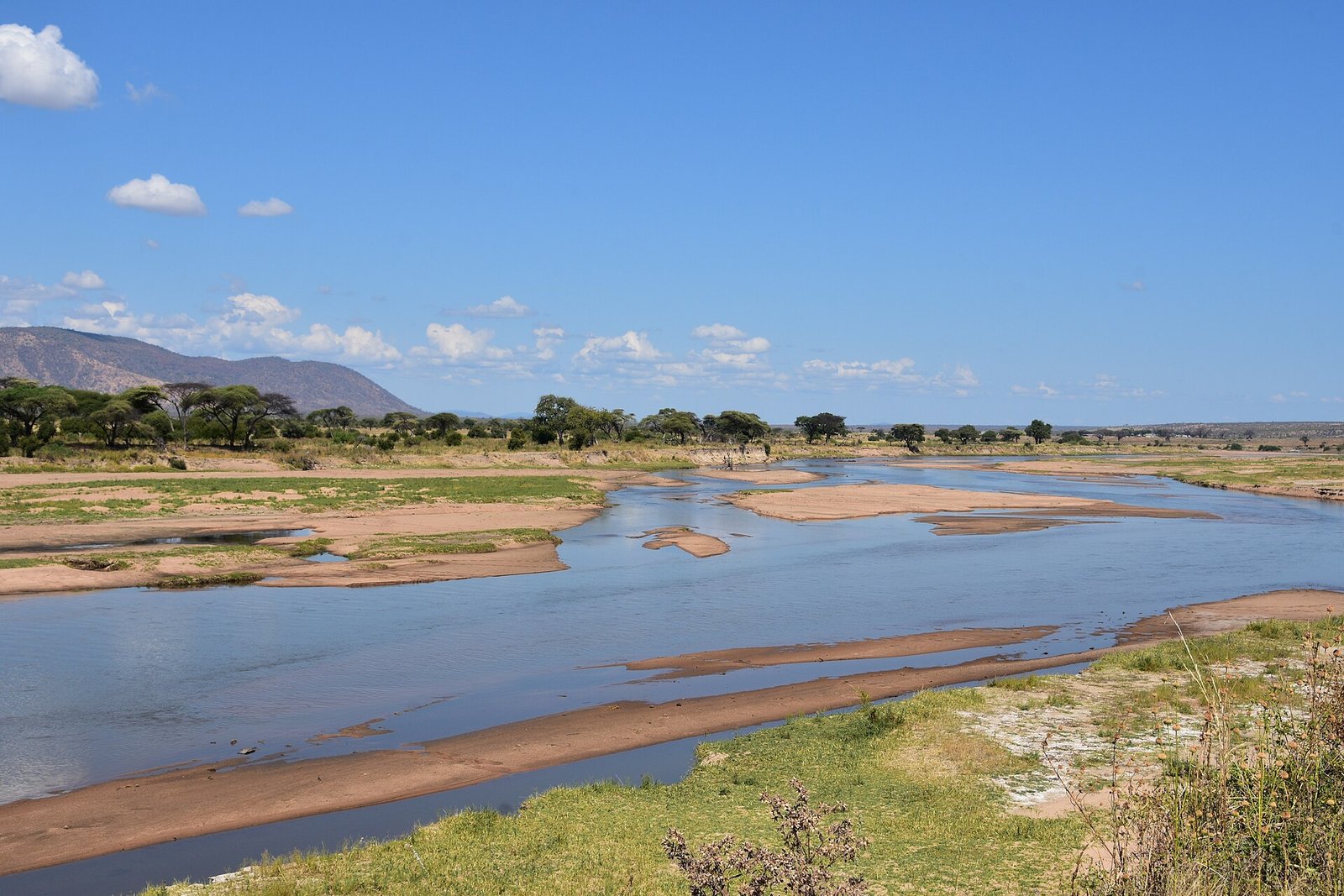
Nyerere and Ruaha National Parks
Heat, mosquitoes near rivers and remote locations
Strong repellent, long sleeves at dusk, hydration and comprehensive evacuation cover
Tanzania's southern parks are wild, remote and often hotter than the north, with rivers and wetlands where mosquitoes are common. Protect yourself carefully against bites, drink plenty of water and avoid the midday heat. Because these parks are far from major hospitals, comprehensive travel insurance with emergency air evacuation is especially important for all visitors.
Ruaha National Park →
Mount Kilimanjaro
Altitude sickness, cold and strong sun at height
Gradual acclimatisation, hydration, warm layers and insurance covering high-altitude trekking
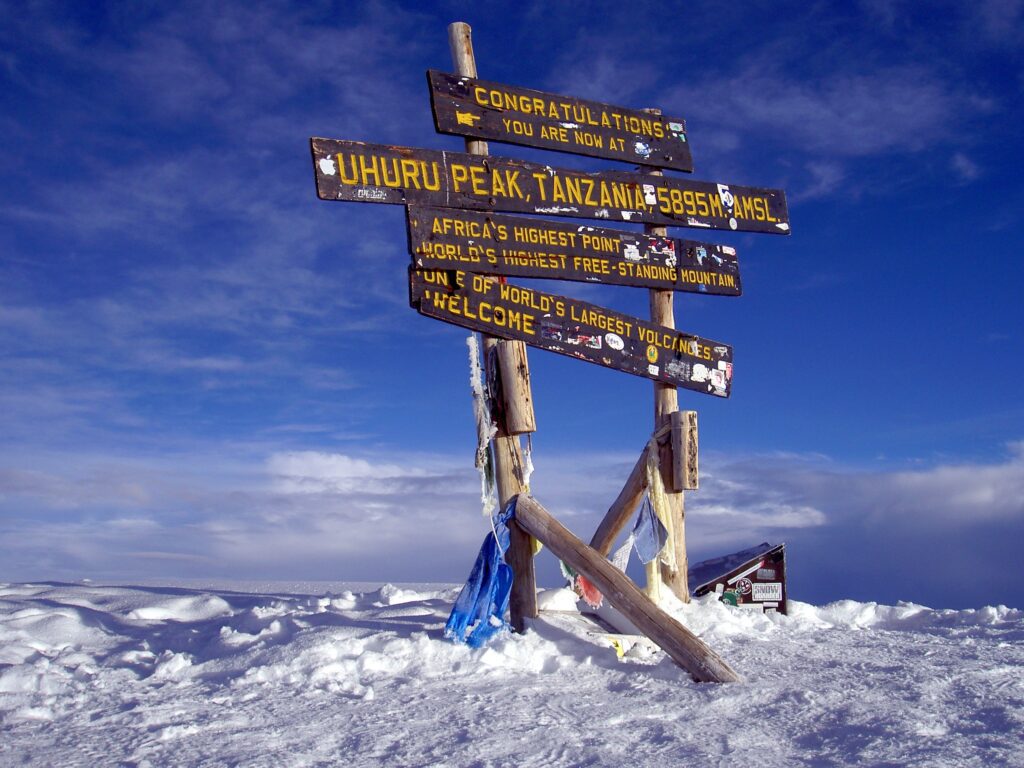
Climbing Kilimanjaro brings different health challenges from a safari, mainly altitude sickness, cold temperatures and intense sun at height. Choose a longer route for better acclimatisation, drink plenty of water, walk slowly and report symptoms honestly to your guide. Check that your insurance covers trekking to around 6,000 metres before you travel to Tanzania to climb.
Kilimanjaro altitude sickness →
Zanzibar Beach Holidays
Sun, heat, mosquitoes and swimming safety
Reef-safe sunscreen, repellent, hydration and swimming only in safe, recommended areas
Zanzibar's tropical climate means strong sun, warm temperatures and mosquitoes, so continue sun protection, repellent and any antimalarial medication your doctor prescribes. Drink bottled water, take care with food and drink in Stone Town and swim only where it is safe, following local advice about tides, currents and sea urchins near the colourful coral reefs.
Zanzibar beach holidays →06Travel Insurance and Medical Emergencies
Comprehensive travel insurance and emergency planning give you real peace of mind on safari, particularly in remote national parks far from major hospitals. Your policy should cover medical treatment, emergency air evacuation, repatriation, cancellation and every activity you plan, from walking safaris to Kilimanjaro trekking. Knowing where medical facilities are and how to contact help quickly is equally important for every traveller. The cards below explain what your insurance should include, how emergency evacuation works, the medical facilities available in Tanzania and how our local team supports you throughout your private safari in Tanzania, from arrival to departure.
Comprehensive Travel Insurance
Travel insurance is essential for every Tanzania safari. Choose a policy covering medical treatment, emergency evacuation, repatriation, trip cancellation, delays and baggage, and check that it includes every activity you plan, such as walking safaris, balloon flights or Kilimanjaro trekking. Always carry your policy number and the insurer's emergency helpline with you at all times.
Emergency Air Evacuation
Many safari areas are remote, so serious medical emergencies may require evacuation by air to a hospital in Arusha, Nairobi or Dar es Salaam. Make sure your insurance includes emergency air evacuation, and ask whether additional flying doctor evacuation membership is recommended for your trip. Our local team helps coordinate assistance quickly in any emergency.
Medical Facilities in Tanzania
Larger towns such as Arusha, Moshi and Dar es Salaam have hospitals and clinics, while medical facilities in remote parks are limited. Lodges and guides can help with minor issues and contact medical services when needed. Carry a basic first-aid kit and your medication, and seek professional medical advice early if you feel at all unwell.
Communication and Support
Professional safari guides stay in contact with their office and other vehicles by phone or radio, and many lodges have reliable communication systems. Mobile coverage is good in many areas but limited in remote parks. Save our emergency number in your phone and keep a printed copy with your insurance details in your daypack at all times.
07Health Advice for Every Traveller
Every traveller has different health needs, so personal advice from your own doctor or travel clinic is always the best starting point for safari planning. Families with children, pregnant travellers, older guests and travellers with medical conditions may need extra preparation, from tailored malaria advice to suitable lodges, a slower pace and fewer long drives. Sharing your needs with us in advance helps us plan the right itinerary, accommodation and activities for you. The cards below share health advice for different travellers, so everyone can enjoy a safe and comfortable Tanzania safari, whatever their age, health or travel style.
Families With Children
Children need the same careful preparation as adults, with vaccinations and malaria advice tailored to their age and weight. Pack child-friendly repellent and sunscreen, plenty of water, healthy snacks and a family first-aid kit. Choose a private vehicle, shorter game drives and family-friendly lodges, and tell us about any allergies or medical needs in advance.
Pregnant Travellers
If you are pregnant or planning a pregnancy, speak to your doctor or travel clinic early, because malaria risk, some vaccinations and certain medications need special consideration. Your doctor can advise whether travel to malaria areas is suitable and which precautions apply. Check carefully that your travel insurance covers pregnancy-related care and any possible complications.
Older Travellers
Older travellers enjoy wonderful safaris with good planning. Discuss your health and medication with your doctor, choose a relaxed pace, comfortable lodges and shorter road journeys or light aircraft flights between parks, and stay well hydrated. Tell us about mobility needs or medical conditions in advance, so we can plan suitable lodges and activities for you.
Travellers With Medical Conditions
If you have a heart, breathing, diabetic or other medical condition, speak to your doctor before booking and carry enough medication, a doctor's letter and copies of prescriptions. Declare your condition to your insurer. Sharing these details with us helps your guide respond quickly if you need help at any time during your Tanzania safari.
08Staying Safe on Your Tanzania Safari
Health and safety always go hand in hand on safari, and a few simple, sensible habits keep your whole trip safe and enjoyable. Following wildlife safety rules, travelling safely by road, respecting local culture and booking with a reputable operator protect you from the most common risks. Tanzania is a welcoming, very popular safari destination, and the vast majority of visits are completely trouble-free with good preparation. The cards below summarise the key safety essentials for game drives, transfers, town visits and cultural encounters, with links to our detailed safari safety guides for more detailed information and advice.
Follow Wildlife Safety Rules
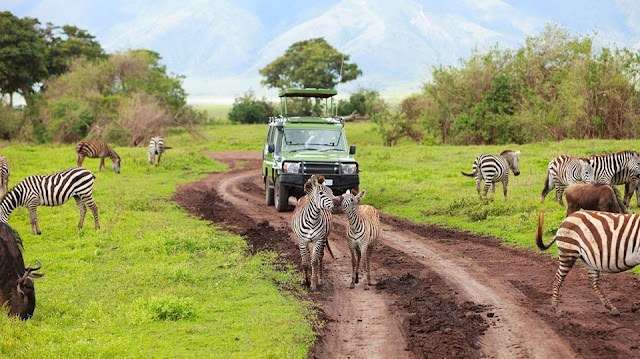
Stay inside the vehicle on game drives unless your guide says it is safe, keep your voice low, remain seated near animals and never feed or approach wildlife. These simple rules prevent almost all safety problems on safari. Your guide understands animal behaviour and park regulations, so always follow their instructions calmly and quickly, even during exciting sightings.
Travel Safely by Road
Travel with a professional driver-guide in a well-maintained safari vehicle, always wear your seatbelt and avoid driving at night. Long road journeys can be tiring and bumpy, so plan regular breaks and consider light aircraft flights between distant parks. Pre-arranged airport transfers make arrival and onward travel simple, comfortable and safe for the whole family.
Respect Local Culture
Tanzanians are warm and welcoming, and respecting local customs helps every encounter go smoothly. Dress modestly in towns and villages, especially on Zanzibar, ask before photographing people and follow your guide's advice during cultural visits. Keep valuables discreet, use hotel safes and carry only the cash you need each day, keeping cards and passports in a secure pouch.
Book a Reputable Operator
Choose a licensed, experienced safari operator with professional guides, well-maintained vehicles, first-aid kits and reliable communication. A reputable operator plans realistic itineraries, briefs you on safety and supports you throughout your trip. Read recent reviews, check what is included and ask plenty of questions before you book your safari, so you know what to expect.
09Safari Health Kit Checklist
Use this safari health kit checklist to pack the essential health and safety items for your Tanzania safari. It covers medication and documents, mosquito protection, sun protection, a basic first-aid kit and hygiene items, so you can handle any minor issues quickly and comfortably while travelling. Tick each item as you pack and follow your progress with the bar, or print the list and keep it safely with your travel documents. Always follow the advice of your doctor or travel clinic, as your personal health kit may need additional items for your specific medical needs, activities and itinerary.
Medication and Documents0/6
Mosquito Protection0/4
Sun Protection0/5
First-Aid Kit0/6
Hygiene0/5
Safari Health and Safety Guides
10Tanzania Safari Health and Safety FAQs
What vaccinations do I need for a Tanzania safari?
Ask a travel health clinic. Hepatitis A, typhoid, tetanus and routine vaccines are commonly discussed, with others depending on your plans.
Do I need a yellow fever vaccine for Tanzania?
A certificate may be required if you arrive from or transit through a yellow fever risk country. Check the latest official entry rules.
Is there malaria in Tanzania?
Yes. Malaria is present in many safari areas and on Zanzibar, so ask your doctor about antimalarial medication and use repellent.
Can I drink tap water in Tanzania?
No. Drink bottled, filtered or treated water, which lodges, camps and safari vehicles provide, and use it to brush your teeth.
Is the food safe on a Tanzania safari?
Meals at established lodges and camps are generally safe. Choose freshly cooked food and be careful with raw food in towns.
Do I need travel insurance for a safari?
Yes. Choose cover for medical treatment, emergency air evacuation, repatriation, cancellation and all planned activities.
What happens in a medical emergency on safari?
Guides contact help by phone or radio, and serious cases may be evacuated by air to a hospital in Arusha, Nairobi or Dar es Salaam.
How do I avoid mosquito bites on safari?
Use repellent, wear long sleeves and trousers from dusk, sleep under nets where provided and keep tent zips closed.
How strong is the sun in Tanzania?
Very strong, as Tanzania lies near the equator. Use high-SPF sunscreen, a hat and sunglasses every day, even when it is cloudy.
Is altitude a problem on a Tanzania safari?
Most safari areas are fine, but the Ngorongoro highlands are higher and cooler. Kilimanjaro climbs require proper acclimatisation.
Is a Tanzania safari safe for children?
Yes, with tailored health advice, a private vehicle, family-friendly lodges and careful sun and mosquito protection.
What should I pack in a safari first-aid kit?
Plasters, antiseptic wipes, pain relief, rehydration salts, antihistamines, repellent, sunscreen and your personal medication.
Are there hospitals near the safari parks?
Arusha, Moshi and Dar es Salaam have hospitals and clinics, but facilities in remote parks are limited, so carry good insurance.
What should I do if I get a fever after my safari?
Seek medical advice urgently and tell the doctor you have visited Tanzania, as fever can be a sign of malaria.
Plan Further: Safe Tanzania Safaris
Safari Styles
Top Destinations
Plan a Safe Private Safari in Tanzania
Tell us your travel dates, interests and any health needs, and our local team will plan a safe private tailor-made safari with experienced guides, safe drinking water, well-maintained vehicles and support throughout your trip.
Book Now Online →What Our Travelers Say
Real 5-star reviews from guests who traveled with us