A month-by-month guide to safaris, the Great Migration, Kilimanjaro and Zanzibar
Best Time to Visit Tanzania
Planning the best time to visit Tanzania during the dry season, from June to October, when wildlife viewing is generally at its best, as it's the secret to unlocking unforgettable Tanzania safari experiences, from the vast plains of Serengeti National Park to the wildlife-rich Ngorongoro Crater and the palm-fringed beaches of Zanzibar. Tanzania offers year-round travel opportunities, but each month delivers something unique—whether it’s the Great Migration, calving season, or ideal weather for climbing Mount Kilimanjaro. Understanding Tanzania’s climate, divided into dry and wet seasons, helps travelers choose the perfect time for wildlife viewing, photography, or beach holidays. This best times to visit Serengeti National Park, Ngorongoro Crater, Tarangire National Park, Zanzibar, Kilimanjaro, Lake Manyara National Park, and Arusha National Park month-by-month guide highlights weather patterns, safari conditions, and travel tips, ensuring you make the most of your African adventure. Whether you seek luxury safaris, budget tours, or honeymoon escapes, Tanzania promises exceptional experiences every single month of the year.
The Best Months: June to October & December to February
Short Dry Season (January & February)
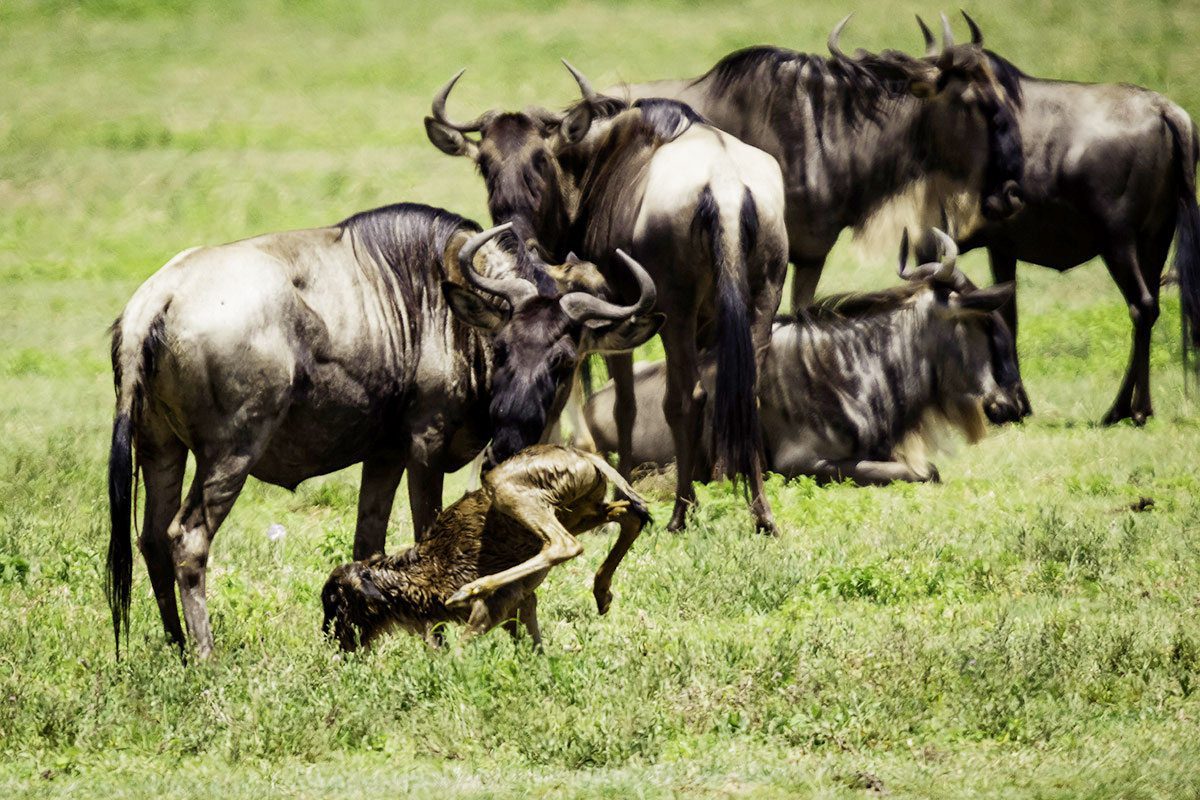
The short dry season in Tanzania, spanning January and February, is one of the best times to visit Tanzania for wildlife safaris, photography, and beach holidays. During these months, the weather is warm, sunny, and relatively dry, creating perfect conditions for exploring iconic destinations like Serengeti National Park and Ngorongoro Crater. This period is particularly famous for the Great Migration calving season in the southern Serengeti, where thousands of wildebeest give birth, attracting predators and offering dramatic wildlife encounters. Birdwatching is also excellent due to migratory species. Zanzibar’s beaches are idyllic with clear skies and calm waters. With fewer crowds compared to peak season, this is a prime time for luxury safaris, honeymoon trips, and family adventures, combining exceptional wildlife viewing with comfortable travel conditions across Tanzania’s top safari destinations.
Long Rainy Season (March, April & May)
The long rainy season, from March to May, transforms Tanzania into a lush, green paradise, offering a different yet rewarding safari experience. While heavy rains—especially in April—can make some roads challenging, this is the best time for budget travelers seeking discounted safari packages and fewer crowds in parks like Tarangire National Park and Lake Manyara National Park. The landscapes are breathtaking, with vibrant greenery, blooming flowers, and dramatic skies ideal for photography. Birdwatching reaches its peak as migratory birds are present in abundance. Although wildlife can be more dispersed due to water availability, sightings are still rewarding. Many lodges offer attractive off-season rates, making it perfect for affordable Tanzania safaris. This season appeals to travelers looking for tranquility, scenic beauty, and unique experiences away from peak tourist crowds.
Long Dry Season (June To October)
The long dry season from June to October is widely considered the absolute best time to visit Tanzania for safaris and wildlife viewing. This peak season offers cool, the best time to visit Tanzania for the Great Migration, dry weather, and exceptional game viewing in world-famous parks like Serengeti National Park and Tarangire National Park. Animals gather around water sources, making sightings easier and more frequent. This is also the prime period to witness the Great Migration river crossings in the northern Serengeti—one of Africa’s most iconic safari experiences. The skies are clear, the humidity is low, and the conditions are ideal for climbing Mount Kilimanjaro. Coastal destinations like Zanzibar offer sunny beach weather. Though Tanzania safari prices are higher and parks busier, the unmatched wildlife encounters, reliable weather, and excellent safari conditions make this season the top choice for first-time visitors and luxury safari travelers.
Short Rainy Season (November & December)
The short rainy season in November and December brings brief, refreshing showers that rarely disrupt travel plans, making it an excellent shoulder season for visiting Tanzania. The landscape begins to turn green again, enhancing the beauty of parks like Ngorongoro Crater and Serengeti National Park. Wildlife viewing remains good, and migratory birds return, making it a fantastic time for birdwatching enthusiasts. This period also marks the start of the Great Migration, moving south toward the Serengeti plains. With fewer tourists and moderate prices, it’s ideal for those seeking a quieter safari experience. Zanzibar and other coastal areas experience warm temperatures with occasional showers. The short rains offer a perfect balance between affordability, scenic beauty, and rewarding wildlife encounters, making it a hidden gem season for Tanzania travel.
Best Time to Visit Tanzania: Month by Month
Tap a month to see what Tanzania offers. We open on the current month.
Tanzania in January – Calving Season Begins
January is one of the best months to visit Tanzania for wildlife safari lovers, especially in the southern plains of Serengeti National Park. This is calving season, where thousands of wildebeest give birth, attracting predators like lions and cheetahs. The weather is warm with occasional short rains, creating lush green landscapes ideal for photography safaris. Birdwatching is exceptional, as migratory species are present across parks like Tarangire National Park and Lake Manyara National Park. January is also a great time for luxury Tanzania safari packages, Tanzania mid-range safaris, family safaris, and Tanzania honeymoon trips due to fewer crowds compared to peak season. Climbing Mount Kilimanjaro is possible with good conditions. Overall, January combines dramatic wildlife action with beautiful scenery, making it a top choice for photographers and safari enthusiasts.
Yes, January is one of the best months for Tanzania safaris, especially in the Serengeti National Park. The famous Great Migration calving season begins, attracting predators and offering dramatic wildlife encounters. Landscapes are lush after short rains, crowds are lower, and Tanzania photography safari conditions are excellent. It’s ideal for luxury, mid-range, and budget safari travelers seeking unforgettable wildlife experiences.
Tanzania in February – Peak Calving and Predator Action
February continues the spectacular Great Migration calving season in Serengeti National Park, making it one of the most exciting months for safari tours. Thousands of newborn wildebeest attract predators, offering dramatic wildlife encounters and excellent Tanzania photographic safari opportunities. The weather remains warm and mostly dry, with occasional showers enhancing the green landscapes. This is a prime time for luxury African safaris, romantic getaways, and wildlife documentaries. Parks like Ngorongoro Crater also provide incredible game viewing, including the Big Five. February is ideal for birdwatching and Tanzania Safari Tours, with vibrant species filling the skies. With fewer tourists than in peak dry months, travelers enjoy more exclusive Tanzania safari experiences. For those seeking unforgettable Tanzania wildlife safari moments and scenic beauty, February stands out as one of the best times to visit Tanzania.
February continues the prime safari season in Tanzania, with peak calving in the Serengeti plains. Thousands of wildebeest are born daily, creating intense predator activity and incredible sightings. The weather is warm and mostly dry, making game drives comfortable. This month is perfect for Tanzania photographers' safaris, honeymoon safaris, and Big Five lovers exploring Ngorongoro Crater and the surrounding parks.
Tanzania in March – Transition to the Long Rains
March marks the transition into Tanzania’s long rainy season, but it still offers rewarding Serengeti safari experiences, particularly early in the month. Wildlife viewing remains good in Serengeti National Park and Ngorongoro Crater, as animals are still concentrated in certain areas. The landscape becomes greener, providing stunning backdrops for photography. As rains increase, some roads may become challenging, but fewer tourists mean lower safari costs and more exclusive experiences. Birdwatching is exceptional, especially in wetlands like Lake Manyara National Park. March is also suitable for budget travelers seeking affordable Tanzania safari packages. While it’s not peak season, it offers a quieter and more intimate safari atmosphere. Travelers who don’t mind occasional rain will find March a hidden gem for exploring Tanzania’s natural beauty.
March is a transition month in Tanzania safaris, with increasing rainfall marking the start of the green season. Wildlife is still abundant, especially in central Serengeti, but visibility may be reduced due to taller grass. It’s a great time for birdwatching safaris, fewer crowds, and lower safari costs, though some remote roads can become challenging during heavy rains.
Tanzania in April – Lush Landscapes and Low Crowds
April is the peak of the long rainy season in Tanzania, transforming national parks into lush, green paradises. While heavy rains may limit accessibility in some areas, parks like Serengeti National Park and Tarangire National Park remain beautiful and less crowded. This is the best time for travelers seeking budget safaris, as prices drop significantly in lodges and camps. Birdwatching is at its peak, with colorful migratory species abundant. Photographers will appreciate dramatic skies and vibrant scenery. Although wildlife can be harder to spot due to dense vegetation, the experience feels more private and authentic. Coastal destinations like Zanzibar may experience rain, but still offer relaxing beach escapes. April is perfect for adventurous travelers looking for off-season deals and serene landscapes.
Yes, you can visit Tanzania in April, but it’s part of the long rainy season, which can affect safari conditions. Heavy rains may limit access to some parks, yet landscapes become incredibly green and scenic. Prices are lower, crowds are minimal, and birdlife thrives. Experienced travelers still enjoy peaceful safaris in Lake Manyara National Park.
Tanzania in May – End of Rainy Season Benefits
May continues the rainy season but begins transitioning toward drier conditions, making it an underrated time to visit Tanzania. The parks, including Ngorongoro Crater and Serengeti National Park, are lush and vibrant, offering spectacular scenery for photography and nature lovers. Tourist numbers remain low, allowing for peaceful safari experiences and discounted accommodation rates. Wildlife is still present, although more dispersed due to abundant water sources. Birdwatching remains excellent, especially in wetland areas. For travelers seeking affordable Tanzania safari tours with fewer crowds, May is ideal. Roads can still be muddy, so guided tours are recommended. As the rains begin to ease toward the end of the month, conditions improve, making May a great time for budget-conscious travelers wanting a quieter African safari experience.
May remains within the wet season, making it one of the quietest safari months in Tanzania. While rain can be heavy, it offers excellent value for budget travelers and photographers seeking dramatic landscapes. Wildlife is still present in major parks, though sightings can be harder. It’s ideal for those wanting fewer tourists and discounted luxury safari packages.
Tanzania in June – Start of the Dry Season
June marks the beginning of the dry season in Tanzania, widely considered one of the best times for safaris. Wildlife viewing improves significantly as animals gather around water sources in parks like Tarangire National Park and Serengeti National Park. The weather is cooler and dry, creating comfortable conditions for game drives and outdoor activities. The Great Migration begins moving northward, offering exciting wildlife encounters. June is also an excellent time for climbing Mount Kilimanjaro due to clear skies and stable weather. Tourist numbers start increasing, but it’s still less crowded than in the peak months. This period is perfect for photographers, families, and first-time safari travelers. With ideal weather and excellent wildlife viewing, June is a top choice for a classic Tanzania safari experience.
June marks the beginning of the dry season, widely considered the best time for Tanzania safaris. Wildlife becomes easier to spot as animals gather near water sources. The Great Migration starts moving, and the weather is cool and pleasant. Parks like Tarangire National Park offer spectacular elephant sightings during this period.
Tanzania in July – Peak Safari Season Begins
July is one of the best months to visit Tanzania, marking the peak of the dry season. Wildlife viewing is exceptional in Serengeti National Park, where the Great Migration moves toward the northern regions. Visitors may witness dramatic river crossings near the Mara River. Parks like Ngorongoro Crater offer incredible chances to see the Big Five. The weather is dry, sunny, and cool, making it perfect for safaris and outdoor adventures. This is also a popular time for luxury Tanzania safaris, Tanzania family trips, and Tanzania honeymoon packages. Due to high demand, early booking is essential. Coastal destinations like Zanzibar enjoy pleasant weather, ideal for beach holidays. July combines perfect conditions with world-class wildlife viewing, making it one of Tanzania’s most sought-after travel months.
Yes, July is one of the best times for a safari in Tanzania. It marks the peak of the dry season, offering mild weather (15°C to 25°C), low rain, and prime wildlife viewing, as animals congregate around water sources. Key highlights include the start of the Great Migration river crossings in the northern Serengeti. The best time to go on safari in Tanzania would be during the long dry season, between June and mid-October, when wildlife congregates around the water source.
Tanzania in August – Great Migration River Crossings
August is a highlight of Tanzania’s safari calendar, famous for the Great Migration river crossings in northern Serengeti National Park. Thousands of wildebeest cross crocodile-infested rivers, creating dramatic wildlife scenes. The dry weather ensures excellent visibility and comfortable safari conditions. Parks like Tarangire National Park also offer superb game viewing as animals gather around shrinking water sources. August is a peak tourist month, attracting travelers worldwide, so accommodations fill quickly. It’s ideal for luxury safaris, photography tours, and bucket-list adventures. The cool climate is also perfect for trekking Mount Kilimanjaro. Beach destinations such as Zanzibar provide sunny and breezy conditions. August delivers unforgettable wildlife spectacles, making it one of the best times to visit Tanzania.
August is one of the peak safari months in Tanzania, offering exceptional wildlife viewing and Great Migration river crossings. Dry conditions concentrate animals around rivers, making sightings easier and more dramatic. It’s perfect for luxury safaris, photography tours, and family trips, though parks like Serengeti can be busy due to high demand.
September – Prime Wildlife Viewing Continues
September continues the excellent dry-season safari conditions across Tanzania. Wildlife viewing remains outstanding in Serengeti National Park, especially in the north, where the Great Migration is still active. The weather is warm and dry, with fewer crowds compared to July and August. Parks like Ngorongoro Crater and Lake Manyara National Park offer incredible game viewing opportunities. This is an ideal month for photographers seeking clear skies and golden landscapes. September is also perfect for luxury and mid-range safari packages, as prices may slightly decrease after peak season. Coastal areas such as Zanzibar remain sunny and inviting. With superb wildlife encounters and pleasant weather, September is one of the best months for a Tanzania safari adventure.
September remains an excellent safari month, with dry weather, fewer crowds than August, and continued migration activity in northern Serengeti. Wildlife visibility is outstanding, making it ideal for Big Five safaris and combined beach holidays in Zanzibar. Conditions are warm, clear, and perfect for game drives and photography adventures.
Tanzania in October – End of Dry Season Magic
October marks the end of the dry season, offering excellent wildlife viewing in Tanzania before the short rains begin. Animals are still concentrated around water sources in parks like Tarangire National Park and Serengeti National Park. The Great Migration starts moving southward, providing unique safari experiences. The weather is warm, with occasional early showers refreshing the landscape. Tourist numbers decrease slightly, making it a great time for more relaxed safaris. This month is ideal for photographers, families, and couples seeking quieter experiences. Coastal destinations like Zanzibar remain attractive for beach holidays. October offers a perfect balance of good weather, wildlife sightings, and fewer crowds, making it a highly recommended time to visit Tanzania.
October is a great shoulder-season safari month, still offering dry conditions and strong wildlife sightings. Toward the end of the month, short rains may begin, refreshing the landscape. Southern parks like Ruaha National Park and Nyerere are especially rewarding, with fewer tourists and excellent predator activity.
Tanzania in November – Short Rains and Fewer Crowds
November brings the short rainy season to Tanzania, characterized by brief afternoon showers and sunny mornings. Parks like Serengeti National Park and Ngorongoro Crater remain accessible, offering good wildlife viewing with fewer tourists. The landscape becomes greener, enhancing scenic beauty and photography opportunities. This is a great time for budget travelers seeking discounted safari packages and accommodations. Birdwatching is excellent, with migratory species returning. Although the Great Migration begins moving south, wildlife is still abundant. Coastal areas such as Zanzibar may experience occasional rain but still provide enjoyable beach experiences. November is ideal for travelers who prefer quieter safaris and don’t mind light, offering a peaceful and affordable Tanzania adventure.
November is an excellent time to visit Tanzania if you prefer lush, emerald landscapes, fewer crowds, and lower prices. Known as the "green season" and the start of the "short rains," this month offers incredible birdwatching and returning migratory herds, though you must be prepared for occasional short, afternoon downpours.
Tanzania in December – Festive Season and Migration Returns
December is a festive and vibrant time to visit Tanzania, with the Great Migration returning to the southern Serengeti National Park plains. Wildlife viewing improves as herds gather in preparation for calving season. The weather includes short rains early in the month, followed by sunnier conditions toward the holidays. This is a popular time for family safaris, Christmas vacations, and luxury travel experiences. Parks like Ngorongoro Crater offer excellent game viewing year-round. Coastal destinations such as Zanzibar are perfect for festive beach holidays. December combines wildlife, culture, and celebration, making it one of the most exciting times to explore Tanzania. Early booking is essential due to high demand during the holiday season.
December is a popular safari month, combining festive travel with good wildlife viewing. Short rains taper off, leaving green landscapes and active animals. It’s an excellent time for family safaris, honeymoon trips, and beach extensions in Zanzibar. High demand means early booking is essential, especially for luxury safari lodges and premium tours.
Best Time to Visit Tanzania by Experience: Safari, Zanzibar, Kilimanjaro & Migration
Best Time to Witness the Great Migration
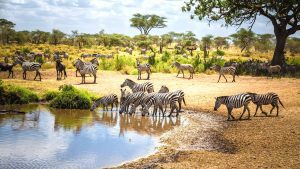
One of the top bucket-list experiences in Africa is the Great Migration in Serengeti National Park. The best time depends on which phase you want to see. River crossings—often the most dramatic—occur between July and September in the northern Serengeti. From January to March, the southern Serengeti hosts the calving season, where thousands of wildebeest give birth, attracting predators. This period is ideal for photographers and wildlife enthusiasts seeking action-packed safaris. The migration is a year-round event, but timing your visit carefully ensures the best experience. Whether you’re planning a luxury safari tour, honeymoon safari, or family safari package, aligning your trip with the migration adds unmatched excitement.
Best Time for a Zanzibar Beach Holiday
For a perfect beach escape, the best time to visit Zanzibar is from June to October and December to February. These months offer sunny skies, warm temperatures, and calm seas—ideal for snorkeling, diving, and relaxing on white sandy beaches. The island’s tropical climate makes it a year-round destination, but avoiding the heavy rains of April and May ensures the best experience. Zanzibar is a popular add-on to Tanzania safari tours, offering a perfect balance between adventure and relaxation. Whether you’re planning a honeymoon, luxury holiday, or family getaway, timing your beach visit during the dry months guarantees idyllic coastal conditions.
Best Time for Wildlife Viewing in Tanzania
The best time for wildlife viewing in Tanzania is during the dry season, from June to October. This period is widely considered peak safari season because animals gather around water sources, making them easier to spot. Parks like Ngorongoro Crater and Tarangire National Park offer exceptional game viewing opportunities. Sparse vegetation improves visibility, and predators like lions and leopards are more active. This is also the best time for photography safaris, luxury African safaris, and guided game drives. Expect clear skies, minimal rainfall, and comfortable temperatures. However, this popularity means higher prices and more tourists. Booking early is essential for the best safari lodges and camps during Tanzania’s peak travel season.
Best Time to Climb Mount Kilimanjaro
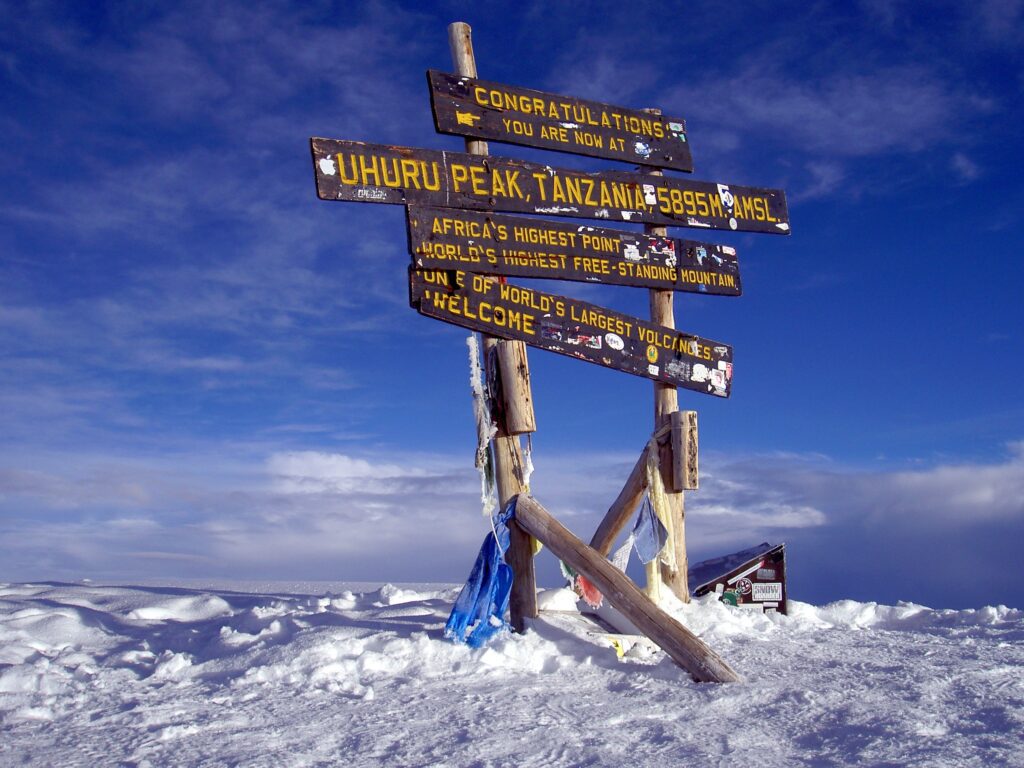
Climbing Mount Kilimanjaro is best during the dry seasons: January to March and June to October. These months provide clear skies, better visibility, and safer trekking conditions. January to March is quieter and colder, with possible snow at the summit, while June to October is more popular and slightly warmer. Avoid the rainy seasons, as trails become slippery and visibility is poor. Choosing the right time improves your success rate and overall experience. Whether you’re planning a guided climb, luxury trekking expedition, or budget adventure, timing is crucial for a successful Kilimanjaro climb.
Best Time for Birdwatching in Tanzania
Birdwatching enthusiasts will find the best time to visit Tanzania between November and April. This period marks the arrival of migratory birds from Europe and Asia, making it a paradise for bird lovers. Parks like Arusha National Park and Lake Manyara National Park are particularly rewarding. The lush green landscapes and abundant water sources attract a wide variety of species. This season is also less crowded, allowing for a more intimate safari experience. Whether you’re a professional ornithologist or a casual traveler, Tanzania offers one of the best birdwatching experiences in Africa during these months.
Best Time for Family and Honeymoon Safaris
For family safaris and honeymoon trips, the dry season from June to October is ideal. The weather is predictable, wildlife viewing is excellent, and travel logistics are easier. Destinations like Serengeti National Park and Ngorongoro Crater provide unforgettable experiences for couples and families alike. Combining a safari with a beach stay in Zanzibar creates the perfect honeymoon package. Many lodges cater specifically to families and couples, offering tailored experiences. Booking during this time ensures the best combination of comfort, adventure, and romance.
Best Time to Visit Tanzania for Good Weather
Tanzania enjoys a tropical climate, but the dry season (June to October) offers the best overall weather conditions. During this time, skies are clear, humidity is low, and rainfall is minimal—perfect for safaris and outdoor adventures. Coastal areas like Zanzibar are also pleasant, with warm ocean breezes and sunny days. The short dry season in January and February is another excellent time, especially for climbing Mount Kilimanjaro. Avoid the long rainy season from March to May if you prefer dry conditions, as heavy rains can affect travel plans. For the best Tanzania safari experience, dry weather ensures comfort, accessibility, and excellent wildlife sightings.
Visiting Tanzania During the Green Season
The green season, from November to May, transforms Tanzania into a lush paradise. While this is considered the low season, it offers unique advantages for travelers seeking affordable safari packages and fewer crowds. Landscapes become vibrant, birdwatching is exceptional, and parks like Lake Manyara National Park flourish with life. This is also the best time for photography, thanks to dramatic skies and rich scenery. Although rain showers occur, they are often short and followed by sunshine. Luxury lodges and safari camps offer discounted rates, making it ideal for budget-conscious travelers. If you don’t mind occasional rain, the green season provides a peaceful and scenic safari experience.
When to Avoid Visiting Tanzania
While Tanzania is a year-round destination, April and May are generally considered the least favorable months due to heavy rains. Some remote safari camps close, and road conditions can become challenging. Coastal humidity increases, affecting comfort in places like Zanzibar. However, if you prioritize budget travel and don’t mind rain, this period can still be worthwhile. For most travelers seeking optimal weather and wildlife viewing, it’s best to avoid these months and plan around the dry or shoulder seasons instead.
Final Thoughts
The best time to visit Tanzania ultimately depends on your travel goals. For wildlife and safaris, June to October is unbeatable. For the Great Migration, timing varies by location and season. Budget travelers benefit from the green season, while beach lovers should aim for dry, sunny months. Whether you’re planning a luxury African safari, Kilimanjaro climb, or Zanzibar holiday, Tanzania offers year-round opportunities. By understanding seasonal patterns, you can tailor your trip for maximum enjoyment. With proper planning, your Tanzania adventure will be unforgettable—filled with wildlife, culture, and breathtaking landscapes.
Questions About the Best Time to Visit Tanzania
When is the best time to visit Tanzania for wildlife safaris?
The best time for wildlife safaris in Tanzania is the dry season from June to October, when animals gather around water sources and sparse vegetation makes game viewing easier. Serengeti National Park and Ngorongoro Crater offer exceptional sightings of lions, elephants and leopards, with July to September especially popular. January and February are also excellent, particularly for the calving season in the southern Serengeti, making Tanzania a rewarding safari destination year-round.
What is the best month to see the Great Migration in Tanzania?
The best month to see the Great Migration depends on the stage you want to witness. From January to March, the southern Serengeti hosts the calving season with intense predator action. In June and July, the herds move north, and from August to October, dramatic Mara River crossings take place in the northern Serengeti. August and September are often considered the peak months for these iconic, thrilling river crossings.
Is the dry season or wet season better for visiting Tanzania?
It depends on your travel goals. The dry season from June to October is best for wildlife safaris, with excellent visibility and concentrated animals in parks like Tarangire. The wet season from November to May brings lush green landscapes, superb birdwatching, great photography and fewer crowds. April and May have heavy rains but lower prices, while the short rains of November and December are lighter and less disruptive.
When is the cheapest time to visit Tanzania?
The cheapest time to visit Tanzania is the long rainy season in April and May, when many safari lodges and tour operators offer significant discounts. Parks are green, quiet and beautiful, although some roads can become muddy and wildlife may be more spread out. Flights and accommodation are often cheaper too. Patient travelers enjoy an intimate, uncrowded safari experience at a fraction of peak-season costs.
What is the best time to visit Tanzania for a beach holiday?
The best time for a Zanzibar beach holiday is during the dry seasons from June to October and December to February, with warm, sunny weather, low humidity and calm seas, perfect for snorkeling, diving and relaxing at beaches like Nungwi and Kendwa. March to May brings heavy rains, while November’s short rains are usually brief. Zanzibar is a perfect beach extension after a Tanzania safari for honeymooners and families.
Is Tanzania good to visit year-round?
Yes, Tanzania is a fantastic year-round destination. January to March brings the calving season in the southern Serengeti, June to October offers peak dry-season safaris, and the wet season from November to May delivers lush landscapes, fewer tourists and excellent birdwatching. Zanzibar stays warm all year, and Kilimanjaro can be climbed in the dry months. With proper planning, every month offers unforgettable wildlife, culture, mountain and beach experiences.
When is the best time to climb Mount Kilimanjaro?
The best time to climb Mount Kilimanjaro is during the dry seasons from January to early March and from June to October. These months bring clearer skies, stable weather and better visibility, improving summit success. January and February are slightly warmer and quieter, while June to October is cooler and more popular. Avoid April and May, when heavy rains make trails slippery and challenging for climbers on every route.
When is the best time for birdwatching in Tanzania?
The best time for birdwatching in Tanzania is the wet season from November to April, when migratory birds arrive from Europe and Asia. Lake Manyara National Park and Arusha National Park come alive with flamingos, kingfishers and raptors, and many species show their brightest breeding plumage. Landscapes are lush and photogenic, and showers are often short. With over 1,000 recorded species, Tanzania is one of Africa’s finest birdwatching destinations.
Is Tanzania crowded during peak safari season?
Popular parks such as Serengeti National Park and Ngorongoro Crater can be busy from June to October, especially July to September when the river crossings coincide with international holidays. Tanzania’s parks are vast, so crowds are usually manageable, but some hotspots get busy. Book accommodation early for peak months. For a quieter safari, consider January, February or November, when wildlife viewing remains excellent and visitor numbers are lower.
What is the overall best time to visit Tanzania?
The overall best time to visit Tanzania is the dry season from June to October, ideal for safaris, wildlife viewing and outdoor adventures in Serengeti National Park, Ngorongoro Crater and Tarangire. However, the best time depends on your goals: visit from January to March for the calving season, April, May or November for lower prices and fewer crowds, and the dry months for the best Zanzibar beach weather.
Plan Your Tanzania Safari at the Perfect Time
Tell us your travel month and interests, and we will design a private, tailor-made safari timed for the best wildlife, weather and value.