 Private8 Days / 7 Nights
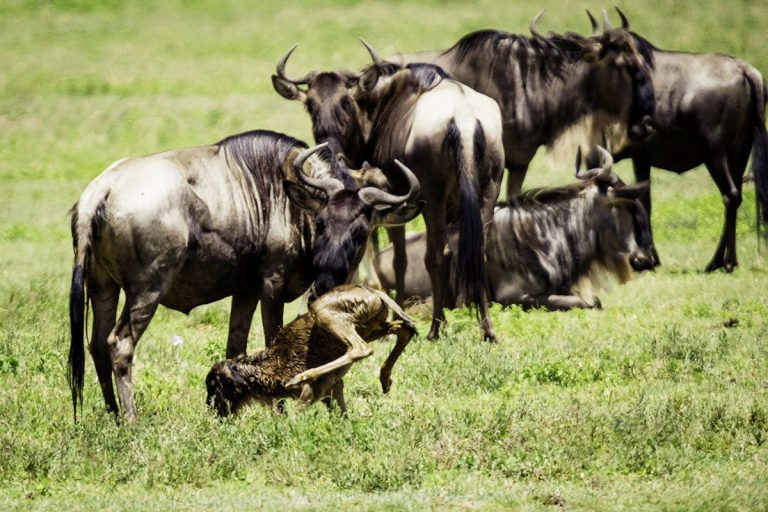
8-Day Mid-Range Ndutu Migration Calving Season
Destinations: Serengeti · Ndutu
Price per personOn request
View tour →
The best time for a safari in Tanzania is the dry season from late June to October, when wildlife concentrates around water and the Great Migration reaches the Mara River in the northern Serengeti. January and February are ideal for the wildebeest calving season in Ndutu, while the green season from March to May brings lush scenery, newborn animals, fewer vehicles and lower rates. Migration timing always varies with rainfall. Foot Slopes Tours and Safaris matches every private itinerary to your travel month. Explore our season-based safari packages below to find your perfect time.
Private8 Days / 7 Nights Private7 Days / 6 Nights
 Private12 Days / 11 Nights
 Private6 Days / 5 Nights
 Private6 Days / 5 Nights
 Private6 Days / 5 Nights
 Private5 Days / 4 Nights
 Private7 Days / 6 Nights
 Private8 Days / 7 Nights
 Private3 Days / 2 NightsPrivate8 Days / 7 NightsPrivate7 Days / 6 Nights
 Private10 Days / 9 NightsPrivateFlexible length
 PrivateFlexible length
There is no single best month, because each season offers something special. For many travelers, August and September are the top months, combining dry weather, easy game viewing and Mara River crossings in the northern Serengeti. February is the best month for wildebeest calving in the Ndutu area. June is excellent for the Grumeti River crossings in the Western Corridor. Tell us what you most want to see, and we will recommend the ideal month for your private Tanzania safari.
The wildebeest calving season in Tanzania usually takes place from late January to February in the southern Serengeti and the Ndutu area of the Ngorongoro Conservation Area. Vast numbers of calves are born within just a few weeks on the short-grass plains, attracting lions, cheetahs and hyenas. The herds remain in the south from December to March, but exact timing varies with rainfall. A private calving safari allows your guide to follow the action freely and stay out as long as the light allows.
Yes, the green season from March to May can be a rewarding time for a Tanzania safari. The landscapes are lush, birdlife is superb with migratory species present, and many animals have young. The long rains usually fall as afternoon showers rather than all-day downpours, although April is the wettest month. Parks are quieter and many lodges offer lower rates. Some remote camps close, and certain roads become muddy, so we plan private routes that keep your travel comfortable.
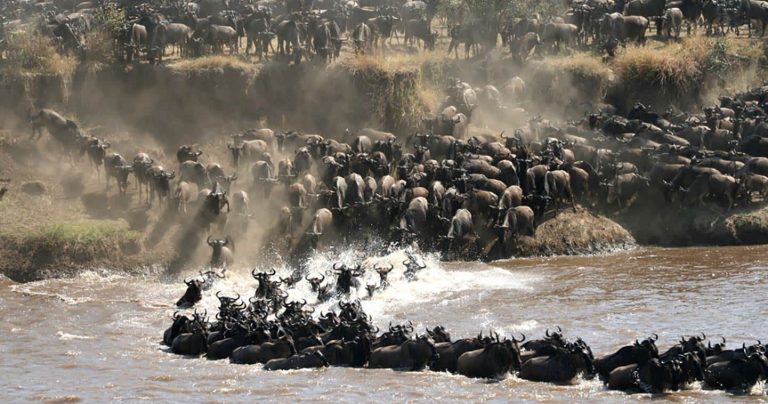
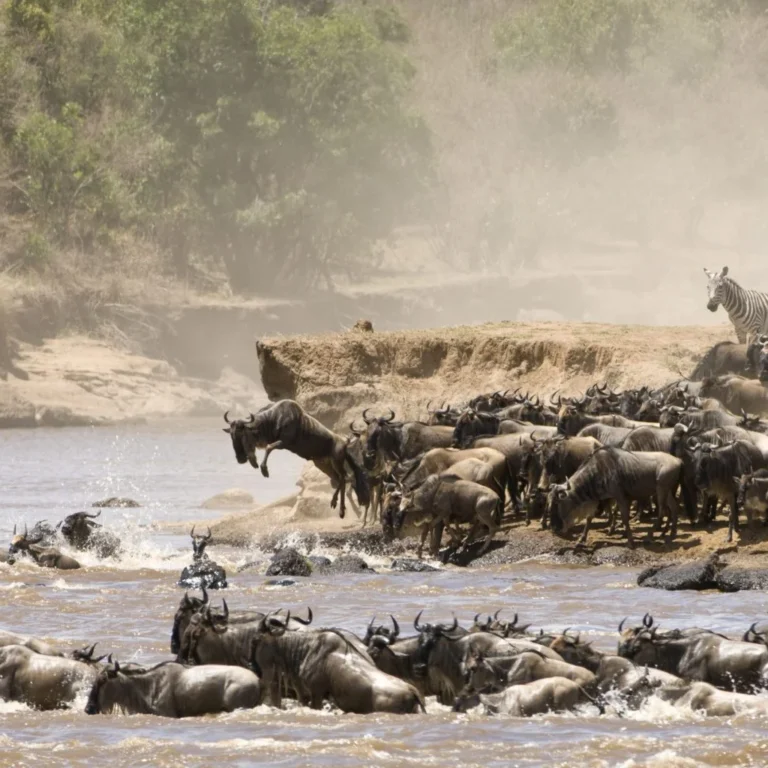
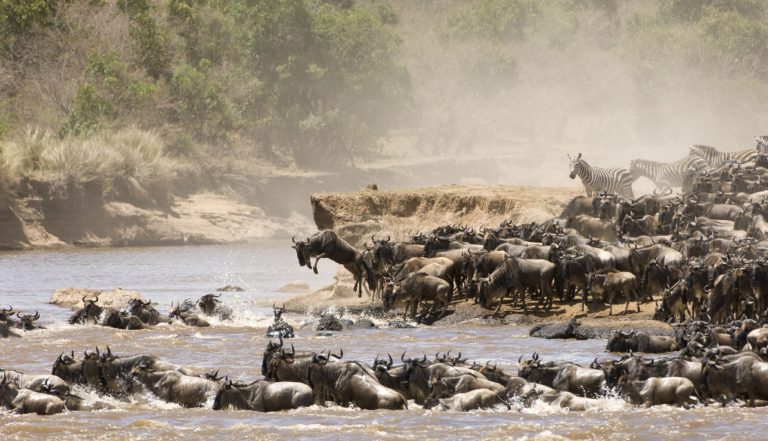
You can usually see the Mara River crossings in the northern Serengeti from July to October, with August and September being the peak months. The herds move back and forth across the river around the Kogatende and Lamai areas, and crossings can happen several times a day or not at all for a few days. Timing varies with rainfall and grazing. Staying three or more nights in the north and having a private vehicle greatly improve your chances of witnessing this spectacle.
April and early May are generally the least ideal months for a Tanzania safari because the long rains are at their heaviest, some roads become difficult and several seasonal camps close. November brings the short rains, which are lighter and usually do not disrupt game viewing much. Even so, these quieter months suit budget-conscious travelers and photographers who enjoy dramatic skies. The Ngorongoro Crater and central Serengeti remain rewarding all year, so a private safari is possible in any month.
Tell us when you can travel and what you most want to see, and our specialists will match your dates to the best parks and seasons on a private safari.
Get a Free Quote →