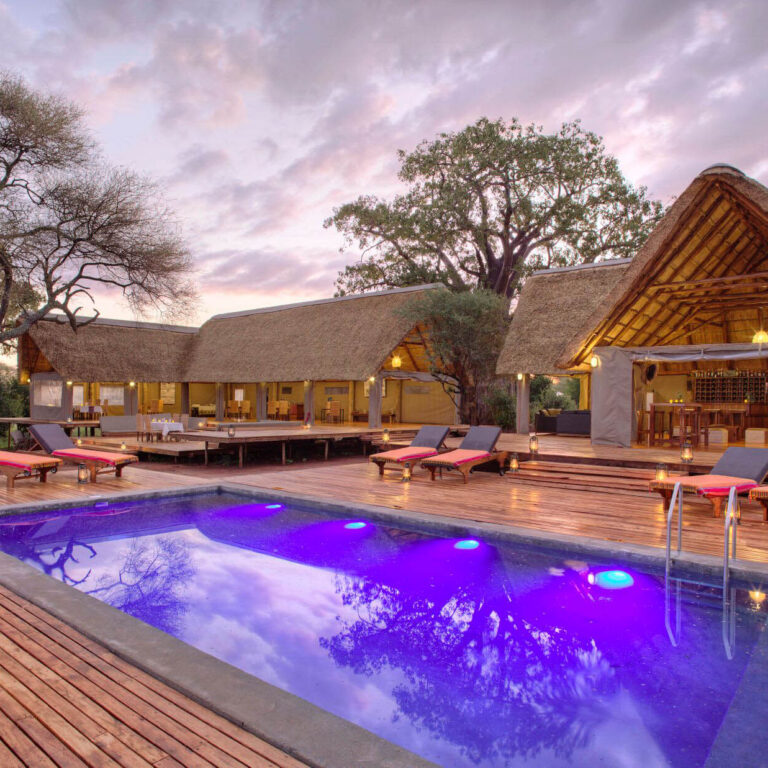
The best time to visit Tanzania for a safari is the long dry season from June to October, when wildlife gathers around rivers and waterholes and the Great Migration crosses the Mara River in the northern Serengeti. January and February are also excellent, with the wildebeest calving season in the southern Serengeti and warm, mostly dry weather. The green seasons offer lush scenery, fewer visitors and better value. This guide explains Tanzania's four safari seasons, the weather and wildlife month by month, the best time for each park and activity, and expert tips from our local team in Arusha.
When is the best time to visit Tanzania?
The best time to visit Tanzania is during the long dry season from June to October, when game viewing is at its best and the Great Migration river crossings take place in the northern Serengeti. January and February are the second-best time, offering the migration calving season and warm weather. March to May is the long rainy season, with the lowest rates and fewest visitors, while November and December bring short rains, green landscapes and good wildlife viewing.
Tanzania Safari Seasons Explained
Tanzania has two dry seasons and two rainy seasons, and each one offers a different safari experience, from peak game viewing to lush green landscapes and lower prices. Knowing how the seasons work helps you choose the right time for wildlife, the Great Migration, Kilimanjaro or a Zanzibar beach holiday. Select each tab below to see the months, what each season is best for, the typical weather, and what to expect from crowds and lodge rates. Our friendly local safari team in Arusha will gladly help you match the right season to your interests, budget and travel dates.
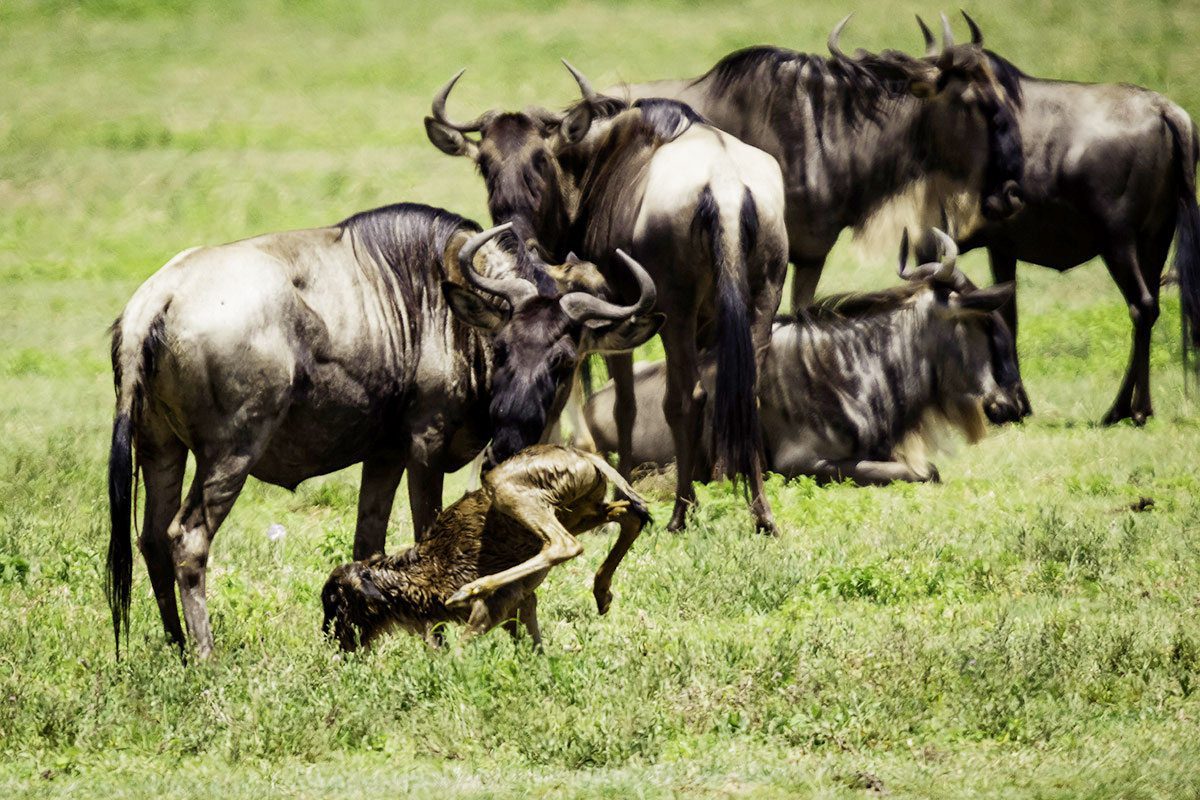
Short Dry Season: January and February
January, February and early March
Migration calving, predators, birdwatching and beaches
The short dry season brings warm, sunny weather with occasional showers and green landscapes. Hundreds of thousands of wildebeest calves are born on the southern Serengeti plains and around Ndutu, attracting lions, cheetahs and hyenas. It is also a superb time for birdwatching, Kilimanjaro climbs and Zanzibar beaches, making it a favourite alternative to peak season.
Great Migration Calendar →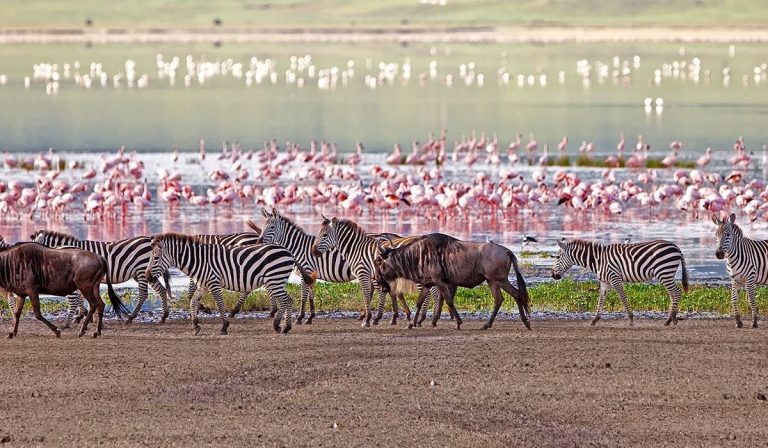
Long Rainy Season: March to May
March, April and May, wettest in April
Best value, lush scenery, birds and quiet parks
The long rains turn Tanzania deep green, with heavy afternoon downpours, especially in April. Visitor numbers are at their lowest and many lodges offer reduced green season rates. Wildlife is still present, birdlife is excellent and the scenery is beautiful, although some roads become muddy and a number of camps, especially in southern parks, close for the season.
Green Season Safaris →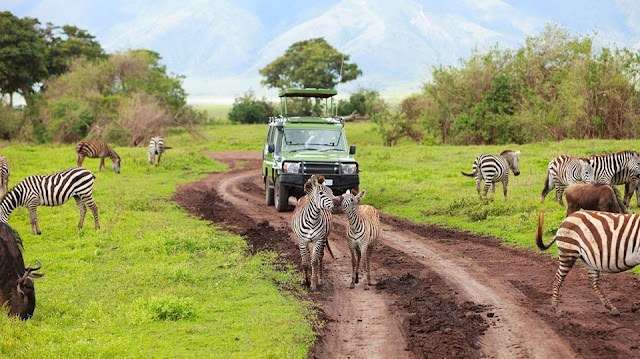
Long Dry Season: June to October
June, July, August, September and October
Best game viewing, river crossings and Kilimanjaro
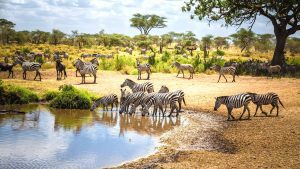
The long dry season is the classic and most popular time for a Tanzania safari. Vegetation thins, animals gather near rivers and waterholes, and the Great Migration crosses the Mara River in the northern Serengeti. Days are sunny and pleasant, mornings and nights are cool, and conditions are ideal for game drives, walking safaris and Kilimanjaro climbs.
Great Migration Safaris →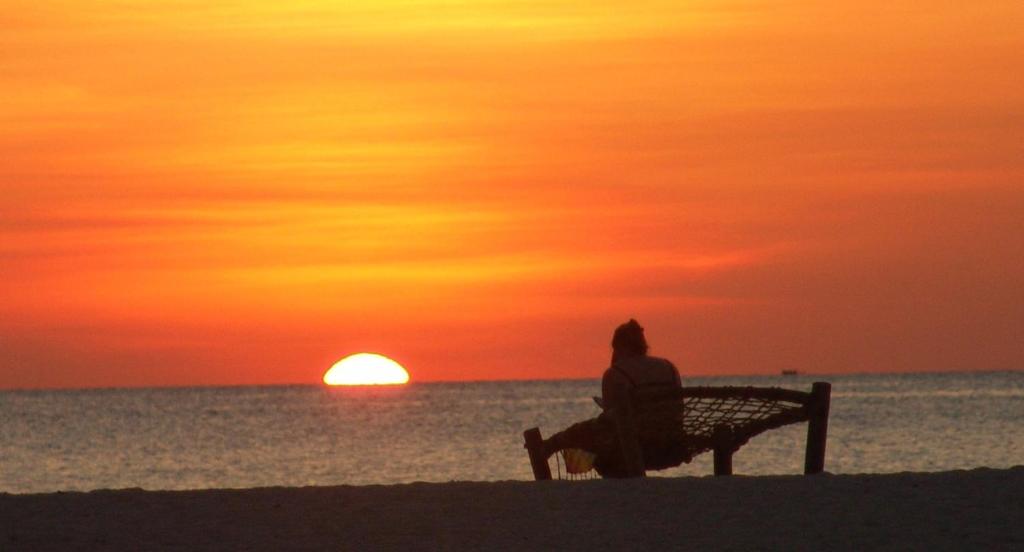
Short Rainy Season: November and December
November and early December
Green plains, migratory birds and quieter parks
The short rains usually arrive as brief afternoon showers that refresh the land without disrupting game drives. The plains turn green, migratory birds arrive and the wildebeest herds move south towards the Serengeti's southern plains. November offers good value and quiet parks, while the festive season from late December is busy and books up well in advance.
When to Go in Tanzania →Best Time to Visit Tanzania: Month by Month
Every month in Tanzania offers something special, from the migration calving season in February to the dramatic Mara River crossings in August and the quiet green season in April. Weather, wildlife locations, crowds and lodge rates all change through the year, so a month-by-month view helps you choose the perfect time for your safari. Select a month below to see the season, the best parks and areas to visit, the typical weather and what to expect from visitor numbers and rates, with a link to our detailed monthly safari guide. Plan ahead with confidence using this simple monthly guide.
Tanzania in January: Calving begins
Short dry season
Southern Serengeti, Ndutu and Ngorongoro
January is one of the best months for a Tanzania safari. The wildebeest herds gather on the southern Serengeti plains and around Ndutu, and calving begins, with lions, cheetahs and hyenas close by. Landscapes are green, birdlife is excellent, and the weather is warm and mostly dry, ideal for Kilimanjaro climbs and Zanzibar beaches too.
Tanzania Safari in January →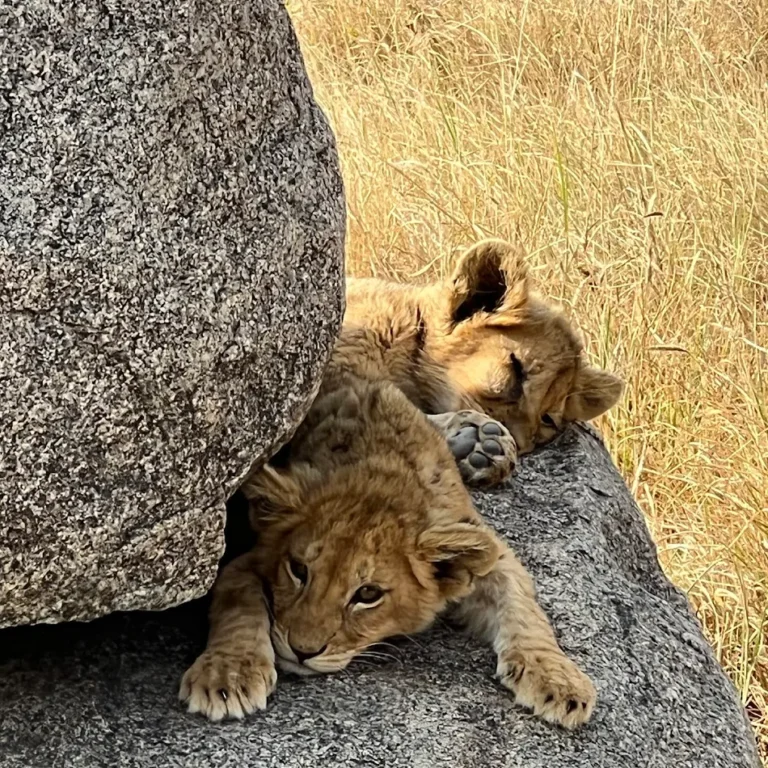
Tanzania in February: Peak calving
Short dry season
Southern Serengeti, Ndutu and Ngorongoro
February is the peak of the calving season, when thousands of wildebeest calves are born each day on the southern Serengeti plains. Predator action is intense, making it a superb month for photographers. Ngorongoro Crater offers excellent Big Five viewing, the weather stays warm and mostly dry, and visitor numbers are lower than in the dry season.
Tanzania Safari in February →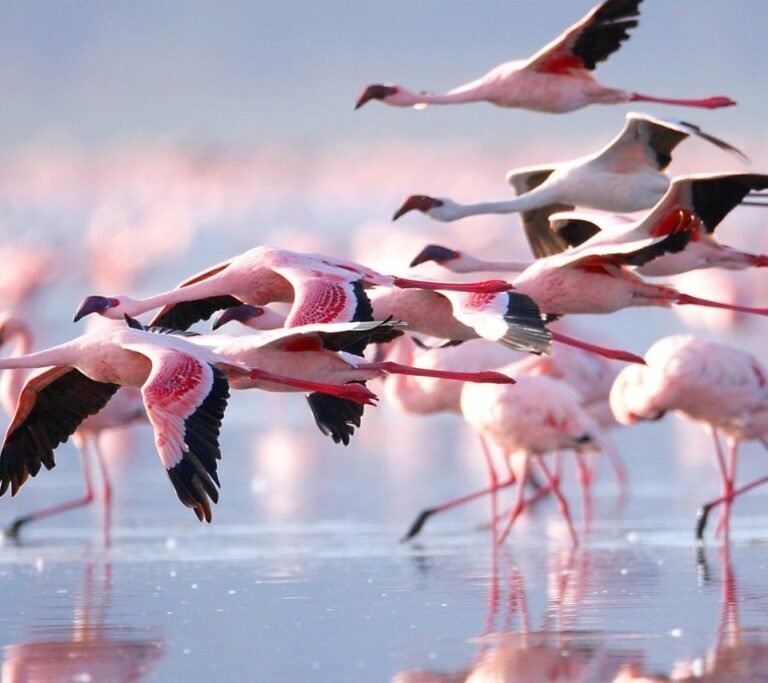
Tanzania in March: Rains begin
Start of the long rains
Southern and central Serengeti, Ngorongoro and Lake Manyara
March marks the transition to the long rains. Early in the month the herds are often still on the southern plains, and wildlife viewing remains rewarding. Rain increases through the month, grass grows taller and roads can become muddy, but there are fewer visitors, lower green season rates and excellent birdwatching around Lake Manyara and Tarangire.
Tanzania Safari in March →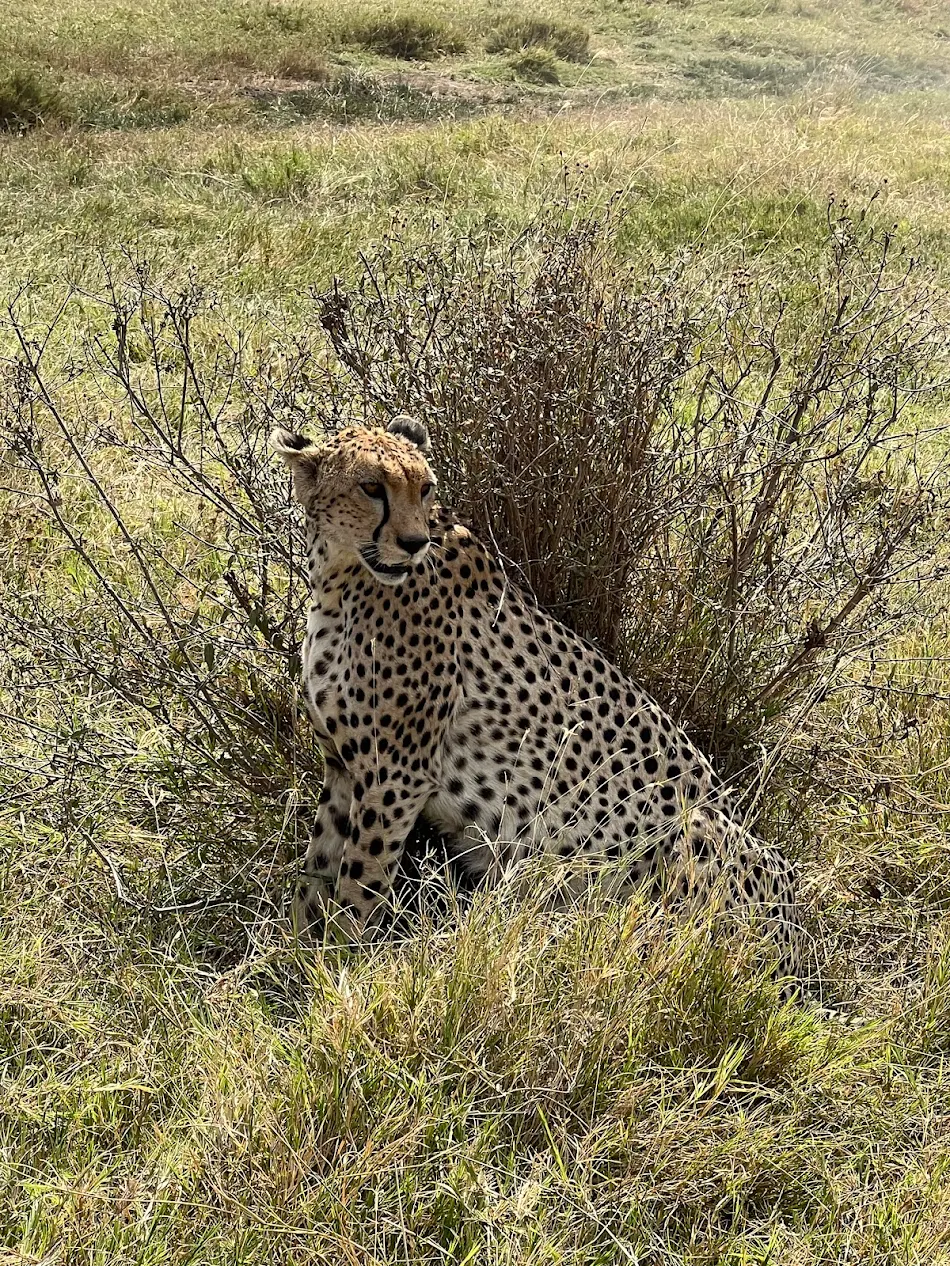
Tanzania in April: Wettest month
Long rainy season
Ngorongoro, central Serengeti and Lake Manyara
April is usually the wettest month in Tanzania, with heavy rain on many afternoons. Some camps close and certain roads become difficult, but the parks are beautifully green and almost empty. Ngorongoro Crater remains a reliable choice for wildlife, and flexible travellers looking for the lowest rates and a peaceful safari can enjoy a rewarding trip.
Tanzania Safari in April →
Tanzania in May: Rains ease
End of the long rains
Central and western Serengeti, Ngorongoro and Tarangire
May is the end of the long rains, with showers easing as the month goes on. The landscapes are lush and green, the wildebeest begin moving through the central and western Serengeti, and visitor numbers stay low. It is an underrated month for travellers who want good value, beautiful scenery and quiet game drives before peak season begins.
Tanzania Safari in May →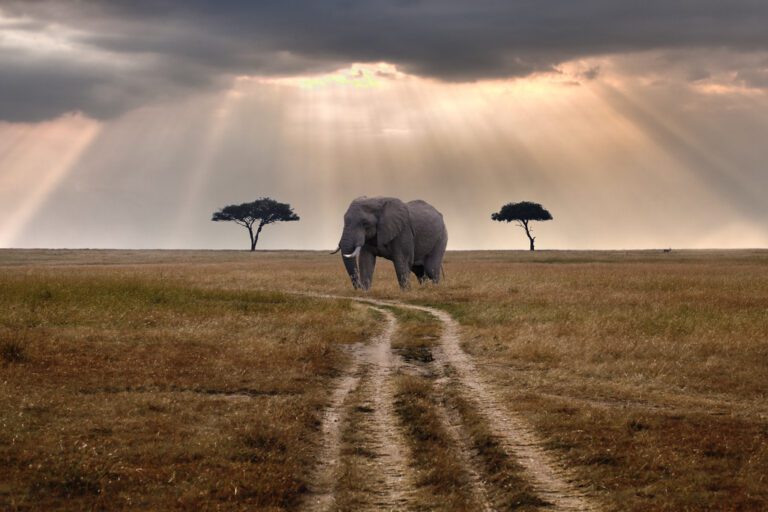
Tanzania in June: Dry season begins
Start of the long dry season
Western and central Serengeti, Tarangire and Ngorongoro
June marks the start of the long dry season. Vegetation thins, animals gather near water, and the Great Migration moves through the western corridor, where the herds may cross the Grumeti River. Tarangire comes alive with elephants, the weather is dry and pleasant, and conditions are excellent for game drives, walking safaris and Mount Kilimanjaro climbs.
Tanzania Safari in June →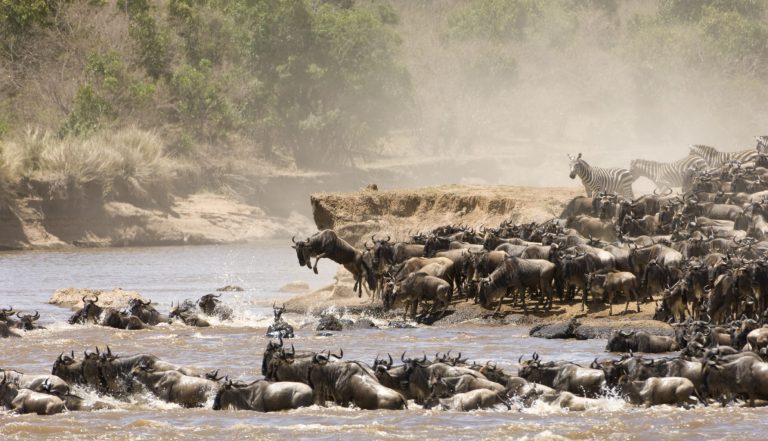
Tanzania in July: River crossings begin
Long dry season
Northern and western Serengeti, Tarangire and Ngorongoro
July is peak safari season in Tanzania. The herds head into the northern Serengeti, and the first dramatic Mara River crossings can begin. Game viewing is excellent across the northern circuit, the weather is dry and sunny with cool mornings, and Zanzibar enjoys pleasant beach weather. Book early, as the best camps near the river fill quickly.
Tanzania Safari in July →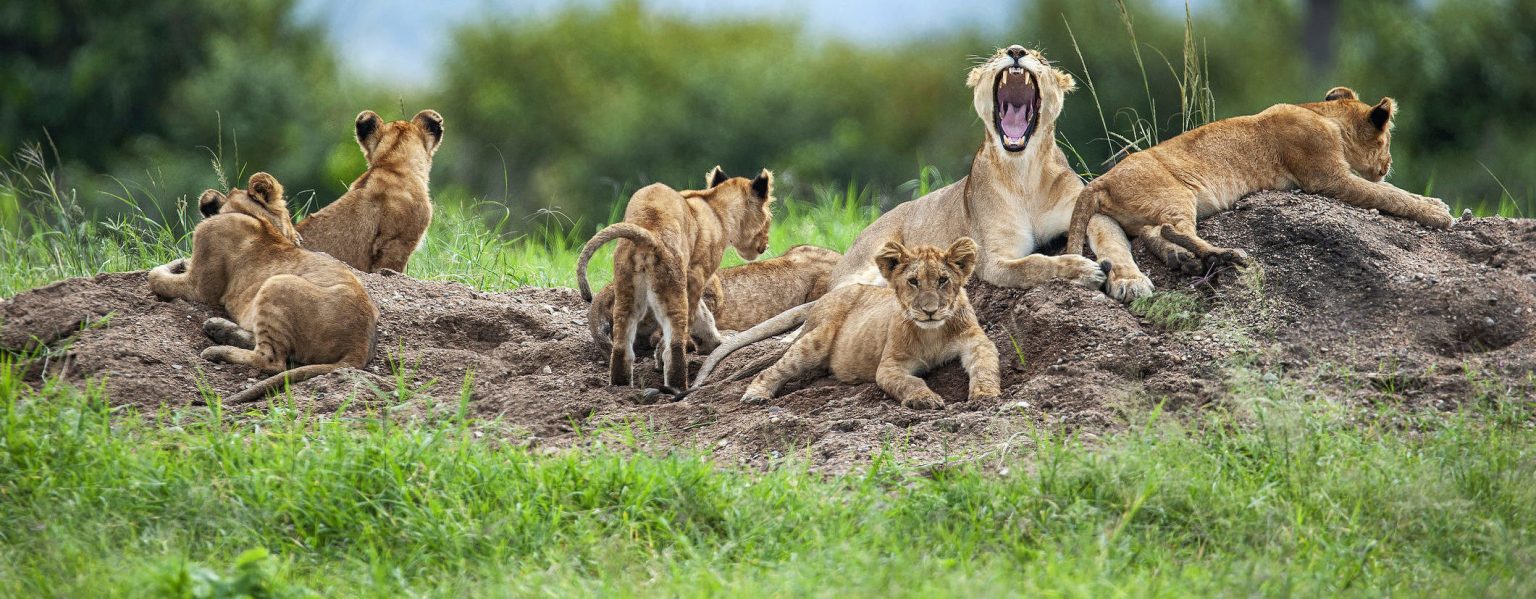
Tanzania in August: Mara River crossings
Long dry season
Northern Serengeti, Tarangire and Ngorongoro
August is one of the most popular months for a Tanzania safari, famous for the Great Migration river crossings in the northern Serengeti. Herds of wildebeest and zebras plunge into the Mara River while crocodiles wait. Dry weather gives excellent visibility across all northern parks, and it is a great month for Kilimanjaro and Zanzibar.
Tanzania Safari in August →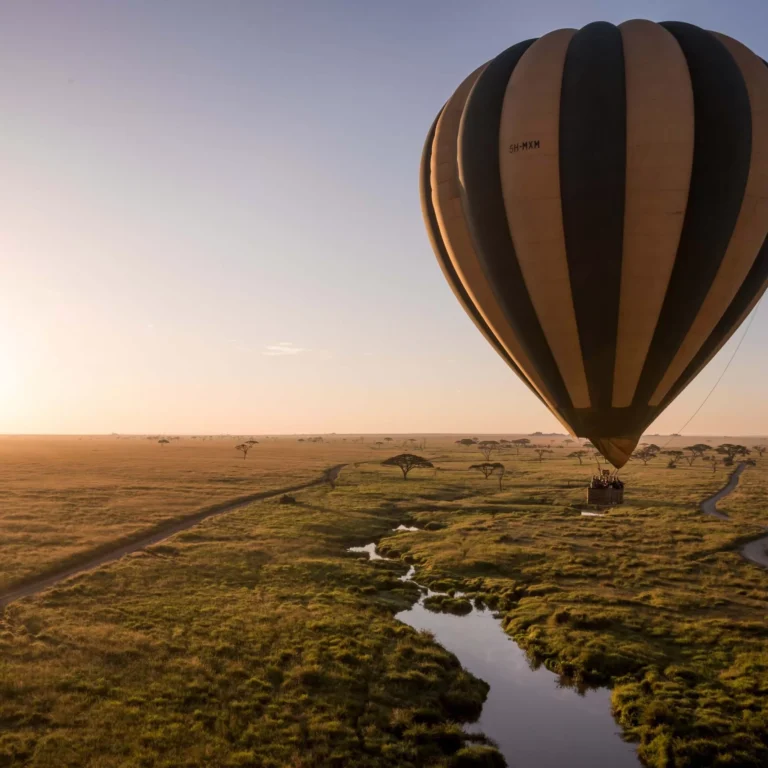
Tanzania in September: Crossings continue
Long dry season
Northern Serengeti, Tarangire and southern parks
September continues the excellent dry season. Mara River crossings often continue in the northern Serengeti, Tarangire's elephants gather along the river, and southern parks such as Nyerere and Ruaha are at their best. Days are warm and dry, visibility is superb, and slightly fewer visitors than in August make it a favourite month for experienced safari travellers.
Tanzania Safari in September →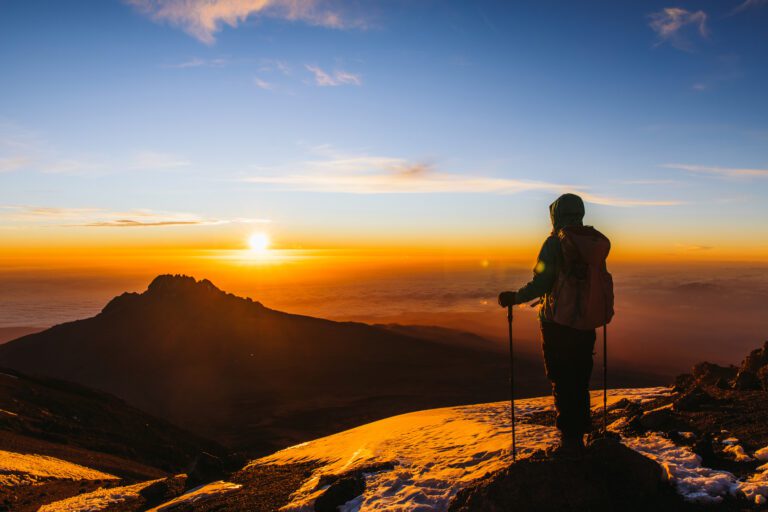
Tanzania in October: End of the dry season
Long dry season
Northern Serengeti, Tarangire, Ruaha and Nyerere
October is the end of the long dry season and a superb month for game viewing. The herds remain in the northern Serengeti, predators are active around the remaining water, and southern parks offer excellent sightings. Days are warm and dry, and crowds begin to ease later in the month, offering a lovely balance of wildlife and value.
Tanzania Safari in October →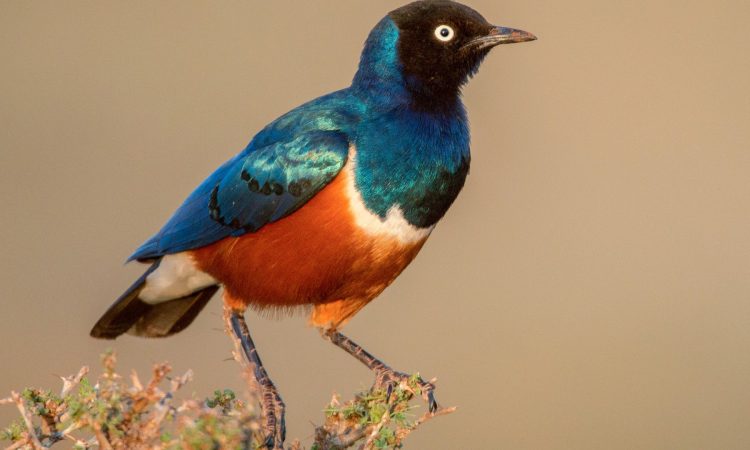
Tanzania in November: Short rains begin
Short rainy season
Central Serengeti, Ngorongoro, Tarangire and Lake Manyara
November brings the short rains, usually as brief afternoon showers. The landscapes turn green, migratory birds arrive and the wildebeest herds move south through the central Serengeti towards the southern plains. With fewer visitors and good value rates, November is an excellent month for a quieter safari, birdwatching and green, photogenic scenery across the northern circuit.
Tanzania Safari in November →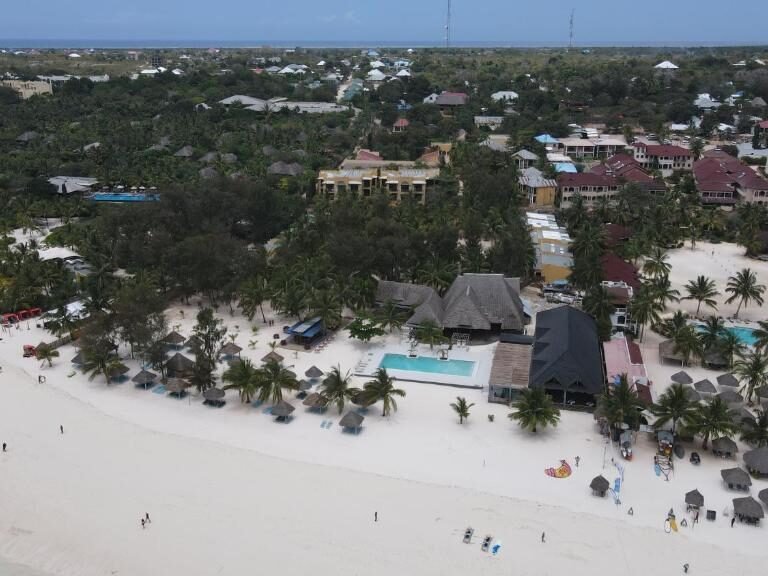
Tanzania in December: Herds return south
Short rains, then festive season
Southern Serengeti, Ngorongoro and Zanzibar
December sees the herds arriving back on the southern Serengeti plains, where calving will begin in the new year. Occasional showers keep the landscapes green and wildlife viewing is good. Early December is quiet and good value, while Christmas and New Year are very busy, so book early for a festive safari and Zanzibar beach holiday.
Tanzania Safari in December →Best Time for Each Tanzania Experience
The best time to visit Tanzania also depends on what you most want to see and do during your trip. The Great Migration river crossings, the calving season, a Kilimanjaro climb, a Zanzibar beach holiday, birdwatching and a great-value safari each have their own ideal months. The cards below show the best time for each experience, where to go and what to expect, with links to our detailed planning guides. Combining two or three experiences is easy with good timing, and our team will design your private itinerary around the best seasons. Tell us what matters most to you.
Great Migration River Crossings
The Mara River crossings in the northern Serengeti usually take place from July to October, when huge herds of wildebeest and zebras plunge through crocodile-filled water. Crossings depend on rainfall and herd movements, so allow at least three nights in the northern Serengeti and choose a well-located camp close to the main crossing points along the river.
Migration Calving Season
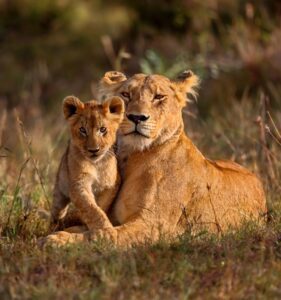
The calving season takes place on the short-grass plains of the southern Serengeti and Ndutu, usually from late January to March, with a peak in February. Thousands of calves are born each day, attracting lions, cheetahs and hyenas. It is one of the most exciting and rewarding times for predator action, wildlife photography and memorable game drives.
Climbing Mount Kilimanjaro
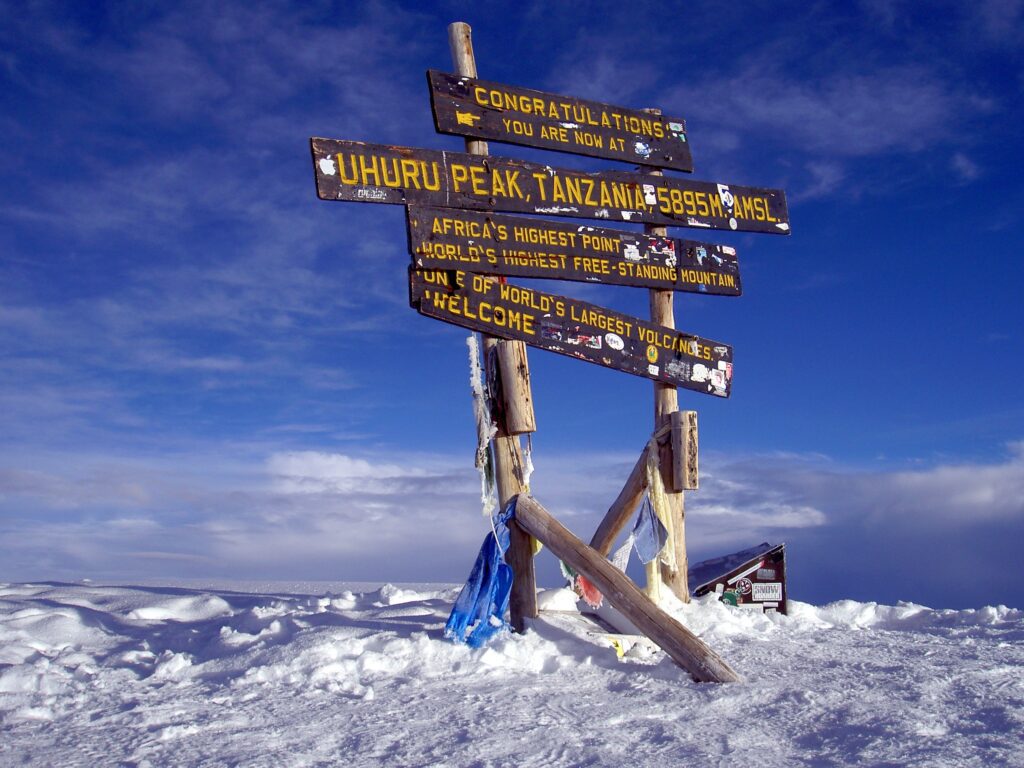
The best months to climb Kilimanjaro are January to early March and June to October, when the mountain is drier and summit views are clearer. June to October is cooler and busier, while January and February are warmer. Climbing during the long rains in April and May is possible but wetter, colder and more challenging for most climbers.
Zanzibar Beach Holidays
Zanzibar is best from June to October and from December to February, when the weather is sunny and dry with warm sea temperatures. March to May brings heavy rain and some hotels close, while November has short showers. Zanzibar combines easily with a safari at almost any time of year outside the long rains from March to May.
Birdwatching Safaris
Birdwatching is excellent all year in Tanzania, but the best season is November to April, when migratory birds from Europe and Asia arrive and many resident species show breeding colours. Lake Manyara, Tarangire, the Serengeti and Arusha National Park are all very rewarding, and the green season landscapes make bird photography especially attractive and colourful for keen photographers.
Best Value Safaris
For the best value, travel during the green season from March to May or in November, when many lodges offer lower rates and the parks are quiet. You still enjoy good wildlife viewing and lush scenery, especially in Ngorongoro Crater. Early June and late October can also offer a pleasing balance of value and wildlife.
Best Time to Visit Tanzania National Parks
Each of Tanzania's national parks has its own ideal season, depending on rainfall, water sources and the way wildlife moves through the landscape. The Serengeti and Ngorongoro Crater are rewarding all year, Tarangire and the southern parks shine in the dry season, and Lake Manyara is a birdwatching paradise during the green months. The cards below explain the best time to visit each major park, with links to our detailed park guides. Combining parks with complementary seasons helps you enjoy the best possible wildlife viewing on every safari day. Our guides know exactly where to find wildlife each month.
Serengeti National Park
The Serengeti is excellent all year because the Great Migration moves through different areas with the seasons. Visit the southern plains and Ndutu from December to March for calving, the western corridor around June, and the northern Serengeti from July to October for river crossings. Resident predators can be seen year-round in the central Seronera area.
Ngorongoro Crater
Ngorongoro Crater is a year-round destination, as its permanent water and grazing keep wildlife on the crater floor in every season. The dry months from June to October offer the easiest viewing, while the green season brings fewer vehicles. Mornings on the crater rim can be very cold from June to August, so pack warm layers.
Tarangire National Park
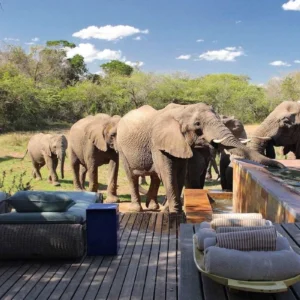
Tarangire is at its best during the dry season from June to October, when large herds of elephants, zebras, wildebeest and buffaloes gather along the Tarangire River, the only permanent water in the area. In the wet season animals disperse widely, but the park is green, quiet and excellent for birdwatching, photography and peaceful game drives.
Lake Manyara National Park
Lake Manyara can be visited all year. The dry season from June to October is best for general game viewing, including elephants and the park's famous tree-climbing lions, while the wet season from November to April is ideal for birdwatching, with flamingos, pelicans and many migratory species around the alkaline lake and its lush groundwater forests.
Ruaha and Nyerere
The southern parks of Ruaha and Nyerere are best from June to October, when the dry season concentrates wildlife around rivers and lakes. These remote parks offer quiet game drives, walking and boat safaris. Many camps close during the long rains from about March to May, when some roads become impassable, so plan your southern safari dates accordingly.
Mahale and Gombe Chimpanzees
Chimpanzee trekking in Mahale Mountains and Gombe Stream is possible all year, but the dry season from July to October is usually best, when forest trails are easier and chimpanzees are often found lower on the slopes. The wet months bring slippery paths and heavier rain, though the forests are beautifully green, lush and very quiet.
Seasonal Safari Packing Checklist
What you pack for a Tanzania safari depends partly on the season you travel in, as dry season mornings can be cold while green season afternoons bring warm rain. This interactive seasonal checklist covers the essentials for every safari, plus the extra items you need for the dry season, the rainy season and a Kilimanjaro or Zanzibar extension. Tick each item as you pack and follow your progress with the bar, or print the list to take with you on your trip. Our team also sends a detailed packing guide to every guest once their private safari is confirmed.
All Seasons0/5
Dry Season, June to October0/5
Rainy Season, Nov to May0/5
Beach and Mountain0/5
Tips for Choosing the Best Time to Visit Tanzania
Choosing when to travel is one of the most important decisions when planning a Tanzania safari, and a few simple tips make it much easier. Our experienced local team in Arusha plans safaris in every month of the year and knows how weather, wildlife movements, crowds and lodge rates change through the seasons. The tips below explain how to book for peak months, why the rain is nothing to fear, how to follow the migration and how to balance parks with seasons. Together they help you plan a private safari that perfectly matches your travel dates and interests.
Book Early for Peak Months
The best camps for river crossings and calving fill quickly, especially from July to October and around Christmas and New Year. Booking six to twelve months ahead gives you the widest choice of lodges, locations and balloon flights. Green season trips can often be arranged at shorter notice, with more flexibility, quieter parks and better rates.
Don't Fear the Rain
Rain in Tanzania usually falls as heavy afternoon showers rather than all-day downpours, leaving mornings clear for game drives. The green season brings lush scenery, newborn animals, wonderful birdlife and fewer vehicles at sightings. With a good, experienced guide and a sturdy safari vehicle, rainy season safaris are rewarding, peaceful, memorable and excellent value for money.
Follow the Migration, Not the Calendar
The Great Migration follows the rains, so its timing changes slightly every year. Rather than fixing a single location, plan your safari around the expected herd movements for your month and allow enough nights in the right area. Our guides stay in touch with each other daily to find the herds for you on every game drive.
Balance Parks and Seasons
Combine parks that suit your travel month. In the dry season, add Tarangire and the northern Serengeti; in the calving season, focus on Ndutu and Ngorongoro; in the green season, enjoy Ngorongoro, Lake Manyara and the central Serengeti. A private safari lets us adjust your route to match current conditions, wildlife movements and your own interests.
Tanzania Seasons and Planning Guides
Tanzania Safari Seasons: FAQs
What is the best time to visit Tanzania for a safari?
The best time is the long dry season from June to October, when wildlife gathers near water and the Great Migration crosses the Mara River. January and February are also excellent for the calving season.
What are the safari seasons in Tanzania?
Tanzania has four seasons: the short dry season in January and February, the long rains from March to May, the long dry season from June to October and the short rains in November and December.
When is the rainy season in Tanzania?
The long rains fall from March to May, with April usually the wettest month. The short rains come in November and early December, mostly as brief afternoon showers.
Is it worth going on safari in the rainy season?
Yes. The green season offers lush scenery, newborn animals, excellent birdlife, fewer visitors and lower lodge rates. Rain usually falls in the afternoon, leaving mornings clear for game drives.
When is the Great Migration in Tanzania?
The herds stay in the Serengeti ecosystem most of the year. Calving takes place in the southern Serengeti from about January to March, and Mara River crossings usually happen from July to October.
What is the best month to visit Tanzania?
July, August and September are excellent for river crossings and dry season game viewing, while February is the best month for the calving season. The ideal month depends on your interests.
When is the cheapest time to go on safari in Tanzania?
The green season from March to May is usually the cheapest, with lower lodge rates and fewer visitors. November and early December can also offer good value.
When is the best time to climb Kilimanjaro?
The best months are January to early March and June to October, when the mountain is drier and views are clearer. April and May are the wettest months on the mountain.
When is the best time to visit Zanzibar?
Zanzibar is best from June to October and December to February, when it is dry and sunny. March to May is the long rainy season, and November brings short showers.
Is Ngorongoro Crater good all year?
Yes. Ngorongoro Crater has permanent water and grazing, so wildlife stays on the crater floor all year. Mornings on the rim can be very cold from June to August.
How cold does it get on safari in Tanzania?
Days are usually warm, but early mornings and evenings can be cold from June to August, especially at Ngorongoro Crater and in open safari vehicles. Pack a warm fleece or jacket.
Is December a good time for a Tanzania safari?
Yes. The herds return to the southern Serengeti, landscapes are green and wildlife viewing is good. Early December is quiet, while Christmas and New Year are busy and book up early.
Are any safari camps closed during the rainy season?
Some camps close during the long rains, especially in remote areas and southern parks such as Ruaha and Nyerere, usually around April and May. Most northern lodges stay open all year.
How far ahead should I book a Tanzania safari?
For July to October and the festive season, book six to twelve months ahead for the best choice of camps. Green season safaris can often be arranged at shorter notice.
Plan Further: Tanzania Safaris and Destinations
Tanzania Safaris
Destinations
Plan Your Private Tanzania Safari
Tell us when you would like to travel and what you most want to see, and our local team in Arusha will design a private tailor-made safari timed for the best wildlife and weather.
Book Now Online →What Our Travelers Say
Real 5-star reviews from guests who traveled with us