The best camera for safari photography is a mirrorless camera with fast animal eye autofocus, a quick burst rate, good low-light performance and weather sealing, paired with a telephoto zoom lens of around 100 to 400 or 150 to 600 millimetres. Full-frame models offer the best image quality, while APS-C cameras give extra reach and save weight. This guide compares the best safari cameras by category, the best lenses, key features, mirrorless versus DSLR, setups for every level and a camera bag checklist from our friendly and experienced local safari team in Arusha, northern Tanzania, with honest, practical advice.
What is the best camera for safari photography?
The best camera for safari photography is a modern mirrorless camera with fast subject-detection autofocus, a high burst rate, strong low-light performance and weather sealing. Popular choices include full-frame models such as the Sony A7R V, Nikon Z8 and Canon EOS R5 Mark II, and APS-C models such as the Canon EOS R7 and Sony A6700 for extra reach. Pair the camera with a telephoto zoom lens of around 100 to 400 or 150 to 600 millimetres for distant wildlife.
Best Cameras for Safari Photography by Category
There is no single perfect safari camera for everyone, because the right choice depends on your budget, experience, luggage limits and the photographs you want to take. High-resolution full-frame bodies deliver the best detail, speed-focused models excel at action, APS-C and Micro Four Thirds systems add reach in a lighter kit, and bridge cameras keep things simple. Select each tab below to see example cameras, why to choose each type, the ideal lens pairing and who it suits best. Camera models change quickly, so always check the latest versions before buying. We happily advise on gear for your trip.
Best Overall Safari Camera: High-Resolution Full Frame
Sony A7R V, Nikon Z8, Canon EOS R5 Mark II
Superb detail, cropping power and advanced animal autofocus
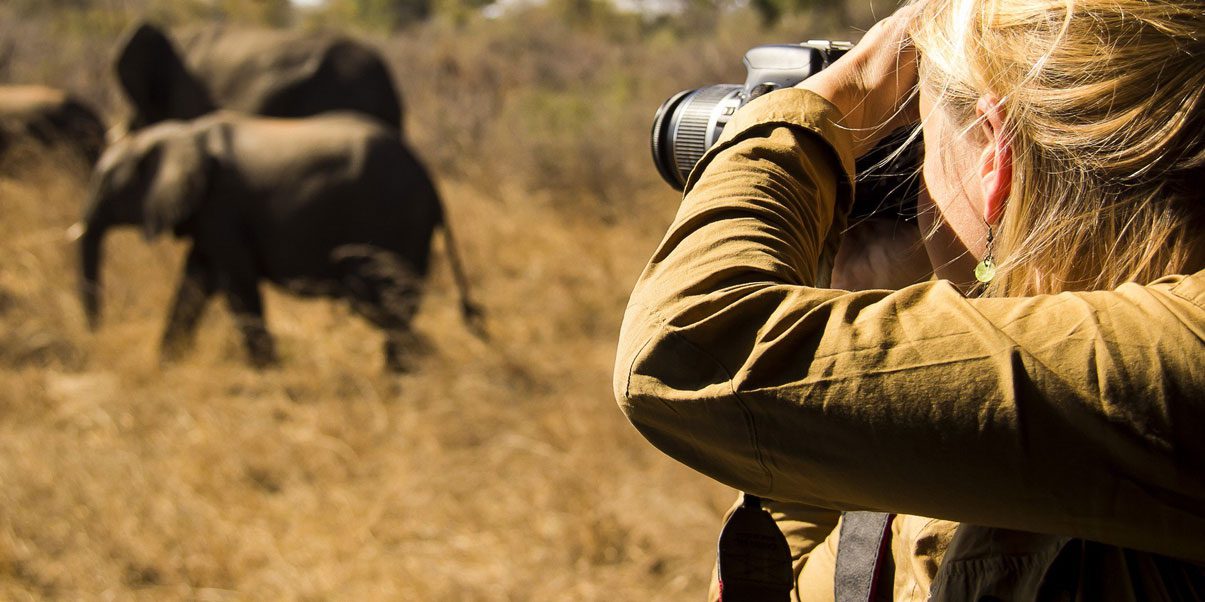
High-resolution full-frame mirrorless cameras deliver outstanding image quality, excellent dynamic range and the freedom to crop distant animals heavily without losing detail. Their advanced subject-detection autofocus locks onto animal and bird eyes reliably. They are ideal for keen photographers who want the best possible results from every sighting, from leopards resting in trees to sweeping Serengeti landscapes.
Photography Safaris →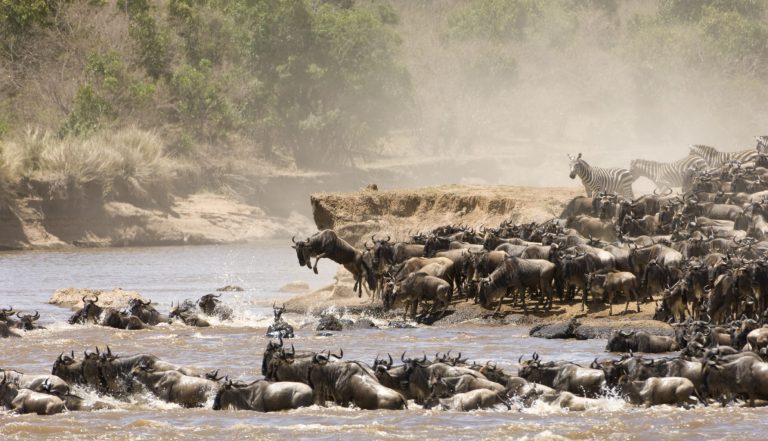
Best Safari Camera for Fast Action
Sony A9 III, Nikon Z9, Nikon Z8
Very high burst rates and tracking for split-second moments
For running cheetahs, river crossings and birds in flight, a professional speed-focused camera captures fleeting moments that others often miss. These bodies offer very high burst rates, deep buffers and fast, accurate tracking autofocus. The Sony A9 III even uses a global shutter that eliminates rolling-shutter distortion, making it exceptional for fast wildlife action photography on safari.
Great Migration Safaris →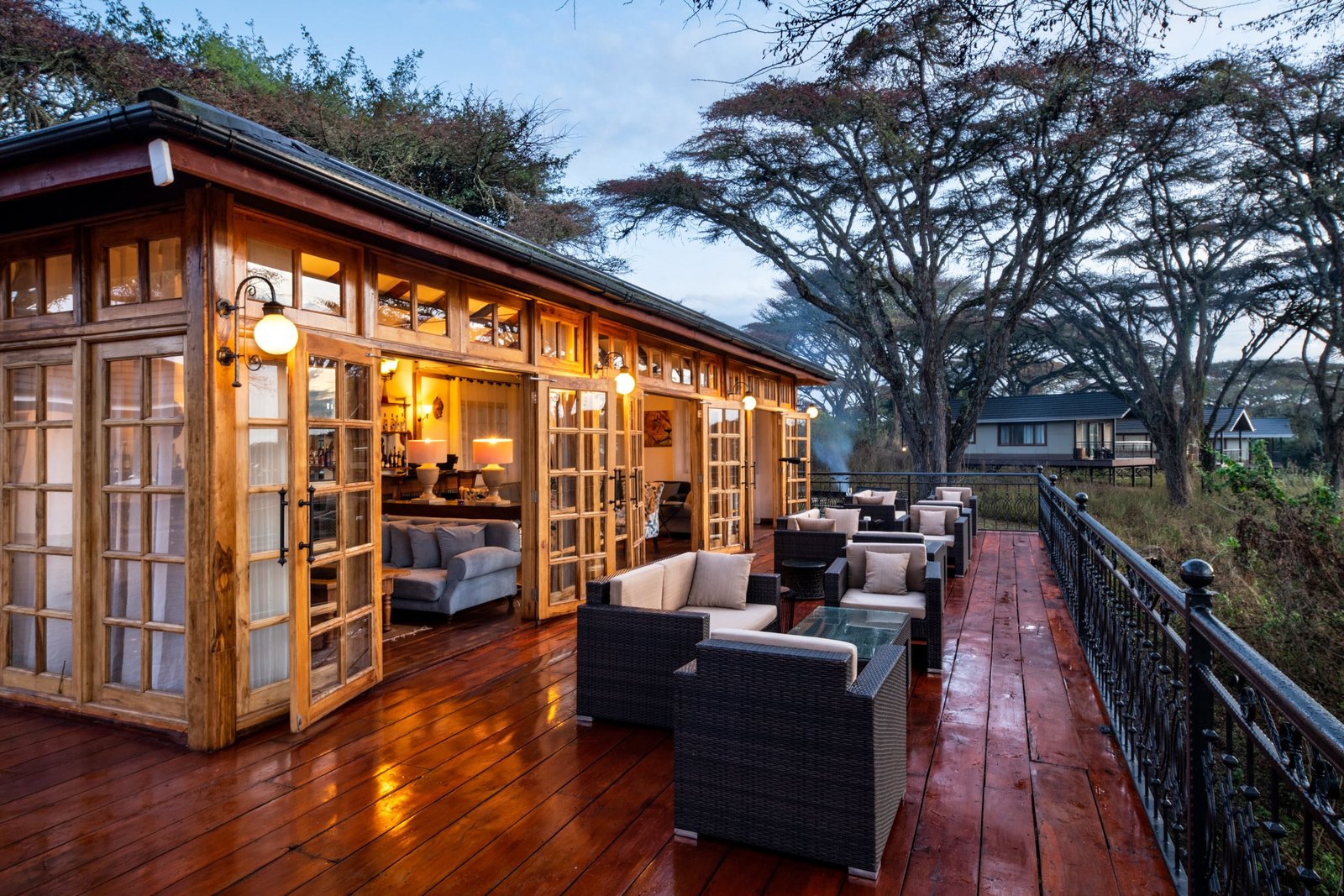
Best Value Full-Frame Safari Camera
Nikon Z6III, Canon EOS R6 Mark II, Sony A7 IV
Excellent low-light quality and autofocus for the price
Mid-range full-frame mirrorless cameras offer a superb balance of image quality, low-light performance, autofocus and price. They handle sunrise and sunset game drives very well indeed, and their resolution is more than enough for large prints. Paired with a good telephoto zoom, they make an outstanding all-round safari kit for enthusiastic travellers visiting Tanzania's national parks.
Safari Photography Tips →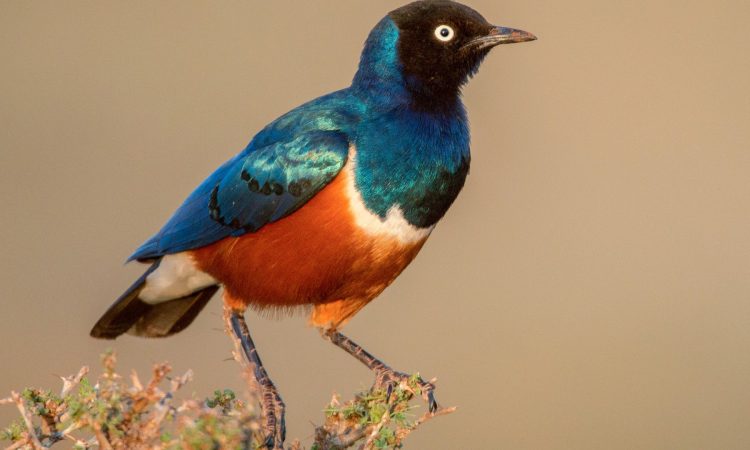
Best APS-C Camera for Safari Reach
Canon EOS R7, Sony A6700, Fujifilm X-H2S
The crop factor makes distant animals appear closer
APS-C cameras have a smaller sensor with a crop factor of about 1.5 or 1.6, so a 400 millimetre lens frames like a 600 or 640 millimetre lens on full frame. This extra reach is perfect for birds and shy wildlife, and the bodies and lenses are usually lighter and more affordable than full-frame equivalents.
Birds of Tanzania →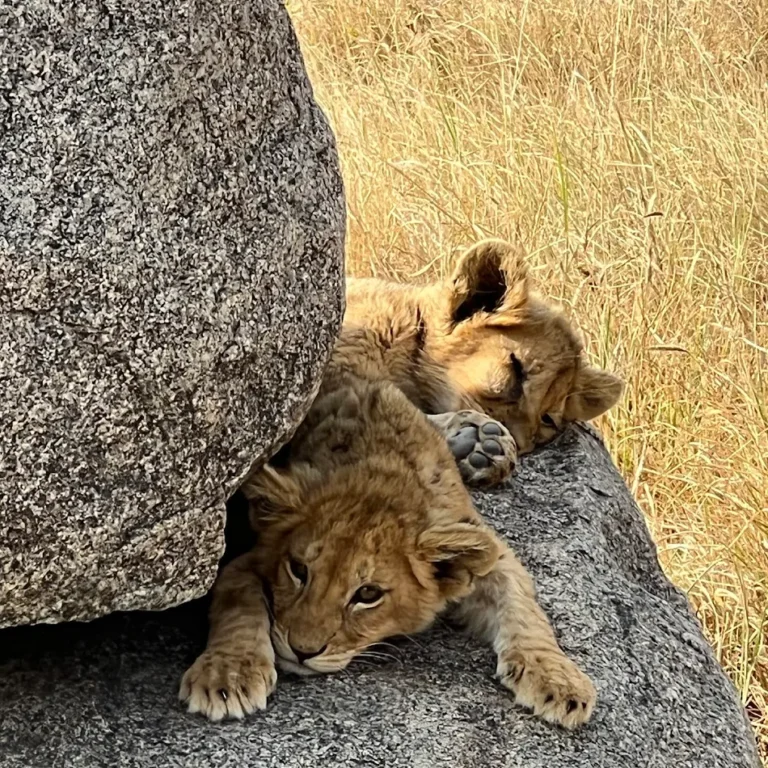
Best Lightweight Safari Camera System
OM System OM-1 Mark II and Micro Four Thirds lenses
A 2x crop factor gives huge reach in a small kit
Micro Four Thirds cameras have a 2x crop factor, so compact telephoto lenses give enormous reach, ideal when flying between parks with strict luggage limits. Systems such as the OM System OM-1 Mark II are rugged, well weather sealed and offer fast burst shooting. Image quality in very low light is slightly behind larger sensors.
Safari Packing Guide →
Best Safari Camera for Beginners
Canon EOS R10, Nikon Z50 II, Sony A6400
Simple, light and capable entry-level mirrorless cameras
Entry-level APS-C mirrorless cameras are an excellent way to start safari photography. They are light, easy to use and offer good autofocus with animal detection on many models. Paired with an affordable telephoto zoom of around 70 to 300 or 100 to 400 millimetres, they produce impressive images on a first Tanzania safari without breaking the budget.
Safari Tips for First-Timers →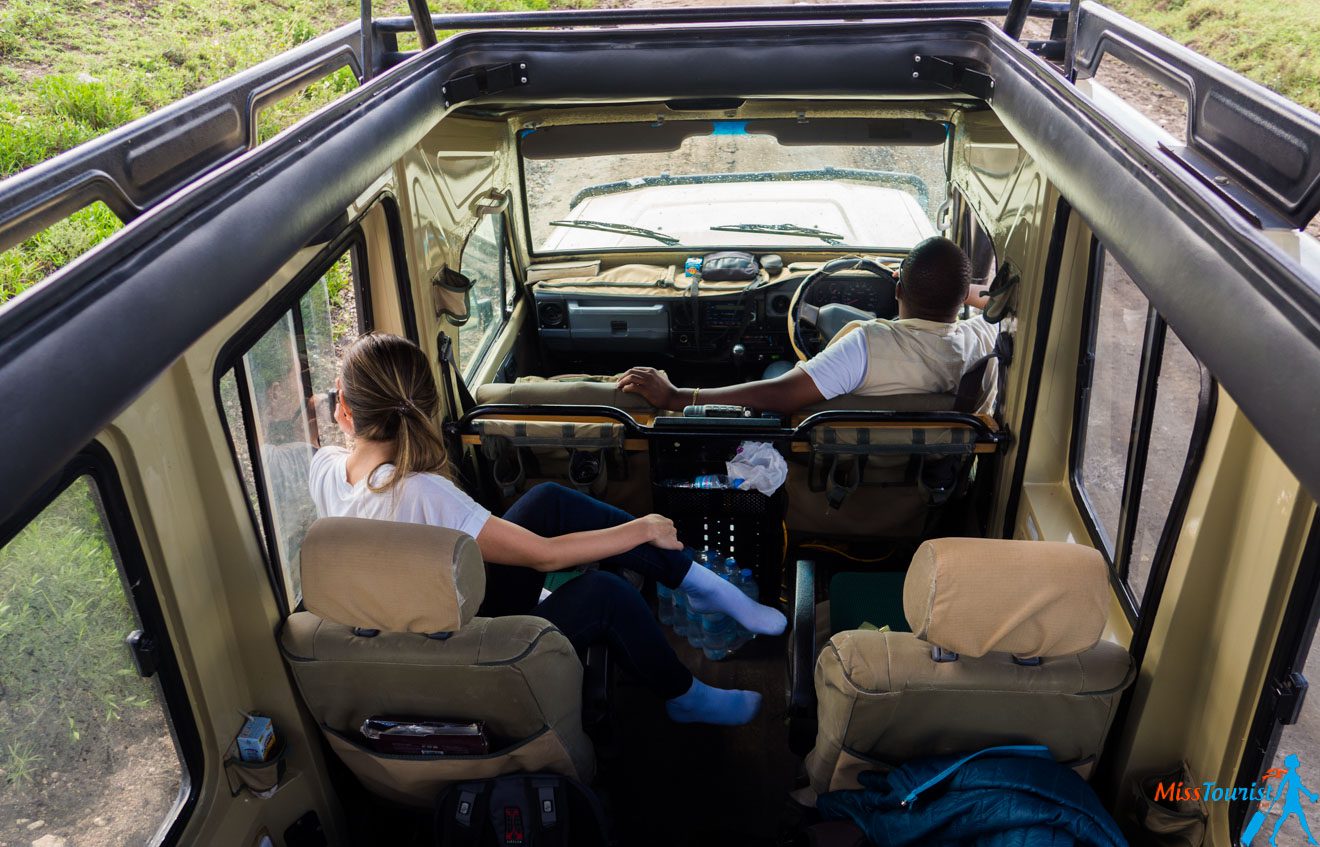
Best Bridge Camera for Safari
Sony RX10 IV, Nikon Coolpix P1000
One camera with a built-in long zoom and no lens changes
Bridge cameras combine a body and a long built-in zoom lens in one package, so there are no lens changes and no dust on the sensor. The Sony RX10 IV offers a superb 24 to 600 millimetre equivalent zoom with fast autofocus, while the Nikon P1000 reaches even further. Image quality is lower in poor light.
Private Safaris →
Using a Smartphone on Safari
Modern flagship phones with telephoto lenses
Great for landscapes, camp life and video
Modern smartphones take excellent landscape, people and camp photos, and they are ideal for video and quick sharing. Their limited optical zoom struggles with distant wildlife, and heavy digital zoom reduces quality. Many travellers combine a phone for wide scenes with a dedicated telephoto camera for animals, giving them the best of both worlds on safari.
Photography Tips →Best Lenses for Safari Photography
The lens is often more important than the camera body on safari, because most wildlife is seen at a distance from the vehicle. A versatile telephoto zoom is the essential lens for almost every photographer, while longer zooms, primes, standard zooms and teleconverters add flexibility for different subjects and situations. The cards below explain the best lenses for safari photography, including popular focal lengths, their strengths and who they suit best. Choose lenses that match your camera system, budget and luggage allowance for small aircraft flights. A good lens makes a bigger difference than an expensive new camera body.
100 to 400 mm Zoom
A 100 to 400 millimetre zoom, or Canon's RF 100 to 500 millimetre, is the most versatile safari lens. It covers elephants close to the vehicle and lions further away, and it is light enough to handhold for long game drives. It is the best first telephoto lens for most safari photographers and keen travellers alike.
150 to 600 or 200 to 600 mm Zoom
Longer zooms such as the Sony 200 to 600, Nikon Z 180 to 600, Sigma 150 to 600 or Tamron 150 to 500 millimetres give valuable extra reach for birds, leopards in trees and shy animals. They are heavier, so a beanbag is essential, but they deliver outstanding results across the Serengeti, Tarangire and Ngorongoro Crater.
Super-Telephoto Primes
Professional primes such as 500 or 600 millimetre lenses offer the sharpest images, wide apertures and superb low-light performance, but they are large, heavy and very expensive to buy or insure. They suit dedicated professionals on specialist photographic safaris, where vehicle space and luggage allowances have been planned carefully around large, heavy camera bags and long lenses.
Standard and Wide Zooms
A standard zoom such as 24 to 70 or 24 to 105 millimetres, or a wide-angle zoom, is simply perfect for landscapes, sunsets, camp scenes, people and animals that come very close to the vehicle. It also helps you capture the vast scale of the Serengeti plains and Ngorongoro Crater's dramatic walls on your Tanzania trip.
70 to 200 mm Zoom
A 70 to 200 millimetre zoom with a wide aperture is excellent for close wildlife encounters, portraits of animals near the vehicle, cultural visits and low-light scenes at dawn and dusk. It pairs well with a longer telephoto zoom, giving you fast, high-quality coverage of the middle focal lengths on safari, especially when animals come close.
Teleconverters
A 1.4x or 2x teleconverter extends the reach of compatible telephoto lenses without carrying another lens. A 1.4x converter usually keeps image quality high, while a 2x converter loses more light and sharpness. They are especially useful for birds and distant wildlife in good light, but always check compatibility with your lens and camera body first.
Key Features of the Best Safari Camera
Choosing the best camera for safari photography is easier when you know which features matter most in the bush. Fast animal eye autofocus, a quick burst rate, the right sensor size, good low-light performance, weather sealing and reliable battery life all help you capture sharp, memorable wildlife images. The cards below explain each key feature and why it matters on a Tanzania safari. Use them as a checklist when comparing cameras, reading reviews or deciding whether to upgrade your current equipment before your trip. Prioritise autofocus, lens quality and reliability over megapixels, as these matter most in the field.
Animal Eye Autofocus
Modern subject-detection autofocus recognises animals and birds and locks onto their eyes automatically, even as they move quickly through grass. It is the single biggest improvement in wildlife photography in recent years. Look for reliable animal, bird and vehicle detection, plus strong tracking, so you can concentrate on composition and timing rather than worrying about focus.
Burst Rate and Buffer
A fast burst rate of around ten frames per second or more helps capture split-second action, such as a cheetah sprinting or a bird taking off from a branch. A deep buffer lets you shoot long sequences without the camera slowing down. Fast memory cards are just as important to clear the buffer quickly between bursts of action.
Sensor Size and Resolution
Full-frame sensors offer the best low-light quality and dynamic range, while APS-C and Micro Four Thirds sensors add reach with their crop factor. Higher resolution gives you more room to crop distant animals and birds. For most safari travellers, around 24 to 45 megapixels offers an excellent balance of detail, speed and file size for editing and storage.
Low-Light Performance
Some of the best wildlife action happens at dawn and dusk, when light is low. A camera that produces clean images at high ISO settings, such as 3200 or 6400, makes a big difference to your results. In-body image stabilisation also helps you use slower shutter speeds for still subjects in soft light, such as resting lions.
Weather Sealing and Durability
Safari conditions are dusty, bumpy and sometimes wet, especially in the green season. Weather-sealed bodies and lenses resist dust and moisture much better, protecting your valuable investment and reducing the risk of costly problems far from repair shops in the bush. A strong, comfortable grip also helps when handling heavy telephoto lenses for long periods on game drives.
Battery Life and Charging
Game drives can last all day long, and some camps have limited charging. Choose a camera with good battery life, carry at least two fully charged spare batteries and bring a car charger or power bank. Mirrorless cameras use more power than DSLRs, so spare batteries are especially important for them on a long Tanzania safari.
Mirrorless vs DSLR and Safari Camera Setups
Many travellers wonder whether to choose mirrorless or DSLR, full frame or APS-C, and how much camera gear they really need for a Tanzania safari. The answer depends on your experience, budget and photographic goals, and every level of setup can produce outstanding wildlife images. The cards below compare mirrorless and DSLR, full frame and APS-C, and explain entry-level, enthusiast and professional setups, plus the option of renting gear. Whatever you choose, practise with your camera before travelling so you are ready when wildlife appears. There is no wrong choice, only the setup that best matches your goals.
Mirrorless vs DSLR
Mirrorless cameras now lead wildlife photography, with advanced subject-detection autofocus, silent shooting, electronic viewfinders that preview exposure and lighter, more compact bodies. DSLRs still take excellent safari photos, offer long battery life and can be great value second-hand, but most new lenses and features are now designed for mirrorless systems, which makes them a better long-term investment.
Full Frame vs APS-C
Full-frame cameras offer better low-light quality, dynamic range and background blur, while APS-C cameras add reach through their crop factor and are usually lighter and more affordable. For birds and distant wildlife on a budget, APS-C is excellent, while full frame suits photographers who shoot often at dawn and dusk or want the best overall image quality.
Entry-Level Setup
An entry-level safari setup pairs an APS-C mirrorless camera with an affordable 70 to 300 or 100 to 400 millimetre zoom and a phone for wide scenes. It is light, simple and capable of producing impressive images. Add spare batteries, memory cards and a beanbag for a complete beginner kit on your first safari trip to Tanzania.
Enthusiast Setup
An enthusiast setup combines a full-frame or high-end APS-C mirrorless body with a 100 to 400 or 150 to 600 millimetre zoom and a 24 to 105 millimetre standard zoom. It handles almost every safari situation, from distant leopards to landscapes, and delivers excellent results in a manageable, reasonably portable kit for travel on small aircraft.
Professional Setup
A professional safari setup often includes two high-end bodies, a super-telephoto prime or long zoom, a 70 to 200 millimetre zoom and a wide lens, so lenses never need changing in the dust. It requires careful luggage planning for small aircraft, and a private vehicle gives the space needed for large camera bags and long lenses.
Renting Camera Gear
If you do not want to buy expensive lenses, renting a telephoto zoom or professional body before your trip is a smart option. It lets you use top-quality equipment for a fraction of the cost. Practise with rented gear for a few days at home before travelling, so you are fully comfortable with it before your safari.
Safari Camera Bag Checklist
A well-packed camera bag means you are ready for every sighting and never miss a moment because of a flat battery or full memory card. This interactive checklist covers your camera bodies and lenses, power and storage, protection and support, and the useful extras that make photography on game drives easier and more enjoyable. Tick each item as you pack and follow your progress with the bar, or print the list to use at home while packing. Keep your camera bag as hand luggage on all flights and check the weight limits for small aircraft flying between parks.
Cameras and Lenses0/5
Power and Storage0/5
Protection and Support0/5
Useful Extras0/5
Safari Photography Guides
Best Camera for Safari Photography: FAQs
What is the best camera for safari photography?
A modern mirrorless camera with animal eye autofocus, a fast burst rate, good low-light performance and weather sealing is best. Popular choices include the Sony A7R V, Nikon Z8 and Canon EOS R5 Mark II.
What is the best budget camera for a safari?
Entry-level APS-C mirrorless cameras such as the Canon EOS R10, Nikon Z50 II or Sony A6400, paired with a 70 to 300 or 100 to 400 millimetre zoom, offer excellent value.
What lens is best for safari photography?
A telephoto zoom of around 100 to 400 or 150 to 600 millimetres is the most important safari lens, plus a standard or wide zoom for landscapes and close encounters.
Is mirrorless or DSLR better for safari?
Mirrorless cameras are now generally better, with advanced animal eye autofocus, silent shooting and lighter bodies. DSLRs still work well and can be good value.
Is full frame or APS-C better for wildlife?
Full frame gives better low-light quality, while APS-C adds reach through its crop factor and is lighter. Both are excellent choices for a safari.
What is the best camera for bird photography on safari?
A camera with fast bird-detection autofocus and a high burst rate, such as the Canon EOS R7, Sony A6700, Nikon Z8 or OM System OM-1 Mark II, paired with a long telephoto zoom.
Is a bridge camera good for safari?
Yes. Bridge cameras such as the Sony RX10 IV offer a long built-in zoom with no lens changes, which is simple and dust-free, though image quality is lower in poor light.
Can I use my phone instead of a camera on safari?
A phone is great for landscapes, people and video, but its limited zoom struggles with distant wildlife. A telephoto camera gives much better animal photos.
How many megapixels do I need for safari photography?
Around 24 to 45 megapixels is ideal for most travellers. Higher resolution helps when cropping distant animals, but creates larger files that fill memory cards faster.
Do I need weather sealing on safari?
It is strongly recommended. Safari roads are dusty and the green season can be wet, so weather-sealed cameras and lenses are more reliable in the bush.
Should I bring two camera bodies on safari?
Two bodies with different lenses save time and reduce dust on the sensor, which is ideal for keen photographers. One good camera with a versatile zoom suits most travellers.
Can I rent camera gear for a safari?
Yes. Renting a telephoto lens or professional body is a smart way to use top equipment at lower cost. Practise with it at home before your trip.
How many batteries should I bring on safari?
Bring at least two spare batteries, a charger and a car charger or power bank, as game drives are long and charging can be limited at some camps.
What other gear do I need for safari photography?
Bring a beanbag, plenty of fast memory cards, a backup drive, a rain and dust cover, a blower and cleaning cloth, and binoculars for spotting wildlife.
Plan Further: Tanzania Safaris and Destinations
Tanzania Safaris
Destinations
Plan Your Private Photographic Safari
Tell us your dates, camera gear and photography goals, and our local team in Arusha will design a private tailor-made safari planned around the best light, wildlife and locations.
Book Now Online →What Our Travelers Say
Real 5-star reviews from guests who traveled with us