The Big Five and Beyond – Must-See Tanzania Safari Wildlife
The Big Five and Beyond – Must-See Tanzania Safari Wildlife
Tanzania stands as one of Africa’s ultimate safari destinations, a land where untamed wilderness, iconic landscapes, and extraordinary wildlife encounters define the journey. From the vast Serengeti plains to the dramatic Ngorongoro Crater, Tanzania safari wildlife experiences offer unmatched diversity. Travelers from around the world come seeking the legendary Big Five—lion, leopard, elephant, buffalo, and rhino—but quickly discover that Tanzania offers far more. This East African paradise is home to the Great Migration, rare birdlife, elusive predators, and vibrant ecosystems that create unforgettable moments. Whether you are planning a luxury safari, budget adventure, honeymoon getaway, or family trip, Tanzania delivers exceptional game viewing year-round. In this guide, we explore the Big Five and beyond, uncovering must-see wildlife experiences, top safari destinations, and expert travel insights to help you plan the ultimate Tanzania safari adventure.
The Big Five: Africa’s Most Iconic Wildlife
African Lion (Panthera leo)
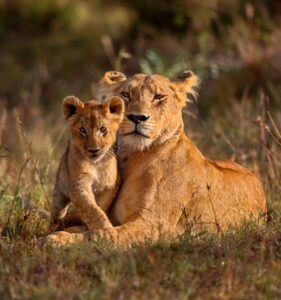
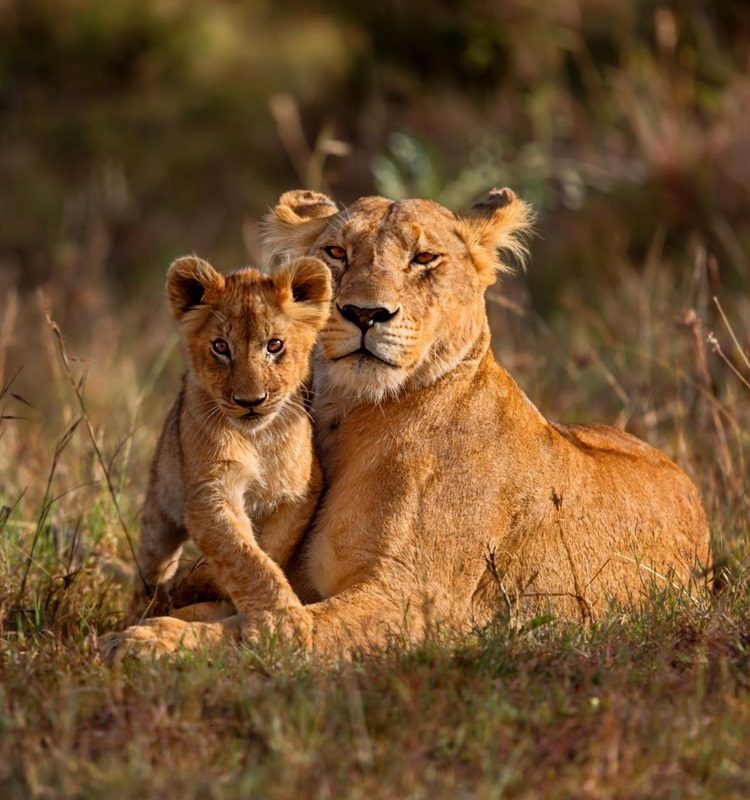
The African lion is one of the most sought-after animals on a Tanzania safari, symbolizing power and wilderness. Found in iconic destinations like Serengeti National Park and Ngorongoro Crater, lions are often seen resting under acacia trees or stalking prey during early morning and evening game drives. Tanzania hosts some of Africa’s largest lion populations, making it a prime location for wildlife photography and luxury safari tours. Watching a pride interact offers unforgettable safari moments, from playful cubs to dominant males guarding territory. Lions are the top highlights in Tanzania wildlife safaris, big cat safari tours, and Great Migration experiences. Their dramatic hunting behavior and social structure attract photographers, filmmakers, and travelers seeking authentic African safari adventures and unforgettable wildlife encounters.
African Elephant (Loxodonta Africana)
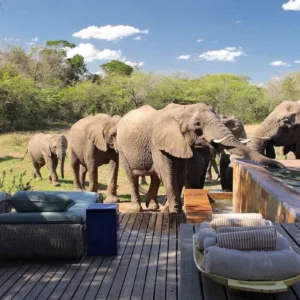
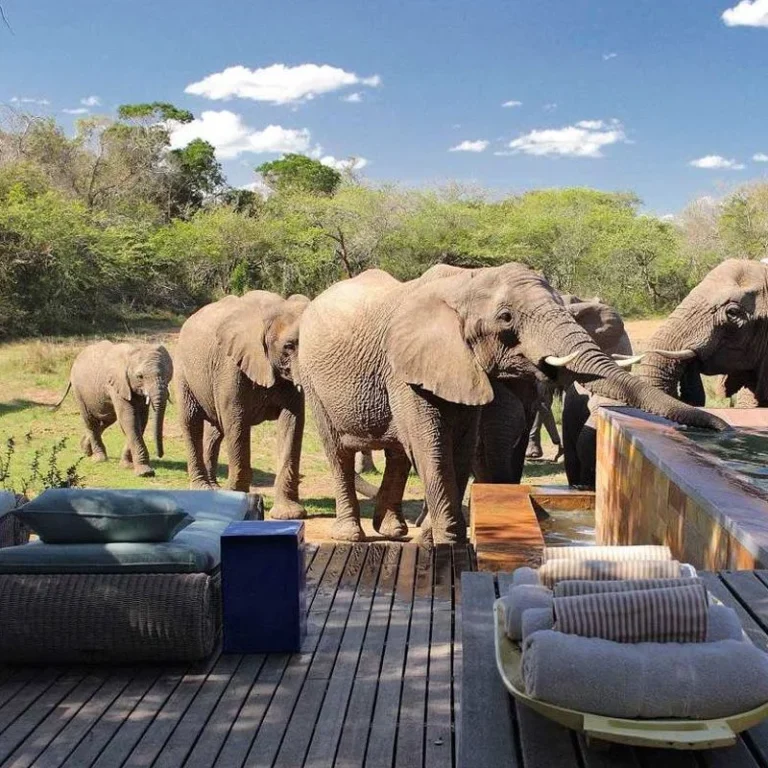
The African elephant, the largest land animal on Earth, is a majestic highlight of any safari tour in Tanzania. Herds roam freely in Tarangire National Park, famous for its high elephant density and iconic baobab trees. These gentle giants display strong family bonds, often seen protecting calves and communicating through deep rumbles. Tanzania offers some of the best elephant safari experiences in Africa, especially during the dry season when herds gather near rivers. Elephant sightings are a highlight of every Tanzania safari, from family trips to photographic safaris. Their intelligence, size, and emotional behavior make them unforgettable. From close encounters to panoramic landscapes filled with herds, elephants represent the essence of Tanzania wildlife safaris and are a must-see for anyone planning a dream African safari.
African Leopard (Panthera pardus)
Elusive and graceful, the African leopard is a prized sighting for safari enthusiasts visiting Tanzania. Known for its solitary nature and incredible camouflage, leopards are often spotted draped over tree branches in Lake Manyara National Park or hidden within the plains of Serengeti National Park. These nocturnal predators are skilled hunters, making sightings rare but thrilling. Tanzania is one of the best destinations for leopard safaris, especially for experienced guides who know where to look. Leopard sightings enhance luxury safari experiences, big cat safaris, and photography tours. Their mysterious behavior and stunning spotted coats make them a favorite among wildlife lovers. Encountering a leopard in the wild is often described as one of the most magical moments of a Tanzania safari adventure.
African Buffalo (Syncerus caffer)
The African buffalo is one of the most underestimated members of the Big Five, yet it plays a vital role in Tanzania’s ecosystem. Often found in large herds across Serengeti National Park and Ruaha National Park, buffalo are known for their unpredictable nature and formidable strength. They are a favorite target for predators like lions, leading to dramatic wildlife encounters. Buffalo sightings are common on Tanzania safaris, making them accessible for both first-time visitors and seasoned travelers. Their social structure, herd protection strategies, and resilience make them fascinating to observe. Buffalo are essential highlights in Tanzania wildlife tours, safari packages, and African game drives, contributing to the authentic wilderness experience that defines Tanzania as a top safari destination.
Black Rhinoceros (Diceros bicornis)
The black rhinoceros is the rarest of the Big Five and a true conservation success story in Tanzania. Best seen in Ngorongoro Crater, these critically endangered animals are heavily protected. Spotting a rhino is a highlight of any Tanzania safari, offering a sense of privilege and awe. Known for their solitary behavior and powerful build, black rhinos are browsers, feeding on shrubs and bushes. Tanzania’s conservation efforts have helped stabilize its population, making sightings possible with expert guides. Rhino encounters are key attractions for luxury safaris, eco-tourism, and wildlife conservation tours. Seeing a black rhino in its natural habitat is not just a safari achievement but a meaningful experience that connects travelers to Africa’s ongoing wildlife protection efforts.
Beyond the Big Five: Other Wildlife Highlights
Cheetah (Acinonyx jubatus)
Cheetahs are the fastest land animals and a thrilling sight on Tanzania safaris. Commonly seen in the open plains of Serengeti National Park, they rely on speed and agility to hunt prey. Unlike other big cats, cheetahs hunt during the day, making sightings more frequent. Tanzania is a top destination for cheetah safaris, especially during the Great Migration when prey is abundant. Their slender bodies and tear-mark facial patterns make them easily recognizable. Watching a cheetah sprint across the savannah is a highlight for wildlife photographers and safari enthusiasts. Cheetahs add excitement to every Tanzania safari.
Giraffe (Giraffa camelopardalis)
The giraffe, Tanzania’s national animal, is a graceful and iconic presence on safari. Frequently seen browsing treetops in Tarangire National Park and Arusha National Park, giraffes offer stunning photographic opportunities. Their long necks and unique patterns make each identifiable. Giraffes move in loose groups and are known for their calm demeanor. They are a favourite on family, honeymoon and luxury safaris alike. Watching giraffes walk across the African savannah at sunset is a classic safari moment. Their presence enhances Tanzania wildlife safaris, making them essential sightings beyond the Big Five.
Zebra and Wildebeest Migration
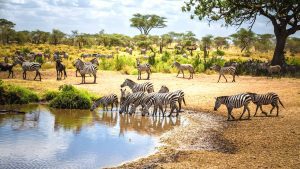
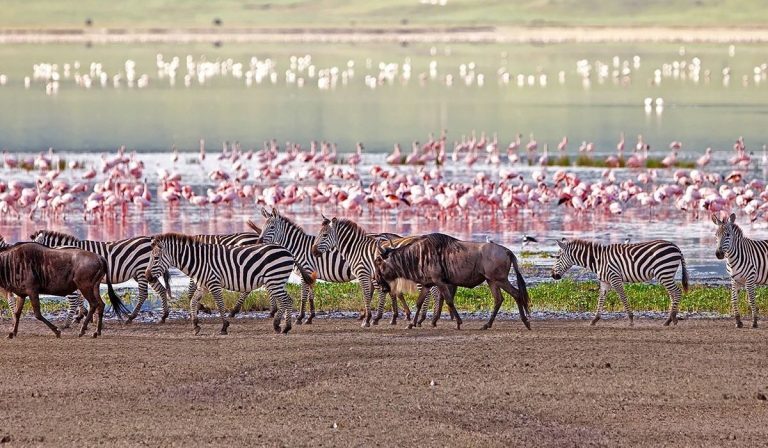
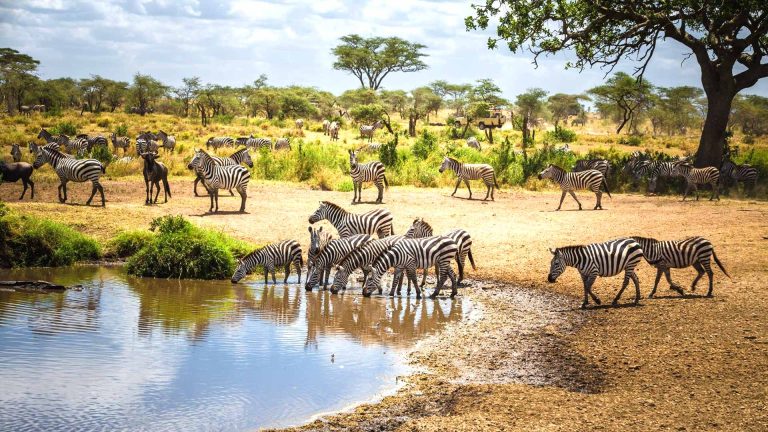
The Great Migration, featuring millions of wildebeest and zebras, is one of the most spectacular wildlife events on Earth. This natural phenomenon occurs across Serengeti National Park and into Maasai Mara National Reserve. Witnessing river crossings filled with crocodiles and dramatic predator-prey interactions is a once-in-a-lifetime experience. Tanzania safaris during the migration season are highly sought after for photography and adventure travel. The movement of herds creates breathtaking landscapes and unforgettable wildlife encounters. It is a must-see highlight for anyone planning a Tanzania safari tour.
A general guide: the herds follow the rains.
Hippopotamus (Hippopotamus amphibius)
Hippos are fascinating semi-aquatic animals commonly found in rivers and waterholes across Tanzania. Large pods can be seen in Selous Game Reserve (now Nyerere National Park), where they spend most of the day submerged. Despite their calm appearance, hippos are highly territorial and among Africa’s most dangerous animals. Watching them interact, yawn, and defend territory offers unique safari experiences. Hippos are key highlights in Tanzania wildlife tours and boat safaris, adding diversity beyond land-based game drives.
Nile Crocodile (Crocodylus niloticus)
The Nile crocodile is a powerful predator found in Tanzania’s rivers and lakes. These ancient reptiles are often seen basking along riverbanks in Serengeti National Park during migration crossings. Crocodiles play a crucial role in maintaining ecosystem balance. Their ambush hunting style makes river crossings dramatic and intense. Crocodile sightings are essential for a complete Tanzania safari experience, especially during the Great Migration. They are a favorite among wildlife photographers seeking action-packed scenes.
Hyena (Crocuta crocuta)
Spotted hyenas are intelligent and social predators commonly seen throughout Tanzania. Found in large clans in Ngorongoro Crater and Serengeti National Park, they are both hunters and scavengers. Hyenas have complex social structures led by dominant females. Their eerie calls are a signature sound of the African night. Often misunderstood, hyenas are vital to the ecosystem. Observing their behavior adds depth to Tanzania safari experiences and wildlife education.
The Great Migration – Nature’s Greatest Wildlife Spectacle
Beyond the Big Five, the Great Migration is Tanzania’s most iconic wildlife event and a bucket-list safari experience. Each year, over two million wildebeest, zebras, and gazelles move across the Serengeti ecosystem in search of fresh grazing. This dramatic journey includes river crossings filled with crocodiles, predator ambushes, and breathtaking landscapes. The migration offers year-round viewing opportunities, with different regions of the Serengeti showcasing unique moments. From calving season in the southern plains to the thrilling Mara River crossings in the north, every stage is unforgettable. A Tanzania safari focused on the Great Migration offers incredible photography, close wildlife encounters, and immersive game drives. It’s one of the most powerful natural events on Earth and a defining reason why Tanzania is considered Africa’s top safari destination.
Birdlife in Tanzania – A Paradise for Birdwatchers
Tanzania is a birdwatcher’s paradise, boasting over 1,100 bird species across diverse ecosystems. From colorful lilac-breasted rollers to majestic fish eagles, the country offers incredible birding opportunities. Wetlands, lakes, and savannahs provide habitats for both resident and migratory birds. Lake Manyara National Park is famous for flamingos and pelicans, while Serengeti hosts a wide variety of raptors and ground birds. Birdwatching safaris are ideal for nature lovers seeking a different perspective on Tanzania’s wildlife. Even non-birders are captivated by the vibrant colors and unique behaviors of these species. Whether you are a beginner or an experienced birder, Tanzania’s rich avian diversity enhances the overall Tanzania safari experience, making it more immersive and rewarding.
Rare and Endangered Species – Beyond the Big Five
Tanzania is home to several rare and endangered species that elevate any safari beyond traditional wildlife viewing. The African wild dog, known for its striking coat and teamwork, thrives in remote areas like Ruaha National Park. Smaller species such as the bat-eared fox, serval and aardwolf reward patient observers. Colobus monkeys, with their dramatic black-and-white fur, inhabit forested regions such as Arusha National Park. Conservation areas across Tanzania play a crucial role in protecting these species. Including rare wildlife sightings in your itinerary enhances eco-tourism value and supports sustainable travel. For wildlife enthusiasts and conservation-focused travelers, exploring beyond the Big Five reveals Tanzania’s rich biodiversity and commitment to preserving its natural heritage.
Unique Tanzania Safari Destinations – Where to See the Best Wildlife
Tanzania offers a range of world-class safari destinations, each with unique wildlife experiences. Serengeti National Park is renowned for the Great Migration and abundant predators. Ngorongoro Crater provides a compact wildlife haven with high animal density. Tarangire National Park is known for elephants and baobab trees, while Lake Manyara offers diverse habitats and tree-climbing lions. For off-the-beaten-path adventures, Ruaha National Park and Nyerere National Park (Selous) provide remote and less crowded safari experiences. Each destination contributes to Tanzania’s reputation as a top safari country. Choosing the right parks depends on your interests, travel style, and budget. Combining multiple parks in one safari itinerary ensures a comprehensive wildlife experience filled with variety and unforgettable encounters.
Planning the Ultimate Tanzania Safari Tour
- ArushaGateway
- TarangireElephants
- NgorongoroCrater
- SerengetiBig Five
- ZanzibarBeach
Best Time for Wildlife Viewing in Tanzania
The best time for a Tanzania safari depends on wildlife preferences and travel goals. The dry season, from June to October, is ideal for wildlife viewing in Serengeti National Park and Tarangire National Park, as animals gather around water sources. This period also coincides with the Great Migration River crossings. The wet season, from November to May, offers lush landscapes, fewer crowds, and excellent birdwatching opportunities. Calving season in the Serengeti attracts predators, creating dramatic wildlife encounters. Choosing the right time ensures the best safari experience, whether for photography, family travel, or luxury tours.
Choosing the Right Tanzania Safari Packages
Selecting the right Tanzania safari package depends on budget, travel style, and interests. Options range from budget camping safaris to luxury lodge safaris and fly-in experiences. Popular circuits include the Northern Circuit featuring Serengeti National Park, Ngorongoro Crater, and Tarangire National Park. Luxury safaris offer premium lodges, private guides, and exclusive experiences, while budget safaris provide affordable yet authentic adventures. Tailor-made safaris allow customization based on interests like photography, honeymoon travel, or family safaris. Choosing a reputable tour operator ensures safety, comfort, and unforgettable wildlife encounters.
Essential Tanzania Safari Packing List
Packing for a Tanzania safari requires thoughtful preparation to ensure comfort and convenience. Essentials include lightweight clothing in neutral colors, a wide-brim hat, sunglasses, and sunscreen. Binoculars and a high-quality camera are crucial for wildlife viewing and photography in Serengeti National Park. Comfortable walking shoes and a light jacket are recommended for early morning game drives. Don’t forget insect repellent, travel documents, and a reusable water bottle. Packing smart enhances the Tanzania safari experience, allowing travelers to fully enjoy Tanzania’s incredible wildlife and landscapes without unnecessary stress.
Tanzania Safari Styles – Luxury, Budget, and Family Adventures
Tanzania caters to all types of travelers, offering a wide range of safari styles. Luxury Tanzania safaris feature high-end lodges, private guides, and exclusive experiences such as fly-in safaris. Mid-range and budget Tanzania safaris provide affordable options without compromising wildlife encounters. Tanzania Family safaris include kid-friendly activities and accommodations, while Tanzanian honeymoon safaris focus on romantic settings and personalized service. Solo travelers also find Tanzania safe and rewarding, with private, tailored, unforgettable Tanzania Safari itineraries. Choosing the right safari style depends on your preferences, budget, and travel goals. Expect world-class Tanzania luxury safari lodges and tented camps with breathtaking views, stylish interiors, and gourmet cuisine. Regardless of the option, Tanzania guarantees unforgettable African Safari wildlife experiences, breathtaking landscapes, and world-class hospitality.
Final Thoughts
Tanzania stands out as one of the best safari destinations in Africa, offering unparalleled wildlife diversity, iconic landscapes, and unforgettable experiences. From the Big Five to the Great Migration and rare species, the country delivers a complete safari adventure. Its well-protected national parks, expert guides, and sustainable tourism practices ensure high-quality experiences for travelers. Whether you are a first-time Tanzania safari visitor or a seasoned safari enthusiast, Tanzania offers something extraordinary. The combination of adventure, luxury, and culture makes it a top choice for global travelers. Planning a Tanzania safari means stepping into a world where nature reigns supreme and every moment becomes a lifelong memory.
The Big Five and Beyond – Must-See Tanzania Safari Wildlife: FAQs
What are the Big Five animals in Tanzania?
The Big Five include lion, leopard, elephant, buffalo, and rhinoceros—Africa’s most iconic safari animals. In Tanzania, these species are widely distributed across top national parks, making sightings highly achievable. Lions are common in the Serengeti, where leopards are also regularly seen, elephants thrive in Tarangire, and buffalo roam across many reserves. The endangered black rhino is best seen in Ngorongoro Crater.
Where is the best place to see the Big Five in Tanzania?
The best places to see the Big Five in Tanzania include Serengeti National Park and Ngorongoro Crater. Serengeti is famous for lions and leopards, while Ngorongoro offers one of the highest chances to see the rare black rhino. Tarangire National Park is excellent for elephants, and buffalo are widespread across all major parks. Combining these destinations in a safari itinerary increases your chances of spotting all five species.
What wildlife can I see beyond the Big Five in Tanzania?
Beyond the Big Five, Tanzania offers incredible wildlife diversity. You can see cheetahs, giraffes, zebras, wildebeest, hippos, crocodiles, and hyenas. The country is also home to rare species like African wild dogs and serval cats. Birdlife is exceptional, with over 1,100 species, including flamingos and eagles. The Great Migration, featuring millions of wildebeest and zebras, is another major highlight. Tanzania’s ecosystems support a wide range of animals, making every safari unique.
When is the best time to see wildlife in Tanzania?
The best time for wildlife viewing in Tanzania is during the dry season, from June to October. During this period, animals gather around water sources, making them easier to spot. Vegetation is also thinner, improving visibility. However, the wet season from November to May offers lush scenery, fewer crowds, and excellent birdwatching. The calving season in southern Serengeti occurs between January and March, attracting predators and offering dramatic wildlife action.
Is Tanzania good for first-time safari travelers?
Yes, Tanzania is one of the best destinations for first-time safari travelers. Its well-developed tourism infrastructure, experienced guides, and diverse national parks make it easy to explore. Popular destinations like Serengeti and Ngorongoro Crater offer high wildlife densities, ensuring excellent sightings even for beginners. Safari lodges range from budget to luxury, catering to all travel styles. Guided game drives provide safe and informative experiences, helping travelers understand wildlife behavior and ecosystems.
How many days do I need for a Tanzania safari?
A typical Tanzania safari lasts between 5 to 10 days, depending on your interests and budget. A 5-day safari can cover key destinations like Tarangire, Serengeti, and Ngorongoro Crater, offering a well-rounded experience. Longer safaris allow for deeper exploration, including remote parks and extended wildlife viewing. If you want to witness the Great Migration or enjoy a more relaxed pace, 7 to 10 days is ideal.
Are Tanzania safaris safe for tourists?
Tanzania safaris are generally very safe for tourists when conducted through reputable tour operators. National parks have strict regulations, and experienced guides ensure safe wildlife viewing. Visitors are advised to follow safety guidelines, such as staying inside vehicles during game drives and listening to guides at all times. Lodges and camps are designed with safety in mind, often located in secure areas.
What should I pack for a Tanzania safari?
Packing for a Tanzania safari requires practical and comfortable clothing. Lightweight, neutral-colored outfits are recommended for blending into the environment. Essentials include a hat, sunglasses, sunscreen, insect repellent, and comfortable walking shoes. A good camera or binoculars enhances wildlife viewing. Evenings can be cool, so a light jacket is useful. Travel documents, medications, and a reusable water bottle are also important. Avoid bright colors and heavy luggage, especially for fly-in safaris.
Can I combine a safari with other experiences in Tanzania?
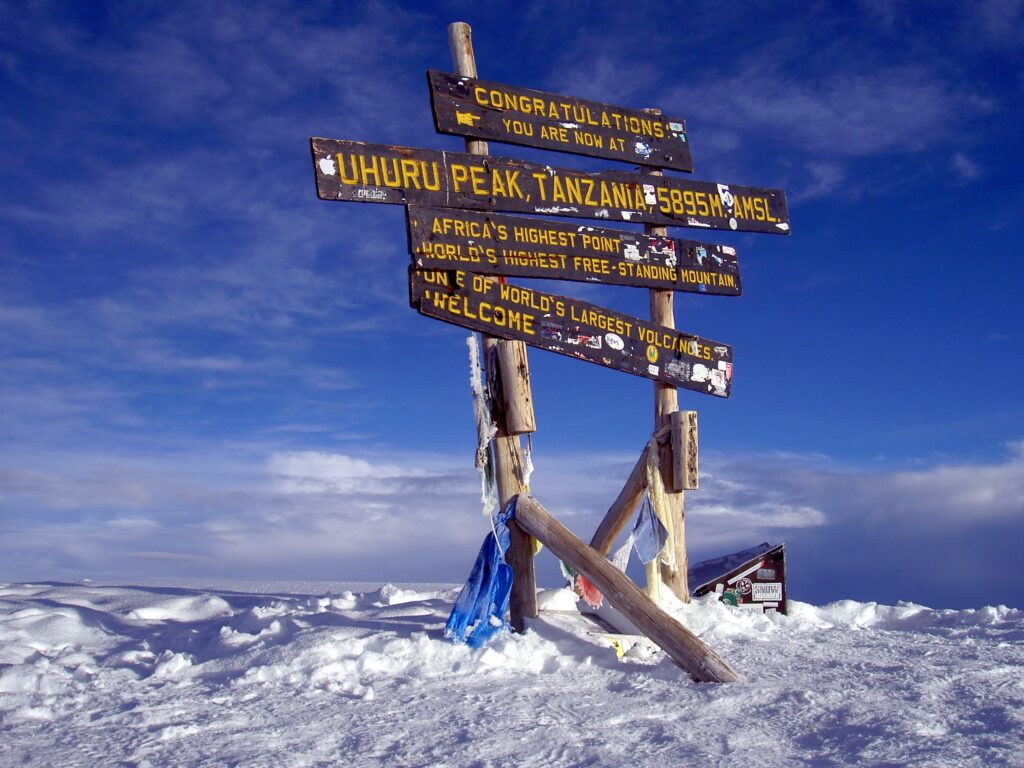
Yes, Tanzania offers a variety of experiences beyond safaris. Many travelers combine wildlife adventures with a beach holiday in Zanzibar, known for its white sandy beaches and turquoise waters. Cultural tours, such as visiting Maasai villages, provide insight into local traditions. You can also explore Mount Kilimanjaro for trekking or visit scenic locations like Lake Manyara and Lake Natron.
How much does a Tanzania safari cost?
The cost of a Tanzania safari varies depending on travel style, duration, and level of luxury. Budget Tanzania safaris can start from around $150–$300 per person per day, while mid-range Tanzania Safari options range from $300–$600. Luxury Tanzania safaris can exceed $700 per day, offering premium lodges and exclusive services. Costs typically include accommodation, meals, park fees, and guided game drives. Fly-in safaris and private tours may increase expenses.
Amazing Animals on African Safari Tanzania Beyond the Big Five
A Tanzania safari offers far more than the famous Big Five, revealing a rich tapestry of wildlife that elevates every African safari experience. Beyond lions, elephants, leopards, rhinos, and buffalo, travelers encounter cheetahs sprinting across the plains of Serengeti National Park, giraffes browsing acacia trees in Tarangire National Park, and massive hippo pods thriving in Ngorongoro Crater.
What to know before you go for Big Five safaris in Tanzania?
Planning a Big Five safari in Tanzania requires understanding key travel details to ensure a seamless experience. The best time for Tanzania safaris is during the dry season from June to October, when wildlife viewing is at its peak in Serengeti National Park and Ngorongoro Crater. Choosing reputable Tanzania safari tour operators guarantees safety, expert guides, and well-planned itineraries. Packing essentials include neutral clothing, binoculars, sunscreen, and a camera for wildlife photography.
What are the African big five and where can you see them in Tanzania?
The African Big Five—lion, leopard, elephant, rhino, and buffalo—are the most sought-after animals on a Tanzania safari, originally named by hunters but now celebrated by wildlife enthusiasts. In Tanzania, these iconic species can be seen in top safari destinations like Serengeti National Park, famous for its large lion prides and elusive leopards. Ngorongoro Crater offers one of the best chances to spot endangered black rhinos alongside elephants and buffalo.
Why Tanzania is the best destination for luxury big five wildlife safaris?
Tanzania stands out as the ultimate destination for luxury Big Five safaris, offering world-class experiences in breathtaking natural settings. From exclusive lodges in Serengeti National Park to high-end tented camps overlooking Ngorongoro Crater, travelers enjoy premium comfort combined with exceptional wildlife viewing. Luxury Tanzania safaris feature private game drives, expert guides, gourmet dining, and personalized service tailored to each guest.
See Africa’s Wildlife Up Close
Tell us which animals you dream of seeing, and we will design a private tailor-made safari to the right parks at the right time.