Mount Kilimanjaro Summiting the best of the Seven Summits
Mount Kilimanjaro Summiting the best of the Seven Summits
Rising above the plains of Mount Kilimanjaro in Tanzania, this iconic peak stands as one of the most achievable yet rewarding climbs among the legendary Seven Summits. At 5,895 meters, Kilimanjaro attracts adventurers seeking a high-altitude trekking experience without technical climbing. From lush rainforests to alpine deserts and icy glaciers, every step reveals breathtaking landscapes. Summiting Kilimanjaro is not just a physical challenge but a transformative journey of resilience and discovery. Whether you are a first-time climber or an experienced trekker, Kilimanjaro offers the ultimate African safari adventure combined with mountain exploration, making it one of the best destinations for bucket-list travel and unforgettable summit success stories.
The Significance of Kilimanjaro in the Seven Summits
Among the renowned Seven Summits, Mount Kilimanjaro holds a special place as the tallest free-standing mountain on Earth. Unlike peaks such as Mount Everest, Kilimanjaro requires no ropes or technical climbing skills, making it accessible to a wider range of adventurers. Its prominence in Africa and relatively non-technical routes have made it a top choice for climbers pursuing the Seven Summits challenge. Despite its accessibility, the mountain demands respect due to altitude and weather conditions. Climbers experience diverse ecosystems while ascending, offering a unique blend of trekking and mountaineering. This balance of challenge and accessibility is why Kilimanjaro remains one of the most popular and achievable summits globally.
Understanding Kilimanjaro’s Height and Geography
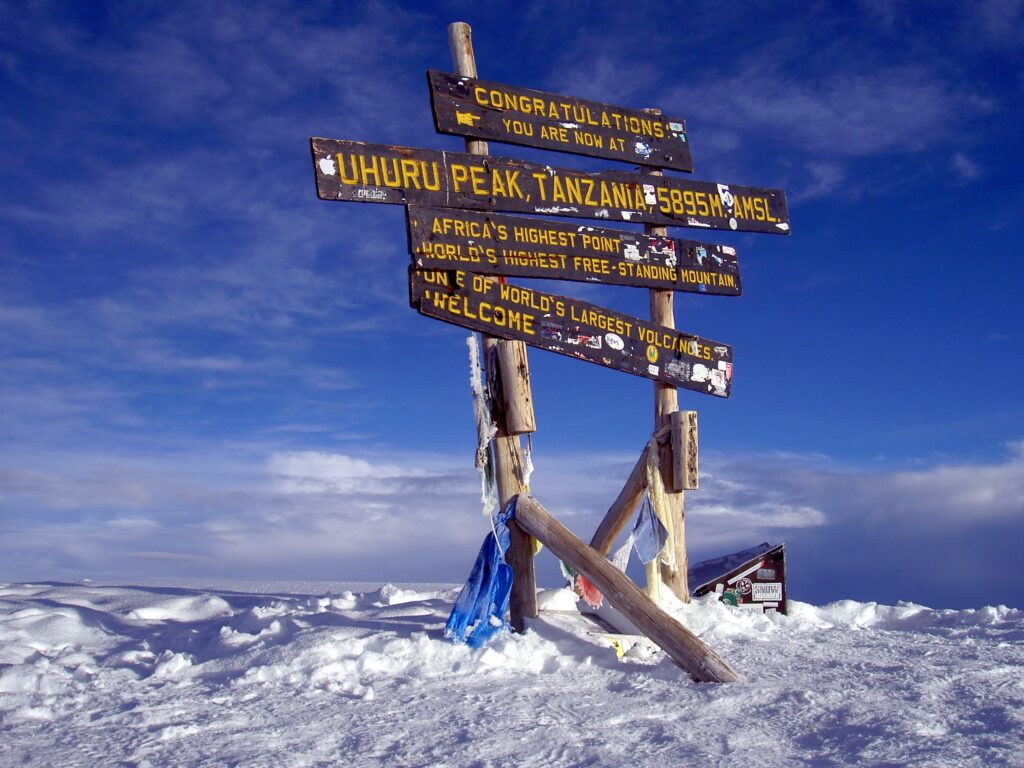
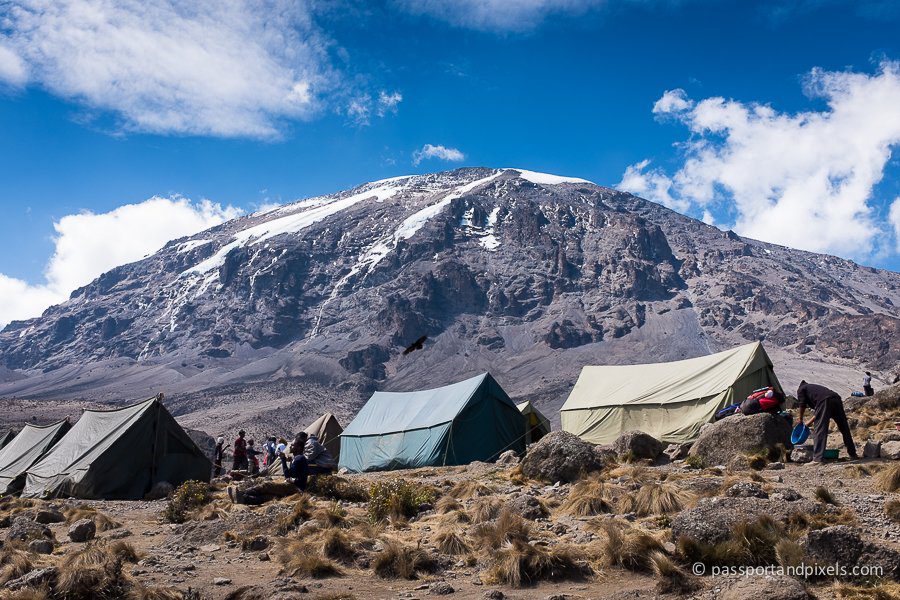
Mount Kilimanjaro rises to 5,895 meters (19,341 feet) above sea level, dominating the northern landscape of Tanzania near the Kenyan border. The mountain consists of three volcanic cones: Kibo, Mawenzi, and Shira, with Kibo hosting the famous Uhuru Peak, the highest point in Africa. Located within Kilimanjaro National Park, the region is recognized as a UNESCO World Heritage Site. Its unique geographical structure creates dramatic ecological zones that change with altitude. From fertile farmland at the base to glaciers at the summit, Kilimanjaro offers an extraordinary vertical landscape. Understanding its geography helps climbers prepare for the journey and appreciate the diverse environments encountered along the ascent.
Best Time to Climb Kilimanjaro
The best time to summit Mount Kilimanjaro largely depends on weather patterns in Tanzania. The most favorable climbing seasons are January to March and June to October, when conditions are relatively dry, and visibility is clear. These months provide stable weather, making trekking safer and more enjoyable. The dry season also offers stunning views across the plains and spectacular sunrise experiences at Uhuru Peak. While climbing is possible year-round, rainy seasons can make trails slippery and challenging. Choosing the right time increases your chances of successful summiting and enhances the overall experience. Proper planning around weather conditions is essential for both safety and enjoyment during this once-in-a-lifetime adventure.
Popular Kilimanjaro Climbing Routes
Several routes lead to the summit of Mount Kilimanjaro, each offering a unique experience. The Marangu Route, often called the “Coca-Cola Route,” is known for its hut accommodations and gradual ascent. The Machame Route, or “Whiskey Route,” is more scenic and slightly more challenging, providing better acclimatization. Other popular routes include Lemosho, Rongai, and the Northern Circuit, each varying in duration, difficulty, and scenery. Choosing the right route depends on your fitness level, time, and preference for comfort or adventure. Routes with longer itineraries typically yield higher summit success rates due to better acclimatization. Understanding the characteristics of each route helps climbers make informed decisions for a successful Kilimanjaro expedition.
Physical Preparation and Fitness
Climbing Mount Kilimanjaro requires good physical fitness and mental determination. While no technical climbing skills are necessary, endurance is key. Training should focus on cardiovascular fitness, strength, and hiking practice. Activities such as long-distance walking, stair climbing, and aerobic workouts prepare your body for high-altitude trekking. Mental resilience is equally important, as summit day can be physically and emotionally demanding. Preparing in advance increases your chances of reaching Uhuru Peak successfully. Many climbers underestimate the challenge, but proper preparation transforms the journey into an achievable goal. A well-trained body adapts better to altitude changes, reducing fatigue and improving overall performance during the climb.
The Seven Summits Compared
Here is a clear comparison of the Seven Summits, the highest peaks on each of the seven continents, and a famous challenge for mountaineers worldwide. The list includes Mount Everest in Asia, Aconcagua in South America, Denali in North America, Kilimanjaro in Africa, Mount Elbrus in Europe, Vinson Massif in Antarctica and either Puncak Jaya or Mount Kosciuszko in Oceania. Kilimanjaro stands out as the most accessible of them all, because it is a non-technical trek that needs no ropes or climbing skills, making it the ideal first summit for aspiring Seven Summits climbers. Many climbers begin right here.
| Continent | Mountain | Country | Height | Key Highlights |
|---|---|---|---|---|
| Africa | Mount Kilimanjaro | Tanzania | 5,895 m | Tallest free-standing mountain, non-technical trek |
| Asia | Mount Everest | Nepal / China | 8,849 m | The highest peak on Earth, at an extreme altitude |
| South America | Aconcagua | Argentina | 6,961 m | Highest outside Asia, cold and windy |
| North America | Denali | USA (Alaska) | 6,190 m | Severe weather, technical climbing |
| Europe | Mount Elbrus | Russia | 5,642 m | Snow-covered volcanic peak |
| Antarctica | Vinson Massif | Antarctica | 4,892 m | Remote, extreme cold expedition |
| Australia/Oceania | Puncak Jaya | Indonesia | 4,884 m | Technical rock climb, jungle access |
Key Insight:
Among all peaks in the Seven Summits, Mount Kilimanjaro is widely considered the most accessible and beginner-friendly, making it the “gateway summit” for global climbers.
Altitude Sickness and Acclimatization
Altitude sickness is one of the biggest challenges when climbing Mount Kilimanjaro. As climbers ascend, oxygen levels decrease, making acclimatization essential. Symptoms can include headaches, nausea, and fatigue. To minimize risks, climbers follow the principle of “climb high, sleep low” and choose longer routes for gradual ascent. Staying hydrated and maintaining a steady pace also helps the body adjust. Professional guides monitor climbers closely to ensure safety. Understanding altitude sickness and taking preventive measures significantly increases summit success rates. Proper acclimatization allows climbers to fully enjoy the experience while safely reaching the summit of Africa’s highest peak.
What to Pack for Kilimanjaro
Packing the right gear is crucial for a successful climb of Mount Kilimanjaro. Essential items include layered clothing for varying temperatures, sturdy hiking boots, a warm sleeping bag, and waterproof gear. Accessories such as gloves, hats, and sunglasses protect against harsh conditions. A good backpack and trekking poles improve comfort and stability during the trek. Nutrition and hydration supplies are equally important. Weather conditions can change rapidly, so being prepared ensures safety and comfort. Many tour operators provide detailed packing lists to guide climbers. Proper gear not only enhances performance but also makes the journey more enjoyable, allowing climbers to focus on reaching the summit.
The Role of Guides and Porters
Climbing Mount Kilimanjaro is only possible with licensed guides, making them an essential part of the journey. Guides provide expertise, ensure safety, and support climbers throughout the trek. Porters carry equipment, set up camps, and prepare meals, allowing climbers to focus on the ascent. Their knowledge of the mountain and local conditions greatly enhances the experience. Ethical treatment and fair wages for porters are important considerations when choosing a tour operator. The teamwork between climbers and crew creates a supportive environment that boosts morale and increases summit success rates. This collaborative effort is a defining feature of the Kilimanjaro experience.
Wildlife and Ecosystems on Kilimanjaro
Mount Kilimanjaro is home to diverse ecosystems that change dramatically with altitude. The journey begins in lush rainforests filled with wildlife such as monkeys and birds. As climbers ascend, the landscape transitions into moorlands, alpine deserts, and eventually icy summit zones. Each ecological zone offers unique flora and fauna, making the climb a natural wonder. Located within Kilimanjaro National Park, the mountain is protected and carefully managed to preserve its biodiversity. Experiencing these ecosystems adds depth to the adventure, making Kilimanjaro more than just a climb—it is a journey through nature’s diversity.
Cultural Experience and Local Communities
Climbing Mount Kilimanjaro also offers a rich cultural experience in Tanzania. The surrounding communities, including the Chagga people, have deep-rooted traditions linked to the mountain. Interacting with local guides and porters provides insight into Tanzanian culture and hospitality. Swahili phrases such as “pole pole” (slowly, slowly) are commonly used during the climb, emphasizing the importance of pacing. Supporting local communities through tourism contributes to economic development and cultural preservation. This human connection enhances the overall journey, making it more meaningful beyond the physical challenge of summiting Africa’s highest peak.
Summit Day Experience
Summit day on Mount Kilimanjaro is the most challenging yet rewarding part of the journey. Climbers typically begin their ascent at midnight, trekking through freezing temperatures and darkness. The goal is to reach Uhuru Peak at sunrise, witnessing breathtaking views above the clouds. The final push requires determination, as altitude and fatigue test endurance. Reaching the summit brings a sense of achievement and emotional fulfillment. Standing at the highest point in Africa is a moment that stays with climbers forever. This experience defines the Kilimanjaro adventure and makes every step of the journey worthwhile.
Costs and Budget Planning
The cost of climbing Mount Kilimanjaro varies depending on route, duration, and level of comfort. Prices typically include park fees, guides, porters, meals, and accommodation. Budget options are available, but quality and safety should always be prioritized. Mid-range and luxury packages offer additional comfort and support. Flights, gear, and tips are additional expenses to consider. Planning your budget carefully ensures a smooth and enjoyable experience. Investing in a reputable tour operator increases safety and enhances the overall journey. Kilimanjaro is a significant investment, but the experience is priceless.
- Accommodation
- Meals
- Park fees
- Vehicle & guide
- Transfers
- International flights
- Visas
- Travel insurance
- Tips
- Premium drinks
Safety Measures and Regulations
Safety is a top priority when climbing Mount Kilimanjaro. Regulations require climbers to be accompanied by licensed guides to ensure proper monitoring and support. Regular health checks, including oxygen level monitoring, help detect altitude sickness early. Emergency evacuation procedures are in place for serious cases. Climbers are encouraged to follow guidelines, maintain a steady pace, and communicate any symptoms to their guides. Choosing a reputable operator ensures adherence to safety standards. These measures make Kilimanjaro one of the safest high-altitude climbs in the world, provided climbers respect the mountain and follow expert advice.
Success Rates and Tips for Reaching the Summit
Summit success on Mount Kilimanjaro depends on preparation, acclimatization, and mindset. Longer routes generally have higher success rates due to gradual altitude gain. Maintaining a slow pace, staying hydrated, and following the guide instructions are essential strategies. Mental determination plays a crucial role, especially during summit night. Choosing the right route and operator significantly increases your chances of success. Many climbers achieve their goal with proper planning and perseverance. Understanding the factors that influence success helps climbers approach the challenge with confidence and determination.
Approach, feed or disturb wildlife, or leave the vehicle unless your guide says it is safe.
Follow your guide, carry travel insurance and check current health and travel advice.
Combining Kilimanjaro with a Tanzania Safari
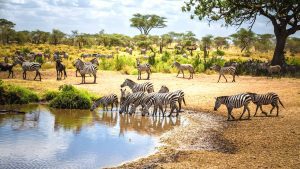
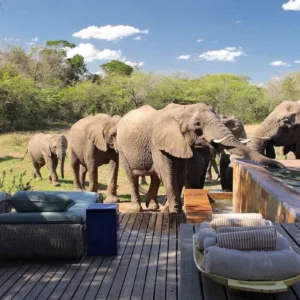
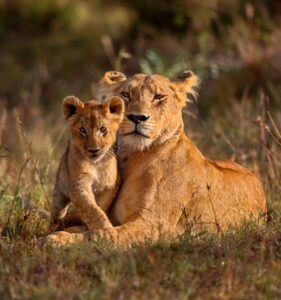
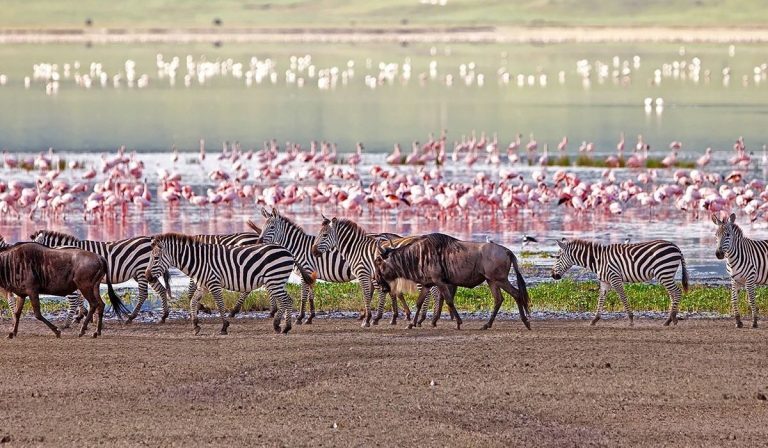
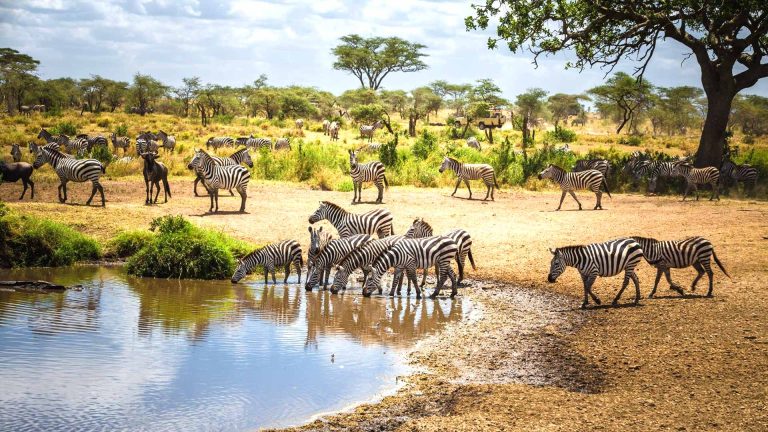
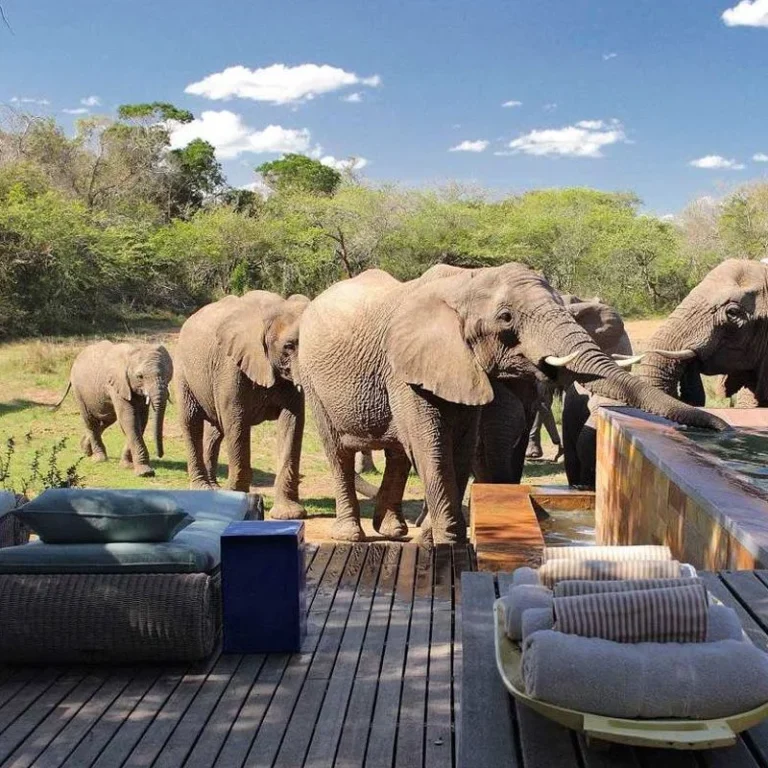
After summiting Mount Kilimanjaro, many travelers extend their adventure with a safari in Tanzania. Destinations such as Serengeti National Park and Ngorongoro Crater offer incredible wildlife experiences. Combining mountain trekking with safari creates a well-rounded African adventure. This combination allows travelers to witness both breathtaking landscapes and diverse wildlife. It is a popular choice for those seeking a complete Tanzania travel experience. Planning both activities together maximizes your journey and creates unforgettable memories.
Why Kilimanjaro Is the Best of the Seven Summits
Mount Kilimanjaro stands out among the Seven Summits for its accessibility, beauty, and unique trekking experience. Unlike more technical peaks, Kilimanjaro offers a high-altitude challenge without requiring advanced mountaineering skills. Its diverse ecosystems, cultural richness, and stunning summit views make it a favorite among climbers worldwide. The sense of achievement upon reaching Uhuru Peak is unmatched. For many, Kilimanjaro is the gateway to the Seven Summits journey, inspiring further exploration. Its combination of challenge and accessibility makes it one of the best and most rewarding summits in the world.
Final Thought
Summiting Mount Kilimanjaro is more than just reaching a peak—it is a journey of self-discovery, resilience, and adventure. As part of the iconic Seven Summits, Kilimanjaro offers a unique opportunity to experience high-altitude trekking in one of the most beautiful regions on Earth. From preparation to the final step at Uhuru Peak, every moment contributes to an unforgettable story. Whether you seek personal achievement, breathtaking landscapes, or cultural connections, Kilimanjaro delivers it all. This legendary mountain continues to inspire travelers from around the world, making it a must-visit destination for anyone chasing the ultimate adventure.
Mount Kilimanjaro Summiting the best of the Seven Summits: FAQs
What can you expect from the Significance of Kilimanjaro in the seven summits ?
Among the renowned Seven Summits, Mount Kilimanjaro holds a special place as the tallest free-standing mountain on Earth. Unlike peaks such as Mount Everest, Kilimanjaro requires no ropes or technical climbing skills, making it accessible to a wider range of adventurers. Its prominence in Africa and relatively non-technical routes have made it a top choice for climbers pursuing the Seven Summits challenge.
What are the best time to climb Kilimanjaro ?
The best time to summit Mount Kilimanjaro largely depends on weather patterns in Tanzania. The most favorable climbing seasons are January to March and June to October, when conditions are relatively dry, and visibility is clear. These months provide stable weather, making trekking safer and more enjoyable.
What should you know about physical preparation and fitness for Mount Kilimanjaro summiting the best of the seven summits?
Climbing Mount Kilimanjaro requires good physical fitness and mental determination. While no technical climbing skills are necessary, endurance is key. Training should focus on cardiovascular fitness, strength, and hiking practice. Activities such as long-distance walking, stair climbing, and aerobic workouts prepare your body for high-altitude trekking.
What can you expect from altitude sickness and acclimatization for Mount Kilimanjaro summiting the best of the seven summits?
Altitude sickness is one of the biggest challenges when climbing Mount Kilimanjaro. As climbers ascend, oxygen levels decrease, making acclimatization essential. Symptoms can include headaches, nausea, and fatigue. To minimize risks, climbers follow the principle of “climb high, sleep low” and choose longer routes for gradual ascent.
What should you know about the role of guides and porters for Mount Kilimanjaro summiting the best of the seven summits?
Climbing Mount Kilimanjaro is only possible with licensed guides, making them an essential part of the journey. Guides provide expertise, ensure safety, and support climbers throughout the trek. Porters carry equipment, set up camps, and prepare meals, allowing climbers to focus on the ascent. Their knowledge of the mountain and local conditions greatly enhances the experience.
What is the cultural experience and local communities for Mount Kilimanjaro summiting the best of the seven summits like?
Climbing Mount Kilimanjaro also offers a rich cultural experience in Tanzania. The surrounding communities, including the Chagga people, have deep-rooted traditions linked to the mountain. Interacting with local guides and porters provides insight into Tanzanian culture and hospitality. Swahili phrases such as “pole pole” (slowly, slowly) are commonly used during the climb, emphasizing the importance of pacing.
How much should you budget for costs and budget planning for Mount Kilimanjaro summiting the best of the seven summits?
The cost of climbing Mount Kilimanjaro varies depending on route, duration, and level of comfort. Prices typically include park fees, guides, porters, meals, and accommodation. Budget options are available, but quality and safety should always be prioritized. Mid-range and luxury packages offer additional comfort and support.
What can you expect from Combining Kilimanjaro with a Tanzania safari?
After summiting Mount Kilimanjaro, many travelers extend their adventure with a safari in Tanzania. Destinations such as Serengeti National Park and Ngorongoro Crater offer incredible wildlife experiences. Combining mountain trekking with safari creates a well-rounded African adventure. This combination allows travelers to witness both breathtaking landscapes and diverse wildlife.
Climb Kilimanjaro With Confidence
Tell us your dates and fitness, and our experienced mountain team will plan a safe, well-acclimatized private climb.