Where Is Kilimanjaro
Where Is Kilimanjaro
Mount Kilimanjaro is one of the most iconic natural landmarks in the world, located in northern Tanzania iconic safari destination in Africa, famous for its towering height, snow-capped peak, and dramatic location in East Africa. Travelers, adventurers, and geography enthusiasts often ask: Where is Kilimanjaro? This majestic mountain stands as the highest free-standing mountain on Earth and draws thousands of climbers every year from across the globe. Kilimanjaro’s unique blend of ecological zones, ranging from tropical rainforest to alpine desert and arctic summit conditions, makes it a remarkable destination for both scientific interest and outdoor adventure tourism. Understanding Kilimanjaro’s exact geographic location, height, and surrounding country context is essential for planning expeditions, educational projects, and inspiring travel content. In this article, we’ll share expert details about Kilimanjaro’s location, height, map placement, figures, how to get there, and interesting facts.
Mount Kilimanjaro Location and Geographic Coordinates
Mount Kilimanjaro is situated in northeastern Tanzania, near the border with Kenya, and lies within the Kilimanjaro Region of East Africa. The exact geographic coordinates of Kilimanjaro’s summit, Uhuru Peak, are approximately 3°04′33″S latitude and 37°21′12″E longitude, easily found on detailed topographic and GPS maps. As part of the Eastern Rift of the Great Rift Valley, Kilimanjaro’s location reflects the complex tectonic forces that shaped East Africa’s dramatic landscapes. The mountain’s position near the equator gives it an unusual climate: despite its tropical location, the summit is covered in ice and snow. Kilimanjaro’s location also places it within reach of major Tanzanian towns like Moshi and Arusha, which serve as gateway cities for climbers and tourists. This prime location has helped Kilimanjaro become one of Africa’s most famous natural wonders and a must-visit destination for nature lovers and hikers worldwide.
Mount Kilimanjaro Country
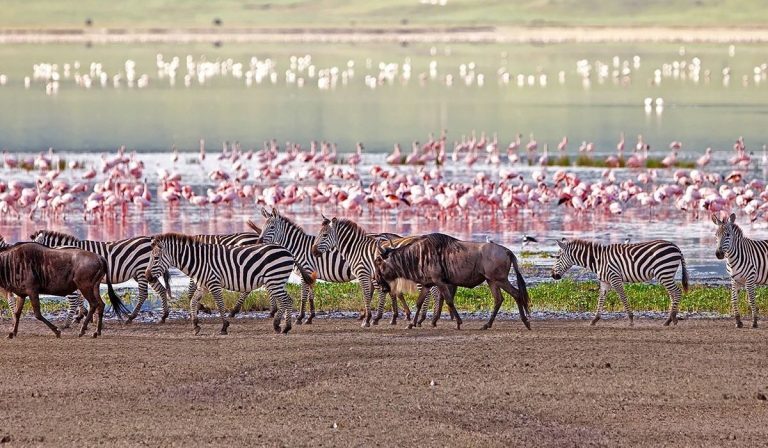
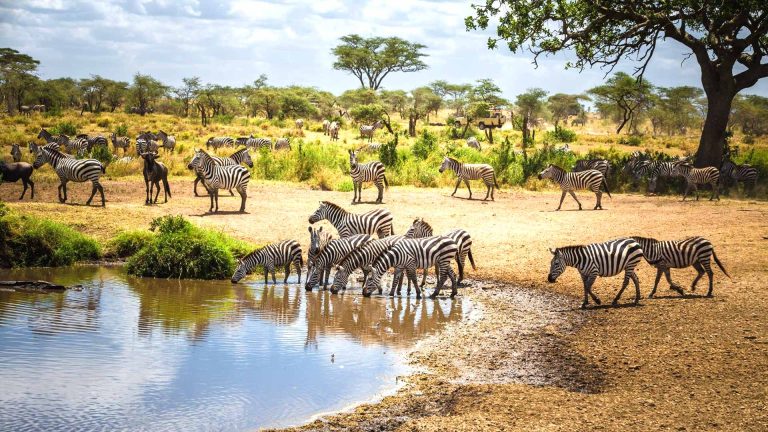
Mount Kilimanjaro is located entirely within the United Republic of Tanzania, a diverse East African country known for its rich wildlife, cultural heritage, and world-class safari destinations. Tanzania is home to phenomenal national parks, including Serengeti National Park, Ngorongoro Crater, and Manyara National Park, making the country a prime tourist destination. Kilimanjaro holds particular national pride for Tanzania; it is featured on the Tanzanian coat of arms and represents the country’s natural beauty and adventurous spirit. While close to the border with Kenya, the entire mountain falls under Tanzanian jurisdiction and is protected by Kilimanjaro National Park. The park was declared a UNESCO World Heritage Site due to its unique biodiversity, climatic zones, and geological significance. Visiting Kilimanjaro also supports local economies, from Tanzanian guides and porters to hotels and tour operators, strengthening sustainable tourism across the region.
Mount Kilimanjaro Height
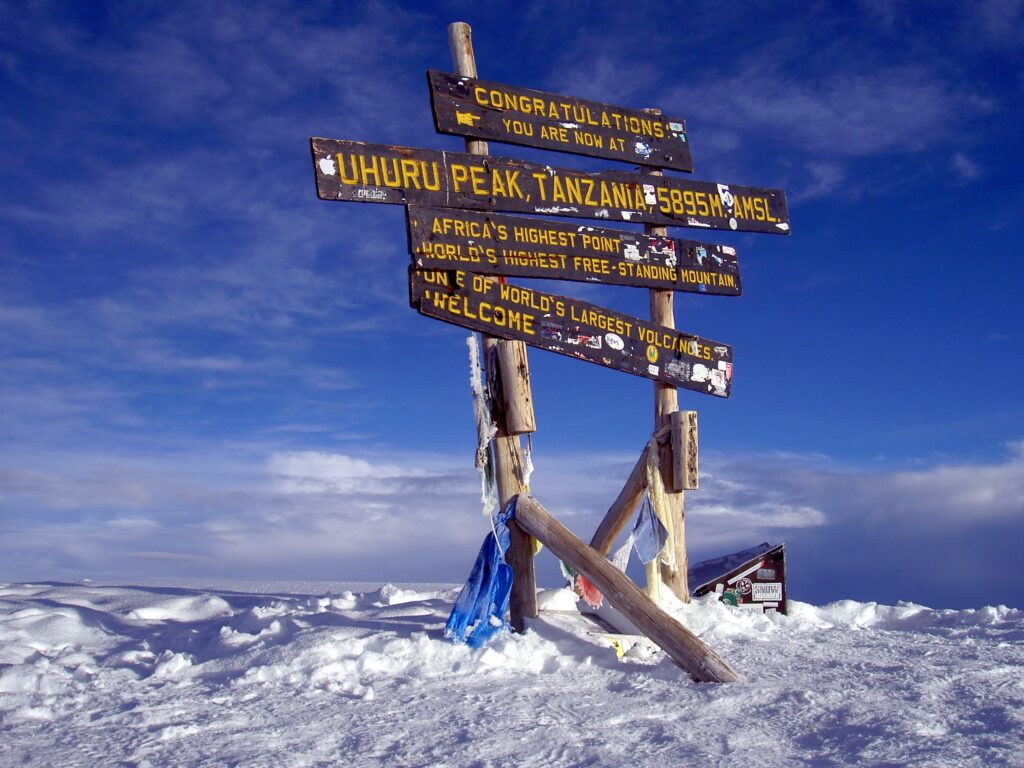
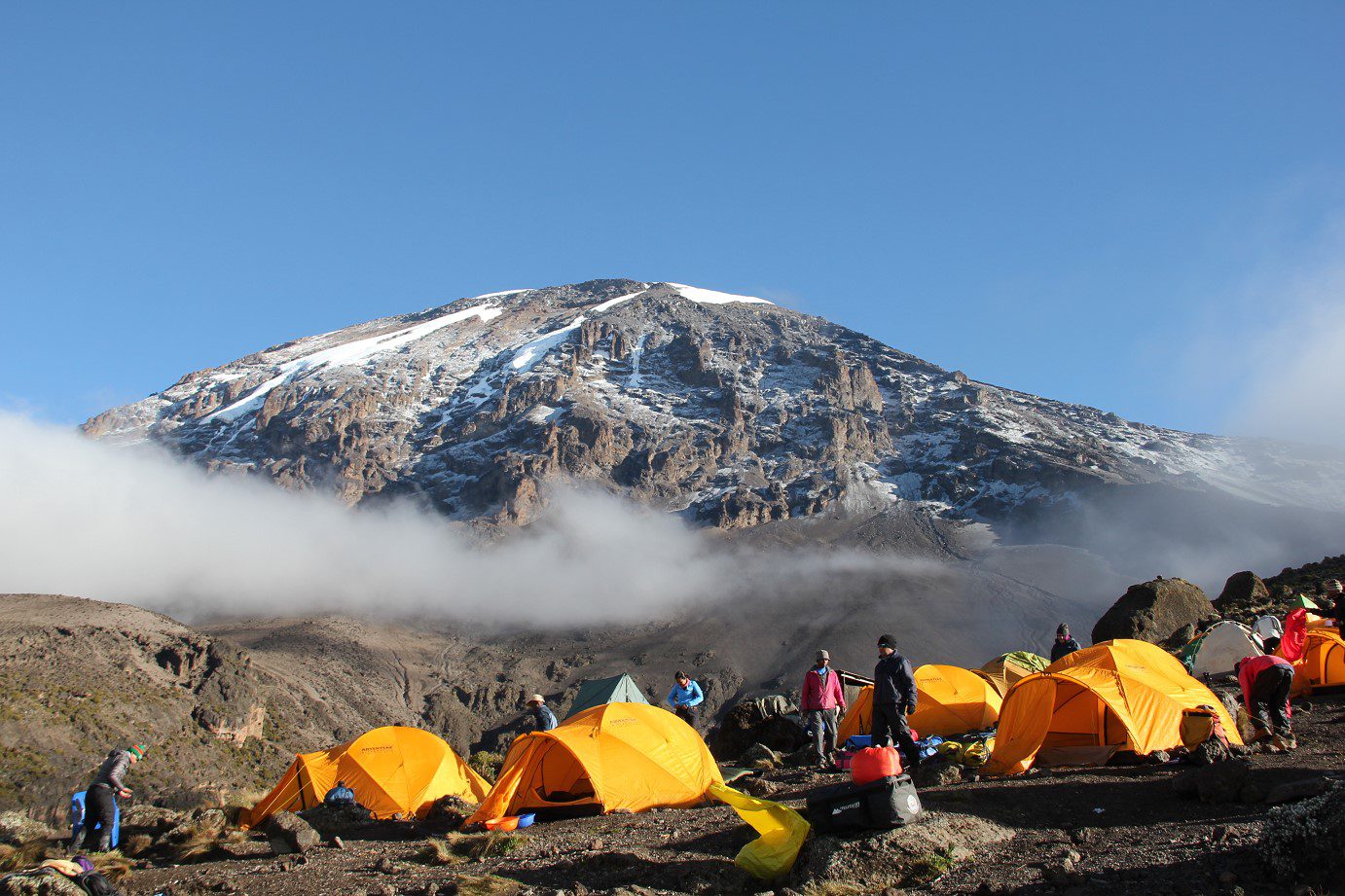
Mount Kilimanjaro’s summit reaches an awe-inspiring altitude of 5,895 meters (19,341 feet) above sea level, making it the highest peak in Africa and one of the famed Seven Summits — the tallest mountains on each continent. What makes Kilimanjaro even more remarkable is that it is the world’s tallest free-standing mountain, meaning it rises independently from the surrounding plains rather than from a mountain range. Climbers and trekkers preparing to ascend Kilimanjaro must plan for significant altitude gain, as the vertical rise impacts weather, temperature, and oxygen levels. The mountain’s height also creates distinct ecological zones, shaped by elevation — from lush tropical rainforests at the base to alpine deserts and icy summit glaciers. Despite ongoing glacier retreat due to climate change, Kilimanjaro’s dramatic height and snow-tipped peak remain a breathtaking sight and a bucket list challenge for adventurers and travel enthusiasts alike.
Mount Kilimanjaro on the map
On a map, Mount Kilimanjaro appears in northeastern Tanzania, approximately 200 kilometers (125 miles) inland from the Indian Ocean coastline. The mountain sits between the towns of Moshi and Arusha, both popular base towns for climbers and tourists. Viewing Kilimanjaro on a physical map reveals its position near the eastern edge of the East African Rift Valley, a region defined by tectonic activity that created the vast landscapes of Kenya and Tanzania. Modern digital maps and GPS tools make it easy for travelers to visualize Kilimanjaro’s location, routes, and nearby infrastructure such as Kilimanjaro International Airport (JRO). On satellite maps, Kilimanjaro’s massive volcanic cones — Kibo, Mawenzi, and Shira — are distinctly visible, with Kibo hosting the summit crater. Whether using road maps, hiking maps, or interactive online maps, Kilimanjaro’s placement stands out clearly as a major geographical landmark in East Africa.
Mount Kilimanjaro Figures
Mount Kilimanjaro’s figures are as impressive as its appearance. The mountain covers an area of roughly 1,688 square kilometers (652 square miles) within Kilimanjaro National Park. Kilimanjaro consists of three volcanic cones: Kibo (the highest), Mawenzi, and Shira, with Kibo’s central crater, Reusch Crater, marking the summit region. Kilimanjaro’s glaciers and ice fields have been studied extensively, though they are retreating due to climate change. Estimates suggest that Kilimanjaro’s ice cover may shrink dramatically in the coming decades. On average, climbers can expect to trek between 60 and 100 kilometers (37 to 62 miles) round-trip depending on their chosen route. More than 30,000 climbers attempt to summit Kilimanjaro each year, with success often depending on acclimatization and fitness. These figures highlight Kilimanjaro’s scale and the planning required for a safe, successful climb.
How Do I Get to Kilimanjaro
Travelers heading to Mount Kilimanjaro typically fly into Kilimanjaro International Airport (JRO), which receives flights from major African hubs and international destinations. From Kilimanjaro Airport, visitors can arrange transfers to climbing towns like Moshi and Arusha, which serve as staging points for treks and tours. Overland travel is also possible from Tanzania’s major cities, such as Dar es Salaam and Dodoma, or from neighboring Kenya via road transport. Once in Moshi or Arusha, climbers obtain permits and meet guide services before driving to the mountain’s various trailheads. Popular climbing routes include Machame, Marangu, Lemosho, and Rongai, each with differing landscapes and difficulty levels. Planning — including porters, guides, equipment, and acclimatization days — is essential for a successful Kilimanjaro experience. Local tour operators in Tanzania can help organize every detail of your Kilimanjaro journey.
- Kilimanjaro Airport (JRO)Arrival
- MoshiAbout 45 min
- ArushaAbout 1 hour
- Safari parksNorthern Circuit
A Few Quick Facts About Mount Kilimanjaro
Mount Kilimanjaro is rich in natural wonders and fascinating facts. It is the highest peak in Africa and a UNESCO World Heritage Site, known for its ecological diversity across multiple climate zones. Kilimanjaro is a dormant stratovolcano, with its last major eruption occurring millions of years ago. Climbers often see rare wildlife and unique plant species as they ascend through rainforest, heath, moorland, and alpine desert. Kilimanjaro’s snowfields and glaciers are iconic, though they are retreating due to climate change. The name “Kilimanjaro” likely comes from local languages, meaning “Mountain of Greatness” or “Mountain of Caravans.” The mountain has inspired literature, films, and global mountaineering culture. Kilimanjaro’s hiking routes vary in scenery and difficulty, making it accessible to both experienced mountaineers and first-time trekkers with proper preparation.
Where do the Mount Kilimanjaro Climbs Begin
Mount Kilimanjaro climbs usually start from trailheads located in Kilimanjaro National Park. Popular routes like Machame, Marangu, Lemosho, Rongai, and Shira begin from different sides of the mountain, including Machame Gate, Marangu Gate, and Londorossi Gate. Trekkers often start in nearby towns such as Moshi or Arusha, with easy access to guides, porters, and transport. These starting points provide acclimatization opportunities, lodging options, and essential gear preparation before ascending Africa’s highest peak.
Other Considerations for Mt Kilimanjaro Travel
Traveling to Mount Kilimanjaro requires careful planning. Consider altitude sickness, physical fitness, weather conditions, and route choice. Proper permits, certified guides, and local safari operators are essential for a safe climb. Packing layered clothing, trekking boots, hydration systems, and emergency gear ensures comfort. Travelers should arrange airport transfers, accommodations in Moshi or Arusha, and optional safari extensions. Health precautions like vaccinations, travel insurance, and contingency plans enhance a smooth, worry-free Kilimanjaro adventure.
Discovery and Early Attempts to Climb Mt Kilimanjaro
Mount Kilimanjaro was first sighted by European explorers in the mid-19th century, attracting adventurers eager to conquer its snowy summit. Early attempts faced challenges including harsh weather, dense forest, and altitude sickness. German missionaries, geographers, and botanists explored its slopes, documenting flora, fauna, and glaciers. The combination of scientific curiosity and mountaineering spirit inspired expeditions. Although many early climbers failed, these ventures laid the groundwork for modern Kilimanjaro trekking, mapping routes, and understanding the mountain’s unique ecosystems.
First Official Mount Kilimanjaro Summit
The first official ascent of Mount Kilimanjaro occurred in 1889 when German geographer Hans Meyer and Austrian climber Ludwig Purtscheller reached Uhuru Peak. Their expedition navigated through dense forests, moorlands, and glaciers, pioneering the route later known as the Marangu Trail. This historic climb established Kilimanjaro as Africa’s highest mountain at 5,895 meters. Today, it remains a bucket-list destination, drawing trekkers worldwide to follow in their footsteps, experience unique wildlife, and enjoy breathtaking sunrise views over Tanzania’s northern landscapes.
How tourism Started Around Mt Kilimanjaro
Tourism around Mount Kilimanjaro began in the early 20th century, fueled by mountaineering expeditions and explorers’ reports. The development of trail systems, lodges, and local guides attracted international travelers. Post-independence Tanzania promoted Kilimanjaro as a premier adventure and safari destination. Today, the region offers luxury lodges, eco-friendly camps, and adventure tourism combining trekking, cultural visits, and safaris. Tourism supports local communities, wildlife conservation, and Kilimanjaro National Park, making it a sustainable economic engine while preserving Africa’s iconic mountain for future generations.
What country is Mount Kilimanjaro in
Mount Kilimanjaro is located entirely in Tanzania, East Africa, near the Kenya border. It is Africa’s tallest peak, standing at 5,895 meters (19,341 feet), attracting climbers and adventurers globally. Situated in the Kilimanjaro Region, the mountain is part of the Kilimanjaro National Park, a UNESCO World Heritage Site. Tanzania’s government manages trekking permits, conservation, and tourism services. Moshi and Arusha are the nearest major towns providing accommodations, guides, and transportation, making Tanzania the hub for Kilimanjaro expeditions, safaris, and cultural experiences.
How far is Mount Kilimanjaro from Nairobi?
Mount Kilimanjaro is approximately 320 kilometers (200 miles) from Nairobi, Kenya’s capital. By road, it takes about 6 to 8 hours to reach Moshi or Arusha, the main gateway towns for Kilimanjaro climbs. Flights from Nairobi to Kilimanjaro International Airport shorten travel time to around 1 hour. Many travelers combine Kilimanjaro trekking with Kenya safaris, visiting Amboseli or Tsavo. Accessibility from Nairobi makes Kilimanjaro one of East Africa’s most popular adventure destinations for both short and extended expeditions.
Is Mount Kilimanjaro near the equator?
Yes, Mount Kilimanjaro is located very close to the equator at approximately 3°03′S latitude. Its equatorial location creates unique climatic conditions with warm, humid lower slopes and cold, snow-capped peaks. This combination of equatorial sunlight and high altitude allows diverse ecosystems, including rainforests, alpine moorlands, and glaciers. Despite being near the equator, trekkers experience temperature variations, requiring layered clothing. The mountain’s equatorial position also ensures consistent day lengths year-round, making Kilimanjaro a reliable destination for adventure tourism and high-altitude trekking.
What are the coordinates of Mount Kilimanjaro?
Mount Kilimanjaro’s coordinates are approximately 3.067°S latitude and 37.355°E longitude. Located in northern Tanzania near the Kenya border, it lies within the Kilimanjaro Region. These geographic coordinates position Kilimanjaro as Africa’s tallest free-standing mountain and a major trekking destination. GPS navigation and mapping use these coordinates for route planning, guiding climbers to trailheads such as Marangu, Machame, Lemosho, Rongai, and Shira. The coordinates are essential for pilots, guides, and tourists, ensuring safe access to Kilimanjaro National Park and surrounding accommodations.
Which region is Mount Kilimanjaro located in
Mount Kilimanjaro is located in Tanzania’s Kilimanjaro Region, in the country’s northeastern part. The region encompasses major towns like Moshi and Arusha, which serve as base points for treks. Kilimanjaro Region features diverse landscapes, including rainforests, savannahs, and alpine zones. The mountain dominates the region’s geography and economy, attracting adventure tourists, climbers, and safari-goers. Its location also supports cultural tourism, with the local Chagga community offering homestays, coffee tours, and trekking support services for visitors exploring the slopes of Africa’s tallest mountain.
Final Thought
Mount Kilimanjaro stands as a breathtaking symbol of natural beauty, adventure, and geographical significance. Whether you’re researching where Kilimanjaro is located, planning your first climb, or simply learning about East Africa’s iconic landmarks, Kilimanjaro offers a story of dramatic elevation, diverse ecosystems, and cultural wonder. Its height of 5,895 meters, placement in Tanzania near the Kenya border, and unique ecological zones make it one of the most visited and studied mountains on Earth. From digital maps to travel itineraries, Kilimanjaro continues to draw global attention as a bucket list destination. With every fact, figure, and geographic detail shared in this article, you’re now equipped with a clearer understanding of this majestic peak and what makes Mount Kilimanjaro a world treasure.
Where Is Kilimanjaro: FAQs
What is the nearest airport to Mount Kilimanjaro?
The nearest airport to Mount Kilimanjaro is Kilimanjaro International Airport (JRO), located between Moshi and Arusha. Serving domestic and international flights, it connects travelers from Europe, Asia, the US, and East Africa. From JRO, climbers can reach Kilimanjaro National Park trailheads by road in 30–60 minutes. The airport provides car rentals, shuttle services, and guide coordination.
Can I drive to Mount Kilimanjaro?
Yes, you can drive to Mount Kilimanjaro from nearby towns such as Moshi or Arusha. Well-maintained roads connect these hubs to Kilimanjaro National Park trailheads, including Marangu, Machame, Lemosho, Rongai, and Shira. Driving allows flexibility in travel schedules, sightseeing, and stops at local villages or coffee plantations. Rental cars, taxis, and guided safari vehicles are available. While private vehicles are common, some routes may require 4x4s during rainy seasons.
Is Kilimanjaro in a national park?
Yes, Mount Kilimanjaro is entirely located within Kilimanjaro National Park, a UNESCO World Heritage Site. The park protects the mountain’s unique ecosystems, including montane forests, alpine moorlands, and glaciers. All treks require permits issued by the Tanzania National Parks Authority (TANAPA). Kilimanjaro National Park ensures sustainable tourism, wildlife conservation, and cultural preservation. Visitors can hike, photograph wildlife, and enjoy panoramic views safely.
What can you expect from Mount Kilimanjaro location and geographic coordinates?
Mount Kilimanjaro is situated in northeastern Tanzania, near the border with Kenya, and lies within the Kilimanjaro Region of East Africa. The exact geographic coordinates of Kilimanjaro’s summit, Uhuru Peak, are approximately 3°04′33″S latitude and 37°21′12″E longitude, easily found on detailed topographic and GPS maps.
What should you know about Mount Kilimanjaro height?
Mount Kilimanjaro’s summit reaches an awe-inspiring altitude of 5,895 meters (19,341 feet) above sea level, making it the highest peak in Africa and one of the famed Seven Summits — the tallest mountains on each continent. What makes Kilimanjaro even more remarkable is that it is the world’s tallest free-standing mountain, meaning it rises independently from the surrounding plains rather than from a mountain range.
What can you expect from Mount Kilimanjaro figures?
Mount Kilimanjaro’s figures are as impressive as its appearance. The mountain covers an area of roughly 1,688 square kilometers (652 square miles) within Kilimanjaro National Park. Kilimanjaro consists of three volcanic cones: Kibo (the highest), Mawenzi, and Shira, with Kibo’s central crater, Reusch Crater, marking the summit region.
What are the A Few Quick facts about Mount Kilimanjaro?
Mount Kilimanjaro is rich in natural wonders and fascinating facts. It is the highest peak in Africa and a UNESCO World Heritage Site, known for its ecological diversity across multiple climate zones. Kilimanjaro is a dormant stratovolcano, with its last major eruption occurring millions of years ago.
What should you know about Other Considerations for Mt Kilimanjaro travel?
Traveling to Mount Kilimanjaro requires careful planning. Consider altitude sickness, physical fitness, weather conditions, and route choice. Proper permits, certified guides, and local safari operators are essential for a safe climb. Packing layered clothing, trekking boots, hydration systems, and emergency gear ensures comfort. Travelers should arrange airport transfers, accommodations in Moshi or Arusha, and optional safari extensions.
Climb Kilimanjaro With Confidence
Tell us your dates and fitness, and our experienced mountain team will plan a safe, well-acclimatized private climb.