The best African safari photography tips are to bring a telephoto zoom lens of around 100 to 400 millimetres, shoot during the golden hours after sunrise and before sunset, use a fast shutter speed for action, focus on the animal's eyes, steady your camera on a beanbag and shoot in RAW. Patience, good positioning and respect for wildlife matter as much as equipment. This guide shares twelve expert wildlife photography tips, camera settings, recommended gear, how to photograph popular subjects, the best places and seasons, and a packing checklist from our friendly and experienced local safari team in Arusha.
What are the best photography tips for an African safari?
For great African safari photos, use a telephoto zoom lens of around 100 to 400 millimetres, shoot in the soft golden light after sunrise and before sunset, and use a fast shutter speed of at least 1/1000 second for moving animals. Focus on the eyes, steady your camera on a beanbag, use continuous autofocus and burst mode for action, and shoot in RAW for better editing. Be patient, watch animal behaviour and always respect wildlife and your guide's advice.
12 Expert Safari Photography Tips
Safari photography combines technical skill, good light, patience and a little luck, and a few simple techniques make a huge difference to your images. These twelve expert tips cover gear, camera settings, light, focus, composition, storytelling, action, patience, stability, editing, ethics and protecting your photos. Select each tab below to see the tip, why it matters, the pro setting or tool to use and the most common mistake to avoid, with links to our detailed photography and safari guides. They work equally well for beginners and experienced wildlife photographers, whatever camera you bring along. Practise them before you travel.
Bring the Right Safari Camera Gear
A camera body with a telephoto zoom lens
Animals are often too far away for a phone or short lens
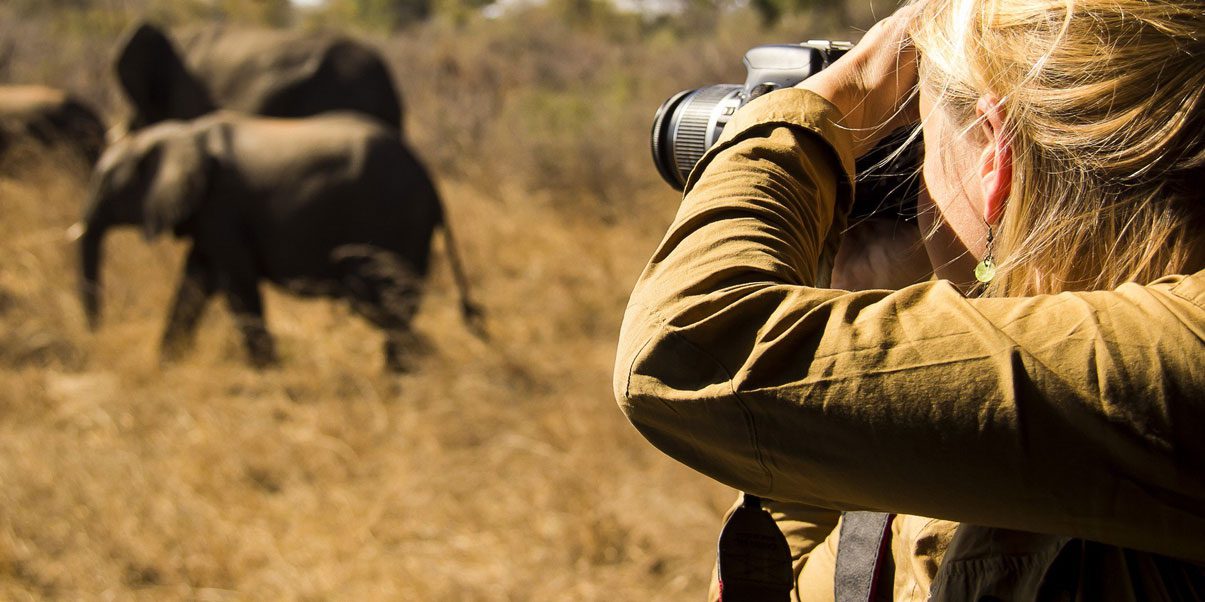
A camera with a telephoto zoom lens of around 100 to 400 or 150 to 600 millimetres is the most useful safari setup, letting you fill the frame with distant wildlife. Add a wide-angle or standard zoom for landscapes and camp scenes. Bring spare batteries and memory cards, as you will take far more photos than expected.
Best Camera for Safari →
Master Your Camera Settings Before You Go
Shutter priority or manual with auto ISO
Wildlife moments happen fast and do not repeat
Learn your camera settings at home before your safari, as there is little time to experiment when a leopard appears. Shutter priority or manual mode with auto ISO works well for wildlife. Use fast shutter speeds for movement, a wide aperture for portraits, and practise switching settings quickly without taking your eye away from the viewfinder.
Improve Wildlife Photography →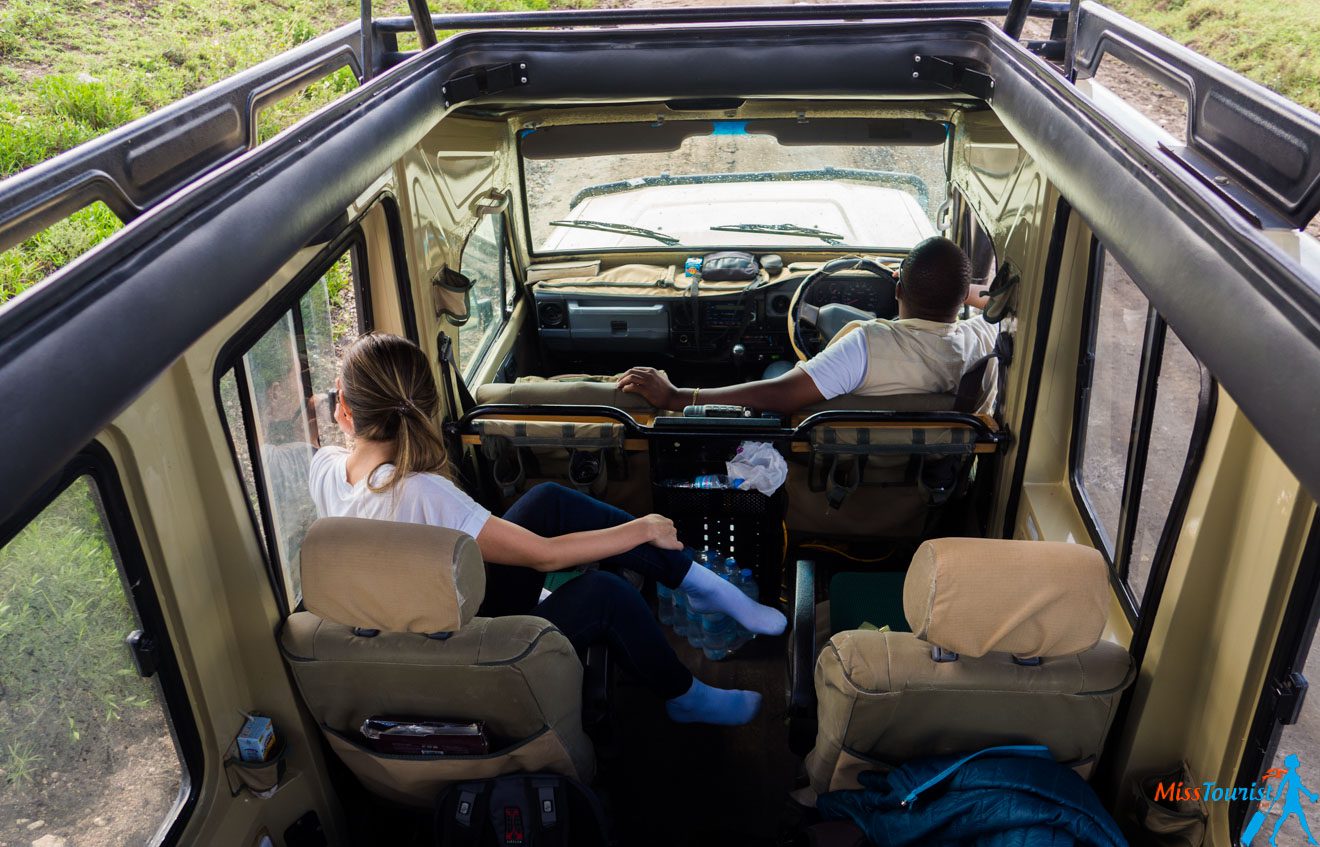
Shoot in the Golden Hours
The first and last hours of daylight
Soft, warm light and active animals create the best images
The hour after sunrise and the hour before sunset bring soft, warm, directional light that makes fur, feathers and landscapes glow. Animals are also more active in the cooler parts of the day. Midday light is harsh and creates strong shadows, so use that time to rest, edit photos or look for shaded subjects instead.
Photography by Season →
Always Focus on the Eyes
Sharp eyes with a catchlight
Sharp eyes create connection and bring images to life
In wildlife portraits, the eyes are the most important part of the image. Use single-point or animal eye autofocus and place the focus point directly on the nearest eye. A small catchlight of reflected light makes the eyes sparkle. Even a technically good photo feels flat if the eyes are soft or hidden in shadow.
Big Five Safaris →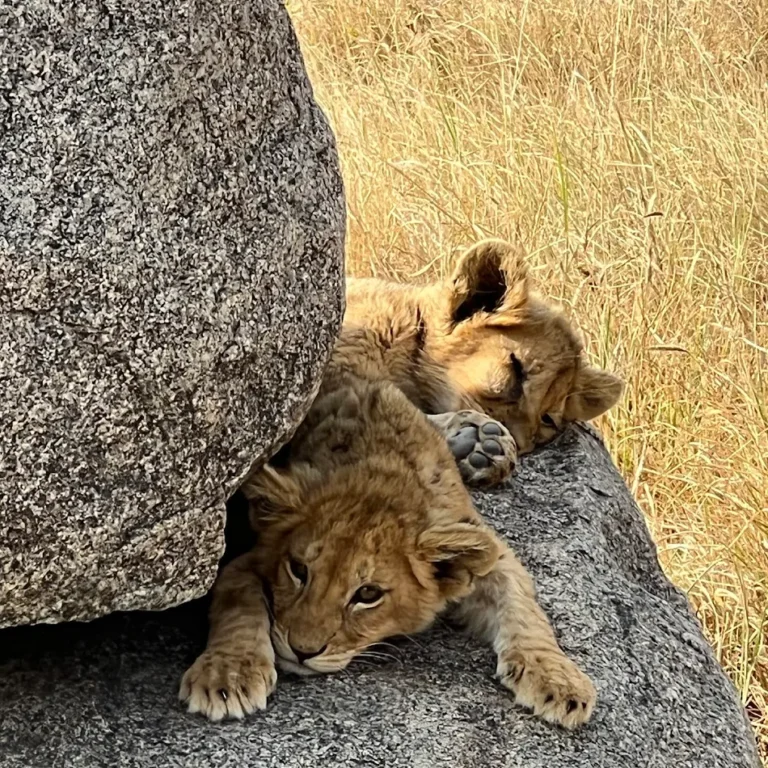
Frame Your Shots Creatively
Rule of thirds, space to move, low angles
Good composition turns a record shot into a story
Use the rule of thirds, leave space in front of an animal for it to look or move into, and watch for clean backgrounds. Shoot from a lower angle when possible for a more intimate view, and use natural frames such as branches or grass. Try both horizontal and vertical compositions to add variety to your collection.
Photography Safaris →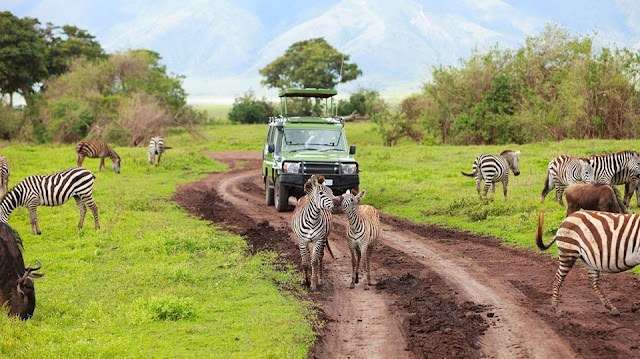
Capture Animals in Their Environment
Wide shots showing landscape and habitat
Habitat shots tell the full story of the safari
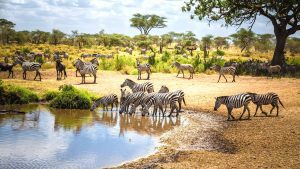
Close-up portraits are wonderful, but some of the most memorable safari images show animals small in their vast landscape. Zoom out to include acacia trees, the endless Serengeti plains, Ngorongoro's crater walls or a dramatic sky. These environmental images give a powerful sense of place and complete the visual story of your African safari adventure beautifully.
Serengeti National Park →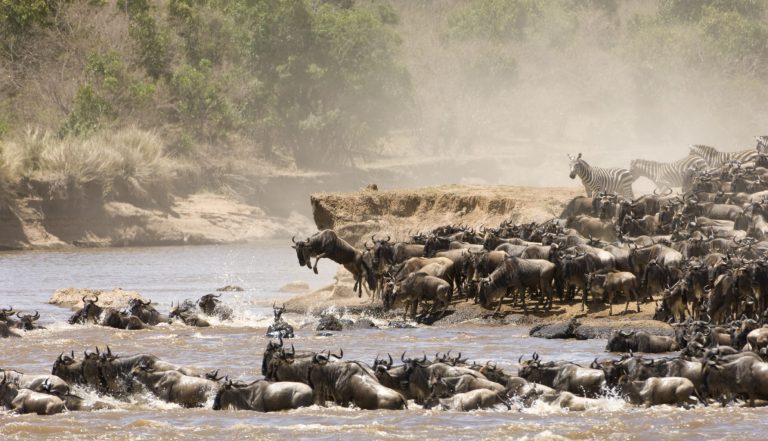
Use Continuous Autofocus and Burst Mode
Continuous AF with high-speed burst
Action happens in fractions of a second
For running cheetahs, river crossings, birds in flight or playful cubs, switch to continuous autofocus and high-speed burst mode to capture the decisive moment. Use a shutter speed of at least 1/1000 second, or faster for birds. Shoot short bursts rather than holding the button down, so your buffer and memory cards keep up with the action.
Great Migration Safaris →
Be Patient and Watch Behaviour
Wait at sightings and anticipate action
The best moments come to those who wait
Great wildlife photographs usually come from patience rather than luck. Wait at a sighting, watch the animal's behaviour and anticipate what might happen next, such as a yawn, a stretch or a hunt. Your guide can read the signs and position the vehicle well. A private safari lets you stay as long as you wish.
Private Safaris →
Stabilise Your Camera With a Beanbag
A beanbag on the window or roof hatch
Long lenses need steady support for sharp images
Long telephoto lenses magnify every movement, so a steady support makes a big difference. A beanbag resting on the vehicle window or roof hatch is the best safari support, as tripods are impractical in vehicles. Ask your travel companions to keep still during shots, and switch off the engine where possible to avoid engine vibration and blur.
Safari Packing Guide →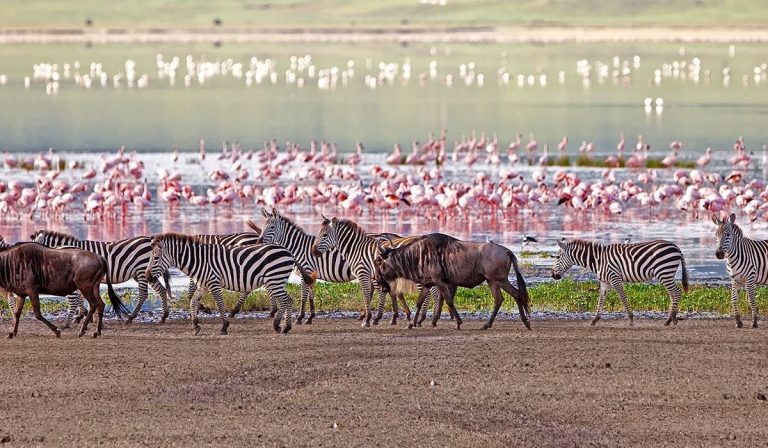
Shoot in RAW and Edit Thoughtfully
RAW files with careful post-processing
RAW keeps maximum detail for editing
Shooting in RAW captures far more detail and dynamic range than JPEG, giving you more flexibility to adjust exposure, white balance and shadows later. Edit thoughtfully and carefully, with gentle adjustments that keep colours natural. Cropping, sharpening and noise reduction can greatly improve images, but avoid over-processing that makes wildlife photos look unrealistic, oversaturated or artificial to viewers.
Wildlife Photography Tips →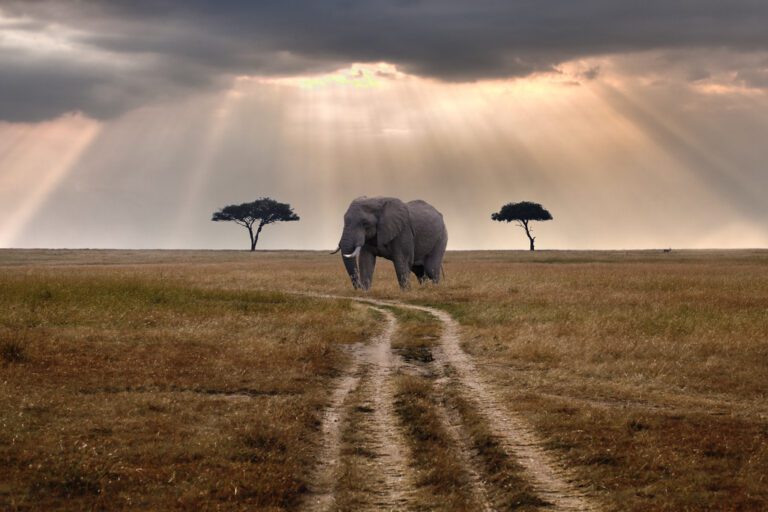
Respect Wildlife and Park Rules
Keep distance, stay quiet, stay on tracks
Ethical photography protects animals and future visits
No photograph is ever worth disturbing or stressing wildlife. Keep a respectful distance, stay on designated tracks, keep noise low and never ask your guide to break park rules for a closer shot. Avoid flash, especially at night, and never bait or call animals. Respectful behaviour leads to calmer animals and more natural, authentic and rewarding photographs for everyone.
Safari Vehicle Etiquette →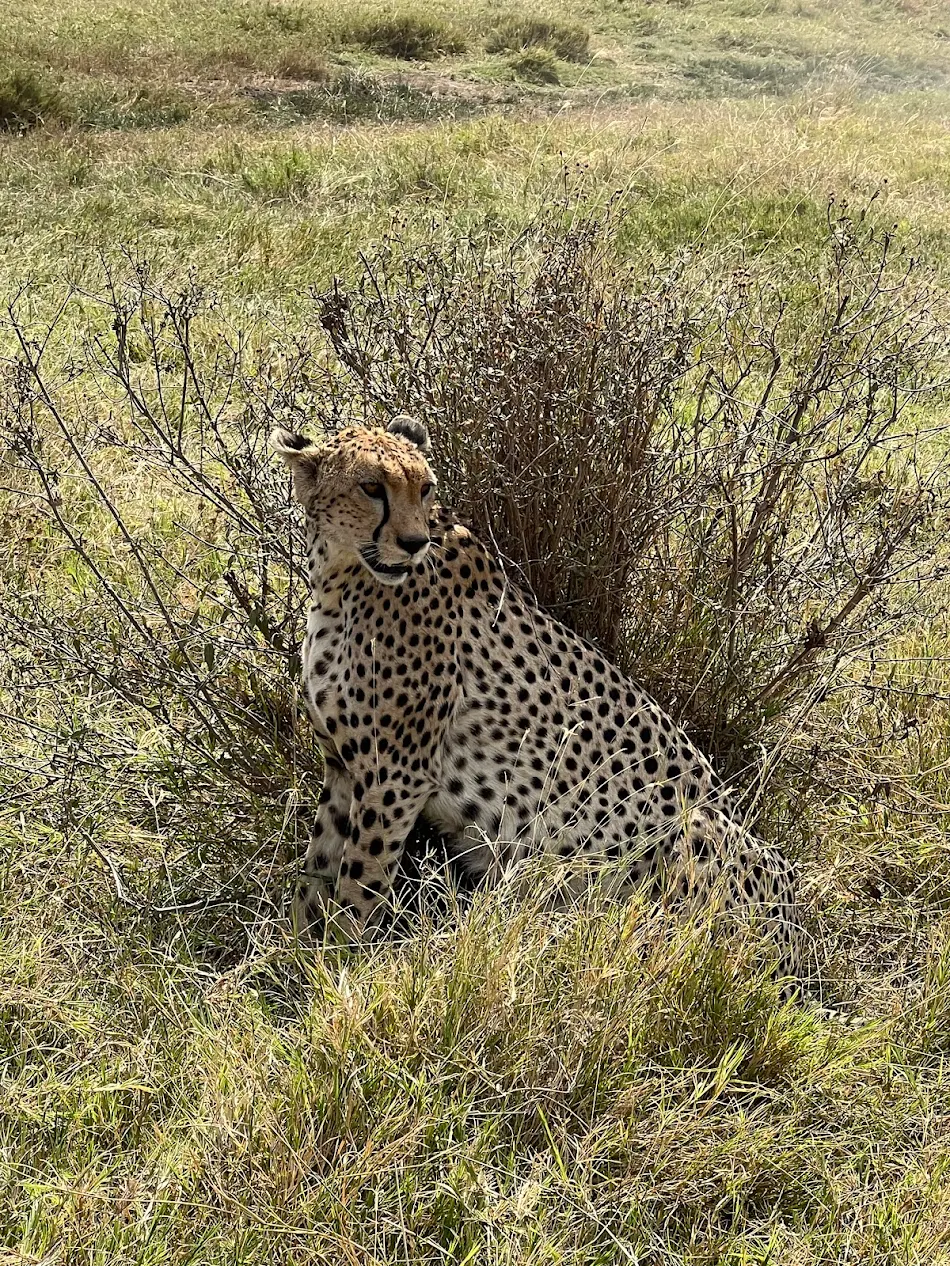
Protect Your Gear and Back Up Photos
Dust covers, cleaning kit and daily backups
Dust, bumps and lost cards can ruin a trip
Safari roads are dusty and bumpy, so protect your gear with a camera cover, keep lenses capped when not shooting and carry a blower and cleaning cloth. Avoid changing lenses in dusty conditions. Back up your photos every evening to a laptop, tablet or portable drive, and keep memory cards safely stored in separate places.
Safari Tips for First-Timers →Best Camera Settings for Safari Photography
Knowing which camera settings to use in each situation helps you react quickly when wildlife action begins. The cheat sheet below gives practical starting points for moving animals, wildlife portraits, low light, tricky exposures, landscapes and birds. These recommended settings work as a reliable starting guide for most modern mirrorless and DSLR cameras, and you can fine-tune them for each scene. Practise them at home, perhaps photographing pets or garden birds, so they become second nature before your safari and you never miss a special moment in the field on game drives. Small adjustments make a big difference.
Moving Animals
For running animals such as cheetahs, use shutter priority with a shutter speed of at least 1/1000 second, continuous autofocus and burst mode. For birds in flight or very fast action, increase to 1/2000 second or faster. Let auto ISO adjust the exposure, and accept a little noise rather than a blurred, unusable image of the action.
Wildlife Portraits
For portraits of resting animals, use a wide aperture of around f/4 to f/5.6 to blur the background and make your subject stand out. Focus on the nearest eye, keep the shutter speed at least as fast as your focal length, and wait for the animal to look towards you for more engaging and personal images.
Golden Hour and Low Light
Early and late in the day, natural light levels drop very quickly. Raise your ISO, open your aperture and steady the camera on a beanbag. Modern cameras handle higher ISO well, so do not be afraid of ISO 3200 or more. Slight underexposure protects highlights in bright sunrise and sunset skies, which are easy to overexpose.
Bright Skies and Dark Animals
Use exposure compensation to correct tricky light, which is common on safari. Dark animals such as buffaloes against bright grass may need plus compensation, while light subjects such as egrets or bright skies may need minus compensation. Check your camera's histogram regularly, and avoid clipped highlights, which cannot be recovered later in editing, even from RAW files.
Landscapes
For wide landscapes, use a wide-angle or standard zoom, an aperture of around f/8 to f/11 for front-to-back sharpness and a low ISO where light allows. Include foreground interest such as a tree or termite mound, and position the horizon on a third rather than in the centre of the frame for a more balanced, natural composition.
Birds
Birds are small, colourful and quick, so use your longest lens, a single focus point or animal tracking, and a fast shutter speed of 1/2000 second or more for birds in flight. Approach slowly with the vehicle, wait for clean perches and use a wide aperture to soften busy, distracting backgrounds behind them for cleaner images.
Best Camera Gear for an African Safari
The right camera gear makes safari photography easier and more rewarding, but you do not need the most expensive equipment to take great images. A capable camera body, a good telephoto zoom lens and a wider lens for landscapes cover almost every situation on a Tanzania safari. The cards below explain what to look for in a camera body, telephoto and standard lenses, and how to get the best from a smartphone. Remember that small aircraft have luggage limits, so plan your camera bag carefully before travelling to Tanzania. Quality matters, but knowing your equipment matters even more.
Camera Body
A mirrorless or DSLR camera with fast autofocus, good high-ISO performance and a quick burst rate is ideal. Weather sealing helps in dust and light rain. A second body saves time switching lenses and reduces dust on the sensor, but one good camera with a versatile zoom works very well for most safari travellers and photographers.
Telephoto Zoom Lens
A telephoto zoom such as 100 to 400 millimetres or 150 to 600 millimetres is by far the most important safari lens, covering everything from elephants to distant leopards and birds. Zooms give flexibility from a vehicle, where you cannot move closer. Image stabilisation is very helpful when shooting handheld or from a beanbag on bumpy vehicles.
Wide or Standard Zoom
A wide-angle or standard zoom, such as 24 to 70 or 24 to 105 millimetres, is perfect for landscapes, environmental wildlife scenes, camps, sunsets and people. It is also useful when animals come very close to the vehicle, which happens more often than many first-time visitors expect on a Tanzania safari, especially at waterholes and camps.
Smartphone Photography
Modern smartphones now take excellent landscape, camp and people photos, and are great for video. For wildlife, use the phone's telephoto lens where available, steady it against the vehicle and avoid heavy digital zoom. Phone adapters for binoculars can help, but a dedicated telephoto camera gives far better results for distant animals, birds and fast action.
How to Photograph Popular Safari Subjects
Every safari subject needs a slightly different approach, from patient waiting with big cats to fast shutter speeds for birds and wide views of the Great Migration. Knowing how to photograph each subject helps you make the most of every sighting on your Tanzania safari. The cards below share practical tips for photographing big cats, elephants, birds, the Great Migration, landscapes and sunsets, and people and culture. Combine these subject tips with the camera settings above for consistently stronger, more creative safari photographs throughout your private Tanzania safari trip. Each subject rewards patience, preparation and a little creativity.
Big Cats
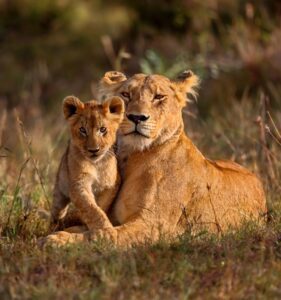
Lions, leopards and cheetahs are often most active at dawn and dusk. Be patient while they rest in the shade, as yawns, stretches and interactions can happen suddenly. Focus on the eyes, use a fast shutter for action and include the tree or rock a leopard is resting on to show its natural environment and typical behaviour.
Elephants
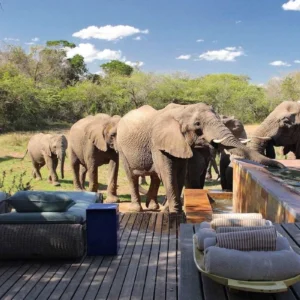
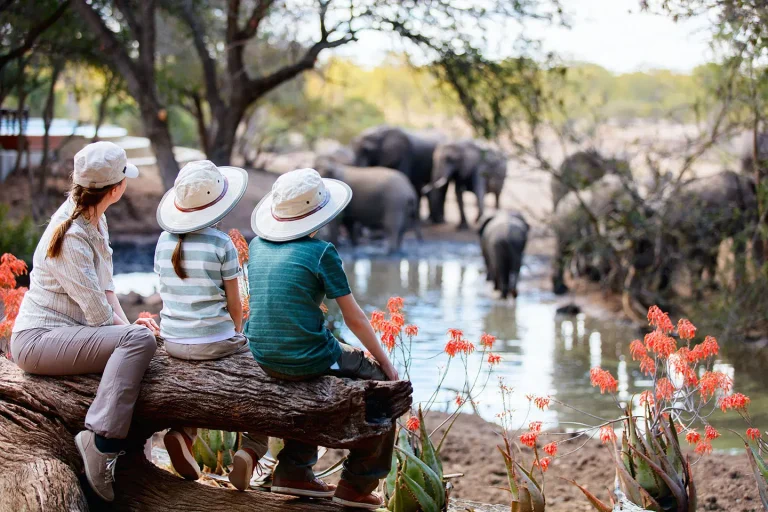
Elephants are wonderful subjects, from close-up portraits of wrinkled skin to herds walking beneath baobab trees in Tarangire. Watch for family interactions and calves playing. Use a wider lens when they come close to the vehicle, and capture dust bathing or drinking at waterholes for natural, characterful and memorable natural behaviour shots of the whole family herd.
Birds
Tanzania has more than 1,100 recorded bird species, from lilac-breasted rollers to fish eagles and flamingos. Use your longest lens, a fast shutter speed and a single focus point. Wait for clean perches and good light, and ask your guide to position the vehicle so the sun is behind you for the best, richest colours.
The Great Migration
The Great Migration offers truly dramatic scenes, from vast herds on the plains to chaotic Mara River crossings. Use a fast shutter speed and burst mode for crossings, and a wider lens to show the scale of the herds. Patience is essential, as crossings can take hours to begin and may happen suddenly without any warning.
Landscapes and Sunsets
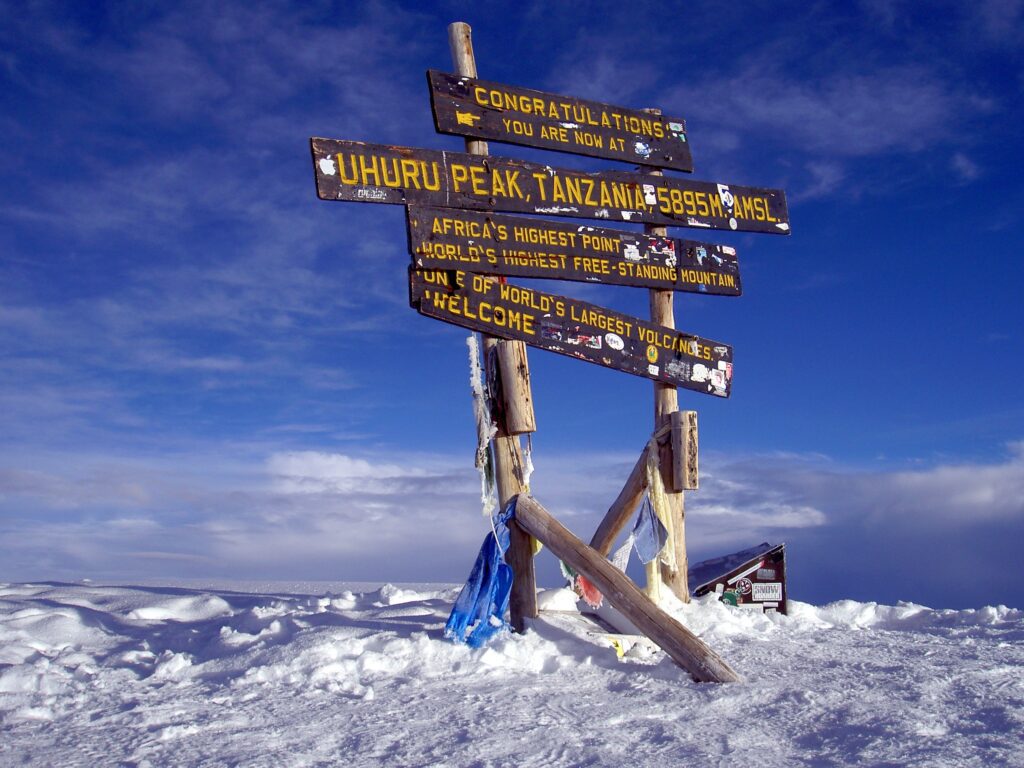
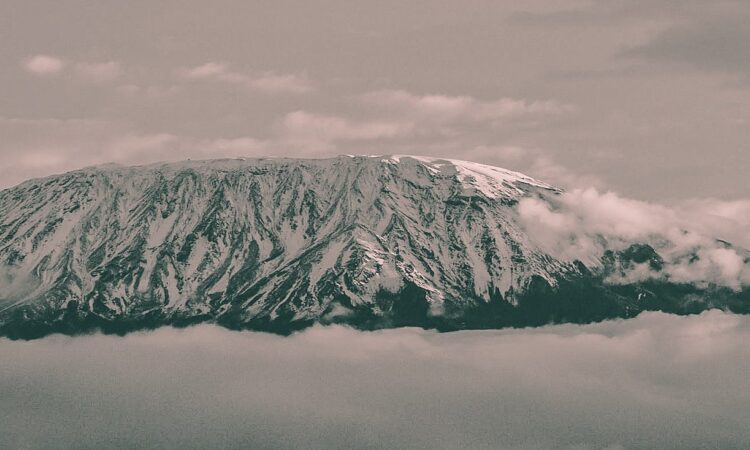
Tanzania's varied landscapes are truly spectacular, from the endless Serengeti plains to Ngorongoro's crater walls and Kilimanjaro's snow-capped summit. Include foreground interest such as acacia trees, silhouette animals against colourful skies and expose carefully for the bright sky at sunset to keep colours rich. Stay out after sunset for beautiful blue-hour colours when park rules and your guide allow it.
People and Culture
When photographing people in Maasai villages, markets or towns, always ask permission politely first and respect any answer. Engage with people before raising your camera, and follow your guide's advice on local customs. Some communities may request a small fee. Respectful, natural portraits are far more meaningful and memorable than quick, unasked snapshots taken from a distance.
Best Places and Seasons for Safari Photography in Tanzania
Tanzania is one of the world's finest destinations for wildlife photography, and choosing the right place and season helps you capture the images you have always dreamed of. The calving season, the Mara River crossings, Ngorongoro Crater and Tarangire's elephants each offer outstanding photographic opportunities at different times of year. The cards below explain when and where to go for the best safari photography in Tanzania. A private photographic safari lets you plan your route around the light, the wildlife and your own creative goals. Our guides know the best spots for light and wildlife in every season.
Ndutu and Southern Serengeti
From about January to March, the southern Serengeti and Ndutu host the migration calving season, with newborn wildebeest, intense predator action and green landscapes under dramatic stormy skies. It is easily one of the most rewarding places and times for wildlife photography, especially for cheetahs, lions and hyenas hunting on the open short-grass plains of Ndutu.
Northern Serengeti
From about July to October, the northern Serengeti offers dramatic Mara River crossings, huge herds of wildebeest and big cats in golden dry season light. Crossings require great patience and careful vehicle positioning, and staying in a camp close to the river gives you the best chance of capturing this extraordinary and unforgettable wildlife spectacle on camera.
Ngorongoro Crater
Ngorongoro Crater is excellent for photography all year, with high densities of wildlife, including black rhino, lions and elephants, set against the crater's dramatic walls. Early morning descents into the crater offer soft golden light and atmospheric mist, and the open crater floor gives clear views and wonderful environmental compositions throughout the day, whatever the season.
Tarangire National Park
From about June to October, Tarangire is superb for photographing large elephant herds, giant baobab trees and the Tarangire River, which attracts wildlife in the dry season. The golden light, dusty atmosphere and iconic baobabs create a distinctive African look, and the park is also excellent for colourful birds, lions and occasional leopards resting in trees.
Safari Photography Packing Checklist
Before you leave for your safari, use this photography packing checklist to make sure you have everything you need to capture amazing wildlife images. It covers your camera and lenses, power and storage, protection and support, and the useful extras that make life on game drives easier. Tick each item as you pack and follow your progress with the bar, or print the list to use at home while packing your camera bag. Remember that small aircraft between parks have luggage limits, so pack your camera gear efficiently in a padded bag you can carry as hand luggage.
Camera and Lenses0/5
Power and Storage0/5
Protection and Support0/5
Useful Extras0/5
Safari Photography Guides
Safari Photography Tips: FAQs
What are the best photography tips for an African safari?
Use a telephoto zoom lens, shoot in the golden hours, use fast shutter speeds for action, focus on the eyes, steady your camera on a beanbag, shoot in RAW and be patient at sightings.
What lens is best for safari photography?
A telephoto zoom of around 100 to 400 millimetres or 150 to 600 millimetres is ideal, plus a wide or standard zoom such as 24 to 105 millimetres for landscapes.
What camera settings should I use on safari?
For action, use 1/1000 second or faster with continuous autofocus and burst mode. For portraits, use a wide aperture of f/4 to f/5.6. Auto ISO helps in changing light.
What is the best time of day for safari photography?
The golden hours after sunrise and before sunset offer soft, warm light and active animals. Midday light is harsh, so use it to rest or edit photos.
Can I use my phone for safari photography?
Yes, phones are great for landscapes, camp scenes and video. For distant wildlife, a camera with a telephoto lens gives much better results than digital zoom.
Should I bring a tripod on safari?
A tripod is impractical in safari vehicles. A beanbag resting on the window or roof hatch is the best support for long lenses on game drives.
Should I shoot in RAW or JPEG on safari?
Shoot in RAW for maximum detail and editing flexibility, especially in tricky light. Many photographers shoot RAW plus JPEG for quick sharing.
How do I protect my camera from dust on safari?
Use a camera cover, keep lenses capped, avoid changing lenses in dusty conditions and carry a blower and cleaning cloth. Store gear in a padded bag.
Where is the best place for wildlife photography in Tanzania?
The Serengeti, Ndutu during the calving season, Ngorongoro Crater and Tarangire are outstanding, each offering different subjects and the best light at different times.
Is a private safari better for photography?
Yes. A private safari lets you stay longer at sightings, choose your position and plan game drives around the best light and your photographic goals.
How many memory cards do I need on safari?
Bring more than you think. Many photographers take several thousand images on a safari, so carry multiple large cards and back up every evening.
Can I photograph people on safari?
Always ask permission before photographing people, especially in Maasai villages and markets. Respect any answer, and follow your guide's advice on local customs.
Is flash allowed for wildlife photography?
Avoid flash with wildlife, as it can disturb animals, especially at night. Use higher ISO and a steady support instead in low light.
What is the best season for safari photography in Tanzania?
January to March is excellent for the calving season and green landscapes, while June to October offers dry season wildlife concentrations and river crossings.
Plan Further: Tanzania Safaris and Destinations
Tanzania Safaris
Destinations
Plan Your Private Photographic Safari
Tell us your dates and photography goals, and our local team in Arusha will design a private tailor-made safari planned around the best light, wildlife and locations.
Book Now Online →What Our Travelers Say
Real 5-star reviews from guests who traveled with us