14 Best Places to Visit in East Africa for First-Timers
East Africa is one of the most rewarding places on earth for a first safari, and Tanzania sits at its heart. From the endless plains of the Serengeti and the wildlife-filled Ngorongoro Crater to snow-capped Kilimanjaro, remote southern parks and the white-sand beaches of Zanzibar and Mafia Island, the choice can feel overwhelming. This guide explains the 14 best places to visit in East Africa for first-timers, what makes each special, when to go, sample itineraries, travel tips and typical costs, so you can plan a private tailor-made safari with confidence and see the very best of the region.
What are the best places to visit in East Africa for first-timers?
The best places to visit in East Africa for first-timers are Serengeti National Park, Ngorongoro Crater, Tarangire, Lake Manyara and Arusha National Park on Tanzania's northern circuit, followed by Zanzibar for a beach finale. Seven to ten days covers the highlights comfortably. Travellers seeking quieter wilderness can add Nyerere, Ruaha, Mikumi, Lake Natron, Lake Eyasi, Mkomazi or Mafia Island.
01Northern Tanzania Safari Highlights
Tanzania's northern safari circuit is the perfect introduction to East Africa for first-time visitors. Its six headline destinations lie within easy reach of Arusha and Kilimanjaro International Airport, so you spend more time watching wildlife and less time travelling. Here you can follow the Great Migration, descend into a wildlife-packed volcanic crater, admire giant baobabs and elephant herds, canoe beneath Mount Meru or gaze up at Africa's highest mountain. The six cards below explain what makes each park special, the best time to visit and how many days to allow on a private tailor-made safari. Plan this well ahead.
Serengeti National Park
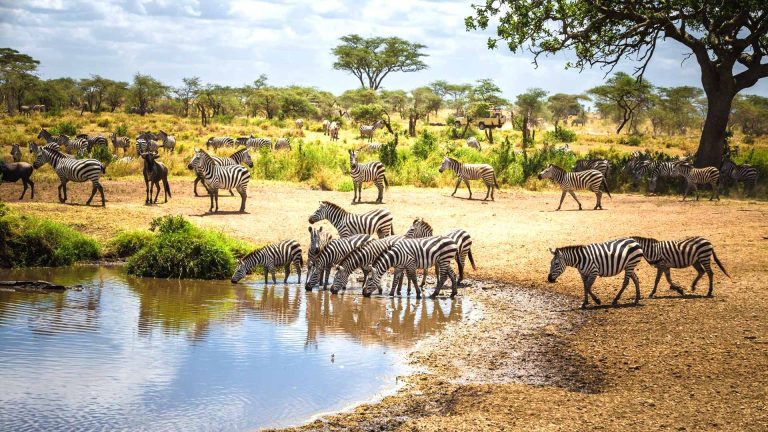
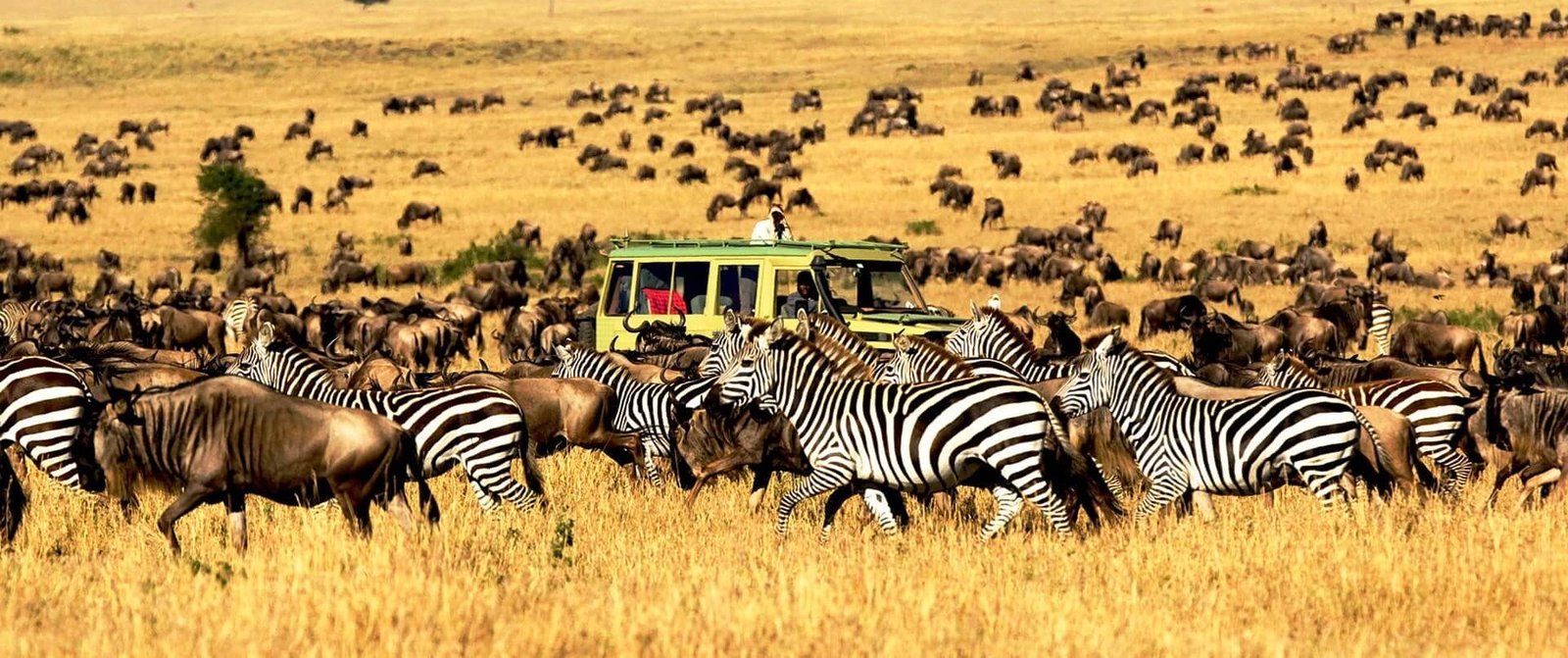
Serengeti National Park is Tanzania's most famous safari destination and a must for first-timers. Its vast golden plains host the Great Migration of over a million wildebeest and zebra, plus lions, leopards and cheetahs year-round. Calving peaks from January to March in the south, while dramatic Mara River crossings usually happen between July and October. Allow at least two nights.
Ngorongoro Crater
The Ngorongoro Crater is the world's largest intact volcanic caldera, a natural amphitheatre about 600 metres deep and home to around 25,000 large animals. It is one of the best places in Africa to see the Big Five in a single day, including the endangered black rhino. Most first-timers spend a full day exploring the crater floor.
Lake Manyara National Park
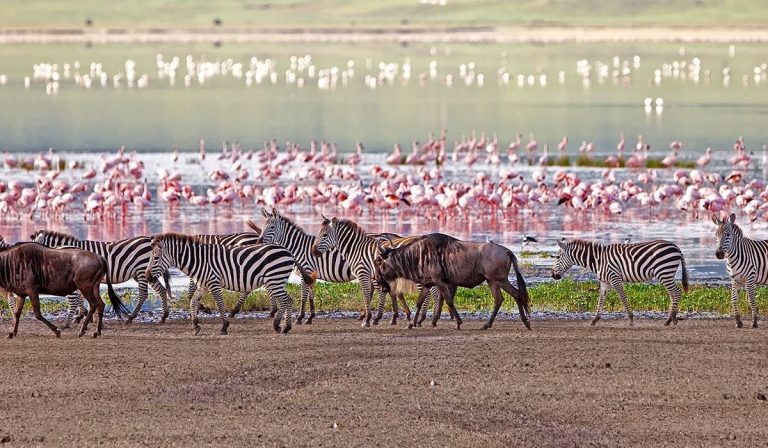
Lake Manyara National Park is a compact, beautiful park at the foot of the Great Rift Valley escarpment, about two hours from Arusha. Groundwater forest, open floodplains and an alkaline lake support elephants, giraffes, large baboon troops and the famous tree-climbing lions. Hundreds of bird species, including flamingos and pelicans, make it superb for birdwatching too.
Tarangire National Park
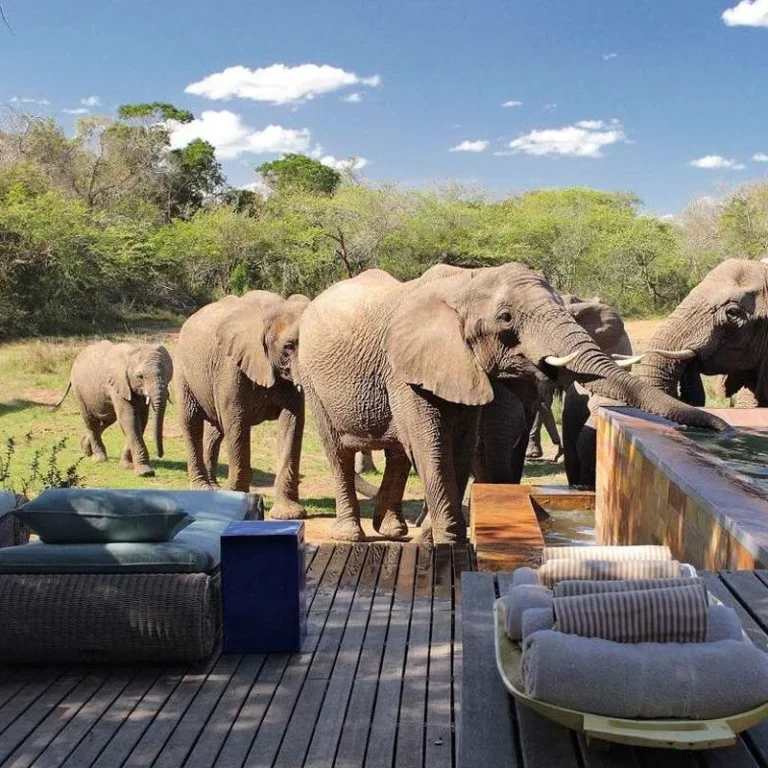
Tarangire National Park is famous for its ancient baobab trees and some of the largest elephant herds in northern Tanzania. During the dry season from June to October, the Tarangire River draws huge numbers of zebra, wildebeest, buffalo and predators. It is quieter than the Serengeti, just two hours from Arusha, and an ideal first stop.
Arusha National Park
Arusha National Park is a small, scenic park on the slopes of Mount Meru, less than an hour from Arusha town. It offers rare variety for a short visit: canoeing on the Momella Lakes, walking safaris with an armed ranger, black-and-white colobus monkeys and giraffes. It is perfect for an arrival or final day. Ask our team.
Mount Kilimanjaro National Park
Mount Kilimanjaro National Park protects Africa's highest mountain, rising 5,895 metres to Uhuru Peak. First-timers do not need to climb to the summit to enjoy it: guided day hikes through the rainforest to Mandara Hut, plus nearby waterfall walks and coffee tours, offer memorable experiences. Experienced hikers can plan a full six to nine-day climb.
03Southern Tanzania Safari Parks
Southern Tanzania is where experienced safari lovers go to escape the crowds, yet it also suits adventurous first-timers. Its three main parks are vast, wild and far less visited than the northern circuit, with excellent wildlife, superb guiding and a real sense of remoteness. Nyerere National Park offers boat and walking safaris, Mikumi is the most accessible park from Dar es Salaam, and Ruaha protects huge elephant herds and large lion prides. Most visitors reach these parks by light aircraft or a scenic road journey. The cards below explain each park, its highlights and the ideal length of stay.
Nyerere National Park
Nyerere National Park, formerly part of the Selous Game Reserve, is one of the largest protected wilderness areas in Africa. The Rufiji River and its lakes make it unique, offering boat safaris among hippos, crocodiles and birdlife, alongside walking safaris and classic game drives. Look for elephants, lions, buffalo and endangered African wild dogs in quiet surroundings.
Mikumi National Park
Mikumi National Park is the most accessible safari park from Dar es Salaam, roughly a four to five-hour drive along a tarred highway. Its open Mkata floodplain is often compared to the Serengeti, with good sightings of elephants, giraffes, zebra, buffalo, lions and hippos. It makes an excellent short safari before or after a Zanzibar beach holiday.
Ruaha National Park
Ruaha National Park is one of Tanzania's largest and wildest national parks, centred on the Great Ruaha River. It is famous for large lion prides, big elephant populations and rare antelope such as sable and roan, plus both greater and lesser kudu. Rugged baobab-studded landscapes and very few vehicles create an authentic wilderness feel. Plan ahead carefully.
04Zanzibar and Mafia Island Beach Escapes
After the dust and early mornings of safari, nothing beats a few days relaxing on the Indian Ocean coast. Combining a private safari with a beach stay is the most popular itinerary for first-time visitors to East Africa, and Tanzania offers two outstanding island choices. Zanzibar blends powder-white beaches with historic Stone Town, spice farms and lively culture, while Mafia Island is quieter, wilder and famous for diving and marine life. Short flights connect both islands to the mainland and safari airstrips. The two cards below explain how to choose the right island for your trip. Wildlife is everywhere.
Zanzibar
Zanzibar is the perfect place to unwind after safari, with turquoise water, white-sand beaches and boutique resorts along the north and east coasts. Explore the narrow alleys of Stone Town, a UNESCO World Heritage Site, take a spice tour, spot red colobus monkeys in Jozani Forest or sail at sunset on a traditional dhow. Ask our team.
Mafia Island
Mafia Island is a peaceful, unspoilt alternative to Zanzibar, set within the protected Mafia Island Marine Park. It is one of the best places in East Africa for diving and snorkelling over coral reefs, and between roughly October and March visitors can swim alongside gentle whale sharks. Small lodges and empty beaches create a wonderfully relaxed atmosphere.
05Sample Itineraries for First-Time Visitors
Choosing how to combine these destinations is often the hardest part of planning a first trip to East Africa. The right itinerary depends on your time, budget, travel month and interests, but a few proven routes work beautifully for most first-timers. Shorter trips focus on the northern circuit, longer journeys add hidden gems or a beach stay, and seasoned travellers can fly south for remote wilderness. Use the tabs below to compare four sample private safari itineraries, from a short three-day introduction to a ten-day safari and Zanzibar combination. Every route can be tailor-made around you. Plan ahead carefully.
Three-Day Northern Tanzania Safari
Short trips and add-ons
Tarangire, Ngorongoro Crater, Lake Manyara
This short safari suits first-timers adding wildlife to a Kilimanjaro climb, business trip or beach holiday. Day one explores Tarangire's elephants and baobabs, day two descends into the Ngorongoro Crater for the Big Five, and day three visits Lake Manyara before returning to Arusha. It is a compact yet rewarding introduction to East Africa. Wildlife is everywhere.
Safari packages →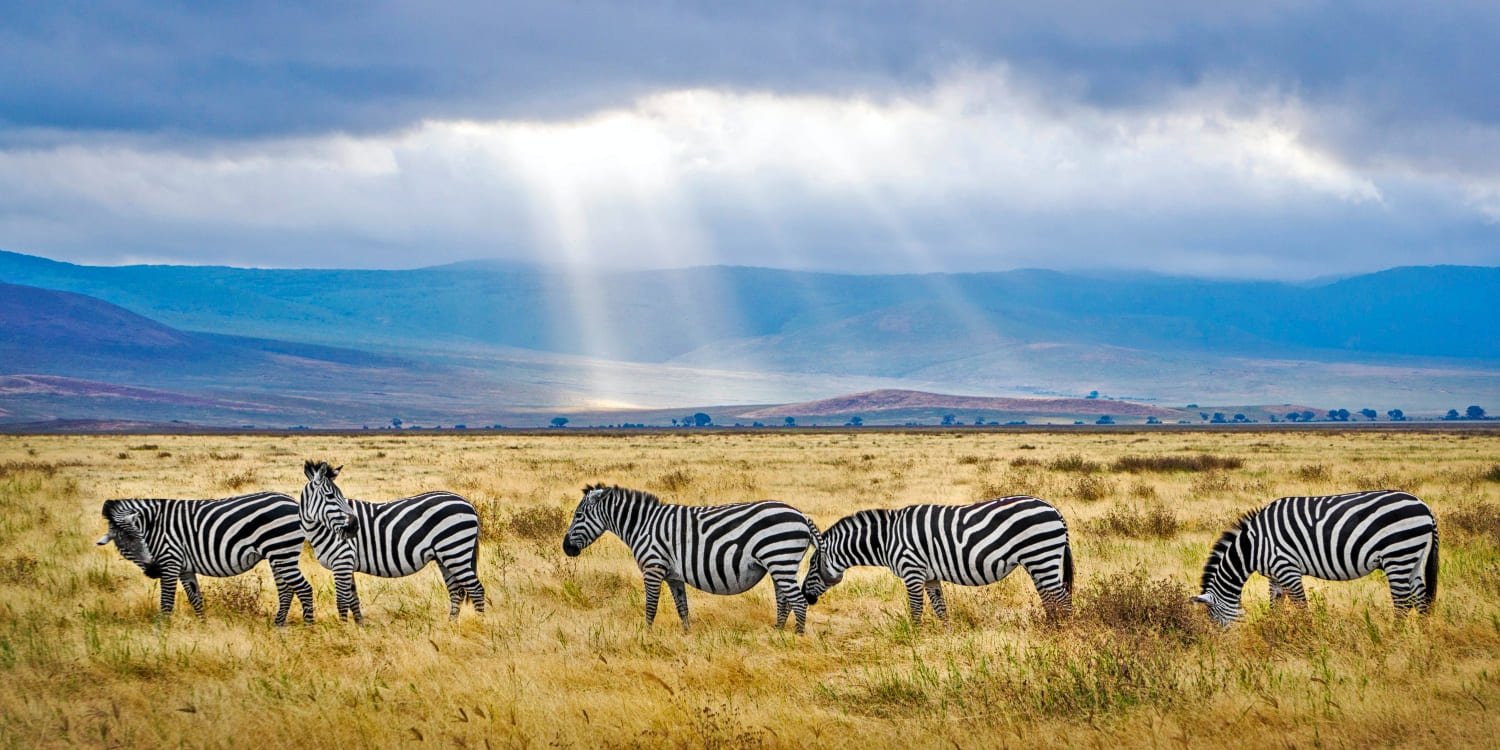
Six-Day Classic Tanzania Safari
Most first-time visitors
Tarangire, Serengeti, Ngorongoro, Lake Manyara
The classic six-day route is our most recommended itinerary for first-timers. Begin in Tarangire, continue through the Ngorongoro highlands to spend two or three nights in the Serengeti, then descend into the Ngorongoro Crater before finishing at Lake Manyara or Arusha. Your guide positions you in the right Serengeti area for the migration season. Ask our team.
Tailor-made safaris →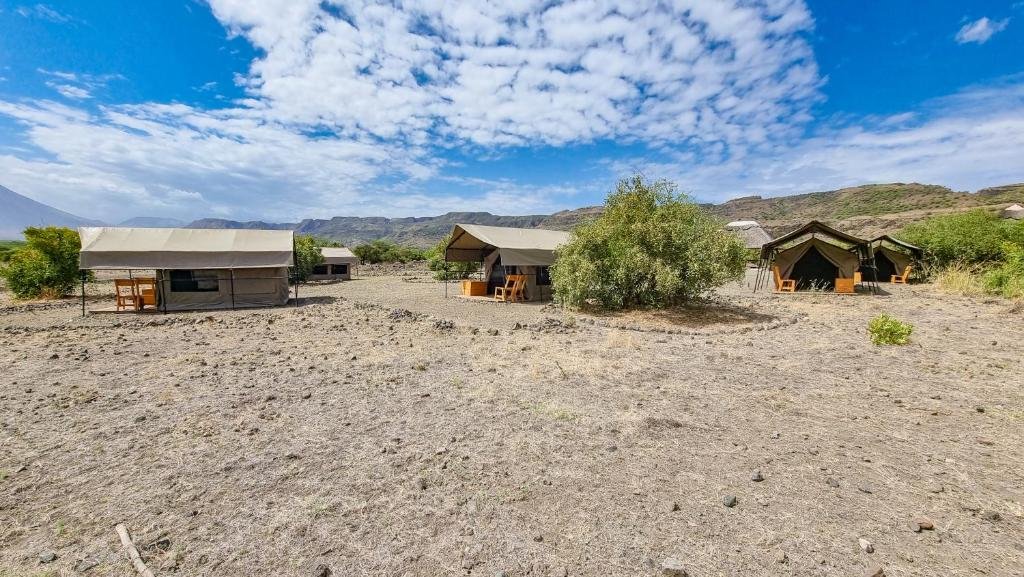
Eight-Day Safari with Lake Eyasi and Lake Natron
Curious, active travellers
Northern parks plus culture and flamingos
This eight-day journey adds northern Tanzania's hidden gems to the classic parks. Visit Tarangire and Lake Eyasi to meet the Hadzabe and Datoga, explore the Ngorongoro Crater and Serengeti, then exit through the remote Loliondo area to Lake Natron for flamingos, waterfall walks and views of Ol Doinyo Lengai. It suits curious, active travellers. Plan ahead carefully.
Lake Natron →
Ten-Day Safari and Zanzibar Holiday
Couples, families and honeymooners
Northern circuit followed by Zanzibar beaches
The ultimate first-time East Africa holiday combines six days on safari with four nights on Zanzibar. After exploring Tarangire, the Serengeti and the Ngorongoro Crater with your private guide, a short flight takes you to the coast for Stone Town, spice farms and white-sand beaches. It perfectly balances adventure and relaxation for couples and families.
Safari and Zanzibar →06Travel Tips for First-Time Visitors to East Africa
A little preparation makes your first trip to East Africa smoother, safer and far more enjoyable. Most first-timers worry about the same things: when to travel, how long to stay, what to pack, health requirements, visas and how to choose a trustworthy safari company. The good news is that Tanzania is welcoming, well organised for visitors and easy to explore with an experienced local team. The six practical tips below answer the most common questions and help you avoid the classic mistakes, so you can focus on the wildlife, landscapes and culture from the moment you land. Highly recommended.
Choose the right season
The dry season from June to October is the best time for first-timers, with easy game viewing, thinner vegetation and Mara River crossings. January to March is ideal for the Serengeti calving season. The long rains of April and May bring lower rates and green landscapes, though some remote camps close. Match your dates to your priorities.
Do not rush your itinerary
Many first-timers try to see too many parks in too few days, spending more time driving than watching wildlife. Allow at least two nights in the Serengeti, keep daily drives manageable and include a relaxed afternoon or two. Seven to ten days usually covers the northern highlights comfortably, with time for a beach extension afterwards.
Choose a private safari
A private tailor-made safari gives you your own 4x4 vehicle and professional guide, so you decide when to start, how long to stay at each sighting and when to rest. It is more flexible, comfortable and personal than a fixed tour, and ideal for families, couples, photographers and anyone visiting East Africa for the first time.
Sort visas, health and insurance
Most visitors need a Tanzania visa, which many nationalities can apply for online before travel. Visit a travel health clinic six to eight weeks ahead for advice on vaccinations and malaria prevention, and carry proof of yellow fever vaccination if required. Comprehensive travel insurance with medical evacuation cover is strongly recommended for every safari traveller.
Pack light and neutral
Pack soft-sided bags, as light aircraft usually limit luggage to around 15 kilograms. Choose neutral-coloured, breathable clothing in layers, a warm fleece for chilly mornings, a sun hat, sunscreen and insect repellent. Binoculars and a camera with a zoom lens make a huge difference to your sightings. Most lodges offer laundry services. Ask us for more details.
Respect wildlife and culture
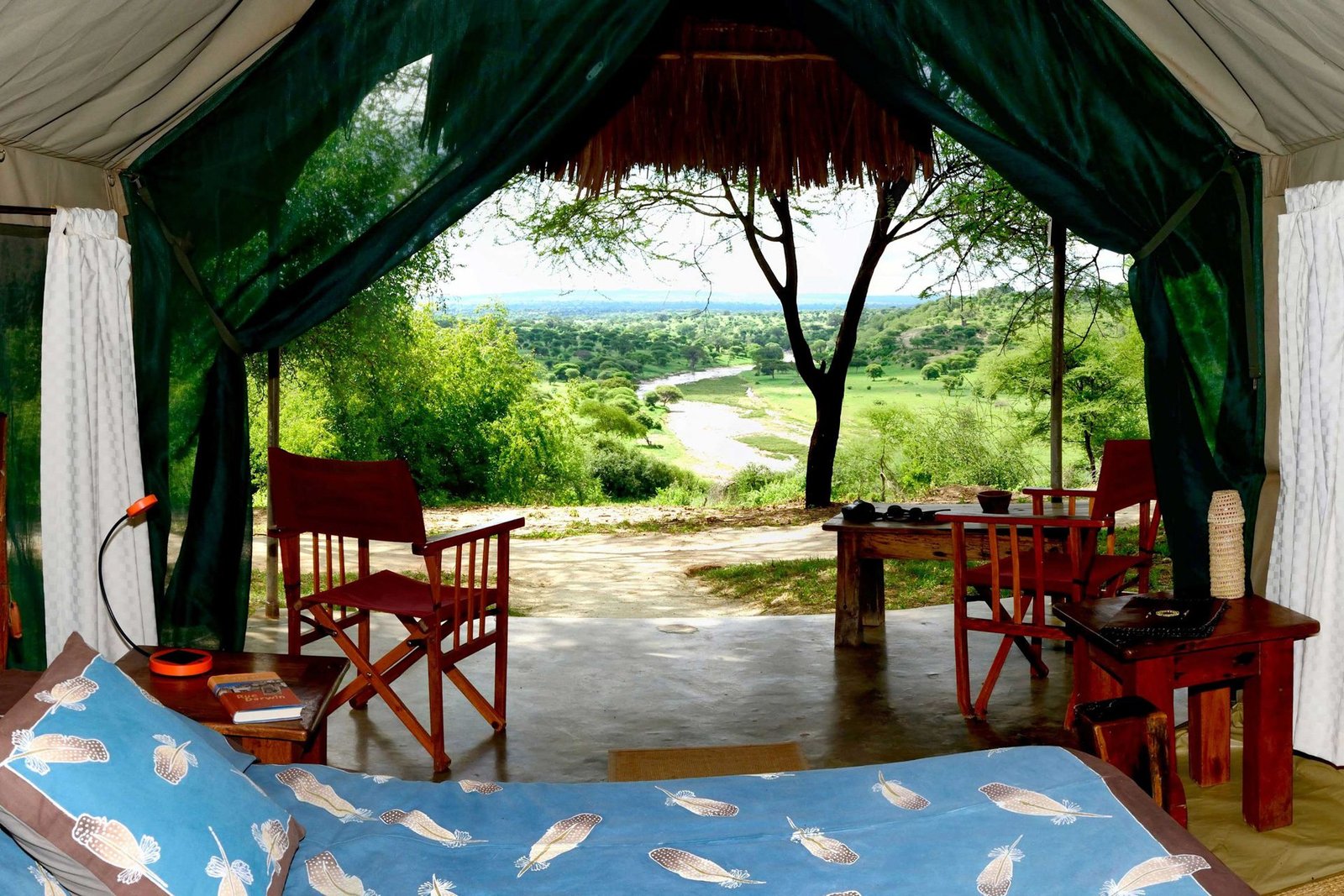
Always follow your guide's instructions, stay inside the vehicle unless told otherwise and keep voices low near animals. Ask permission before photographing people, dress modestly in towns and on Zanzibar, and learn a few Swahili greetings such as jambo and asante. Responsible travel helps protect Tanzania's wildlife and supports the local communities you visit. Wildlife is everywhere.
07How Much Does a First-Time East Africa Safari Cost?
Safari costs in East Africa vary widely depending on your travel season, accommodation style, number of days, the parks you visit and how many people are travelling together. Park fees, your private vehicle and guide, meals, lodges and transfers are usually included in a tailor-made quote, while international flights, visas, insurance and tips are normally extra. To help you plan, the three cards below explain the typical per person per day price ranges for private camping, mid-range and luxury safaris in Tanzania. Request a written quote for exact prices based on your dates and preferences. It is truly unforgettable.
Private camping safari
Private camping safaris typically cost about US$250 to US$390 per person per day, including your own vehicle, guide, camp crew, park fees and meals. You sleep in simple tents at public campsites inside or near the parks, enjoying an authentic wilderness experience. It is the best-value way for adventurous first-timers to explore East Africa. Ask our team.
Mid-range lodge safari
Mid-range private safaris usually cost about US$550 to US$990 per person per day. You stay in comfortable lodges and permanent tented camps with en-suite bathrooms, good food and excellent locations, often with swimming pools and wonderful views. This is the most popular choice for first-timers, offering the best balance of comfort, wildlife and value. Plan ahead carefully.
Luxury safari
Luxury private safaris range from about US$990 to US$2,500 or more per person per day. Expect exclusive camps and lodges in prime wildlife areas, spacious suites, fine dining, attentive service and often light-aircraft flights between parks to save time. It is the ultimate way to experience East Africa for honeymooners and special celebrations. First-timers always love this.
08Best Places to Visit in East Africa: FAQs
What is the best place to visit in East Africa for a first safari?
Serengeti National Park is the best place for a first safari in East Africa, thanks to its huge wildlife numbers, big cats and the Great Migration. Combine it with the Ngorongoro Crater and Tarangire for a classic northern Tanzania circuit, which offers outstanding variety, excellent lodges and easy access from Arusha and Kilimanjaro airport. Wildlife is everywhere.
How many days do I need for a first trip to East Africa?
Most first-timers need seven to ten days. Five or six days covers Tarangire, the Serengeti and the Ngorongoro Crater at a comfortable pace, while seven to eight days lets you add Lake Natron, Lake Eyasi or extra Serengeti nights. Add three to five nights for a Zanzibar or Mafia Island beach extension afterwards. Plan this well ahead.
When is the best time to visit East Africa for first-timers?
The best time is the dry season from June to October, when wildlife gathers around water, vegetation is thinner and Mara River crossings take place in the northern Serengeti. January to March is excellent for the calving season. November, December and the long rains of April and May offer greener landscapes and lower rates. Ask our team.
Is Tanzania or Kenya better for a first safari?
Both are excellent, but Tanzania is often the better choice for a first safari because it offers the Serengeti, the Ngorongoro Crater, Kilimanjaro and Zanzibar in a single, well-connected trip. Its parks are vast, wildlife is abundant year-round and private tailor-made itineraries combine safari and beach easily. Kenya's Masai Mara is also superb. It is truly unforgettable.
Where can I see the Big Five in East Africa?
The Ngorongoro Crater is the best place in East Africa to see the Big Five, often in a single day, including the rare black rhino. The Serengeti also offers lion, leopard, elephant and buffalo, with rhino occasionally seen in some areas. Mkomazi's rhino sanctuary is another option for dedicated rhino enthusiasts. Our team can arrange every detail.
Where can I see the Great Migration?
The Great Migration moves through the Serengeti all year. From December to March the herds graze the southern plains around Ndutu, where calving peaks in February. From May to July they move through the western and central Serengeti, and from July to October dramatic Mara River crossings take place in the northern Serengeti near Kenya.
Can I combine a safari with Zanzibar?
Yes. Combining a private safari with Zanzibar is the most popular itinerary for first-time visitors to East Africa. After your safari, a short scheduled flight from Arusha or a Serengeti airstrip takes you to Zanzibar, where you can relax on white-sand beaches, explore Stone Town and take a spice tour. Allow three to five nights.
Is Mafia Island worth visiting?
Mafia Island is well worth visiting if you love the ocean and want a quieter alternative to Zanzibar. It sits within Mafia Island Marine Park, offering excellent diving and snorkelling on coral reefs, and seasonal whale shark encounters, usually from around October to March. It has few hotels, so book small lodges early. First-timers always love this.
Are the southern parks good for first-timers?
Yes, Nyerere, Mikumi and Ruaha suit adventurous first-timers who want fewer vehicles and a wilder feel. Nyerere adds boat and walking safaris, Mikumi is easily reached from Dar es Salaam and Ruaha is superb for lions and elephants. Most visitors fly between these parks, and they combine perfectly with Zanzibar or Mafia Island. Plan this well ahead.
Do I need to climb Kilimanjaro to visit the national park?
No. You can enjoy Mount Kilimanjaro National Park without climbing to the summit. Guided day hikes from Marangu Gate through the rainforest to Mandara Hut are a popular half or full-day trip, and nearby waterfall walks and coffee tours make great additions. Fit, adventurous travellers can plan a full six to nine-day summit climb. Plan ahead carefully.
How much does a first safari in East Africa cost?
A private tailor-made safari in Tanzania typically costs about US$250 to US$390 per person per day for camping, US$550 to US$990 for mid-range lodges and US$990 to US$2,500 or more for luxury. Prices depend on the season, accommodation, length of stay and number of travellers. Request a written quote for exact prices. Your guide makes it special.
Is it safe to travel to East Africa for first-timers?
Tanzania is generally a safe and welcoming destination for first-time visitors, especially on a private safari with an experienced, licensed local operator. Your guide handles all driving and logistics, and lodges and camps have professional staff. Use normal travel precautions in cities, follow your guide's advice around wildlife and keep valuables secure. Every moment feels truly special.
What should first-timers pack for East Africa?
Pack light, neutral-coloured clothing in breathable layers, a warm fleece for early mornings, comfortable walking shoes, a sun hat, sunglasses, sunscreen and insect repellent. Bring binoculars, a camera with a zoom lens, spare batteries and a power bank. Use a soft duffel bag, as light aircraft have strict luggage limits, and add swimwear for the beach.
Why choose a private tailor-made safari for a first trip?
A private tailor-made safari gives you your own vehicle and expert guide, a flexible daily schedule and an itinerary designed around your interests, budget and travel dates. You can linger at sightings, take breaks when you need them and combine parks, cultural visits and beaches seamlessly. It is the most relaxed way to discover East Africa.
First-Timer Safari Planning Guides
Explore East Africa's Top Destinations
Northern Parks
Hidden Gems and the South
Plan Your First East Africa Safari
Tell us your travel dates, interests and budget, and our Arusha team will design a private tailor-made itinerary combining the best places to visit in East Africa, with your own 4x4 vehicle, an expert guide and hand-picked lodges.
Book Now Online →What Our Travelers Say
Real 5-star reviews from guests who traveled with us