
Lake Eyasi Weather & Climate
Lake Eyasi lies on the floor of Tanzania's Great Rift Valley at roughly 1,030 metres above sea level, far lower than the cool Ngorongoro Crater rim at around 2,200 metres, which makes it noticeably warmer, drier and dustier year-round. Daytime temperatures typically range from 20-32°C (68-90°F), with the hottest, driest stretches falling in the long dry season from June to October and again in January and February. Two rainy seasons interrupt the heat: the long rains from March to May bring the heaviest downpours and lush green scenery, while the short rains in November are lighter and more unpredictable. Because Lake Eyasi sits in a rain-shadow basin, it stays notably hotter and drier than the surrounding highlands throughout the year. Travellers should pack light, breathable clothing, sun protection and a hat regardless of season, plus a light rain layer for March-May and November visits.
Lake Eyasi Seasons
Four seasons shape the Rift Valley floor climate around the lake
Dry Season · June - October
The long dry season brings clear skies, near-zero rainfall and dusty, sun-baked terrain around the lake. Days are hot and evenings cool quickly after sunset, making this the most popular window for cultural walks with the Hadzabe and Datoga.
Short Rains · November
Brief, often intense afternoon showers freshen the landscape and cool the air, while mornings usually stay dry and sunny. Vegetation greens up quickly and the lake basin becomes noticeably less dusty than in peak dry months.
Dry Season · January - February
A short, hot and reliably dry spell between the rains, with intense midday sun and very little cloud cover. Conditions are similar to the June-October dry season, with excellent visibility and firm walking trails.
Long Rains · March - May
The wettest months bring heavier, more sustained rainfall, muddy tracks and lush green scenery across the Rift Valley floor. Humidity rises and some roads can become difficult after storms, so this is the quietest season for visitors.
Lake Eyasi Monthly Temperature & Rainfall
| Month | Avg High °C/°F | Avg Low °C/°F | Rainfall |
|---|---|---|---|
| January | 31 / 88 | 19 / 66 | Low - dry season |
| February | 31 / 88 | 19 / 66 | Low - dry season |
| March | 30 / 86 | 19 / 66 | High - long rains begin |
| April | 28 / 82 | 18 / 64 | Very high - peak long rains |
| May | 28 / 82 | 17 / 63 | Moderate - long rains taper |
| June | 27 / 81 | 16 / 61 | Very low - dry season begins |
| July | 26 / 79 | 15 / 59 | Very low - dry, cool nights |
| August | 27 / 81 | 15 / 59 | Very low - dry season |
| September | 29 / 84 | 16 / 61 | Very low - dry season |
| October | 30 / 86 | 17 / 63 | Low - dry season |
| November | 29 / 84 | 18 / 64 | Moderate - short rains |
| December | 30 / 86 | 18 / 64 | Low-moderate - short rains ease |
Plan Your Lake Eyasi Visit
Trip Length
Comfort Level
Safari Style
Operator Rating
Specialized Tours
Filter by Operator
Other Tour Features
Lake Eyasi Safari Packages for Every Season
Hand-picked Northern Circuit itineraries that combine easily with Lake Eyasi, tailored privately by Foot Slopes Tours and Safaris.
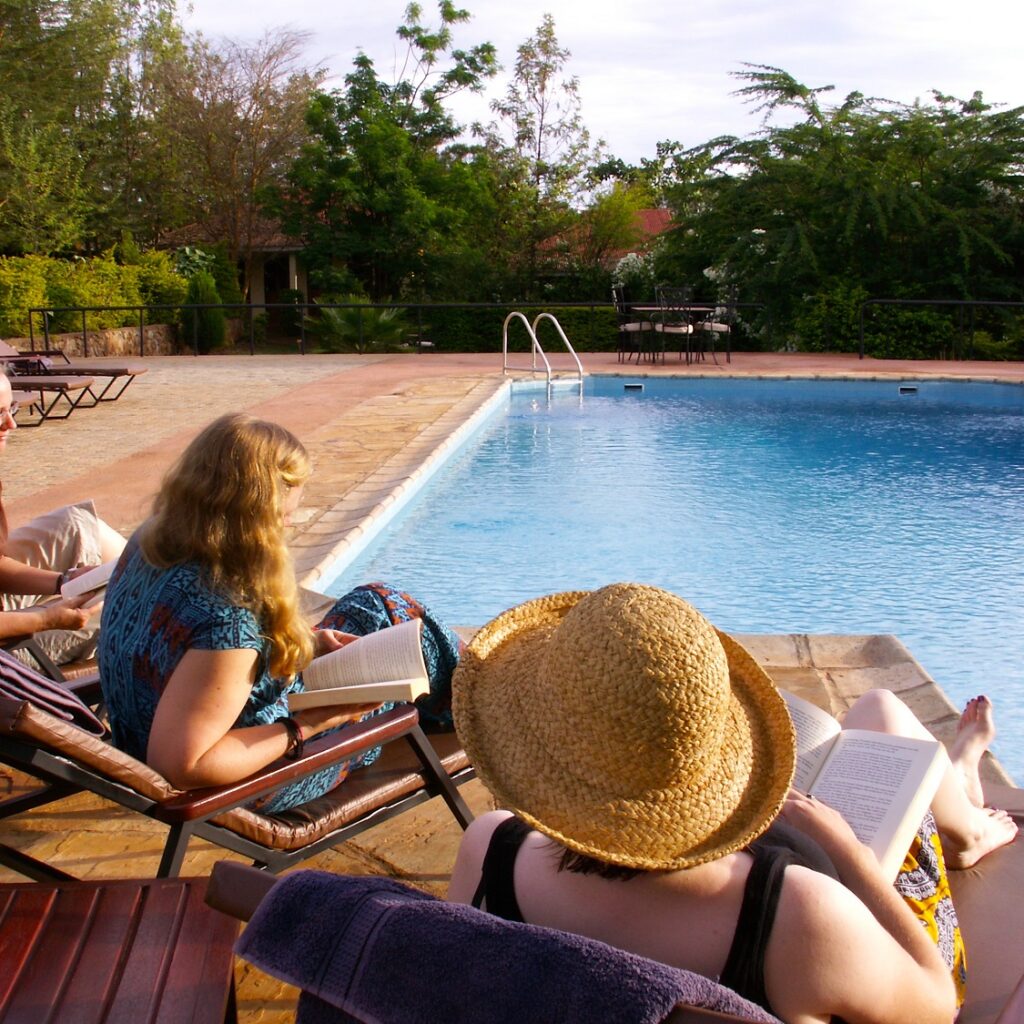
6-Day Serengeti and Ngorongoro Family Safaris
A six-day Serengeti and Ngorongoro combination built for multi-generation travelers.
View Package →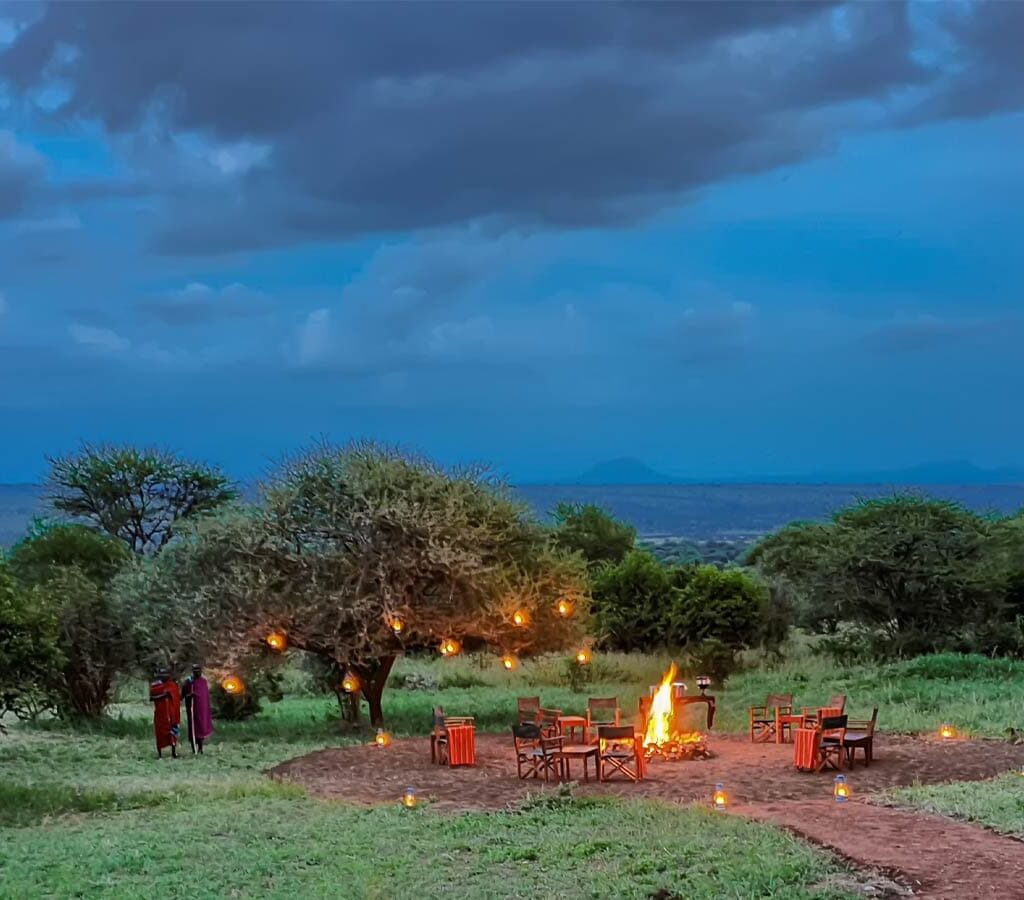
8-Day Northern Tanzania Safaris
An eight-day tour across Tanzania's top northern circuit parks.
View Package →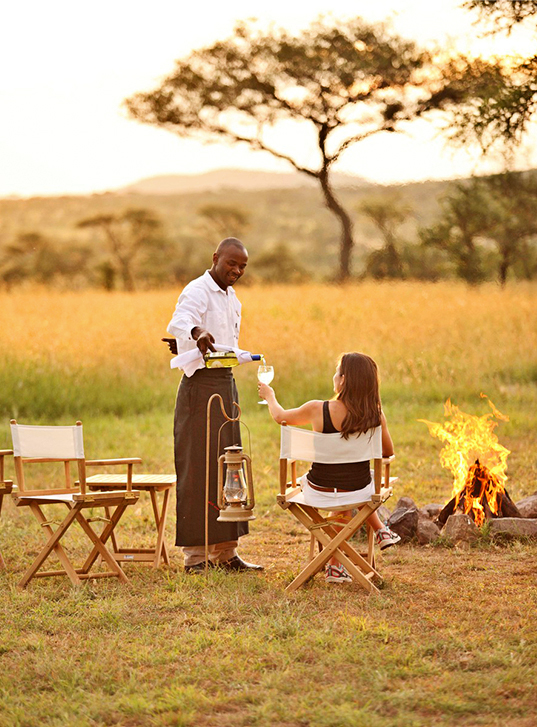
9-Day Private Northern Tanzania Safari
A nine-day fully private safari through Tanzania's northern circuit highlights.
View Package →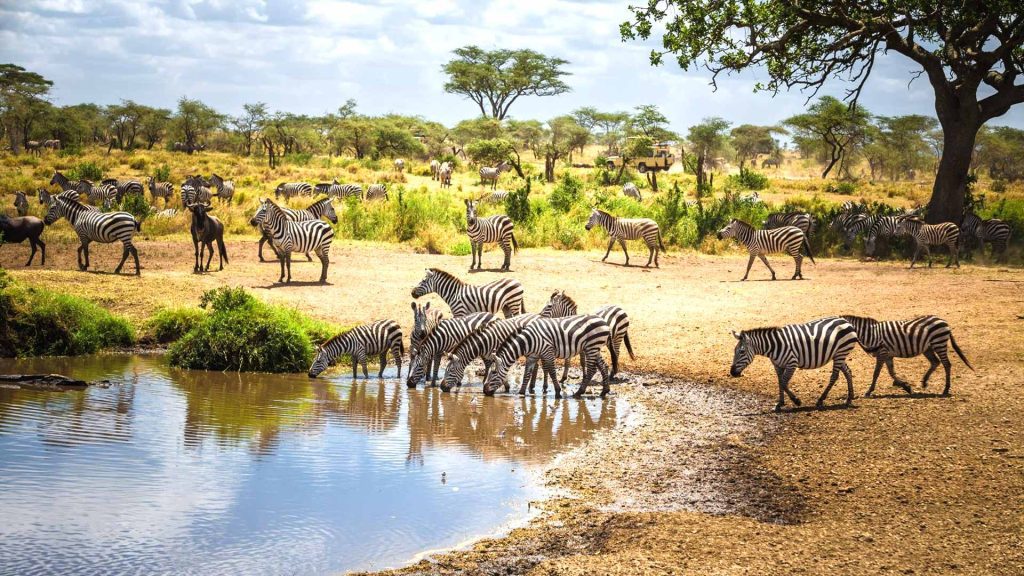
10-Day Amazing Northern Tanzania Safari
A ten-day journey across Tanzania's most celebrated northern parks.
View Package →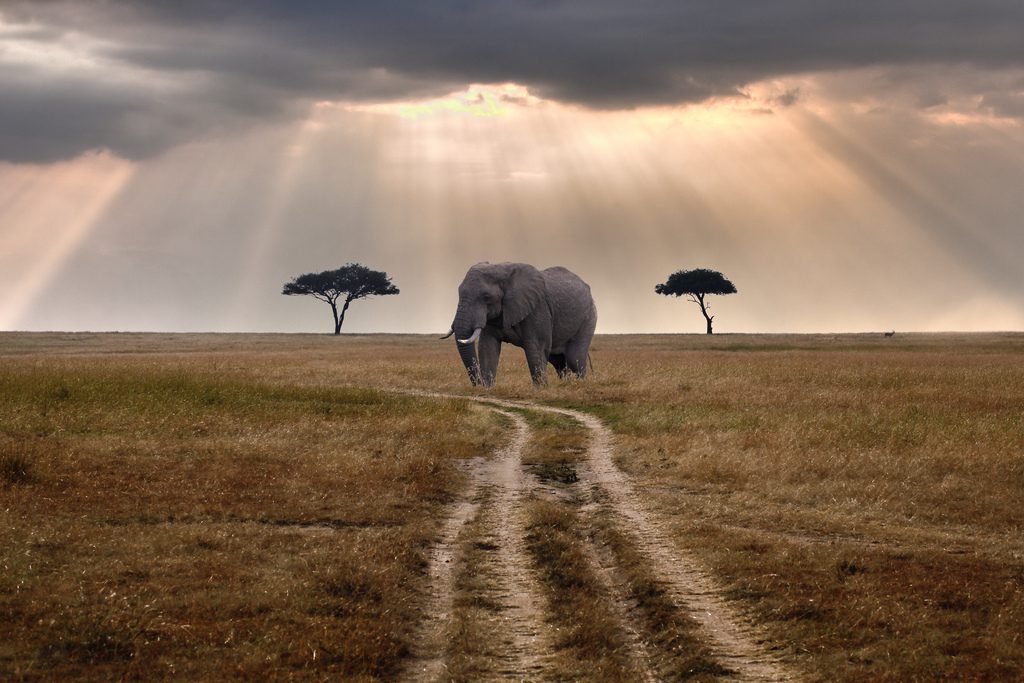
10-Day Best of Northern Tanzania Safari
Ten days combining the very best of the northern safari circuit.
View Package →
10-Day Ultra-Luxury Tanzania Lodge Safari
Ten days of ultra-luxury lodges across Tanzania's premier parks.
View Package →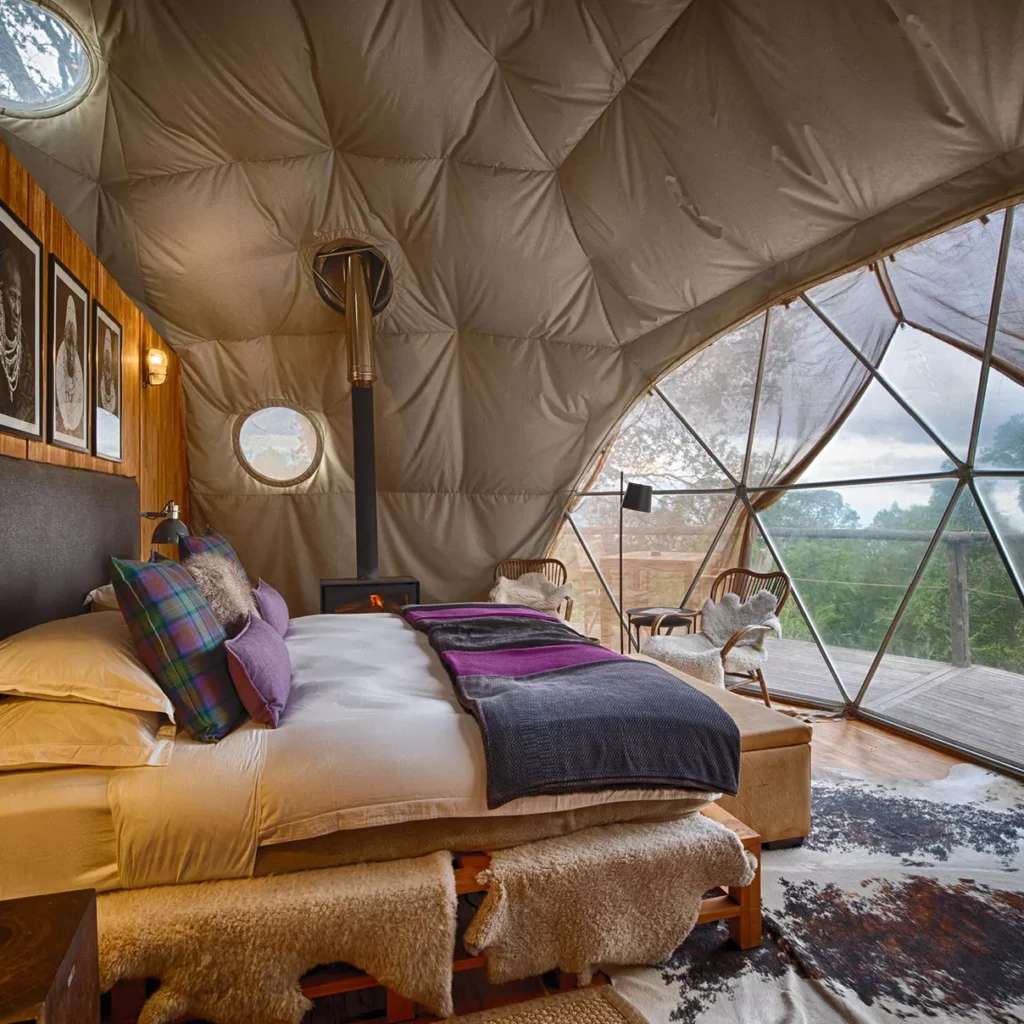
8-Day Tanzania Big Five Luxury Safari
An eight-day luxury safari focused on spotting Africa's Big Five.
View Package →
7-Day Best of Serengeti Safari
A seven-day safari highlighting the very best of the Serengeti ecosystem.
View Package →Lake Eyasi Planning Guides
Lake Eyasi Weather & Climate FAQs
What is the weather like at Lake Eyasi?
Lake Eyasi has a warm to hot Rift Valley climate year-round, with daytime temperatures typically ranging from 20-32°C (68-90°F). Because the lake sits at roughly 1,030 metres above sea level, far lower than the Ngorongoro Crater rim at 2,200 metres, it is consistently hotter, drier and dustier than the nearby highlands. There are two dry seasons, June to October and January to February, and two rainy seasons, the long rains from March to May and the short rains in November. Evenings cool noticeably after sunset, especially during dry months, so light layers are recommended alongside sun protection for daytime heat.
Is Lake Eyasi hotter than Ngorongoro Crater?
Yes, Lake Eyasi is significantly hotter than Ngorongoro Crater. The crater rim sits at around 2,200 metres elevation and stays cool, often chilly at night, while Lake Eyasi lies on the Rift Valley floor at only about 1,030 metres, roughly 1,170 metres lower. This elevation difference means Lake Eyasi regularly reaches 28-32°C (82-90°F) by day, while Ngorongoro highlands rarely exceed the mid-20s Celsius. Many travellers notice the temperature jump immediately when descending from the crater rim toward Karatu and onward to the lake, and pack accordingly with lighter clothing for the lower, warmer basin.
When are the dry seasons at Lake Eyasi?
Lake Eyasi experiences two distinct dry seasons each year. The longer one runs from June through October, bringing clear skies, minimal rainfall and dusty, sun-baked trails that are ideal for walking safaris with the Hadzabe and Datoga communities. A second, shorter dry spell falls between January and February, offering similarly hot, rainless conditions between the two wet periods. Both dry seasons see daytime temperatures of roughly 22-32°C (72-90°F) with very low humidity, excellent visibility and firm ground underfoot, making them the most reliable and popular times to visit the lake and surrounding Rift Valley landscape.
When is the rainy season at Lake Eyasi?
Lake Eyasi has two rainy seasons. The long rains fall from March through May and are the wettest and most sustained, bringing heavier downpours, muddy tracks and lush green vegetation across the Rift Valley floor, with temperatures slightly cooler at 20-29°C (68-84°F). The short rains arrive in November and are lighter, more sporadic and often limited to brief afternoon showers followed by sunny mornings. Both seasons green up the landscape and reduce dust considerably compared to dry months, though the long rains can make some rural roads more difficult to navigate.
What should I pack for Lake Eyasi's climate?
Pack lightweight, breathable clothing in neutral tones for daytime heat that regularly reaches 28-32°C (82-90°F), plus a wide-brimmed hat, sunglasses and high-SPF sunscreen for intense equatorial sun. A light long-sleeved layer or fleece is useful for cooler evenings and early mornings, especially during the June-October dry season when nights can feel surprisingly crisp. If travelling during the March-May long rains or November short rains, add a compact rain jacket and waterproof footwear, since trails can turn muddy quickly. Sturdy closed shoes are recommended year-round for walking safaris across rocky, uneven Rift Valley terrain.
What is the best month to visit Lake Eyasi for good weather?
July through September is widely considered the best window for Lake Eyasi weather, combining reliably dry conditions, low humidity and comfortable daytime temperatures around 26-29°C (79-84°F) with cooler, pleasant evenings. Trails are firm and dust levels, while present, are manageable compared to the peak heat of September-October. This period also aligns with excellent visibility for cultural walks and hunting excursions with the Hadzabe. January and February offer a similar dry, sunny alternative for travellers combining Lake Eyasi with a Serengeti calving-season itinerary further north.
Does it get cold at Lake Eyasi at night?
Nights at Lake Eyasi are noticeably cooler than daytime highs but rarely feel genuinely cold, typically dropping to around 15-19°C (59-66°F) depending on season, with the coolest nights falling during the July-August dry season. This is still considerably milder than nighttime temperatures on the Ngorongoro Crater rim or Serengeti plains, a reflection of the lake's much lower Rift Valley elevation. A light jacket or fleece is comfortable for evening campfire dinners, but heavy cold-weather gear packed for highland safari stops is generally unnecessary once travellers descend to the lake basin.
How humid is Lake Eyasi?
Humidity at Lake Eyasi stays relatively low for most of the year, particularly during the June-October and January-February dry seasons when the Rift Valley floor air is hot but dry, similar to a semi-arid climate. Humidity rises noticeably during the March-May long rains and, to a lesser extent, the November short rains, when moisture-laden air brings heavier cloud cover and periodic downpours. Even during wetter months, humidity levels remain lower than in coastal Tanzania, and the dry heat typical of the basin makes the climate feel hot rather than muggy across most of the year.
Can I visit Lake Eyasi during the rainy season?
Yes, Lake Eyasi can be visited during both rainy seasons, though conditions differ from the dry months. The November short rains are usually brief and localized, rarely disrupting a day's activities, while the March-May long rains bring more sustained downpours and occasional muddy or impassable rural roads. Visitors travelling in the wet season benefit from lush green scenery, fewer tourists and lower lodge rates, but should build flexibility into itineraries and expect some cultural walks to be shortened or rescheduled around heavier storms, particularly during the peak long-rains weeks of April.
What is the average temperature range at Lake Eyasi?
Lake Eyasi's average temperature range sits between roughly 20°C and 32°C (68-90°F) across the year, with daytime highs consistently warmer than nighttime lows by 10-14 degrees Celsius. The hottest stretches occur during the dry seasons of June-October and January-February, when clear skies push daytime readings toward the top of that range. The mildest daytime temperatures, still warm by most standards, occur during the March-May long rains when cloud cover and rainfall moderate the heat slightly, generally keeping highs closer to 28-29°C (82-84°F).
Why is Lake Eyasi warmer than the Serengeti or Ngorongoro?
Lake Eyasi sits at approximately 1,030 metres above sea level within the Great Rift Valley, while the Ngorongoro Crater rim rises to about 2,200 metres and the Serengeti plains average around 1,500-1,850 metres. This substantial elevation difference is the main driver of Lake Eyasi's warmer, drier climate, since temperature typically falls as altitude increases. The lake basin also sits within a partial rain-shadow, receiving less annual rainfall than the higher plateau areas nearby, compounding the heat and dryness that make it feel distinctly more arid than neighbouring highland safari destinations.
What clothing is best for a hot day at Lake Eyasi?
Loose-fitting, breathable natural fabrics like cotton or linen in light, neutral colours work best for Lake Eyasi's hot Rift Valley days, helping manage heat while blending into the bush environment for cultural walks. A brimmed hat, UV-protective sunglasses and sunscreen are essential given the strong equatorial sun and limited shade around the lake basin. Closed, sturdy walking shoes protect against thorny scrub and uneven volcanic terrain during Hadzabe hunting walks. A light scarf or buff can also help manage dust during the driest months of the June-October and January-February seasons.
Why choose Foot Slopes Tours and Safaris for a Lake Eyasi trip?
Foot Slopes Tours and Safaris designs Lake Eyasi itineraries around real seasonal conditions, timing cultural walks with the Hadzabe and Datoga to the coolest, most comfortable parts of each day and adjusting routes around the March-May and November rains. Our guides know the Rift Valley terrain intimately, from firm dry-season trails to which routes stay passable after storms, ensuring a smooth, well-paced experience regardless of when you travel. Combined with locally based expertise across Northern Tanzania, we build itineraries that pair Lake Eyasi seamlessly with Ngorongoro, Serengeti and Tarangire for a complete, climate-smart safari.
Does Foot Slopes Tours and Safaris offer custom Lake Eyasi itineraries?
Yes, Foot Slopes Tours and Safaris builds fully custom Lake Eyasi itineraries tailored to your travel dates, fitness level and interests, rather than offering only fixed packages. Whether you want a short cultural add-on to a Serengeti or Ngorongoro safari, or a dedicated multi-day stay focused on Hadzabe and Datoga experiences, our team designs the route, pacing and accommodation around current seasonal weather to maximize comfort. We factor in the Rift Valley heat and each season's rainfall patterns so activities are scheduled at the most practical, enjoyable times of day.
Is Foot Slopes Tours and Safaris experienced with Lake Eyasi's cultural safaris?
Foot Slopes Tours and Safaris has extensive on-the-ground experience coordinating Lake Eyasi cultural safaris, working directly with local Hadzabe and Datoga guides who know the bush, wildlife patterns and seasonal conditions firsthand. This local partnership ensures visits are respectful, authentic and safe, with activities like hunting walks and bow-making demonstrations scheduled around the day's heat and weather. Our team's familiarity with the Rift Valley floor's hot, dry climate and its occasional rain-season challenges allows us to set realistic expectations and build itineraries that consistently deliver a rewarding, well-organized cultural experience.
How does Foot Slopes Tours and Safaris handle rainy-season Lake Eyasi trips?
Foot Slopes Tours and Safaris monitors Rift Valley road and weather conditions closely during the March-May long rains and November short rains, building flexible itineraries that can adapt if storms affect access around Lake Eyasi. Our guides carry local knowledge of which routes remain passable after heavy rain and can adjust activity timing to work around shorter downpours. We also advise travellers in advance on realistic expectations for wet-season visits, including the benefits of fewer crowds and lush scenery, so rainy-season trips remain enjoyable, safe and well-managed from start to finish.
Can Foot Slopes Tours and Safaris combine Lake Eyasi with other Tanzania destinations?
Yes, Foot Slopes Tours and Safaris regularly combines Lake Eyasi with Ngorongoro Crater, Serengeti National Park, Tarangire and Lake Manyara to create complete Northern Tanzania circuits. Because Lake Eyasi sits notably lower and warmer than these highland and plains destinations, our itineraries are sequenced thoughtfully, often visiting the cooler crater highlands before descending to the hotter Rift Valley floor, so travellers can pack and pace themselves appropriately. This integrated approach lets guests experience big five wildlife viewing alongside an authentic Hadzabe and Datoga cultural encounter within a single, well-organized safari.
Plan Further: Lake Eyasi Guides & Resources
Explore Lake Eyasi
Plan Your Lake Eyasi
Tell us your dates, style, and preferred parks, and we will build the perfect itinerary around you.
Book Now Online →What Our Travelers Say
Real 5-star reviews from guests who traveled with us
Our Private African luxury Safari experience with Foot Slopes Tours and Safaris was nothing short of exceptional. From the very beginning, owner Gabriel was incredibly responsive, making the entire booking process smooth and stress-free. Gabriel went above and
We had an incredible private safari experience with Foot Slopes Tours and Safaris. Their office staff was very helpful and informative, and they communicated very well. Our pick-ups to and from the airport were on time and hassle-free, an unforgettable Safari
Foot Slopes Tours and Safaris is truly one of the best local tour companies in Tanzania. From start to finish, their service was professional, reliable, and personalized. The team went above and beyond to make sure every detail of our trip was perfect. Our saf
Our family chose Foot Slopes Tours and Safaris for a custom 11-day safari itinerary, and we couldn’t be happier with our choice! Everything from our initial inquiry to building our custom itinerary to pre-departure and on-trip support was top quality. Communic